Four Seasons Hotel New York Downtown
.png)


Positioned on Barclay Street at the edge of Tribeca, the Four Seasons Hotel New York Downtown earned 96.5 points on La Liste's 2026 Top Hotels ranking and placed twelfth on Condé Nast's 2025 Best Hotels list. Yabu Pushelberg interiors, a spa debuting two European skincare brands in New York, and the city's first CUT by Wolfgang Puck give this Lower Manhattan address a notably distinct program for a flagship chain property.
Pearl is the En Primeur Club membership app — saves, bookings, and concierge access live there. Same editors, same standards.
- Address
- 27 Barclay St, New York, NY 10007
- Phone
- +1 646-880-1999
- Website
- fourseasons.com
- Directions
- Get directions
 Saves & bookings on Pearl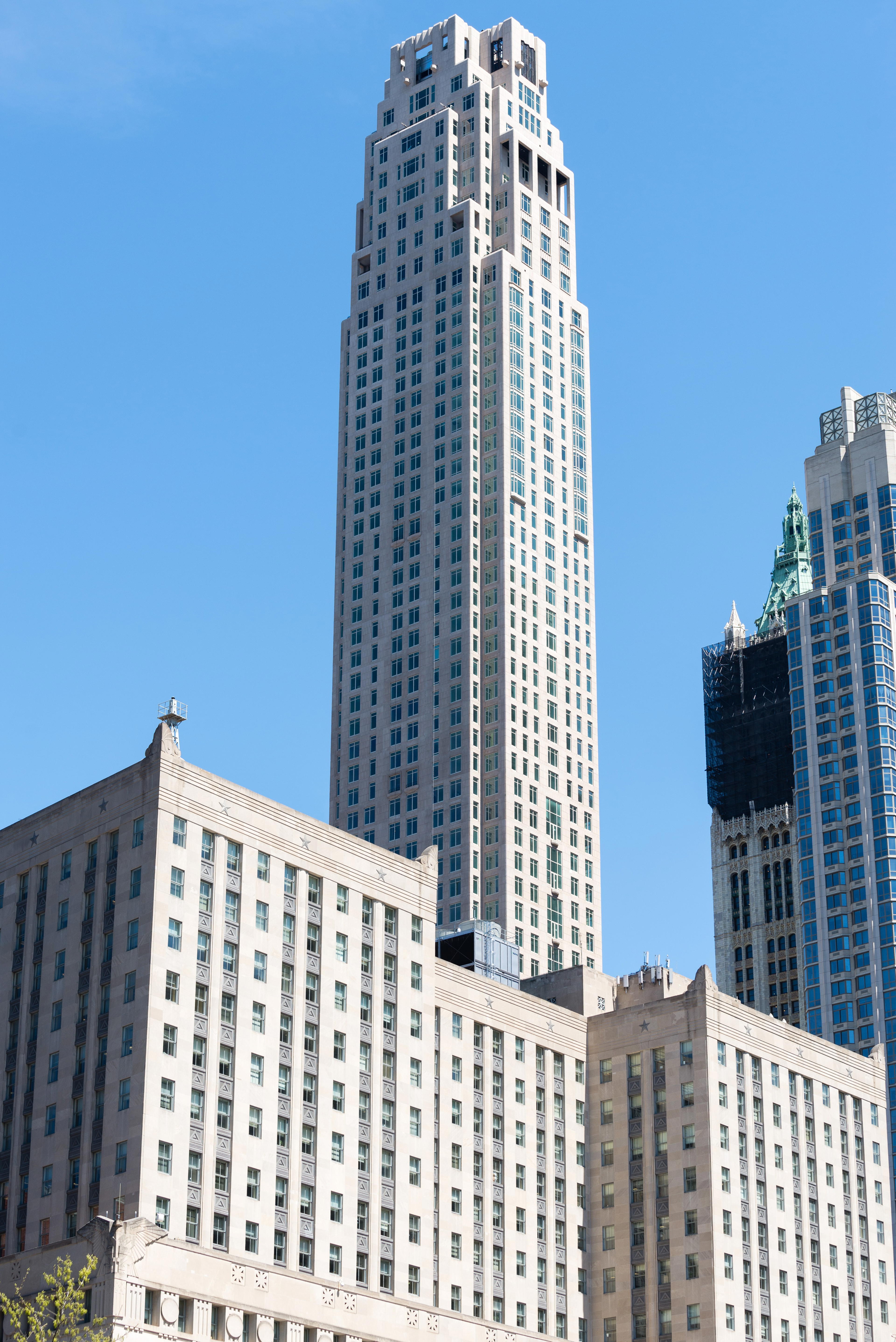
Lower Manhattan's Shift Toward Destination Hotels
For most of the twentieth century, the serious business of luxury hotel-keeping in New York happened north of 42nd Street. Midtown held the flagship addresses; downtown was for offices and, after hours, empty streets. That geography has been redrawn over the past decade, and Lower Manhattan now competes on terms its uptown counterparts have to take seriously. The Four Seasons Hotel New York Downtown, which opened in 2016 at 27 Barclay Street, arrived as that shift was accelerating. It sits between Tribeca's cast-iron loft district and the rebuilt blocks around the World Trade Center site, a location that placed it squarely at the intersection of residential wealth and corporate power that now defines this part of the city.
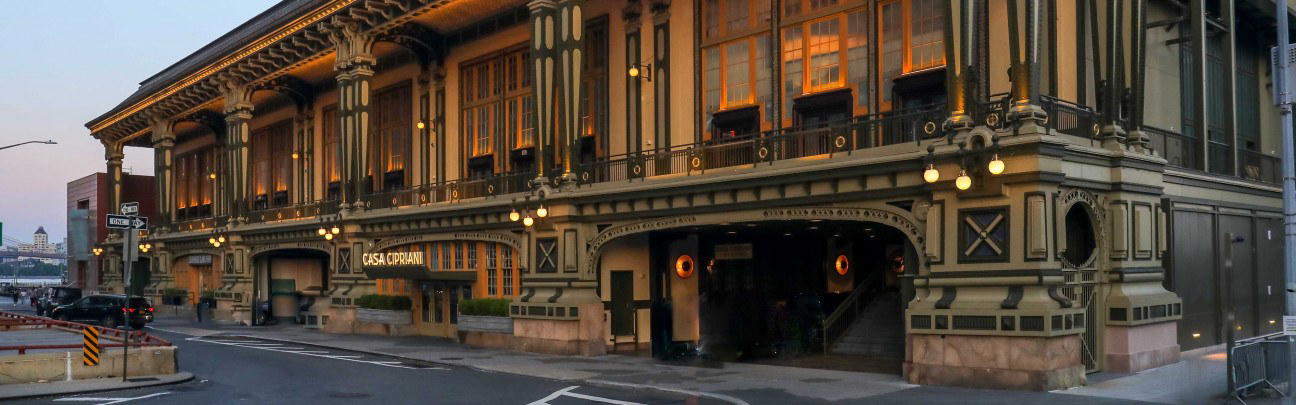
The neighbourhood's transformation is worth understanding before you book. Tribeca has the highest median residential sale prices of any Manhattan neighbourhood, and its adjacency to the Financial District means the hotel draws both the tech and finance crowds that have colonised the area and the leisure travellers who follow them. That dual audience has shaped everything from the room programming to the food and beverage offer. Nearby, The Greenwich Hotel and Crosby Street Hotel occupy the boutique end of the same downtown luxury tier, while Casa Cipriani New York takes a members-club approach on the waterfront. The Four Seasons plays a different hand: the scale and service infrastructure of a global chain, applied to a building designed for a neighbourhood that has outgrown its post-industrial identity.
A Building Designed to Be Looked At
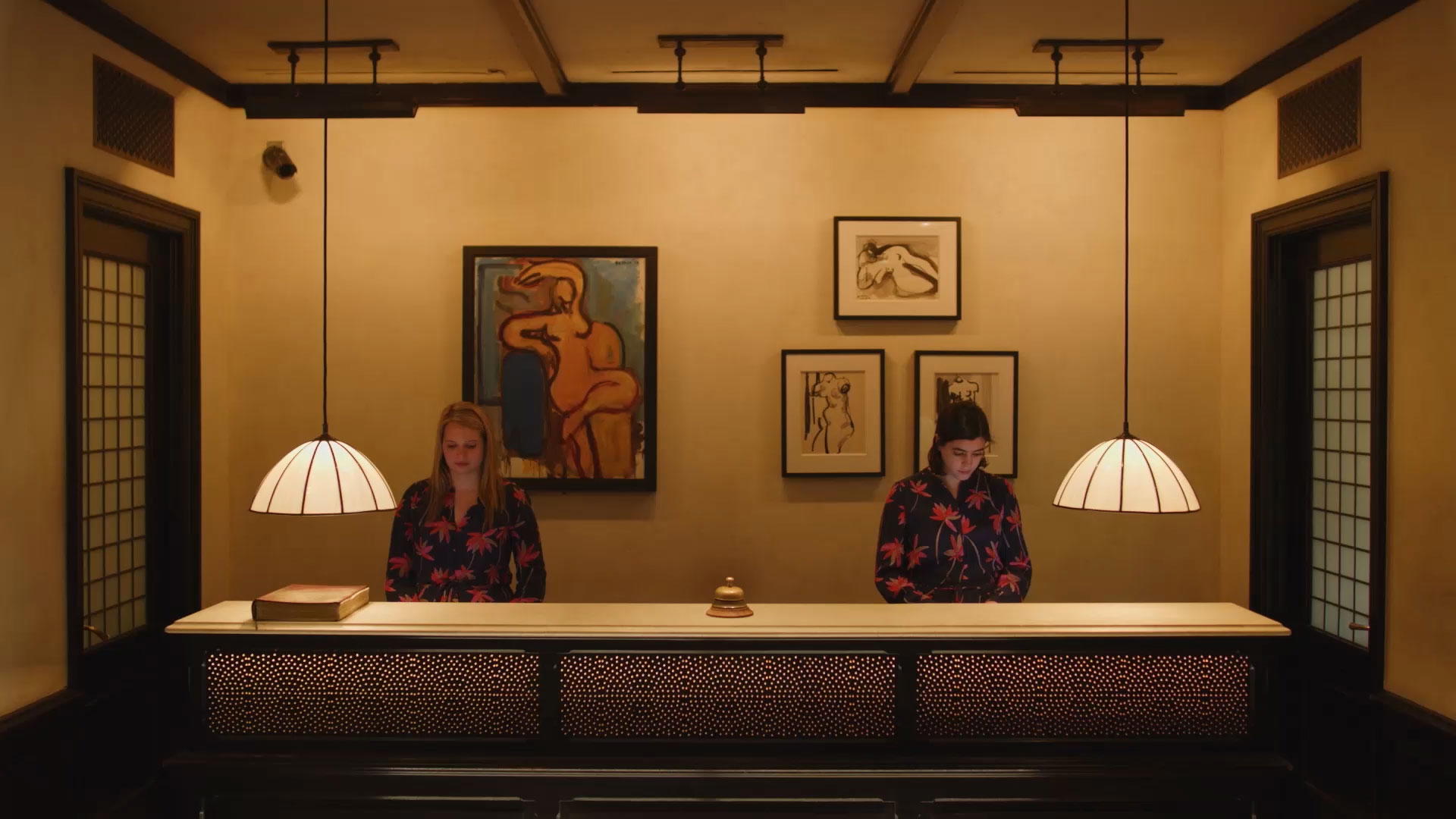
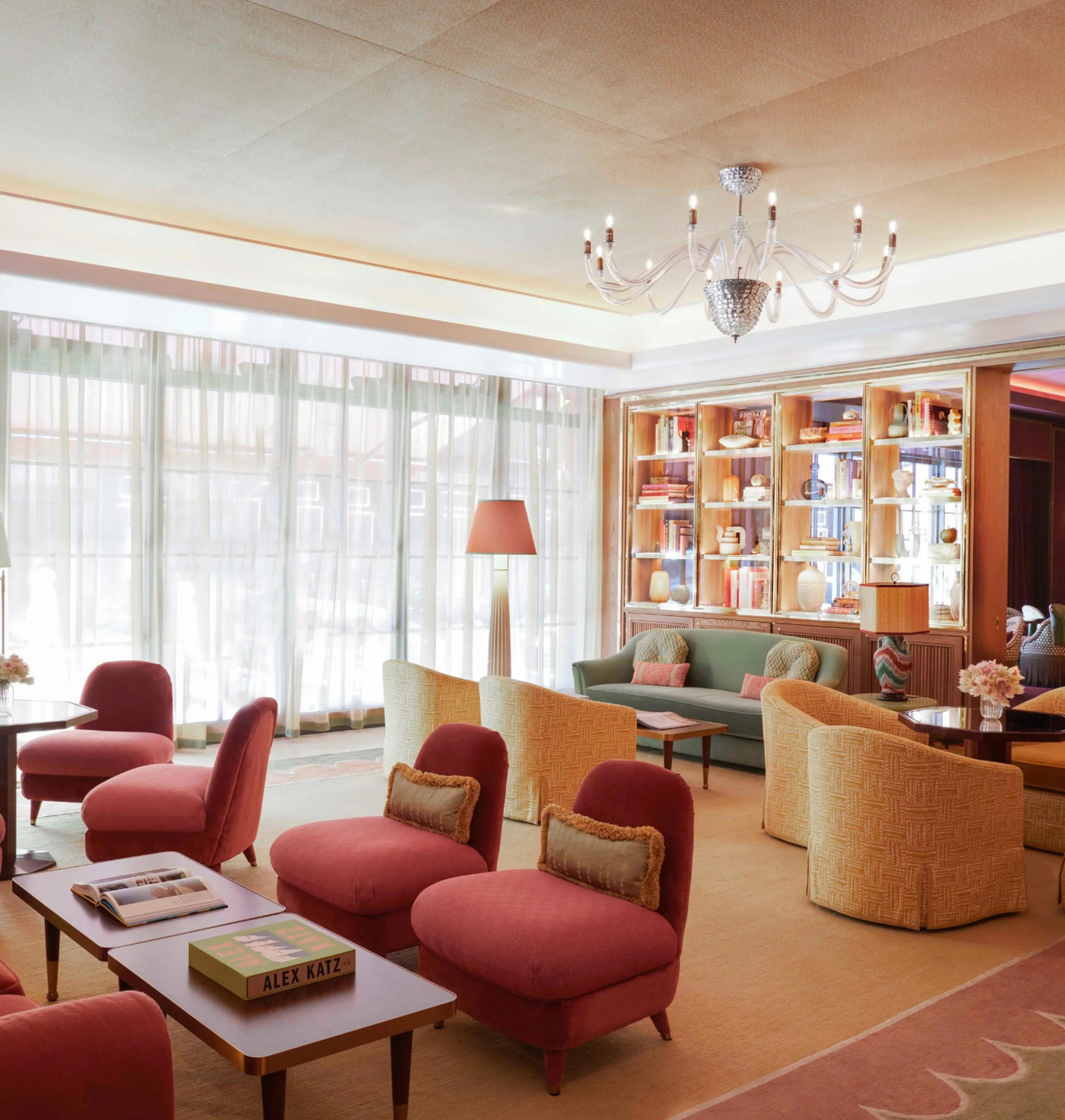
Yabu Pushelberg, the Toronto and New York design firm responsible for several of particularly discussed hotel interiors of the last two decades, handled both the guest rooms and the public spaces here. Their signature move is restraint in palette combined with deliberate material drama, and this property follows that logic precisely. Tidal-wave marble walls anchor the lobby; a suspended staircase provides the vertical punctuation; a display of gilded books functions as both library reference and sculptural object. The effect is a hotel interior that reads as collected rather than decorated, which is the harder thing to achieve at this scale.
The 2,400-square-foot Royal Suite occupies half of the 24th floor and comes with private butler service, a dining room that seats ten, and a full media room. That footprint, large even by the standards of Manhattan's most ambitious suites, positions it against the residential-scale suites at Aman New York and the Upper East Side flagships like The Carlyle, A Rosewood Hotel and The Mark. Standard accommodations run from 400 square feet upward and are fitted with 55-inch smart TVs, Bose stereos, in-mirror bathroom televisions, and an iPad for service requests. Marble bathrooms include oval deep-soaking tubs, separate showers, heated floors, and floor-to-ceiling mirrors. Beds are configured with a choice of plush, firm, or signature mattress toppers, a detail that signals how seriously the property takes sleep as a category rather than an amenity. Minibars are stocked with hyper-local products from the surrounding neighbourhood, which is a genuinely Tribeca-specific curatorial choice rather than a generic gesture.
The Spa as a Differentiating Argument
Spa programming at major urban hotels tends toward the formulaic: a set of treatment rooms, a predictable menu of massages and facials, and a selection of products with name recognition. The Four Seasons Downtown built something with more specificity. The spa runs across seven treatment rooms and offers a range of services from the Luxury Green Caviar skin treatment to the Executive Recharge, a 25-minute head, shoulders, and neck massage calibrated for time-constrained guests. More meaningfully, the spa serves as the American debut for Swiss skincare brand Dr. Burgener, and holds the only New York location offering Omorovicza facials. Omorovicza, the Hungarian brand built around Budapest's thermal bath mineral tradition, is difficult to find in the United States at all; having the city's sole outpost within a hotel spa is an argument for the space that operates beyond general wellness marketing.
The 75-foot heated indoor pool sits in a room with two-story windows designed to maximise natural light, a decision that distinguishes it from the basement or podium pools more common in Manhattan's vertical hotels. A fitness center rounds out the wellness floor, staffed with personal coaches.
CUT and the American Steakhouse in Downtown Manhattan
Wolfgang Puck's CUT brand, which began in Beverly Hills and has expanded to London, Singapore, and Las Vegas, operates its first New York City outpost here. The steakhouse format has deep roots in American dining culture, particularly in cities with financial industry weight, and Lower Manhattan is an obvious home for it. CUT sits within a tradition of high-end steakhouses that treat beef provenance and cooking technique as serious editorial subjects rather than background conditions, and its presence gives the hotel a dining identity that extends beyond hotel-restaurant as afterthought.
Recognition and Competitive Position
The property holds 96.5 points on La Liste's 2026 Leading Hotels ranking and placed twelfth on Condé Nast Traveler's 2025 Best Hotels list. Those signals put it in the upper tier of Manhattan luxury accommodation, alongside addresses like The Fifth Avenue Hotel and The Whitby Hotel, though each occupies a different neighbourhood and serves a different primary audience. Within the Four Seasons global portfolio, the Downtown address is a distinct proposition from its brand sibling properties elsewhere. For comparison with other Four Seasons formats across geographies, Four Seasons at The Surf Club in Surfside offers a resort-mode counterpoint, while properties like Aman Venice and Bvlgari Hotel Tokyo illustrate how the premium urban hotel category operates across different cultural registers.
Turndown milk and cookies, welcome gifts, child-sized bathrobes, and dedicated children's menus make it one of the more deliberately configured family addresses in the downtown luxury tier, a cohort that otherwise skews heavily toward couples and corporate stays.
Planning Your Stay
The hotel is at 27 Barclay Street, a short walk from Fulton Street and Chambers Street subway stations, placing most of Lower Manhattan, the Financial District, and Tribeca within easy reach on foot or by transit. Those comparing broader luxury options across New York's boroughs and beyond will find useful reference points in properties as varied as Raffles Boston, Auberge du Soleil in Napa, or Post Ranch Inn in Big Sur for a sense of how the American luxury hotel field is currently spread across formats and landscapes. Closer to home, Amangiri in Canyon Point, Troutbeck in Amenia, and Sage Lodge in Pray offer a different register of American hospitality entirely, which is useful context for understanding what a downtown Manhattan address is and is not designed to provide.
Comparable Options
Comparable venues nearby, for context on price, style, and recognition.
| Venue | Cuisine | Price | Notes |
|---|---|---|---|
| Four Seasons Hotel New York DowntownThis venue — the venue you are viewing | Hotel | Not listed | Not listed |
| Cheese of the World | Hotel | Not listed | Forest Hills |
| Putnam & Putnam Studio | urban jungle botanical retreat | $$ | East Williamsburg |
| Faustina at the Cooper Square Hotel | contemporary urban design hotel | $$$ | East Village |
| The Jane Ballroom | Restored historic sailors' home with nautical cabin rooms and lively social spaces. | $$ | West Village |
| The Webster | blends classic New York charm with a fresh, modern edge | $$$ | Times Square |
Recognition history
Dated appearances from independent guides and award organizations, with the underlying list record or original source where available.
La Liste Top Hotels
La Liste
AAA 5 Diamond
AAA
Conde Nast Best Hotels #12
Conde Nast
Forbes 5-Star
Forbes
Continue exploring
More in New York City
Hotels in New York City
Browse all →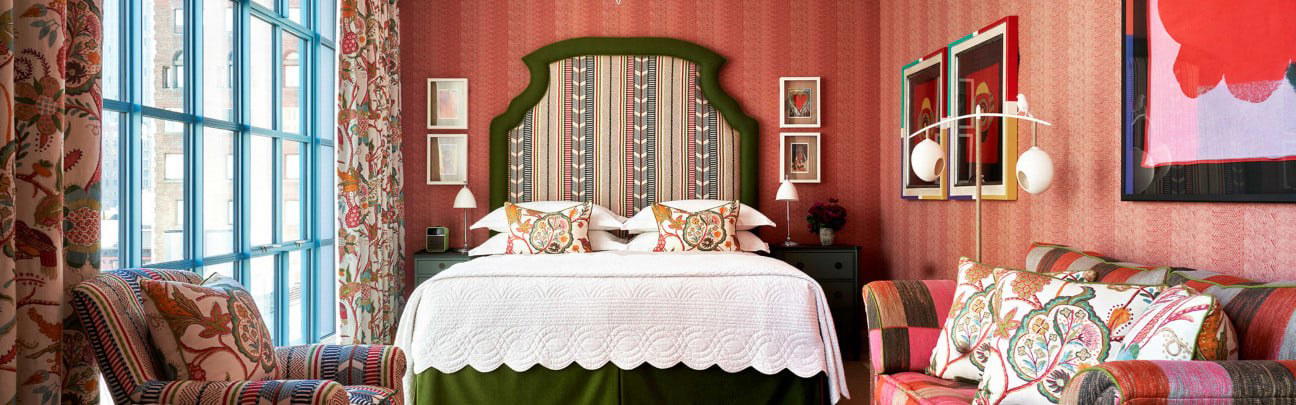
Bars in New York City
Browse all →
Restaurants in New York City
Browse all →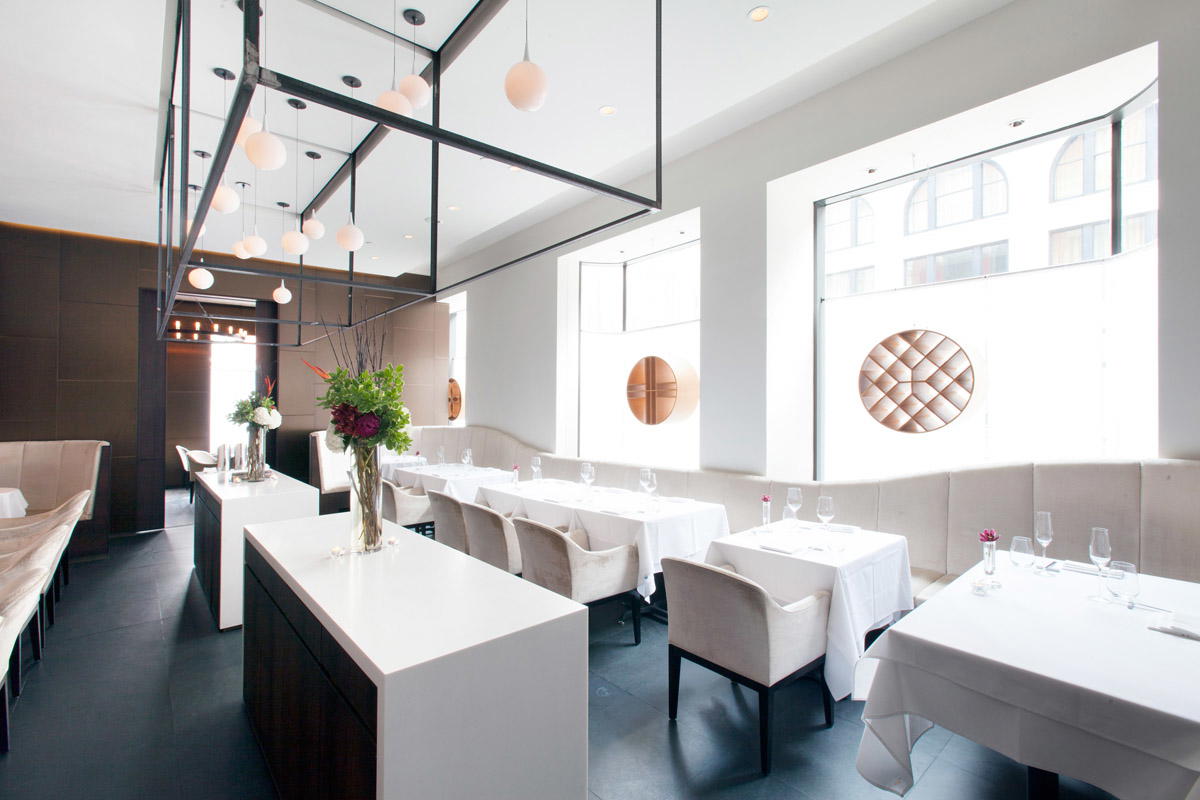




At a Glance
- Modern
- Elegant
- Sophisticated
- Quiet
- Intimate
- Business Trip
- Romantic Getaway
- Anniversary
- Weekend Escape
- Celebration
- Family Vacation
- Destination Spa
- Panoramic View
- Design Destination
- Private Dining
- Wi Fi
- Pool
- Spa
- Fitness Center
- Room Service
- Concierge
- Business Center
- Valet Parking
- Skyline
- Wi Fi
- Pool
- Spa
- Fitness Center
- Room Service
- Concierge
- Business Center
- Valet Parking
Modern, residential, and upscale, with a calm luxury feel shaped by warm woods, stone, marble, and a deliberately asymmetrical design.