The Michelangelo New York - Starhotels Collezione

Preferred Hotels Member
The Michelangelo New York, part of Starhotels Collezione, occupies a Midtown address at 152 West 51st Street within walking distance of Carnegie Hall and the Theater District. With 179 rooms, the property sits in the mid-to-upper tier of European-branded hotels operating in Manhattan, positioning itself as a continental alternative to American luxury chains in one of the city's most hotel-dense corridors.

Pearl is the En Primeur Club membership app — saves, bookings, and concierge access live there. Same editors, same standards.
- Address
- 152 W 51st St, New York, NY 10019
- Phone
- (212) 765-1900
- Website
- michelangelohotel.com
- Directions
- Get directions
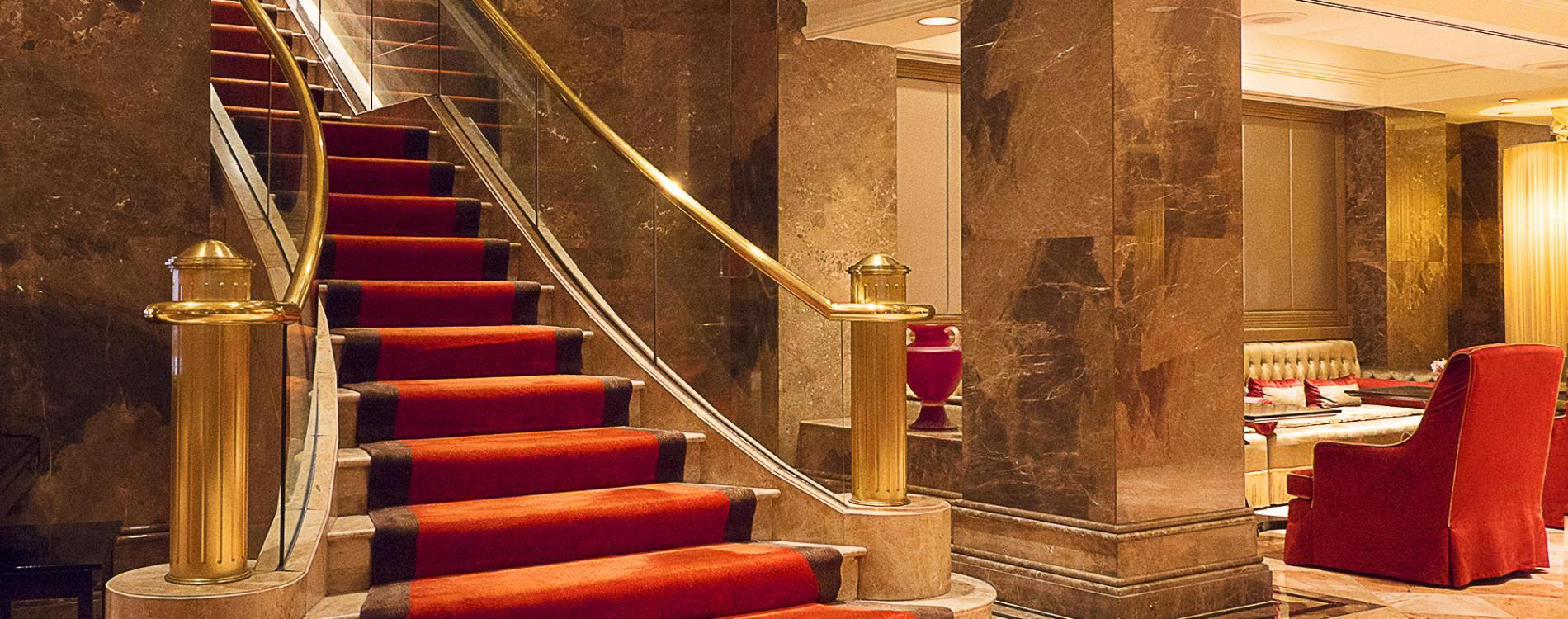
Midtown's European Hotel Tier, Placed in Context
West 51st Street sits at the compressed center of Manhattan's most hotel-saturated zone, where the competition between properties is less about location and more about identity. This block, a short walk from Carnegie Hall, Rockefeller Center, and the Theater District, draws travelers who want logistical efficiency alongside a sense of place that the large American chains rarely offer. The Michelangelo New York, operated under the Starhotels Collezione banner, positions itself as the Italian-branded answer to that gap. Within a corridor that includes everything from business-oriented towers to design-led independents, the 179-room property occupies a specific niche: European sensibility, Midtown convenience, and a scale that keeps the experience away from the anonymity of larger flagships.
European hotel groups operating in New York tend to approach the market one of two ways: they import a brand identity wholesale, or they adapt to the city's own rhythms while retaining a continental aesthetic. The Starhotels Collezione model, which operates properties across Italy alongside its New York outpost, leans toward the former. That distinction shapes the guest experience in ways that matter to travelers comparing options across Manhattan's mid-to-upper tier. Where properties like Aman New York or The Carlyle, A Rosewood Hotel represent the apex of the New York luxury hotel market, The Michelangelo sits one register lower in price expectation while maintaining the formal European service tradition that defines the Collezione collection.
Scale, Room Count, and What 179 Keys Means in Practice
Hotel scale in Manhattan is a telling signal. Properties with under 100 keys can offer boutique-level attention but sacrifice operational depth. Those exceeding 400 rooms typically shift toward convention and volume business. At 179 rooms, The Michelangelo sits in a middle band that allows consistent staffing ratios without the impersonal flow of a mega-hotel. For comparison, The Mark on the Upper East Side operates at a similar count with a stronger design identity, while Casa Cipriani New York takes a far more intimate approach with fewer keys and a members-club layer on leading. The Michelangelo's 179-room format suits travelers who want reliable service delivery at a scale that still feels considered.
For those exploring New York's more design-forward independent options, Crosby Street Hotel in SoHo and The Whitby Hotel in Midtown represent a different creative register. The Greenwich Hotel in Tribeca offers yet another mood. The Michelangelo's particular proposition is consistency and European formality rather than aesthetic novelty, which speaks to a specific kind of repeat traveler: one who arrives with a schedule and wants the hotel to disappear competently into the background.
The Italian Brand in a Manhattan Setting
The editorial angle that matters most for the Starhotels Collezione brand in New York is the tension between imported European methodology and the demands of a specifically American city. Italian luxury hospitality has a grammar of its own, built around formal room proportions, particular fabric choices, and a front-of-house culture that differs from the warmer, more expressive American service model. Transplanting that into Midtown Manhattan means navigating a guest base that moves faster, expects more transactional efficiency, and brings a broader range of expectations than a Florence or Rome property typically encounters.
That intersection of imported method and local demand is visible across the premium hotel tier in New York. The Fifth Avenue Hotel, Aman New York, and comparable properties each resolve that tension differently. The Michelangelo's version of the answer is to remain closely aligned with its Italian parent identity rather than localizing aggressively. Whether that reads as authenticity or as a failure to adapt depends entirely on what the traveler came for. For those flying in from Rome or Milan, there is something functionally reassuring about a hotel that feels continuous with what they left behind. For American travelers seeking a European flavor in Manhattan, the same continuity reads as a credential.
Positioning Against the Broader U.S. Premium Market
New York remains the reference point for premium hotel positioning across the United States, but the comparison set extends well beyond the five boroughs for travelers building longer itineraries. Properties like Raffles Boston in Boston and Four Seasons at The Surf Club in Surfside operate in a similar formal-European-meets-American-market register, while resort-context properties such as Auberge du Soleil in Napa, Amangiri in Canyon Point, and Post Ranch Inn in Big Sur sit in an entirely different experiential category.
For those building American itineraries beyond New York, properties at the design-led end of the U.S. market include Hotel Bel-Air in Los Angeles, Troutbeck in Amenia, SingleThread Farm Inn in Healdsburg, Sage Lodge in Pray, Canyon Ranch Tucson, Kona Village, A Rosewood Resort, Little Palm Island Resort and Spa in Little Torch Key, and 1 Hotel San Francisco. Each represents a distinct resolution to the question of what premium hospitality looks like when it is rooted in a specific place. The Michelangelo's answer to that same question is Italian formality, applied consistently at a Midtown Manhattan address. See our full New York City guide for a broader view of where this property sits within the city's dining and hotel ecosystem.
Know Before You Go
- Address: 152 West 51st Street, New York, NY 10019
- Room Count: 179 rooms
- Neighbourhood: Midtown Manhattan, within walking distance of Rockefeller Center, Carnegie Hall, and the Theater District
- Brand: Starhotels Collezione (Italian-owned group)
- Booking: Check the Starhotels website directly for rates and availability; direct booking typically offers the most complete room inventory
- Getting There: Close to multiple subway lines serving the 49th and 50th Street stations; accessible from Grand Central Terminal and Penn Station by cab or subway
Category Peers
Comparable venues nearby, for context on price, style, and recognition.
| Venue | Cuisine | Price | Awards | Notes |
|---|---|---|---|---|
| The Michelangelo New York - Starhotels CollezioneThis venue — the venue you are viewing | Italian-inspired luxury boutique in historic building | $500–750 | Preferred Hotels Member | Not listed |
| The Iroquois Hotel | Historic boutique hotel blending 1903 heritage architecture with contemporary luxury amenities; positioned as a sophisticated, personalized alternative to larger Midtown chains. | $200–300 | Small Luxury Hotels of the World Member | Midtown-Times Square |
| W New York - Times Square | Luxury lifestyle hotel with bold modern design and cultural positioning; recently renovated to emphasize contemporary art and see-and-be-seen social spaces. | $300–500 | Michelin Selected | Midtown-Times Square |
| Thompson Central Park | Sophisticated yet unpretentious lifestyle hotel reimagining a New York classic. | Not listed | Michelin Selected | Midtown-Times Square |
| 50 Bowery | Contemporary boutique hotel celebrating Chinatown's cultural heritage with modern luxury amenities and artistic installations. | $200–300 | Michelin Selected | Chinatown-Two Bridges |
| Soho Grand Hotel | Luxury boutique lifestyle hotel | Not listed | Michelin Selected · Mr & Mrs Smith Seal of Approval | SoHo-Little Italy-Hudson Square |
Recognition history
Dated appearances from independent guides and award organizations, with the underlying list record or original source where available.
Preferred Hotels Member
Preferred Hotels
Continue exploring
More in New York City
Hotels in New York City
Browse all →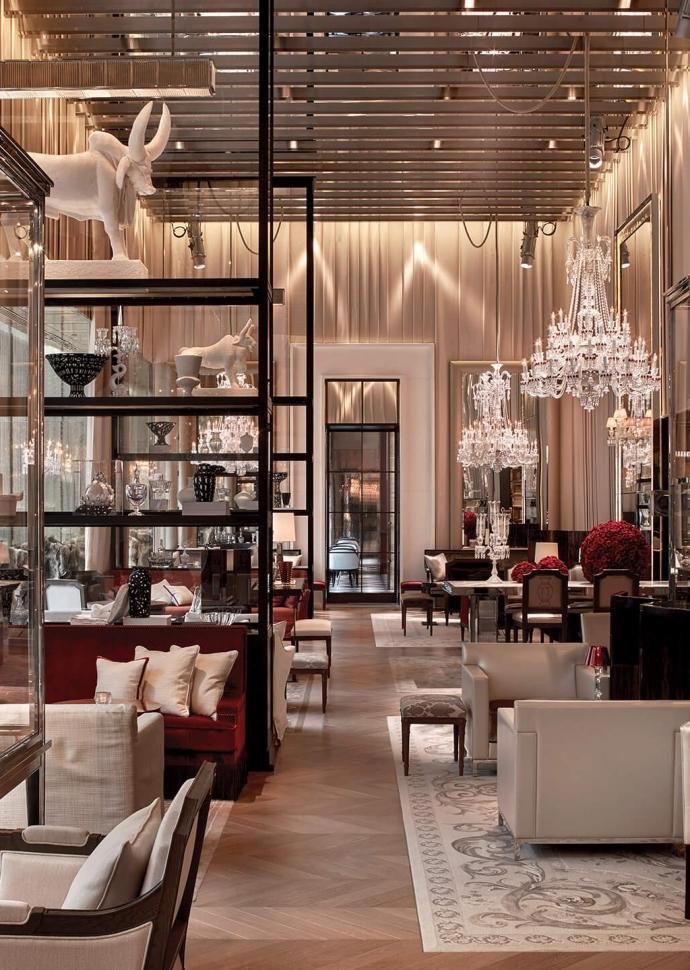
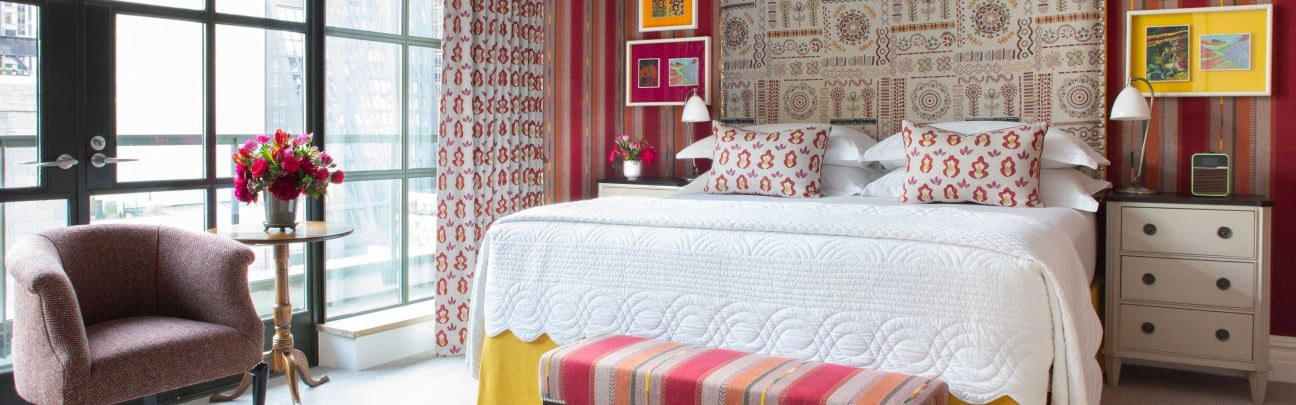
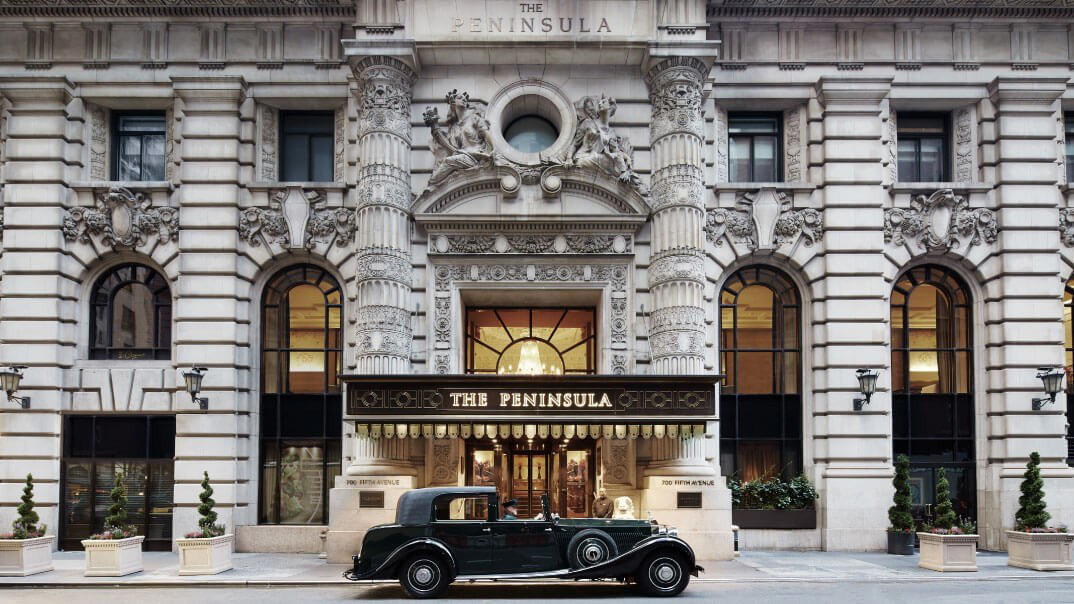
Bars in New York City
Browse all →
Restaurants in New York City
Browse all →




Details
- Elegant
- Sophisticated
- Classic
- Ornate
- Business Trip
- Romantic Getaway
- Weekend Escape
- Historic Building
- Wi Fi
- Fitness Center
- Room Service
- Concierge
- Business Center
- Valet Parking
- Skyline
- Elevator
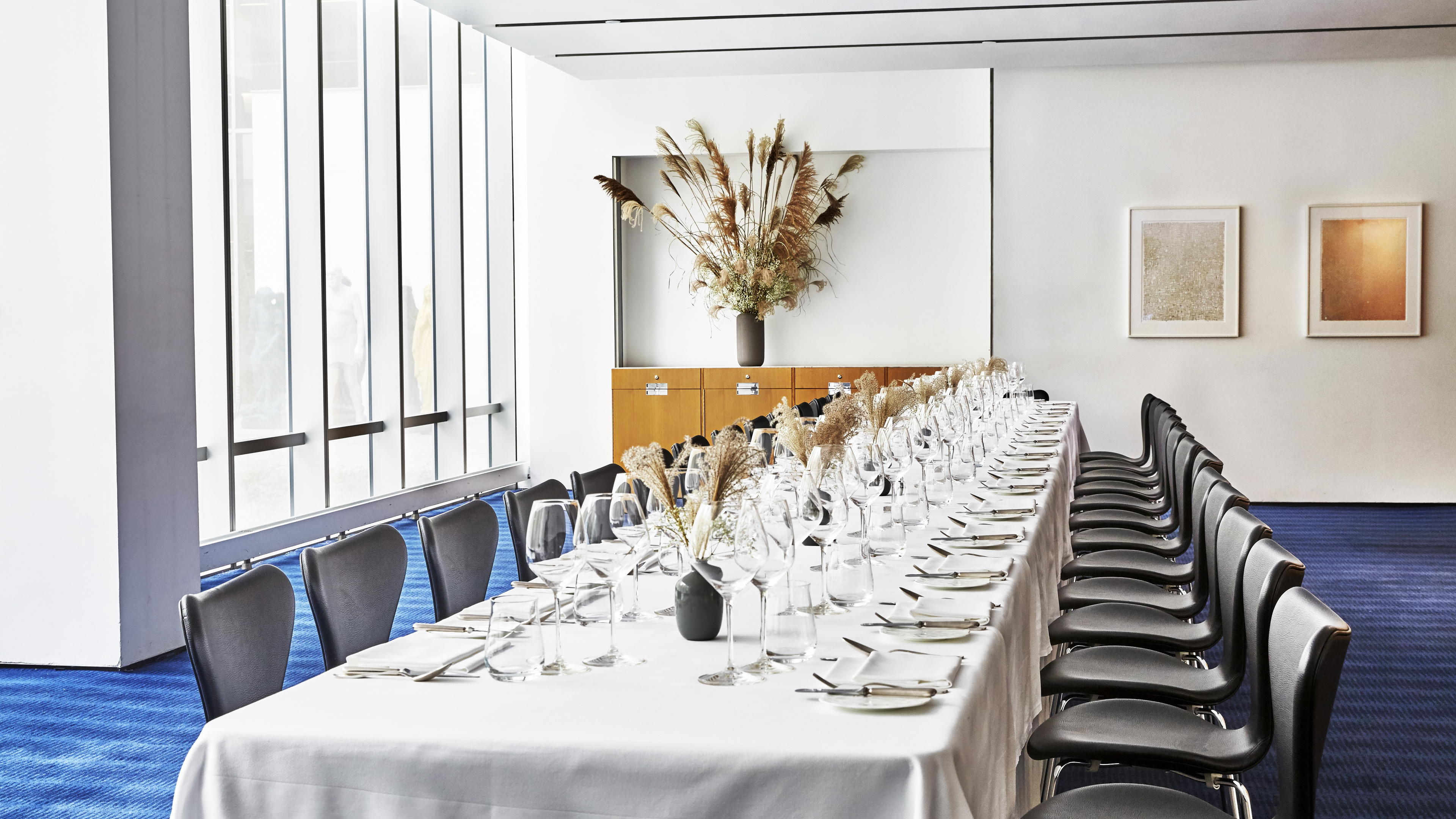
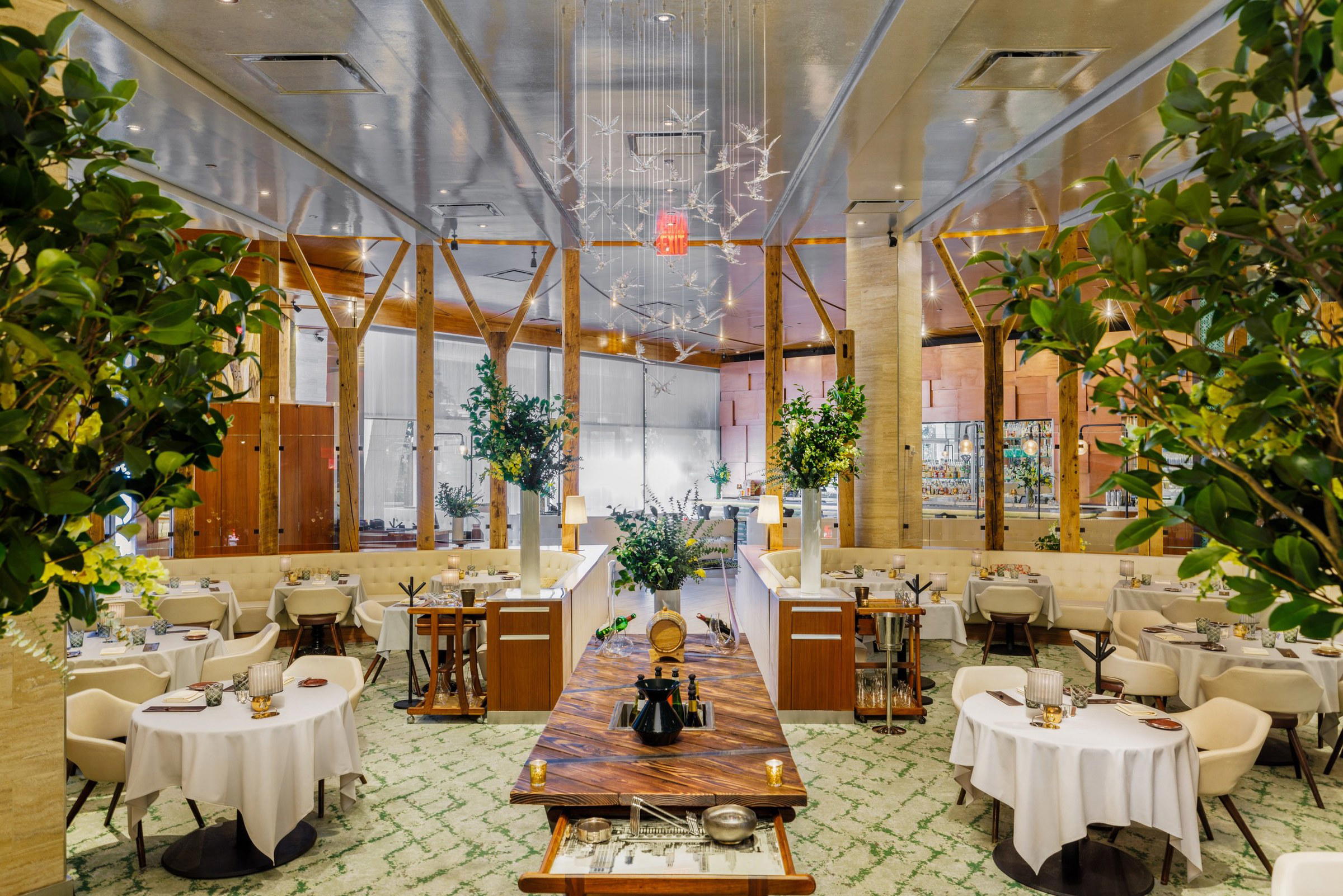
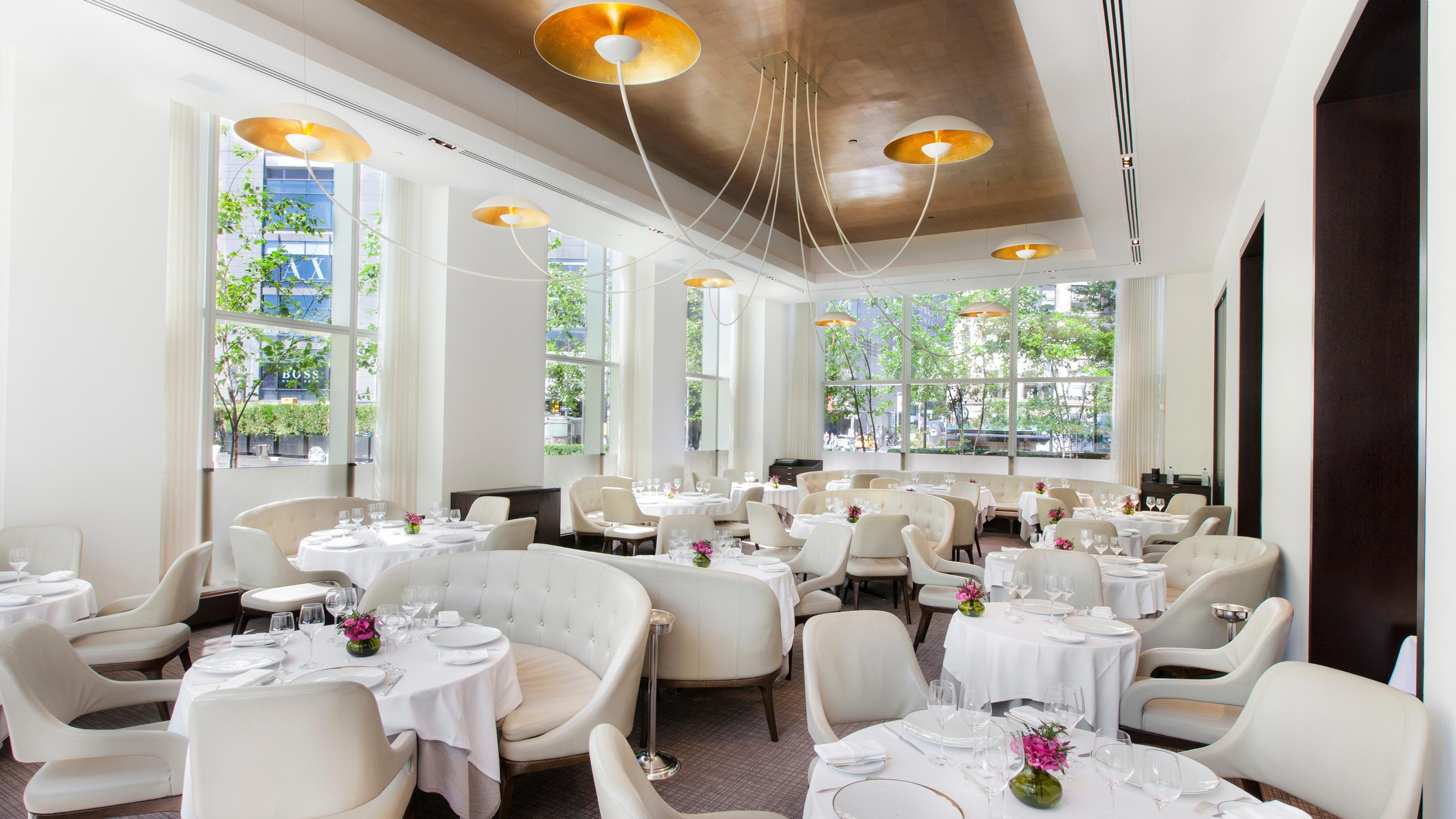
Classic elegance with marble, velvet, polished woods, and a peaceful retreat from city noise.