The Hoxton, Williamsburg

The Hoxton, Williamsburg occupies a converted industrial block on Wythe Avenue, placing the brand's design-led, community-first hotel model in Brooklyn's most hotel-dense corridor. It sits in a distinct tier from Manhattan's formal luxury addresses, trading scale and ceremony for neighbourhood access and a lobby that functions as a genuine social hub for the surrounding Williamsburg creative scene.
Pearl is the En Primeur Club membership app — saves, bookings, and concierge access live there. Same editors, same standards.
- Address
- 97 Wythe Ave, Brooklyn, NY 11249
- Phone
- +1 718 215 7100
- Website
- thehoxton.com
- Directions
- Get directions
 Saves & bookings on Pearl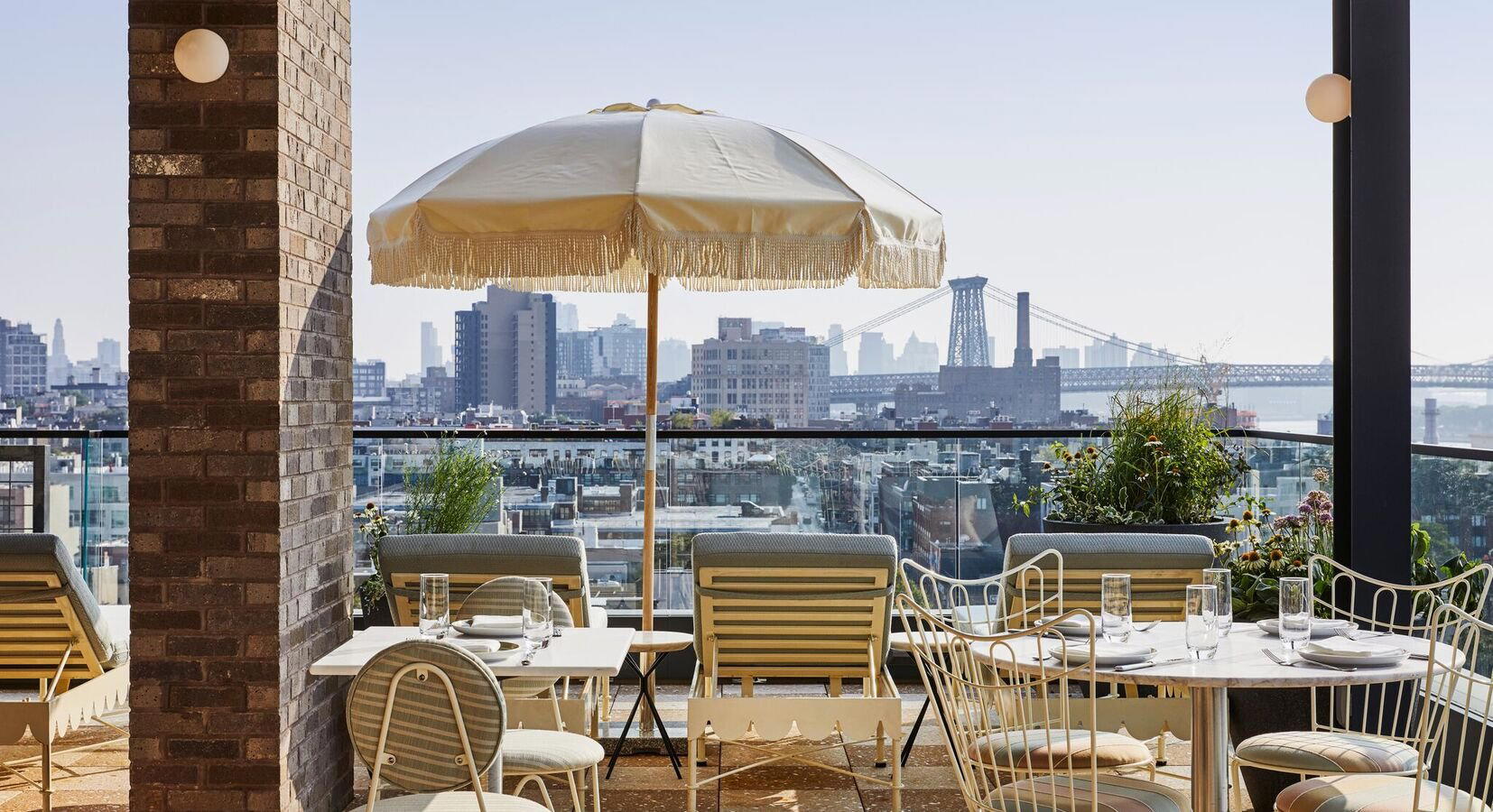
Wythe Avenue and the Brooklyn Hotel Shift
When hotel development in New York City began migrating across the East River in earnest, Williamsburg absorbed the bulk of it. Wythe Avenue, once a corridor of warehouses and light industry, became the address that out-of-borough hotel projects gravitated toward — partly for the real estate economics, partly because the neighbourhood's identity as a design and food destination was already established. The Hoxton, Williamsburg at 97 Wythe Ave sits inside that pattern, representing the brand's first New York foothold and its read that Brooklyn could sustain the same design-led, lobby-centric format it had proven in London, Paris, and Chicago.
The broader shift matters for how you evaluate this property. New York's hotel market has long been Manhattan-centric, with prestige clustering around addresses like the Upper East Side or Midtown. Properties like Aman New York, The Carlyle, A Rosewood Hotel, and The Mark anchor the top tier of that Manhattan cohort, where formality, heritage, and room size justify rates that push well past $1,000 a night. The Hoxton operates in a deliberately different register: closer in spirit to Crosby Street Hotel or The Whitby Hotel in its design seriousness, but pitched at a traveller who prefers neighbourhood immersion over central address. That is not a consolation prize. It is a different product for a different itinerary.
The Physical Environment on Arrival
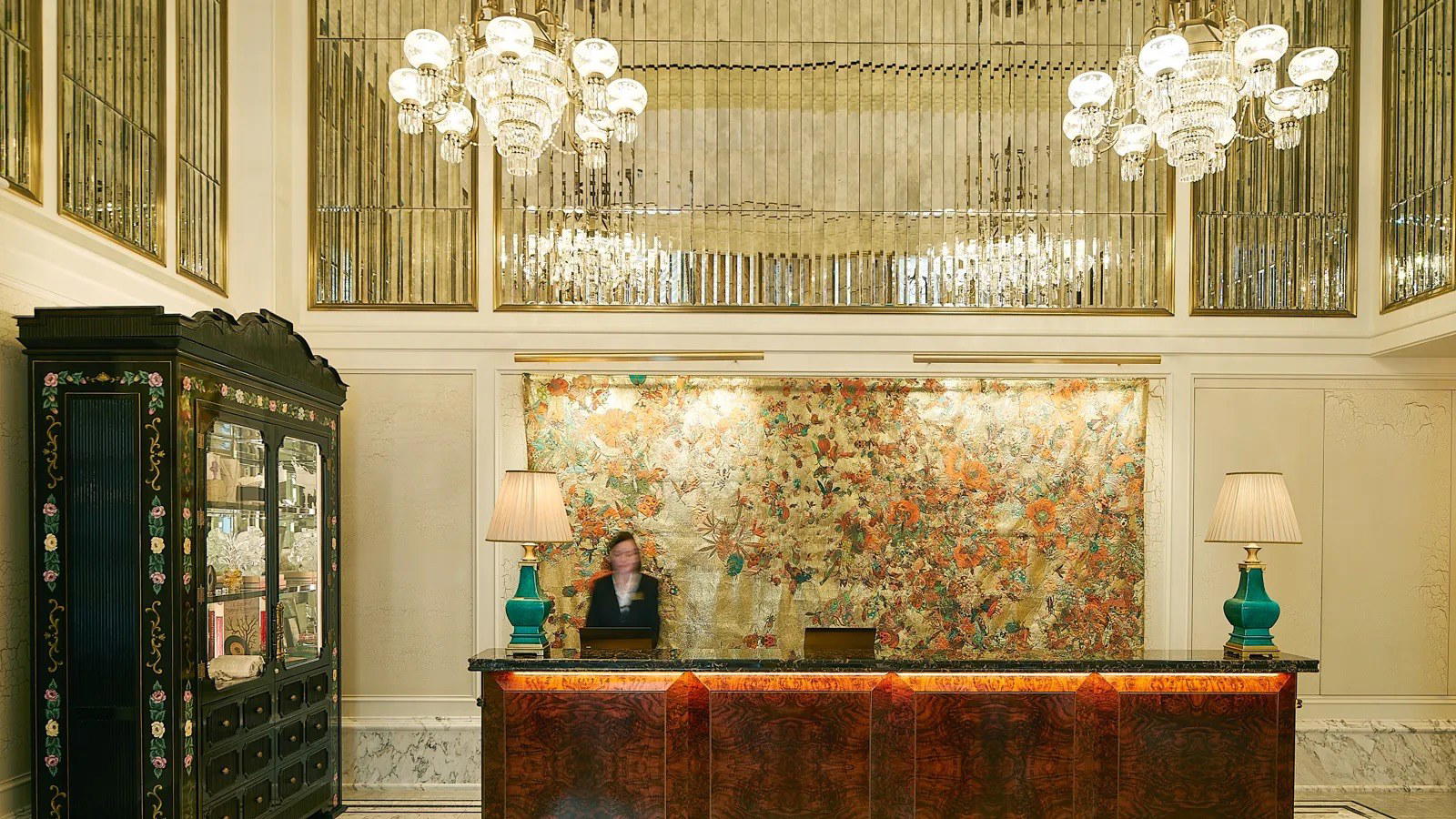
Williamsburg's built character is low-rise and horizontal — former factory buildings, converted lofts, and new residential towers sharing blocks with coffee roasters and natural wine bars. The Hoxton reads against that backdrop as a purposeful piece of adaptive architecture, with the lobby designed to blur the line between hotel and neighbourhood hangout. This is a consistent Hoxton signature across its portfolio: the ground floor operates as a semi-public living room, with coffee in the morning and drinks through the evening drawing a mix of guests and locals rather than sealing the two groups apart.
For the traveller arriving from a transatlantic flight or after a day of back-to-back meetings in Midtown, that energy can read either as exactly what you need or as something to factor into your expectations. The Hoxton is not a retreat from the city. It is a more intense immersion in one specific part of it.
Where Williamsburg Sits in the New York Food Context
The neighbourhood's food identity has matured considerably over the past decade. Williamsburg now holds a serious restaurant tier, not just the brunch-and-cocktail culture it was known for earlier, but destination-level cooking that draws diners from across the boroughs and from Manhattan. Staying on or near Wythe Avenue puts guests within walking distance of that density without requiring a subway transfer or car. For a hotel built around neighbourhood access as a core value proposition, the positioning on this particular block is intentional.
The sourcing culture that defines the better Williamsburg restaurants has also influenced what hotel food programming looks like in the area. The strongest properties in this corridor have leaned into the neighbourhood's expectation that ingredients have provenance, that the coffee has a named roaster, that the bread comes from a specific bakery, that the menu acknowledges where produce is from. This is less common in the midrange Manhattan hotel tier, where food and beverage often functions as a convenience amenity rather than an editorial statement. In Brooklyn, the bar is set differently, and guests arriving from properties like The Greenwich Hotel or Casa Cipriani New York will notice the shift in register immediately.
For context on how this ingredient-sourcing emphasis plays out at the highest level elsewhere in the country, SingleThread Farm Inn in Healdsburg represents the extreme end of the spectrum, a property that operates its own farm as the literal source of its kitchen's output. The Hoxton's approach is less total, but it belongs to the same broader movement that has made ingredient transparency a design choice as much as a culinary one.
The Hoxton, Williamsburg competes most directly with design-conscious independents and boutique-minded brands that have made similar bets on Brooklyn. The Ace Hotel Brooklyn is the most direct structural parallel, another brand that prioritised lobby culture and creative-community positioning over room scale and service ceremony. Both properties attract a similar traveller profile: design-aware, neighbourhood-curious, and not seeking the concierge-and-car-service infrastructure that defines The Fifth Avenue Hotel or Aman New York.
Where The Hoxton holds a structural advantage is brand consistency across cities. Guests who have stayed at Hoxton properties in Amsterdam, Rome, or Paris arrive with a calibrated expectation of what the format delivers and what it does not. That cross-market recognition is a meaningful trust signal in a borough where hotel options have multiplied faster than reputations have been established. For first-time visitors trying to read the Brooklyn hotel market without local knowledge, brand legibility matters.
Travellers whose trips include a broader US itinerary might also consider how Williamsburg fits their routing. Those heading to coastal or resort properties afterward, such as Little Palm Island Resort & Spa in Little Torch Key or Four Seasons at The Surf Club in Surfside, will find the Brooklyn stay functions well as an urban counterweight before transitioning to slower formats. Similarly, those combining New York with a New England leg might look at Raffles Boston as a tonal contrast.
For our complete guide to where to eat, drink, and stay across all five boroughs, see our full New York City restaurants guide.
Know Before You Go
- Address: 97 Wythe Ave, Brooklyn, NY 11249
- Neighbourhood: Williamsburg, Brooklyn
- Getting there: The Bedford Avenue L train stop (Williamsburg's main subway access point) is approximately a 10-minute walk. The L connects directly to Manhattan's 14th Street–Union Square in around 10 minutes, making cross-borough movement practical for guests splitting their trip between Brooklyn and Midtown.
- Booking: Contact the property directly via their official website. Given the brand's consistent occupancy across its portfolio, weekends during peak autumn and spring seasons typically fill several weeks in advance.
- Leading season: September through November brings the most favourable conditions for walking the neighbourhood, when Williamsburg's outdoor bar and market culture is still active before winter temperatures close the city's al fresco scene. Spring (April to early June) runs close behind.
- Phone: Not listed, use the official website for reservations.
Same-City Peers
| Venue | Cuisine |
|---|---|
| The Hoxton, WilliamsburgThis venue — the venue you are viewing | This venue |
Recognition history
Dated appearances from independent guides and award organizations, with the underlying list record or original source where available.
Michelin Selected
Michelin
Continue exploring
More in New York City
Hotels in New York City
Browse all →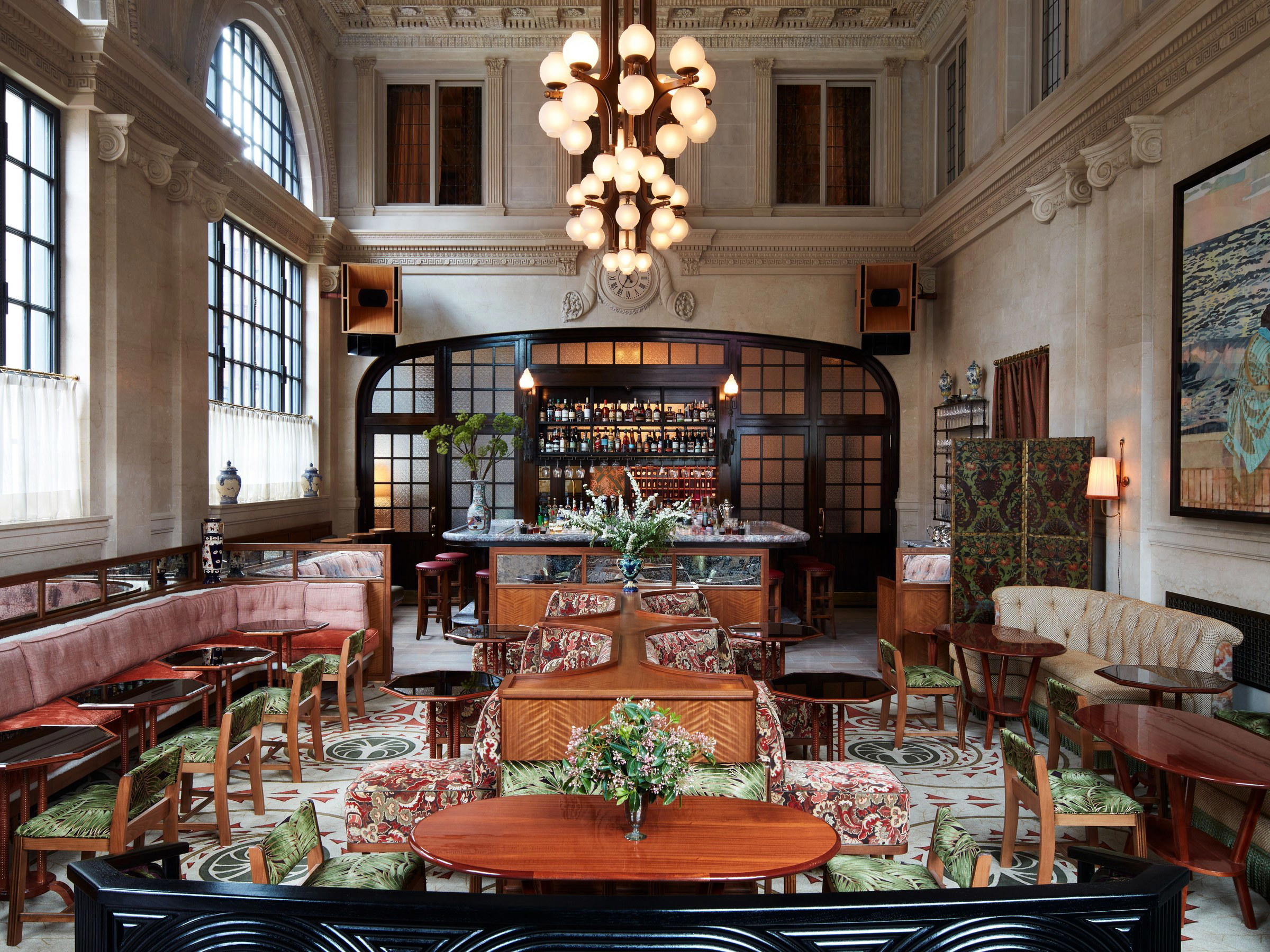
Bars in New York City
Browse all →
Restaurants in New York City
Browse all →




At a Glance
- Trendy
- Modern
- Industrial
- Cozy
- Weekend Escape
- Rooftop Pool
- Panoramic View
- Terrace
- Wi Fi
- Room Service
- Concierge
- Skyline
- Wi Fi
- Room Service
- Concierge
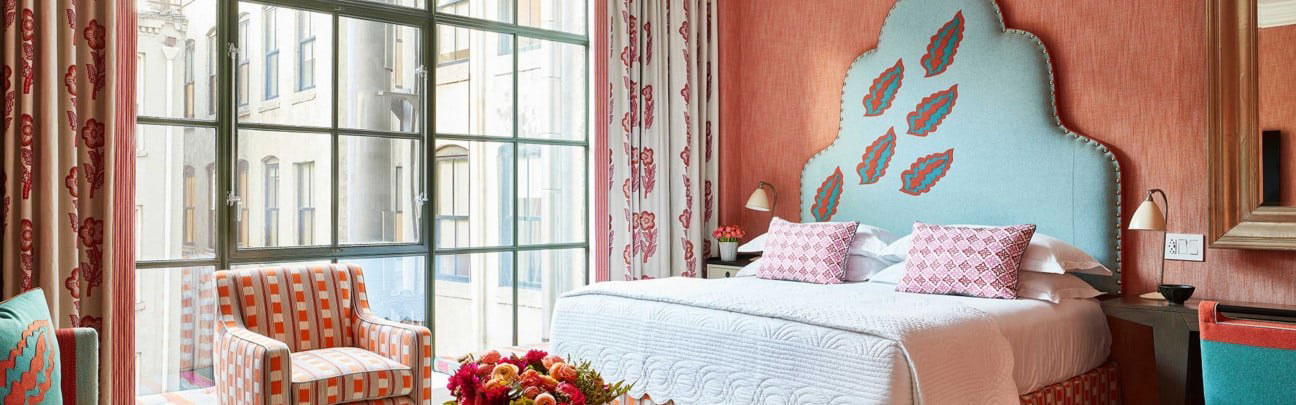
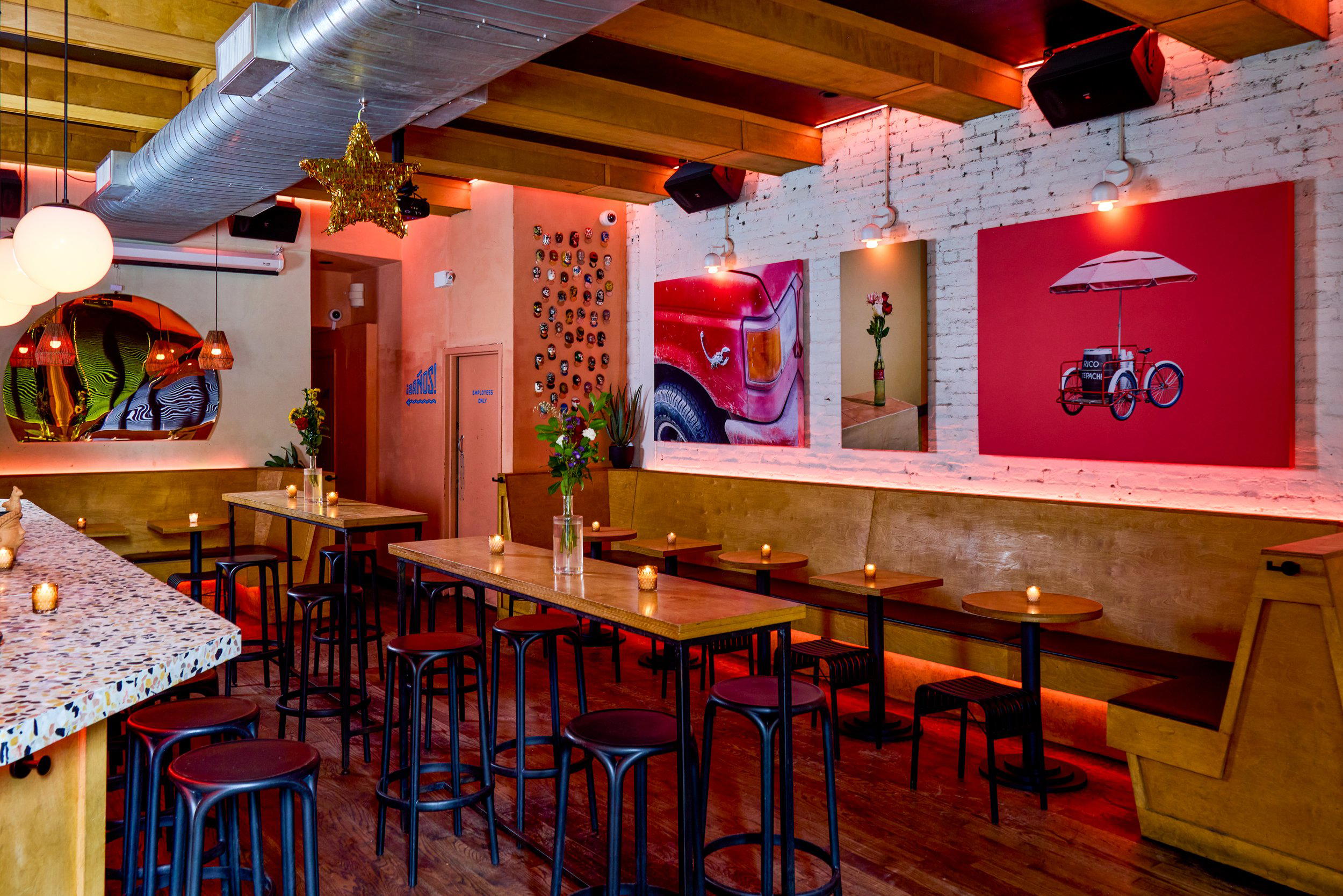
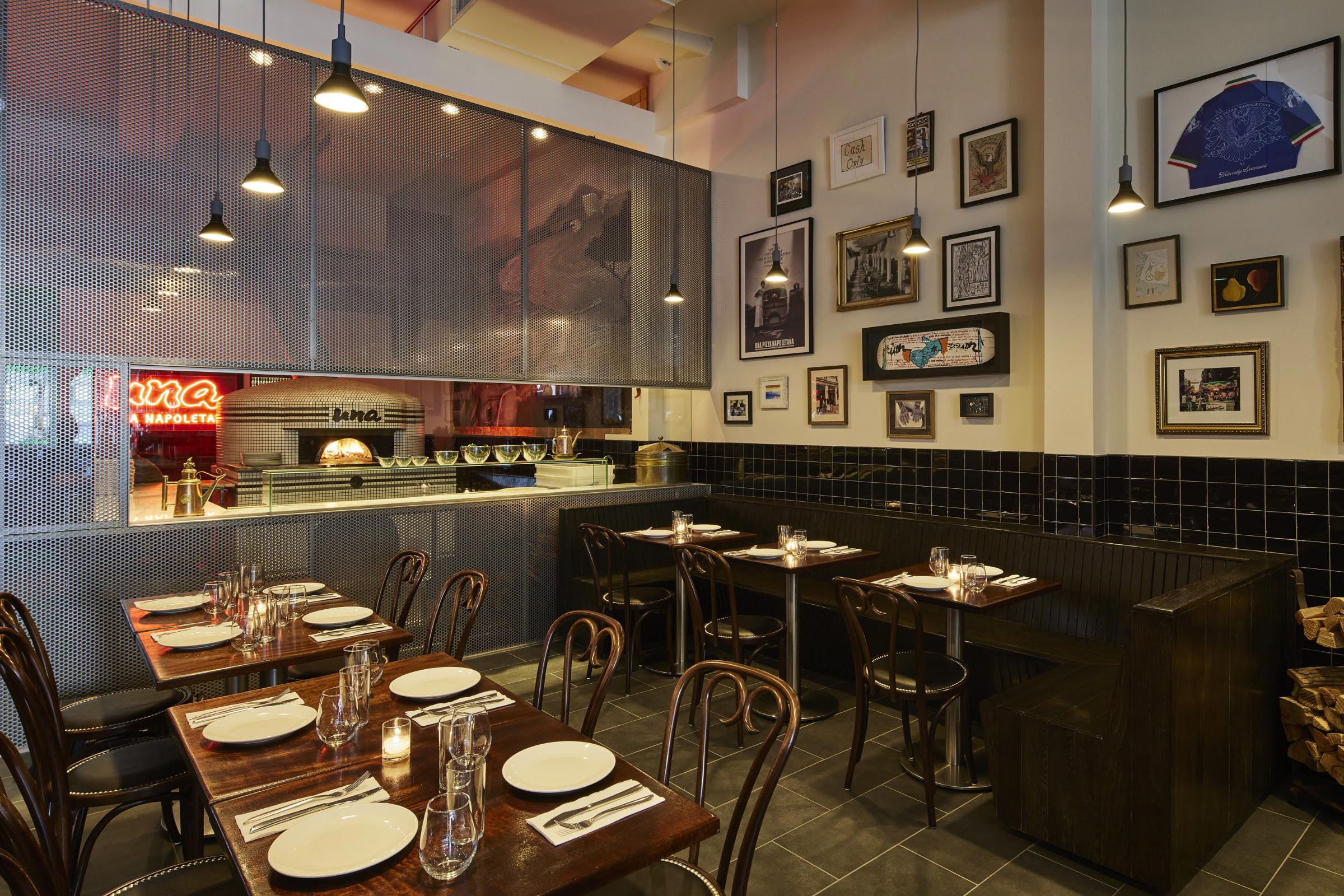
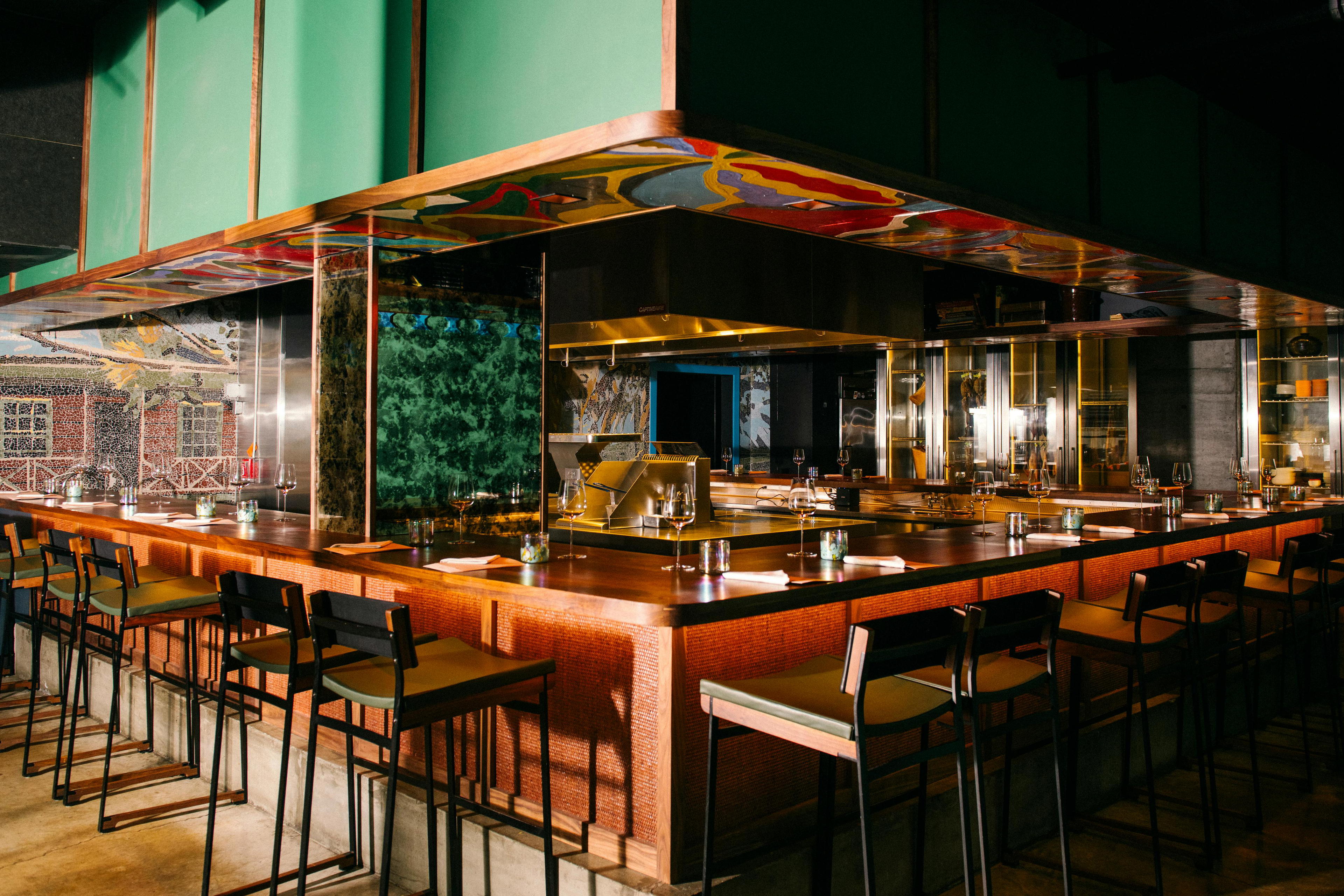
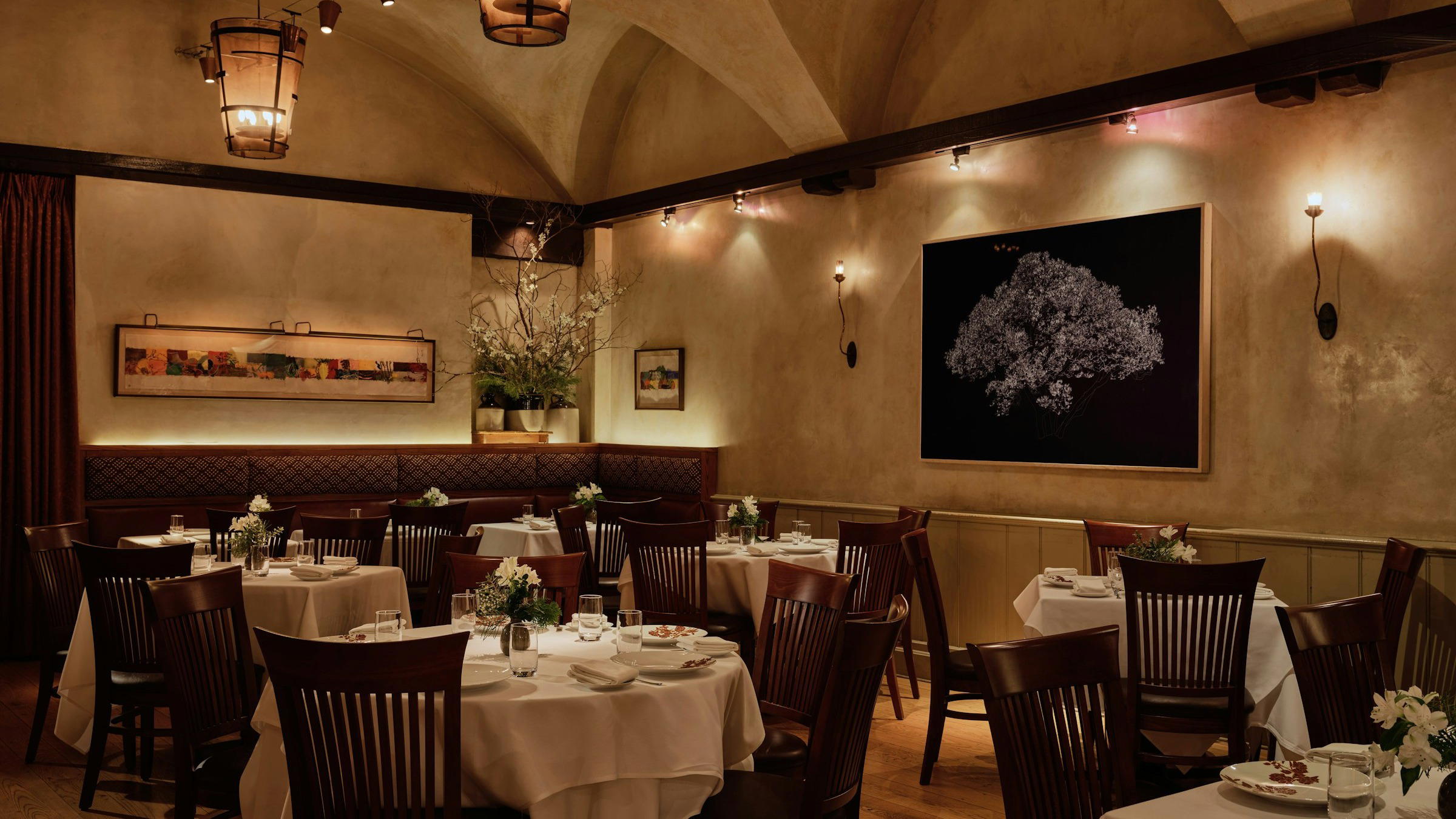
Retro-industrial with exposed brick, Edison bulbs, brass accents, pastel velvet seating, and a warm, collected-over-time feel blending raw edges with cozy, feminine touches.
Know Before You Go
- Getting there
- 97 Wythe Ave, Brooklyn, NY 11249