The Hoxton, Chicago

The Hoxton, Chicago occupies a converted Fulton Market warehouse at 200 N Green St, placing a design-conscious, communal-format hotel at the edge of one of the city's most active dining and nightlife corridors. The property follows the Hoxton group's signature approach: open, lobby-centric spaces that blur the line between hotel guest and neighbourhood regular, with daytime and evening atmospheres that read almost as two distinct experiences.
Pearl is the En Primeur Club membership app — saves, bookings, and concierge access live there. Same editors, same standards.
- Address
- 200 N Green St, Chicago, IL 60607
- Phone
- +1 312 761 1700
- Website
- thehoxton.com
- Directions
- Get directions
 Saves & bookings on Pearl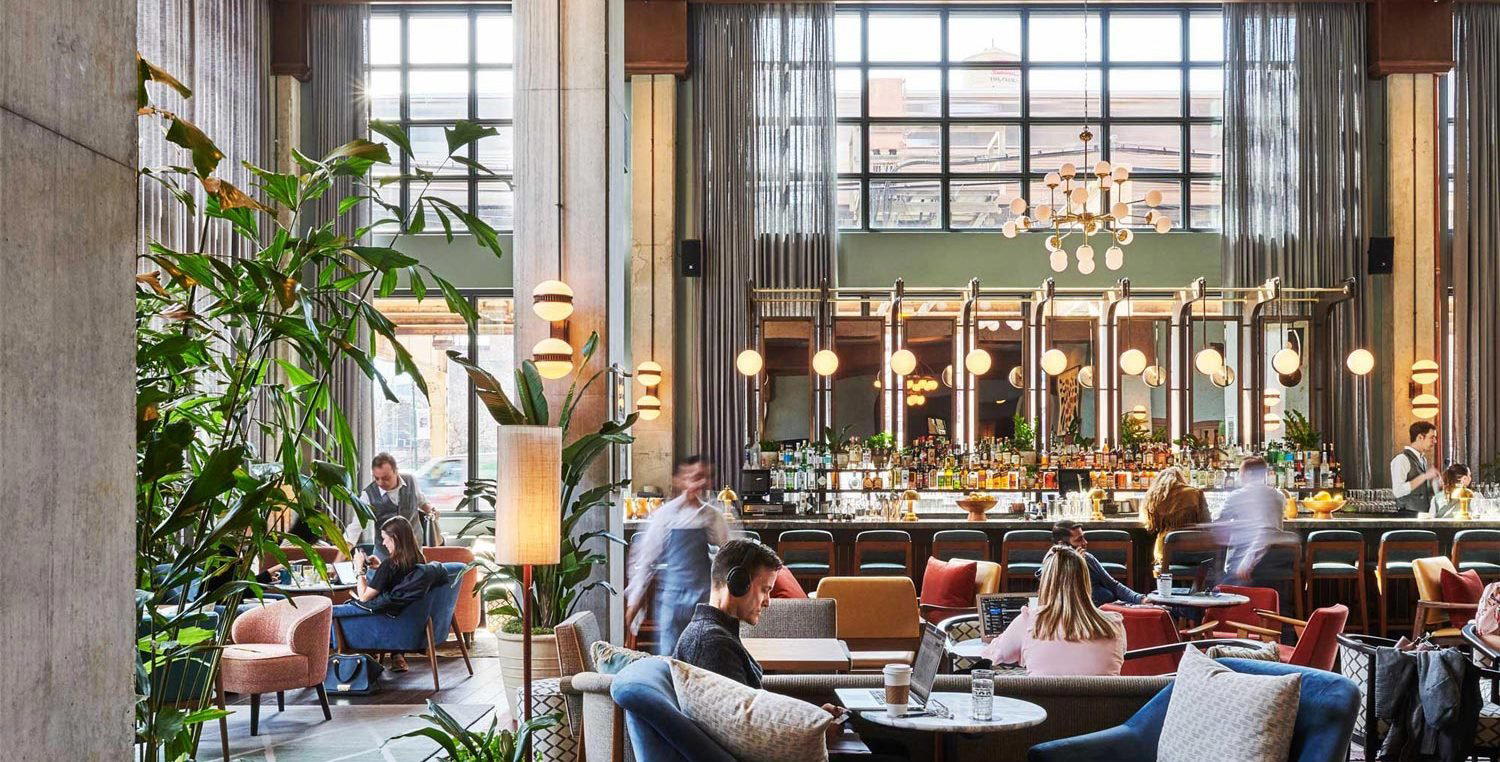
Fulton Market and the Hotel That Came With the Neighbourhood
Chicago's Fulton Market district transformed faster than almost any other former meatpacking corridor in the United States. Within a decade, the stretch along Green and Randolph Streets shifted from cold-storage facilities and wholesale butchers to one of the densest concentrations of serious restaurants, design studios, and creative offices in the Midwest. The Hoxton's arrival at 200 N Green St was less a catalyst for that change and more a recognition of it. That timing shapes what the hotel is and how it functions.
The building itself is a converted warehouse, and the decision to retain industrial bones rather than polish them into abstraction places the Hoxton in a specific subset of Chicago hotels. Where properties like The Langham, Chicago or Waldorf Astoria Chicago operate from the premise of formal luxury, and where The Peninsula Chicago anchors itself to Michigan Avenue's commercial prestige, the Hoxton occupies a different register entirely: design-forward, deliberately casual, and structured around communal space rather than private amenity.
The Lobby as the Point: Daytime at the Hoxton
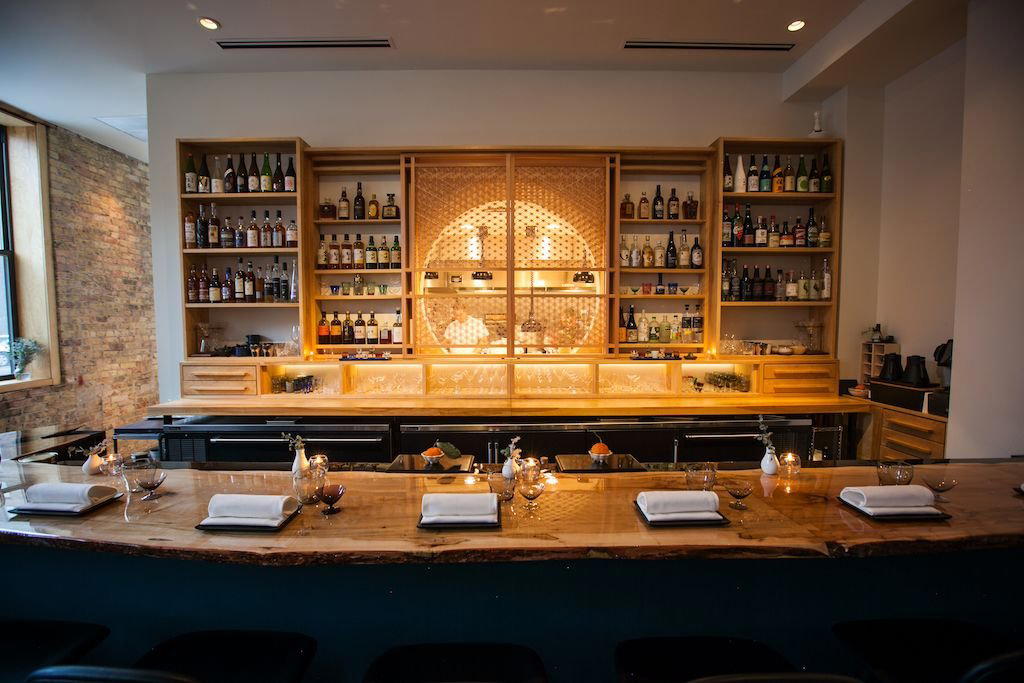
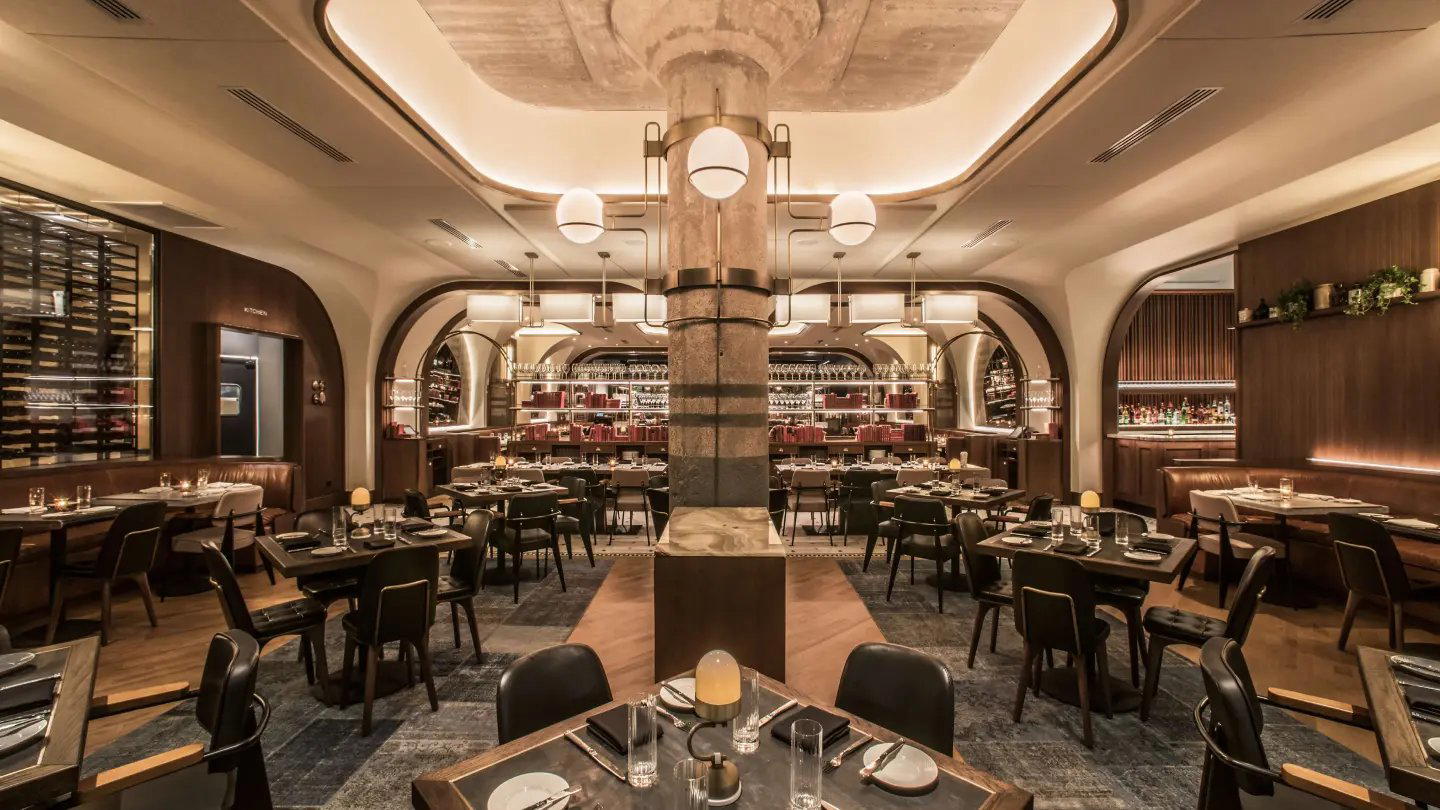
The Hoxton's operational philosophy centres on what the group calls its open-house concept, which in practice means the lobby and ground-floor spaces are designed to function as neighbourhood living rooms rather than holding areas for checked-in guests. During the day, this reads most clearly. The ground floor draws a mix of remote workers, local creatives, and hotel guests into a shared atmosphere that feels more like a well-curated co-working café than a traditional hotel lobby.
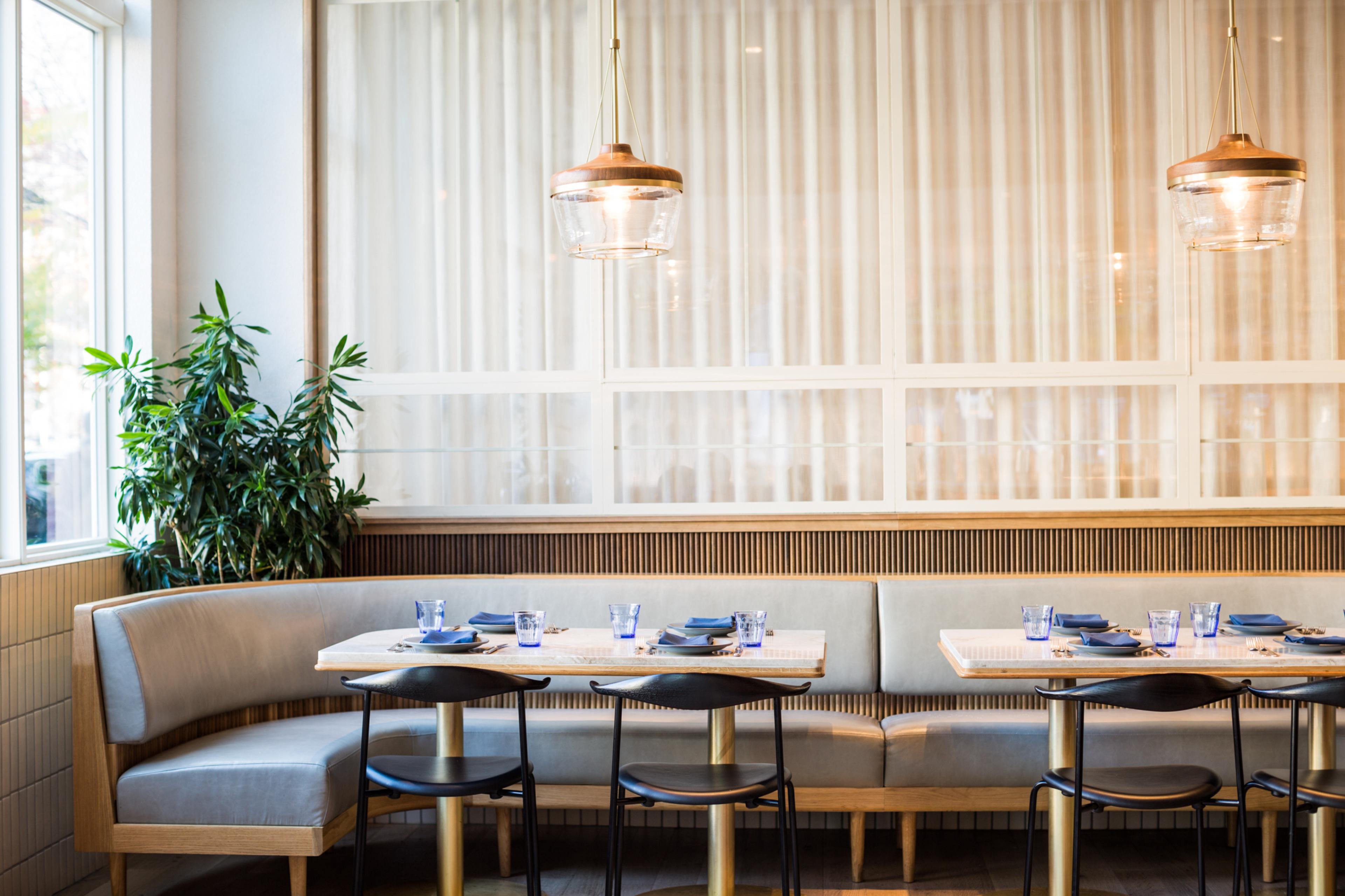
This is where the lunch-versus-dinner divide becomes architecturally legible. Daytime at the Hoxton is loose, ambient, and low-pressure. The light through industrial-scale windows hits the raw materials differently at noon than at eight in the evening, and the crowd composition shifts accordingly. For travellers who want a base in a working neighbourhood rather than a tourist district, the daytime atmosphere at 200 N Green St functions as an asset: you are in Fulton Market, not observing it from a hermetically sealed lobby. Comparable design-led properties in other cities, such as Troutbeck in Amenia or SingleThread Farm Inn in Healdsburg, achieve a similar sense of local embeddedness through different means; the Hoxton achieves it through deliberate permeability between hotel and street.
Evening Shift: How the Mood Changes After Dark
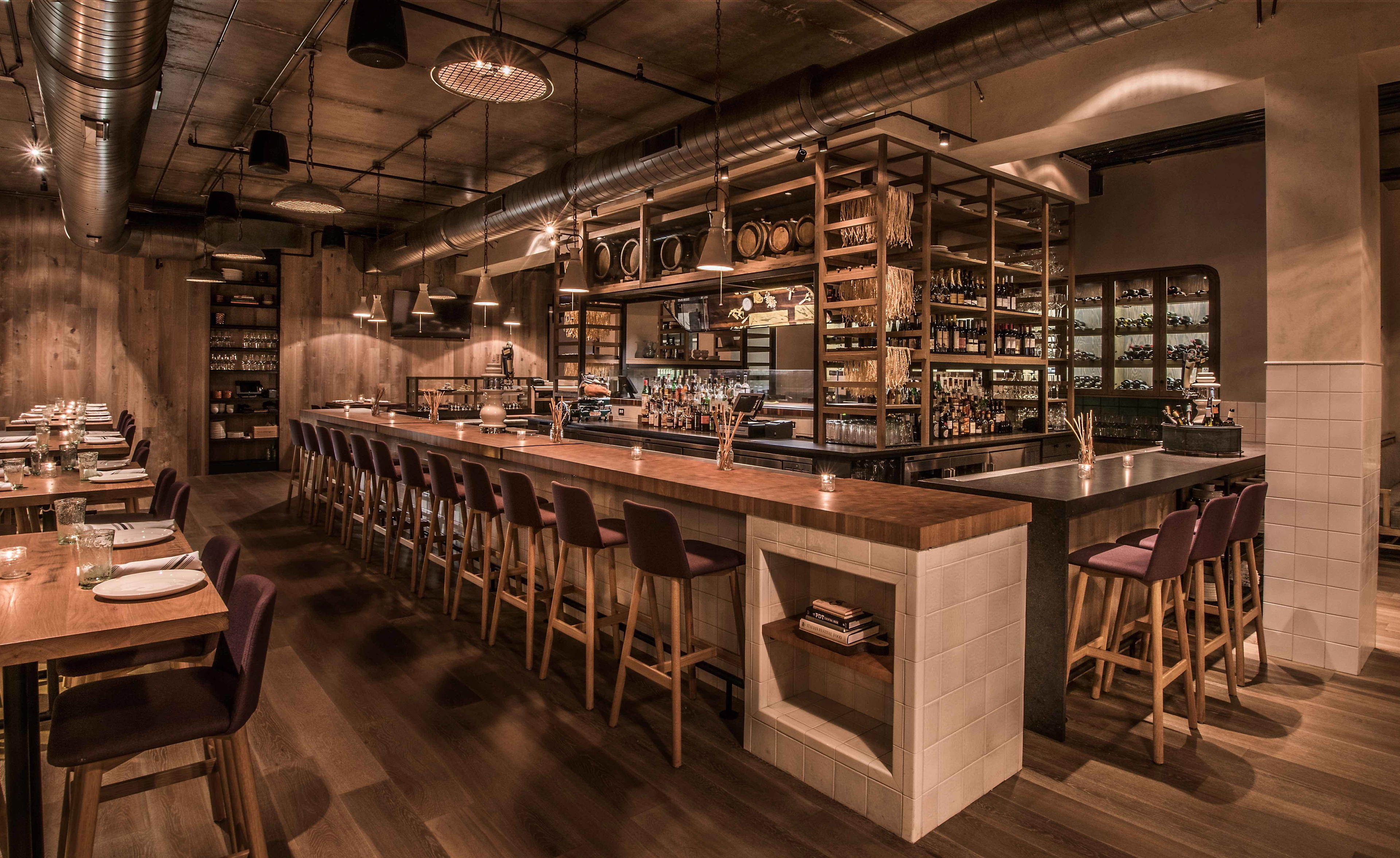
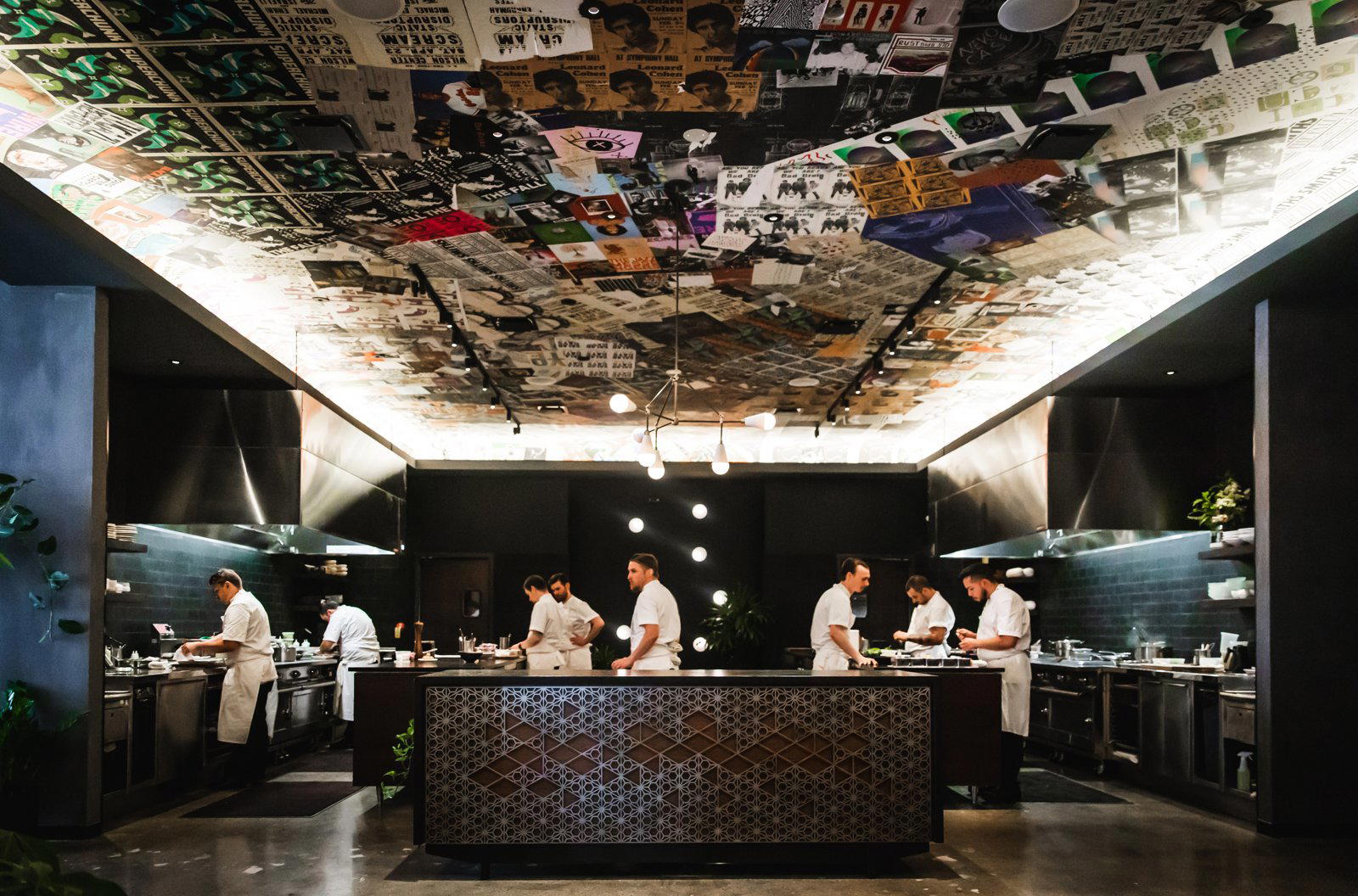
By early evening, the balance tips. The neighbourhood outside accelerates, Fulton Market's restaurant density means foot traffic increases substantially after 6pm, and the Hoxton's ground floor absorbs some of that energy. The communal spaces that felt like a daytime workspace take on a different social weight: more drinks-focused, louder, and oriented around the kind of spontaneous socialising that the open-house format is specifically built to enable.
This shift in atmosphere is a deliberate design outcome rather than a happy accident. The Hoxton's food and beverage programming across its global portfolio has consistently focused on activating the ground floor as a destination in its own right, not merely a service for room guests. In Chicago, the Fulton Market location amplifies that strategy: guests have access to one of the country's most concentrated restaurant corridors directly outside, and the hotel's evening atmosphere functions as either a warm-up or a continuation of that wider dining circuit.
Where the Hoxton Sits in Chicago's Hotel Conversation
Chicago's premium hotel market has stratified clearly over the past decade. At one end sit the trophy-address properties: Chicago Athletic Association with its historic Michigan Avenue context, Pendry Chicago with its River North positioning, and Nobu Hotel Chicago operating under a globally recognised hospitality brand. At the other end sit properties emphasising neighbourhood character over address prestige. The Hoxton belongs to this second category but with a specific differentiator: it chose Fulton Market when the neighbourhood's premium signal was still forming, which means its sense of place now carries a degree of earned credibility that a later-arriving competitor would struggle to replicate.
That positioning puts the Hoxton in a different conversation from Viceroy Chicago or The Gwen, a Luxury Collection Hotel, Michigan Avenue Chicago, both of which operate with strong brand identities but in more established commercial corridors. The relevant comparable set for the Hoxton is narrower: design-led, independently spirited properties in converted or adaptive-reuse buildings in post-industrial urban neighbourhoods. Internationally, that comparable set includes properties like Raffles Boston or The Fifth Avenue Hotel in New York City, which each operate from a distinct neighbourhood identity rather than a generic luxury template.
Planning a Stay: What to Know Before You Book
The Hoxton, Chicago sits at 200 N Green St in the Fulton Market district, walkable from the city's most active restaurant and bar corridor. Rooms are priced from about $200 a night. Fulton Market's status as a weekend dining destination means that
Travellers comparing the Hoxton against the broader range of Chicago's premium accommodation options, from trophy-address hotels to design-forward independents, will find the Hoxton's strongest argument is its location inside a working neighbourhood rather than adjacent to it. The trade-off is a lighter amenity set than properties like The Langham or Waldorf Astoria Chicago offer. Whether that trade is worthwhile depends on what the trip is actually for.
Standing Among Peers
Comparable venues nearby, for context on price, style, and recognition.
| Venue | Cuisine | Price | Awards | Notes |
|---|---|---|---|---|
| The Hoxton, ChicagoThis venue — the venue you are viewing | Lifestyle hotel inspired by neighborhood streets with communal open-house model. | $$$ | 4-Star | Not listed |
| Hotel 55 Chicago Downtown | Contemporary boutique hotel with cultural flair and artistic curation, positioned as an urban retreat reflecting Chicago's dynamic spirit. | $$$ | 4-Star | River North |
| Hotel Zachary at Gallagher Way | Boutique hotel blending classic and contemporary elements inspired by Wrigley Field's architect. | $$$$ | 4-Star | Wrigleyville |
| Freehand Chicago | Laid-back stylish hybrid hotel-hostel in restored historic building | $$ | 4-Star | River North |
| Hotel EMC2, Autograph Collection | Contemporary boutique hotel celebrating the convergence of art and science through design and guest experience. | $$$ | 4-Star | Streeterville |
| Wicker Park Inn | historic boutique bed and breakfast | $$$ | 3-Star | Wicker Park |
Recognition history
Dated appearances from independent guides and award organizations, with the underlying list record or original source where available.
Michelin Selected
Michelin
At a Glance
- Modern
- Trendy
- Industrial
- Lively
- Weekend Escape
- Business Trip
- Rooftop Pool
- Pool
- Fitness Center
- Wi Fi
- Concierge
- Room Service
- Skyline
- Pool
- Fitness Center
- Wi Fi
- Concierge
- Room Service
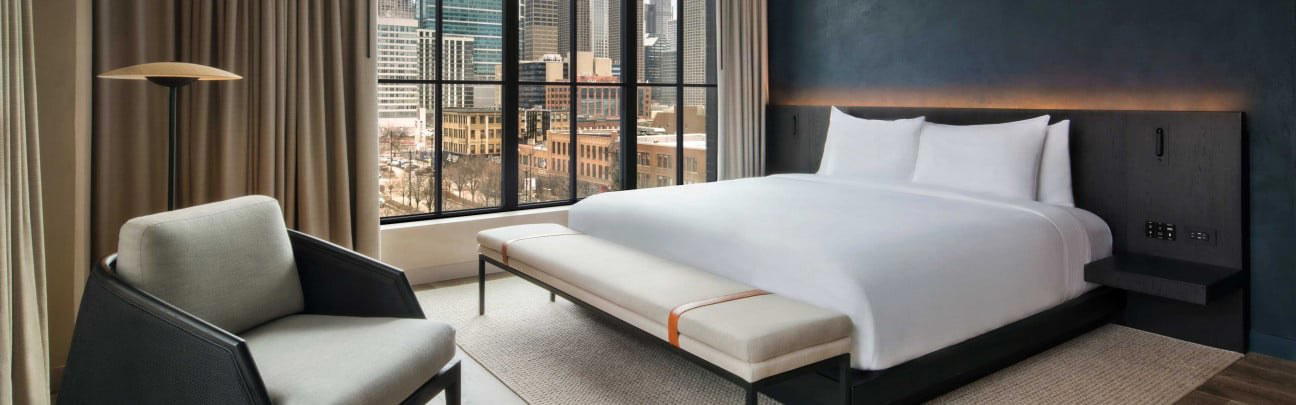
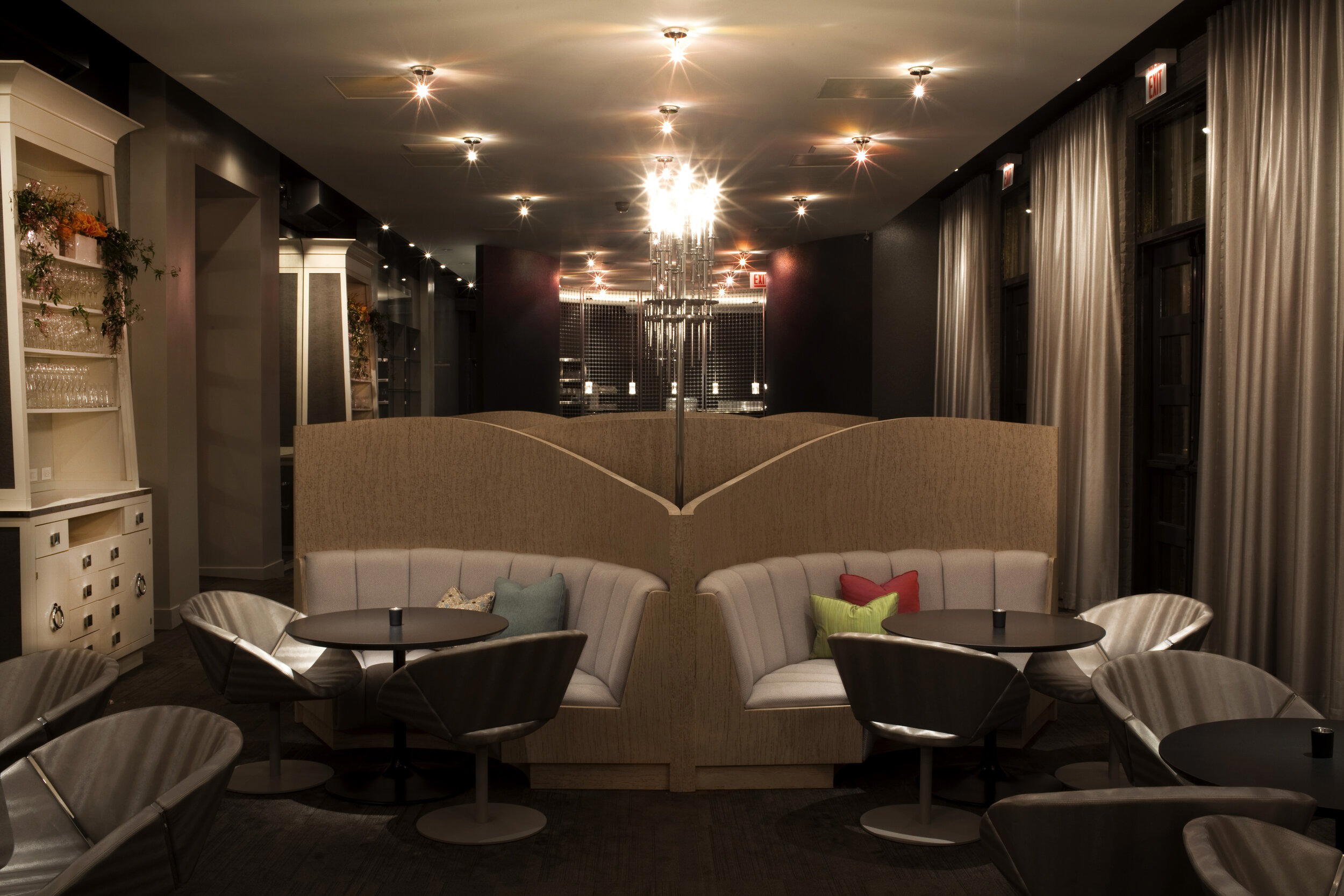
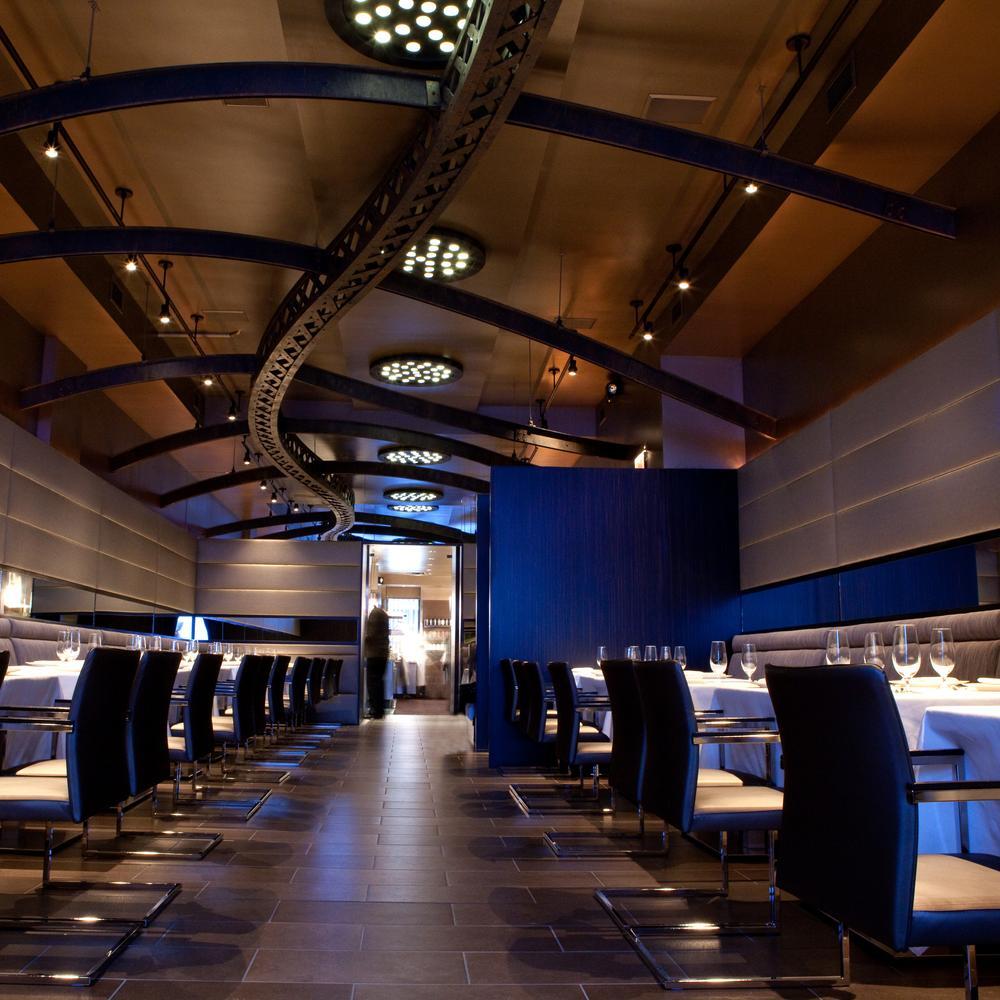
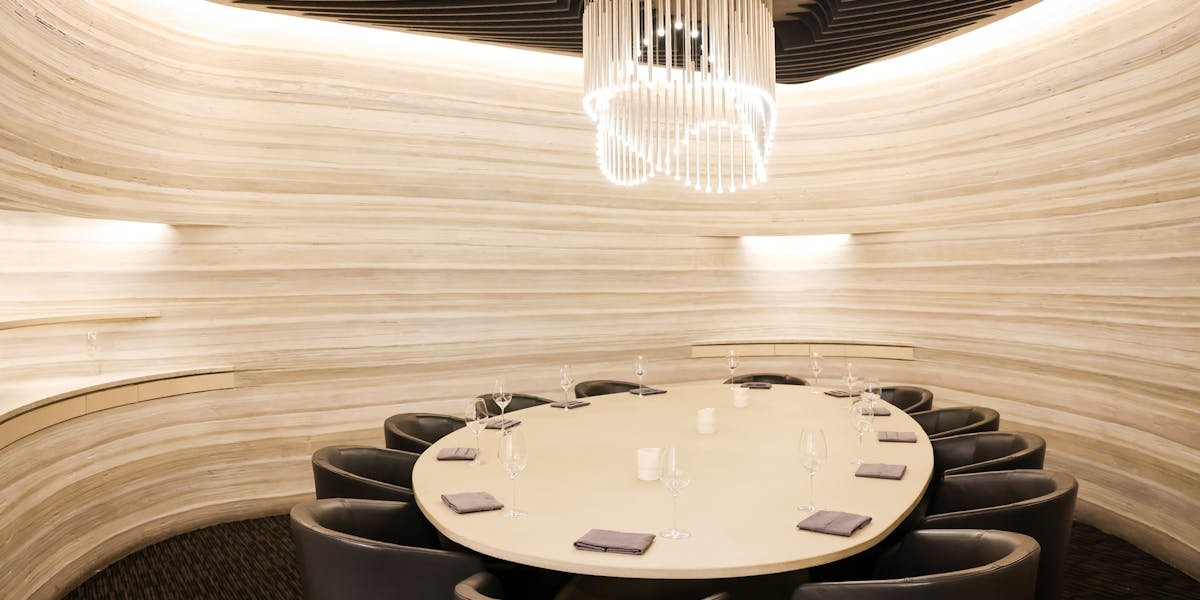
Industrial-style spaces with mid-century furniture, warehouse-style windows flooding natural light, and local artwork creating an energetic, residential atmosphere.