Glenfarclas Distillery

Glenfarclas Distillery sits in the Livet valley of Speyside, one of the few remaining family-owned single malt operations in a region increasingly shaped by corporate consolidation. Awarded Pearl 4 Star Prestige in 2025, the distillery holds a position in the upper tier of Speyside visitor experiences, where continuity of ownership and direct access to long-aged stock set it apart from larger, more produced operations.
 Discover on Pearl
Pearl is the En Primeur Club membership app — saves, bookings, and concierge access live there. Same editors, same standards.
- Address
- Glenfarclas Distillery, Ballindalloch AB37 9BD, UK
- Phone
- +44 1807 500257
- Website
- glenfarclas.com
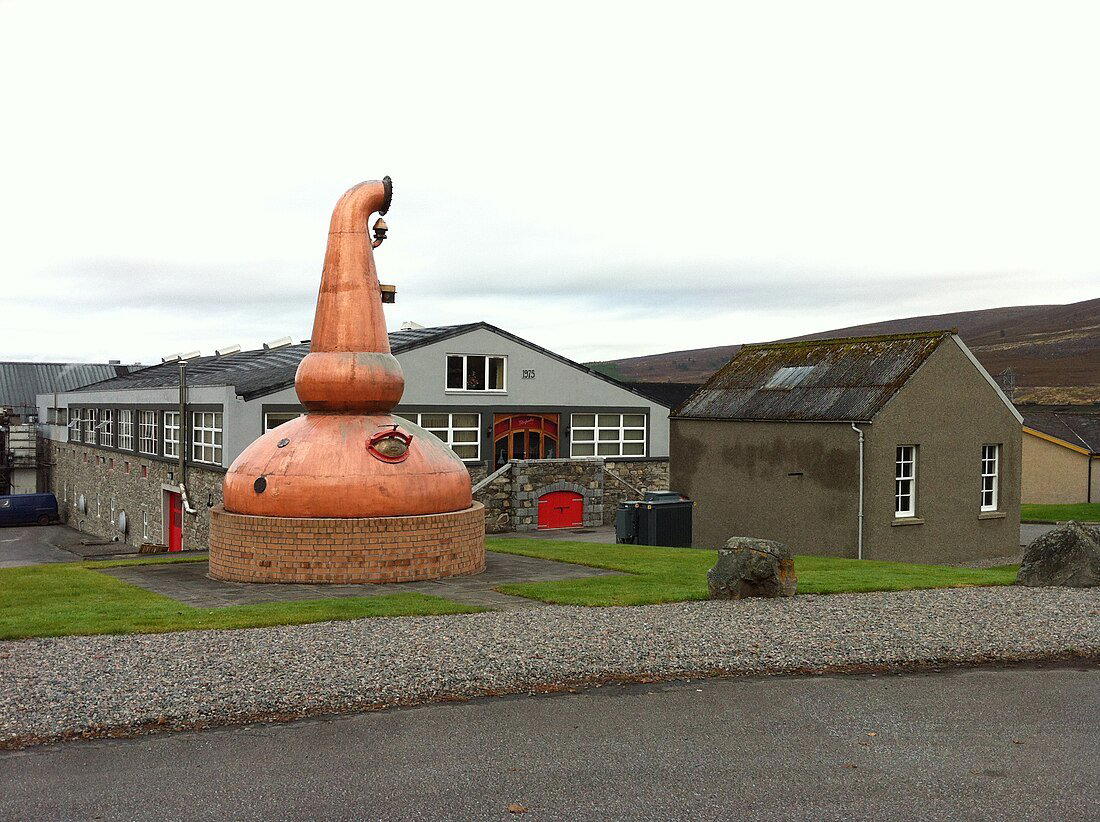
Speyside's Family Fault Line
The Speyside region produces more single malt Scotch whisky than any other in Scotland, and that concentration has made it a study in contrasts. On one side sit the large-volume operations owned by multinational drinks groups; on the other, a smaller cohort of independent and family-controlled distilleries where decisions about maturation, release schedules, and visitor access are made by people with a surname tied to the land. Glenfarclas, operating from Ballindalloch in the Livet valley, belongs firmly to the second group. Its position in that cohort, and what that positioning means for the whisky itself, is the reason it draws a different kind of visitor than the polished brand-experience centres further along the A95.
The 2025 Pearl 4 Star Prestige award places Glenfarclas in the upper tier of Speyside visitor experiences, a comparable set that includes properties where the substance of the visit extends beyond retail and theatre. That recognition matters here not as a marketing point but as a calibration signal: it tells you that the experience is measured against serious competition and found to hold its own. For context, neighbouring operations like The Glenlivet and Cardhu in Knockando occupy the same geographic corridor but operate within large corporate structures. The independent character of Glenfarclas, by contrast, shapes every aspect of how the whisky is made and how it reaches visitors.
What the Land and Climate Actually Do Here
Speyside's reputation rests on geography as much as craft. The region sits inland, sheltered by the Cairngorm mountains to the south and east, which moderates the extremes that coastal distilleries deal with. That shelter produces a relatively temperate maturation environment: cooler summers slow the interaction between spirit and oak, while the humidity of the valley floor affects how quickly distillate loses volume over decades of warehouse time. These are not abstract variables. They are the reason that long-aged Speyside whisky from warehouses like those at Glenfarclas develops differently from the same spirit aged at a coastal site in Islay or the northern Highlands.
The Livet valley specifically has its own microclimate within Speyside. The river system, the elevation of the surrounding moorland, and the orientation of the valley all contribute to conditions that distillers in this corridor have worked with for generations. When you encounter a whisky aged fifteen, twenty-five, or forty years at Glenfarclas, the character in the glass is partly a record of those conditions accumulating over time. The longer the spirit sits in warehouse, the more that terroir-equivalent argument applies: the wood works, the climate works, and the result is particular to this site in a way that a younger expression cannot fully convey.
This is the argument for visiting a distillery in situ rather than buying the bottle in a city retailer. At sites like Aberlour in Aberlour or Dunphail Distillery in Dunphail, proximity to the production environment gives context that no tasting note provides. The same holds at Glenfarclas, where the warehouses are part of the site you visit, not a separate facility kilometres away.
The Sherry Wood Question
Speyside distilleries diverge significantly on cask policy, and cask policy is where the differences between neighbours become most tangible in the glass. Glenfarclas has a documented and long-standing commitment to maturing in oloroso sherry casks, a choice that runs counter to the bourbon-barrel orthodoxy that dominates volume production across the region. Sherry wood maturation at scale requires relationships with cooperages and sherry producers in Jerez that go back decades, it is not a strategy that can be adopted quickly or cheaply, which is partly why it has become rarer as the industry consolidated.
The practical outcome is a house style that leans towards dried fruit, spice, and a certain weight that lighter Speyside expressions do not carry. Whether that appeals depends on palate preference, but the point is not one of quality ranking. It is one of distinctiveness: in a region where the flavour spectrum has narrowed somewhat as bourbon cask maturation became dominant, the sherry-forward approach represents a genuine alternative with a traceable production logic behind it. Distilleries like Balblair Distillery in Edderton and Clynelish Distillery in Brora occupy different regional and stylistic positions, which helps frame just how varied the Scotch spectrum remains when you move between producers.
The Family-Ownership Argument in Practice
Across Scotland's distilling regions, the split between corporate-owned and independently-held operations has sharpened considerably over the past two decades. Many historic names have changed hands, sometimes more than once, with each transition typically bringing changes to production methods, release strategies, and visitor infrastructure. The distilleries that have remained in family hands through this period occupy a different position in the category, one where decisions about long-maturation releases and cask retention do not require quarterly justification to shareholders.
For the visitor and the collector, that distinction has practical consequences. A family-owned operation can hold back stock for decades and release it on terms that reflect maturation quality rather than inventory pressure. This is how aged expressions at certain independent distilleries acquire both depth and scarcity in a way that planned-portfolio releases from larger groups rarely match. The comparison is useful when set alongside Lowland operations like Auchentoshan Distillery in Clydebank or southern Scottish producers like Bladnoch Distillery in Bladnoch, both of which have passed through ownership changes that reshaped their trajectories. Stability of ownership is not a guarantee of quality, but it does allow for a longer production logic, and at Glenfarclas, that logic has been in place across multiple generations.
Where Glenfarclas Sits in the Broader Scotch Geography
For visitors building a Scotch itinerary, Speyside is typically the central chapter, but the supporting geography rewards attention. To the north, the Highland Coast offers the waxy, coastal character of distilleries like Clynelish and the remote Highland personality of Balblair. To the west, Islay delivers the peat-smoke spectrum, with Ardnahoe in Port Askaig representing a newer entrant in a historically dense production area. In the east, the Aberdeenshire Highlands give you distilleries like Glen Garioch Distillery in Oldmeldrum, where agricultural and climatic conditions diverge from the Livet valley in ways that show up clearly in comparative tasting.
Glenfarclas sits at the centre of the Speyside concentration. Ballindalloch is a logical base for covering multiple distilleries in the region without long drives, and the distillery itself is accessible from the main Speyside road routes. The distillery is also one of several in the Speyside corridor worth setting against operations elsewhere in the world, Accendo Cellars in St. Helena and Achaia Clauss in Patras demonstrate how family ownership and site-specific production logic operate in entirely different beverage categories, but with comparable underlying arguments about continuity and place.
For visitors approaching Speyside from a wider Scottish itinerary, Deanston in Deanston and Dornoch Distillery in Dornoch represent interesting Highland contrasts before or after the Speyside loop. Planning visits to Glenfarclas during shoulder season, spring or early autumn, tends to offer better access and shorter waits for guided tours than the peak summer months, when the main Speyside whisky trail draws significant visitor numbers to the region.
Continue exploring
More in Ballindalloch
Wineries in Ballindalloch
Browse all →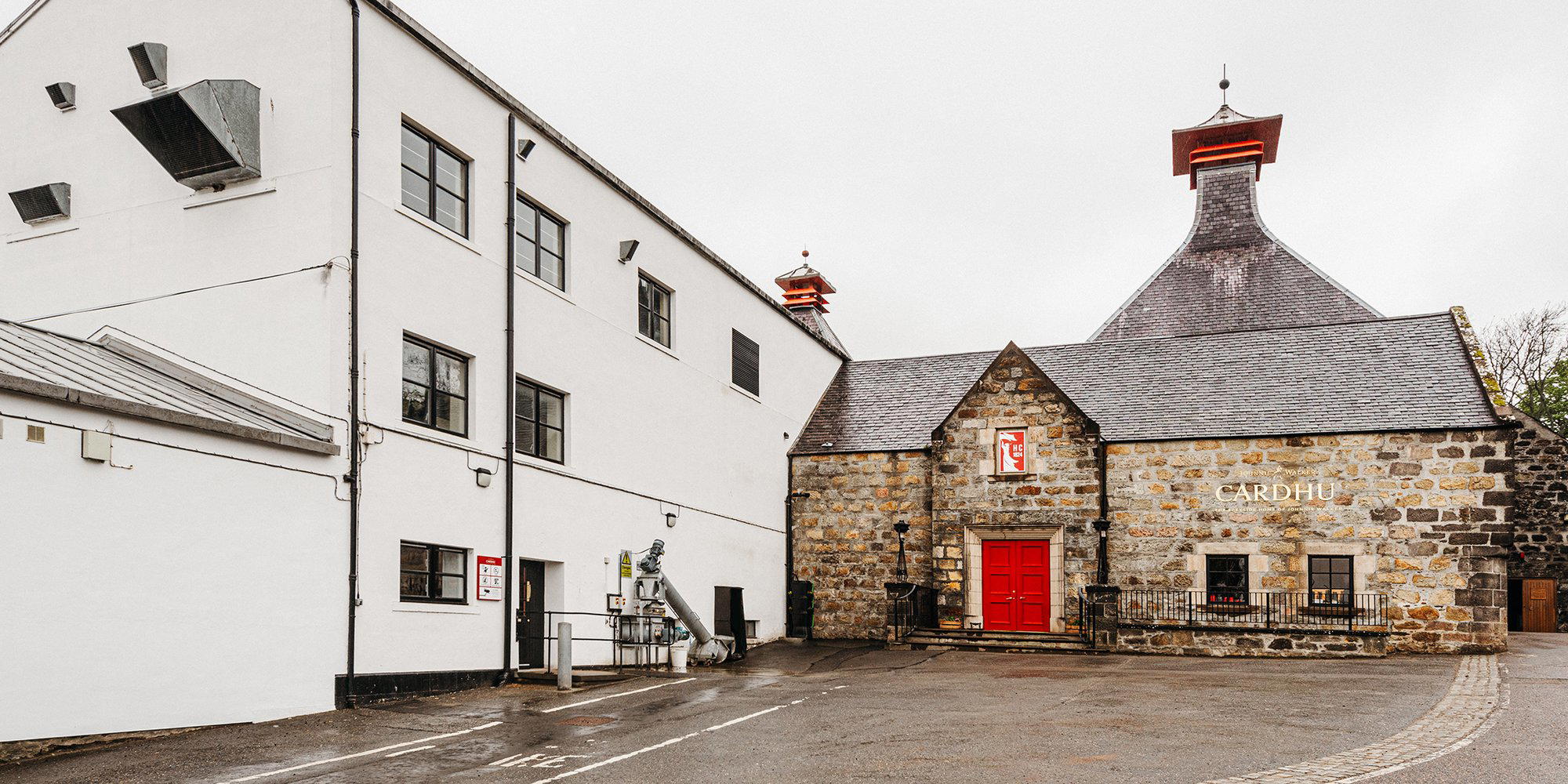
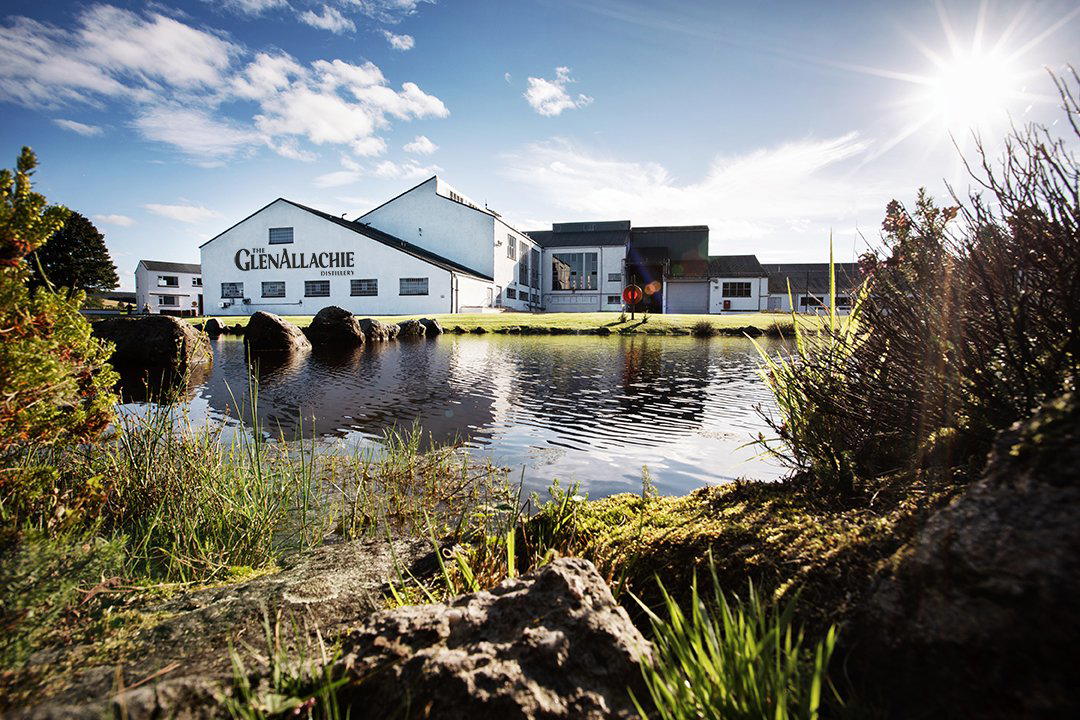
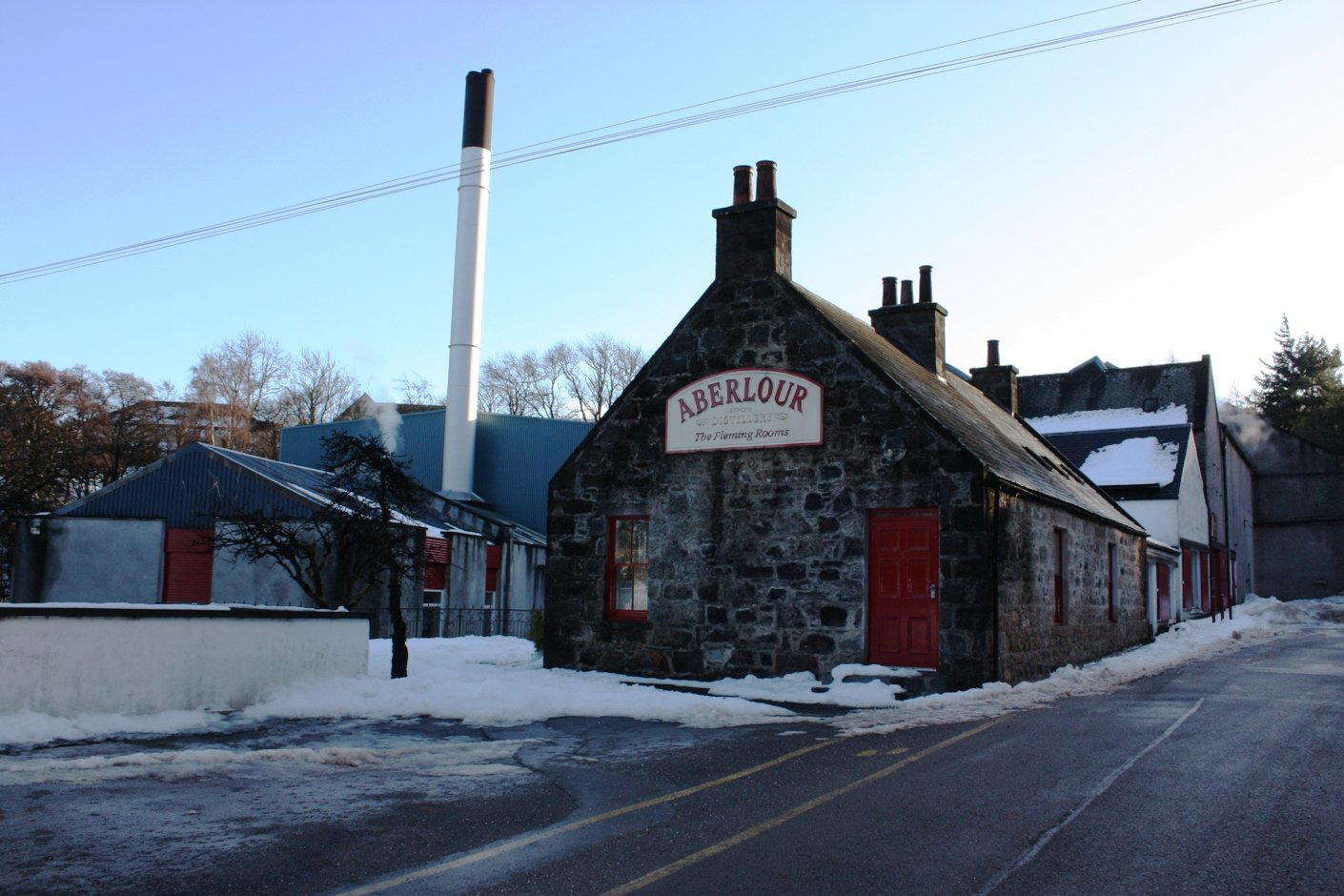
Restaurants in Ballindalloch
Browse all →
Hotels in Ballindalloch
Browse all →
At a Glance
- Classic
- Rustic
- Intimate
- Scenic
- Elegant
- Group Outing
- Wine Education
- Special Occasion
- Family
- Barrel Room
- Estate Grounds
- Historic Building
- Private Tasting
- Sustainable
- Mountain
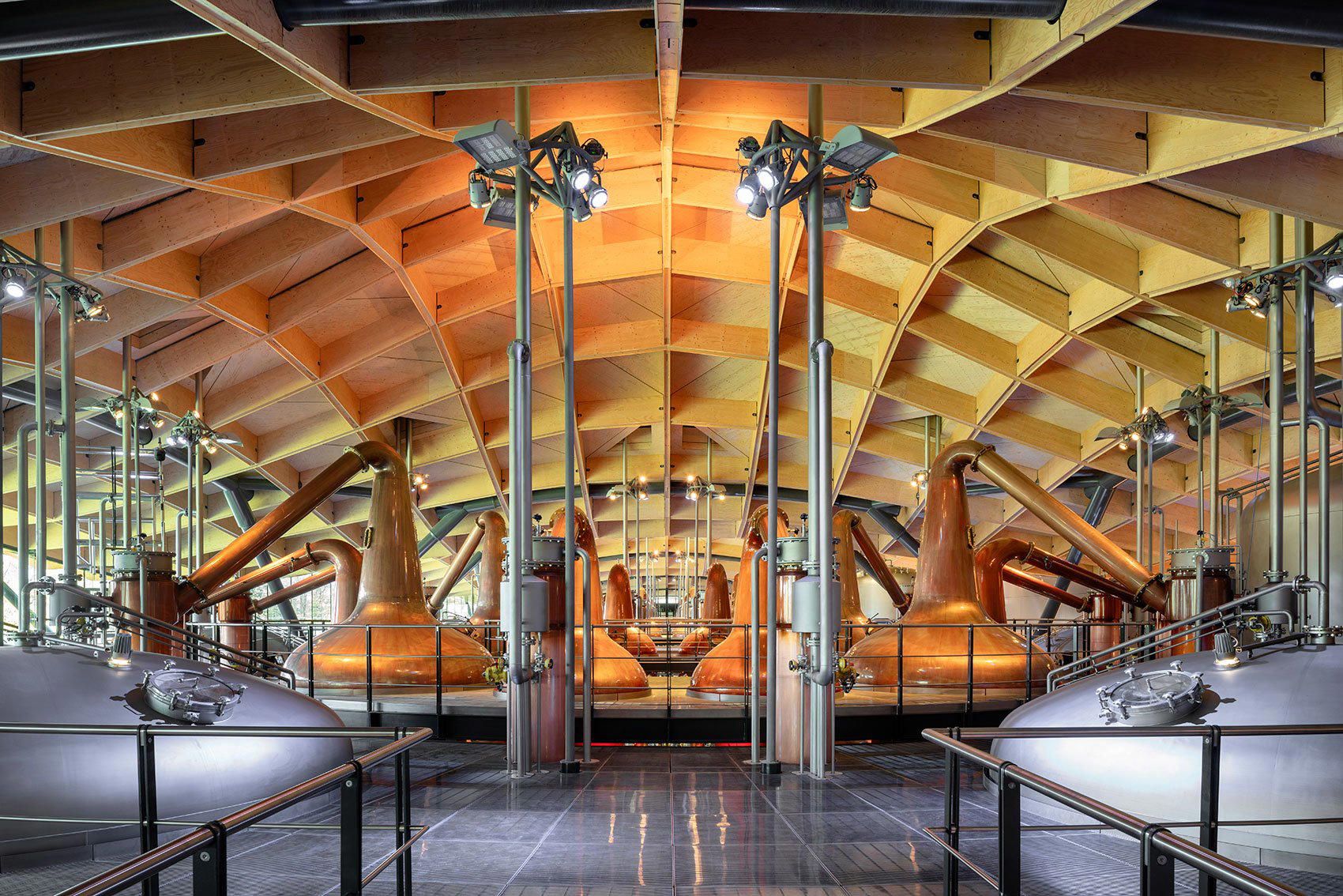
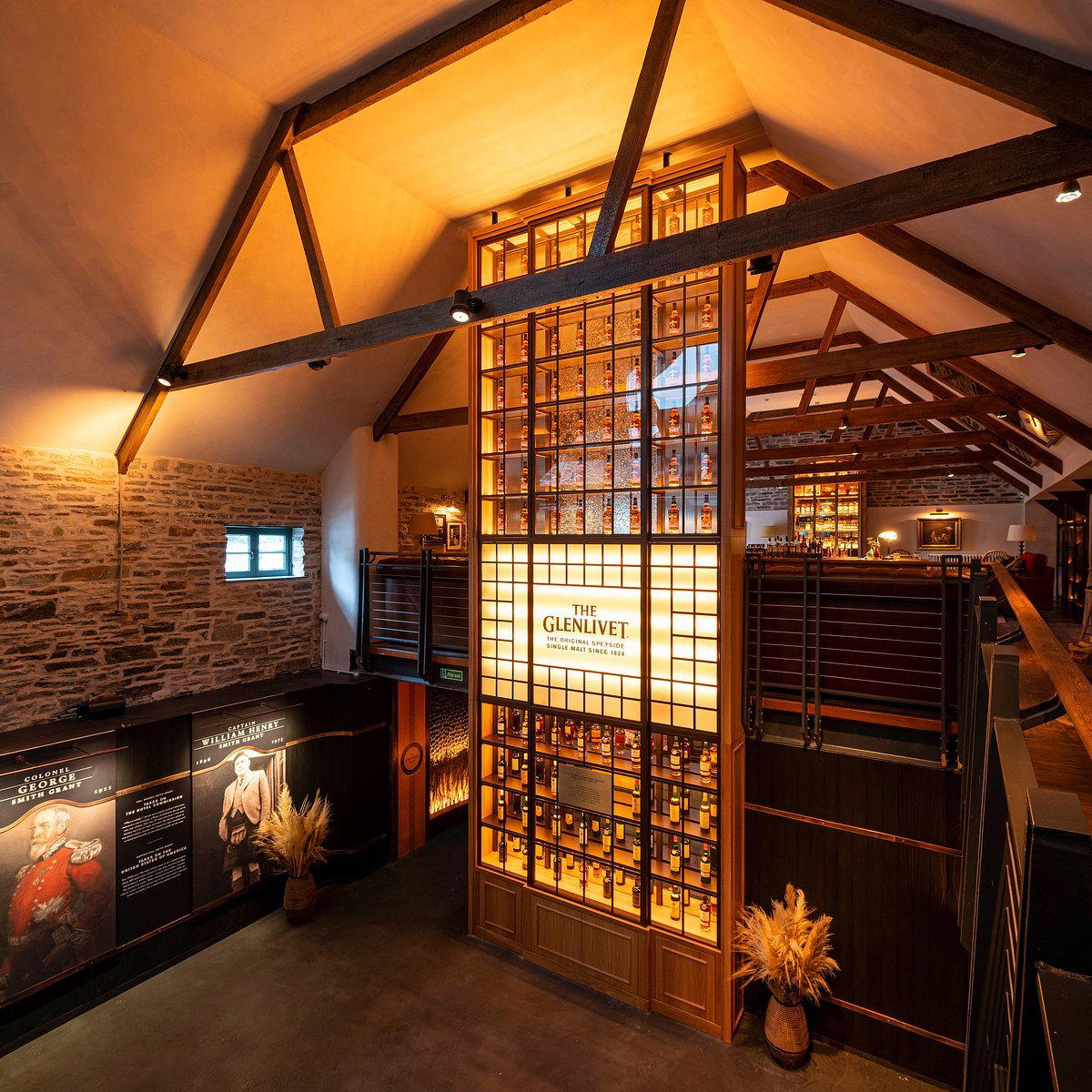
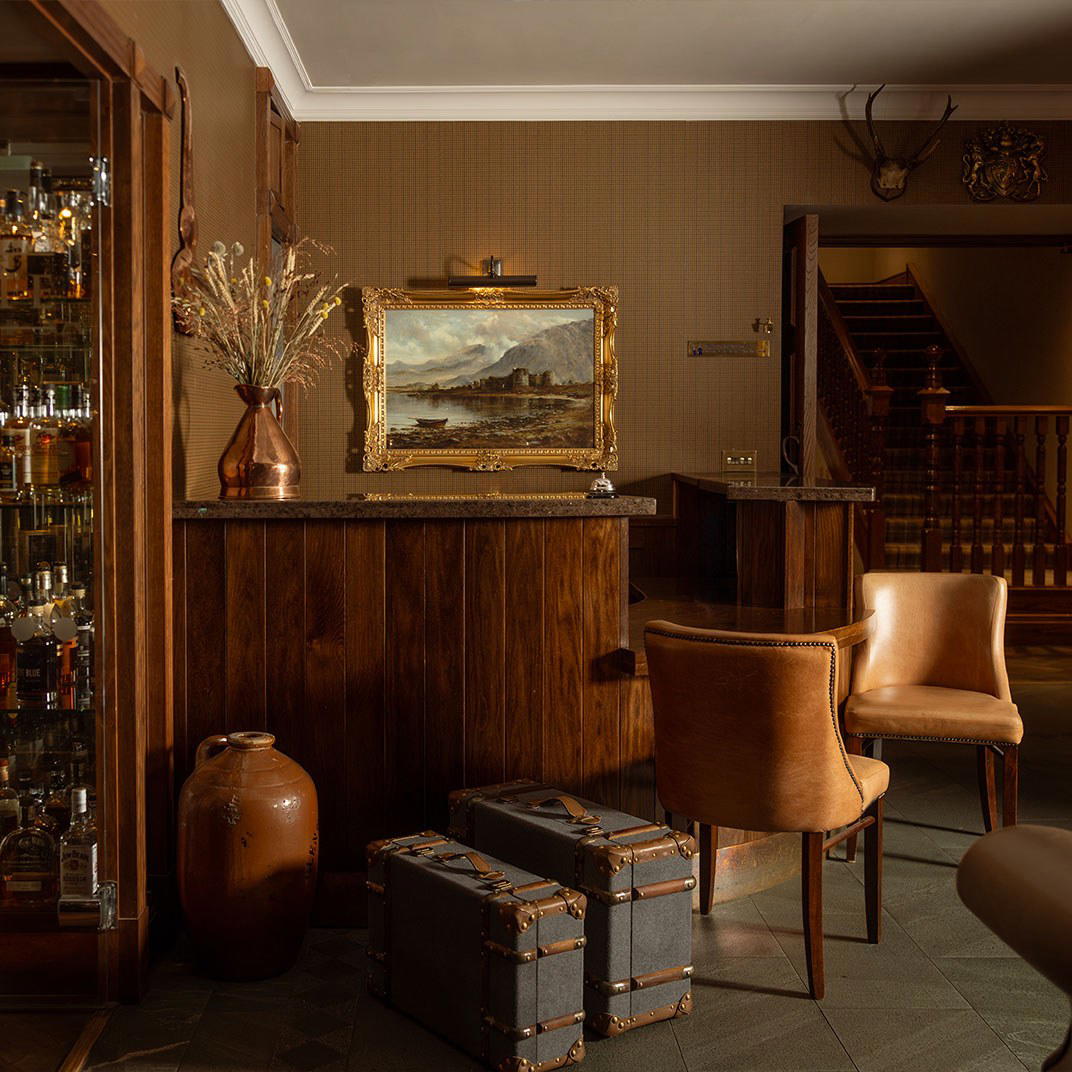
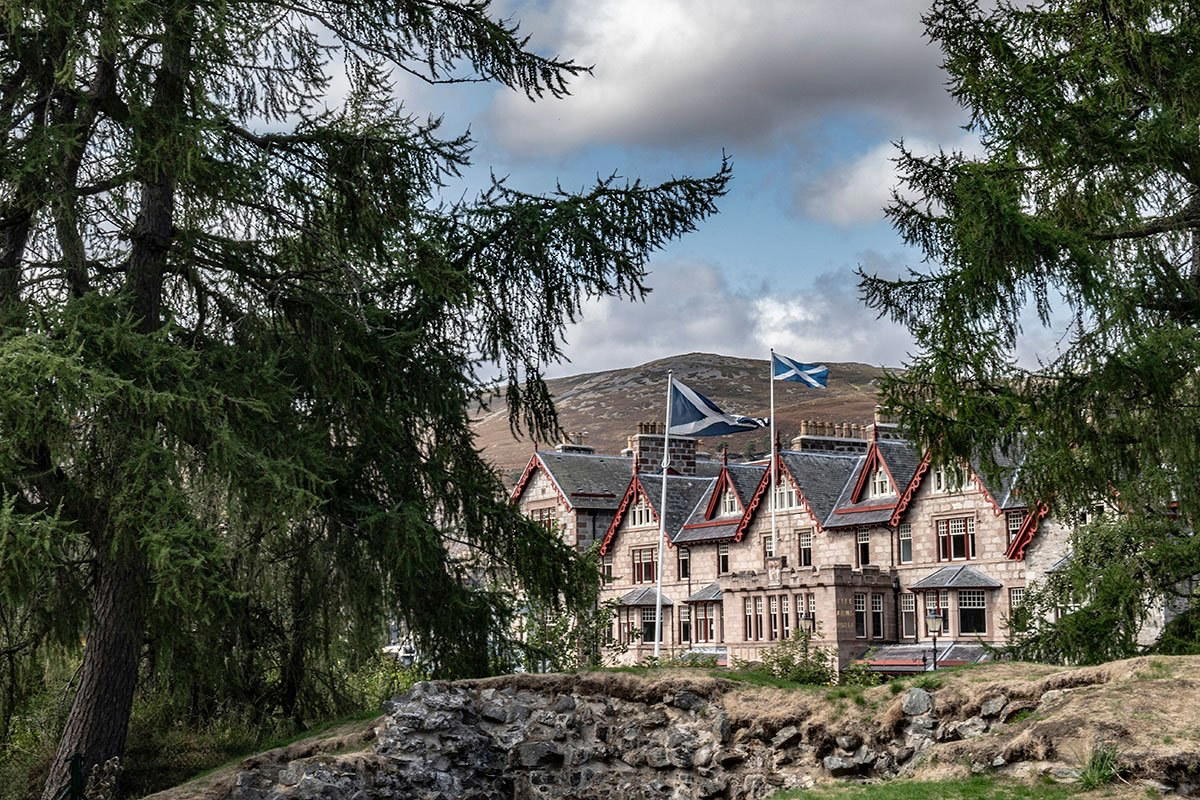
Elegant oak-paneled tasting room with warm, welcoming atmosphere; traditional distillery setting with modern visitor centre complementing historic production facilities.