The Ahwahnee
The Ahwahnee is one of America's great National Park lodges, a 1927 granite and timber structure whose dining room ceiling rises six stories above the valley floor. It sits in a category with almost no peers: monumental architecture, a captive wilderness setting, and a dining tradition that has hosted presidents and foreign dignitaries for nearly a century.

Pearl is the En Primeur Club membership app, where members save venues, book tables and use the concierge.
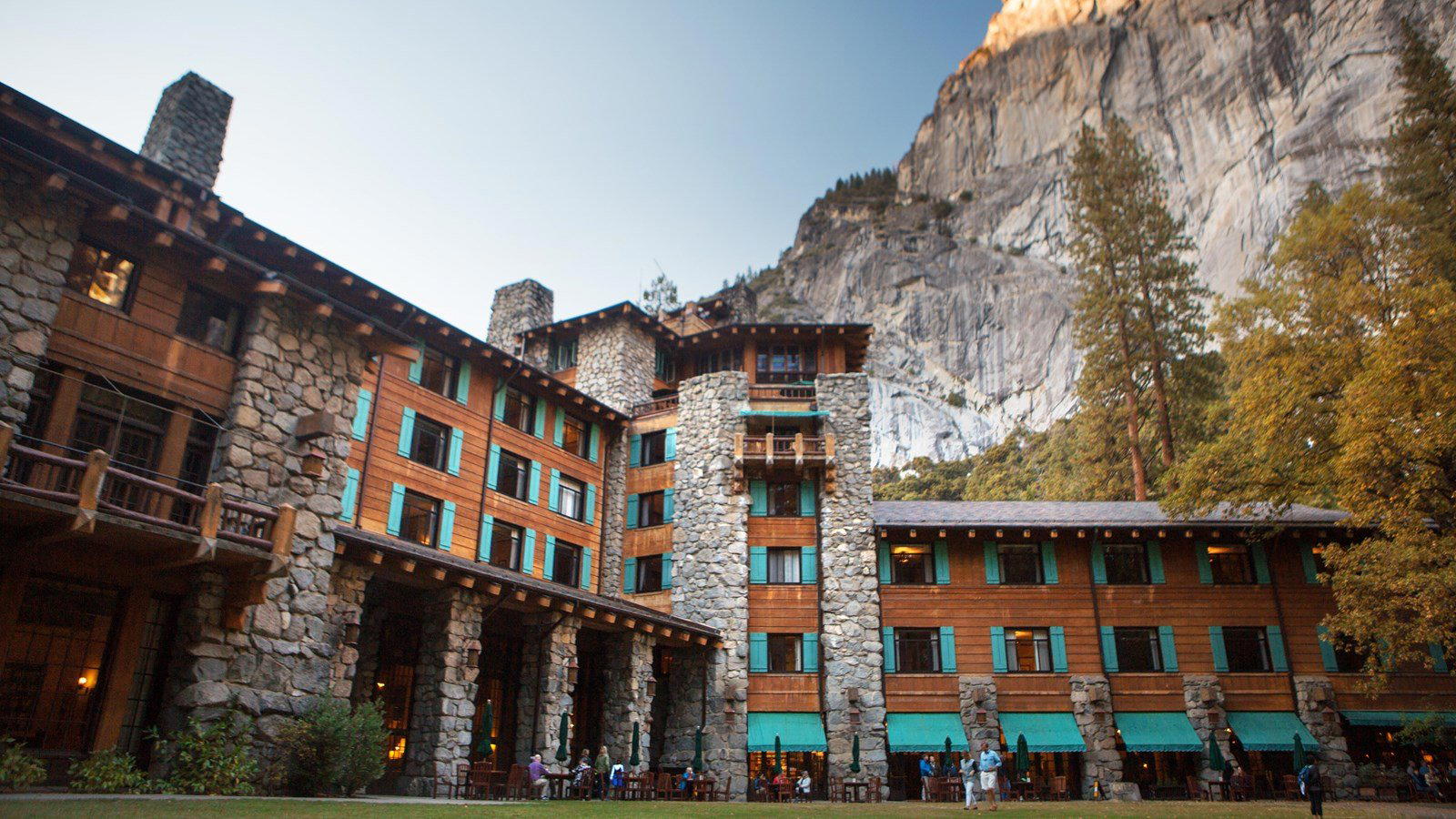
Stone, Timber, and the Scale of Yosemite
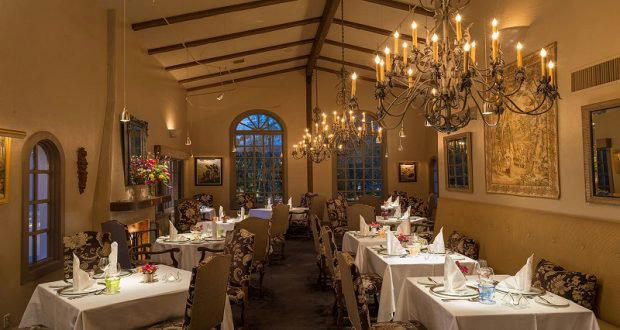
Few hotel dining rooms in the United States make a structural argument the way the Great Lounge and Dining Room at The Ahwahnee do. Completed in 1927 and designed by architect Gilbert Stanley Underwood, the building draws on Arts and Crafts principles scaled up to match its surroundings: granite boulders quarried from the valley floor, sugar pine timber framing, and floor-to-ceiling windows that frame Half Dome and Glacier Point as though the Sierra Nevada were wallpaper applied by someone with very good taste. The effect is not intimate. It is deliberate. The architecture insists you understand where you are before you think about anything else.
That scale is worth taking seriously as a design decision. Underwood and the National Park Service were solving a specific problem in the 1920s: how do you build a lodge that competes with the landscape rather than being humiliated by it? The answer at The Ahwahnee was to stop trying to domesticate the environment and instead mirror its proportions. The Dining Room ceiling rises approximately 34 feet. The trestle chandeliers are fabricated from wrought iron and hang at a height that makes them feel appropriate rather than theatrical. The result is a room that reads as grand without feeling self-congratulatory, which is a harder architectural achievement than it looks.
Where The Ahwahnee Sits in the National Park Lodge Tradition
The American national park lodge is its own hospitality category, and it has almost no equivalent in international travel. Properties like The Ahwahnee, the Old Faithful Inn in Yellowstone, and El Tovar at the Grand Canyon were built to serve a specific federal mandate: make the parks accessible to a broad public while establishing that the experience merits a long journey. Within that category, The Ahwahnee occupies the premium tier. It has hosted Queen Elizabeth II, John F. Kennedy, and multiple foreign heads of state, which places it in the same register of civic hospitality as properties like The Fifth Avenue Hotel in New York City or Raffles Boston in Boston, though the context is entirely different. Those are urban institutions. The Ahwahnee is a wilderness institution, which is a rarer thing.
It belongs in a conversation with destination wilderness lodges that lead with architecture and a singular natural setting: properties like Amangiri in Canyon Point, Post Ranch Inn in Big Sur, Amangani in Jackson Hole, or Sage Lodge in Pray. What distinguishes The Ahwahnee from most of that cohort is age. Nearly a century of operation inside an active national park means the building has absorbed a layer of institutional history that newer design-led properties cannot manufacture.
The Architecture as Experience
Reading the building carefully rewards the effort. The Ahwahnee's design vocabulary borrows from multiple indigenous California traditions, particularly in its decorative tile work and geometric motifs, though the execution filters those references through an early 20th-century Craftsman lens. The result is neither authentic ethnography nor pure revival pastiche, but something that was genuinely novel in 1927 and remains visually coherent today. The Great Lounge, with its paired fireplaces large enough to walk into, operates as a pre-dinner gathering space of a kind that most modern hotels have abandoned in favor of lobby bars. It is a room designed for lingering rather than passing through.
Natural light management is one of the building's underappreciated engineering achievements. The Dining Room's window configuration tracks the movement of light across the valley throughout the day, so the quality of the room shifts from cool morning clarity to warm late-afternoon amber without any artificial intervention. Architects working on wilderness lodges at properties like Ambiente in Sedona or Blackberry Farm in Walland continue to grapple with the same challenge: how do you bring the exterior in without sacrificing the integrity of the interior space? Underwood's solution remains instructive.
Dining in the Valley Context
The Dining Room functions as both the hotel's primary restaurant and as a destination in its own right for day visitors to the park. That dual mandate shapes the experience: the room accommodates a wide range of guests simultaneously, from overnight hotel visitors to families on their first national park trip. The culinary program operates within the constraints of a remote mountain location, which affects sourcing and staffing in ways that urban luxury properties like Hotel Bel-Air in Los Angeles or Auberge du Soleil in Napa do not face. The correct frame for evaluating the food here is not against fine dining peers but against the logistics of cooking at scale inside a national park at 4,000 feet, with limited infrastructure and a captive audience. Understood in that context, the operation is more competent than its setting would suggest was easy to achieve.
For a broader sense of what the valley offers beyond the hotel itself, our full Yosemite Valley restaurants guide maps the range of options available to visitors. Properties across the American West handling similar wilderness dining challenges include Canyon Ranch Tucson in Tucson and Kona Village, A Rosewood Resort in Kailua Kona, though the specific pressures of a national park setting are their own category.
Planning a Stay
The Ahwahnee sits at Ahwahnee Drive in Yosemite Valley, CA 95389, accessible via the park's valley floor road network. Yosemite National Park itself operates with timed entry reservations during peak season, typically spring through fall, which means planning the visit around park access is as important as booking the hotel. Winter access is generally less restricted but weather-dependent. Guests considering comparable landmark wilderness stays in the American West might also look at Alpine Falls Ranch in Superior or Little Palm Island Resort and Spa in Little Torch Key for a different set of logistical conditions. For those drawing comparisons to architecturally significant historic hotels in other contexts, Chicago Athletic Association in Chicago, Aman New York in New York City, Badrutt's Palace Hotel in St. Moritz, and Aman Venice in Venice offer points of architectural reference from different traditions. For farm-to-table focused wilderness stays, SingleThread Farm Inn in Healdsburg and Bernardus Lodge and Spa in Carmel Valley represent the California wine country alternative. Troutbeck in Amenia and Four Seasons at The Surf Club in Surfside round out the picture for travelers comparing historic property investments across different American geographies.
A Quick Peer Check
| Venue | Price | Awards |
|---|---|---|
| The AhwahneeThis venue (the venue you are viewing) | $500–750 | Not listed |
| Aman New York | Not listed | 3 Michelin Keys · World's 50 Best #87 |
| Amangiri | $1,000–1,500 | 3 Michelin Keys · World's 50 Best #45 |
| Hotel Bel-Air | $750–1,000 | 3 Michelin Keys · World's 50 Best #57 |
| The Beverly Hills Hotel | Not listed | 3 Michelin Keys · World's 50 Best #65 |
| The Carlyle, A Rosewood Hotel | $1,500–2,500 | 2 Michelin Keys · World's 50 Best #64 |
Continue exploring
More in Yosemite Valley
Hotels in Yosemite Valley
All hotels in Yosemite Valley →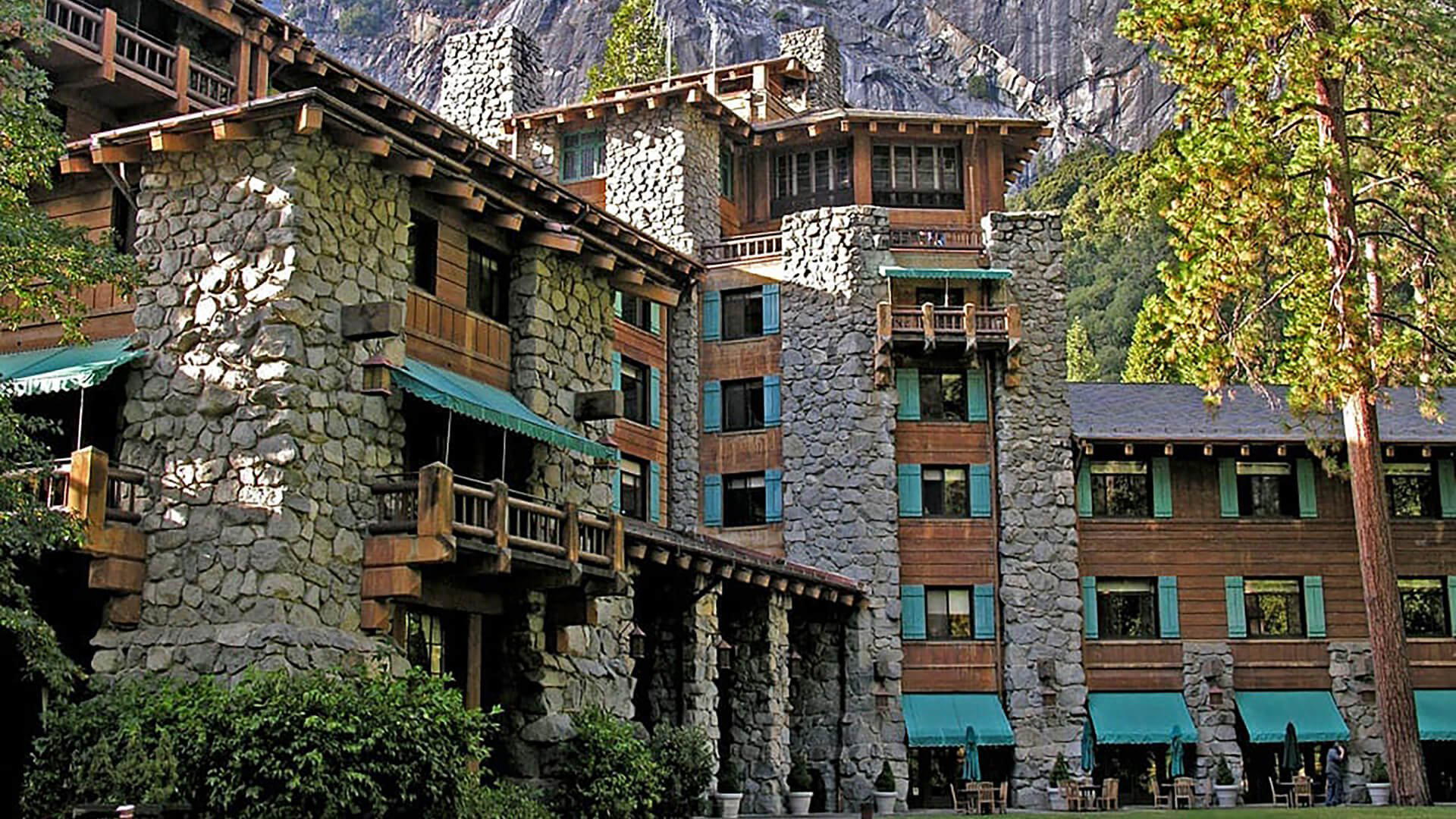
Bars in Yosemite Valley
Browse all →
Restaurants in Yosemite Valley
All restaurants in Yosemite Valley →
Details
- Elegant
- Scenic
- Well Known
- Rustic
- Sophisticated
- Classic
- Romantic Getaway
- Family Vacation
- Anniversary
- Weekend Escape
- Historic Building
- Panoramic View
- Pool
- Wi Fi
- Spa
- Room Service
- Concierge
- EV Charging
- Mountain
- Wheelchair Accessible
Ornate interiors blending Native American, Craftsman, and Art Deco styles with giant stone fireplaces, hand-stencilled beams, and large glass windows framing far-reaching natural scenery.