Yosemite Valley Lodge
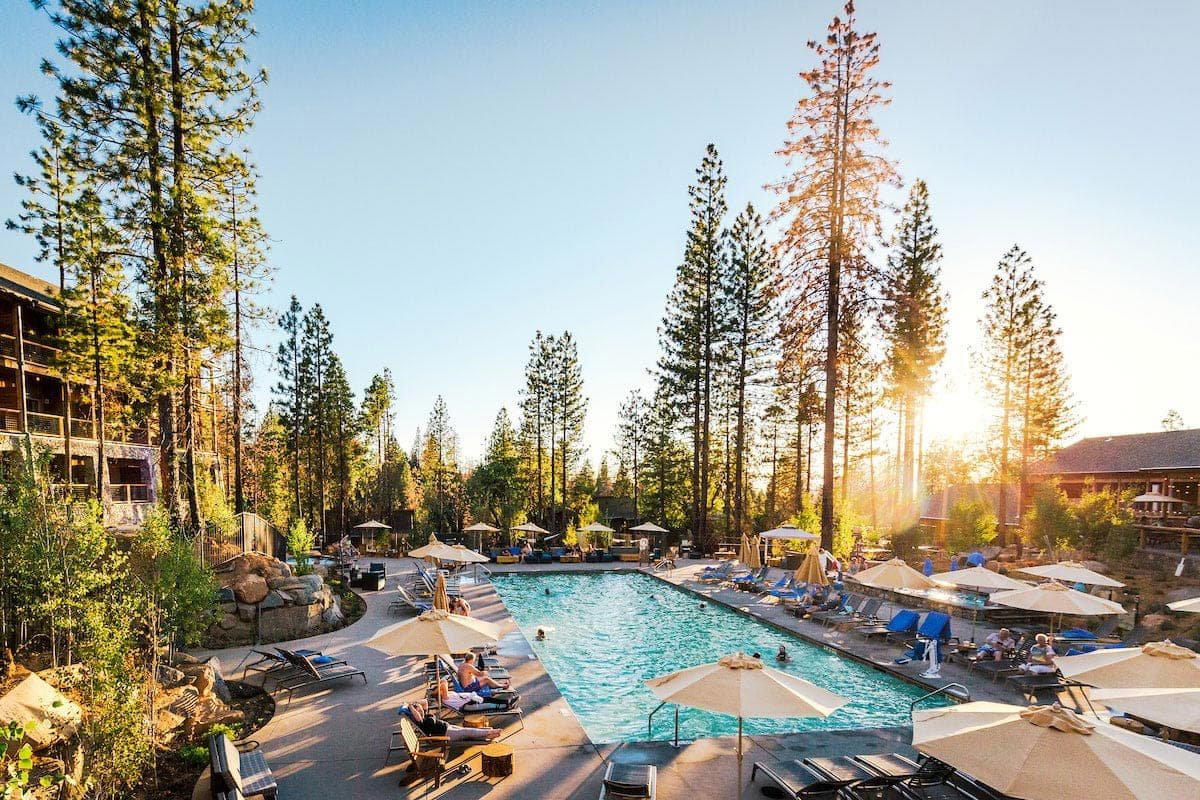
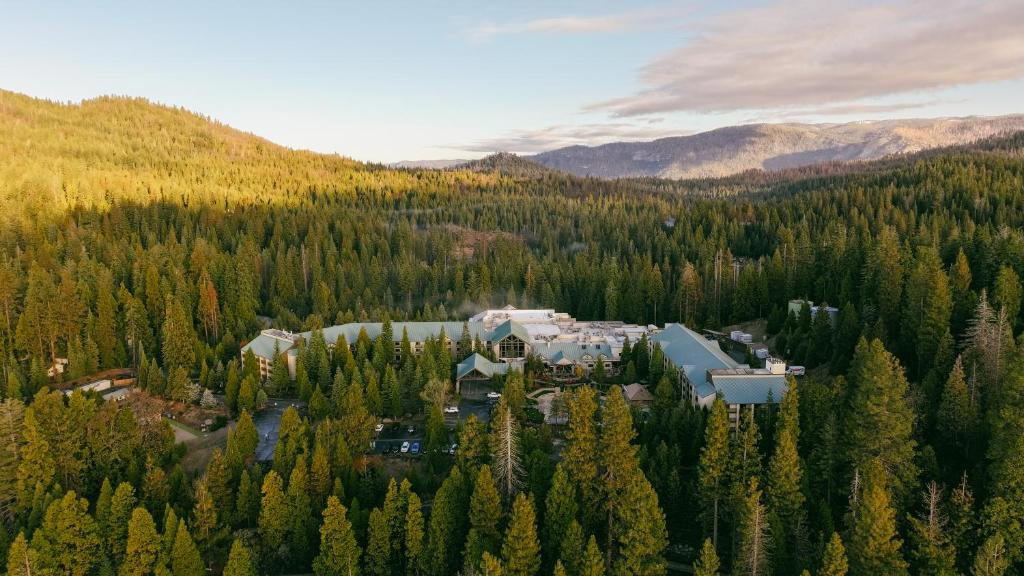
Yosemite Valley Lodge sits at the base of Yosemite Falls, placing guests within walking distance of the park's most-visited corridor. The lodge operates as one of the primary in-park accommodation options managed under the Yosemite Hospitality concession, offering a practical base for valley access without the historic formality of The Ahwahnee. Dining, outdoor programming, and proximity to trailheads define the stay over luxury amenities.

Pearl is the En Primeur Club membership app, where members save venues, book tables and use the concierge.
Lodging Inside the Park: What In-Valley Accommodation Actually Means
Staying inside Yosemite National Park rather than in gateway towns like El Portal or Mariposa is a logistical decision with real consequences. In peak season, the valley's one-way road system, limited parking, and shuttle dependency mean that proximity to trailheads and viewpoints translates directly into hours of usable morning light. Yosemite Valley Lodge, located at 9006 Yosemite Lodge Drive, sits at the western end of the valley floor, close to Yosemite Falls and the shuttle network that connects the major sites. For visitors whose priority is the park itself rather than the property, that address does a great deal of the work.
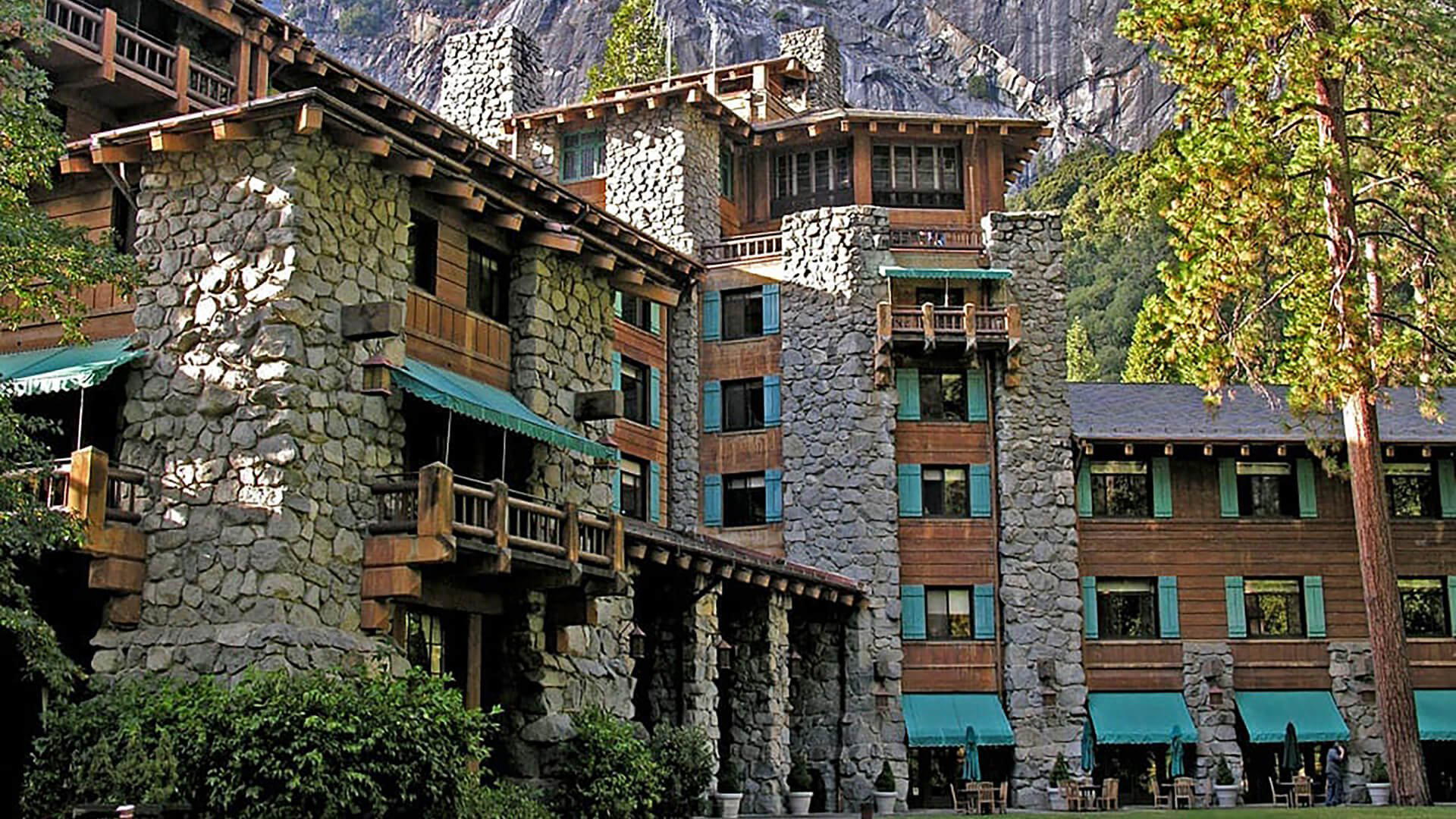
In-valley lodging in Yosemite splits into two clear tiers. The Ahwahnee occupies the historic upper bracket, a National Historic Landmark property with a formal dining room, architectural grandeur, and price points that reflect both the setting and the legacy. Yosemite Valley Lodge operates in a different register: mid-range, activity-focused, and built around access rather than occasion. The gap between the two properties is less about quality than about what kind of trip the guest is running. Hikers starting before dawn care about proximity; guests celebrating anniversaries or gathering for the annual Bracebridge Dinner care about atmosphere and history. Both properties serve the park, but they answer different questions.
The Dining Programme: A Valley Floor Reality Check
In-park dining at Yosemite has always operated under the constraints of a protected wilderness environment: supply chains are complicated, staffing is seasonal, and the captive-audience dynamic creates little competitive pressure. The dining options at Yosemite Valley Lodge reflect that reality. The property's main restaurant, the Valley Restaurant, operates as a full-service dining room oriented toward American comfort food, while the Bar and Coffee Corner handle lighter-service needs. Neither outlet is positioned as a culinary destination in the way that, say, Auberge du Soleil in Napa or SingleThread Farm Inn in Healdsburg frames its food programme as central to the proposition.
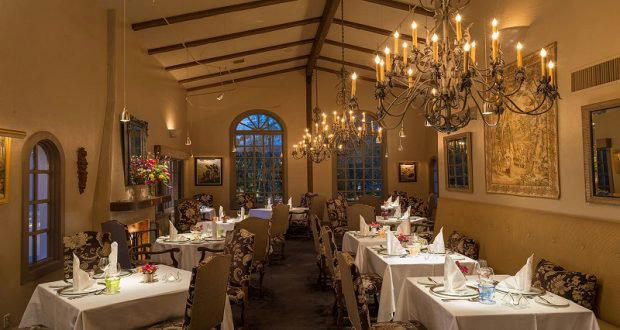
That is not a criticism so much as an orientation. The lodge's dining exists to fuel park activity, not to anchor an evening. Guests who arrive from a full-day ascent of Half Dome or a long loop through the high country are looking for calories, convenience, and a view, and the Valley Restaurant's position, with sightlines toward the surrounding granite formations, does deliver on the last point. For travellers accustomed to properties where dining is a primary draw, the honest comparison is with other activity-first wilderness lodges. Sage Lodge in Pray and Alpine Falls Ranch in Superior operate in the same conceptual tier: places where the landscape is the main event and the kitchen supports the programme without trying to compete with it.
Guests who want a more composed dining experience within the park should note that The Ahwahnee's formal dining room operates on a reservation basis and represents a significant step up in culinary formality, even if it too operates within the same general park-concession framework. Booking ahead for that option is advisable during summer months, when in-valley demand across all food outlets is at its highest.
Positioning Among National Park Lodges
National park lodging in the American West has developed into its own distinct hospitality category, one that sits apart from both urban luxury and conventional resort stays. The tension in the category runs between comfort-seeking guests who want reliable amenities and park-access purists who treat accommodation as a launching pad. Yosemite Valley Lodge leans toward the latter group without fully abandoning the former. It lacks the design ambition of properties like Amangiri in Canyon Point or Ambiente in Sedona, which have made the relationship between architecture and landscape a deliberate aesthetic position. The lodge's built environment is functional rather than expressive.
What it offers instead is location efficiency. Properties like Post Ranch Inn in Big Sur or Bernardus Lodge and Spa in Carmel Valley are destination properties where the immediate surroundings reward staying put. Yosemite Valley Lodge rewards movement: guests who use the property as a base rather than a destination get the most from it. The shuttle stop outside the lodge connects to the eastern valley sites, and Yosemite Falls Trail is accessible on foot from the property. That combination of connectivity makes it one of the more strategically placed in-park options for guests with a high-activity itinerary.
The broader national park lodge category has seen pressure from premium glamping and boutique wilderness properties that offer design-conscious alternatives to the traditional concession model. Amangani in Jackson Hole and Canyon Ranch Tucson represent adjacent markets where the wilderness setting is paired with a more intentional hospitality proposition. Yosemite Valley Lodge does not compete in that space, and understanding that distinction is useful before booking.
Planning Your Stay: Timing, Access, and Booking
Yosemite Valley operates under a timed-entry reservation system during peak periods, which adds a layer of pre-trip planning beyond the accommodation booking itself. Summer weekends and holiday periods see the valley at its most congested, both on trails and at in-park lodging. Shoulder season, particularly late spring when waterfalls are running at full volume from snowmelt, or autumn when crowds thin and temperatures moderate, tends to offer the most favorable combination of conditions and availability. In-park accommodation books up significantly in advance, particularly for summer dates, so early reservations are the operative strategy.
For travellers considering Yosemite alongside other California wilderness or luxury properties, the decision tree is fairly clear. If the priority is landscape immersion with a premium hospitality layer, alternatives like Post Ranch Inn or Blackberry Farm in Walland deliver a more complete experiential package. If the priority is Yosemite itself, the specific granite formations, the specific waterfalls, the specific trails, then in-park lodging at the valley level is the most direct way to access it, and Yosemite Valley Lodge sits in the most practical position within that set. See our full Yosemite Valley restaurants and hotels guide for a broader picture of the options available across the valley.
Price and Positioning
| Venue | Price | Awards |
|---|---|---|
| Yosemite Valley LodgeThis venue (the venue you are viewing) | Not listed | Not listed |
| Aman New York | Not listed | 3 Michelin Keys · World's 50 Best #87 |
| Amangiri | $1,000–1,500 | 3 Michelin Keys · World's 50 Best #45 |
| Hotel Bel-Air | $750–1,000 | 3 Michelin Keys · World's 50 Best #57 |
| The Beverly Hills Hotel | Not listed | 3 Michelin Keys · World's 50 Best #65 |
| The Carlyle, A Rosewood Hotel | $1,500–2,500 | 2 Michelin Keys · World's 50 Best #64 |
Continue exploring
More in Yosemite Valley
Hotels in Yosemite Valley
All hotels in Yosemite Valley →
Bars in Yosemite Valley
Browse all →
Restaurants in Yosemite Valley
All restaurants in Yosemite Valley →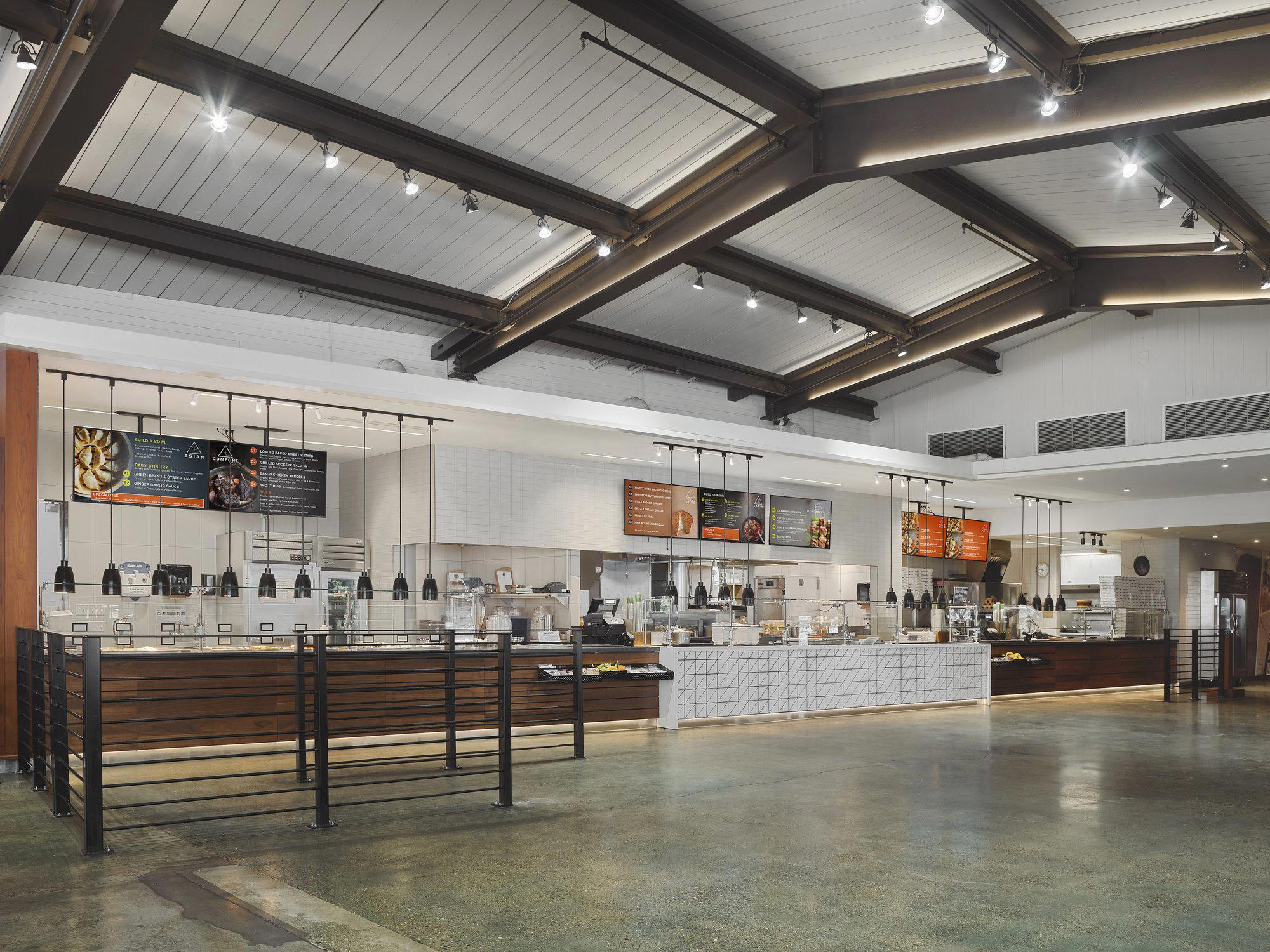
Details
- Scenic
- Rustic
- Well Known
- Classic
- Family Vacation
- Weekend Escape
- Panoramic View
- Pool
- Wi Fi
- Bicycle Rental
- Restaurant
- Mountain
- Wheelchair Accessible
Bright mountain sunshine floods through ample windows offering notable views of granite cliffs and meadows, complemented by a cozy lounge with a crackling fire.