Wawona
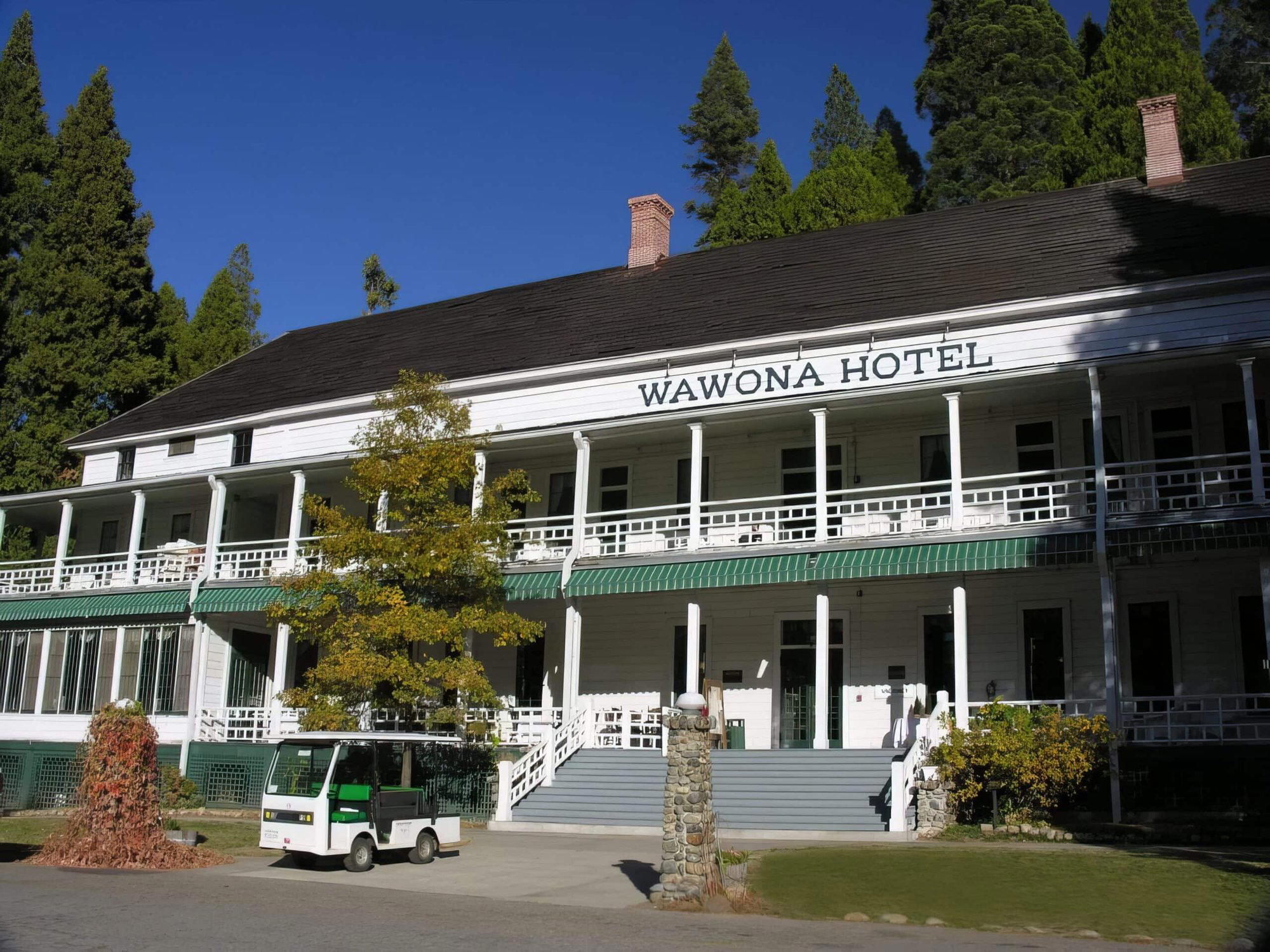
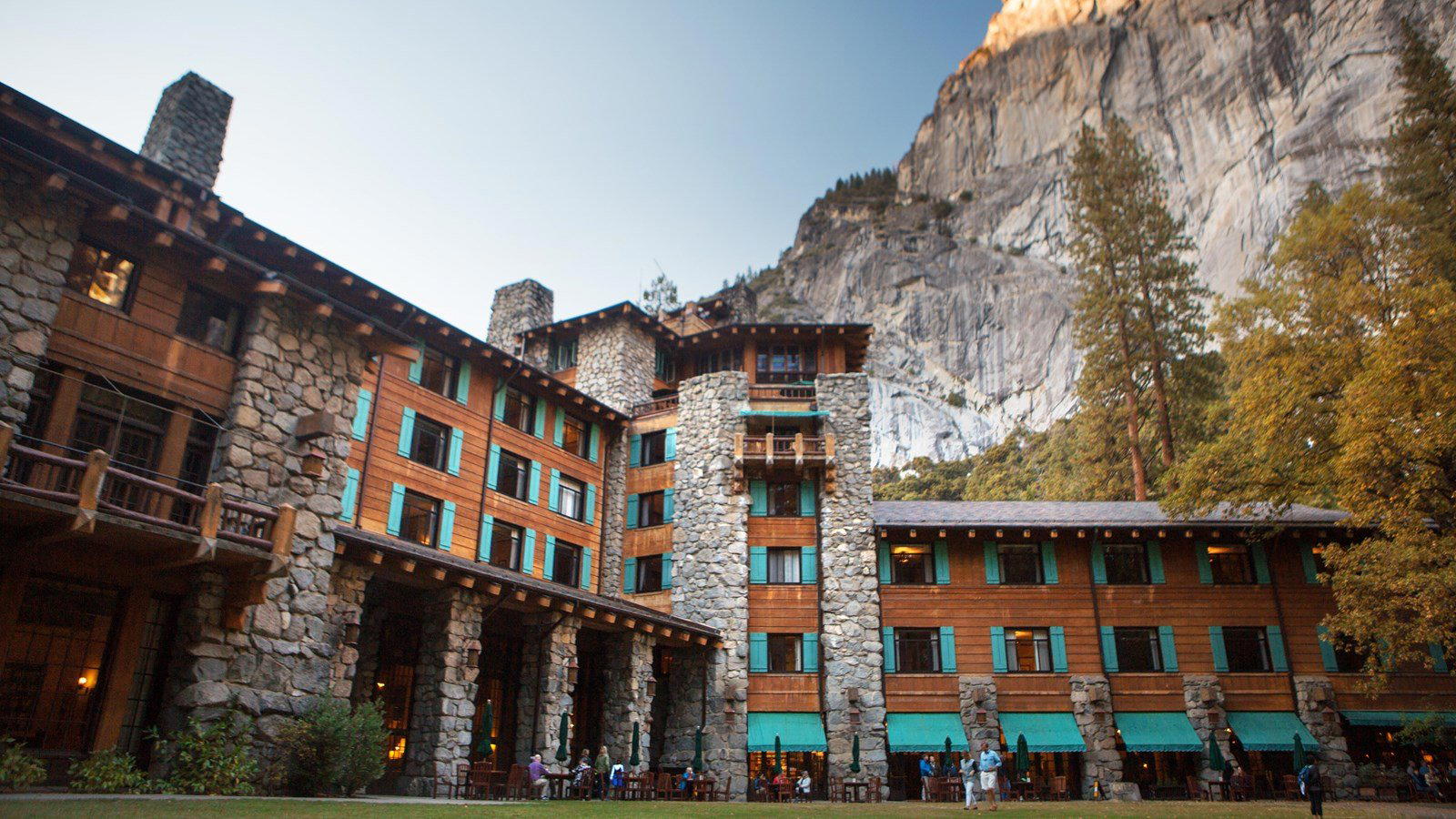
Wawona sits at the southern edge of Yosemite National Park, where the Sierra Nevada's giant sequoia groves meet a slower, less-trafficked approach to one of California's most visited landscapes. The area draws travellers who prefer a forested base over the Valley's concentrated crowds, and the historic Wawona Hotel anchors that quieter register of the park experience.

Pearl is the En Primeur Club membership app, where members save venues, book tables and use the concierge.
The Southern Gateway to Yosemite
Most travellers arrive at Yosemite through the Arch Rock entrance and drive straight to the Valley floor, where El Capitan and Half Dome dominate every sightline. Wawona occupies a different position entirely. Sitting near the South Entrance on Highway 41, roughly 27 miles from Yosemite Valley, this small community within park boundaries operates at a pace that the Valley's summer gridlock rarely permits. The giant sequoias of the Mariposa Grove are the area's main draw, and the grove sits close enough to Wawona that it defines the character of a stay here as much as any accommodation choice does. Travellers who choose Wawona are, consciously or not, choosing a different relationship with the park.
That quieter register has a long history. Wawona served as the original tourist hub for Yosemite before the Valley became the focal point of the national park experience. The infrastructure that remains reflects that earlier era, and the Wawona Hotel is the clearest expression of it. A Victorian-era structure on the National Register of Historic Places, the hotel has been receiving guests since 1879, making it one of the oldest resort hotels in California. That kind of documented continuity is relatively uncommon in American national park hospitality, where properties have frequently been rebuilt or replaced. For a broader look at what the area offers beyond the hotel itself, our full Wawona restaurants guide maps the dining and hospitality options across the southern park zone.
Dining in a National Park Context
National park dining occupies a specific and often underappreciated tier of American hospitality. The constraints are real: supply chains are long, staffing is seasonal, and the audience is broad. The leading park dining programmes work within those limits by leaning into regional sourcing, simplified menus with clear provenance, and formats that serve both the overnight guest and the day visitor who has spent six hours on trail. The dining operation at the Wawona Hotel fits that pattern, functioning as the anchor food and beverage point for the southern end of the park rather than competing with destination restaurant programmes found at urban properties.
The comparison point for understanding Wawona's dining register is less about city hotel restaurants and more about how other nature-immersive properties handle food. Properties like Post Ranch Inn in Big Sur or Blackberry Farm in Walland have built entire culinary identities around place, sourcing from adjacent land and positioning their dining as a direct expression of the surrounding landscape. Wawona's dining operates with different ambitions, shaped by the national park system's logistical realities rather than by a private property's ability to invest in a signature culinary programme. That difference matters when setting expectations. What a meal at Wawona delivers is atmosphere, history, and accessibility, not the kind of tasting-menu precision found at SingleThread Farm Inn in Healdsburg or the wine-country integration of Auberge du Soleil in Napa.
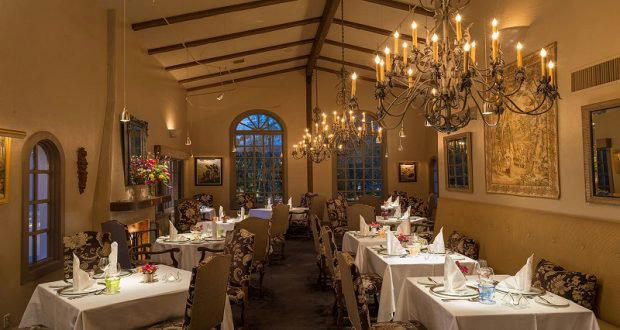
That said, the Victorian dining room at the Wawona Hotel carries a kind of historical weight that no amount of menu engineering can manufacture. Eating in a room that has served travellers since the nineteenth century, surrounded by Sierra Nevada pines, is a contextually specific experience that urban properties like The Fifth Avenue Hotel in New York City or Raffles Boston in Boston offer in entirely different registers. The value is in the specificity of place, not in culinary ambition.
The American market for landscape-immersive stays has expanded considerably. Properties like Amangiri in Canyon Point and Amangani in Jackson Hole have established a high-design, high-price tier where the natural setting is inseparable from the accommodation experience. Sage Lodge in Pray and Alpine Falls Ranch in Superior occupy adjacent territory, where fly-fishing access or ranch programming anchors the stay. Ambiente in Sedona has pushed design-led landscape hotels into the Southwest. Wawona sits apart from all of these, not because it fails to compete on their terms, but because it operates under an entirely different set of conditions, national park concessionaire agreements, historic preservation requirements, and a mission of broad public access rather than premium exclusivity.
For travellers choosing between a Wawona stay and something like Canyon Ranch Tucson or Bernardus Lodge and Spa in Carmel Valley, the decision framework is different from a direct luxury comparison. Wawona offers proximity to the Mariposa Grove, access to the South Entrance, and the particular atmosphere of the historic hotel. The tradeoff is in amenity depth and dining sophistication, which private luxury properties can invest in at a level that park concessionaires cannot replicate.
Planning a Stay in the Southern Park Zone
Yosemite's reservation system applies to vehicle access during peak periods, and travellers staying within park boundaries are subject to the same entry requirements as day visitors. Booking accommodation at the Wawona Hotel secures a place to sleep but does not automatically exempt guests from the park's timed-entry requirements, which have been in force during summer months in recent years. Arriving outside of the core summer window, typically before late May or after September, reduces both the logistical friction and the crowd density at Mariposa Grove, which has its own shuttle system operating from a separate staging area. The historic hotel's Saturday evening outdoor barbecue, a seasonal programme that has run for decades, is a specific Wawona tradition worth checking availability for when planning dates.
Properties like Little Palm Island Resort and Spa in Little Torch Key or Kona Village in Kailua Kona rely on geographic isolation as a feature. Wawona's version of that isolation is seasonal rather than geographic, the South Entrance corridor is genuinely quieter than the Valley, and the 27-mile drive from Wawona to Yosemite Valley gives guests a meaningful choice about how much of the park's concentrated activity they want to engage with on any given day. For travellers who have already done the Valley at peak season, Wawona offers a different angle on the same park. For first-timers, it requires a deliberate decision to prioritise the sequoias and the historic hotel over the Valley's granite walls.
Cost and Credentials
| Venue | Price | Awards |
|---|---|---|
| WawonaThis venue (the venue you are viewing) | $100–200 | Not listed |
| Aman New York | Not listed | 3 Michelin Keys · World's 50 Best #87 |
| Amangiri | $1,000–1,500 | 3 Michelin Keys · World's 50 Best #45 |
| Hotel Bel-Air | $750–1,000 | 3 Michelin Keys · World's 50 Best #57 |
| The Beverly Hills Hotel | Not listed | 3 Michelin Keys · World's 50 Best #65 |
| The Carlyle, A Rosewood Hotel | $1,500–2,500 | 2 Michelin Keys · World's 50 Best #64 |
Continue exploring
More in Wawona
Hotels in Wawona
All hotels in Wawona →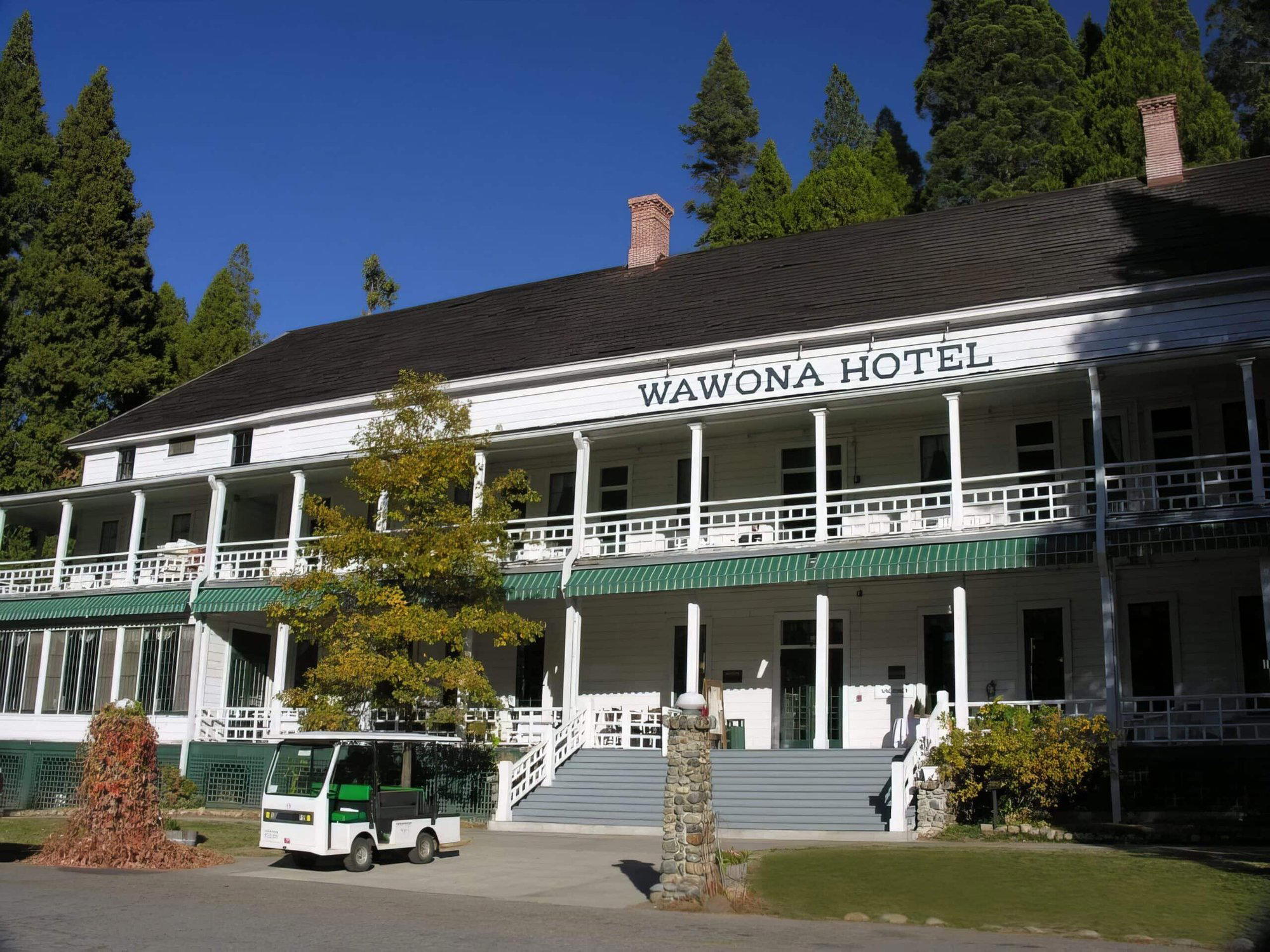
Bars in Wawona
Browse all →
Restaurants in Wawona
Browse all →
Details
- Classic
- Romantic
- Scenic
- Well Known
- Quiet
- Romantic Getaway
- Family Vacation
- Weekend Escape
- Honeymoon
- Historic Building
- Garden
- Terrace
- Golf Course
- Panoramic View
- Restaurant
- Pool
- Golf Course
- Bar
- Tennis Court
- Parking
- Mountain
- Garden
- Wheelchair Accessible
Serene and nostalgic Victorian-era atmosphere with elegant verandas, antique décor, and natural surroundings that evoke early 20th-century mountain resort elegance.