Tenaya Lodge at Yosemite
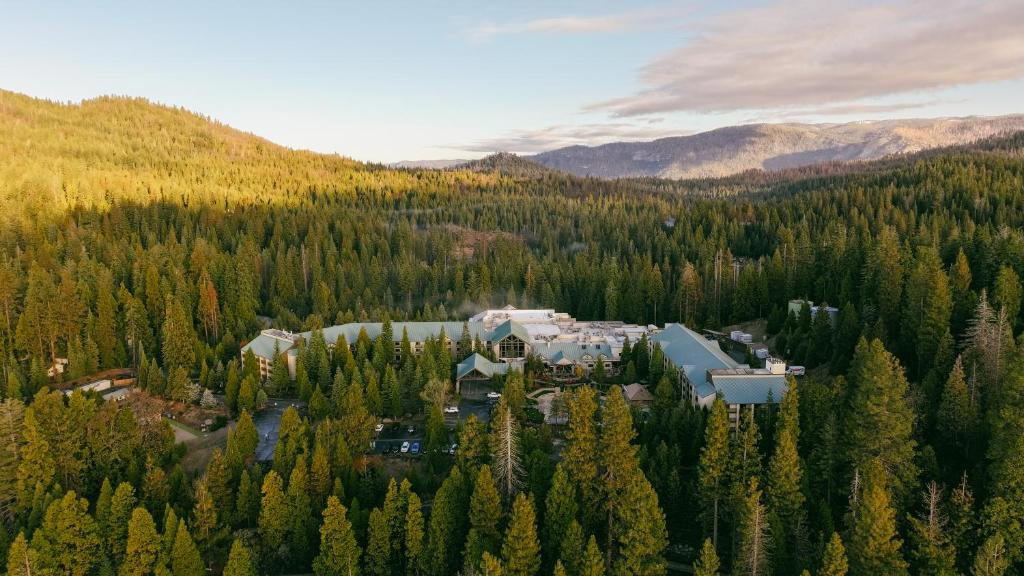
Tenaya Lodge sits at the southern entrance to Yosemite National Park in Fish Camp, California, occupying a position that few mountain resorts can match: close enough to the valley floor to serve as a genuine base for serious park exploration, yet architecturally grounded enough to function as a destination in its own right. The lodge draws from a long tradition of national park gateway hospitality, where the architecture mediates between wilderness scale and human comfort.

Pearl is the En Primeur Club membership app, where members save venues, book tables and use the concierge.
Where the Sierra Nevada Meets the Lodge Tradition
The southern gateway to Yosemite has always posed a design problem that the great national park lodges grappled with through the twentieth century: how do you build something substantial enough to shelter guests from high-altitude winters and summer crowds, yet restrained enough not to compete with the granite and pine that surround it? Tenaya Lodge at Yosemite, situated at 1122 CA-41 in Fish Camp, California, sits at the end of that architectural conversation. It belongs to a specific American typology, the grand gateway resort, that includes properties like Amangani in Jackson Hole and Sage Lodge in Pray, each attempting to anchor guests in wilderness context through material and massing rather than spectacle.
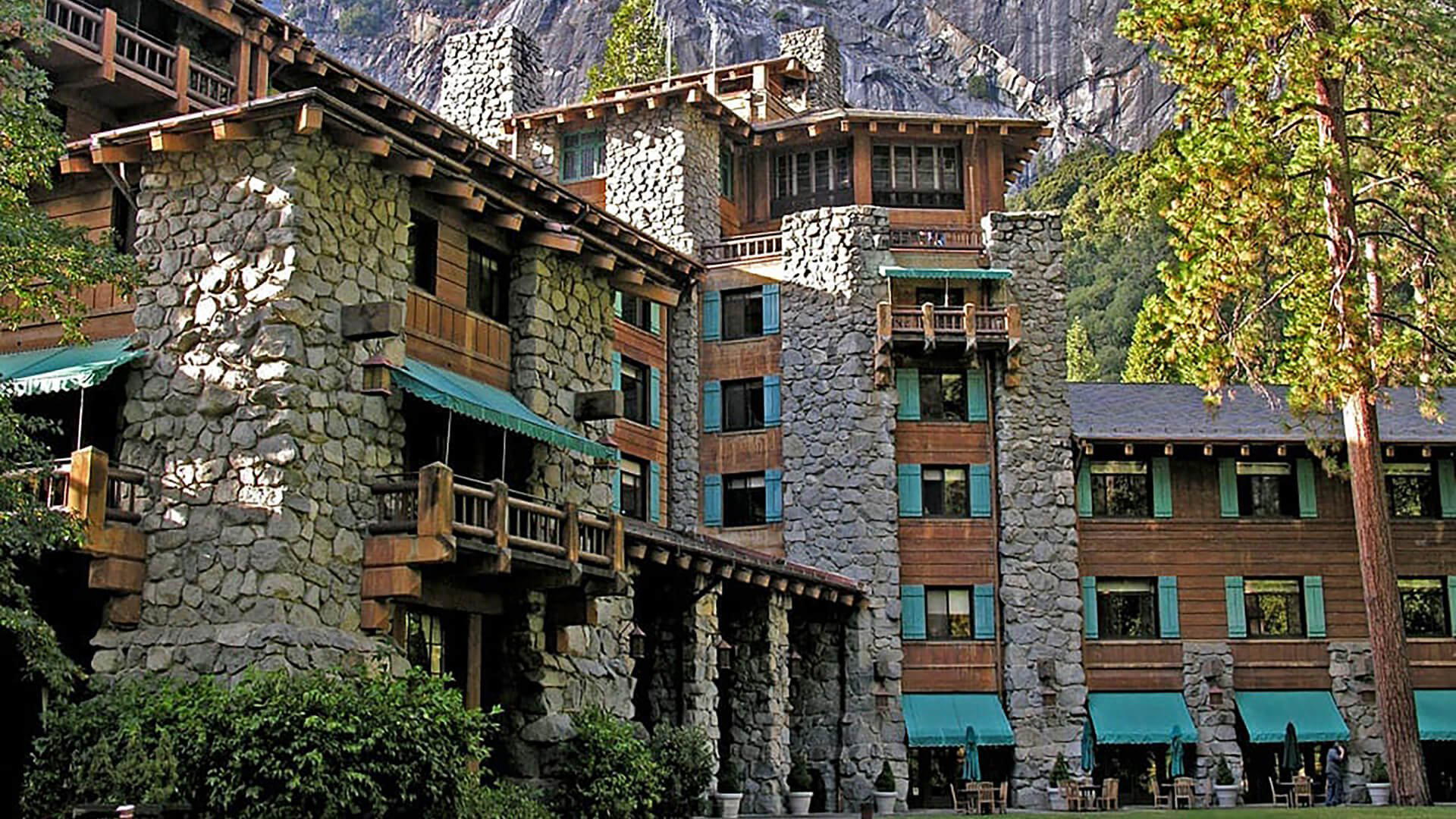
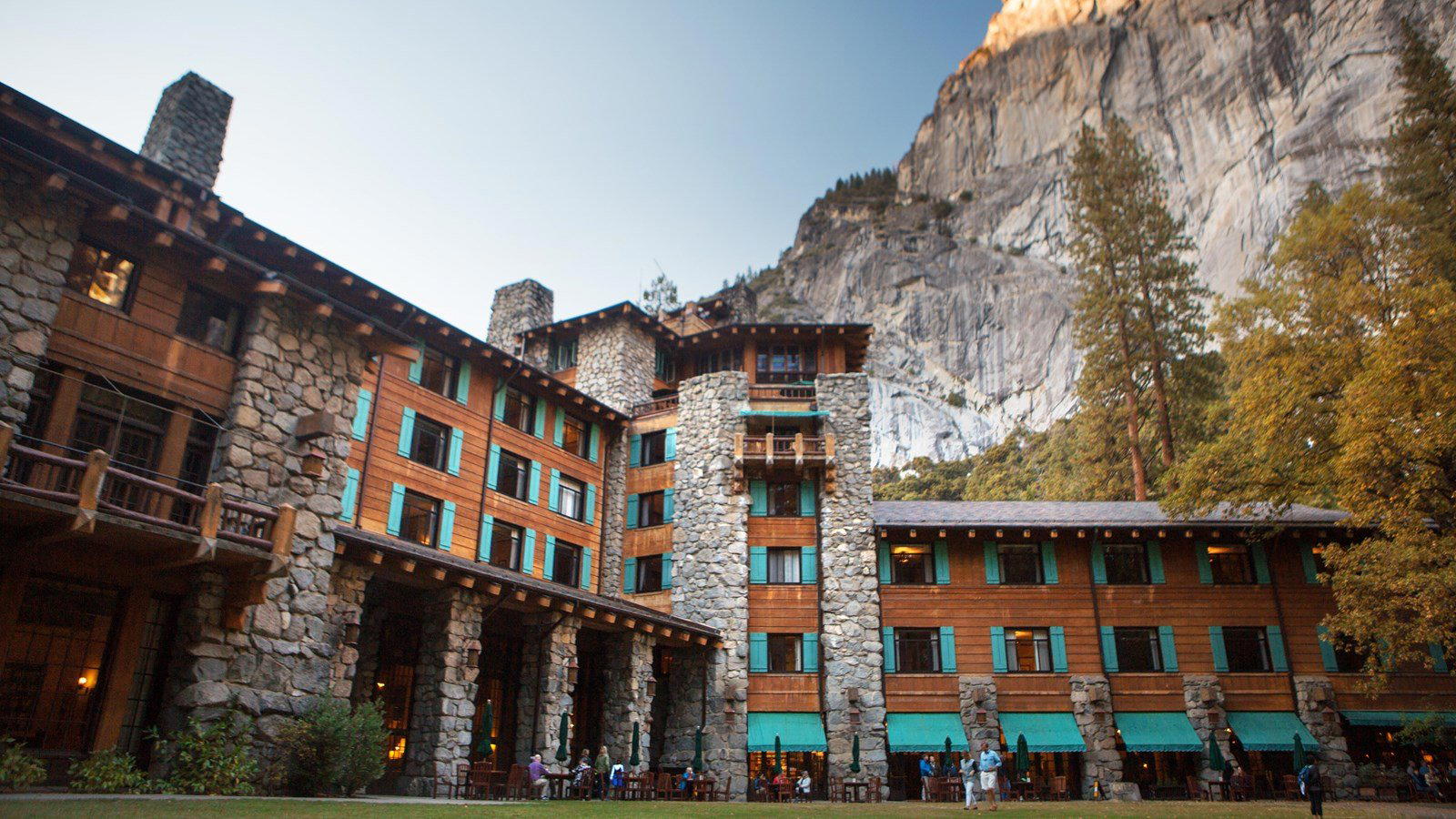
Approaching along CA-41 through the Sierra Nevada foothills, the scale of the lodge registers before the entrance. The structure uses rough-hewn stone, heavy timber framing, and a muted palette drawn from the forest floor rather than any imported design vocabulary. This is deliberate: gateway resorts at this elevation are judged partly on how well they disappear into their surroundings when viewed from a distance, and how convincingly they recreate the visual grammar of the wilderness inside their lobbies and common areas.
The Architecture of Arrival
The gateway lodge tradition in America is older than most guests realize. When the National Park Service formalized its rustic architecture guidelines in the 1930s, it codified what designers had already intuited: that a building at the edge of wilderness should use local materials, pitched rooflines that shed Sierra snow, and interior volumes tall enough to evoke the forest canopy. Tenaya Lodge works within that tradition. The central great hall format, with stone fireplaces scaled to the room rather than the human figure, creates a transition zone between the outdoor scale of the park and the domestic scale of a guest room corridor.
This approach connects Tenaya Lodge to a broader West Coast lineage of resort design that extends from the historic park lodges through to contemporary properties like Post Ranch Inn in Big Sur and Ambiente in Sedona, both of which use site-specific architecture to argue that the building is inseparable from its geography. The distinction at Tenaya Lodge is one of ambition and scale: where Post Ranch operates as a boutique collection of individual structures, Tenaya Lodge commits to the full-service resort format, which creates a different set of design pressures around pooling amenities, dining volumes, and conference facilities without losing the lodge character.
Fish Camp as a Base, Not a Destination
Fish Camp itself is barely a town, a cluster of properties strung along CA-41 at roughly 5,000 feet elevation, with Yosemite's South Entrance gate approximately two miles north. That proximity is the entire argument for staying here rather than in Mariposa or Oakhurst below. The trade-off is that Fish Camp's dining and activity infrastructure is thin outside the lodge grounds, which places more pressure on what Tenaya Lodge provides internally. For guests arriving primarily to spend days in the park, this is largely irrelevant. For those who want a resort experience where external exploration of restaurants and bars is part of the routine, the calculus is different from staying in a property like Bernardus Lodge in Carmel Valley or Auberge du Soleil in Napa, where the surrounding food and wine culture is a genuine extension of the stay.
The seasonal timing question at this elevation matters more than at most California properties. Yosemite's South Entrance stays open year-round, unlike Tioga Pass, which typically closes from November through late May depending on snowpack. Winter visits to Tenaya Lodge offer a fundamentally different experience: the valley crowds compress dramatically, the Mariposa Grove is accessible by snowshoe, and the lodge's interior architecture, particularly the fireplaces and timber volumes, earns its keep in a way it cannot during a July crowd peak. For context on how other premium wilderness properties handle seasonal positioning, Amangiri in Canyon Point and Blackberry Farm in Walland both make strong cases for shoulder-season visits as the higher-value proposition.
Placing Tenaya Lodge in Its Competitive Set
The American wilderness resort market has split in recent years between large full-service properties that operate at hotel scale and intimate design-forward lodges that compete on architecture and curation. Tenaya Lodge sits in the first category.
For California travelers comparing gateway options, the relevant question is whether the park experience itself is the primary draw, or whether the lodge experience should be able to stand alone. Properties like SingleThread Farm Inn in Healdsburg or Troutbeck in Amenia are destinations that could justify a trip independently of their surroundings. Tenaya Lodge's honest proposition is different: it is architected to enhance and support access to one of North America's most visited national parks, and that function is what it does with the most conviction.
Guests who want urban hotel sophistication alongside wilderness proximity are better served by properties such as 1 Hotel San Francisco combined with a day trip, or by the curated boutique format of Alpine Falls Ranch in Superior. Those committed to the Yosemite experience and looking for a professionally managed full-service base at the southern entrance will find Tenaya Lodge squarely positioned to deliver on that specific brief. See our full Fish Camp restaurants and hotels guide for comparative options in the area.
Planning Your Stay
Fish Camp sits at the end of a mountain highway with no significant commercial corridor, so arriving by car via CA-41 from Fresno (approximately 45 miles south) is the practical route for most guests. Fresno Yosemite International Airport is the closest commercial airport. Summer weekends book well in advance, particularly for rooms with forest-facing aspects; spring and fall midweek visits offer the most availability. The South Entrance to Yosemite requires a park reservation or pass during peak season, which is a separate transaction from the lodge booking and should be secured before travel dates are confirmed.
Fast Comparison
| Venue | Price | Awards |
|---|---|---|
| Tenaya Lodge at YosemiteThis venue (the venue you are viewing) | $200–300 | Not listed |
| Aman New York | Not listed | 3 Michelin Keys · World's 50 Best #87 |
| Amangiri | $1,000–1,500 | 3 Michelin Keys · World's 50 Best #45 |
| Hotel Bel-Air | $750–1,000 | 3 Michelin Keys · World's 50 Best #57 |
| The Beverly Hills Hotel | Not listed | 3 Michelin Keys · World's 50 Best #65 |
| The Carlyle, A Rosewood Hotel | $1,500–2,500 | 2 Michelin Keys · World's 50 Best #64 |
Continue exploring
More in Fish Camp
Hotels in Fish Camp
All hotels in Fish Camp →
Bars in Fish Camp
All bars in Fish Camp →
Restaurants in Fish Camp
Browse all →
Details
- Scenic
- Rustic
- Cozy
- Classic
- Family Vacation
- Weekend Escape
- Wellness Retreat
- Romantic Getaway
- Panoramic View
- Destination Spa
- Garden
- Terrace
- Historic Building
- Wi Fi
- Pool
- Spa
- Fitness Center
- Room Service
- Concierge
- Kids Club
- Restaurant
- Bar
- Hot Tub
- Mountain
- Wheelchair Accessible
- Elevator
- Accessible Restroom
- Accessible Parking
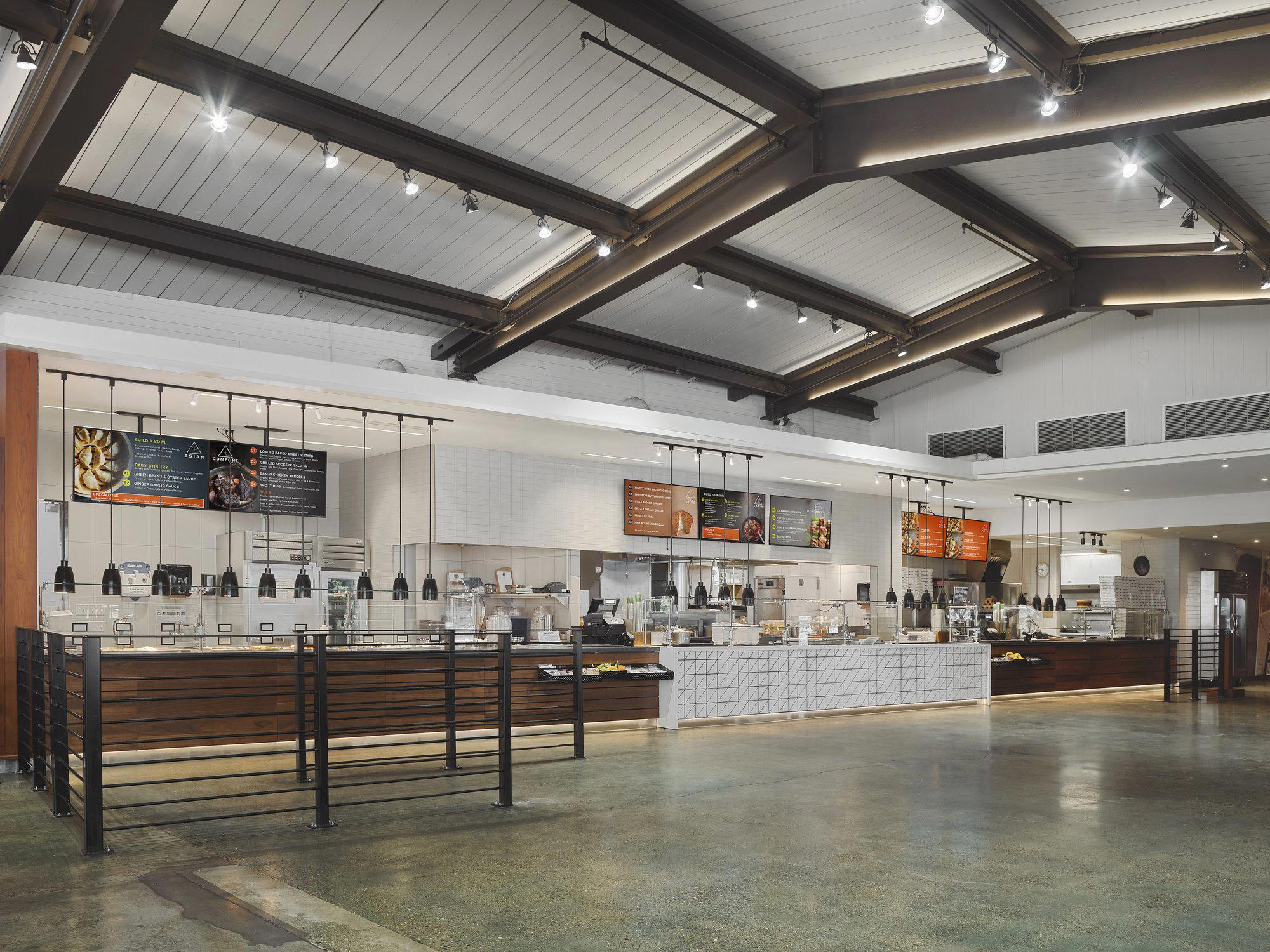
Warm and inviting with earth-toned décor, rustic artworks, barn-inspired doors, and natural wood trim creating a cozy mountain retreat atmosphere with abundant natural light and forest views.