Wawona Hotel
The Wawona Hotel sits at the southern edge of Yosemite National Park, operating from a Victorian-era property that has hosted travelers since the late nineteenth century. Its dining room and veranda have long served as the social center for guests arriving from the Mariposa Grove. Plan well ahead: summer availability compresses quickly against Yosemite's peak visitation window.

Pearl is the En Primeur Club membership app, where members save venues, book tables and use the concierge.
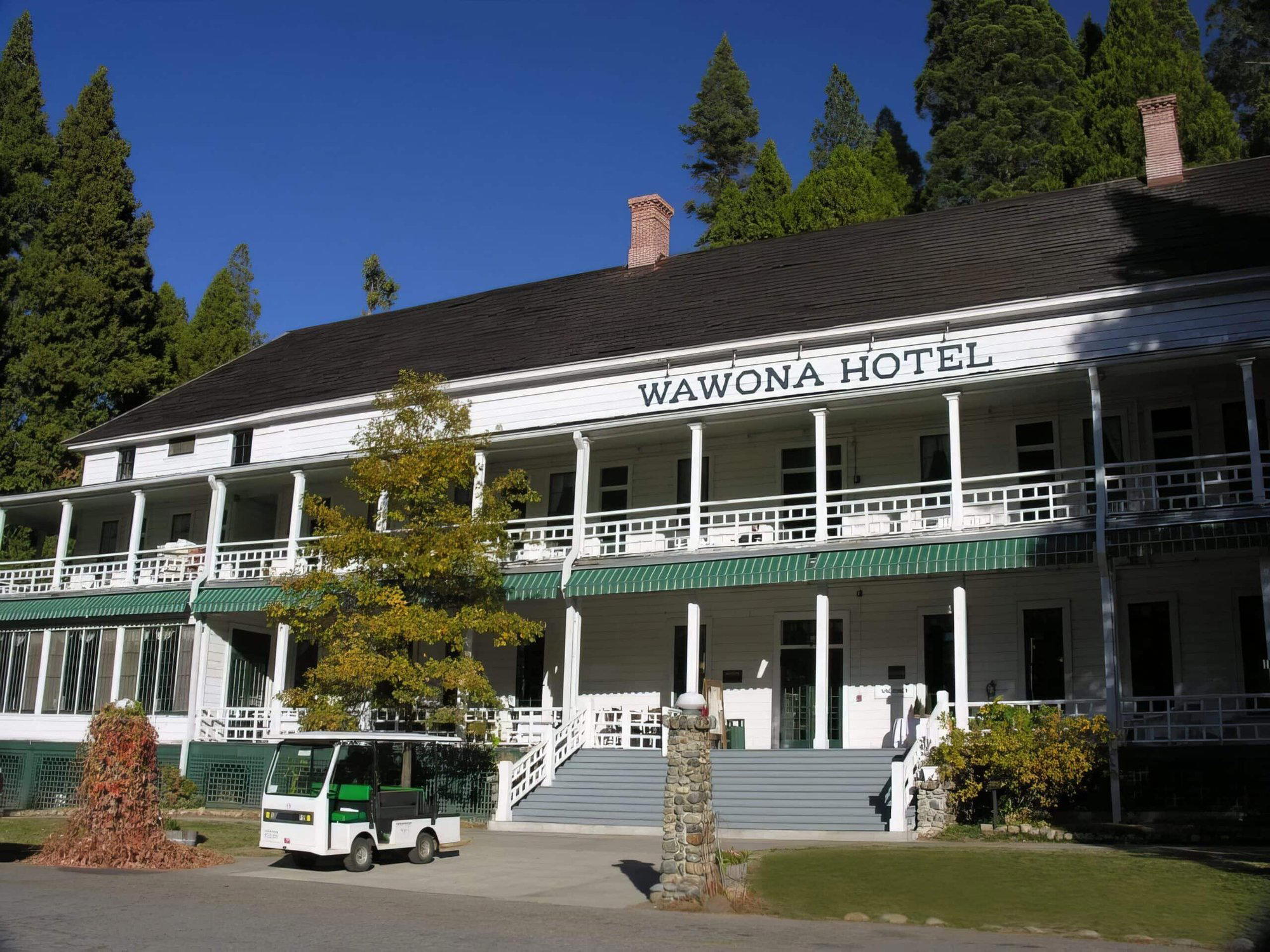
A Victorian Outpost at the Edge of Yosemite’s Southern Wilderness
There is a particular quality of light that arrives in the Wawona basin in the late afternoon, when the Sierra Nevada pines cast long shadows across the broad green lawn fronting the hotel’s main building. The Wawona Hotel sits at roughly 4,000 feet elevation in the southern reaches of Yosemite National Park, a cluster of white clapboard buildings that would not look out of place in coastal New England were it not for the granite domes visible through the tree line. The architecture announces itself before any room rate or amenity list could: this is a place shaped by a specific moment in American hospitality history, and it has remained in that moment by design.
For context on how rare this is among American wilderness properties, consider that most premium nature retreats built in the last two decades have converged on a single visual grammar: cantilevered glass, raw concrete, and minimalist interiors meant to echo the landscape. Properties like Amangiri in Canyon Point and Ambiente, A Landscape Hotel in Sedona operate squarely within that contemporary desert-modern tradition. Wawona occupies an entirely different register: Victorian-era resort architecture preserved within a federally managed national park, where the building itself is the artifact. Check our full Wawona restaurants guide for dining options in the broader area.
The Architecture as Historical Record
The main building dates to 1879, when it was constructed to receive travelers making the multi-day journey from San Francisco to the Yosemite Valley by stagecoach. The Wawona Hotel complex grew incrementally across subsequent decades, with additional cottages and outbuildings added through the early twentieth century. What results is less a single architectural statement than a compound that reads like a layered timeline: the wide wraparound verandas of the Victorian main structure, the pitched-roof guest cottages arranged across the lawn, and the ornamental details that were standard in American resort design of that era.
The National Park Service now manages the property as both a functioning hotel and a contributing resource to the Yosemite National Park historic district. That dual status is consequential for guests who understand what it means: significant alterations to the buildings are restricted, which has preserved the structural character that larger or privately owned resort properties routinely sacrifice in renovation cycles. The verandas remain wide enough for rocking chairs and evening conversation. The proportions of the public rooms reflect 19th-century social assumptions about how travelers gathered after dinner. This is not nostalgia as interior design theme; it is the actual building, intact.
Comparable historic-preservation hotel experiences in the American West are fewer than travelers often assume. Troutbeck in Amenia and Chicago Athletic Association in Chicago each operate within historic structures, but both have undergone significant contemporary renovation programs. Wawona’s NPS stewardship has kept the intervention lighter, which produces a different experience: less polished, more legible as a structure from another era.
What the Setting Demands
The hotel’s position in the southern end of Yosemite—near the Mariposa Grove of giant sequoias and roughly 30 miles from Yosemite Valley—gives it a character distinct from properties clustered closer to Half Dome and Yosemite Falls. The southern entrance sees less traffic than the valley corridor, and the Wawona area itself has a quieter pace that suits the architectural register of the hotel. Guests arriving here are not typically optimizing for proximity to the valley’s most-photographed landmarks; they are choosing a different relationship with the park altogether.
The Mariposa Grove, a short distance from the hotel, contains some of the largest individual living organisms on Earth by volume. The grove was partially restored in a multi-year NPS project completed in 2018, which removed historic parking infrastructure and re-established more natural conditions around the trees. Visiting in early morning, before the shuttle crowds arrive from the valley, produces a substantially different experience than midday.
For travelers accustomed to the spa-and-amenity architecture of properties like Canyon Ranch Tucson or Bernardus Lodge & Spa in Carmel Valley, the Wawona’s offering will read as spare. There is a swimming pool and a nine-hole golf course on property, both consistent with the resort’s historical character as a destination for extended stays rather than wellness programming. The recreational logic here is oriented outward: the park is the amenity.
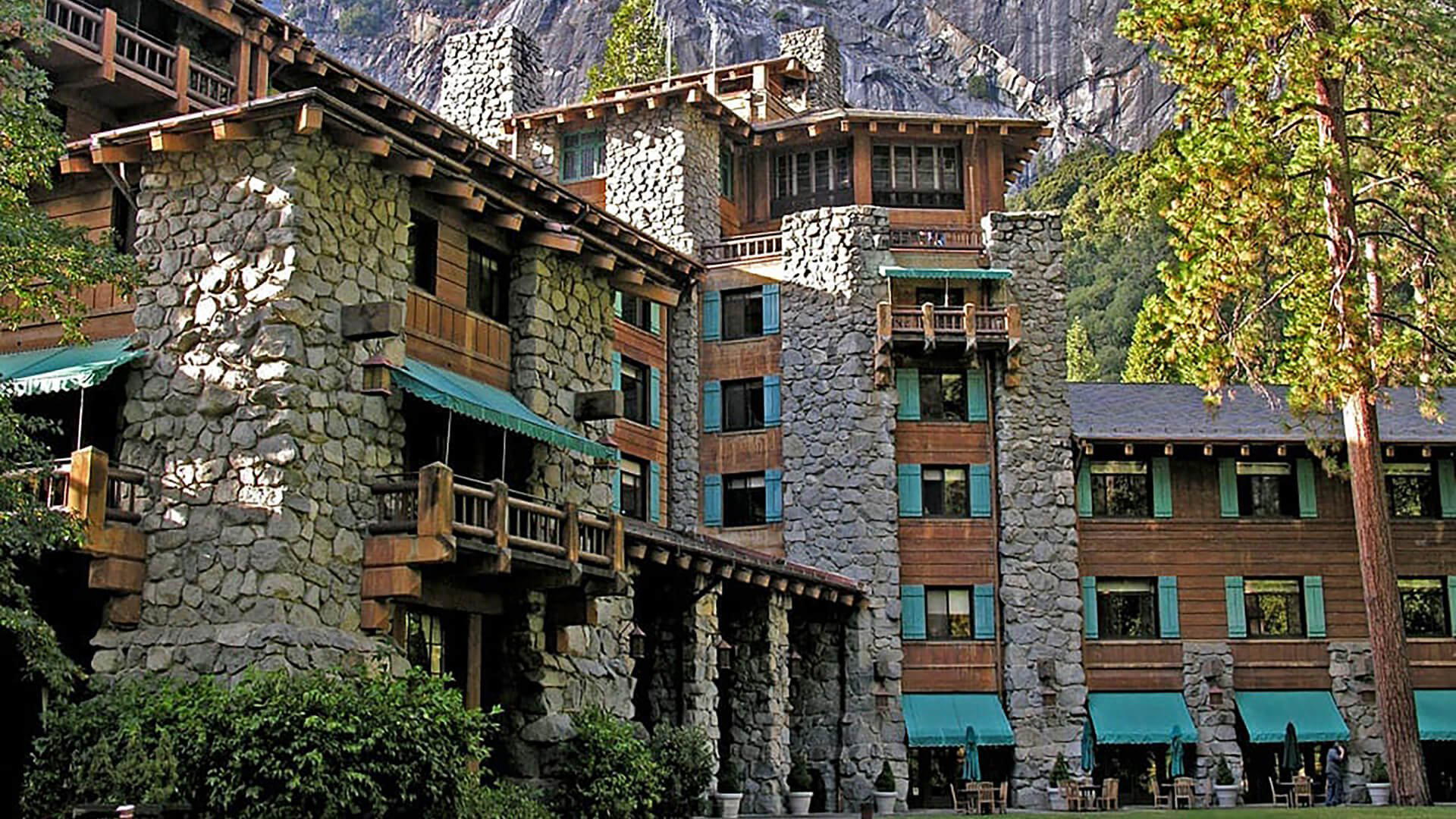
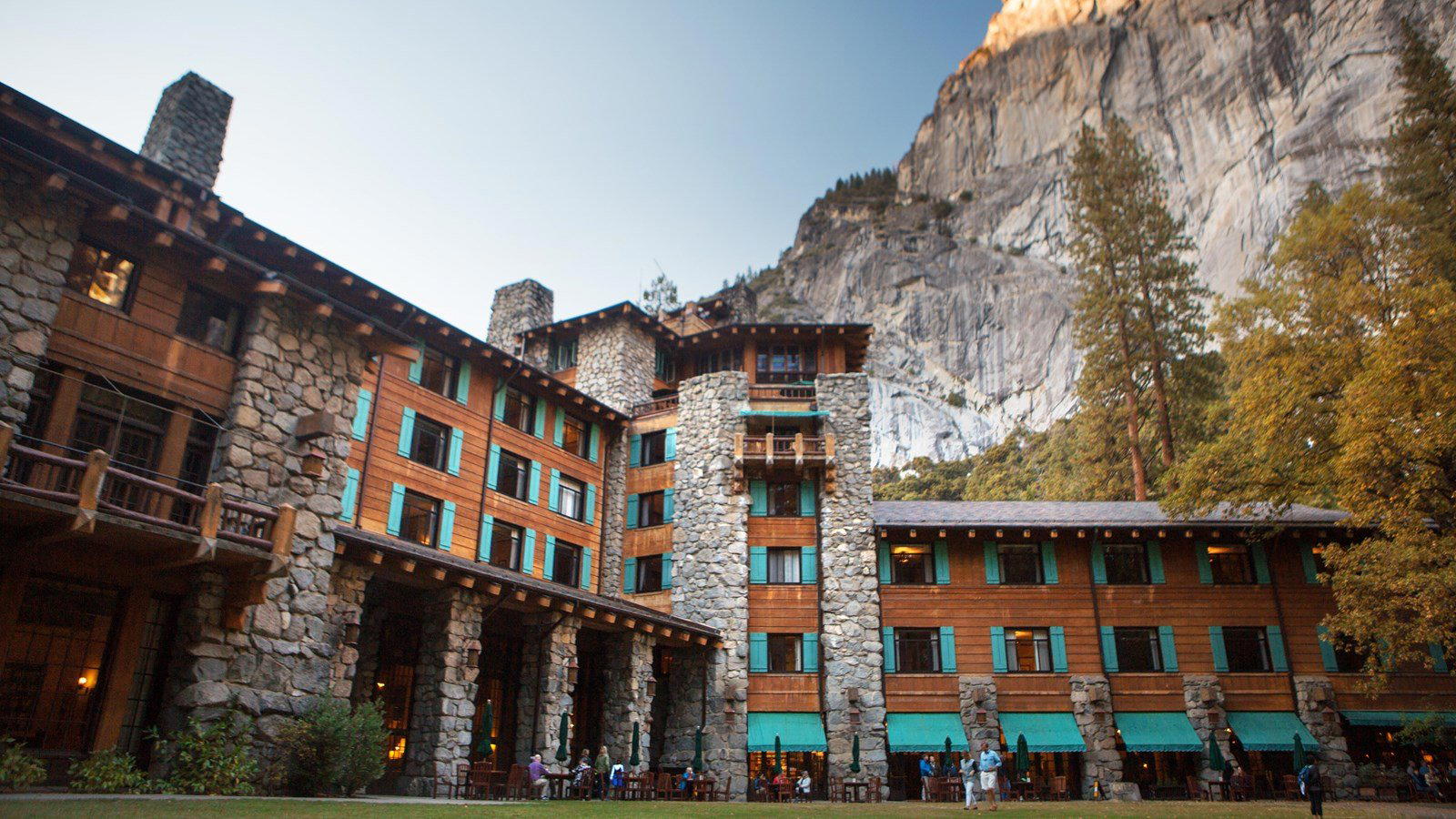
American national park lodge accommodation clusters into a few distinct tiers. At the upper end, properties like Amangani in Jackson Hole and Post Ranch Inn in Big Sur sit outside park boundaries and offer contemporary luxury with wilderness adjacency. Within park systems, the accommodation ranges from tent cabins and dormitory-style lodges to the handful of full-service historic hotels, of which Wawona is one. The other prominent examples in Yosemite, The Ahwahnee in particular, operate at a higher price point with greater amenity density. Wawona positions itself as the more subdued option within the same park, which has historically attracted guests who prioritize the southern park experience over valley spectacle.
For comparison across other coastal California properties with a different luxury register, Hotel Bel-Air in Los Angeles and Auberge du Soleil in Napa represent the polished end of California hospitality. Wawona operates in a separate category entirely, one where the value proposition is historical authenticity and park access rather than service density or design sophistication.
Travelers who have responded well to properties like Blackberry Farm in Walland or Sage Lodge in Pray, places where the natural setting is the primary experience and the architecture exists in service of it, tend to find Wawona’s logic legible. The expectations need calibrating differently than for, say, Four Seasons at The Surf Club in Surfside or Aman New York.
Planning Your Stay
Yosemite National Park operates a timed-entry reservation system during peak season (typically late spring through early fall), and securing those permits requires planning several weeks in advance. Wawona’s position near the South Entrance on Highway 41 from Fresno means guests can enter the park via a different gate than the valley-focused Arch Rock entrance, which is useful for travelers arriving from Southern California. The hotel operates seasonally; winter closures are standard, and the Mariposa Grove road is subject to snow closures that affect access independent of the hotel’s own schedule. Anyone planning a summer visit should treat accommodation bookings and park reservations as parallel processes, each with their own lead-time requirements.
In Context: Similar Options
| Venue | Price | Awards |
|---|---|---|
| Wawona HotelThis venue (the venue you are viewing) | $100–200 | Not listed |
| Aman New York | Not listed | 3 Michelin Keys · World's 50 Best #87 |
| Amangiri | $1,000–1,500 | 3 Michelin Keys · World's 50 Best #45 |
| Hotel Bel-Air | $750–1,000 | 3 Michelin Keys · World's 50 Best #57 |
| The Beverly Hills Hotel | Not listed | 3 Michelin Keys · World's 50 Best #65 |
| The Carlyle, A Rosewood Hotel | $1,500–2,500 | 2 Michelin Keys · World's 50 Best #64 |
Continue exploring
More in Wawona
Hotels in Wawona
All hotels in Wawona →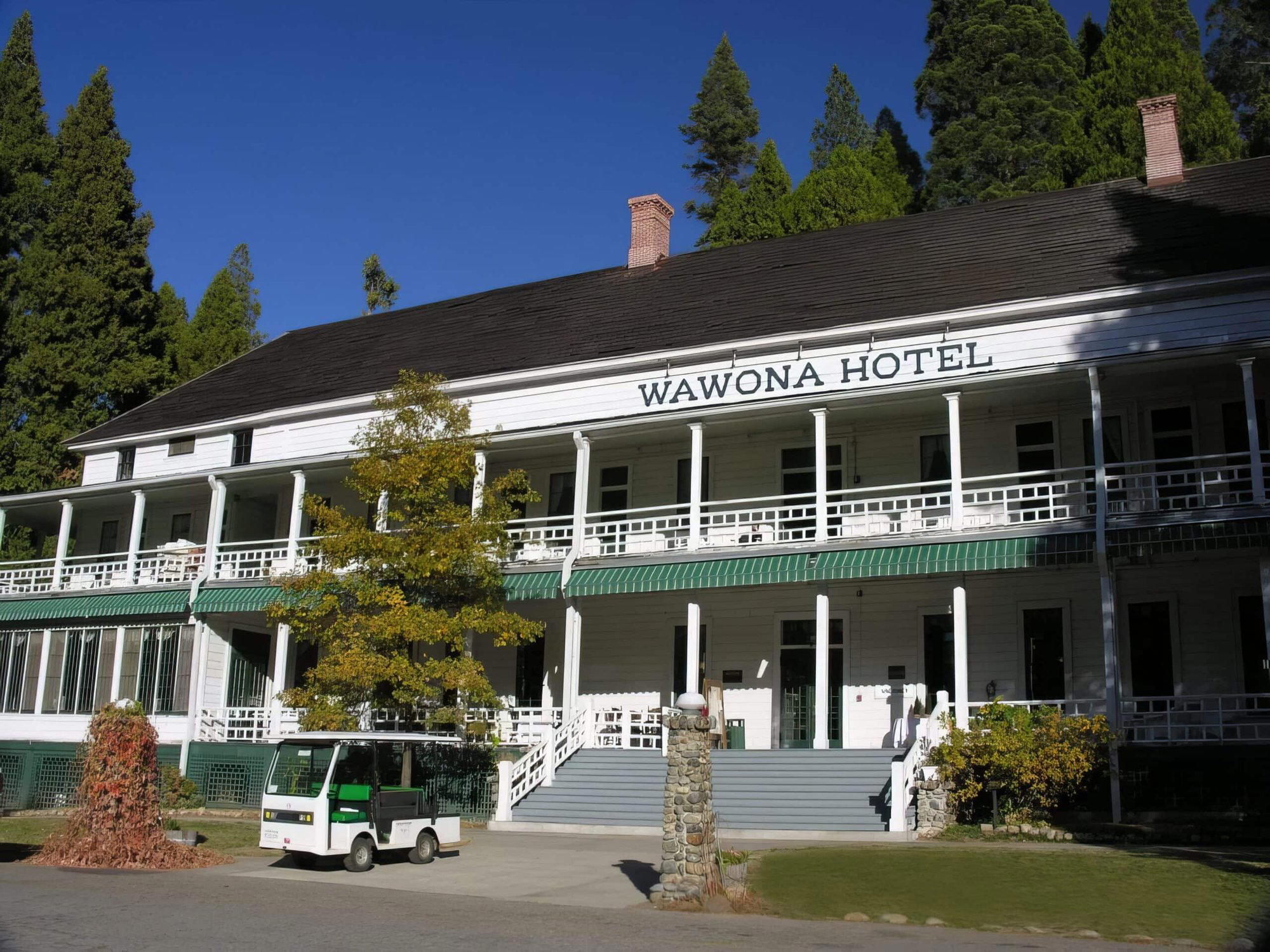
Bars in Wawona
Browse all →
Restaurants in Wawona
Browse all →
Details
- Classic
- Rustic
- Scenic
- Cozy
- Romantic Getaway
- Family Vacation
- Weekend Escape
- Historic Building
- Golf Course
- Pool
- Wi Fi
- Room Service
- Concierge
- Restaurant
- Mountain
- Garden
Charming Victorian atmosphere with antique furnishings, verandas for relaxation, and serene mountain resort setting.