Sora Lodge sits in Jinka, the administrative gateway to Ethiopia's Omo Valley and one of the country's most significant bases for reaching the South Omo Zone's indigenous communities. For travellers organising multi-day itineraries through the Lower Omo, it represents a practical and positioned overnight option in a town with limited formal accommodation. Verify current availability and rates directly before planning.

Pearl is the En Primeur Club membership app, where members save venues, book tables and use the concierge.
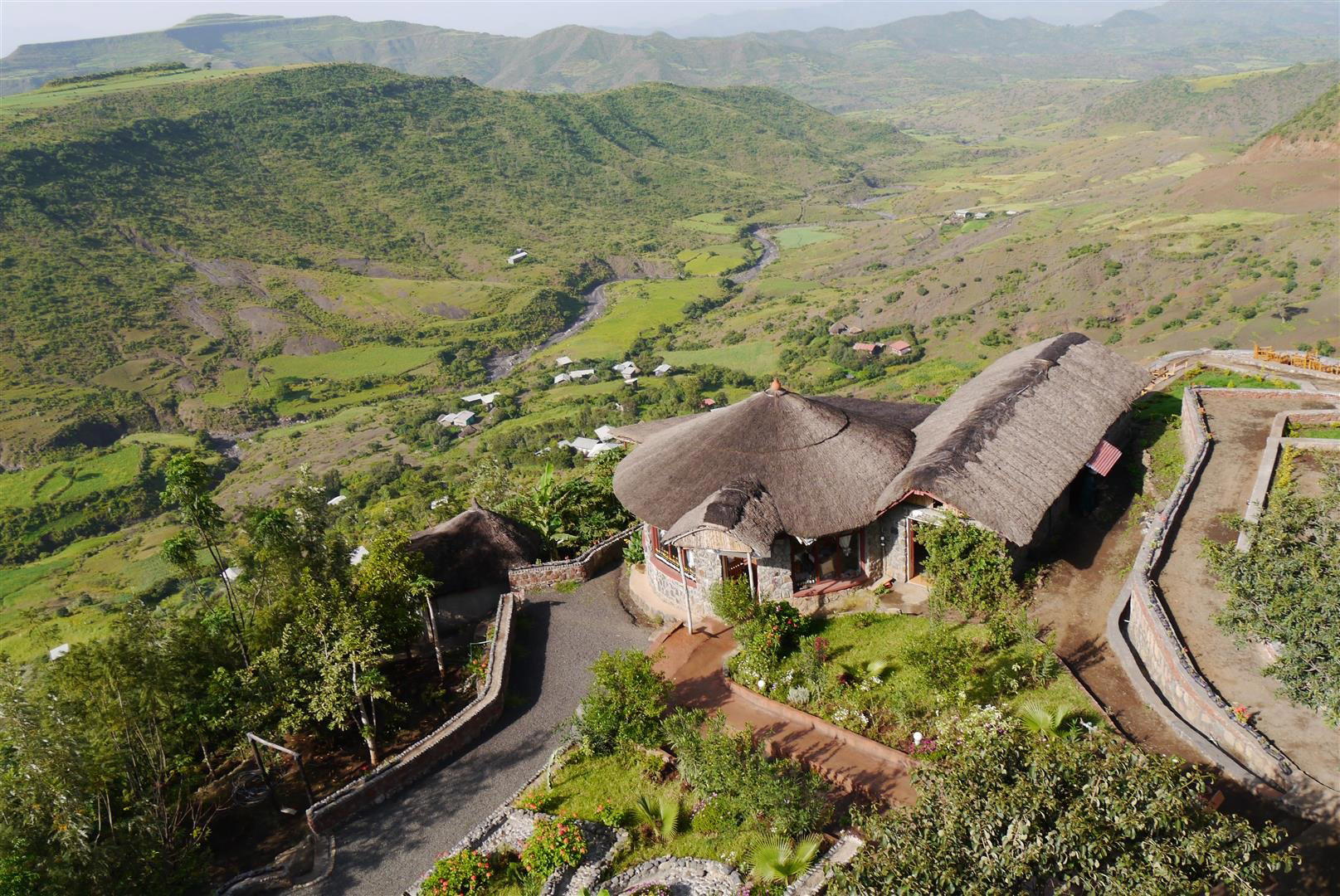
Jinka and the Logic of Where You Sleep in the Omo Valley
The South Omo Zone operates on a different set of logistics from most East African destinations. Roads between tribal villages are largely unpaved, distances take longer than maps suggest, and the town of Jinka functions as the primary administrative and supply hub for the entire region. Travellers planning serious time among the Mursi, Ari, Benna, or Hamar communities typically anchor at least one or two nights here before pushing further south or west. That positional reality shapes how accommodation in Jinka should be assessed: not against the standards of Addis Ababa or Nairobi, but against the specific demands of a long-haul cultural itinerary in one of Africa's most remote inhabited corridors.
Within that context, Sora Lodge is one of a small number of named properties in Jinka offering organised lodging for international travellers. It sits alongside Eco Omo Lodge as part of the thin but functional tier of Jinka accommodation recognised by the wider travel community. The comparison set here is not properties like Amangiri or Aman Venice, it is the handful of guesthouses and small lodges that make remote southern Ethiopia workable for structured visits.
The Dining Reality in Remote Southern Ethiopia
Hotel dining in Jinka reflects the agricultural and culinary character of the surrounding region rather than any imported hospitality template. The South Omo Zone is home to communities whose food traditions predate commercial agriculture as Westerners understand it, and the produce available in Jinka's markets follows local seasons and local supply chains. Injera made from teff, sorghum-based porridges, slow-cooked legumes, and whatever proteins the market supports on a given week form the basis of what appears on most lodge menus in the area.
For travellers accustomed to properties like Cheval Blanc Paris or Hotel Plaza Athénée, where the dining programme is a destination in itself with named chefs and structured menus, the shift required here is significant. Dining in Jinka is functional and often genuinely good in a way that reflects place rather than ambition. The leading lodge kitchens in this tier produce honest Ethiopian cooking using proximity to source that most urban restaurants cannot replicate. The editorial angle on food here is not about who is cooking but about what the surrounding land and community produce, and whether the kitchen uses it thoughtfully.
What can be said with confidence is that any property operating in Jinka's accommodation tier is working within the same supply and cultural parameters described above. Travellers should confirm current food offerings directly with the lodge before arrival, particularly if dietary requirements are a factor on a multi-day itinerary.
Placing Sora Lodge in the Omo Valley Circuit
The Omo Valley route that most serious travellers follow moves between several nodes: Jinka in the north of the zone, then south toward Turmi, Key Afer on market days, and deeper toward the Kenyan border depending on time and access. Evangadi Lodge in Turmi serves the southern end of that route, while Jinka-based properties handle the entry and exit points. Dorze Lodge further north in the South Ethiopia Regional State covers yet another segment of the regional circuit.
This positional logic matters when planning. Sora Lodge's value is not separable from its geography. Being in Jinka means proximity to the Mago National Park entrance, access to the small but useful Jinka market, and a base from which guides and transport can be organised for Mursi village visits.
For those building a longer Ethiopian itinerary that combines the Omo Valley with northern highland or lakeside routes, the broader accommodation network is expanding. Planned hotels in Addis Ababa, Bahir Dar, Hawassa, and Jimma suggest that Ethiopia's hospitality infrastructure is being developed with multi-stop itineraries in mind. For now, the Omo Valley section of any such route still depends on the small lodge tier that Sora Lodge represents.
Planning a Stay: What Travellers Should Know
This is not unusual for properties operating in remote Ethiopian towns, where bookings are frequently managed through local tour operators, Addis Ababa-based agencies, or in-country guides rather than global reservation systems. Travellers planning an Omo Valley itinerary would be well-advised to contact a specialist Ethiopia operator several months in advance, both to confirm accommodation availability and to arrange the permits, vehicles, and guides that make the route accessible. Dry season months, roughly October through February, draw more organised tour groups to the region, and accommodation in Jinka can fill ahead of what the town's relatively low international profile might suggest.
Rates at this tier of accommodation in southern Ethiopia are generally modest by international standards, but the more significant cost factor for most itineraries is the transport and guide arrangement rather than the lodge itself. Travellers should budget and plan for the full operational cost of moving through the South Omo Zone, not just the accommodation line item.
For a wider picture of what Jinka offers as a base, see our full Jinka restaurants and accommodation guide.
Details
- Scenic
- Rustic
- Cozy
- Romantic Getaway
- Weekend Escape
- Panoramic View
- Wi Fi
- Restaurant
- Mountain
Serene and tranquil with beautiful rooms offering scenic views.