Sopwell House

Preferred Hotels Member
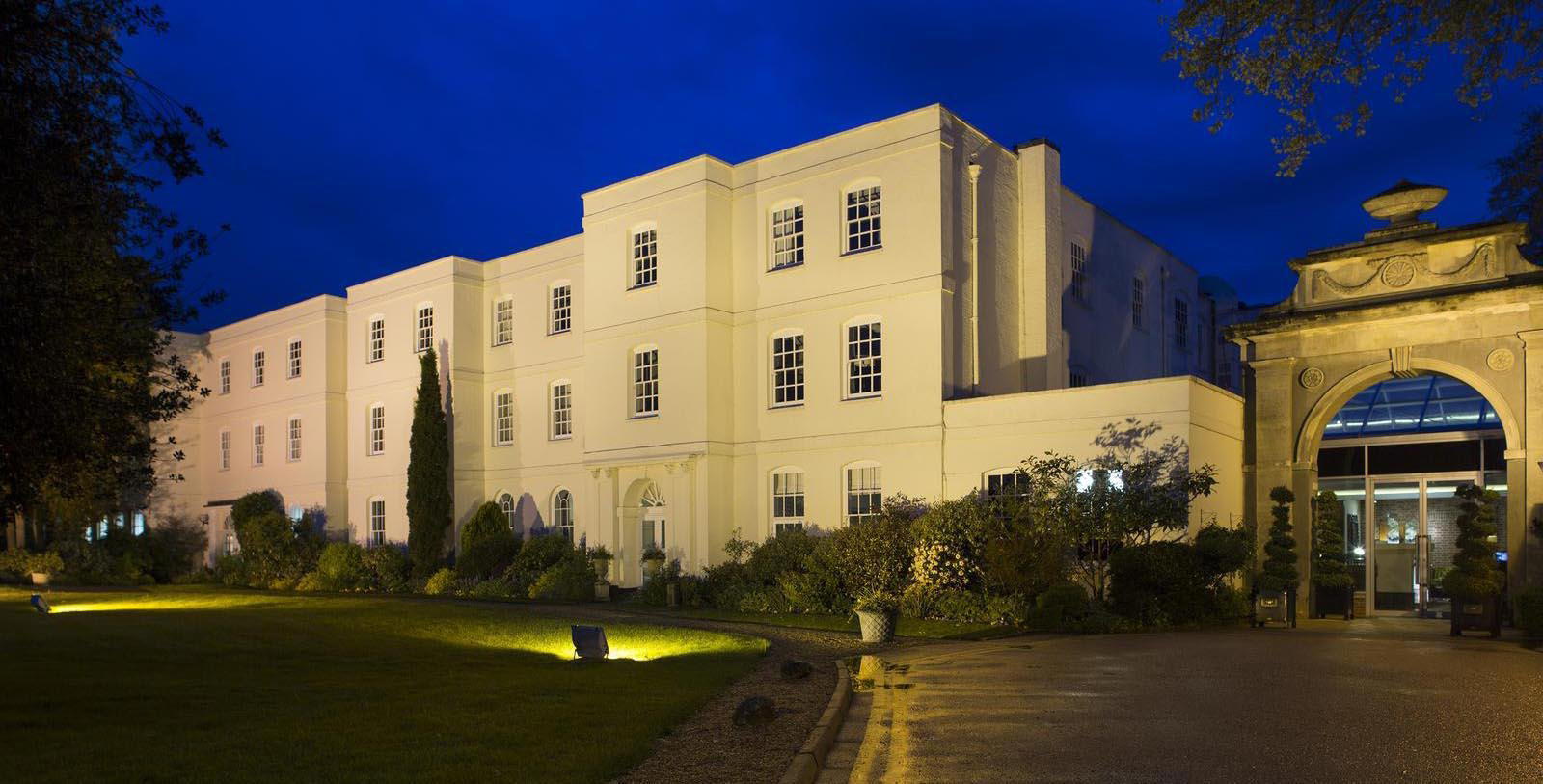
A Georgian manor house in St Albans with 126 rooms, Sopwell House occupies a rare position in the English home counties: genuinely spacious grounds within commuting distance of London, combined with the architectural bones of a substantial country estate. It draws both leisure guests seeking a weekend remove and corporate travellers who want something with more physical character than a business hotel.

Pearl is the En Primeur Club membership app — saves, bookings, and concierge access live there. Same editors, same standards.
- Address
- Sopwell House, Cottonmill Ln, St Albans AL1 2HQ
- Phone
- +44 1727 864477
- Website
- sopwellhouse.co.uk
- Directions
- Get directions
A Country House Format That Has Outlasted Its Alternatives
The English country house hotel has been declared finished several times over the past two decades, squeezed between London properties expanding their leisure offerings and purpose-built spa resorts with no historical weight. What has survived, in practice, are properties with genuine architectural identity — buildings that give a sense of place before you have checked in. Sopwell House, positioned on Cottonmill Lane in St Albans, belongs to that category. The Georgian manor at its core provides a structural argument that no amount of interior renovation can manufacture from scratch.
St Albans itself sits in an interesting position relative to the London hotel market. The city is close enough to the capital — roughly 20 miles north, that it functions as an alternative for travellers who want access to London without paying central London room rates or absorbing central London density. But it is far enough, and has sufficient character of its own, to justify a stay on its own terms: Roman remains, a cathedral with Norman fabric, and a market town scale that has resisted the absorption that has consumed many comparable commuter settlements. For context on what the broader St Albans dining and hospitality scene looks like, our full St Albans restaurants guide maps the options across the city.
The Physical Fabric: What the Building Actually Provides
Country house hotels in the British home counties occupy a design spectrum that runs from lightly converted manor to extensively modernised conference facility. The challenge is that extensive modernisation often erases the original spatial logic, the proportions that made a Georgian or Victorian building feel different from a contemporary build. The more persuasive properties preserve at least the structural shell while updating the functional layers. Sopwell House, across its 126 rooms, operates at a scale that suggests both original building and subsequent extensions, which is the typical growth pattern for country houses that have remained commercially active over multiple decades.
That scale, 126 rooms, places it in a specific tier of British country house hotel. It is substantially larger than an intimate house party format (properties in the 10 to 30 room range, such as Burts Hotel in Melrose or Langass Lodge in the Outer Hebrides) but operates below the scale of full resort properties. For comparison, Gleneagles in Auchterarder operates at a significantly larger footprint with its golf courses and multiple dining rooms. Sopwell House sits in the middle register: large enough to absorb corporate groups and weddings without the property feeling entirely taken over, but not so large that it loses any residential quality in the public rooms.
The grounds matter in this format. One of the persistent failures of home counties country house hotels is the reduction of grounds to a car park with a garden border. Properties that have retained meaningful outdoor space, lawns, kitchen gardens, wooded edges, offer a different spatial experience than the building alone can provide. The Cottonmill Lane address, on the edge of the Ver valley, puts Sopwell House in a section of St Albans with genuine green depth, which changes the arrival experience and the usability of the property across seasons.
Where Sopwell House Sits in the Broader Country House Market
The home counties country house market divides roughly into three types. The first is the design-forward independent, where a complete visual rebrand has positioned the property against London boutique hotels rather than against its regional peers, Estelle Manor in North Leigh represents this approach in the wider region. The second is the heritage-led estate, where the architecture and history are the primary product, with food and spa as supporting elements, The Newt in Somerset has taken this to its logical conclusion with a working estate model. The third is the full-service country house, which tries to operate across leisure, spa, dining, and events simultaneously without a single defining identity. Sopwell House operates in that third register, which is the most commercially stable model but also the most demanding to execute well, because each department has to function at a level that justifies the overall room rate.
Babington House in Kilmersdon occupies a similar structural position for the Bristol and Bath corridor. Lime Wood in Lyndhurst has pushed its food and spa credentials into a higher price bracket. Sopwell House's 126-room count and St Albans address give it a specific geographic logic for travellers entering the UK via Luton Airport or arriving from the Midlands, for whom a home counties base is more practical than central London.
Planning a Stay: What to Consider
Properties of this type and scale in the home counties run a consistent seasonal pattern. Weekend rates and availability tighten considerably from late spring through September, and the wedding calendar absorbs significant weekend capacity from May through October. Corporate midweek rates are typically more accessible, and the property's proximity to London's northern orbital routes means it functions well as a base for business travellers who need to avoid central London congestion. St Albans has direct rail connections to London St Pancras, with journey times that make a day in the capital feasible without an overnight stay in the city itself.
For travellers building a broader UK country house itinerary, the geographic logic of Sopwell House positions it as a natural starting or ending point for routes that head north toward the Midlands or Scotland, where properties like Monachyle Mhor in Stirling, Glen Mhor in the Highlands, or Dun Aluinn in Aberfeldy represent a very different register of Scottish hospitality. For city hotel comparisons further afield, King Street Townhouse in Manchester, Hope Street Hotel in Liverpool, and Glasgow Grosvenor Hotel show how the urban boutique format handles the same questions of character and comfort that Sopwell House addresses from a country house position. Other coastal and island alternatives for a UK leisure circuit include Hell Bay Hotel in Bryher, Lifeboat Inn in St Ives, and Avon Gorge by Hotel du Vin in Bristol.
Comparable Spots, Quickly
| Venue | Price | Awards |
|---|---|---|
| Sopwell HouseThis venue — the venue you are viewing | $500–750 | Preferred Hotels Member |
| Lime Wood | Not listed | 2 Michelin Keys · La Liste Top Hotels |
| Muir, A Luxury Collection Hotel, Halifax | $300–500 | 1 Michelin Key · Forbes 4-Star |
| Raffles London at The OWO | $1,000–1,500 | 3 Michelin Keys · World's 50 Best #28 |
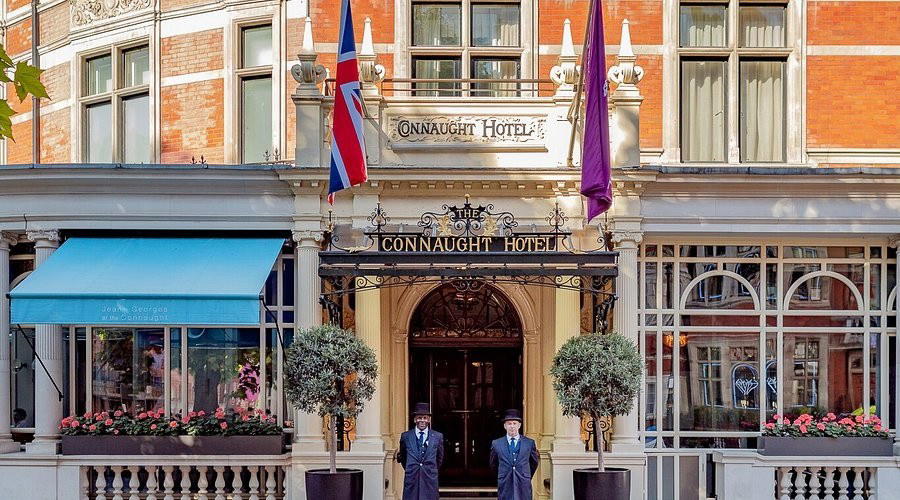
| The Connaught | $1,000–1,500 | 3 Michelin Keys · World's 50 Best #49 |
| 51 Buckingham Gate, Taj Suites and Residences | Not listed | Michelin Selected · La Liste Top Hotels |
Recognition history
Dated appearances from independent guides and award organizations, with the underlying list record or original source where available.
Preferred Hotels Member
Preferred Hotels
Continue exploring
More in St Albans
Hotels in St Albans
Browse all →
Bars in St Albans
Browse all →
Restaurants in St Albans
Browse all →


Details
- Elegant
- Sophisticated
- Quiet
- Classic
- Wellness Retreat
- Romantic Getaway
- Anniversary
- Weekend Escape
- Celebration
- Group Retreat
- Destination Spa
- Historic Building
- Garden
- Private Dining
- Spa
- Pool
- Fitness Center
- Room Service
- Concierge
- Restaurant
- Bar
- Free Parking
- Garden
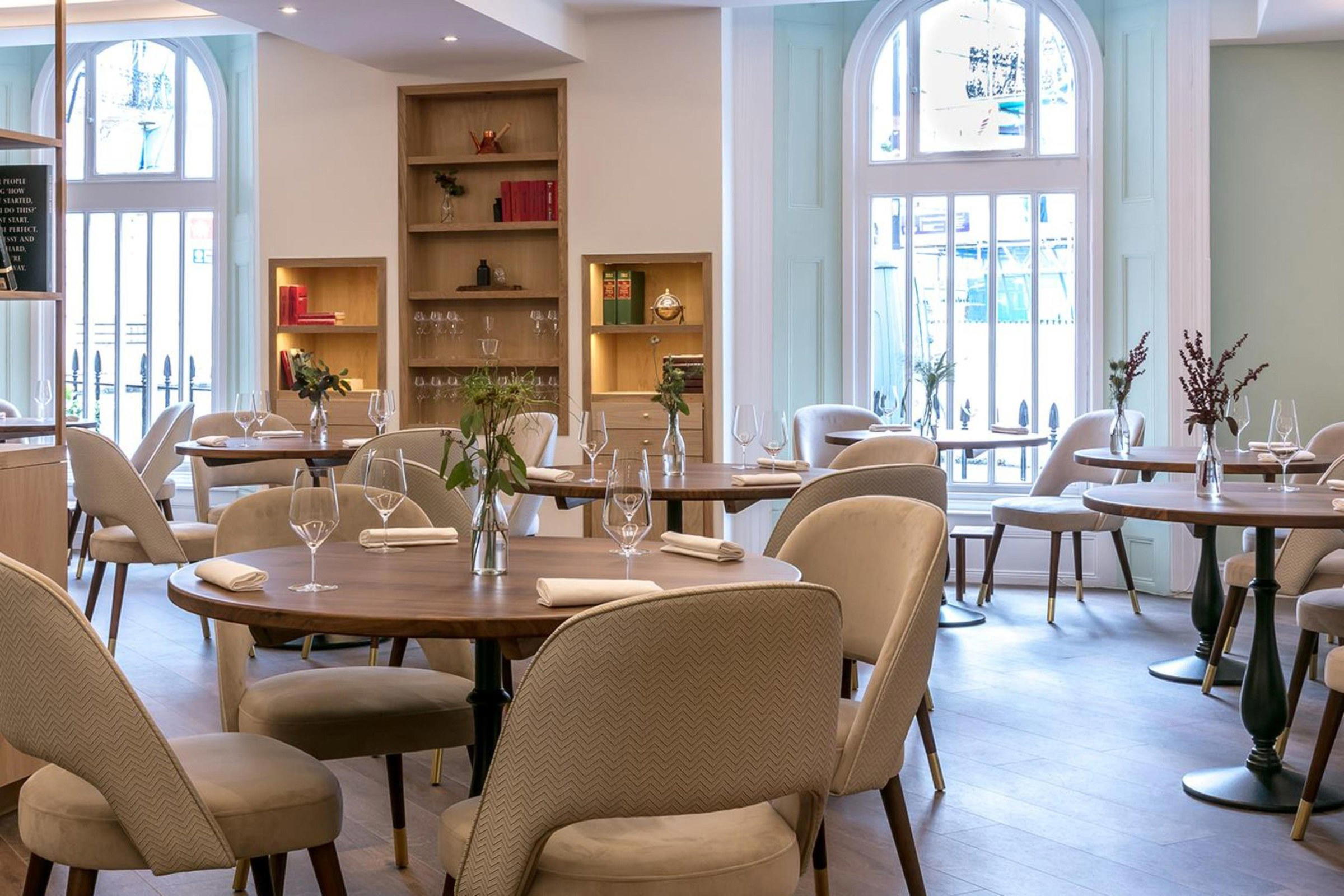
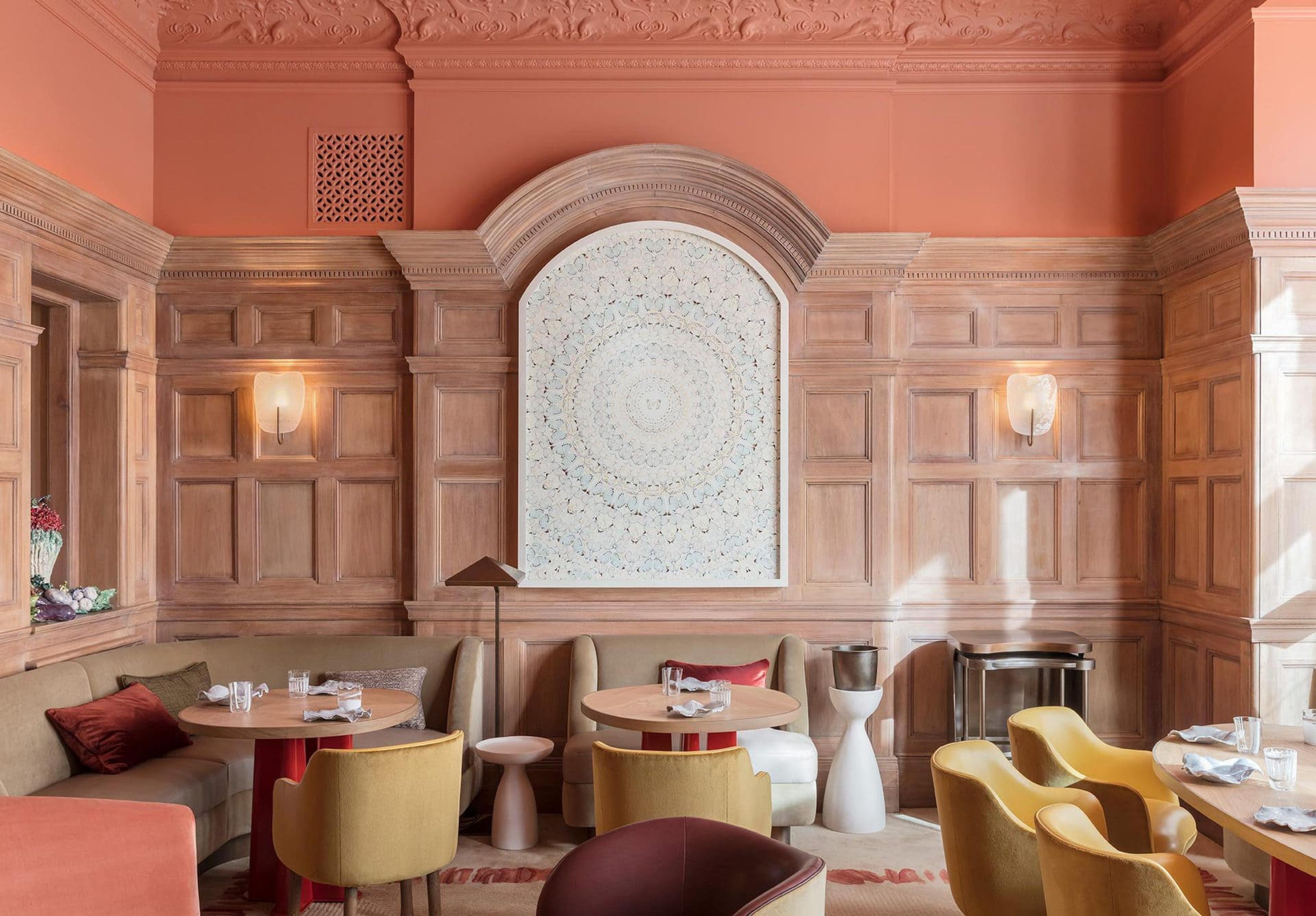
A grand country-house atmosphere with a calm, rich feel, blending classic Georgian elegance with warm, contemporary interiors and spa-led serenity.