Coleburn Whisky Resort
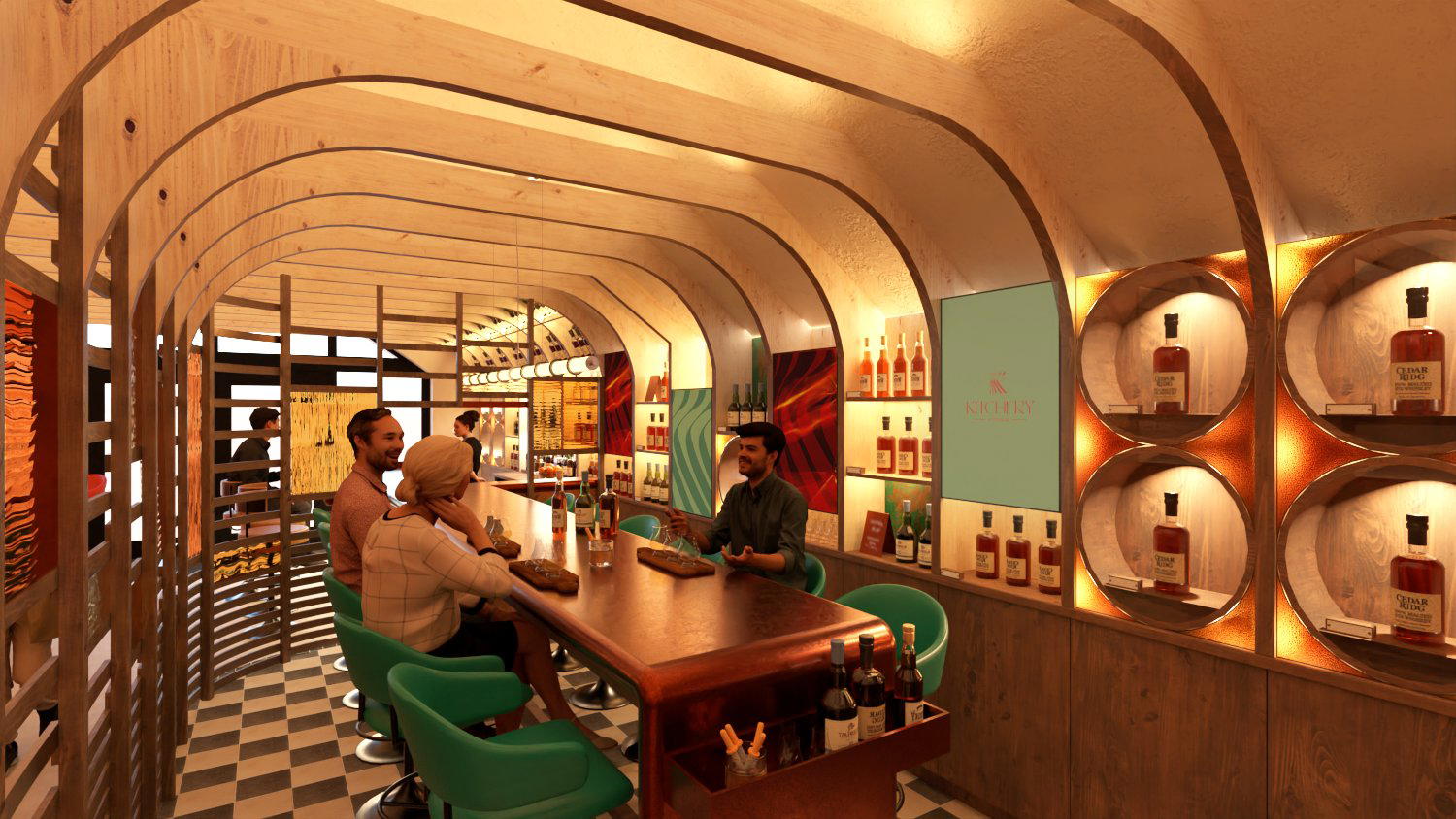
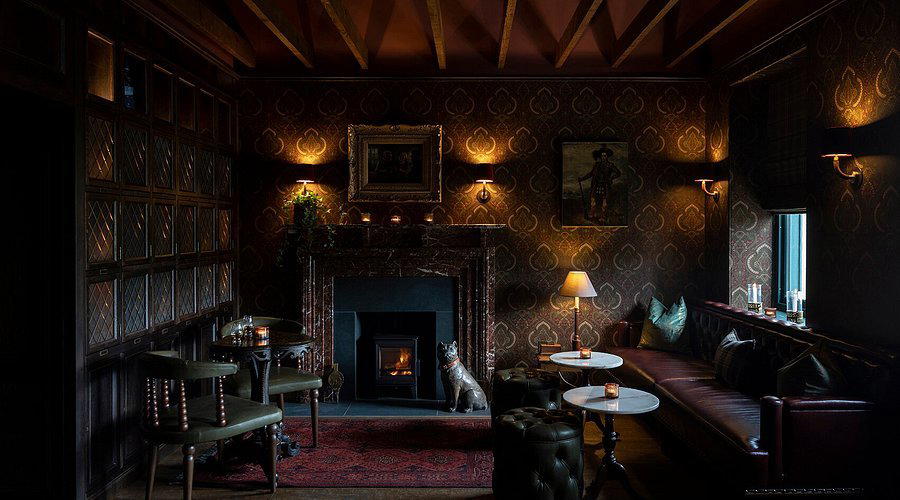
Set among the distilleries of Speyside's Longmorn corridor, Coleburn Whisky Resort combines hospitality lodges with a bistro programme built around the region's defining spirit. It sits within one of Scotland's most concentrated whisky-producing areas, making it a natural base for those whose travel is shaped by single malts rather than spa itineraries. Confirm current availability and programming directly before booking.

Pearl is the En Primeur Club membership app, where members save venues, book tables and use the concierge.
Speyside's Distillery Belt and Where Coleburn Fits
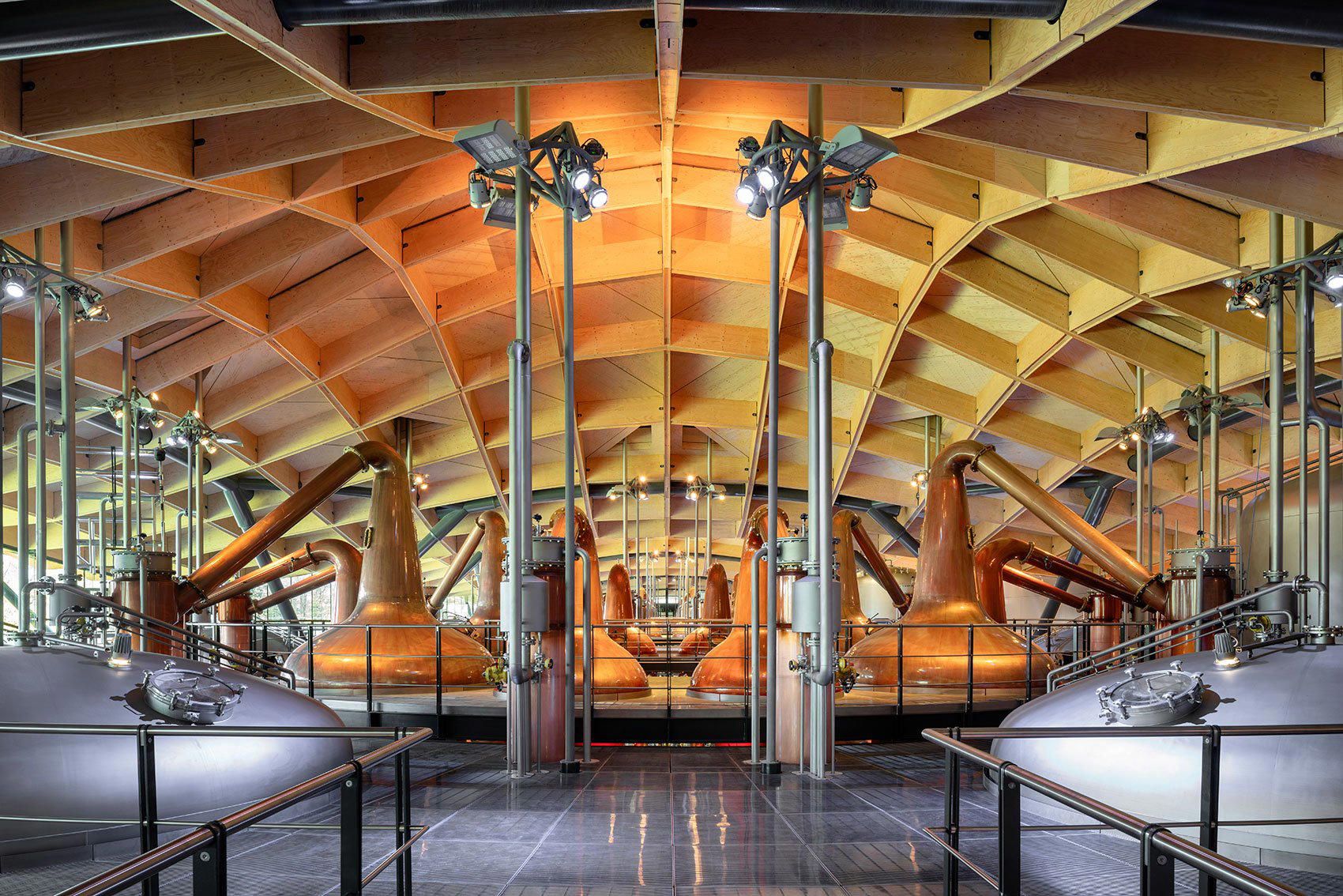
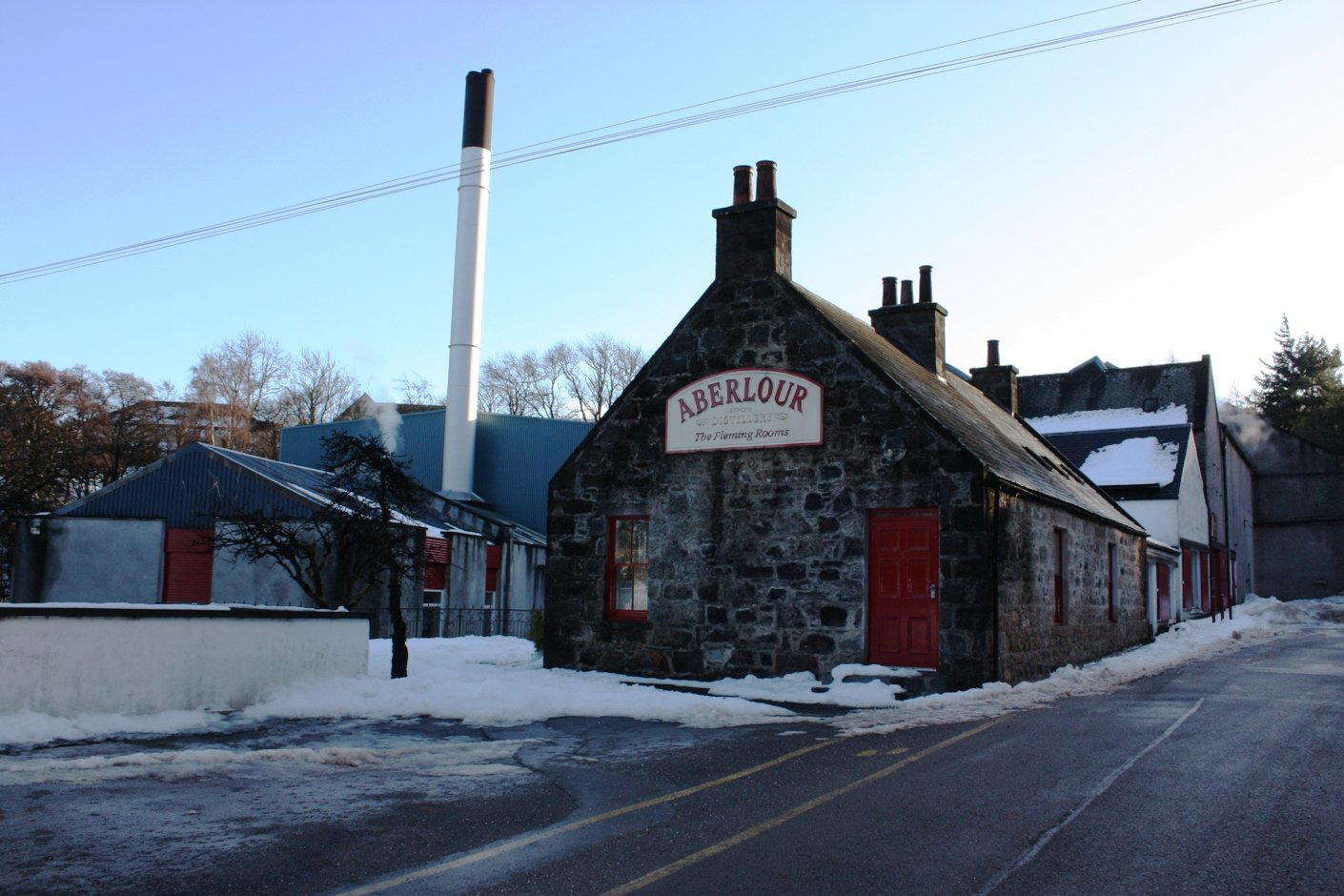
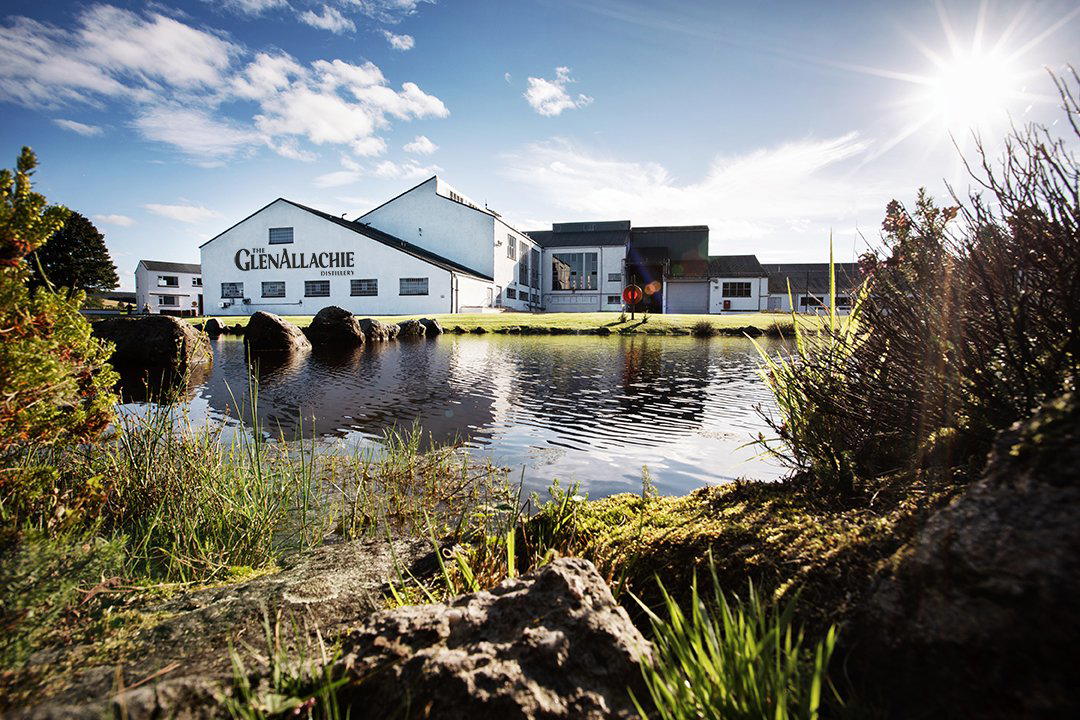
The stretch of road between Elgin and Rothes contains more working distilleries per mile than almost anywhere else in Scotland. Longmorn itself is a name that serious whisky drinkers recognise from the distillery that has operated there since 1894, producing a Speyside malt that blenders have historically treated as a backbone component. It is in this landscape, where cooperages and pagoda rooftops mark the horizon, that Coleburn Whisky Resort has established itself as a destination property rather than a transit stay. The format, hospitality lodges paired with a bistro, belongs to a category of experience that has grown steadily across Scotland's whisky regions over the past decade: accommodation that frames the spirit, the production process, and the terrain as the primary reason to visit. For context on how this model has developed, our full Longmorn restaurants guide maps the broader scene across this corridor.
The Lodge Format in a Whisky Region Context
Scotland's premium rural accommodation has split into two broad categories. The first is the country house hotel, exemplified by properties like Gleneagles in Auchterarder, where the estate wraps around golf, spa, and multi-restaurant programming at considerable scale. Coleburn belongs to that second category. Its defining proposition is the whisky resort format, where the surrounding distillery culture, the regional terroir of Speyside barley and water, and the lodge-scale intimacy combine into something closer to a curated immersion than a conventional hotel stay. The dedicated whisky lodges at Coleburn sit at the centre of that offer.
The lodge model suits Speyside particularly well. This is not a region where you arrive for a single attraction and leave. The Malt Whisky Trail alone covers eight distilleries within a short drive of Longmorn, and the density of production sites means that two or three days of structured visiting is a realistic proposition. A property that combines overnight accommodation with its own food and drink programming removes the need to drive back to Elgin or Aberlour after an afternoon of tasting, which carries obvious practical weight in a region where designated driving has real consequences.
The Bistro Programme and Its Place in the Resort Logic
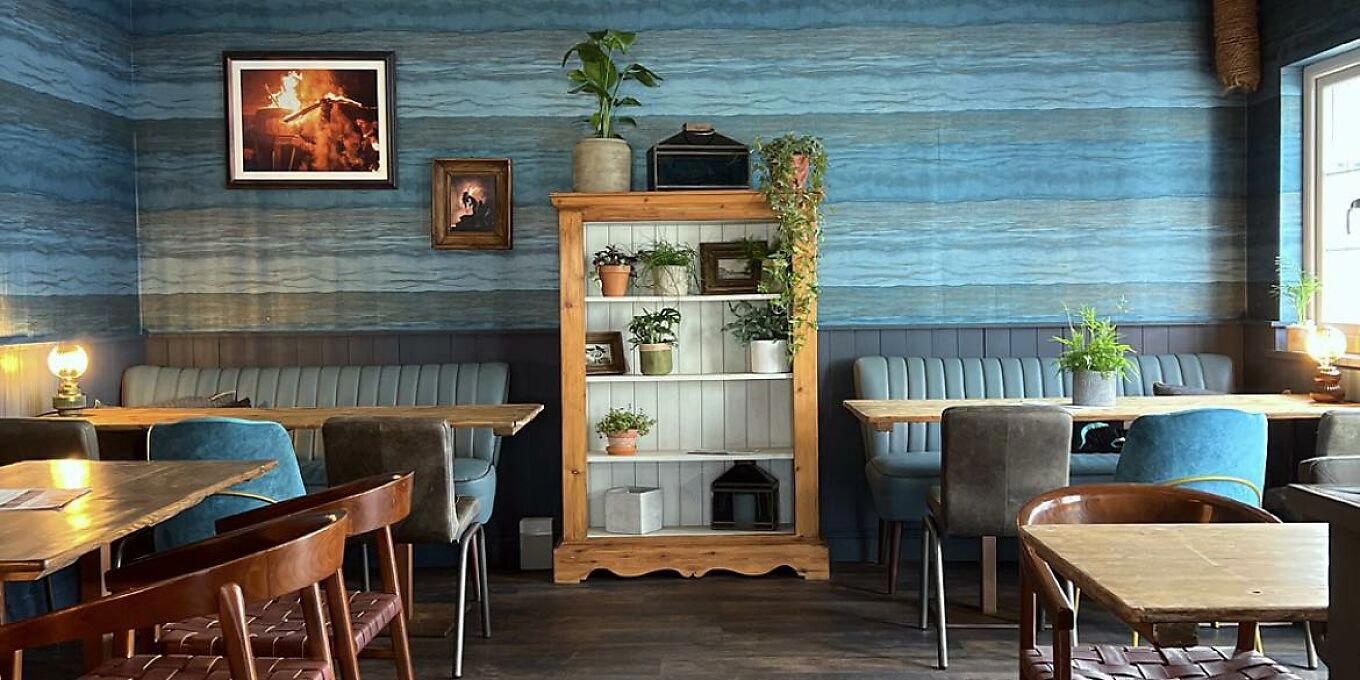
The editorial angle that matters most at Coleburn is the relationship between the bistro and the wider resort concept. In the specialist retreat category, across properties like Kilchoan Estate in Inverie or Langass Lodge in the Western Isles, the food programme functions less as a standalone dining destination and more as an anchoring component of a longer-stay experience. The assumption is that guests arrive hungry for context, and the kitchen's job is to provide grounding rather than spectacle. Speyside has a strong larder to draw from: Aberdeen Angus beef, smoked fish from the Moray coast, game from surrounding estates. A bistro format in this context positions itself against a very different standard than an urban restaurant would face.
What distinguishes a well-executed whisky resort bistro is coherence between the glass and the plate. The Speyside style, fruiter and lighter than Islay or Highland expressions, with characteristic notes of dried fruit and oak, pairs differently from peated malts, and a kitchen that understands this can build menus that reinforce the tasting experience rather than interrupt it. Whether Coleburn's current bistro programme meets that standard would require direct verification, and prospective guests should confirm the current food offer before assuming any specific format.
Longmorn and the Case for Staying Rather Than Passing Through
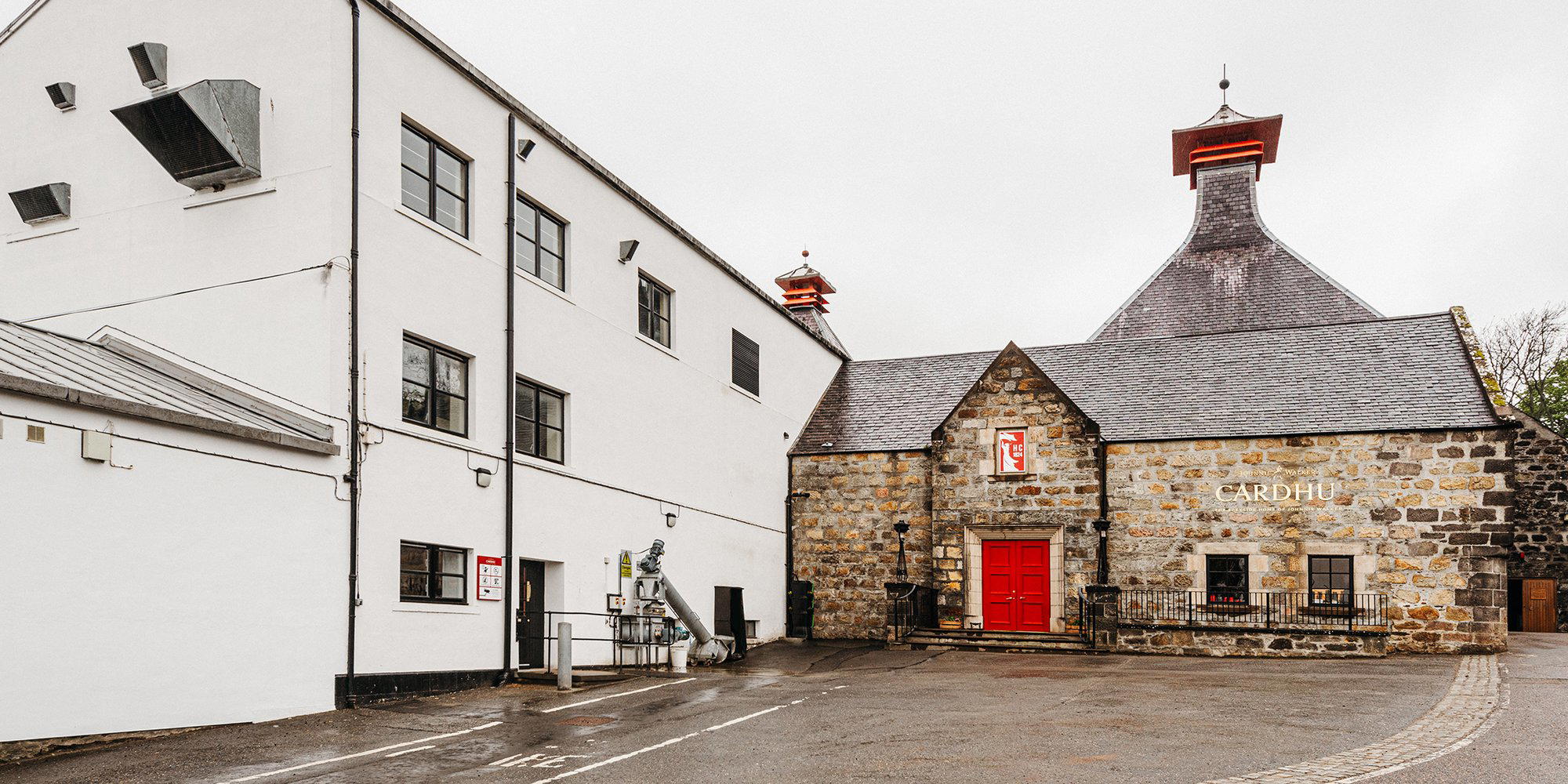
Most visitors to Speyside treat the distillery trail as a day-trip extension from Inverness or a week-long driving route, which means they rarely stop long enough to understand any single area in depth. The argument for a resort like Coleburn is that it encourages the opposite behaviour. Staying in Longmorn rather than a larger hub like Grantown-on-Spey puts you within reach of Cardhu, BenRiach, Glenfarclas, and Aberlour without a long morning drive, and it changes the rhythm of a whisky-focused itinerary considerably. Scotland's other specialist rural retreats, from Crossbasket Castle in High Blantyre to Farlam Hall in the Lake District, have shown that the slower-paced, depth-over-breadth model sustains a loyal repeat visitor base, and the distillery belt has comparable draw for the right traveller.
For those building a wider Scottish itinerary, Coleburn fits naturally into a sequence that might include The Rutland in Edinburgh as a city anchor or Hotel du Vin at One Devonshire Gardens in Glasgow for a western approach before heading north. Internationally, the whisky resort format has clear parallels with wine country immersion properties such as Badrutt's Palace in St. Moritz or urban luxury anchors like Hôtel de Paris Monte-Carlo, though the Speyside model operates at a considerably smaller scale and with a more specialist audience in mind.
Planning a Stay: What to Confirm
Properties in this specialist category frequently operate with limited availability given the lodge format, and booking well in advance of any distillery-trail itinerary is the standard approach across comparable rural Scottish retreats. Seasonal programming, particularly anything tied to harvest periods or distillery open days, can affect both room availability and the bistro's operating calendar, so confirming dates and the current food programme before committing to travel is advisable. For comparison properties that operate at similar rural intimacy levels, see how Dunluce Lodge in Portrush or Longueville Manor in Jersey handle small-lodge booking logistics.
A Pricing-First Comparison
Comparable venues nearby, for context on price, style, and recognition.
| Venue | Price | Awards | Notes |
|---|---|---|---|
| Coleburn Whisky ResortThis venue (the venue you are viewing) | Not listed | Not listed | Not listed |
| Dowans Hotel | Not listed | Michelin Selected | Aberlour, Contemporary classic Victorian manor with turrets |
| The Atlantic Inn, St Mary's | Not listed | Not listed | Hugh Town, cosy 18th-century waterside inn |
| The Wheatsheaf Inn | Not listed | Michelin Selected · Mr & Mrs Smith Seal of Approval | Northleach, Revamped historic coaching inn |
| Good Hotel London | Not listed | Michelin Selected | Silvertown, Floating repurposed detention center with social impact mission |
| The Penny Bun | $200–300 | Michelin Selected · Mr & Mrs Smith Seal of Approval | Askwith, Reimagined historic country inn with sustainable ethos |
Continue exploring
More in Longmorn
Hotels in Longmorn
All hotels in Longmorn →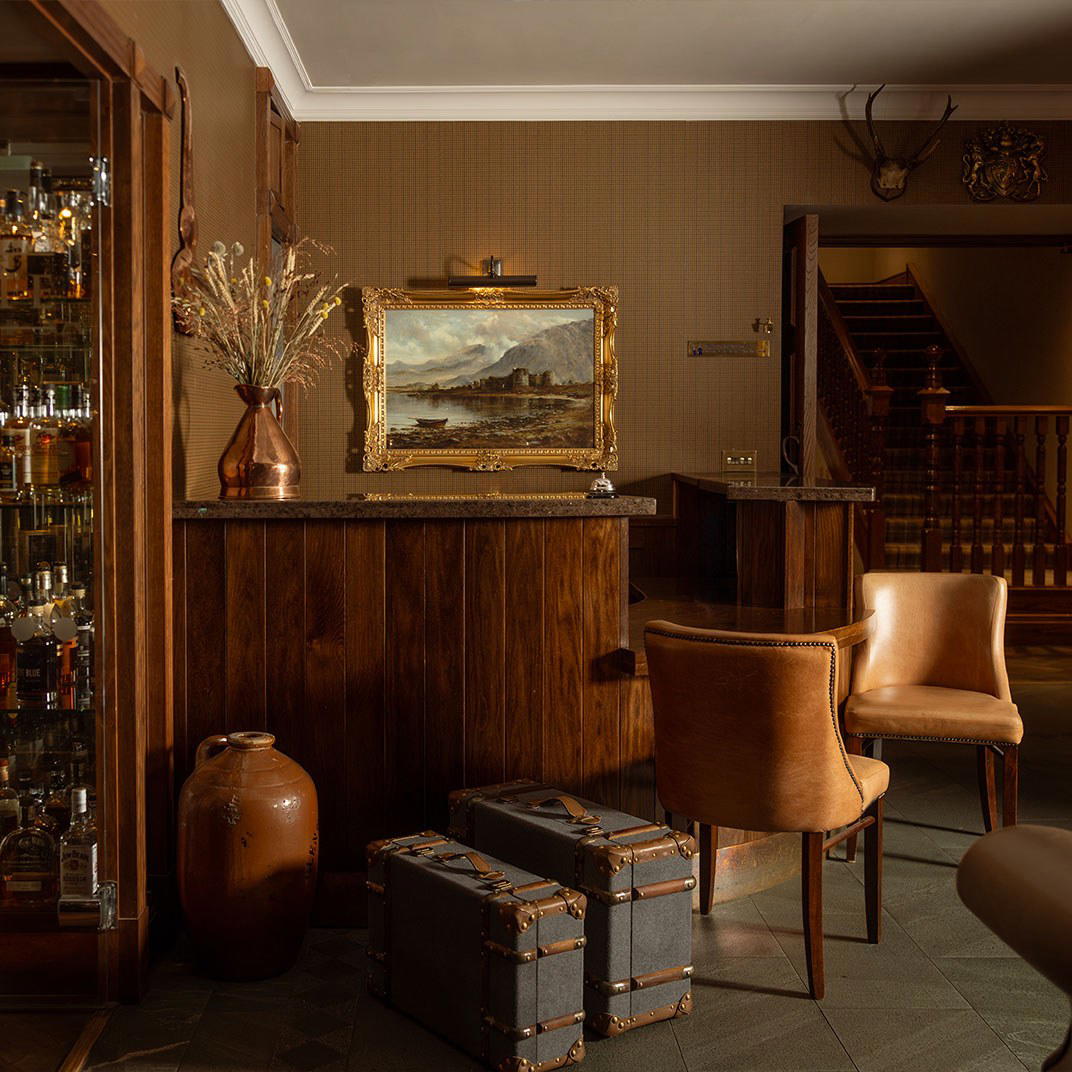
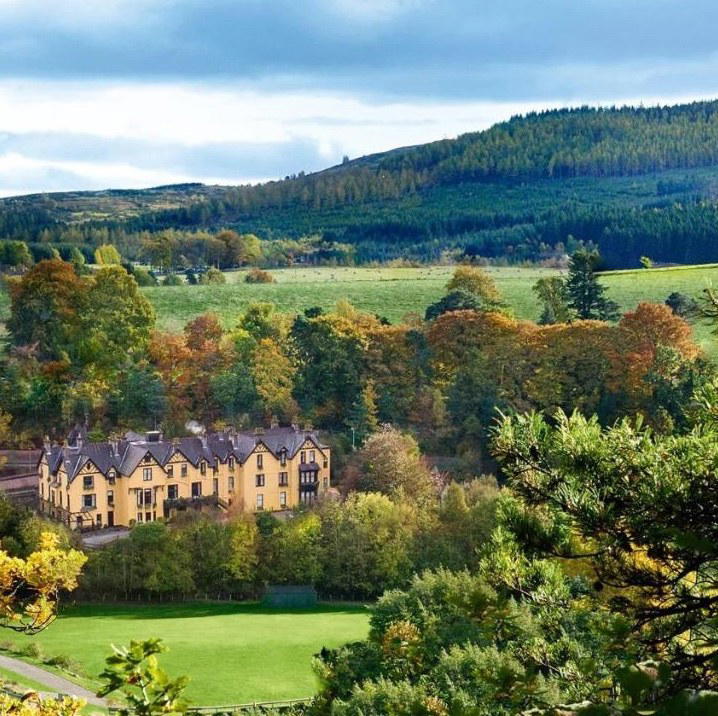
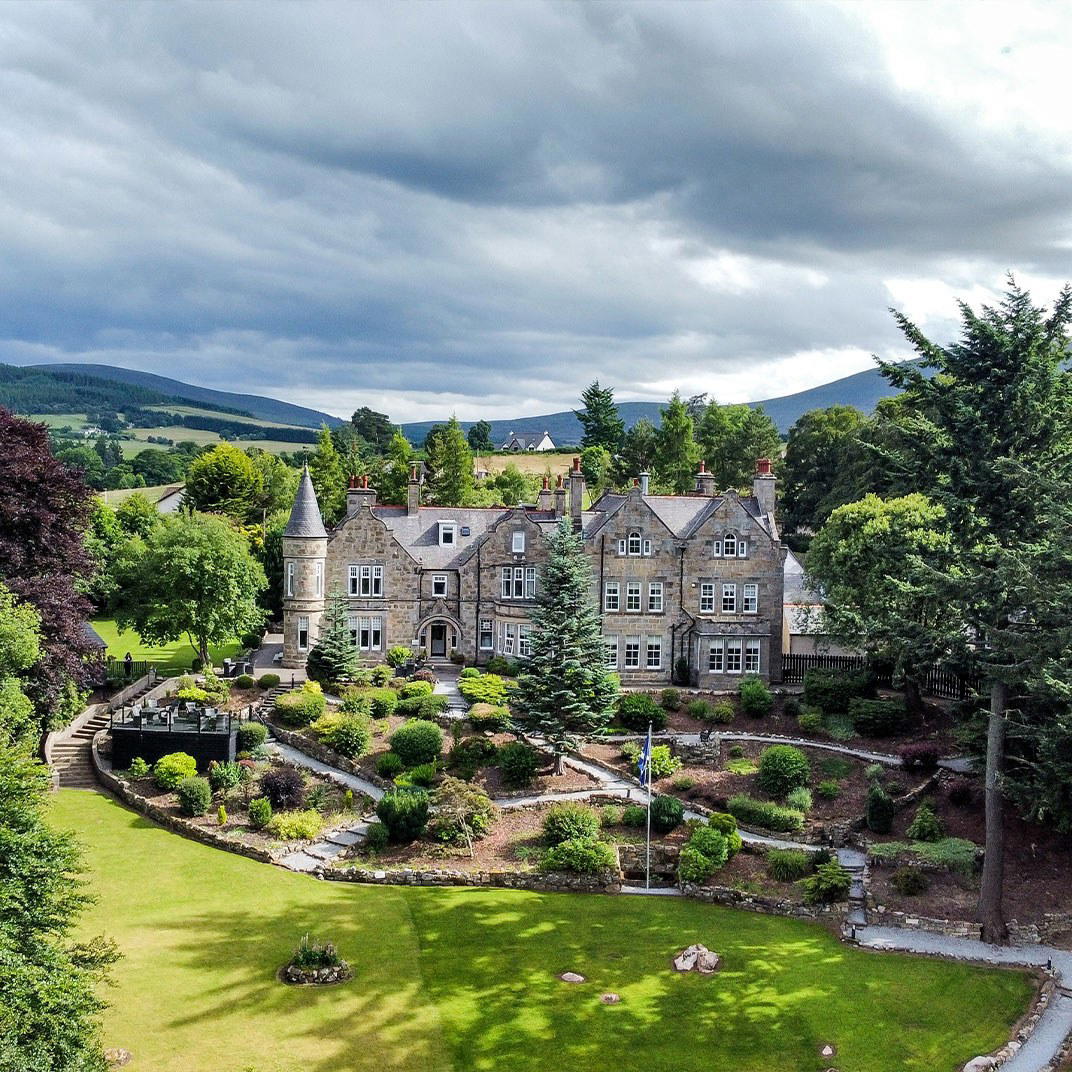
Restaurants in Longmorn
Browse all →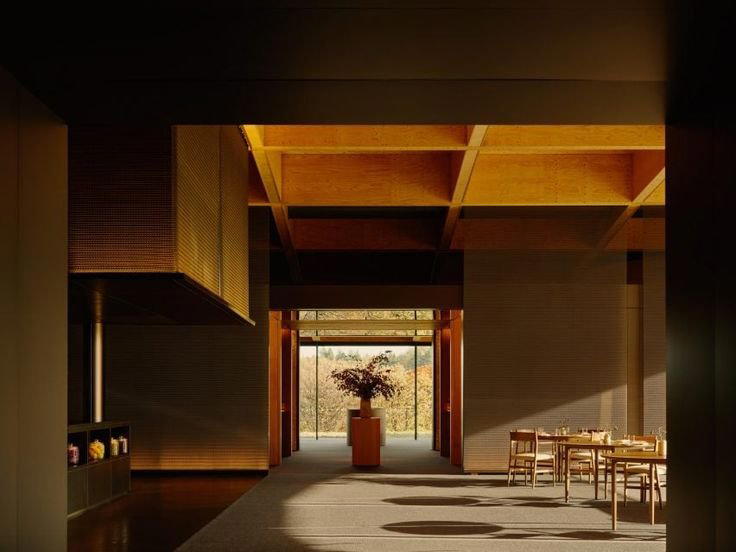
Details
- Scenic
- Rustic
- Romantic Getaway
- Wellness Retreat
- Weekend Escape
- Historic Building
- Panoramic View
- Spa
- Garden
Contemporary hospitality in reimagined historic buildings with copper and turquoise design elements amid woodland.