Dormy House Hotel

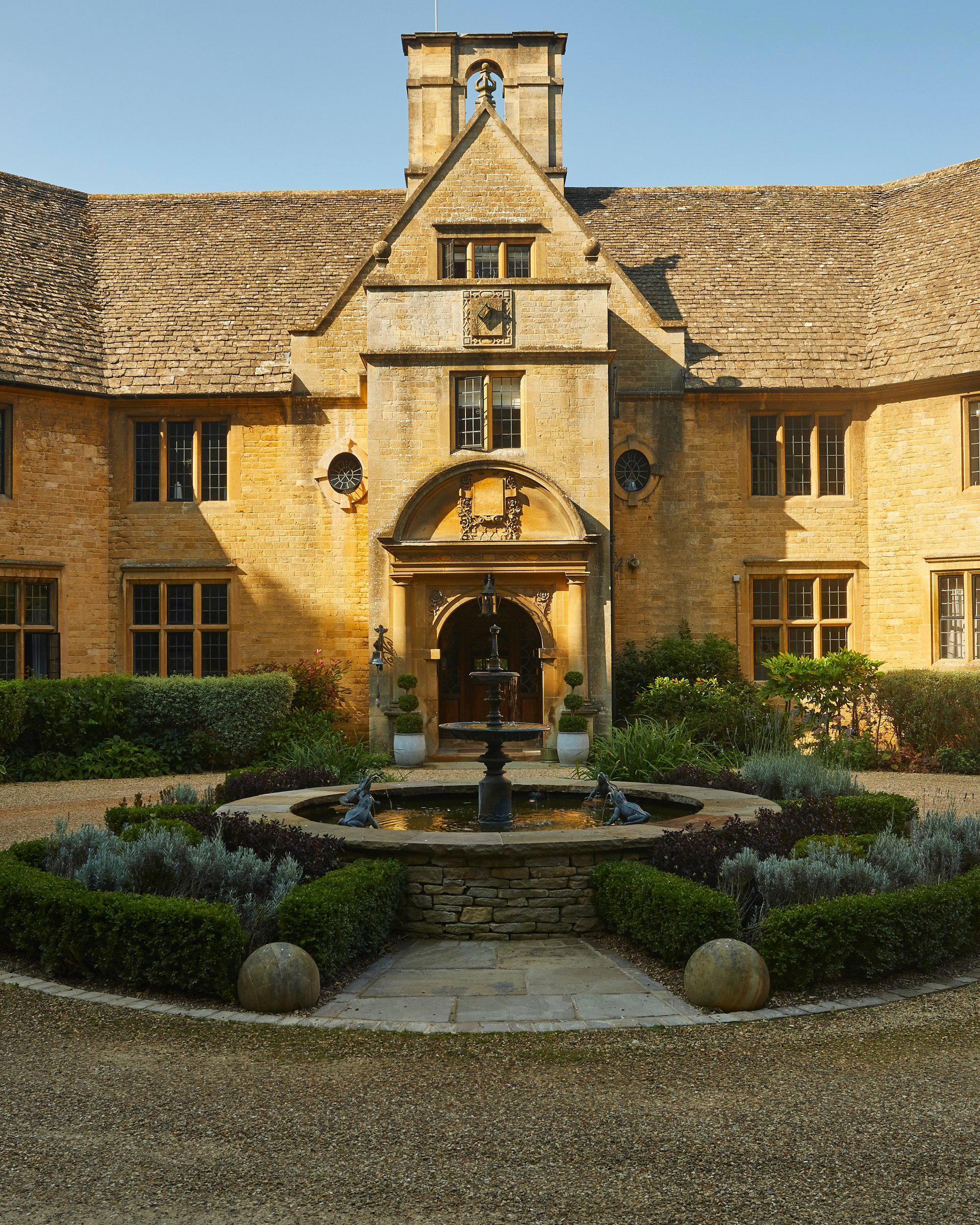
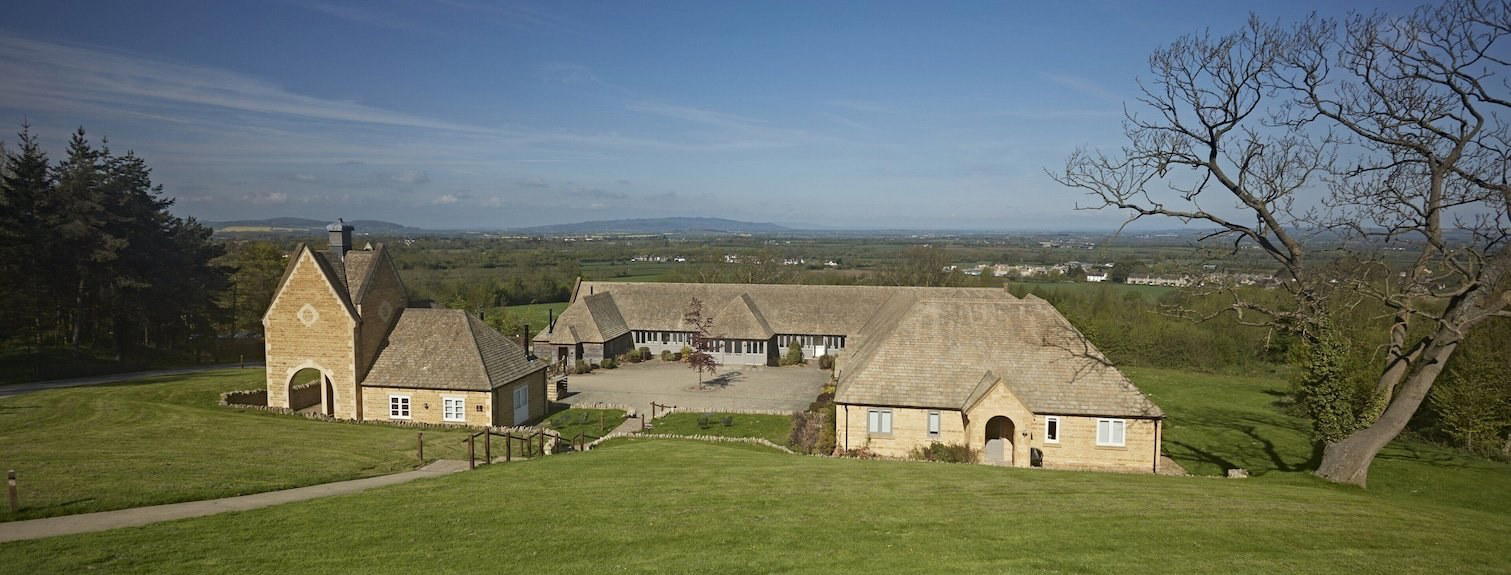
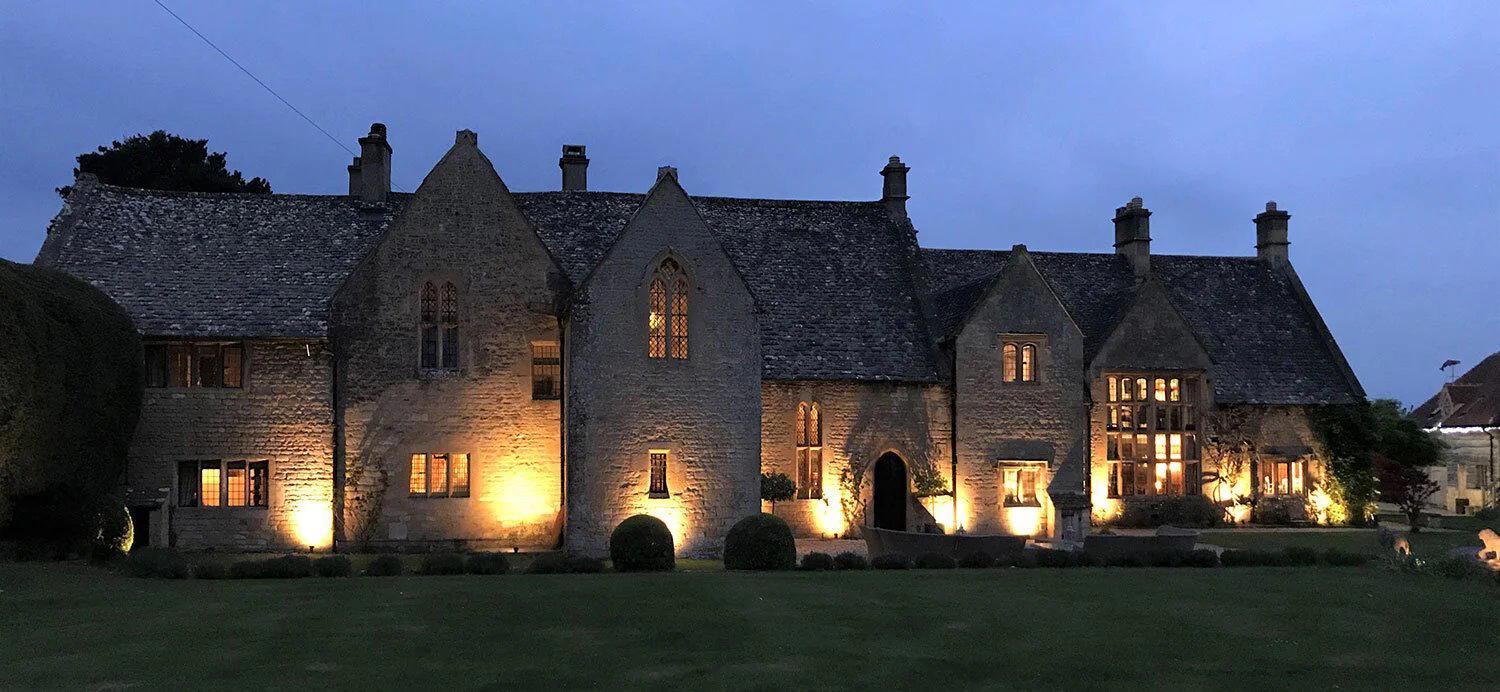
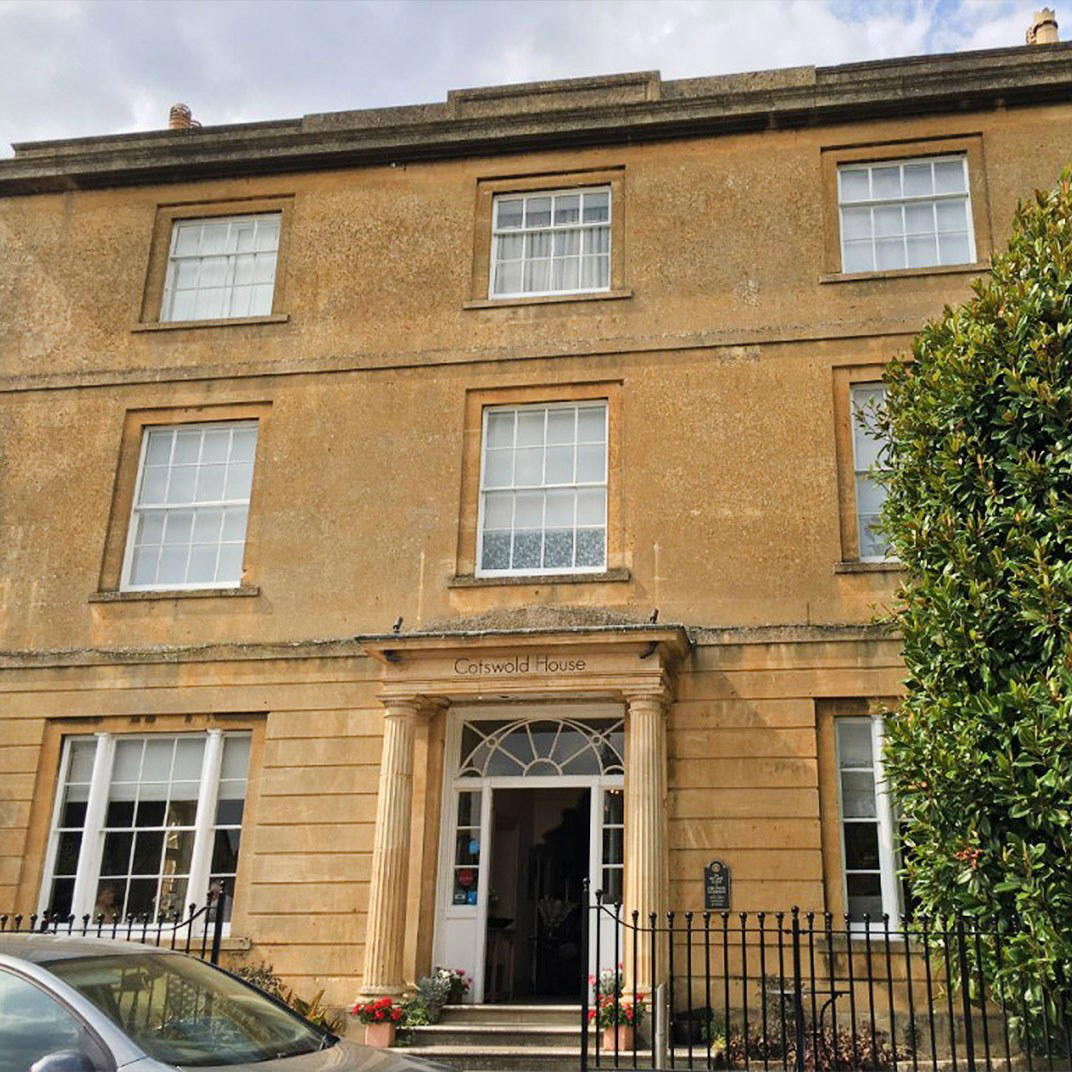
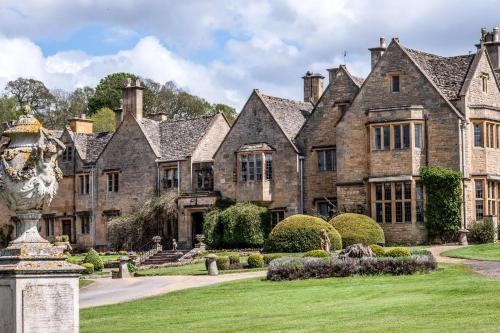
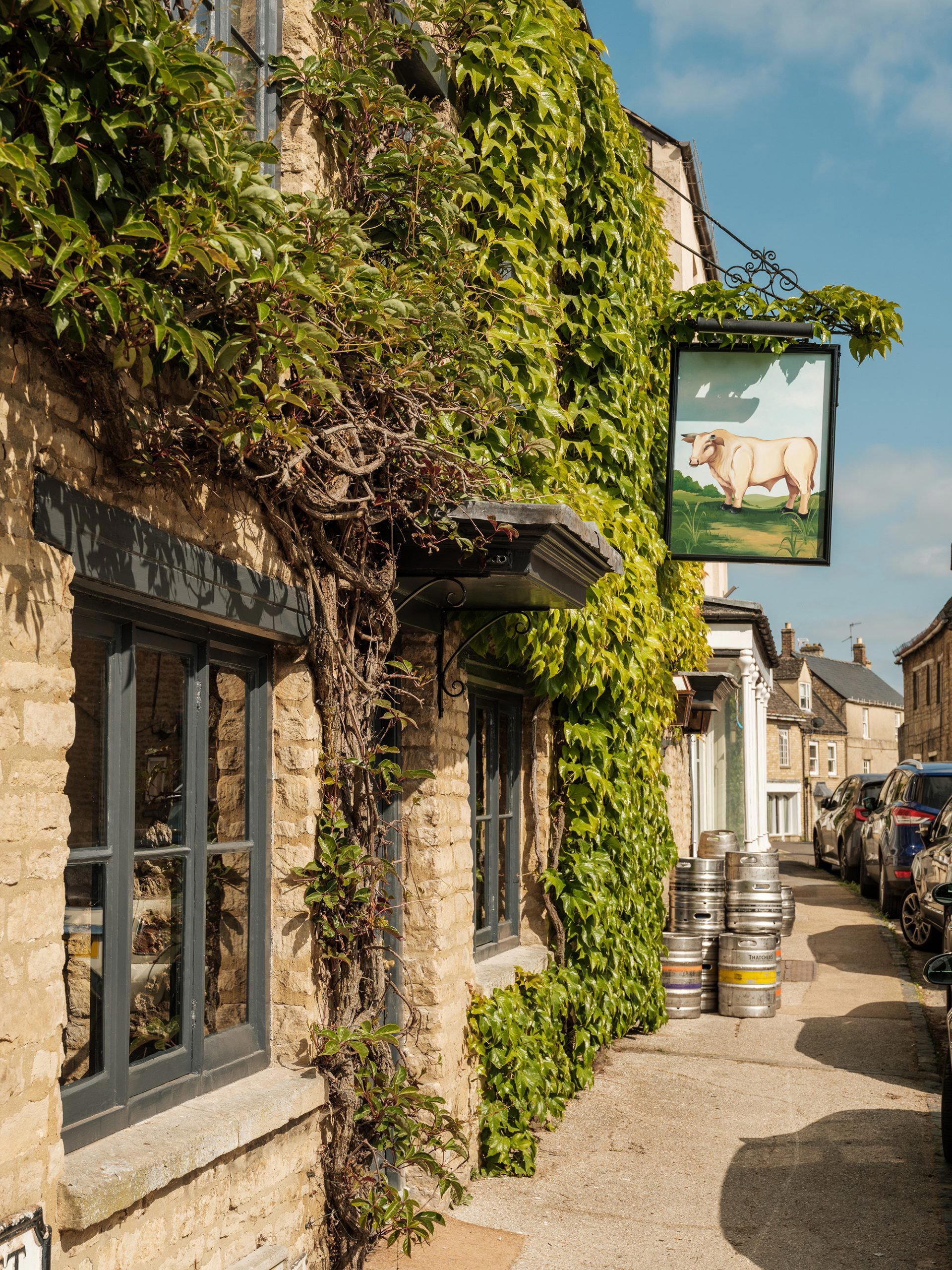
A 17th-century honey-hued farmhouse on Willersey Hill outside Broadway, Dormy House Hotel runs 38 rooms and suites alongside a fine dining restaurant with garden views, a dining pub, and a new spa. The property sits at the programme-led end of the Cotswolds country house category, making a deliberate case on dining and wellness credentials rather than heritage alone.
Pearl is the En Primeur Club membership app — saves, bookings, and concierge access live there. Same editors, same standards.
- Address
- Willersey Hill, Broadway WR12 7LF
- Phone
- +44 1386 852711
- Website
- dormyhouse.co.uk
- Directions
- Get directions
 Saves & bookings on Pearl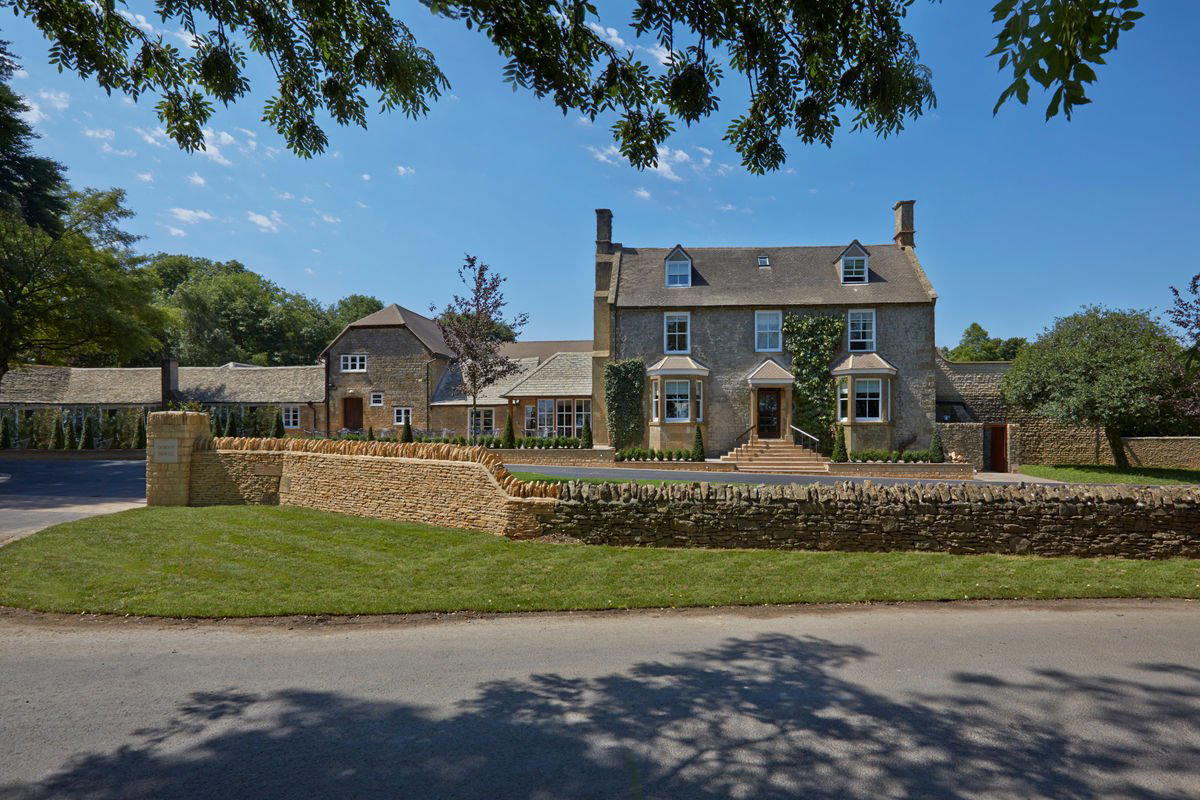
A Cotswold Farmhouse with a Considered Dining Programme
The Cotswolds has long attracted a particular kind of hospitality: country houses that trade on pastoral setting rather than culinary seriousness, where the dining room is an afterthought to the view. Dormy House Hotel, a honey-hued 17th-century farmhouse on Willersey Hill just outside Broadway, represents a different proposition. The 38-room property places its dining and spa offer at the centre of the guest experience, not at the periphery. That shift in priority, from scenery-led to programme-led, is what positions it alongside a small cohort of Cotswolds properties that are making serious claims on the country hotel category.
Broadway itself sits at the northern edge of the Cotswolds, where the stone-built village has attracted visitors for over a century. The village is surrounded by properties making a case for weekend-escape hospitality, including Abbots Grange Manor House, Foxhill Manor, and The Fish Hotel. Within that local competitive set, Dormy House positions itself toward the more structured, amenity-rich end: a fine dining restaurant, a dining pub, and a new spa operating simultaneously under one roof.
The Dining Architecture: Two Formats, One Property
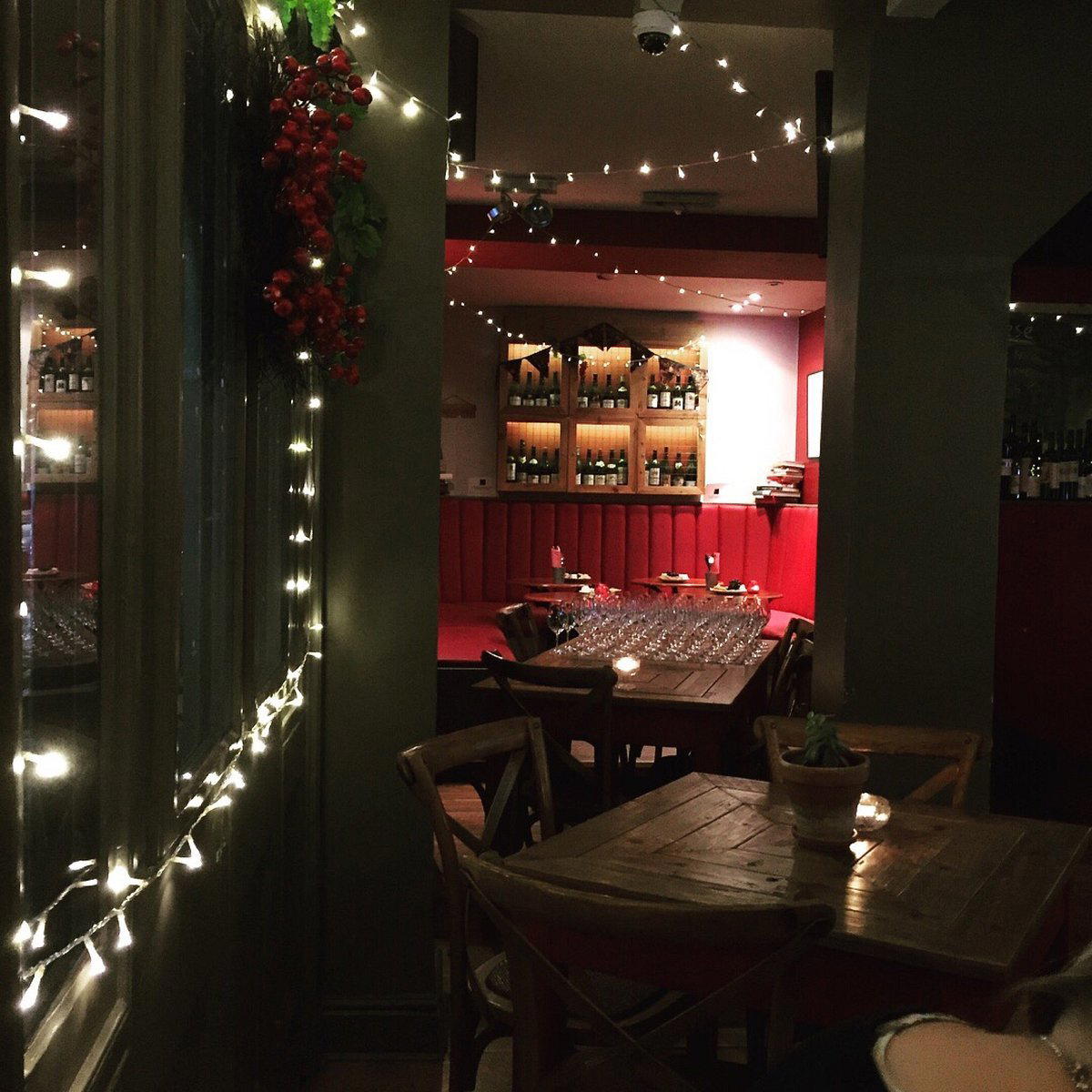
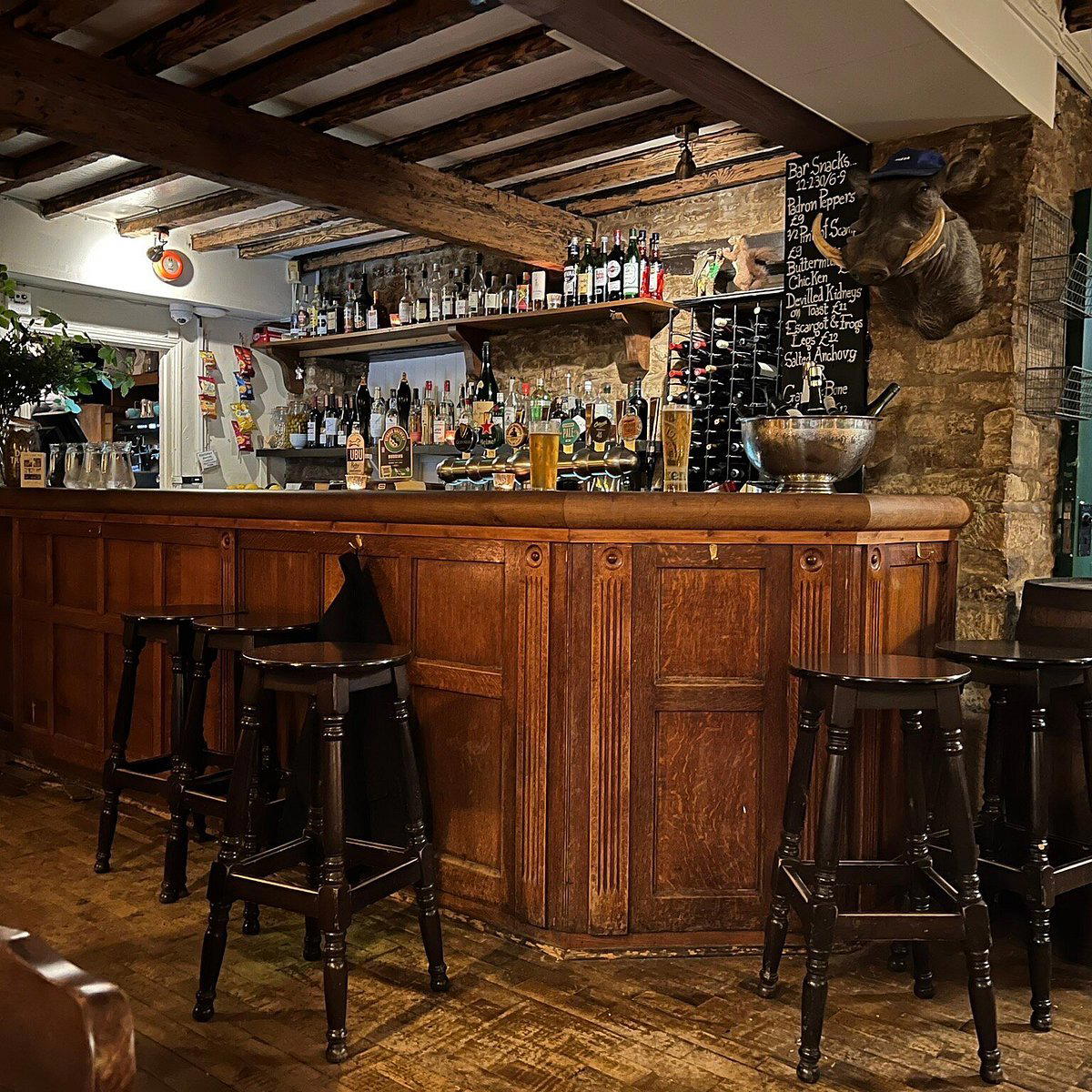
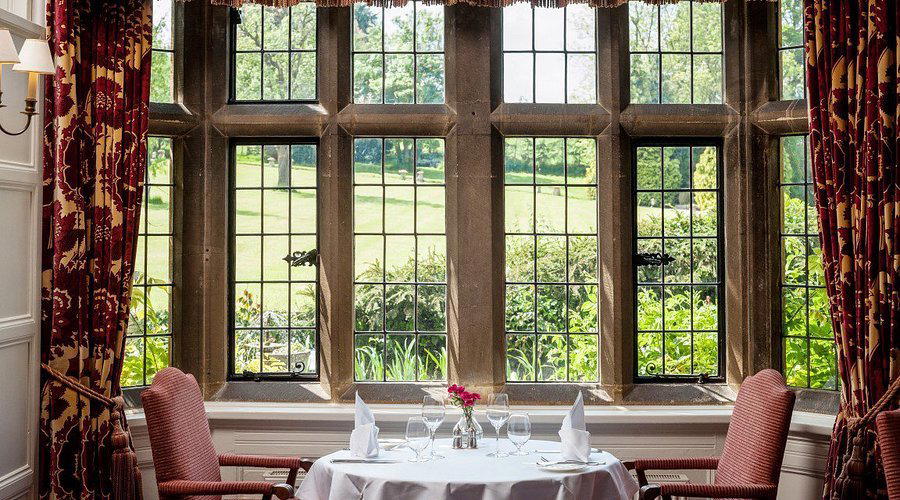
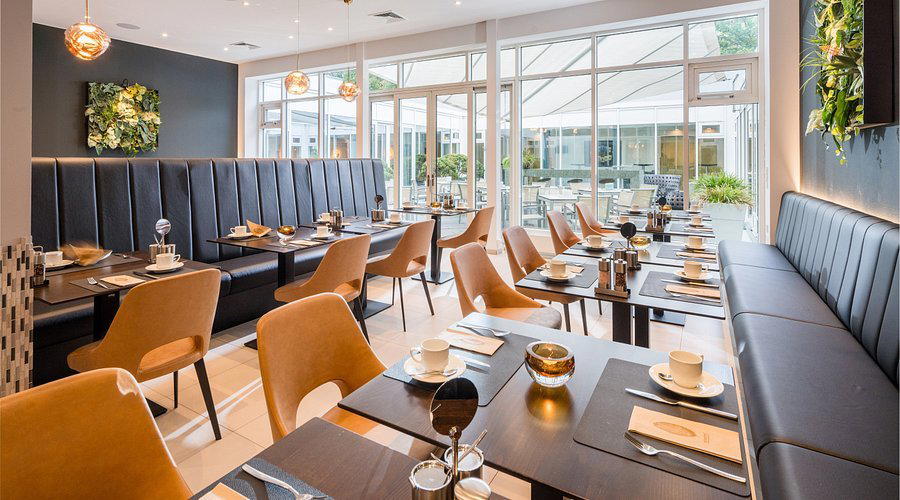
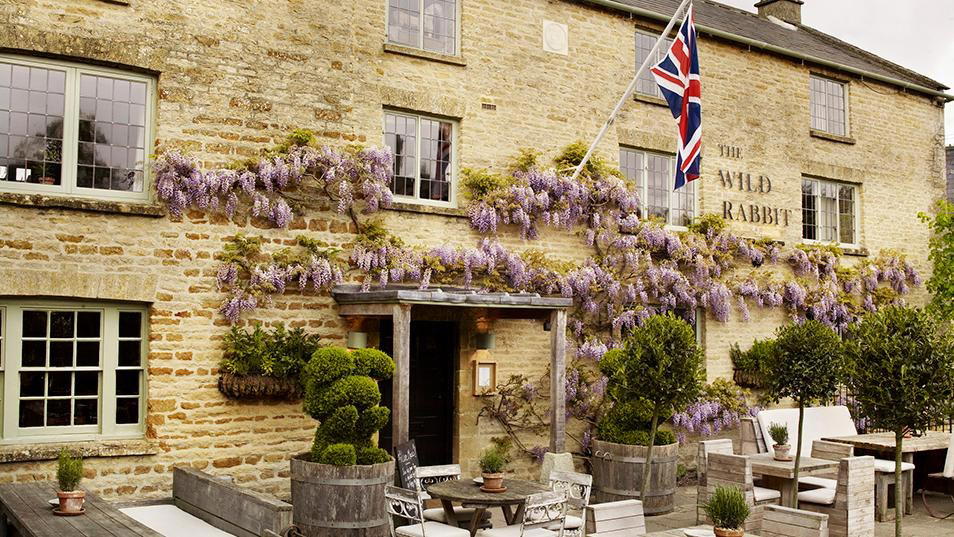
Country hotels in the UK have increasingly moved toward dual dining formats, recognising that a single formal restaurant creates friction for guests who want flexibility across a multi-night stay. The model, a fine dining room running alongside a more relaxed pub or brasserie, allows properties to hold different guest moods within the same site. Dormy House has built exactly this structure, with a fine dining restaurant overlooking the gardens and a separate dining pub operating under the same umbrella.
This two-speed dining model is well-established at properties that understand how guests actually spend their time over a long weekend. The formal restaurant serves the evening when guests want ceremony; the pub handles the post-walk lunch, the unpretentious Sunday dinner, the midweek glass of wine that doesn't require dressing up. Properties that operate only one format tend to lose guests to nearby villages on at least one meal occasion. The dual approach at Dormy House is a practical and commercially intelligent response to the rhythms of a Cotswolds stay.
The fine dining room's orientation toward the gardens is not incidental. Garden-facing dining rooms in the British countryside carry a specific register: they allow the exterior to perform as backdrop without demanding the property manufacture spectacle inside. On a clear afternoon, the light changes across a Cotswolds garden in ways that shift the mood of a meal. That relationship between interior dining and exterior setting is one of the things that distinguishes the better country properties from those that simply repurpose a large room.
The Room Count and What It Means
At 38 rooms and suites, Dormy House occupies a scale that is smaller than a resort but larger than a classic country house hotel. This is a deliberate tier. Properties below 20 rooms tend to operate a more intimate, host-led experience; properties above 60 rooms start to function more like branded hotels where the sense of a singular character becomes harder to maintain. The 30-to-50 room band, where Dormy House sits, allows for a proper spa programme, multiple food and beverage outlets, and a staffing structure that can sustain consistent service, while still keeping the property small enough to avoid the anonymity of a larger operation.
The room mix, rooms and suites across a 17th-century farmhouse structure, means the accommodation will vary considerably in character. Farmhouse conversions rarely produce uniform rooms; the original structure imposes ceiling heights, window placements, and proportions that newer builds can avoid. Guests booking should consider whether they are after the character of the original building or the more predictable proportions of a purpose-built suite. Both tend to exist in a property of this age and scale.
The Spa Question in the Cotswolds
The addition of a new spa to Dormy House is a response to a specific market signal. The Cotswolds wellness weekend has become a distinct category of domestic travel, pulling visitors who want countryside immersion alongside recovery and treatment rather than just walking and dining. Properties without spa infrastructure have increasingly found themselves losing mid-week bookings to those that have invested in it. Lime Wood in the New Forest, see Lime Wood in Lyndhurst, represents one template for how a spa offer can transform a property's mid-week occupancy and guest profile. The Cotswolds version of that logic applies here.
A new spa also signals capital investment, which carries its own message to the market: the property is in an active development cycle rather than coasting on existing reputation. For guests considering a first visit, a recently opened spa often means the facilities are at their freshest and the programming is being established rather than routinised. That is not a minor consideration when comparing options in a crowded county.
Placing Dormy House in the Wider Country House Conversation
The broader UK country house hotel category has bifurcated. On one side, properties have leaned into heritage identity to the point of becoming monuments to a particular vision of Englishness, with dining that reflects that conservatism. On the other, a newer cohort has invested in culinary credibility, spa infrastructure, and design coherence, competing less on ancestry than on programme. Dormy House belongs to the latter group. Its 17th-century shell is context, not content: the farmhouse provides aesthetic continuity with the Cotswolds setting, but the offer is built around what guests can eat, drink, and do while they are there.
For comparison across the UK market, properties like Estelle Manor in North Leigh, The Newt in Somerset, and Babington House in Kilmersdon all operate versions of this programme-led approach to the country retreat format. Each has found a way to make the house secondary to the experience. Dormy House sits in that conversation, with the Cotswolds village of Broadway as its particular geographic anchor. Further afield, properties like Gleneagles in Auchterarder demonstrate what the full resort-scale version of this model looks like when taken to its logical conclusion.
Planning a Stay
Dormy House Hotel is located at Willersey Hill, Broadway WR12 7LF, a short distance from Broadway village centre. Broadway village itself is small enough to walk in its entirety, which means the car becomes optional once you have arrived.
Mid-week stays in late autumn and winter offer shorter lead times and, often, a quieter version of the property.
Dormy House is the one that most explicitly makes the dining and spa programme its primary case for a visit, rather than relying on room character or house history alone.
Booking and Cost Snapshot
Comparable venues nearby, for context on price, style, and recognition.
| Venue | Cuisine | Price | Awards | Notes |
|---|---|---|---|---|
| Dormy House HotelThis venue — the venue you are viewing | Hotel | Not listed | Not listed | Not listed |
| The Fish Hotel | Not listed | $$$$ | 4-Star | Broadway, Relaxed country estate resort with quirky accommodations. |
| Buckland Manor | Not listed | $$$ | 4-Star | Buckland, Historic country house hotel retaining medieval charm with contemporary luxury amenities and refined service. |
| The Lygon Arms | Not listed | $$$$ | 4-Star | Broadway, rustic luxury country heritage hotel |
| Foxhill Manor | Not listed | $$$$ | 5-Star | Broadway, Private manor-house hotel with heartfelt personal service and easygoing at-home atmosphere |
| Abbots Grange Manor House | Not listed | $$$$ | 5-Star | Broadway, Historic 14th-century monastic manor house with luxury suites and heritage rooms |
Recognition history
Dated appearances from independent guides and award organizations, with the underlying list record or original source where available.
Small Luxury Hotels of the World Member
Small Luxury Hotels of the World
At a Glance
- Scenic
- Cozy
- Elegant
- Rustic
- Intimate
- Sophisticated
- Wellness Retreat
- Romantic Getaway
- Weekend Escape
- Anniversary
- Destination Spa
- Garden
- Historic Building
- Private Dining
- Spa
- Pool
- Restaurant
- Bar
- Garden
- Spa
- Pool
- Restaurant
- Bar
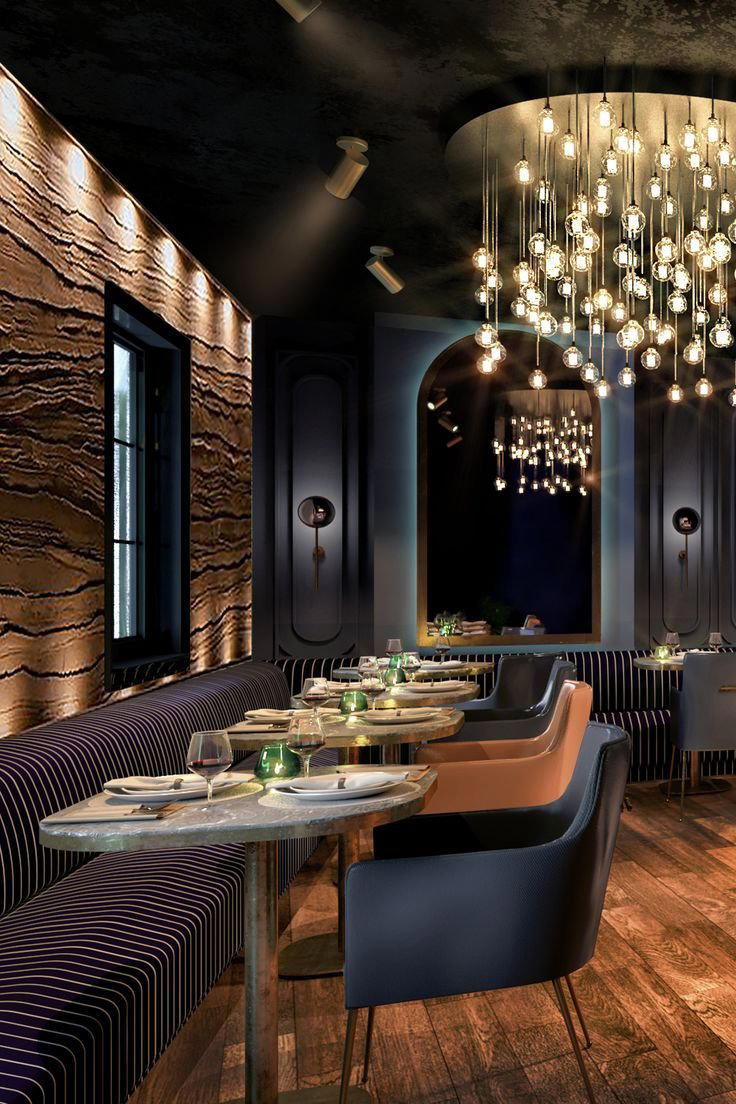
A cosy, upscale country-house atmosphere with Scandi-chic interiors, oak beams, flagstone floors, open fires, and a relaxed home-like feel.