
Virtuoso Luxury Hotel Partner
Perugia's sole five-star address since 1884, Sina Brufani occupies a commanding position on Piazza Italia at the edge of the medieval centro storico. The 94-room property pairs antique-furnished interiors with a subterranean pool set beneath medieval vaults above visible Etruscan ruins, and serves as the natural base for exploring Umbria's hill towns, truffle country, and Sagrantino wine estates.

Pearl is the En Primeur Club membership app, where members save venues, book tables and use the concierge.
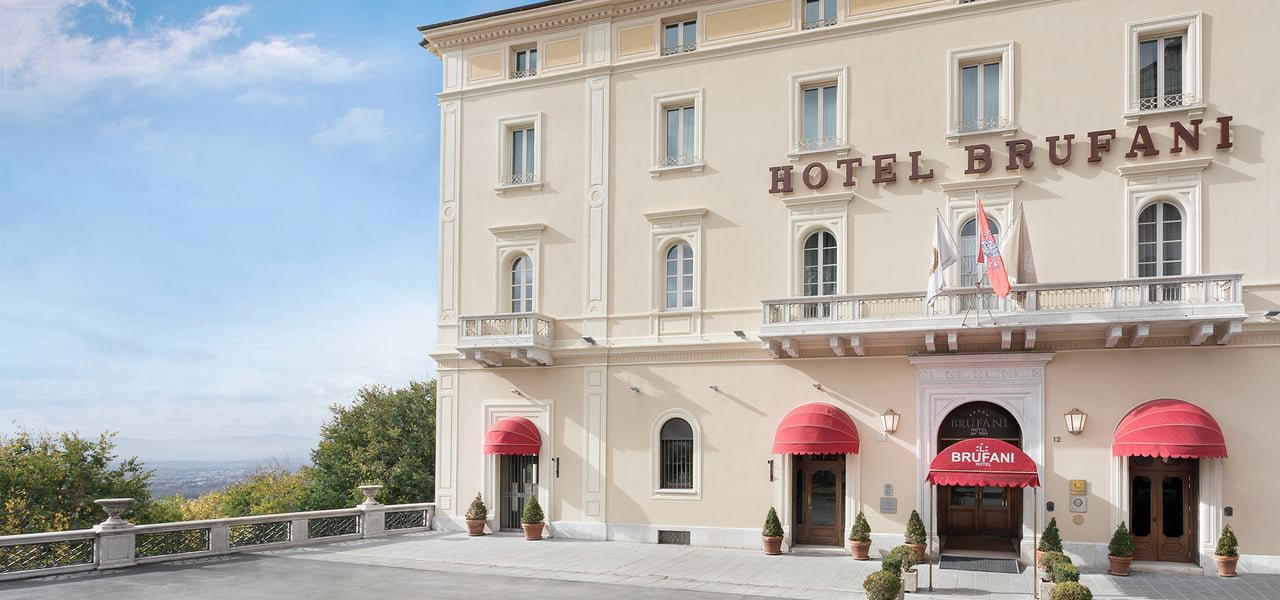
Piazza Italia sits at the very tip of Perugia's ridge, where the old city meets a sheer drop into the Umbrian valley below. Arriving at the square on a winter evening, with the pale stone of the municipal buildings catching the last light and the valley floor barely visible in the haze, you understand why this address has held its position for over a century. Sina Brufani has occupied this corner since 1884, and in that time no other five-star hotel has established itself within the medieval walls. That fact alone tells you something about both the difficulty of operating at this level in a mid-sized Umbrian hill city and the particular logic of this property's longevity.
A Position in the Italian Luxury Hotel Conversation
Italy's premium hotel tier has split into two recognisable camps: the large international flags concentrated in Rome, Milan, Venice, and Florence, and a smaller cohort of independently rooted historic properties in secondary cities and rural estates. Sina Brufani belongs firmly to the second group. Where Bulgari Hotel Roma or the Four Seasons Hotel Firenze anchor themselves to capitals with international demand across every season, Sina Brufani draws its authority from institutional continuity and geographic scarcity. There is no competing five-star property in Perugia's historic centre; the closest equivalents in Umbria are estate properties outside the city walls, such as Borgo dei Conti Resort or the medieval castle format of Hotel Castello di Monterone. Those are rural retreats; Brufani is a city hotel, and that distinction shapes the entire guest experience.
The comparison set for an urbane historic-palace hotel in a culturally dense Italian hill city points toward properties like Aman Venice or Passalacqua in Moltrasio: places where a specific location and a long institutional history justify the positioning, independent of any global brand infrastructure. The operative logic is similar at Castello di Reschio in Lisciano Niccone, though that property pursues rural seclusion rather than urban centrality.
Service as the Structural Argument
Italian warm hospitality is a phrase that gets deployed so casually it has nearly lost meaning, but it describes something structurally specific at a property like Brufani. A hotel that has been hosting guests in the same building since the nineteenth century accumulates a kind of institutional muscle memory: an understanding of what a certain kind of guest expects before they can articulate it themselves. The 94 rooms and suites, each individually decorated with antique furniture rather than replicated through a standardised fit-out, require staff who know the differences between the rooms well enough to match a guest's preferences to a specific configuration. That is a different staffing model from the one you find at a 300-room international property.
The hotel's curated regional programming reinforces this. Truffle hunting with dogs followed by a chef-led demonstration on incorporating the ingredient into a meal, wine tasting on the Montefalco hills where Sagrantino grows, olive oil tasting, a visit to the Perugina chocolate factory in Perugia itself, cashmere shopping at Brunello Cucinelli's headquarters in Solomeo: these are not generic excursions appended to a brochure. They represent a specific point of view about what Umbria actually offers a guest who is paying attention. The staff capacity to connect a guest's particular interest to the right experience on a given day is where the service philosophy either delivers or falls short.
The Rooms: Scale and Atmosphere
The 59 rooms and 35 suites are sized to a historic palace rather than a purpose-built hotel, which means proportions and details that a contemporary fit-out rarely replicates. Antique furniture and individually appointed interiors give each room a distinct character; the suite count is proportionally high relative to the total inventory, which skews the property toward guests who prioritise space and atmosphere over transactional efficiency. For those comparing options in the Italian luxury estate segment, the room count places Brufani between the intimacy of a property like Casa Maria Luigia in Modena and the larger palace hotels of Florence or Rome.
Collins' Restaurant and the Dining Logic
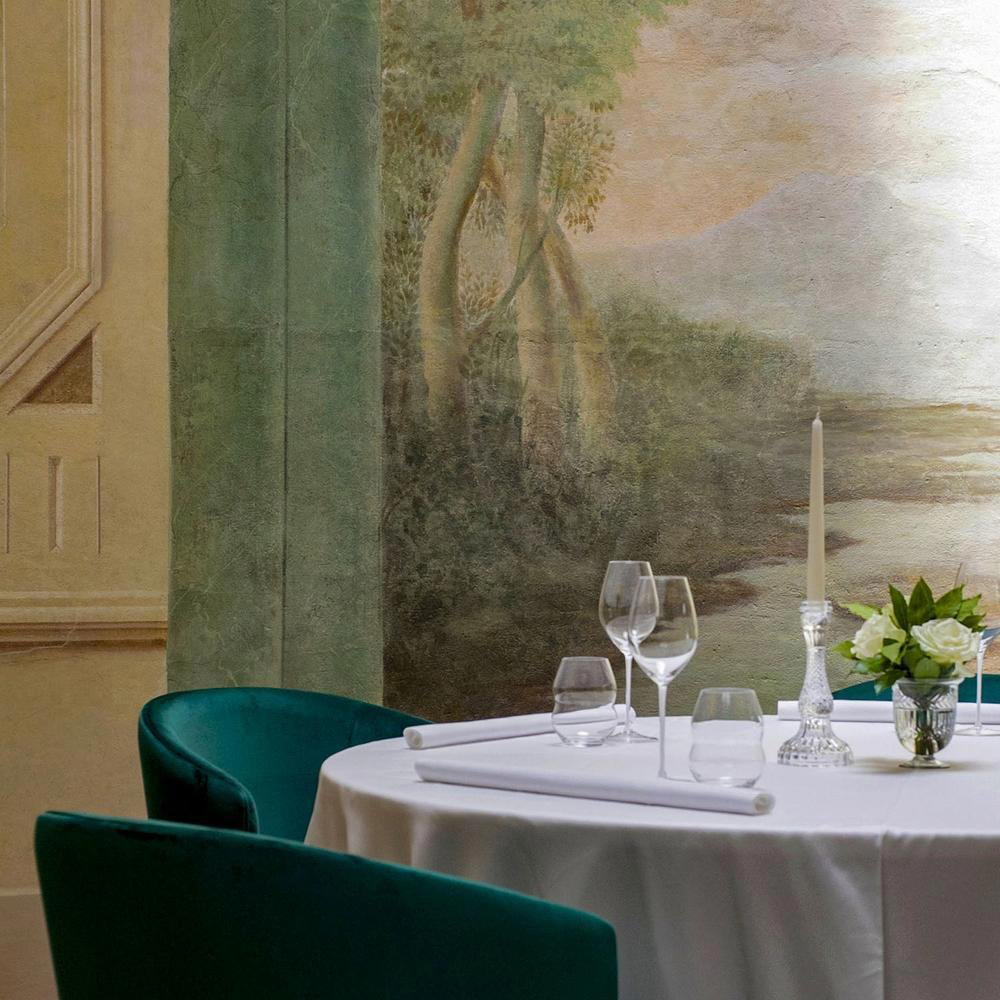
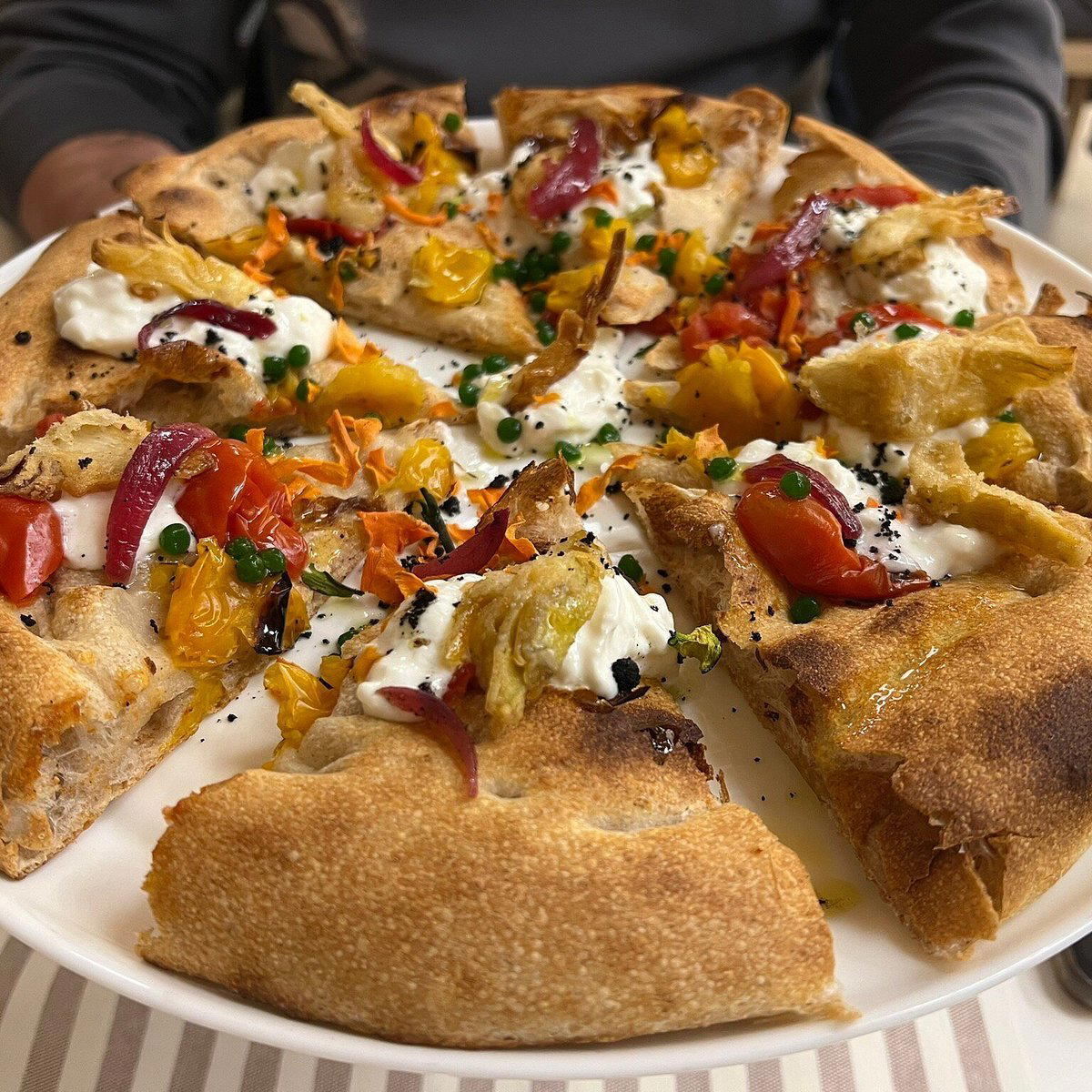
Umbrian cuisine is not a dining tradition built on complexity or technical ambition. It is built on ingredient quality: black truffle from Norcia and Spoleto, Sagrantino and Trebbiano Spoletino from the hills south of Perugia, lentils from Castelluccio, olive oil pressed from the Moraiolo and Frantoio olives grown across the region. A hotel restaurant operating in Perugia's historic centre has the opportunity to function as a reliable introduction to those ingredients for guests who arrive without existing knowledge of the region's table. Collins' Restaurant, with its traditional Umbrian menu, seasonal fireplace dining in winter, and terrace service in summer, is structured to do exactly that. The shift between the two formats, fireplace in winter and open terrace in summer, is a seasonal calibration that most urban hotel restaurants cannot manage.
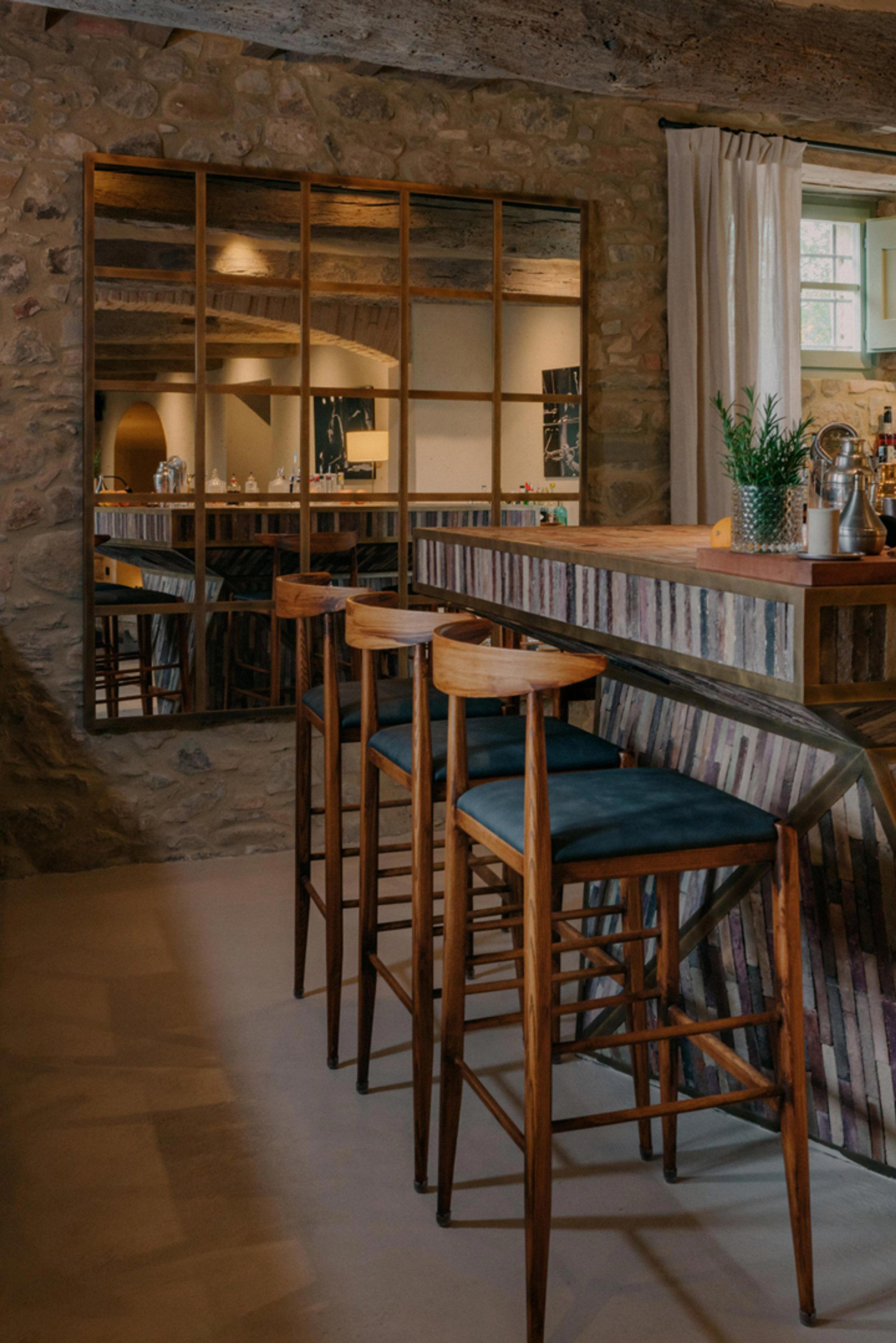
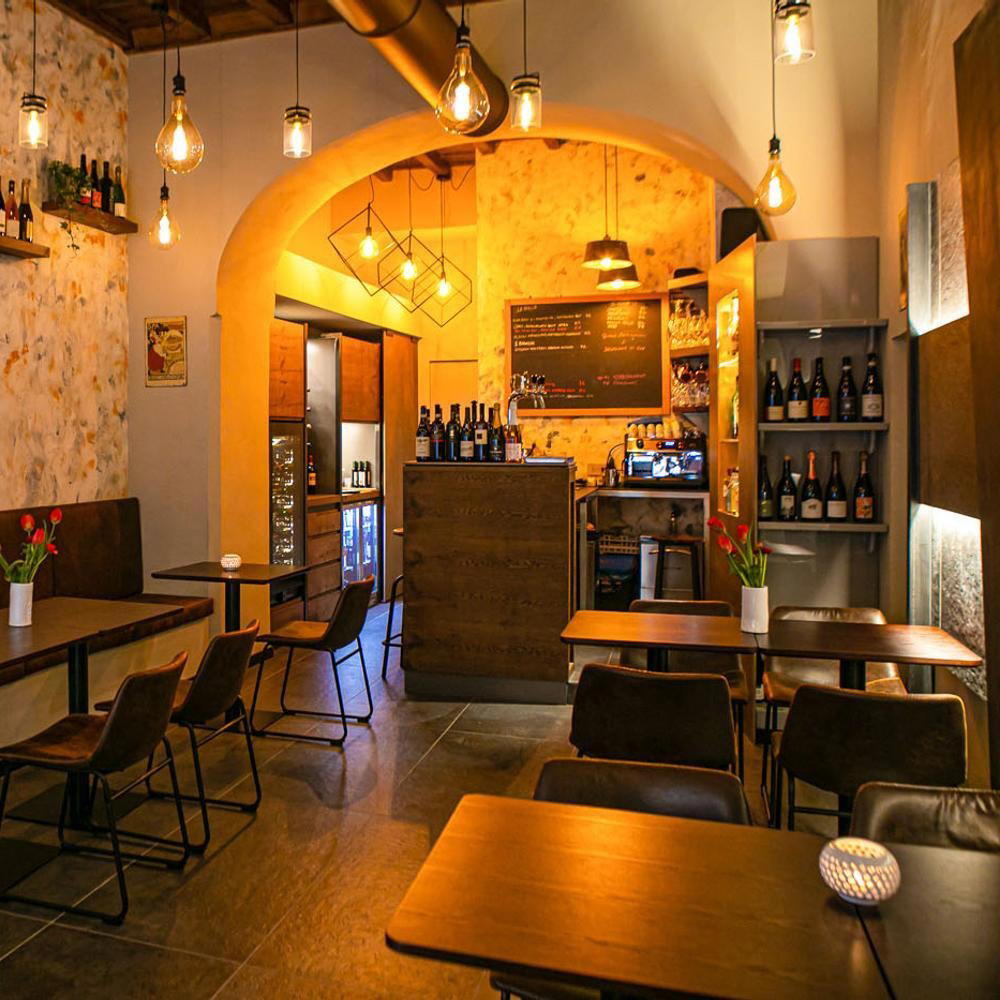
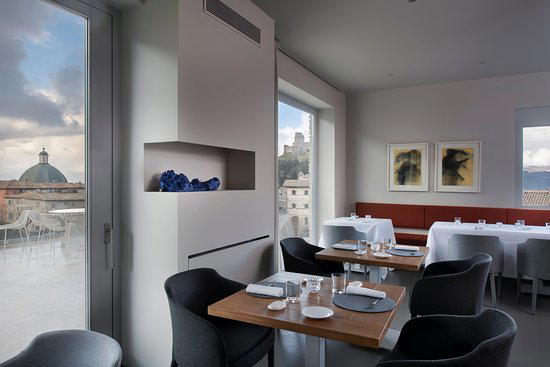
Collins' Bar and Bar Bellavista extend the day's rhythm in different directions: the former with a panoramic terrace, the latter as a setting for afternoon tea and cocktails. In a city where the passeggiata along Corso Vannucci is a genuine daily ritual, having a bar with a strong terrace position is a practical asset rather than a decorative one.
The Pool: An Architectural Argument
The Sina Wellness Club's pool is located beneath medieval vaults, with a glass-bottomed floor that looks down onto Etruscan ruins. As a piece of hospitality infrastructure, it is genuinely unusual: the combination of medieval structure, illuminated glass, and pre-Roman archaeology beneath the water is specific to Perugia in a way that no design intervention could fabricate elsewhere. Sauna, Turkish bath, and a gym complete the wellness offer, but the pool is the element that justifies the detour to this particular address from competing properties in the region.
Using Perugia as a Regional Base
Umbria is compact enough that Perugia functions as a workable hub for a significant arc of central Italian territory. Assisi is close enough for a half-day; Spoleto, Gubbio, Todi, and Spello each justify a separate morning or afternoon. The Montefalco wine zone, home to Sagrantino, sits within an easy drive. Norcia, the epicentre of black truffle trade and Umbrian cured meats, is further south but accessible. Guests who want to extend into Tuscany can reach the estates around Montalcino, including Rosewood Castiglion Del Bosco, or the Chianti estates near Castelnuovo Berardenga where Borgo San Felice Resort operates. The Brufani's piazza position means you can walk the medieval centre in the evening and leave the car in the garage for the entire stay, which is an underrated operational advantage in a city with limited parking inside the walls.
For those building a longer Italian itinerary, Perugia connects logically to the Amalfi Coast properties further south, including Borgo Santandrea or Il San Pietro di Positano. Northward, the lake properties like EALA My Lakeside Dream on Lake Garda or the Dolomite-adjacent Castel Fragsburg in Merano offer a contrasting geography. See our full Perugia restaurants guide for the dining picture beyond the hotel.
Planning Your Stay
Sina Brufani is located at Piazza Italia, 12, at the highest point of the centro storico, accessible by the city's escalator system from the lower parking areas or directly by car to the hotel entrance. The property's position within the walled city means walkability to Perugia's major sites, including the Galleria Nazionale dell'Umbria and the Fontana Maggiore, is a functional reality rather than a marketing claim. The hotel has been operating at five-star level since 1884, and the institutional depth that implies is the primary argument for choosing it over newer alternatives in the regional estate category.
What It’s Closest To
Comparable venues nearby, for context on price, style, and recognition.
| Venue | Cuisine | Price | Awards | Notes |
|---|---|---|---|---|
| Sina BrufaniThis venue (the venue you are viewing) | Historic luxury palace hotel opened in 1884 with classic elegance. | $100–200 | Virtuoso Luxury Hotel Partner | Not listed |
| Tenuta di Murlo | Historic country estate blending aristocratic heritage with refined modern comfort | Not listed | 1 Michelin Key | San Giovanni del Pantano |
| Hotel Castello di Monterone | Restored medieval castle blending historic authenticity with subtle modern comforts. | Not listed | 1 Michelin Key | Monterone |
| Borgo dei Conti Resort | Restored medieval castle and village estate | $200–300 | 1 Michelin Key · Relais Chateaux Award | Monte Petriolo |
| Torre di Moravola | Medieval watchtower converted into contemporary luxury retreat | $300–500 | Michelin Selected | Montone |
| QC Terme Bagni di Bormio Bagni Nuovi | Historic Art Nouveau luxury spa resort | $300–500 | Michelin Selected | Molina |
Recognition history
Dated appearances from independent guides and award organizations, with the underlying list record or original source where available.
Virtuoso Luxury Hotel Partner
Virtuoso
Continue exploring
More in Perugia
Hotels in Perugia
All hotels in Perugia →
Bars in Perugia
Browse all →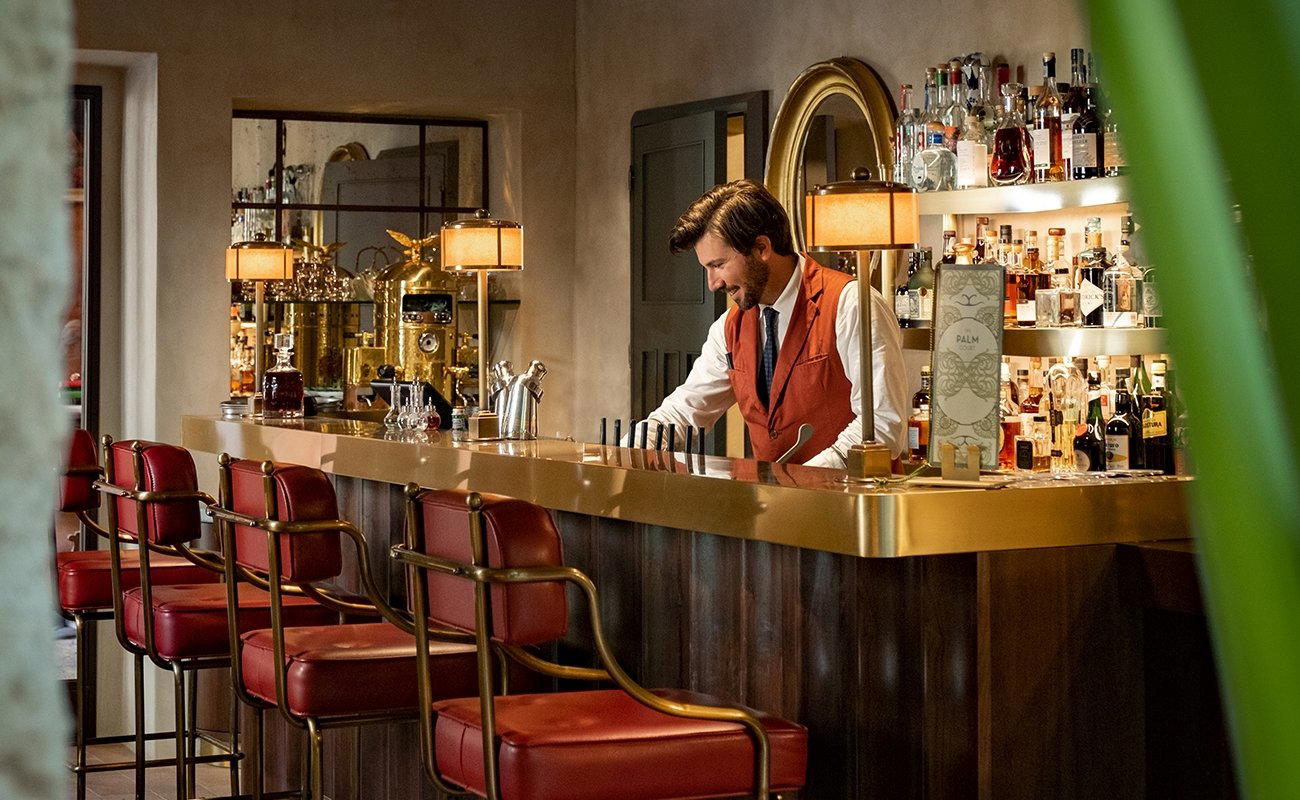
Restaurants in Perugia
All restaurants in Perugia →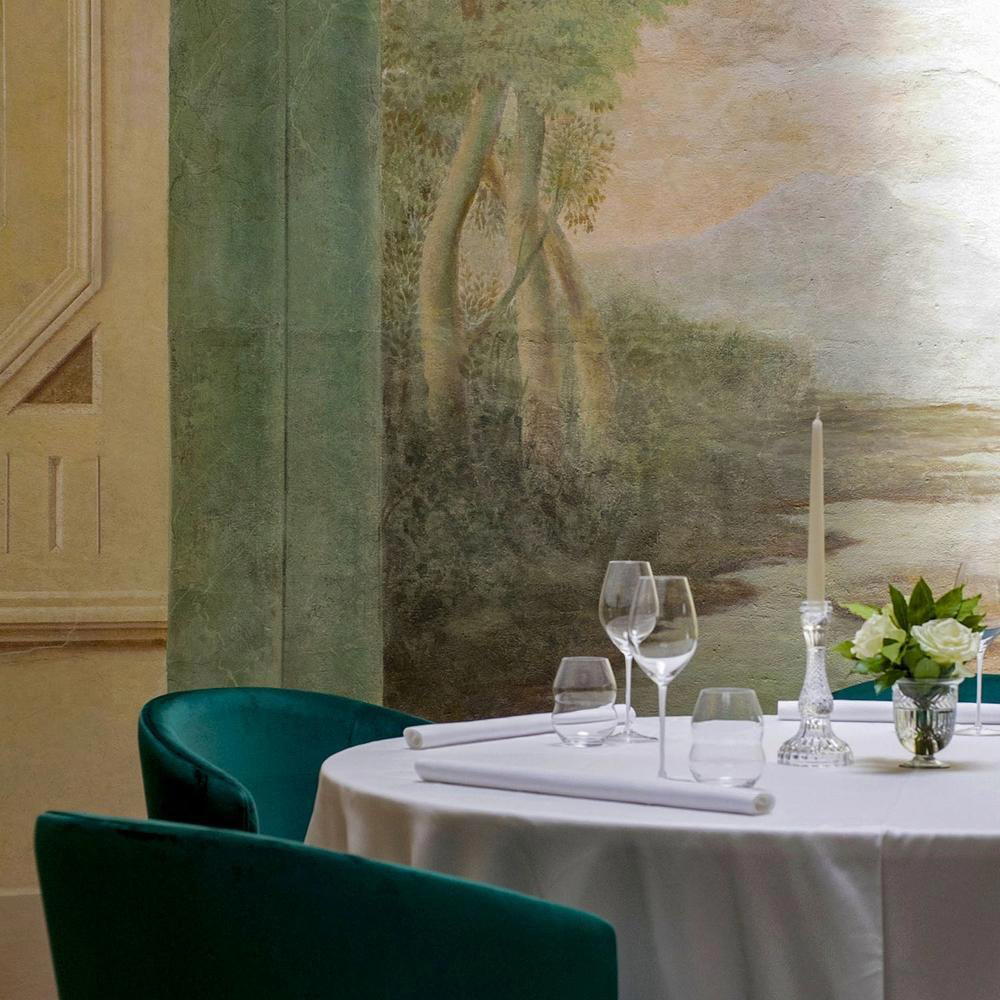

Details
- Elegant
- Classic
- Sophisticated
- Well Known
- Romantic Getaway
- Anniversary
- Honeymoon
- Historic Building
- Panoramic View
- Terrace
- Wi Fi
- Pool
- Spa
- Fitness Center
- Room Service
- Concierge
- Sauna
- Hot Tub
- Skyline
- Mountain
- Wheelchair Accessible
- Elevator
- Step Free Entrance
Elegant historic atmosphere with majestic halls featuring antique furnishings, stone fireplaces, and panoramic views of Umbrian hills.