
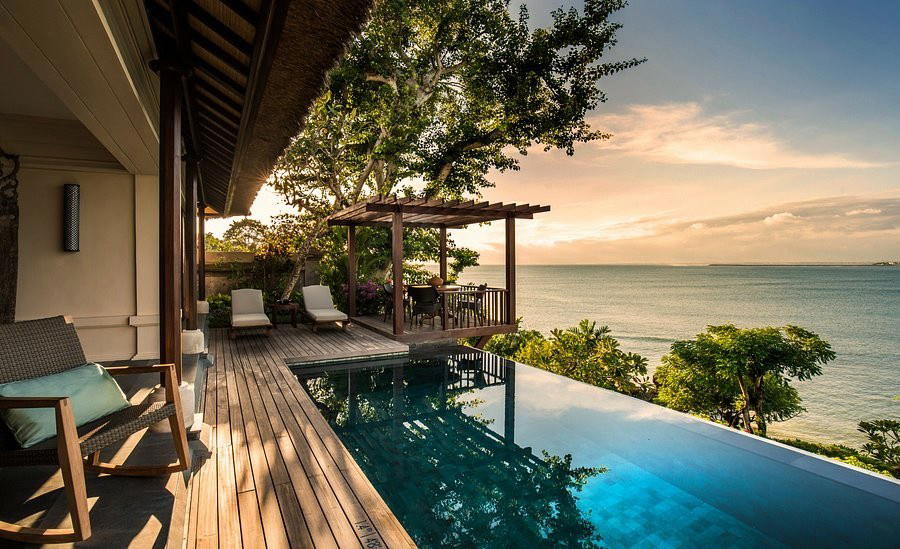
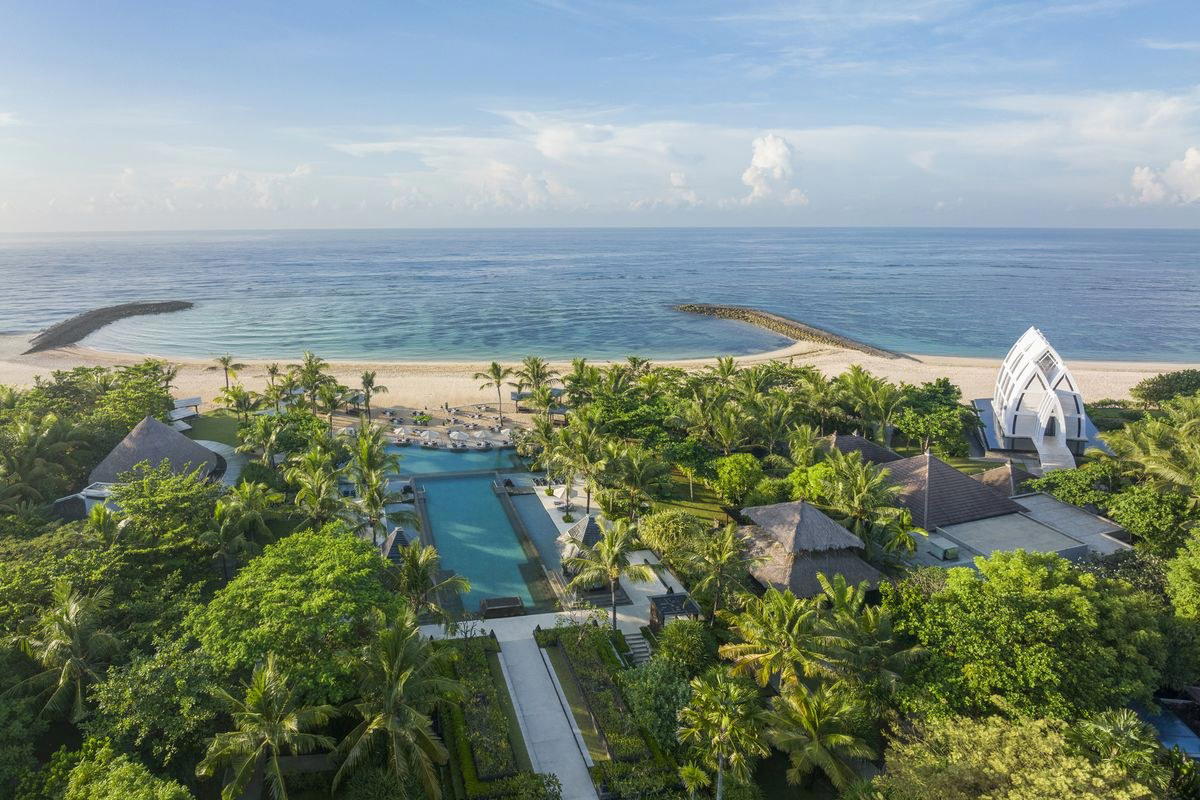
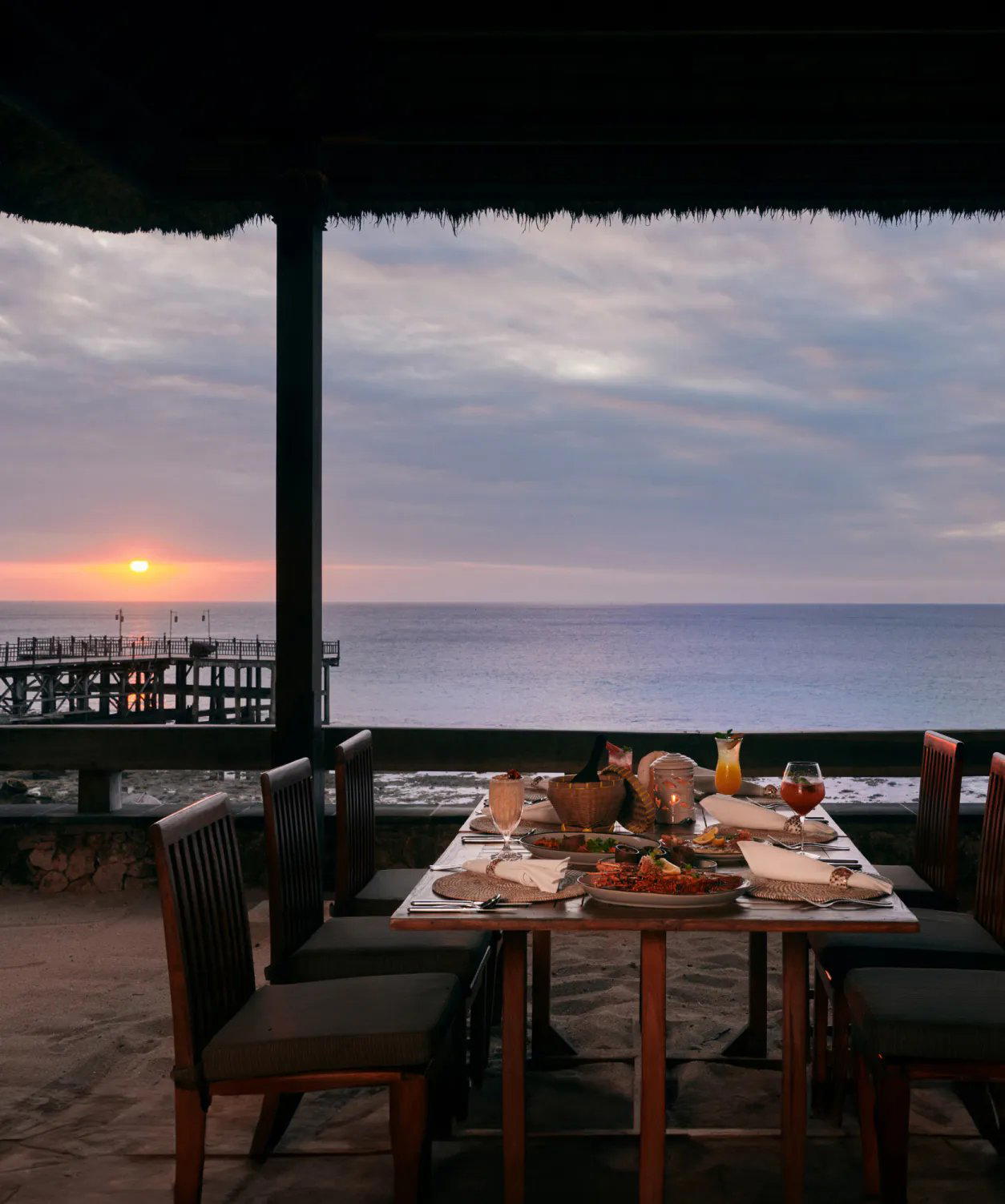
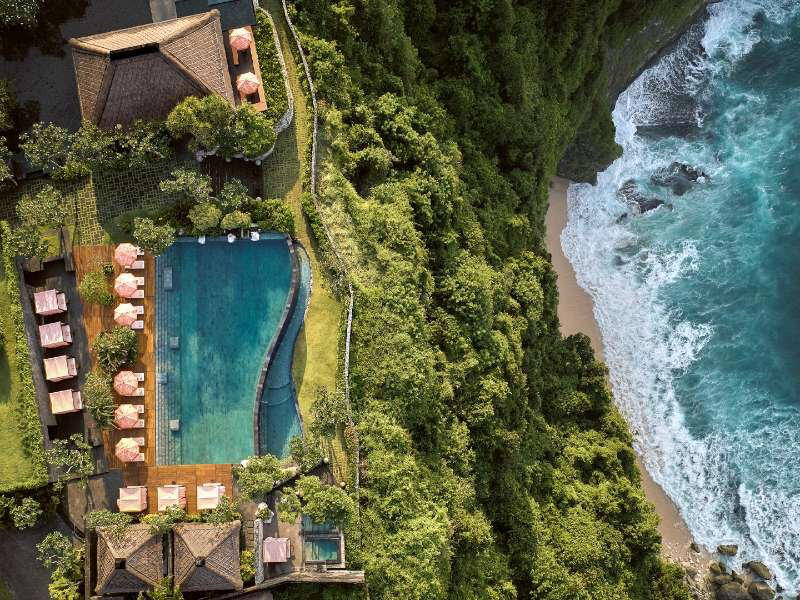
Seascape Uluwatu has collected three property-level awards, Regional Winner for Luxury Ocean View Resort, Country Winner for Luxury New Resort, and Continent Winner for Best Architectural Design, that together position it among the more architecturally serious new entrants in Bali's Uluwatu cliff corridor. The design-led property sits above the Indian Ocean on Jl. Labuansait in Pecatu, where the south Bali coastline drops sharply and the horizon stays unobstructed for most of the day.
Pearl is the En Primeur Club membership app — saves, bookings, and concierge access live there. Same editors, same standards.
- Address
- Seascape Uluwatu Complex, Jl. Labuansait, Pecatu, Kec. Kuta Sel., Kabupaten Badung, Bali 80361, Indonesia
- Phone
- +62 813-3746-6780
- Website
- inivie.com
- Directions
- Get directions
 Saves & bookings on Pearl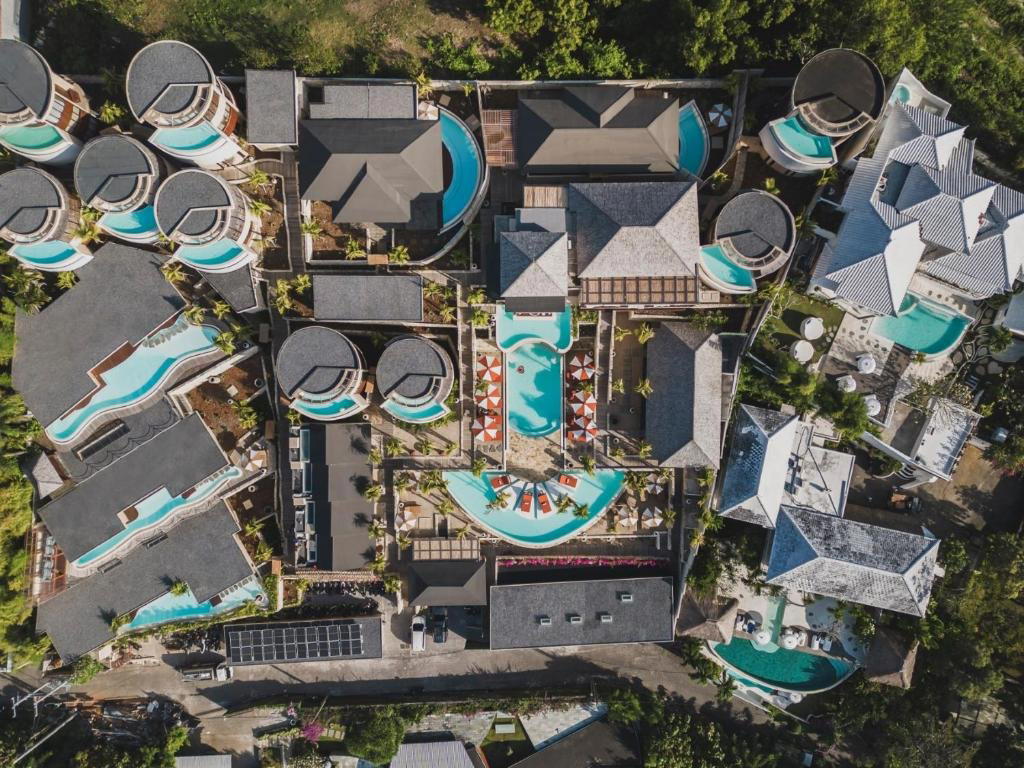
Where the Cliff Meets the Brief
Uluwatu's accommodation market has sharpened considerably over the past decade. The Bukit Peninsula, once valued mainly for surf breaks and sunset bars, now hosts a tier of properties that compete on architecture and coastal positioning rather than proximity to Seminyak's retail strip. Seascape Uluwatu is a 5-star hotel in Pecatu, Bali, with three luxury resort awards: a Continent Winner award for Leading Architectural Design, supported by a Regional Win for Luxury Ocean View Resort and a Country Win for Luxury New Resort. Three separate award categories, each judged at a different geographic scale, is an unusual cluster for a single property and signals that independent evaluators have placed it at the sharper end of what new construction in the region is producing.
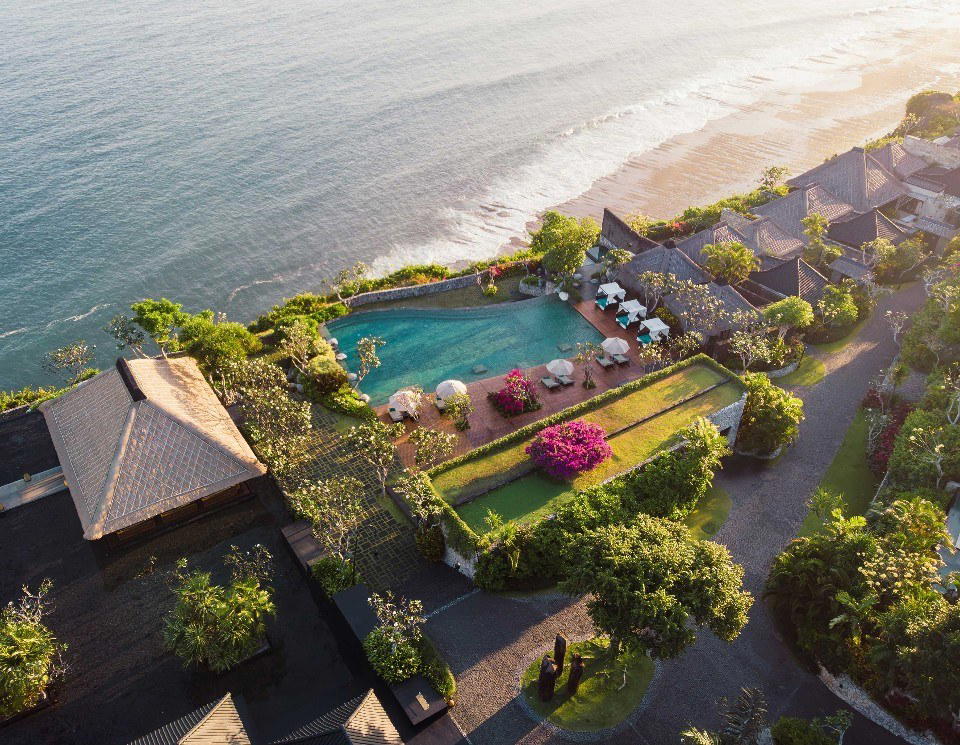
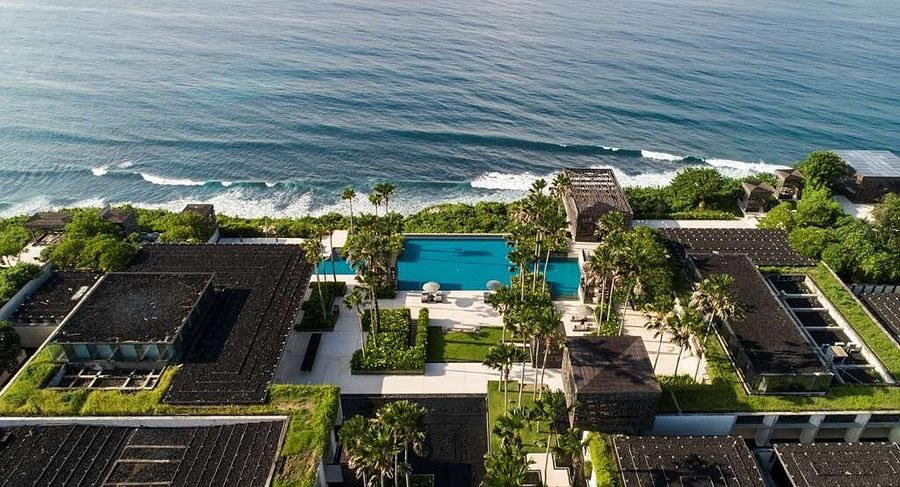
The address on Jl. Labuansait in Pecatu puts it in the southern Bukit corridor, a stretch of coastline where the land terminates in limestone cliffs above the Indian Ocean. Properties here are defined by what they do with the relationship between built form and water. The better ones treat that relationship as an architectural problem worth solving rather than a backdrop to photograph. The awards record at Seascape Uluwatu suggests the design here has been taken seriously at a level that extends beyond Bali, into an Asia-Pacific comparable set.
The Architecture as the Argument
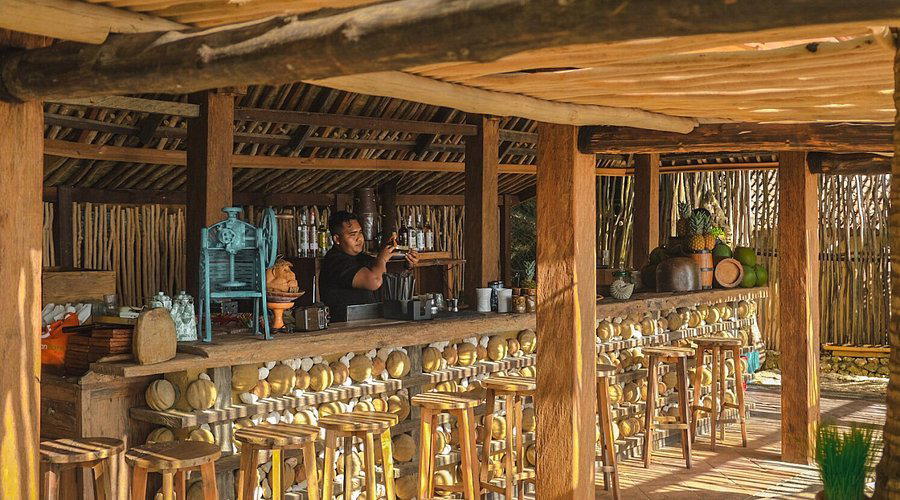
Bali has a long tradition of resort architecture that draws on local material vocabulary, volcanic stone, reclaimed timber, alang-alang thatch, and applies it to contemporary spatial programs. Particularly accomplished properties in this tradition don't simply use Balinese materials decoratively; they use them structurally and spatially, so that the relationship between interior and exterior feels consequential rather than cosmetic. The Continent Winner recognition for Leading Architectural Design at this scale of competition implies Seascape Uluwatu is making that kind of argument in physical form.
What the cliff-edge format demands architecturally is a considered approach to sightlines, privacy, and the management of wind and light at altitude. Properties that get this right tend to produce rooms and terraces where the ocean view reads differently at different hours, morning light flat and direct, afternoon light raked and warm, the horizon at dusk dropping below a specific threshold depending on orientation. The award recognition, read against the coastal site, points to a property where these conditions have been worked through rather than left to chance. For the full scope of how Bali's accommodation market structures design-led choices across the island, the the guide Bali guide maps the landscape by area and category.
Placing Seascape Uluwatu in the Uluwatu Tier
Design-award winners in Bali's south generally compete against two different comparable venues simultaneously. The first is the local Uluwatu cohort, cliff-edge villas and boutique resorts that trade on similar ocean positioning and often similar price brackets. The second is a broader Indonesian or Asia-Pacific field of new luxury construction, where the bar for architectural ambition has risen sharply as international design practices have taken on more regional commissions. A Continent-level architecture award implies the hotel has cleared the second bar, not just the first.
For comparison within Bali, the design conversation spans the island's different zones. In Nusa Dua, Amarterra Villas Resort Bali Nusa Dua, Autograph Collection operates within the established resort belt where spatial generosity is the primary differentiator. In Ubud, Anantara Ubud Bali Resort and Mandapa, a Ritz-Carlton Reserve anchor the river-valley design tradition. Seminyak offers its own register through Grand Seminyak, while design-forward independents like Further Hotel and Asvara Villa occupy a smaller, more niche bracket. The hotel enters that conversation with a cliff-edge coastal position that none of those properties share, and with architecture awards that point to a design approach distinguishable from both the established resort format and the boutique-villa category.
Beyond Bali, the standard for coastal and cliff-edge design in Indonesia has been set partly by Nihi Sumba, which built its reputation on remote positioning and site-specific construction. The hotel operates in a more accessible location but appears to be competing on similar design terms, which is a meaningful distinction given how different the development conditions are between Sumba and the Bukit Peninsula.
New Resort, Established Territory
The Country Winner designation for Luxury New Resort carries a specific implication: the property is recent enough to be judged in a new-entry category, which means its award record was earned during or shortly after opening rather than accumulated over years of operation. This matters because new properties in competitive coastal locations often take time to settle their programming and service around an architectural shell. The fact that design recognition came early, before the property had time to build a track record on other dimensions, suggests the architectural intent was legible from the outset rather than something that required operational context to read correctly.
Other properties across Indonesia and the broader region that have built reputations on design-led positioning include Bambu Indah in Banjar Badung and Desa Seni Baturiti in Tabanan, both of which use natural materials and spatial philosophy as their primary proposition. The design-award tier that hotel now occupies is smaller and more contested than the broader luxury category, and its Continent-level recognition places it above most new entrants in that comparable set.
Planning a Stay
The hotel is located at Jl. Labuansait in Pecatu, in the Kuta Selatan administrative area of Badung regency, Bali. The Bukit Peninsula is roughly 45 minutes by road from Ngurah Rai International Airport under normal traffic conditions, with the Pecatu area at the southern tip of the peninsula adding additional drive time depending on the route. The dry season in Bali runs from approximately May through October, when ocean conditions on the south coast are clearest and cliff-leading positions benefit from consistent southerly breezes. Advance reservation is recommended, particularly for the dry-season window.
Those cross-referencing properties across Bali's range may also find value in reviewing Andaz Bali, Ayodya Resort Bali, Goddess Retreats, Potato Head Suites and Studios in Seminyak, Hotel Komune and Beach Club Bali, VOUK Hotel and Suites in Nusa Dua, Villa Waru on Nusa Lembongan, and O in Badung, each of which occupies a distinct position within Bali's accommodation spectrum.
Comparable Spots, Quickly
Comparable venues nearby, for context on price, style, and recognition.
| Venue | Cuisine | Price | Awards | Notes |
|---|---|---|---|---|
| Seascape UluwatuThis venue — the venue you are viewing | Modern Mediterranean-inspired coastal sanctuary | $$$$ | 5-Star | Not listed |
| Asvara Villa | Contemporary Balinese luxury boutique villa resort blending modern comfort with traditional tropical aesthetics. | $$$$ | 5-Star | Sambahan |
| Amarterra Villas Resort Bali Nusa Dua, Autograph Collection | Balinese-village-inspired luxury villas blending modern comfort with local culture | $$$$ | 5-Star | Nusa Dua |
| Kaamala Resort | Modern luxury resort blending seclusion with central Ubud access | $$$$ | 5-Star | Ubud |
| Grand Seminyak – Lifestyle Boutique Bali Resort | Art Deco luxury boutique resort with contemporary tropical design and beachfront positioning in Bali's most lively beach district. | $$$$ | 5-Star | Seminyak |
| The Damai | Secluded luxury boutique resort | $$$$ | 5-Star | Lovina Beach |
Recognition history
Dated appearances from independent guides and award organizations, with the underlying list record or original source where available.
World Luxury Hotel Awards WLHA Continent Winner
World Luxury Hotel Awards
World Luxury Hotel Awards WLHA Regional Winner
World Luxury Hotel Awards
World Luxury Hotel Awards WLHA Country Winner
World Luxury Hotel Awards
At a Glance
- Romantic
- Quiet
- Elegant
- Scenic
- Sophisticated
- Bohemian
- Honeymoon
- Romantic Getaway
- Wellness Retreat
- Anniversary
- Infinity Pool
- Private Villa
- Panoramic View
- Wi Fi
- Pool
- Spa
- Fitness Center
- Restaurant
- Room Service
- Concierge
- Valet Parking
- Waterfront
- Wi Fi
- Pool
- Spa
- Fitness Center
- Restaurant
- Room Service
- Concierge
- Valet Parking
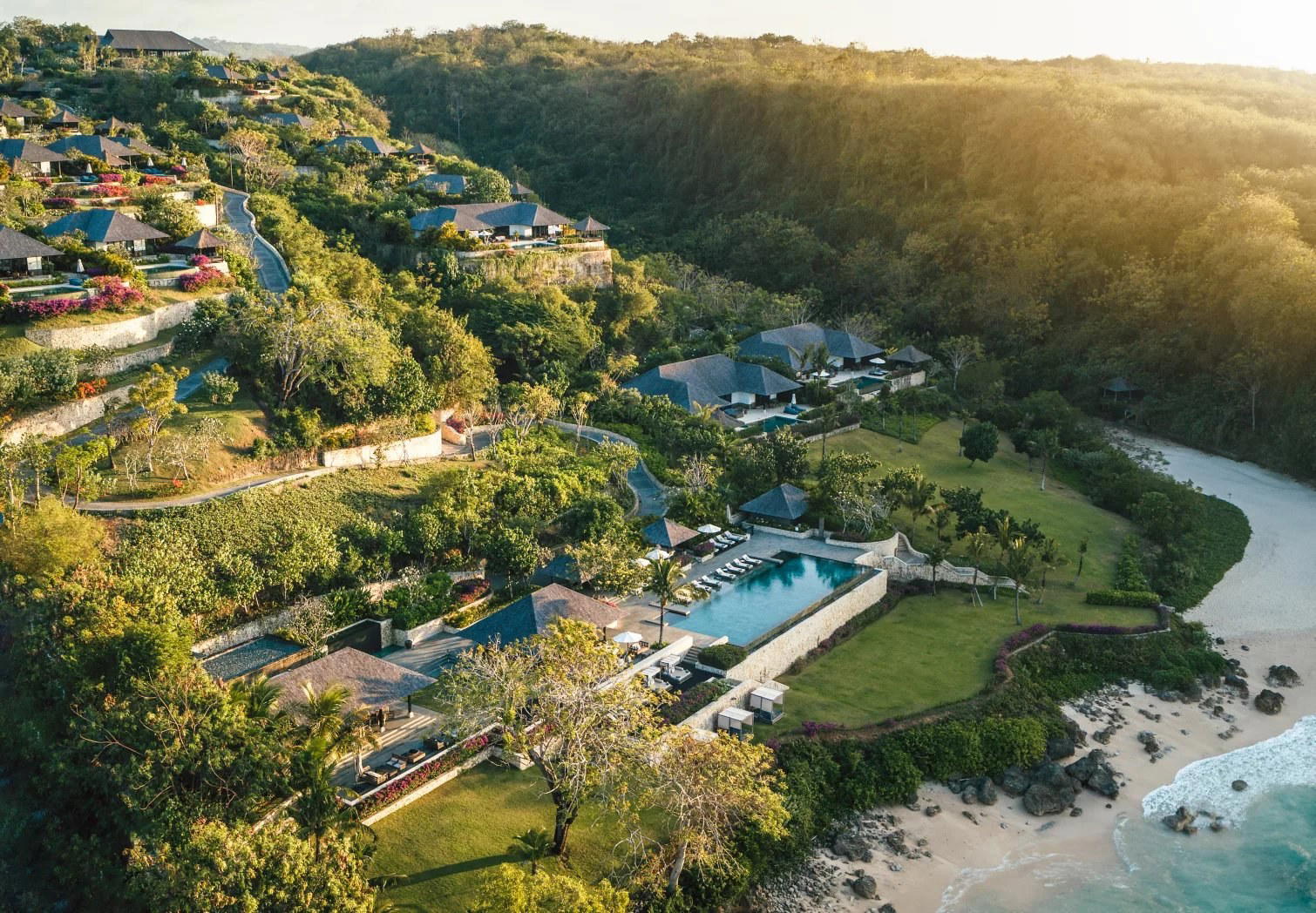
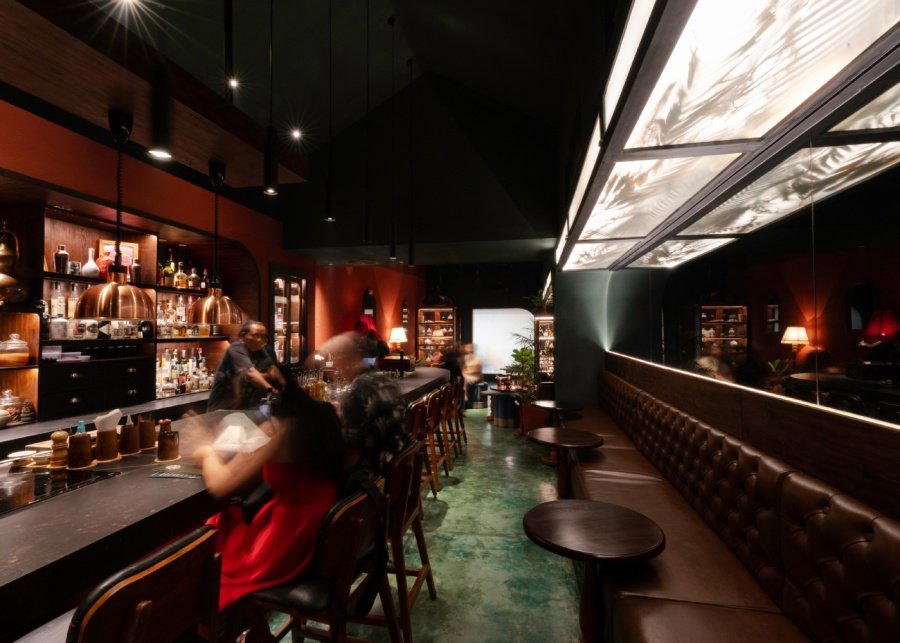
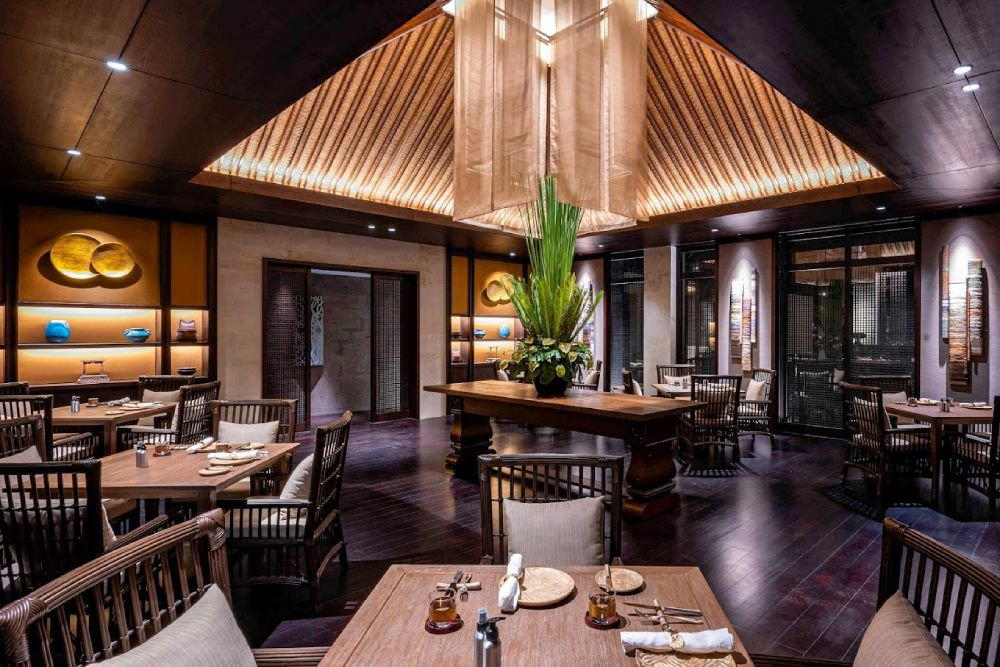
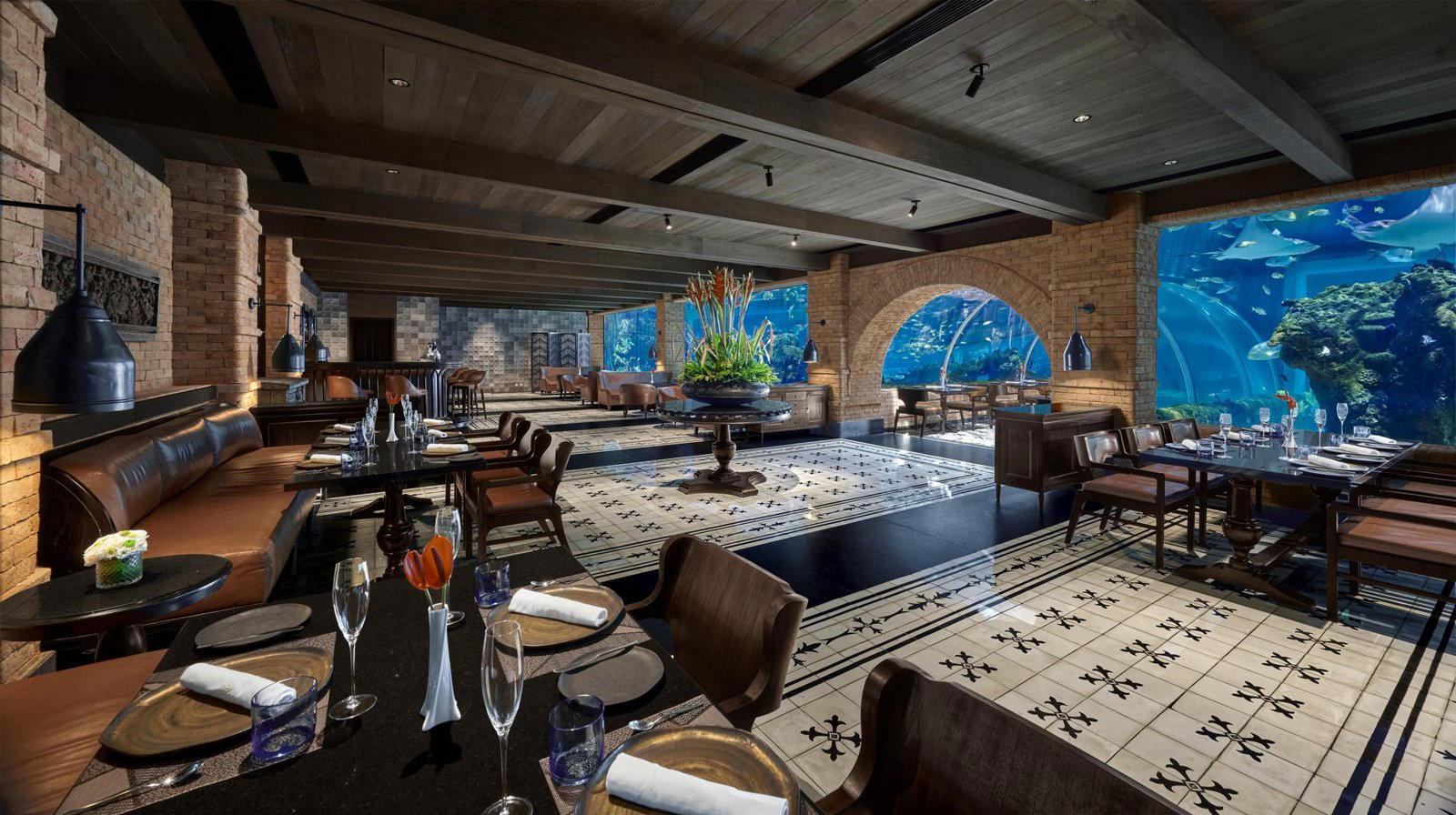
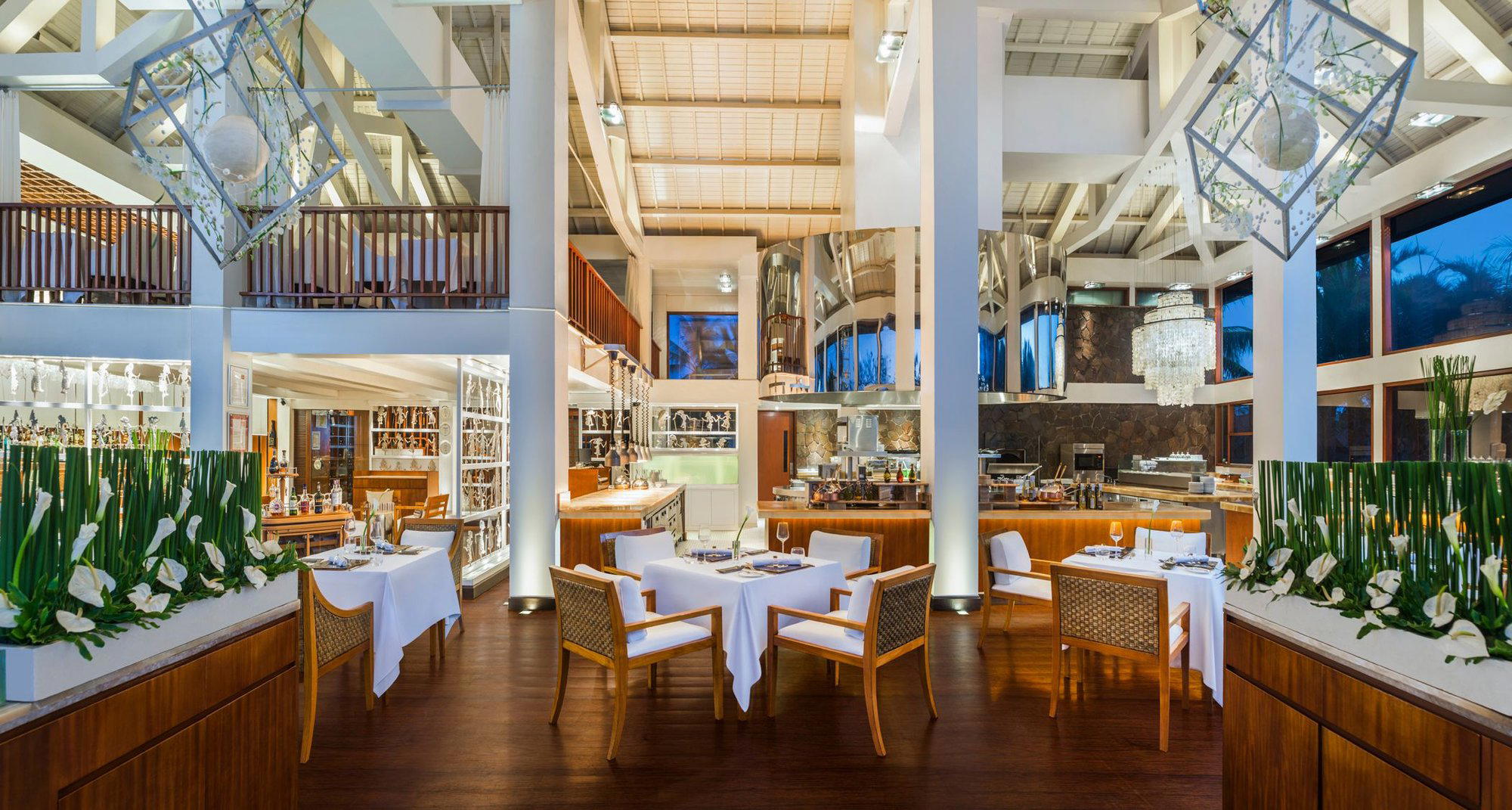
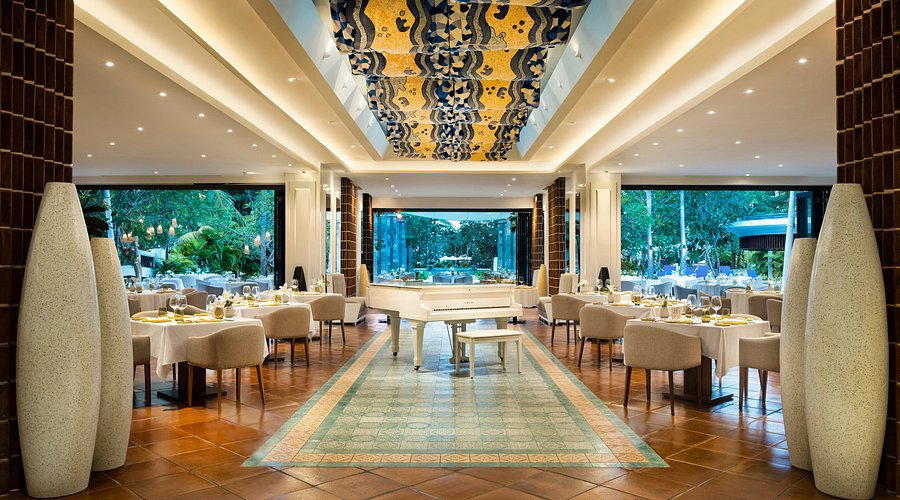
Tranquil and relaxing atmosphere with natural light, earthy tones, and mesmerizing ocean vistas enhanced by modern bohemian design.