Schgaguler Hotel


Schgaguler Hotel sits in Castelrotto, a compact Ladin village at the edge of the Alpe di Siusi plateau, with the Dolomite massif as its immediate backdrop. The property positions itself at the intersection of alpine design and contemporary art, drawing guests who come to the South Tyrol for landscape as much as comfort. It is a considered alternative to the larger resort hotels further down the valley.
Pearl is the En Primeur Club membership app — saves, bookings, and concierge access live there. Same editors, same standards.
- Address
- Via Dolomiti 2, Castelrotto 39040, Italy
- Phone
- 0039 0471712100
- Website
- marriott.com
- Directions
- Get directions
 Saves & bookings on Pearl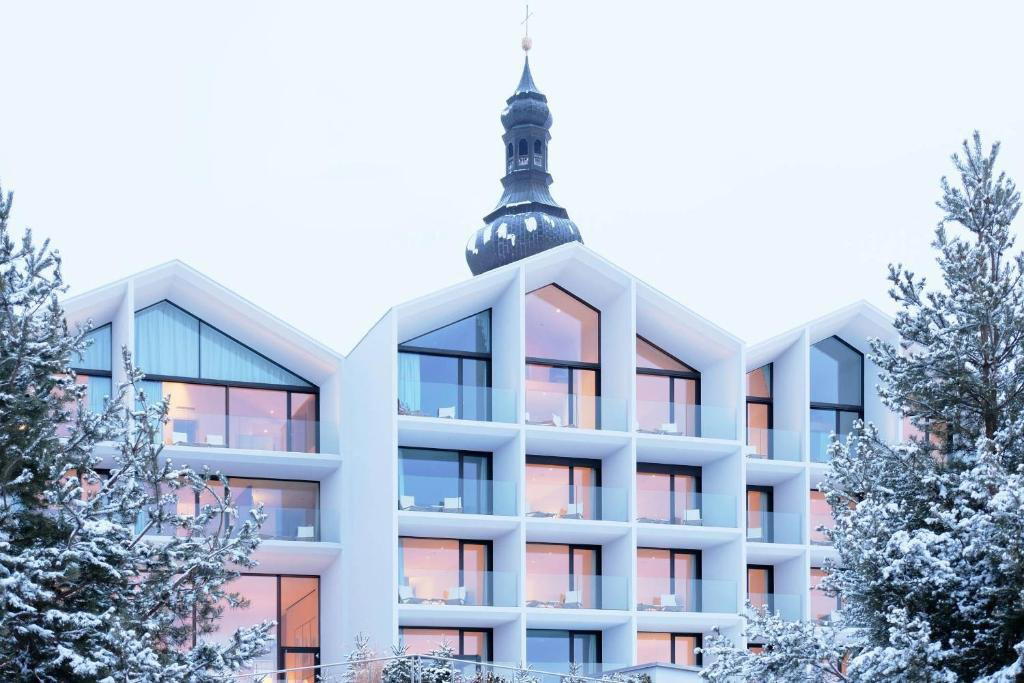
Where the Dolomites Set the Terms
The South Tyrol operates on a different register from Italy's better-known hotel corridors. Castelrotto, or Kastelruth in the German that dominates daily life here, sits at roughly 1,060 metres on a plateau that opens toward the Alpe di Siusi, Europe's largest high-altitude alpine meadow. The village's bell tower, audible across the surrounding farmland, gives you a reliable sense of place the moment you arrive. This is not a resort town built around tourism infrastructure; it is a working Ladin community that has accommodated hospitality as a secondary fact of life. That context matters when considering where to stay.
Schgaguler Hotel occupies this terrain deliberately. The property presents itself as an intersection of alpine setting and design-led hospitality, with art as a through-line rather than decoration. Within the South Tyrol's broader hotel picture, which runs from family-run three-star guesthouses to internationally recognised wellness resorts, Schgaguler positions toward the design-conscious, art-engaged upper tier. Its closest point of comparison in the wider region is Forestis Dolomites in Plose, which similarly uses the Dolomite landscape as a structural element of the guest experience rather than a backdrop to ignore from the spa. For Castelrotto specifically, see COMO Alpina Dolomites, which represents the international-brand entry point in the same village and benchmarks a different kind of consistency.
The Dining Programme and Culinary Identity
South Tyrolean hotel dining has moved considerably over the past decade. The region holds more Michelin stars per capita than almost anywhere in Italy, and the pressure on hotel kitchens to match that standard has produced some of the country's more interesting food programs outside the obvious urban centres. The cuisine that defines the area draws on Austrian and northern Italian traditions simultaneously: speck, canederli, and hearty rye bread coexist with fresh pasta and locally foraged ingredients in a way that feels entirely natural rather than curated. Hotel dining rooms in this part of the Dolomites have leaned into that hybridity rather than retreating to either tradition exclusively.
Schgaguler's dining approach aligns with the broader movement in South Tyrol toward ingredients-led cooking anchored in the immediate landscape. The altitude and latitude of the Alpe di Siusi produce distinctive dairy, cured meats, and foraged produce that supply serious kitchens throughout the plateau. Properties in this tier typically structure their food programmes around multi-course evening formats complemented by more informal lunch or aperitivo options for guests returning from trails or ski runs. For a sense of what the region's most ambitious hotel dining programmes look like at the summit of the category, Castel Fragsburg in Merano offers a useful reference point, with its Michelin-recognised restaurant setting expectations for the upper bracket of South Tyrolean hotel food.
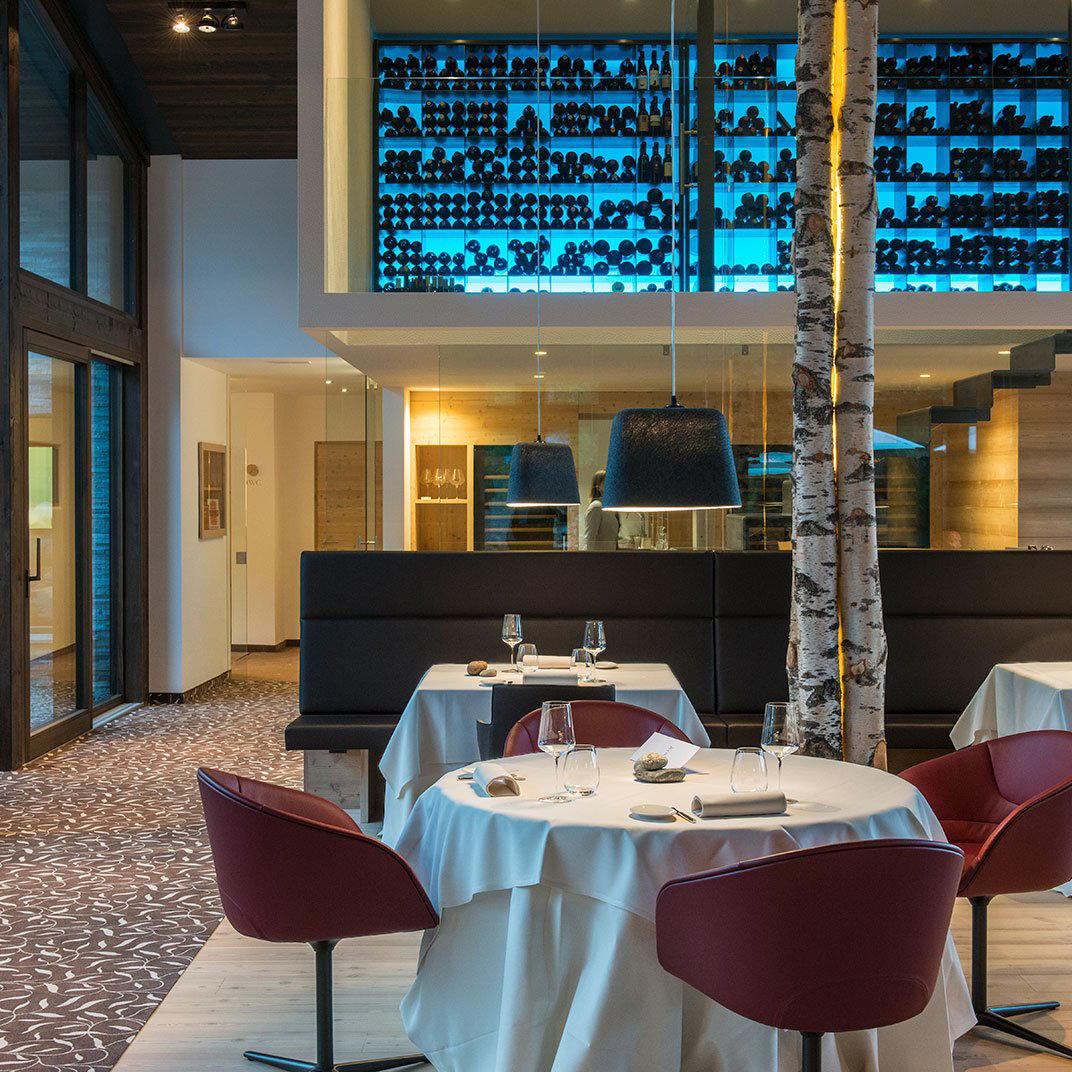
The wine dimension in this part of Italy also carries weight. Alto Adige produces some of the country's most precise white wines, Gewürztraminer, Pinot Grigio, and Kerner from high-altitude vineyards, alongside reds from the Lago di Caldaro area. A hotel at Schgaguler's positioning would be expected to reflect that regional identity in its cellar rather than defaulting to a generic Italian wine list. This is one of the markers that separates design-led alpine properties from purely amenity-focused competitors.
Art, Design, and the Physical Experience
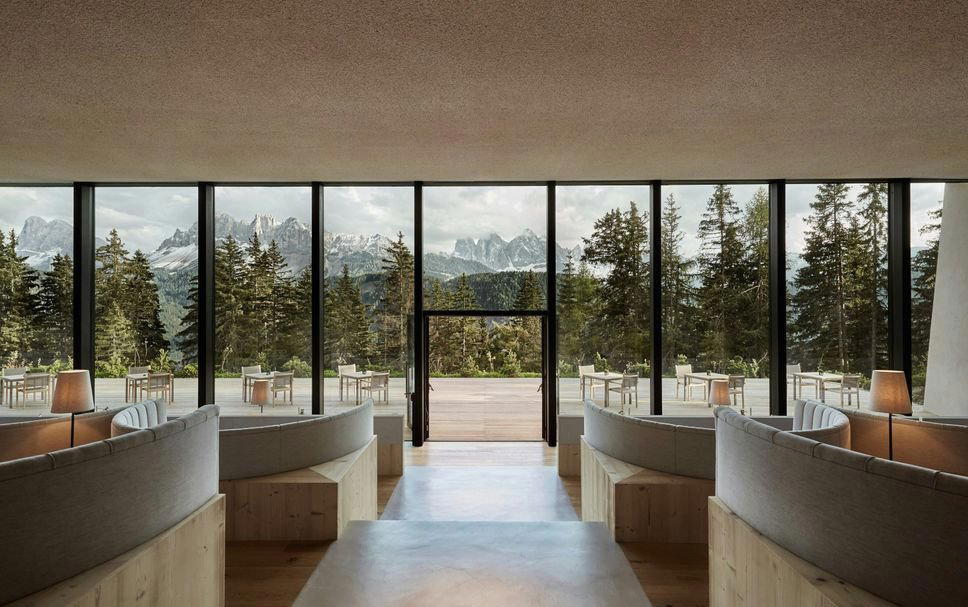
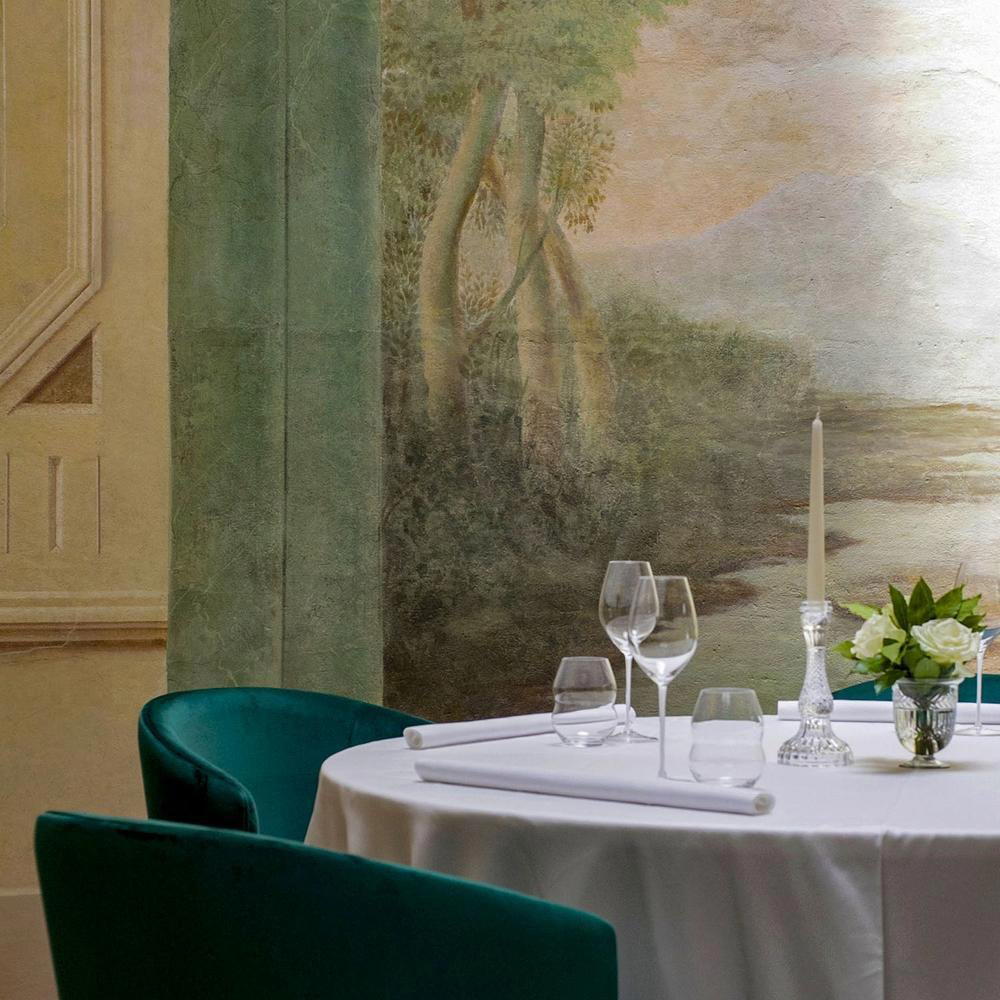
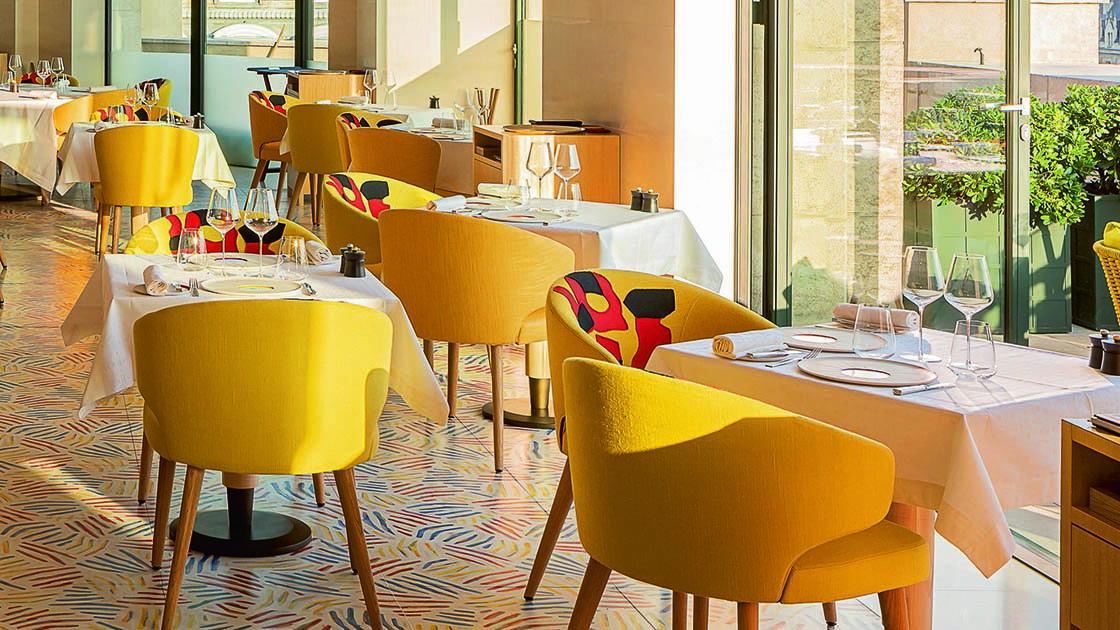
Alpine hospitality design has split into two legible camps. One draws on traditional Tyrolean craft forms, carved wood, local stone, antler and linen, and updates them with restraint. The other uses the mountain setting as contrast: clean contemporary lines that make the landscape outside the dominant visual statement. Schgaguler sits in the latter tradition, where art and creative design function as editorial choices about how a guest should experience the surrounding environment. This approach places it closer to properties like Castello di Reschio in Lisciano Niccone in terms of design seriousness, even if the typology differs substantially.
The Dolomites themselves are a UNESCO World Heritage Site, recognised in 2009 for their geological and scenic significance. That designation has shaped how serious hospitality in the area frames its relationship to the outdoors: the landscape is not incidental, it is the primary offering, and design choices that acknowledge this tend to age better than those that compete with it. Properties that commission or collect original art rather than licensing generic imagery signal a particular kind of ambition, the guest is being asked to look carefully, not simply to relax.
The South Tyrol in the Wider Italian Hotel Picture
Italy's premium independent hotel sector has produced a notable range of property types over the past two decades, from coastal cliff-side retreats like Borgo Santandrea on the Amalfi Coast and Il San Pietro di Positano to Tuscan estate conversions such as Rosewood Castiglion Del Bosco in Montalcino and Borgo San Felice Resort. City properties like Aman Venice, Bulgari Hotel Roma, Portrait Milano, and Four Seasons Hotel Firenze command a different category premium based on urban location and brand recognition. Lakeside options such as Passalacqua in Moltrasio and EALA My Lakeside Dream on Lake Garda occupy their own competitive tier.
The Dolomite hotel market is distinct from all of these. It is altitude-dependent, season-structured, and increasingly design-competitive. Summer and winter peaks pull different guest profiles: hikers and cyclists in July and August; skiers and snowshoers from December through March. Shoulder seasons, particularly May to June and September to October, offer one comfortable engagement with the landscape and, typically, better availability. This seasonal rhythm shapes how properties like Schgaguler operate and which guests they serve across the year. For those comparing Italian property types at a comparable design standard elsewhere in Europe, Amangiri in Canyon Point provides a useful reference for how landscape-first hotel thinking translates at the international level, while Casa Maria Luigia in Modena shows what design-serious, art-integrated hospitality looks like in a flat-land Italian context.
Planning a Stay
Castelrotto is accessible from Bolzano, the South Tyrol's regional capital, by bus or car in roughly 30 minutes. The nearest significant airports are Innsbruck (Austria) and Verona, each around two hours by road, with Munich a viable option for those flying in from further afield. Peak summer weeks and the Christmas-to-Epiphany window fill earliest; guests targeting the Alpe di Siusi trails or the Seiser Alm ski area should plan several months in advance for preferred dates. Contact the hotel directly for current rates and room availability.
Price Lens
Comparable venues nearby, for context on price, style, and recognition.
| Venue | Price | Awards | Notes |
|---|---|---|---|
| Schgaguler HotelThis venue — the venue you are viewing | $$$$ | 4-Star | Not listed |
| COMO Alpina Dolomites | $$$$ | Michelin 1 Key | Alpe di Siusi, Luxury mountain retreat blending alpine charm with modern wellness. |
| Castel Maurn | $$$$ | 4-Star | San Lorenzo di Sebato, Historic castle transformed into luxurious suites preserving traditional character. |
| Hotel Greif | $$$$ | 4-Star | Piazza Walther, Bold modernity in a centuries-old historical building |
| Hotel Gabrielli Venezia | $$$$ | 5-Star | Castello / Riva degli Schiavoni (near St. Mark’s Square), Refined five-star Venetian palazzo hotel combining historic architecture with contemporary Starhotels Collezione luxury in a prime lagoonfront location. |
| Therasia Resort Sea & Spa | $$$$ | 5-Star | Vulcano, Aeolian resort with modern luxury and natural integration |
Recognition history
Dated appearances from independent guides and award organizations, with the underlying list record or original source where available.
Design Hotels Member
Design Hotels
Michelin Selected
Michelin
Continue exploring
More in Castelrotto
Hotels in Castelrotto
Browse all →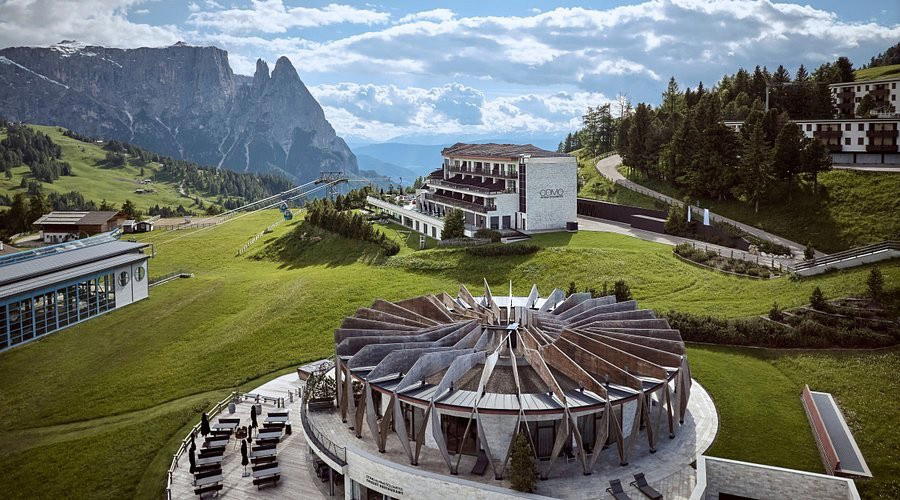
Bars in Castelrotto
Browse all →
Restaurants in Castelrotto
Browse all →
At a Glance
- Scenic
- Cozy
- Elegant
- Modern
- Romantic Getaway
- Wellness Retreat
- Family Vacation
- Weekend Escape
- Panoramic View
- Terrace
- Wi Fi
- Pool
- Spa
- Fitness Center
- Room Service
- Concierge
- Restaurant
- Mountain
- Wi Fi
- Pool
- Spa
- Fitness Center
- Room Service
- Concierge
- Restaurant
Serene and relaxing with soundproofed rooms, peaceful garden, spa lounge lighting, and wellness-focused atmosphere praised for tranquility amid alpine beauty.