PLAZA Premium Parkhotel Neu-Ulm is a city hotel to read through its setting rather than through resort theatrics: practical, urban, and tied to Neu-Ulm’s role beside Ulm on the Danube.
Pearl is the En Primeur Club membership app — saves, bookings, and concierge access live there. Same editors, same standards.
- Address
- Neu-Ulm, Germany
- Directions
- Get directions
 Saves & bookings on Pearl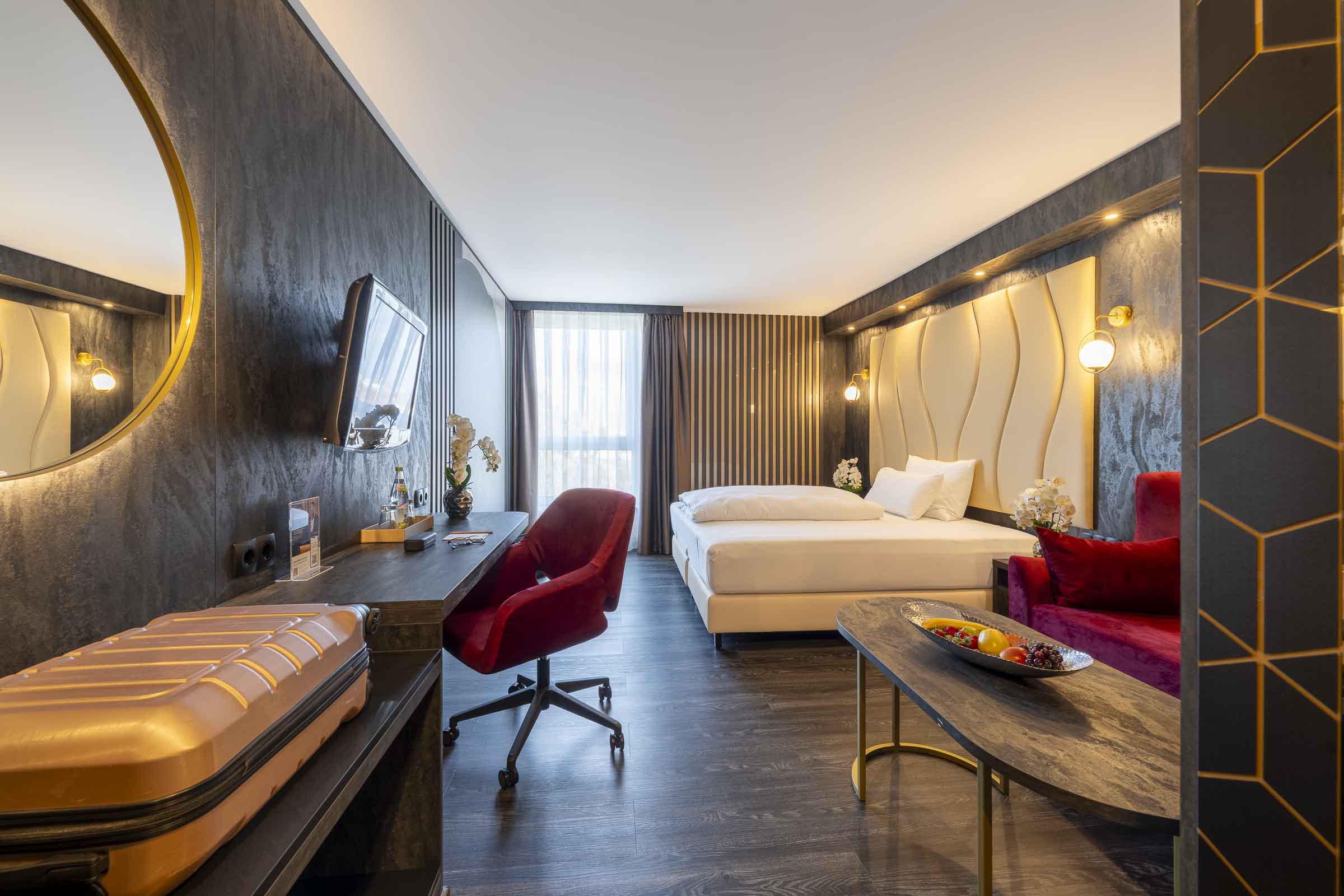
Arrival, architecture, and the Neu-Ulm brief
Approaching a hotel in Neu-Ulm is a different proposition from arriving at a lakeside grand hotel in Bavaria or a palace property in Hamburg. The city sits beside Ulm, with the Danube acting less like a postcard border than a working urban seam. That context matters for PLAZA Premium Parkhotel Neu-Ulm: the available record gives the city, country, and name, but not a star rating, architect, design studio, address, room count, restaurant style, or award history. The sensible reading is therefore architectural in the broad urban sense. This is a parkhotel in a smaller German city, not a destination resort with a public mythology attached to its lobby, spa, or dining room.
Neu-Ulm’s hotel scene is shaped by movement: business travel, regional weekends, access to Ulm’s cathedral quarter, and the practical geography of the Danube corridor. In that setting, design is judged less by spectacle than by how a building handles arrival, sleep, breakfast, circulation, and proximity to the city’s useful parts. PLAZA Premium Parkhotel Neu-Ulm belongs to that functional city-hotel category on the evidence available. It should not be compared with Germany’s grand destination hotels, but with reliable urban bases in secondary cities where location, maintenance, and service consistency carry more weight than brand theatre.
That distinction is useful for readers comparing Neu-Ulm with Germany’s better-known hotel addresses. A stay at Althoff Seehotel Überfahrt in Rottach-Egern is framed by Lake Tegernsee resort culture; Fairmont Hotel Vier Jahreszeiten in Hamburg belongs to the grand-city tradition; Hotel Traube Tonbach in Baiersbronn sits inside the Black Forest’s hospitality-and-restaurant lineage. Neu-Ulm operates on another register. The question is not whether the hotel competes with those properties, but whether it suits a trip where the twin-city setting, not the hotel itself, is the main reason for travel.
The design question in a practical German city
German city hotels outside the major luxury circuits often reveal their priorities through restraint: clear reception flow, durable materials, predictable rooms, and breakfast spaces that can handle both weekday business guests and weekend visitors. It is a 4-star hotel with 135 rooms. That limits any claim about aesthetic identity. It also prevents the usual overreach that turns an ordinary lobby into a design manifesto. The more honest assessment is that its architectural interest lies in typology.
For design-led travelers, that distinction matters. Germany has hotels where architecture is the trip’s central argument. Schloss Elmau Luxury Spa Retreat & Cultural Hideaway in Elmau uses scale, cultural programming, and Alpine seclusion as part of its identity. Weissenhaus Private Nature Luxury Resort in Weissenhaus works through estate geography and Baltic distance. Luisenhöhe in Horben is tied to the Black Forest wellness resort format. PLAZA Premium Parkhotel Neu-Ulm should be assessed differently: as a city stay where the built environment should support the day’s itinerary rather than dominate it.
The design angle, then, is one of proportion. Neu-Ulm does not need a hotel to stage a fantasy of escape; it needs rooms that make sense for guests moving between Ulm, the river, regional transport, and local appointments. Without verified room categories, materials, dining spaces, or public-area descriptions, the reader should avoid assuming boutique character or formal luxury. The useful editorial stance is firmer: choose it when the trip is anchored to Neu-Ulm or Ulm and when a practical hotel format is preferable to a destination property that asks for time, ceremony, and a different budget logic.
Where it sits in the Neu-Ulm hotel scene
Neu-Ulm is not a hotel market built around international status signaling. Its appeal depends on the twin-city relationship with Ulm, the Danube, regional business, and short-stay cultural travel. That makes hotel selection more tactical than aspirational. Those omissions prevent a ranked claim, but they also clarify the comparison: this is a record to treat as an urban planning option, not an award-led recommendation.
For readers building a wider itinerary, the city pages provide the broader map: Our full Neu-Ulm hotels guide is the natural companion for lodging comparisons, while Our full Neu-Ulm restaurants guide, Our full Neu-Ulm bars guide, Our full Neu-Ulm wineries guide, and Our full Neu-Ulm experiences guide help place a stay inside the city’s dining, drinking, wine, and cultural rhythm. In a smaller city, that cross-category planning often matters more than a hotel’s internal amenities. The strongest trip may be built from a serviceable base, a well-chosen dinner, and a clear sense of how much time will be spent across the river in Ulm.
The lack of verified address data means no distance claims should be made here. That is not a minor technicality; in a twin-city destination, a ten-minute difference on foot, by taxi, or by local transport can change the feel of the stay. Travelers should confirm the exact location through the hotel or booking platform before anchoring dinner reservations, station transfers, or late arrivals around it. This is especially relevant in German regional cities, where public transport and taxi availability can be less forgiving late at night than in Berlin, Munich, or Hamburg.
Food, breakfast, and the limits of the record
For a hotel page, the dining question deserves a careful answer. It should not be judged against German hotels where the restaurant is a primary draw.
That comparison is instructive. Söl'ring Hof in Sylt, Esplanade Saarbrücken in Saarbrücken, and Der Öschberghof in Donaueschingen sit in a German tradition where hotels and serious dining can be closely linked. The better strategy is to separate lodging from dining planning: use the hotel as a base, then assess restaurants independently through current city listings and verified opening times.
This is not a criticism; it is a category distinction. Many European city hotels function well precisely because they do not ask the guest to remain inside the building for every meal. Neu-Ulm and Ulm are better approached as a combined urban field, with restaurants, bars, and cultural stops selected according to schedule rather than hotel affiliation. If breakfast, late dinner, or room service is essential, those details should be confirmed directly because the record does not supply them.
How to compare it with Germany's larger hotel addresses
The German hotel market has several distinct prestige languages. There is the grand urban model, visible at Breidenbacher Hof Düsseldorf in Düsseldorf, Excelsior Hotel Ernst in Cologne, and Sofitel Frankfurt Opera in Frankfurt on the Main. There is the resort-and-spa model, seen in places such as Seezeitlodge Hotel & Spa in Gonnesweiler and Gut Steinbach Hotel Chalets Spa in Reit im Winkl. There is also the small-property country or lakeside model, where intimacy and setting drive the value proposition, as with Villa Contessa in Bad Saarow or BUDERSAND Hotel in Hörnum.
That makes the decision cleaner, not weaker. A traveler choosing Neu-Ulm is usually choosing access, itinerary fit, and regional practicality. The hotel’s role is to reduce friction: arrive without drama, sleep close to the purpose of the trip, and keep the next day simple. If the trip is built around spa architecture, tasting menus, or ceremonial service, another German hotel category will make more sense. If the trip is anchored to Neu-Ulm itself, the practical city-hotel category is the relevant frame.
International comparisons sharpen the point. The Fifth Avenue Hotel in New York City, Hôtel de Paris Monte-Carlo in Monte Carlo, and Badrutt's Palace Hotel in St. Moritz are hotels where public identity is part of the stay. Their architecture, history, and social stage shape expectations before check-in. Neu-Ulm asks a quieter question: does the hotel support the city visit efficiently? For this property, that is the fairer test.
Planning intelligence for a stay
Confirm the exact location before committing to rail arrivals, restaurant bookings, or meetings. Confirm reception hours if arriving late, particularly on weekends or public holidays. Confirm parking, breakfast service, and cancellation terms through the channel used to reserve. None of those details can be responsibly inferred from the supplied data.
Seasonality in Neu-Ulm is less about resort peaks and more about the regional calendar. Weekday demand can follow business travel, while weekends may be shaped by visitors using Neu-Ulm as a base for Ulm’s old town, the Danube, or events. During major local events, school holidays, and Advent travel around southern Germany, earlier planning is sensible even for hotels without award-led demand. Value should be judged against exact dates, room type, cancellation flexibility, and whether breakfast or parking is included.
Formality should also be read conservatively. With no dress code, star rating, restaurant style, or awards in the record, PLAZA Premium Parkhotel Neu-Ulm should be treated as casual-to-business rather than formal. That does not mean careless; it means the hotel is more likely to suit normal city attire than destination-resort ceremony. Travelers planning fine dining elsewhere should dress for the restaurant, not for the hotel category.
Comparable venues nearby, for context on price, style, and recognition.
| Venue | Cuisine | Price | Awards | Notes |
|---|---|---|---|---|
| PLAZA Premium Parkhotel Neu-UlmThis venue — the venue you are viewing | First-class urban riverside hotel combining business facilities with leisure-friendly comforts. | $$ | 4-Star | Not listed |
| Park Hotel | Family-run Art Nouveau villa hotel with contemporary updates, blending historic charm with modern amenities. | $$ | 4-Star | Boppard |
| Hotel AMANO Grand Central | Modern urban design hotel blending minimalist aesthetics with classic Berlin elements | $$ | 4-Star | Moabit |
| Benen-Diken-Hof | Traditional Frisian farmhouse aesthetic with contemporary luxury interiors; 10 thatched-roof buildings connected by covered walkways. | $$$ | 4-Star | Keitum |
| Factory Hotel | Heritage industrial conversion with contemporary design, positioned as a lifestyle destination combining accommodation with dining, wellness, and entertainment. | $$$ | 4-Star | Mitte-Nordost |
| The Fritz Düsseldorf Königsallee | Contemporary boutique hotel blending modern elegance with warm hospitality; designed by renowned designer Vivian van Schagen with an edgy, sophisticated personality. | $$$ | 4-Star | Friedrichstadt |
Continue exploring
More in Neu-Ulm
Hotels in Neu-Ulm
Browse all →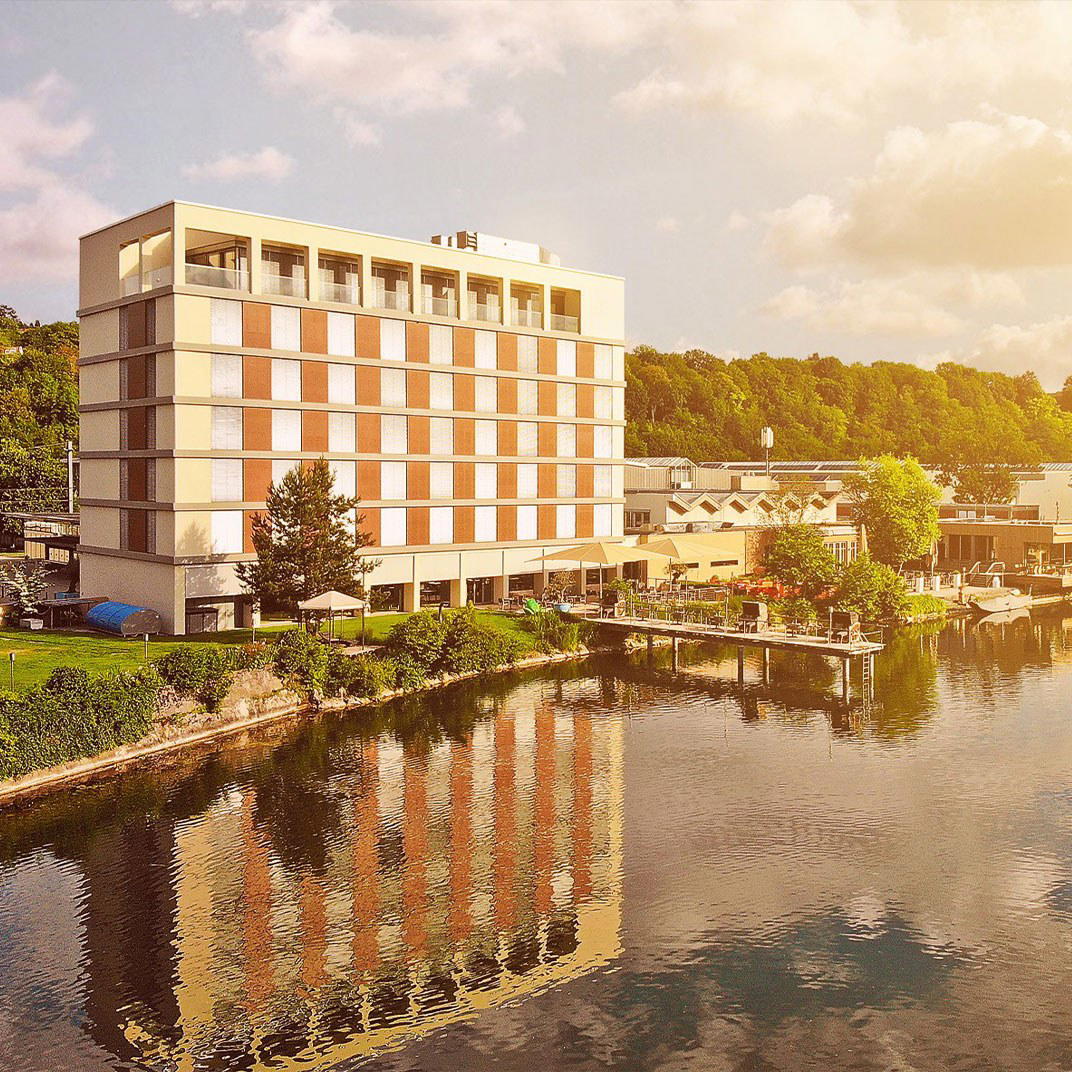
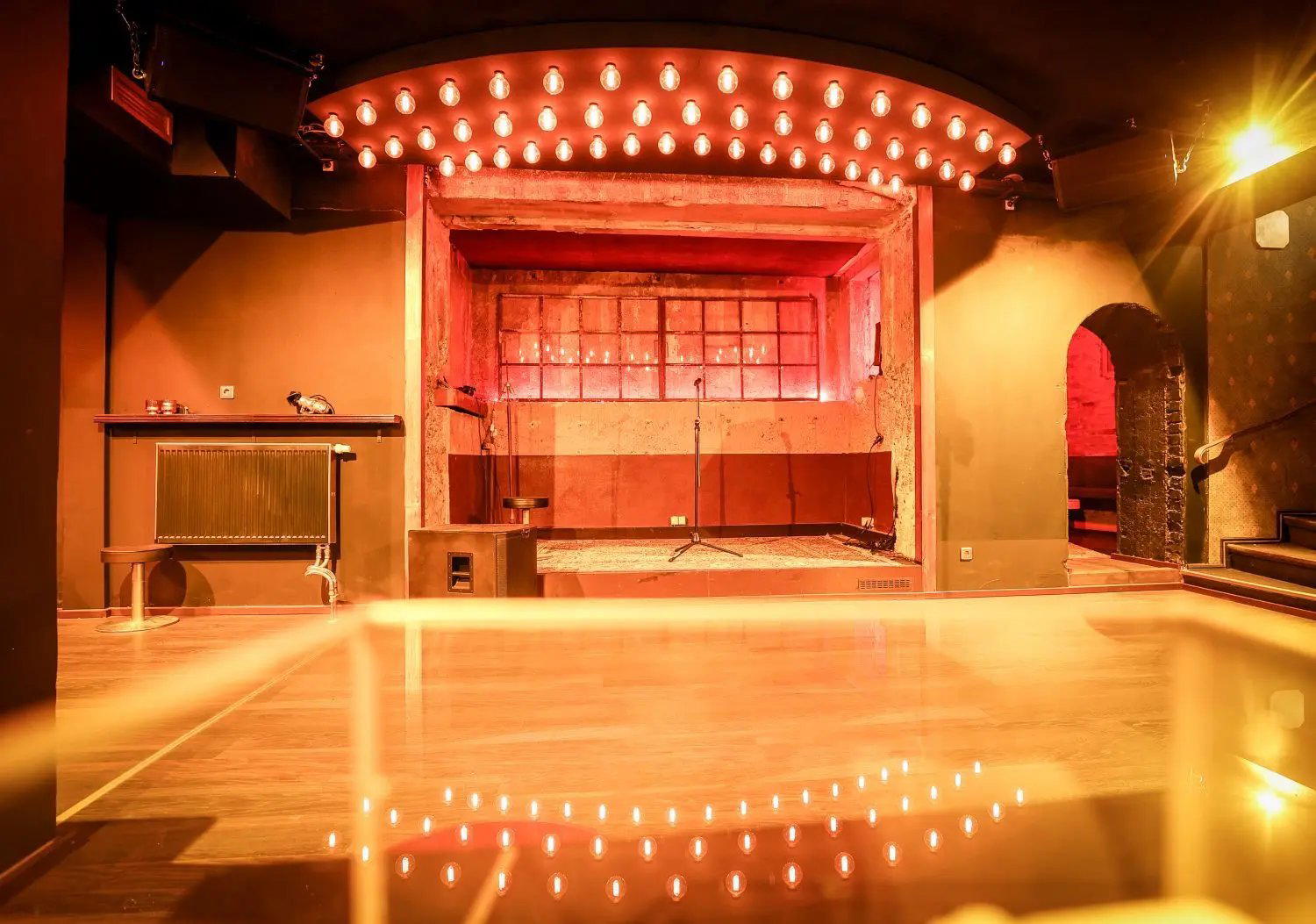
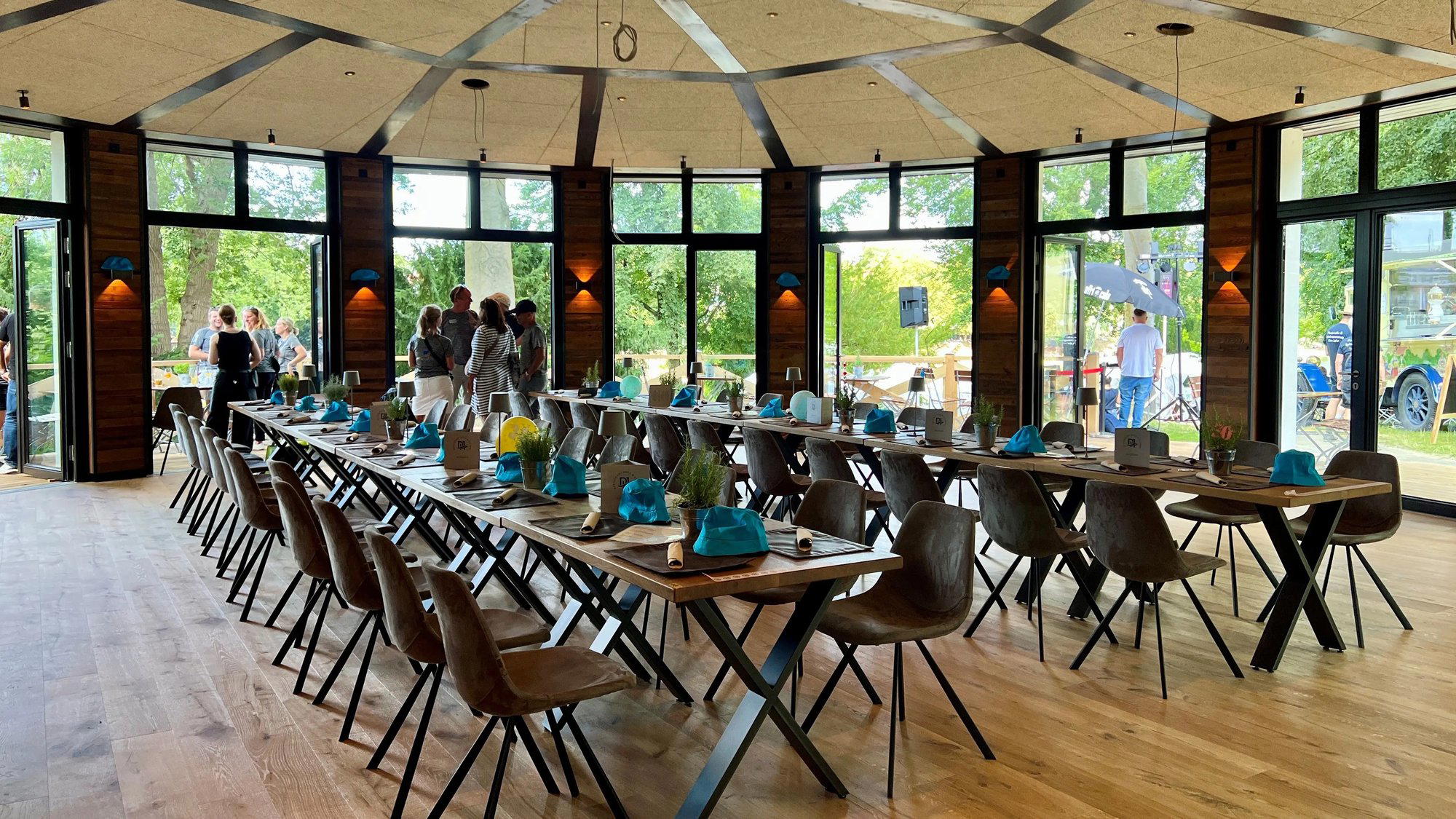
Restaurants in Neu-Ulm
Browse all →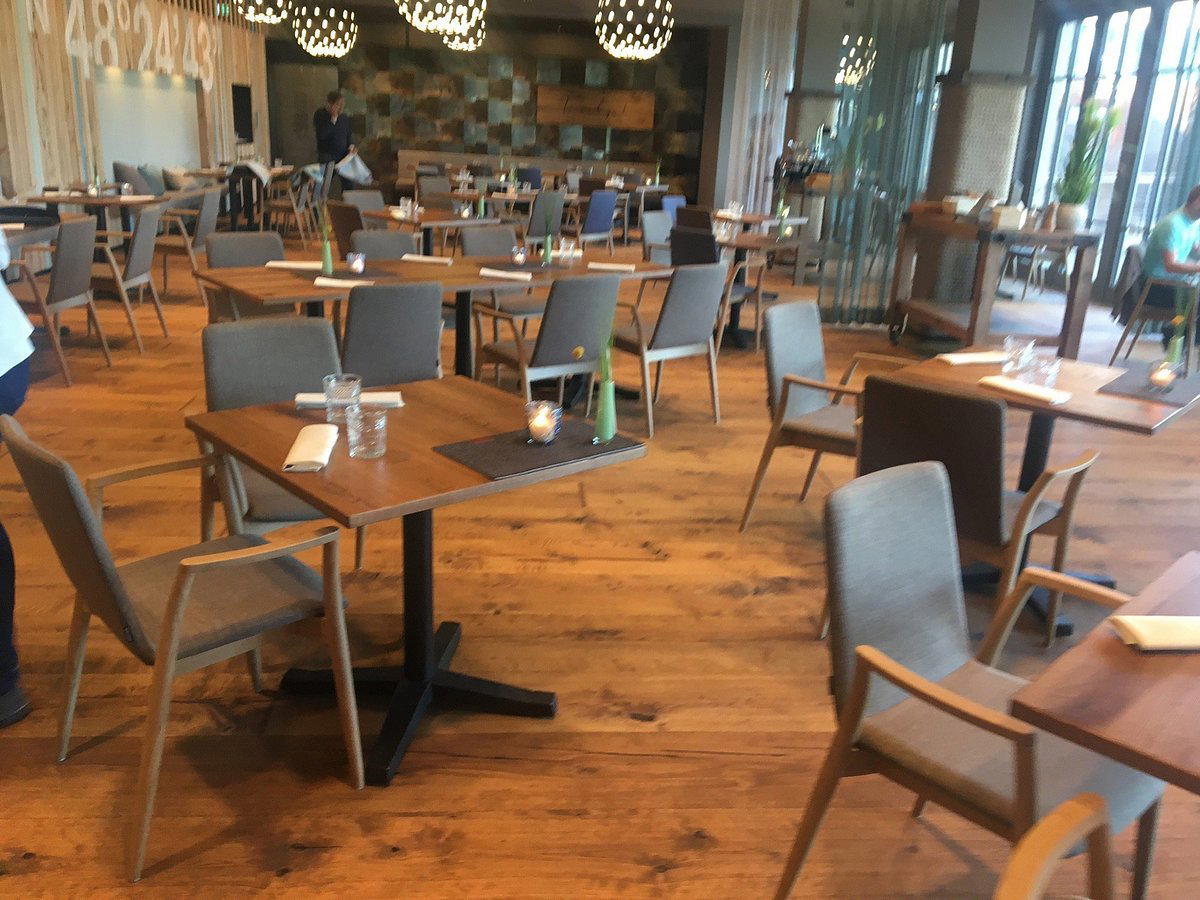
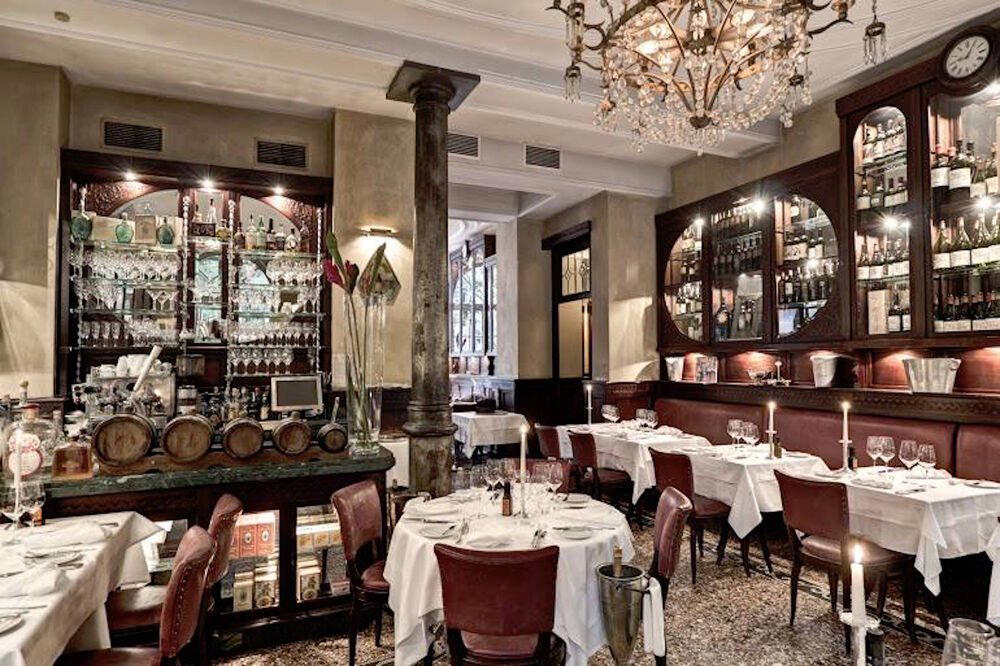
Wineries in Neu-Ulm
Browse all →
At a Glance
- Modern
- Quiet
- Sophisticated
- Scenic
- Business Trip
- Weekend Escape
- Family Vacation
- Group Retreat
- Waterfront
- Garden
- Terrace
- Panoramic View
- Wi Fi
- Fitness Center
- Business Center
- Meeting Rooms
- Parking
- Bar
- Air Conditioning
- Pet Friendly
- Waterfront
- Skyline
- Garden
- Wi Fi
- Fitness Center
- Business Center
- Meeting Rooms
- Parking
- Bar
- Air Conditioning
- Pet Friendly
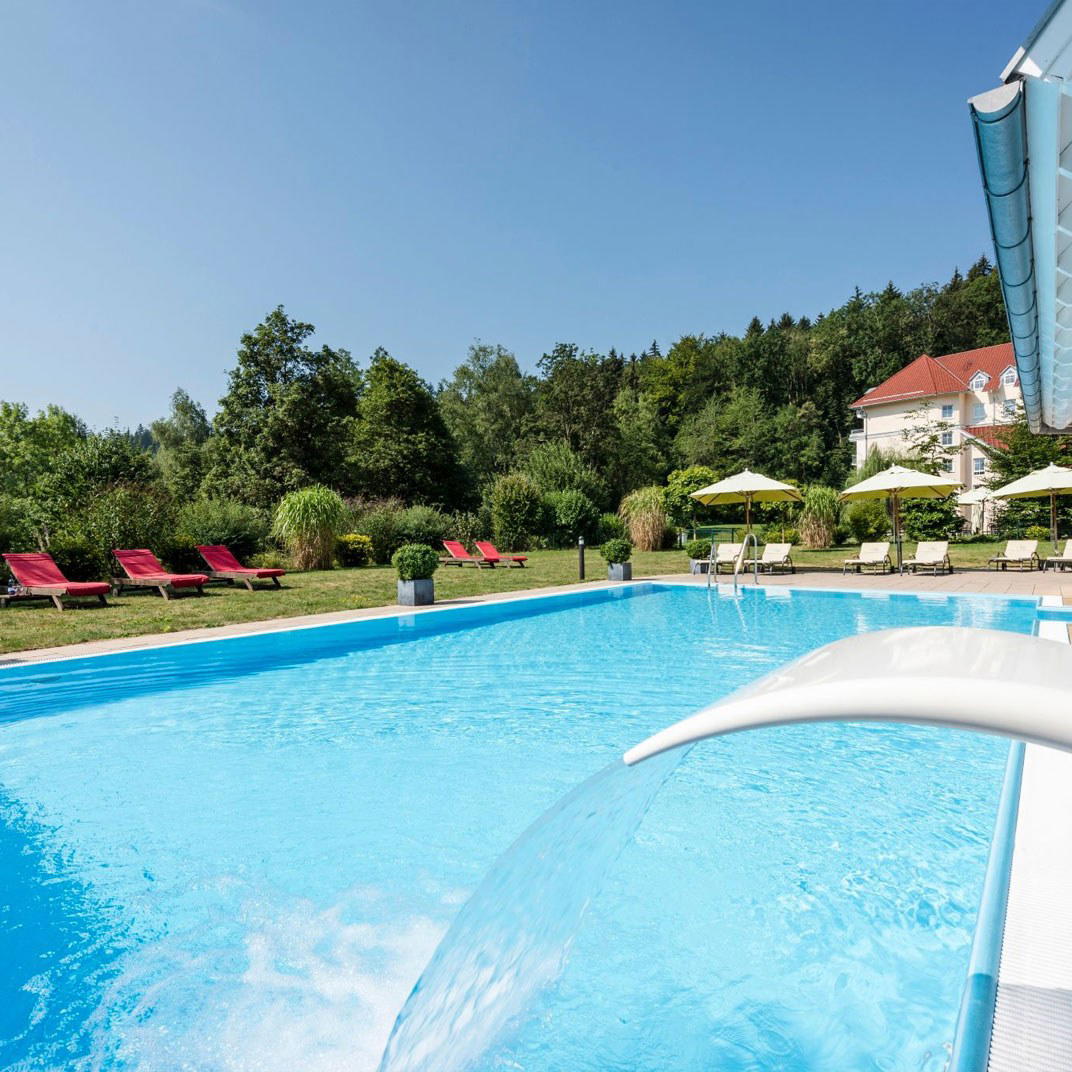
Stylish and modern, with a quiet riverside setting, panoramic Danube and old-town views, and a polished business-hotel feel that also suits leisure stays.