Hikari Japanese Roots

Michelin Plate
Our verdict
A nine-seat omakase counter in central Las Palmas de Gran Canaria, Hikari Japanese Roots holds a 2025 Michelin Plate. Chef David Rivero runs a single surprise menu, explained to all guests simultaneously, making punctuality a firm house rule. At the €€€ price point, it sits in a narrow tier of serious Japanese cooking on the island.

Pearl is the En Primeur Club membership app — saves, bookings, and concierge access live there. Same editors, same standards.
- Address
- C. Buenos Aires, 16, 35002 Las Palmas de Gran Canaria, Las Palmas, Spain
- Phone
- +34 828 70 89 68
- Hours
- Mon ClosedTue–Fri 8:30–10:30 PMSat–Sun Closed
- Website
- instagram.com
- Directions
- Get directions
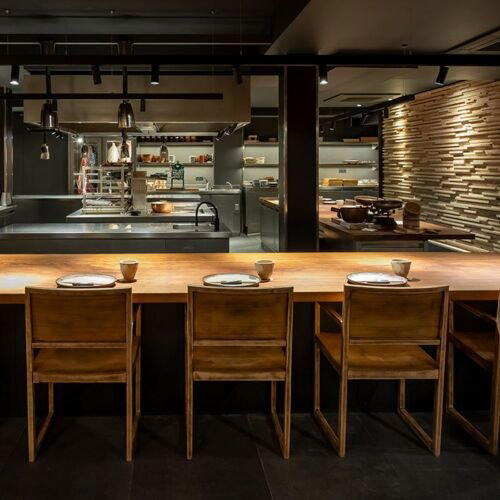
A Counter Format That Changes How Las Palmas Eats Japanese
Omakase in the Canary Islands is not a category that fills pages. The archipelago's dining identity is rooted in Atlantic seafood, Canarian wrinkled potatoes with mojo, and a small but increasingly confident fine-dining scene anchored by Michelin-starred operators like Muxgo and Poemas by Hermanos Padrón. Japanese cuisine — at the counter-format, ingredient-driven end of the spectrum — occupies a much smaller corner.
The address is Calle Buenos Aires 16, in the older residential fabric of Las Palmas, a short walk from San Telmo park. The setting is deliberately compact: nine seats at a dining counter plus a small number of tables. Anyone who has sat at a serious omakase counter in Tokyo, at places like Myojaku or Azabu Kadowaki, will recognise the logic immediately. The counter is not a romantic quirk, it is the operating system. It positions the chef within arm's reach of the guest, turns ingredient preparation into the visible performance, and forces a pace and intimacy that table service structurally cannot replicate.
The Discipline Behind a Single Menu
Across Spain's serious omakase operations, the single-menu format has become a way of asserting that the kitchen's sourcing decisions, not the diner's preferences, define the meal. What distinguishes Hikari's approach is the collective explanation: Chef David Rivero addresses all guests simultaneously before the meal begins, walking through each course in sequence. The format requires punctuality, and the kitchen enforces it. Arriving late is not a minor inconvenience, it disrupts the rhythm for every guest at the counter.
This is worth stating plainly for anyone used to the more forgiving cadence of Spanish dinner culture, where late arrivals are absorbed without comment. At Hikari, the structure is closer to a performance than a service shift. There is a supplement option available for an additional main course, which allows some flexibility within the fixed framework, but the menu itself is a surprise, guests do not receive a printed list in advance.
Ingredients as Argument
Japanese haute cuisine is, at its technical core, an argument about raw materials. Dashi is the most clarifying example: a stock built from kombu and katsuobushi in which the quality of the kelp and the grade of the dried bonito determine everything. There is no sauce work to compensate for inferior sourcing, no reduction to concentrate and correct. The ingredient either carries the dish or it doesn't. The same principle applies to aged fish, to seasonal vegetables timed to their peak, to rice cooked with enough precision that its texture communicates before any flavour registers.
In a city like Las Palmas, where Atlantic fish quality is genuinely high and local produce is shaped by the island's volcanic soil and subtropical climate, a kitchen working within the Japanese ingredient-forward framework has interesting raw material to engage with. The question is always whether the sourcing discipline matches the format's demands, and at Hikari, the Michelin recognition suggests the kitchen is meeting that standard. The Michelin Plate is not a star, but it is a formal signal that inspectors found the cooking technically sound and the overall experience worthy of a detour.
Where Hikari Sits in Las Palmas's Dining Picture
Las Palmas has developed a credible fine-dining tier over the past decade. At the top of that tier, Muxgo (one Michelin star, €€€€) and Poemas by Hermanos Padrón (one Michelin star, €€€) both work in the creative-contemporary mode, rooted in Canarian produce and technique-driven cooking. Tabaiba and Deliciosamarta occupy distinct positions in the city's broader restaurant conversation, while El Equilibrista 33 sits at the €€ level with a creative approach. Hikari operates at €€€, the same price tier as Poemas, but in a completely different culinary register. It is not competing with Canarian fine dining; it is offering something the local market otherwise does not have at this level of seriousness.
That positioning matters for how to read the booking reality. Success here is measured not against the city's full restaurant count but against a small set of peers operating in serious Japanese formats. The venue's own guidance recommends booking in advance, and given nine counter seats plus a handful of tables, the arithmetic makes the advice self-evident.
For context on how Hikari's ambition compares within Spain's broader fine-dining conversation, the country's reference points are operators like El Celler de Can Roca in Girona, Arzak in San Sebastián, Azurmendi in Larrabetzu, Cocina Hermanos Torres in Barcelona, DiverXO in Madrid, and Aponiente in El Puerto de Santa María. Hikari is not operating at that scale or recognition tier, but it shares with those kitchens a commitment to a defined format executed with consistency, which is the harder achievement at any level.
Planning Your Visit
The restaurant is on Calle Buenos Aires 16 in central Las Palmas, a few minutes from San Telmo park and accessible from most of the city's accommodation clusters without difficulty. There is no phone number listed publicly; reservations should be made in advance given the limited seat count. Arrive on time, the collective menu explanation is not repeated for late arrivals, and the format depends on the full counter being present at the same moment. The €€€ price range puts the meal at the upper-mid level of Las Palmas dining, roughly in line with the city's Michelin-recognised tables rather than its neighbourhood restaurants. An optional supplement for an additional main course is available if you want to extend the experience.
For a fuller picture of the city's dining options, see our full Las Palmas de Gran Canaria restaurants guide. If you're still planning where to stay or what else to do, our Las Palmas hotels guide, bars guide, wineries guide, and experiences guide cover the rest of the picture.
Frequently asked questions
Can I bring kids to Hikari Japanese Roots?
The format argues against it. A nine-seat counter, a single surprise omakase menu with no substitutions, and a collective start time that requires every guest to be punctual creates a pace and structure that does not accommodate restless or selective eaters. At €€€ in Las Palmas, this is a reservation built around sustained attention to the meal.
What's the vibe at Hikari Japanese Roots?
Focused and counter-led. Chef David Rivero addresses all guests simultaneously as he walks through each course of the surprise menu, which means conversation follows the kitchen's rhythm rather than the other way around. The 2025 Michelin Plate and the nine-seat counter format signal a room that prioritises the food over ambient noise or flexible timing.
Has Hikari Japanese Roots won any awards?
Hikari Japanese Roots has received recognition including: Located just a few minutes’ walk from the San Telmo park, this small Japanese-inspired eatery has a dining counter for just nine guests (the best option in our view) and several tables, where experienced chef David Rivero takes us by the ha….
What should I order at Hikari Japanese Roots?
There is one menu: Chef David Rivero's surprise omakase, which he explains course by course to the full counter. Book the nine counter seats over the tables — the format is designed around that proximity. If available, the supplementary main course option is worth considering, as it extends a menu the Michelin Guide recognised with a Plate in 2025.
Just the Basics
A quick peer list to put this venue’s basics in context.
| Venue | Cuisine | Price | Awards | Notes |
|---|---|---|---|---|
| Hikari Japanese RootsThis venue — the venue you are viewing | Modern Japanese Omakase | Not listed | Michelin Plate | Not listed |
| Muxgo | Contemporary Canarian Haute Cuisine | $150–200 | 1 Michelin Star · Guía Repsol 1 Sol | Creative |
| Poemas by Hermanos Padrón | Modern Mediterranean Fine Dining | $100–150 | 1 Michelin Star · Guía Repsol 2 Soles | Creative |
| El Equilibrista 33 | Modern Canarian | $30–50 | Michelin Bib Gourmand · Guía Repsol 1 Sol | Creative |
| El Santo | Modern Canarian-Mexican Fusion | $50–100 | Michelin Plate | Modern Cuisine |
| Nákar | Modern Basque-Navarra | $50–100 | Michelin Plate | Contemporary |
Recognition history
Dated appearances from independent guides and award organizations, with the underlying list record or original source where available.
Michelin Plate
Michelin
Full recognition history (2 entries)
Michelin Plate
Michelin
Continue exploring
More in Las Palmas de Gran Canaria
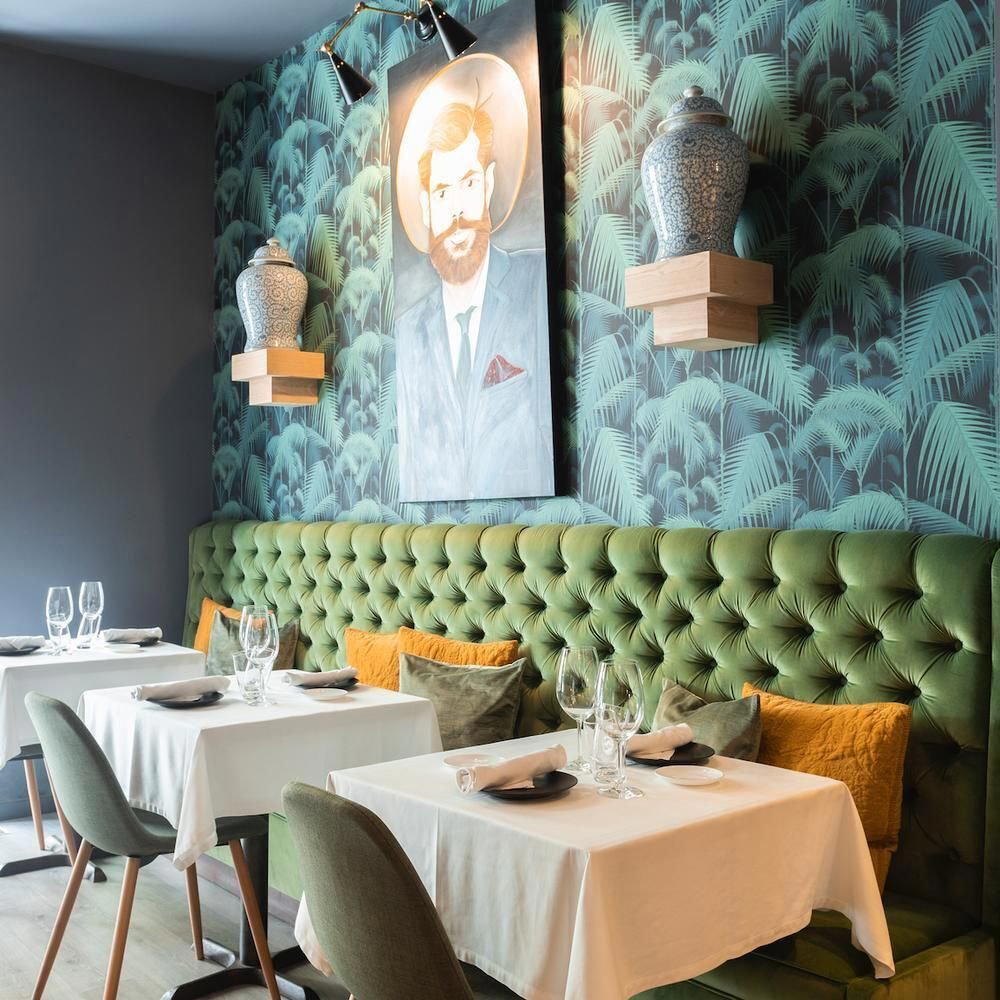
Restaurants in Las Palmas de Gran Canaria
Browse all →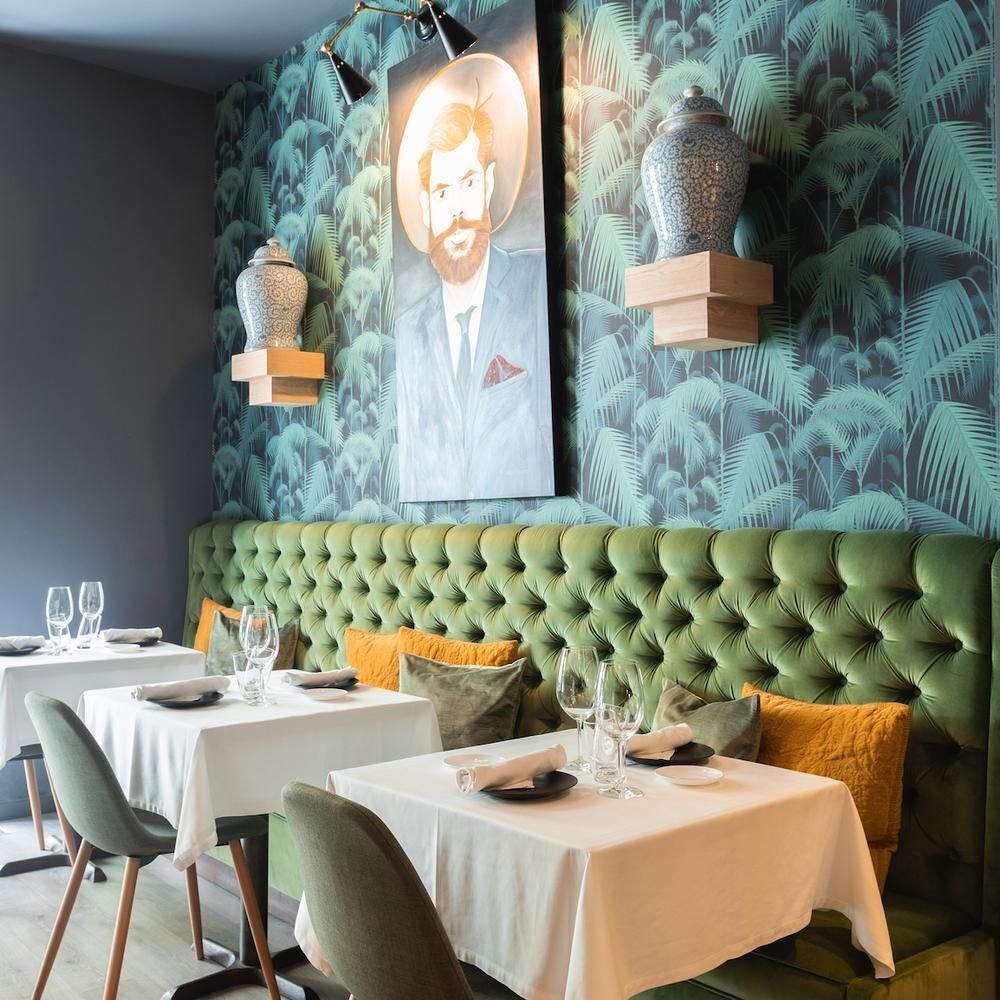
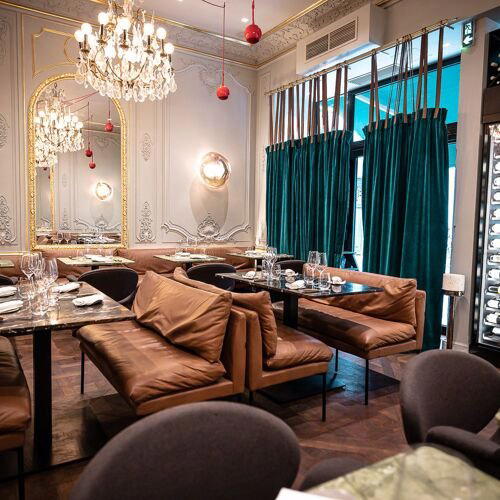
Bars in Las Palmas de Gran Canaria
Browse all →
Details
- Intimate
- Cozy
- Modern
- Elegant
- Date Night
- Special Occasion
- Chefs Counter
- Open Kitchen
- Sake Program
- Omakase
- Counter Dining
- Vegetarian Friendly
Current opening hours
- Monday
- Closed
- Tuesday
- 8:30–10:30 PM
- Wednesday
- 8:30–10:30 PM
- Thursday
- 8:30–10:30 PM
- Friday
- 8:30–10:30 PM
- Saturday
- Closed
- Sunday
- Closed
Hours can change for holidays and private events. Last verified .
Warm and inviting with a cozy dining area and interactive sushi bar.