
A former cave in Matera's Sassi district, converted into a Michelin-starred dining room, Vitantonio Lombardo sits at the summit of the city's creative restaurant tier. The kitchen draws from Lucanian tradition, reinterpreting regional recipes and ingredients with contemporary technique..
Pearl is the En Primeur Club membership app — saves, bookings, and concierge access live there. Same editors, same standards.
- Address
- Via Madonna delle Virtù, 13, 75100 Matera MT, Italy
- Phone
- +39 0835 335475
- Website
- vlristorante.it
- Directions
- Get directions
 Saves & bookings on Pearl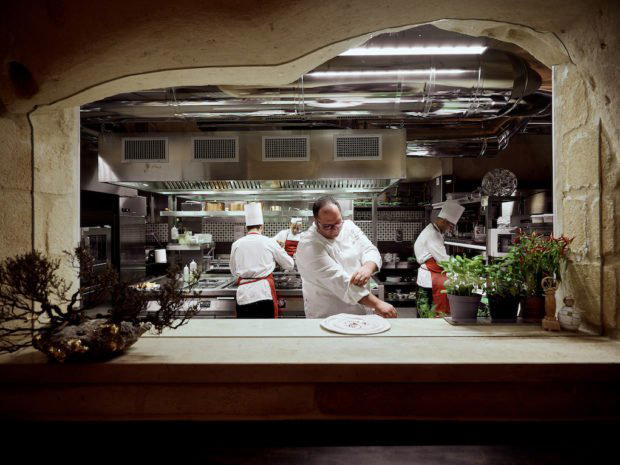
Dining Inside the Stone: Matera's Sassi as a Setting for Serious Food
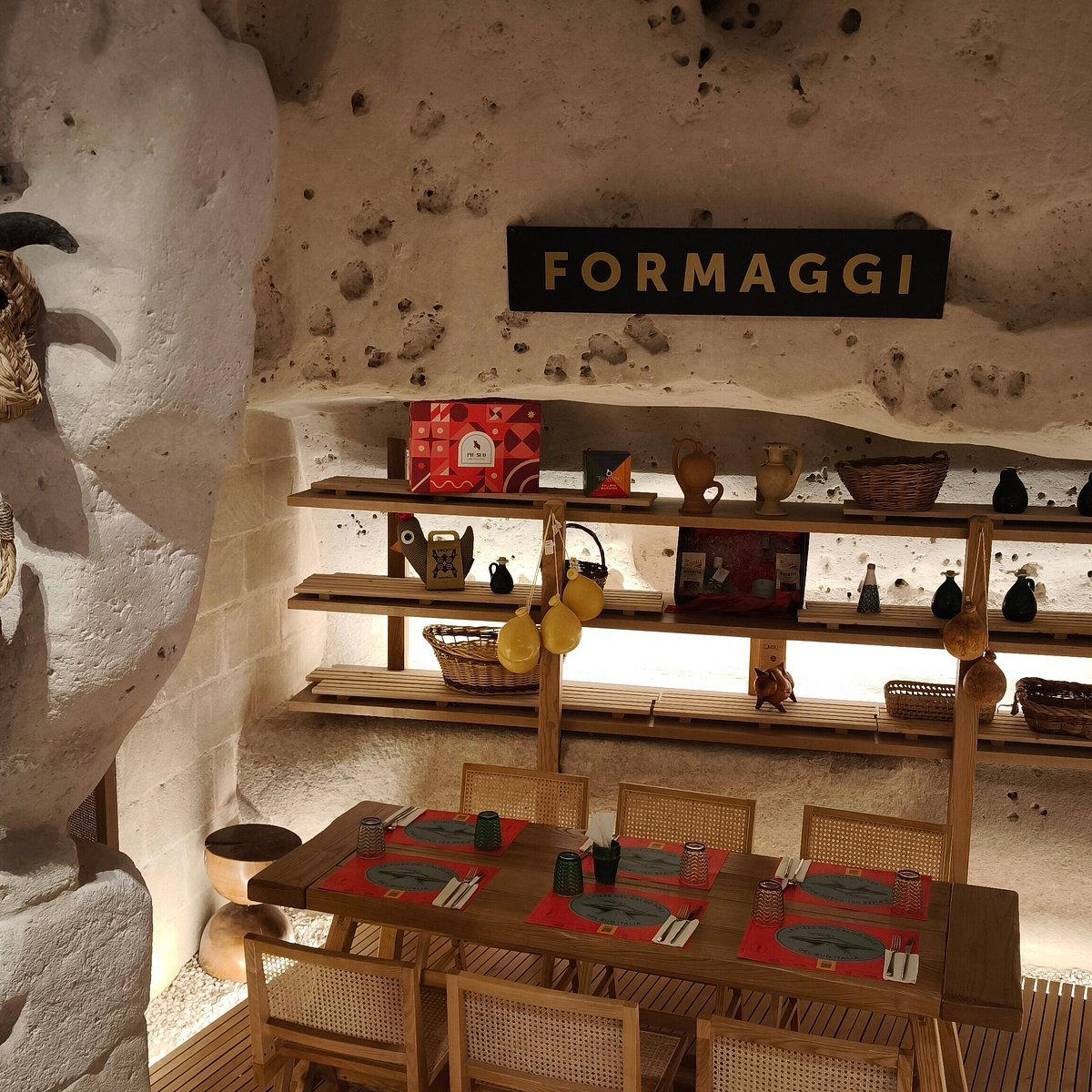
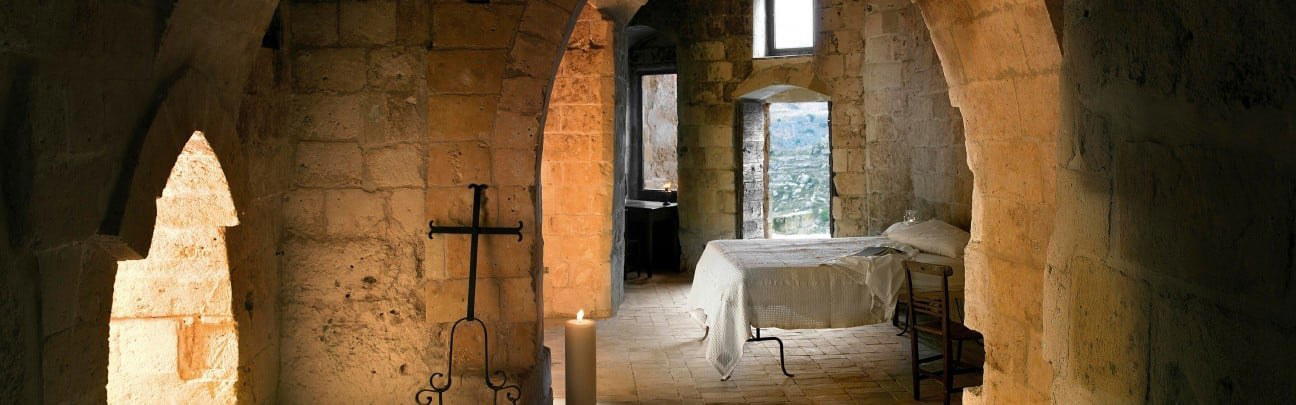
The Sassi di Matera are, architecturally, among the more disorienting places to eat in Italy. What reads from the street as a cave opening becomes, once inside, a structured dining room carved from tufa limestone, the same material that sheltered Neolithic inhabitants thousands of years ago. Vitantonio Lombardo is a one-Michelin-star restaurant on Via Madonna delle Virtù in Matera, serving Modern Italian Fine Dining inside a converted cave. It frames the entire proposition: a kitchen working with ancient Lucanian ingredients inside a space that predates the region's cuisine itself.
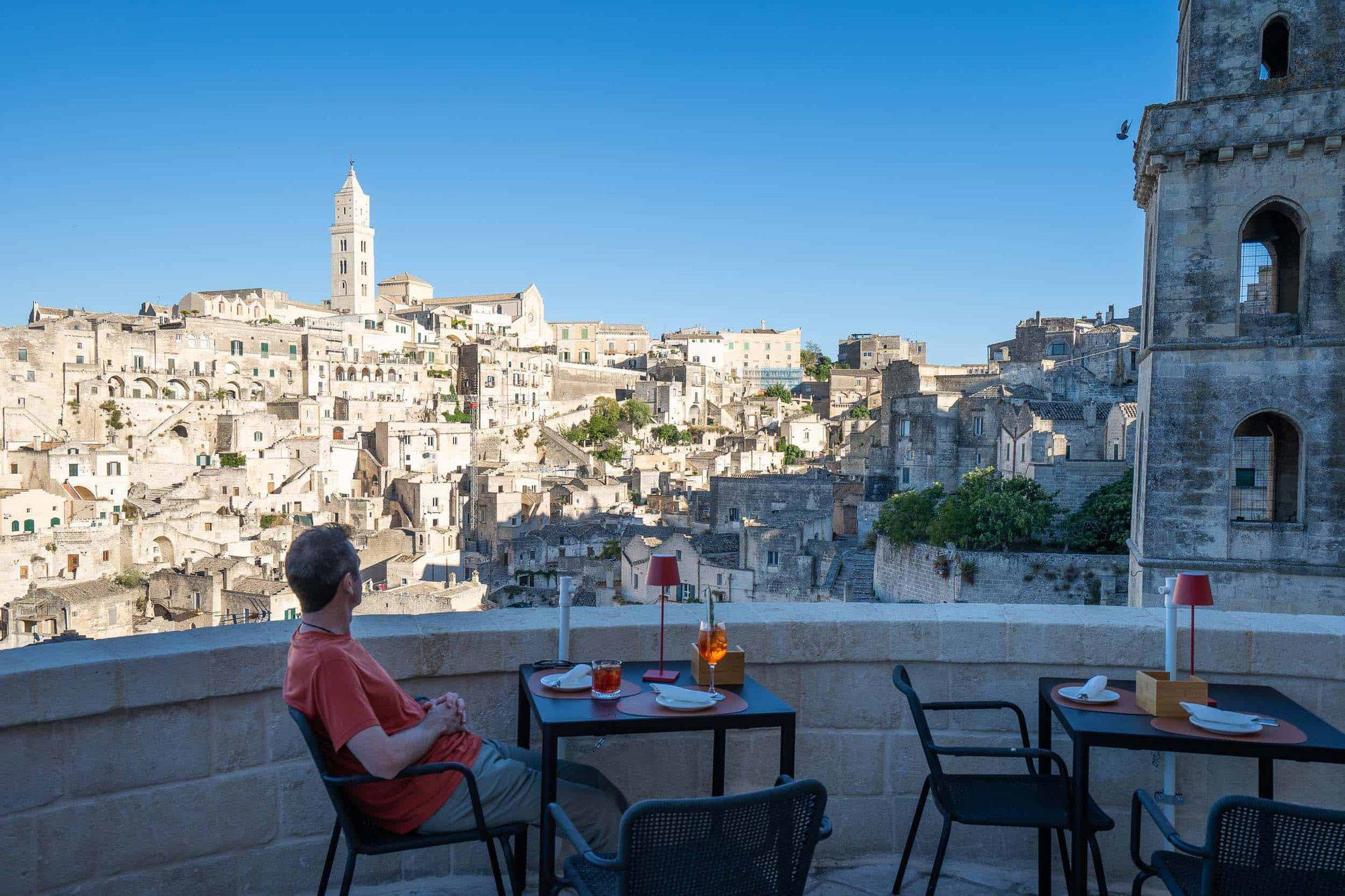
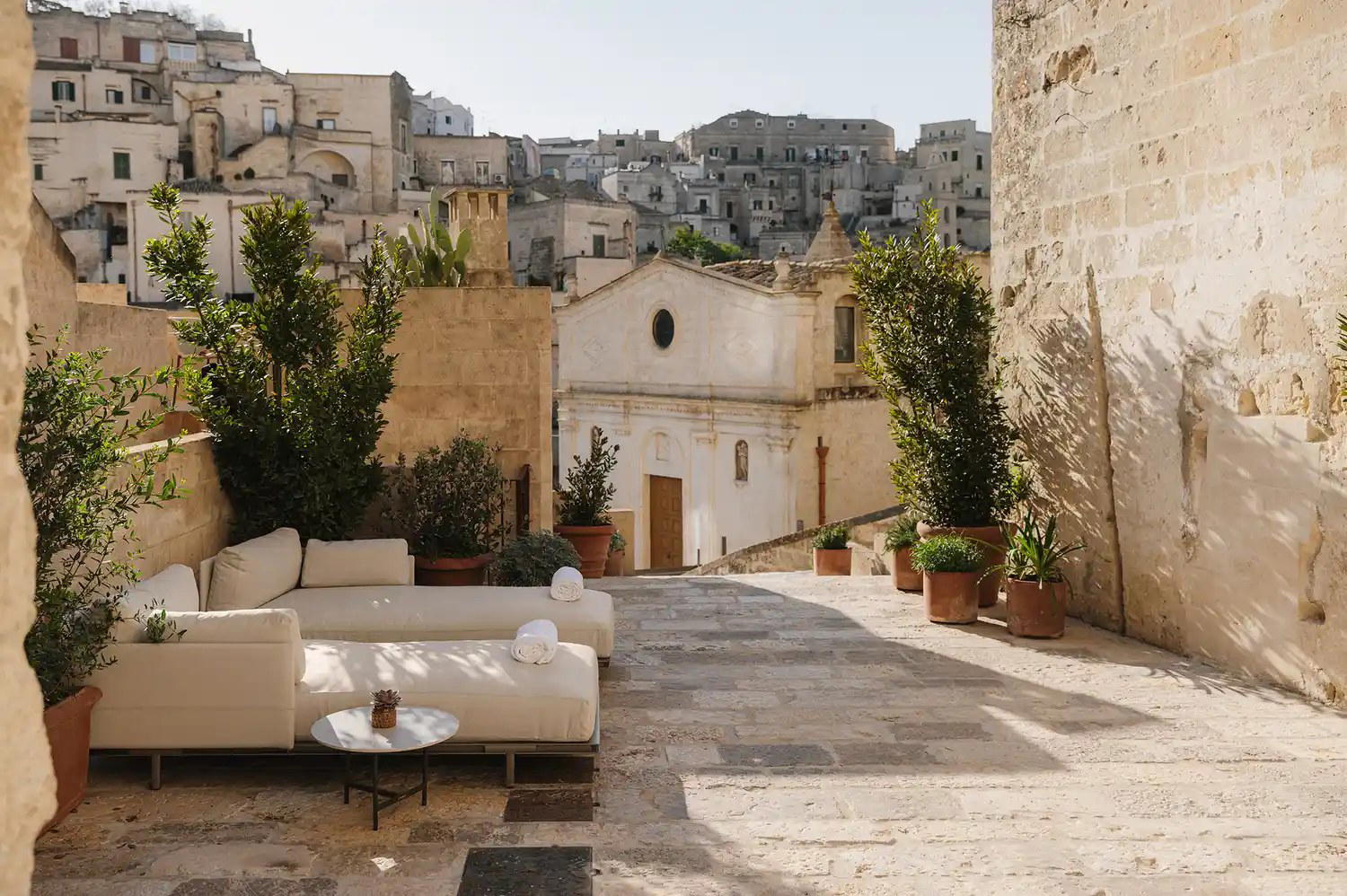
After dark, the effect intensifies. From the belvedere at Piazza Duomo, the Sassi glow amber against the hillside, soft light catching the tufa's natural grain.
Where It Sits in Matera's Restaurant Tier
At one end, restaurants like Baccanti and DA MÓ operate at the €€ tier with modern and regional formats. Dimora Ulmo moves a tier higher with its Basilicata-rooted menu. Vitantonio Lombardo, priced at €€€€, operates at the ceiling of that local market, and its 2024 Michelin Star positions it in a competitive set that extends well beyond the city.
For comparison within Italy's decorated creative tier, the reference group includes places like Osteria Francescana in Modena, Enrico Bartolini in Milan, and Enoteca Pinchiorri in Florence, though Vitantonio Lombardo operates at a single-star level with an explicitly regional identity that separates its brief from multi-star urban institutions. Closer in spirit, to Quattro Passi in Marina del Cantone or Atelier Moessmer Norbert Niederkofler in Brunico in its commitment to a specific, bounded geography.
The Menu's Architecture: Lucanian Tradition, Contemporary Interpretation
One revealing thing about how this kitchen thinks is the relationship between source material and technique. The menu draws from Lucania, the historical name for the Basilicata region, and its ingredients and recipes carry genuine regional specificity. What distinguishes the approach is that this rootedness is treated as a starting point rather than a constraint. Familiar Lucanian preparations are taken apart and rebuilt with contemporary technique, and the result is a menu that functions on two registers simultaneously: as a record of regional cuisine for visitors encountering it for the first time, and as a reinterpretation of that cuisine for diners who already know the source material.
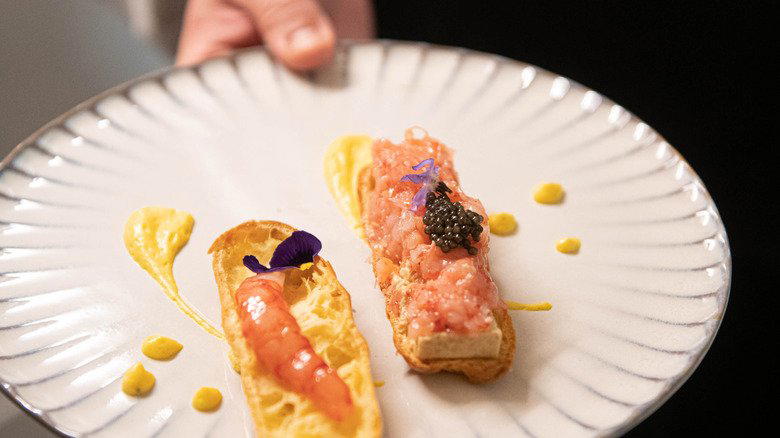
This dual-audience architecture explains several things about the menu's structure. Dishes carry the names and identities of traditional preparations but arrive in forms that diverge significantly from the original. The corteccia di crapiata, for instance, is a local green soup by origin; on the plate, it appears as a crispy element in a tuna tartare alongside smoked olive oil and a red onion ice-cream. The familiar is made strange, which is a legitimate editorial statement about a cuisine that southern Italy's restaurant culture has historically underserved at the creative tier.
The calamarro, squid stuffed with lamb entrails, sits at the more confrontational end of the menu. This is a preparation that makes few concessions to international palates and signals clearly that the kitchen is not simply producing polished versions of southern Italian classics for tourist consumption. The protein pairing is regional in logic: lamb is a staple Lucanian meat, and its offal appears here in a form that is disciplined and precise without being decorative. Similarly, the Monte Crusko dessert, built around the crusco pepper that is among Basilicata's most distinctive products, demonstrates how the kitchen closes a menu architecturally: the final course references the region's most recognisable ingredient and delivers it through a form (ice-cream, elegance, restraint) that places the whole meal in context.
Long-running dishes in tasting-menu formats are generally either signature statements or calculations about what the restaurant's regulars return for. Here, given that many covers come from visitors to Matera who are unlikely to return multiple times in a season, the retained dishes function more as anchors of identity than as crowd-pleasers for regular diners.
Front of House and the Mechanics of the Room
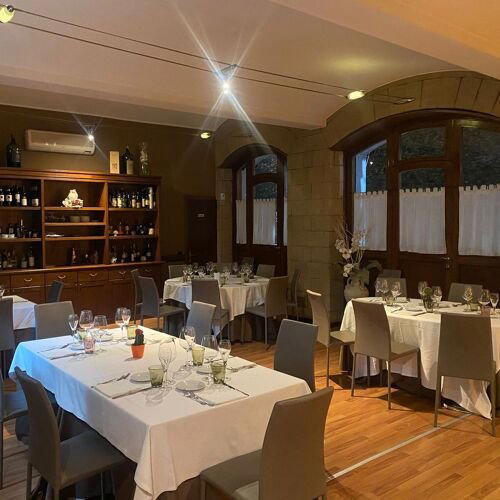
Service in rooms of this type, intimate, stone-walled, acoustically particular, tends toward either excessive formality or studied informality, and the balance is consequential. The front-of-house operation at the restaurant is anchored by Donato, a long-standing colleague whose presence has been consistent enough to merit specific mention in the restaurant's received recognition. In creative restaurants at this price point, continuity in front-of-house leadership is not a minor detail: it is the mechanism through which the narrative of a complex, regionally specific menu gets communicated to a room where many diners are encountering Lucanian cuisine for the first time.7 across 569 reviews suggests the service register lands well across a heterogeneous audience.
Planning the Visit: Hours, Context, and Practical Notes
The restaurant is open for both lunch and dinner on Monday, Thursday, Friday, Saturday, and Sunday. Wednesday is dinner-only (7 PM to 10 PM), and Tuesday is closed. Lunch service runs 12:30 PM to 2 PM; dinner from 7 PM to 10 PM. The compressed service windows are characteristic of serious creative kitchens operating at this tier, and they suggest that walk-ins are an unlikely proposition.
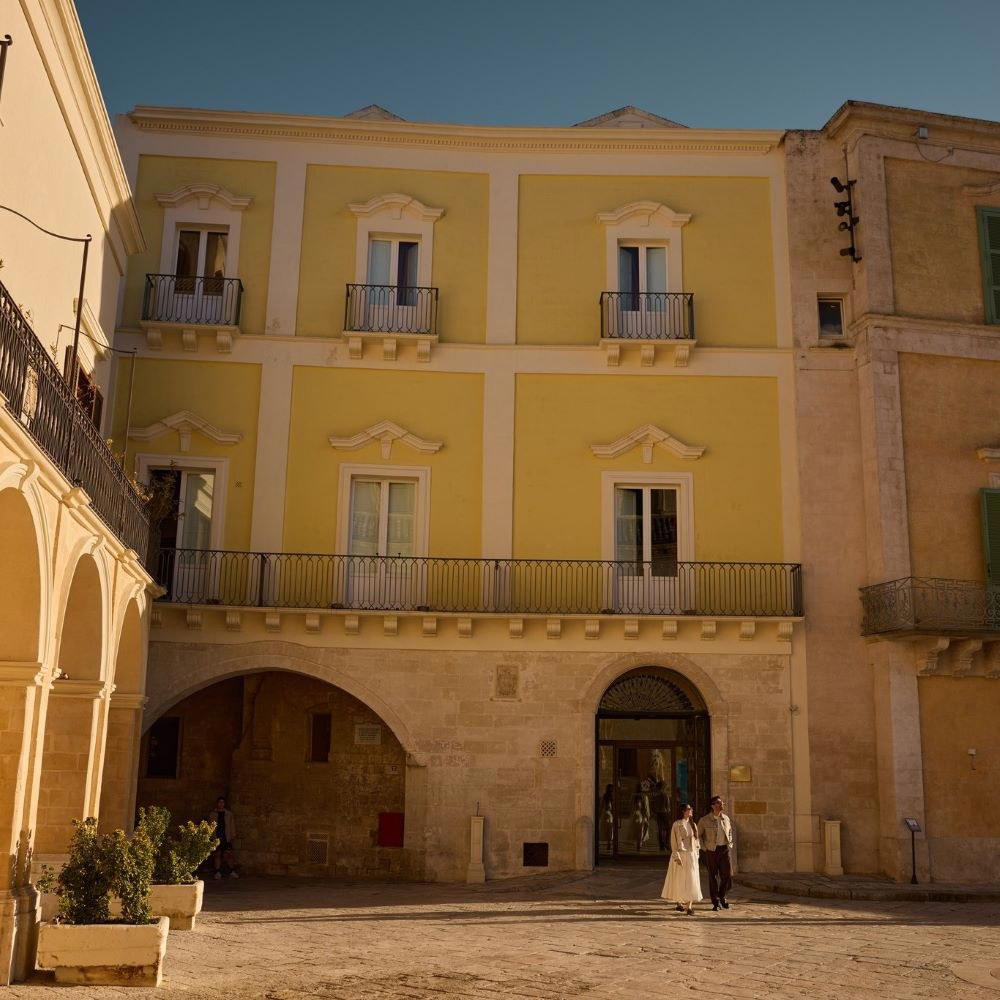
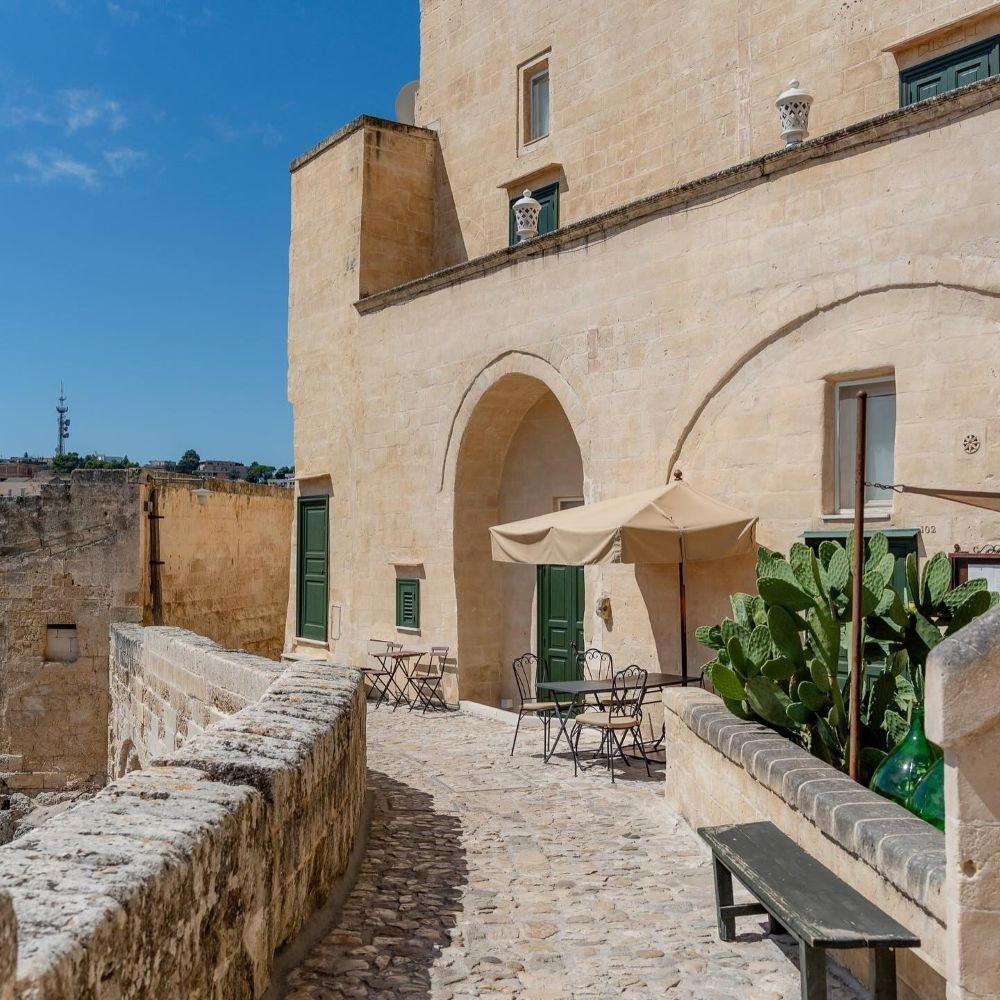
The address, Via Madonna delle Virtù 13, places the restaurant within the Sassi district itself, which means approach on foot through the historic lanes is both necessary and, in the evening, atmospheric in a way that few Italian restaurant approaches can match.
For those building a broader southern Italy creative-dining itinerary, the restaurant sits naturally alongside regional-identity kitchens like Dal Pescatore in Runate. And for readers tracking how regional rootedness plays out in creative formats internationally, the comparison extends to venues like Alléno Paris au Pavillon Ledoyen and JAN in Munich, where the tension between technical ambition and local specificity is negotiated differently but with comparable seriousness.
Peers You’d Cross-Shop
Comparable venues nearby, for context on price, style, and recognition.
| Venue | Cuisine | Price | Notes |
|---|---|---|---|
| Vitantonio LombardoThis venue — the venue you are viewing | Modern Italian Fine Dining | $$$$ | Not listed |
| DA MÓ | Modern Regional Basilicata | $$$ | Sassi |
| Baccanti | Modern Lucanian Italian | $$$ | Sassi di Matera |
| Vetera Matera | Modern Italian Fine Dining | $$$$ | Sassi di Matera |
| ARTEMA | Contemporary Mediterranean Fine Dining | $$$$ | Sassi |
| La Lopa | Traditional Lucanian Cuisine | $$ | Sassi di Matera |
Recognition history
Dated appearances from independent guides and award organizations, with the underlying list record or original source where available.
Michelin 1 Star
Michelin
Michelin 1 Star
Michelin
Michelin 1 Star
Michelin
At a Glance
- Rustic
- Elegant
- Intimate
- Scenic
- Cozy
- Date Night
- Special Occasion
- Celebration
- Historic Building
- Extensive Wine List
- Local Sourcing
- Street Scene
Current opening hours
- Monday
- 12:30–2 PM, 7–10 PM
- Tuesday
- Closed
- Wednesday
- 7–10 PM
- Thursday
- 12:30–2 PM, 7–10 PM
- Friday
- 12:30–2 PM, 7–10 PM
- Saturday
- 12:30–2 PM, 7–10 PM
- Sunday
- 12:30–2 PM, 7–10 PM
Hours can change for holidays and private events. Last verified .
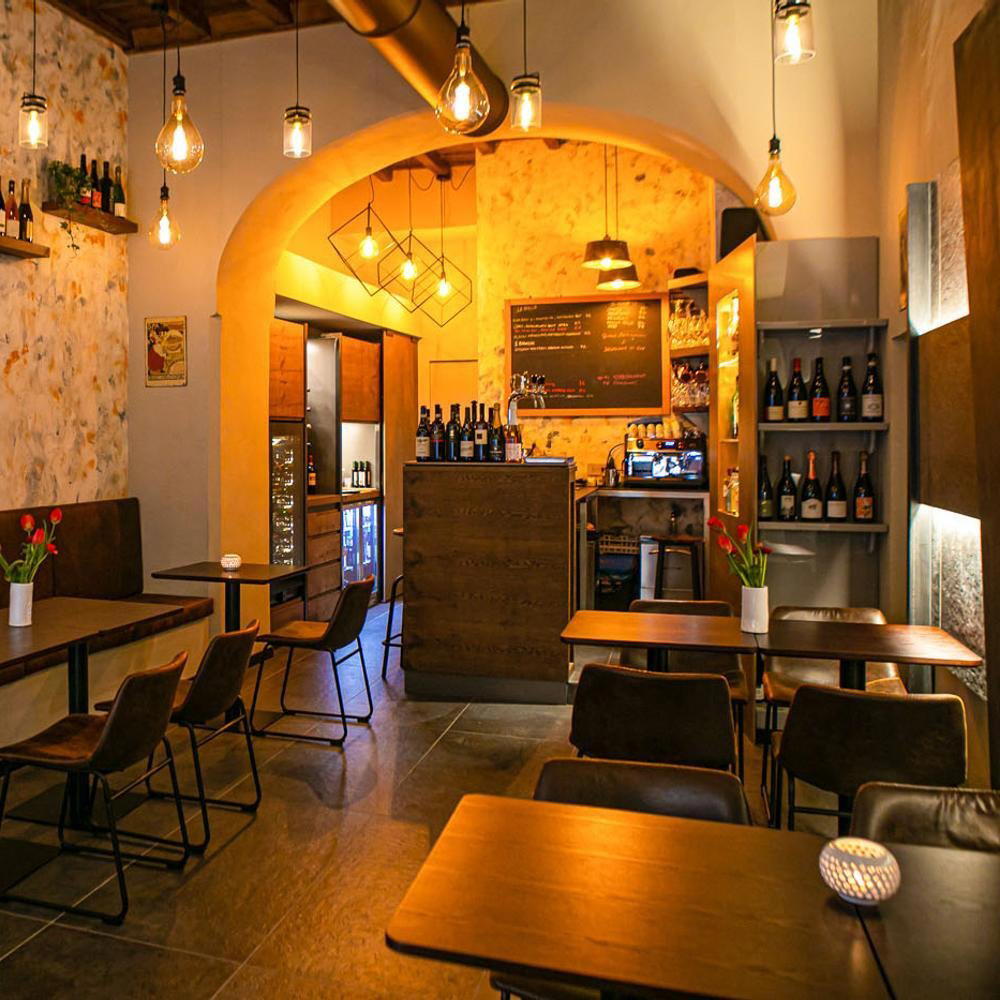
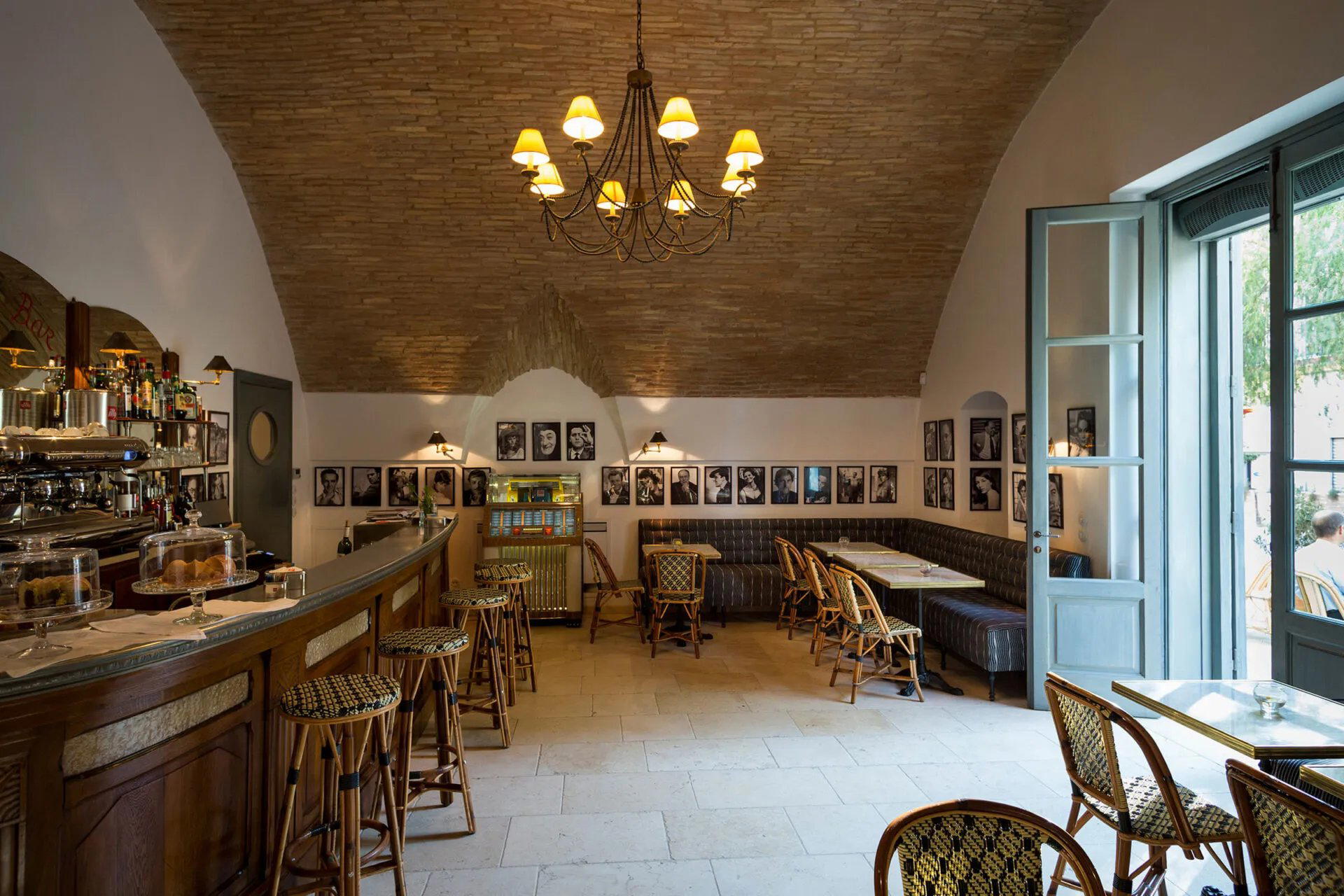
Natural cave setting with soft lighting, elegant minimalist design preserving the stone's charm, creating an intimate and timeless atmosphere.