Mack & Schuhle Italia

Falstaff Winery - Listed
Mack & Schuhle Italia belongs to the technology-led side of Italian wine, with production rooted in Santeramo in Colle and facilities extending into Friuli Venezia Giulia. The interest here is less rustic cellar romance than scale, bottling precision, sparkling-wine capability and a visible push into no- and low-alcohol production.

Pearl is the En Primeur Club membership app — saves, bookings, and concierge access live there. Same editors, same standards.
- Address
- Santeramo in Colle, Bari, Italien
- Directions
- Get directions

Approach this corner of Italian wine through stainless steel, production lines and controlled process rather than cypress-lined estate theatre. In Santeramo in Colle, the agricultural identity of Puglia meets a more industrial reading of wine: bottling discipline, multi-region sourcing and technical adaptation carry as much weight as vineyard imagery. Mack & Schuhle Italia sits in that category, a modern producer founded in 2008 with Italian facilities in Puglia and Friuli Venezia Giulia, and a public identity built around Made in Italy wine for international distribution.
That makes it useful for understanding a less romantic but increasingly influential part of the Italian wine economy. Puglia has long supplied volume and warmth to Italian wine, while Friuli Venezia Giulia carries a different association with cooler-climate precision and white-wine craft. A company operating across both regions is not telling a single-vineyard story. It is working with a broader national production map, where regional character is shaped into export-ready formats through technology, logistics and consistency.
Industrial Puglia, multi-region Italy
The most telling detail is the production model. Mack & Schuhle Italia is involved in wine production, bottling and international distribution, with facilities in Puglia and Friuli Venezia Giulia. That footprint places it outside the small estate template that dominates much of premium wine travel writing. Here, terroir is not framed through one slope, one family plot or one cellar door. It is filtered through a system designed to translate Italian raw material into still red, still white and sparkling formats at scale.
The varietal range points to that breadth: Merlot, Cabernet, Shiraz, Nero d’Avola, Primitivo, Pinot Grigio, Sauvignon Blanc and Chardonnay. Read together, they cover warm southern reds, international varieties and white-wine styles associated with broader northern Italian production. The editorial interest lies in how Italian wine now moves between regional identity and global category language. Primitivo and Nero d’Avola speak to southern Italian ripeness and commercial familiarity; Pinot Grigio, Sauvignon Blanc and Chardonnay operate in a different market grammar, where clarity, recognisable labels and repeatable house style matter.
Company’s public positioning uses sustainability language, but the harder evidence is operational: a large production scale, modern facilities and a stated production philosophy oriented toward sustainability. For travellers expecting vineyard rows and hand-sold tasting flights, this is the wrong mental model. For readers interested in how contemporary Italian wine is bottled, stabilised, moved and adapted for changing drinking habits, the setting is more revealing.
No- and low-alcohol wine as a production signal
€16 million investment in the Laterza facility is the strongest sign of where this producer wants to compete. The upgrade includes a renewed bottling line with AI-enabled predictive maintenance, plus facilities for sparkling wine production and dealcoholized wines. In practical wine terms, that is a major statement. Predictive maintenance is not a romantic phrase, but it matters: bottling-line reliability affects consistency, oxygen management, scheduling and commercial trust. Sparkling wine capacity adds another technical layer. Dealcoholization places the company in one of the fastest-changing parts of the drinks market.
No- and low-alcohol wine has moved from fringe shelf space into a serious production question. The challenge is not simply removing alcohol; it is preserving balance, texture and varietal recognisability after alcohol reduction. A producer investing in dedicated dealcoholization capability is responding to a structural shift in consumption, where younger drinkers, wellness-led buyers and trade accounts increasingly ask for lower-alcohol options that still read as wine rather than grape-flavoured compromise.
This is where the terroir question becomes more complicated. Traditional wine criticism often treats place as something that survives through minimal intervention. Industrial no- and low-alcohol production asks a different question: how much regional identity can survive when wine is processed for a new drinking category? Mack & Schuhle Italia is interesting precisely because it brings Puglia, Friuli Venezia Giulia, bottling technology, sparkling capability and alcohol reduction into the same conversation.
A production-led visit, not a cellar-door fantasy
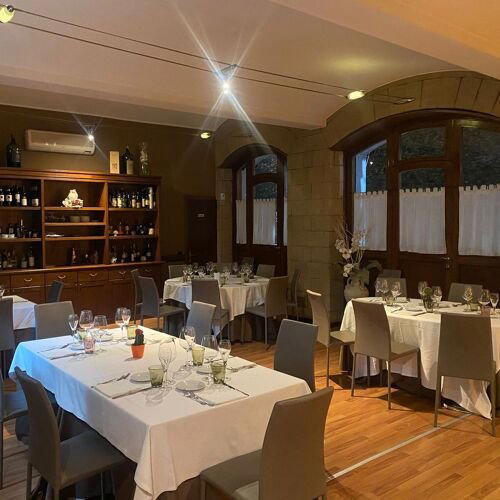
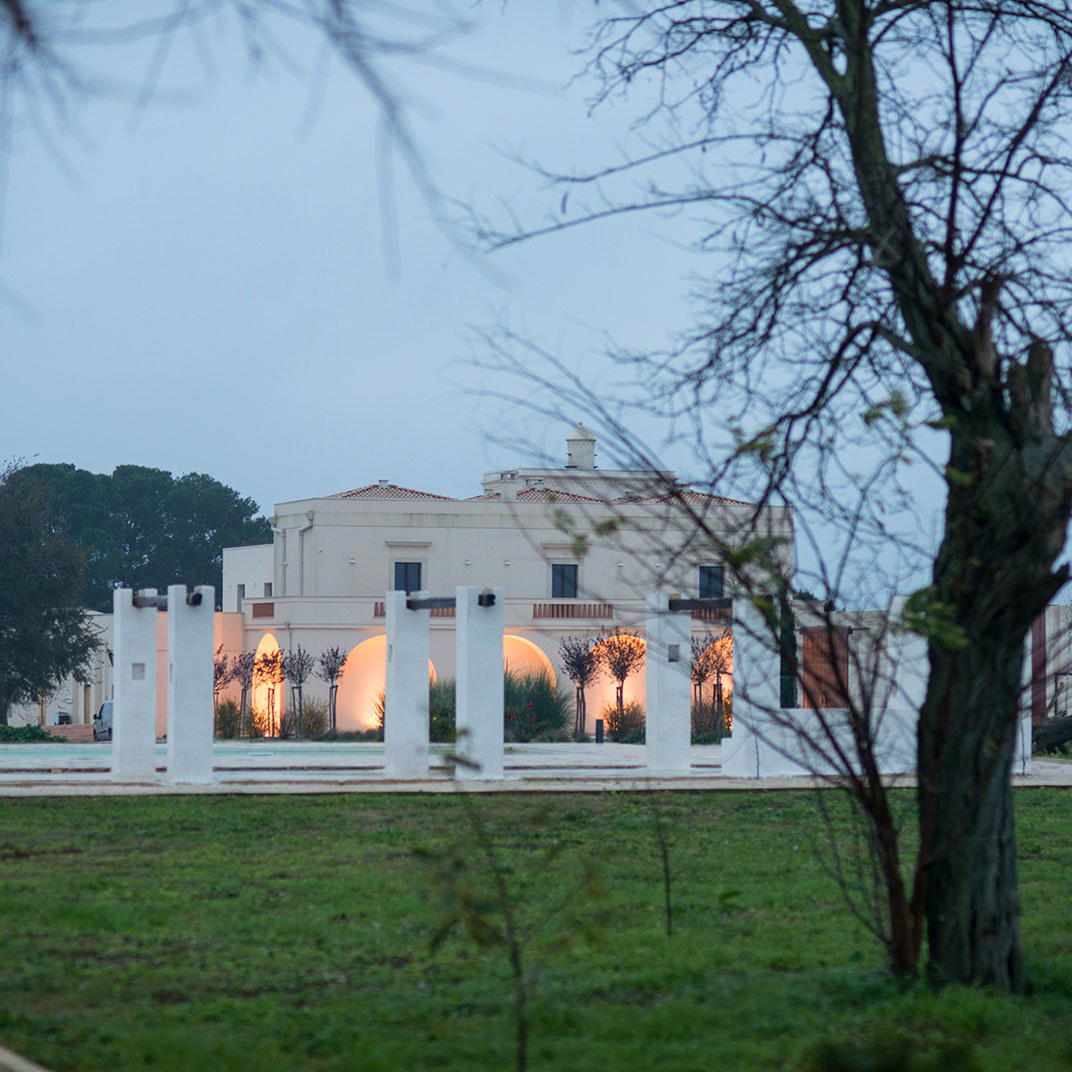
The atmosphere is described as modern, industrial and quiet, with an emphasis on technology, sustainability and innovation rather than rustic hospitality. On-site parking and a headquarters setting in Santeramo in Colle underline the production-first character. This is better understood as a winery facility suited to wine education or corporate-format visits than as a casual countryside tasting stop.
There is no need to force it into the language of boutique wine tourism. The stronger reading is more specific: it shows how a large Italian producer presents regional wine through infrastructure. Its relevance comes from scale, a multi-region footprint, a broad varietal base and investment in sparkling and dealcoholized production. That combination makes the visit intellectually useful for travellers who already know the romantic version of Italian wine and want to see the machinery behind the contemporary market.
For a local contrast within Santeramo in Colle, Tenuta Viglione 1937 offers another lens on the area’s wine identity. Readers mapping the wider city can continue through our full Santeramo In Colle wineries guide, with dining, hotels, bars and activities covered separately in our full Santeramo In Colle restaurants guide, our full Santeramo In Colle hotels guide, our full Santeramo In Colle bars guide and our full Santeramo In Colle experiences guide. For a broader view of production-led wineries across Europe, see 3GP SRL in Treviso, 47 Anno Domini in Trebaseleghe, A Mano Wine in Noci, a6mani in Fragagnano, Abbadia Ardenga in Torrenieri, Abbazia di Crapolla in Neapel, Abbazia Monte Oliveto in Asciano, »der Steiner« Hans Steiner in Podersdorf am See and & Handwein in Mannheim.
Recognition history
Dated appearances from independent guides and award organizations, with the underlying list record or original source where available.
Falstaff Winery - Listed
Falstaff
Continue exploring
More in Santeramo In Colle
Wineries in Santeramo In Colle
Browse all →
Bars in Santeramo In Colle
Browse all →
Restaurants in Santeramo In Colle
Browse all →
Details
- Modern
- Industrial
- Sophisticated
- Wine Education
- Corporate Event
- Sustainable
- Merlot
- Cabernet
- Shiraz
- Nero D’avola
- Primitivo
- Pinot Grigio
- Sauvignon Blanc
- Chardonnay
- Still Red
- Still White
- Sparkling
Industrial-scale but modern wine production environment with a focus on technology, sustainability and innovation rather than a rustic, visitor-focused cellar atmosphere.