
Sakura Terrace The Gallery occupies a quietly considered position in Kyoto Prefecture's accommodation scene, holding MICHELIN Selected status in the 2025 guide. Located in Minami-ku at 39 Higashikujo Kamitonodacho, the property sits within a city where the bar for hospitality is set by centuries of omotenashi tradition, making its recognition a meaningful marker within a dense competitive field.
Pearl is the En Primeur Club membership app — saves, bookings, and concierge access live there. Same editors, same standards.
- Address
- 39 Higashikujo Kamitonodacho, Minami-ku, Kyoto Prefecture, Japan
- Phone
- +81 75-672-0002
 Saves & bookings on Pearl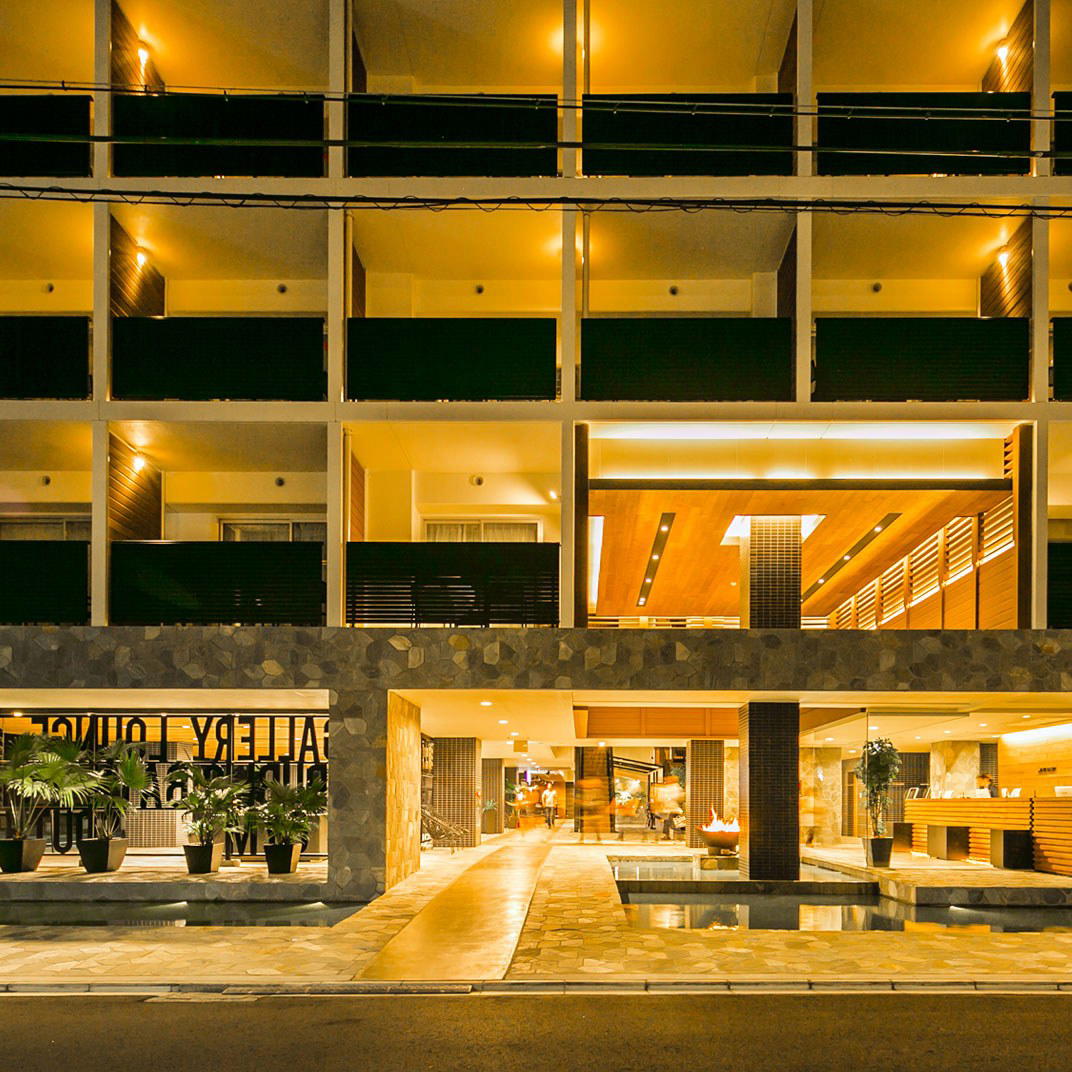
Where Minami-ku Meets Measured Kyoto Hospitality
Kyoto's southern ward, Minami-ku, sits at a remove from the congested tourist circuits of Higashiyama and Gion. The streets around Higashikujo are quieter, more residential, and less photographed than the city's heritage core. It is precisely the kind of address where a property can operate without the performance pressure that comes with proximity to a UNESCO-listed temple gate. Sakura Terrace The Gallery occupies that position: a MICHELIN Selected hotel in the 2025 guide, in a neighbourhood that rewards guests who have already done Kyoto once and now want something less mediated.
The MICHELIN Selected designation, distinct from the star system applied to restaurants, represents the guide's editorial acknowledgment that a property meets a threshold of quality, comfort, and character worth recommending to readers. In a city as saturated with accommodation options as Kyoto, where properties range from global chains to intimate machiya guesthouses, appearing in that listing carries weight as a positioning signal. It places Sakura Terrace The Gallery in a cohort that includes design-conscious independents and smaller properties that compete on atmosphere and attentiveness rather than on amenity scale alone.
The Gallery Identity and What It Signals About the Stay
The name's gallery appendage is not decorative. Properties that frame themselves through an art or cultural lens in Japan increasingly do so as a functional commitment, shaping common spaces and room programming around rotating works or permanent collections. This positions them differently from conventional hotel stays, where art is wallpaper. In Kyoto specifically, the intersection of traditional craft, contemporary design, and hospitality has produced a distinct category of lodging that draws guests seeking cultural density alongside physical comfort. Sakura Terrace The Gallery's identity within that category is a reasonable starting point for any guest assessing whether the property matches their travel mode.
For a point of comparison within Kyoto, properties such as Hotel Kanra Kyoto and GRANBELL HOTEL KYOTO occupy similar mid-tier independent positioning, while the upper register of the city is held by properties like Aman Kyoto and Four Seasons Hotel Kyoto. Sakura Terrace The Gallery's MICHELIN Selected status places it in credible company without the room-rate ceiling of the luxury flagships, making it a practical choice for travellers who prioritise editorial recognition over brand prestige.
Service Architecture in the Kyoto Context
Kyoto hospitality has a particular grammar. The city's ryokan tradition, sustained by properties like Hoshinoya Kyoto and the more intimate Higashiyama Shikikaboku, sets an expectation of coordinated, anticipatory service where front-of-house reads the guest's state rather than waiting to be asked. In properties that hold MICHELIN recognition, that coordination tends to manifest across the full team: the person who handles arrivals, whoever manages the dining or breakfast arrangement, and the staff responsible for recommending how to spend the day all need to operate from shared knowledge of what the guest needs. That team dynamic, where no single interaction stands alone, is the infrastructure behind the kind of seamless experience that earns and sustains guide recognition.
In practice, this matters most during the logistical junctions of a stay: check-in after a long journey from Tokyo or Osaka, breakfast service when guests are planning the day's movement, and any moment that requires local knowledge beyond a standard recommendation. The Minami-ku address means that guests arriving by Shinkansen at Kyoto Station are within reasonable reach, the station sitting just north of the property's ward, making arrival relatively direct compared to properties positioned in the city's eastern hills.
Placing the Property in Japan's Broader Accommodation Map
For travellers building a Japan itinerary around MICHELIN-recognised stays, the hotel represents the Kyoto node in what can be a coherent progression. Elsewhere in the country, the MICHELIN hotel guide covers properties that range from urban design hotels to coastal onsen retreats. Properties like Gora Kadan in Hakone and Zaborin in Kutchan anchor the mountain and northern ends of that map, while Amanemu in Mie and Halekulani Okinawa in Okinawa extend it toward the coast and the subtropical south. Asaba in Izu, Kamenoi Besso in Yufu, and Nishimuraya Honkan in Kinosaki-cho each represent regional ryokan traditions that diverge from the urban hotel format the hotel appears to occupy.
For those extending beyond Japan, the same editorial lens applies at properties like Bvlgari Hotel Tokyo in Tokyo for high-design urban luxury, or internationally at Badrutt's Palace Hotel in St. Moritz and Hôtel de Paris Monte-Carlo in Monte Carlo. The logic of guide-recognised hospitality translates across geographies even when the aesthetic grammar shifts entirely.
Closer to Kyoto, the art-hospitality intersection shows a different face at Benesse House in Naoshima, where the property is inseparable from the island's museum infrastructure. That comparison sharpens what the hotel offers: recognition within a city context rather than a destination-specific art project. The two models serve different itinerary types.
Planning a Stay: What to Know Before Booking
The address at 39 Higashikujo Kamitonodacho, Minami-ku positions the property south of Kyoto Station, which is itself a major transit hub for the San-in, Tokaido, and Kintetsu lines. Guests arriving by Shinkansen from Tokyo or Osaka reach Kyoto Station in approximately two hours and fifteen minutes, or fifteen minutes respectively, with onward access to Minami-ku by taxi or local rail. Phone and website details are not available in current records; booking through a trusted accommodation platform or through Michelin's hotel guide directly is advisable to confirm current availability and rate structure. As with most MICHELIN Selected properties in Japan, availability during cherry blossom season (late March to mid-April) and autumn foliage season (mid-November) compresses sharply, and guests targeting those windows should expect to plan at minimum three months in advance. The rest of the year, particularly the quieter weeks of June and early September, tends to offer more flexibility and often more attentive service given lower occupancy.
For a wider view of where the hotel sits among Kyoto's accommodation options, our full Kyoto Prefecture restaurants and hotels guide maps the city's full hospitality range by neighbourhood and category. Further options in adjacent districts include eph KYOTO and Candeo Hotels Kyoto Karasuma Rokkaku for city-centre independent properties, and HOTEL THE MITSUI KYOTO in Kyoto for a higher-tier urban address.
Where the Accolades Land
Comparable venues nearby, for context on price, style, and recognition.
| Venue | Cuisine | Price | Awards | Notes |
|---|---|---|---|---|
| Sakura Terrace The GalleryThis venue — the venue you are viewing | Contemporary urban retreat blending slow travel philosophy with artistic public spaces | $$ | 3-Star | Not listed |
| Candeo Hotels Kyoto Karasuma Rokkaku | Modern ryokan-inspired heritage hotel | $$ | 3-Star | Nakagyo Ward |
| Node Hotel | Contemporary boutique hotel inspired by a private art collector's residence, blending hospitality with curated contemporary art. | $$$ | 4-Star | Shijo Nishinotoin, Nakagyo-ku |
| The Screen | personalized boutique hotel with artist-designed rooms | $$$ | 4-Star | Nakagyo-ku |
| Moxy Kyoto | Playful lifestyle hotel blending urban fun with Kyoto heritage. | $$ | 3-Star | Nakagyo-ku |
| Kyoto Tokyu Hotel | Modern hotel with traditional Kyoto garden courtyard | $$$ | 4-Star | Shimogyō |
Recognition history
Dated appearances from independent guides and award organizations, with the underlying list record or original source where available.
Michelin Selected
Michelin




At a Glance
- Quiet
- Modern
- Trendy
- Minimalist
- Romantic Getaway
- Business Trip
- Weekend Escape
- Design Destination
- Terrace
- Wi Fi
- Fitness Center
- Public Bath
- Sauna
- Restaurant
- Bar
- Concierge
- Wi Fi
- Fitness Center
- Public Bath
- Sauna
- Restaurant
- Bar
- Concierge
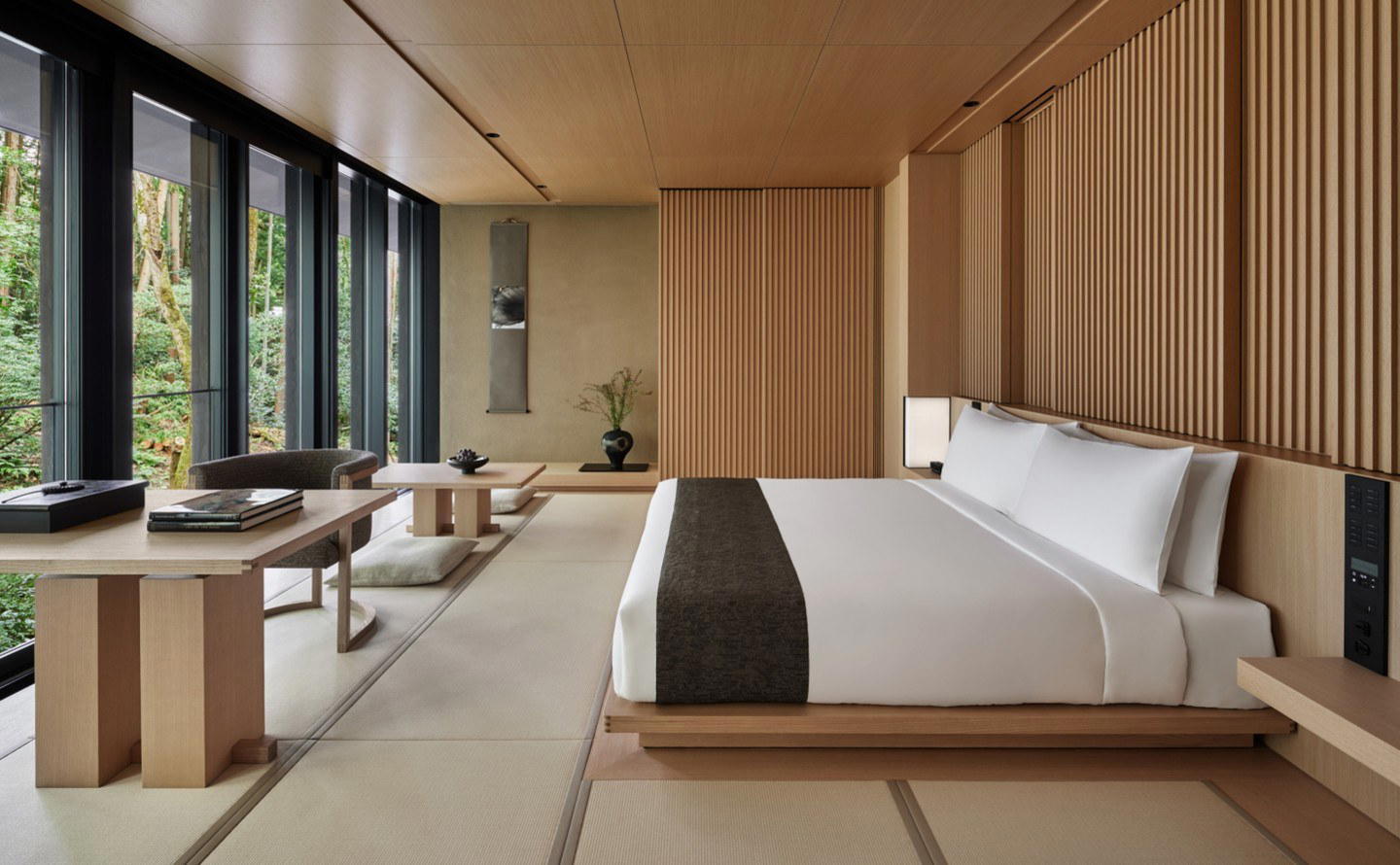
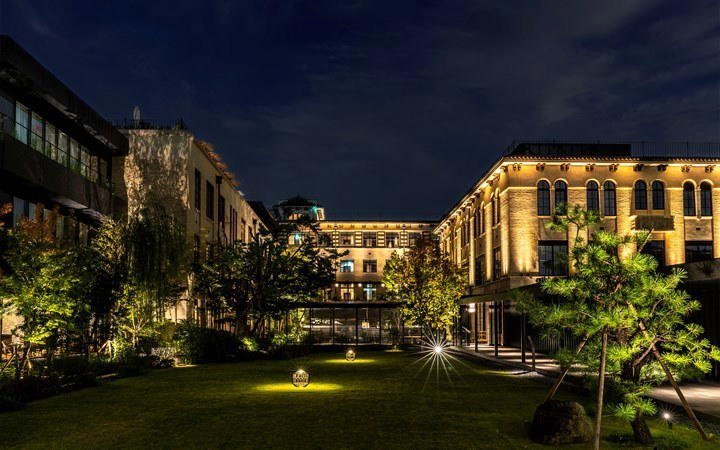
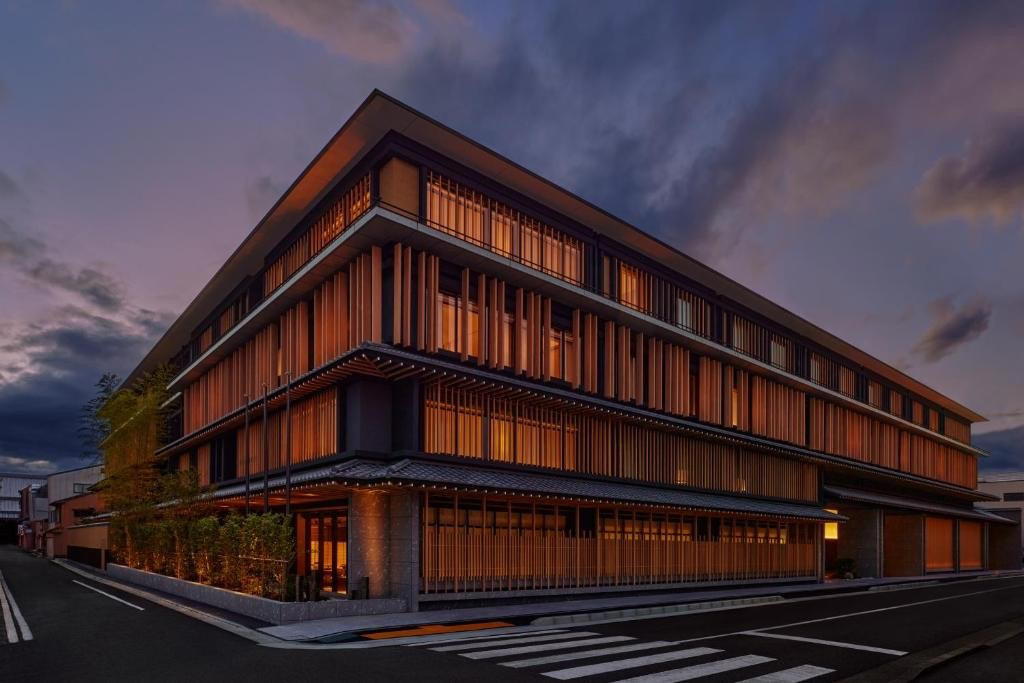
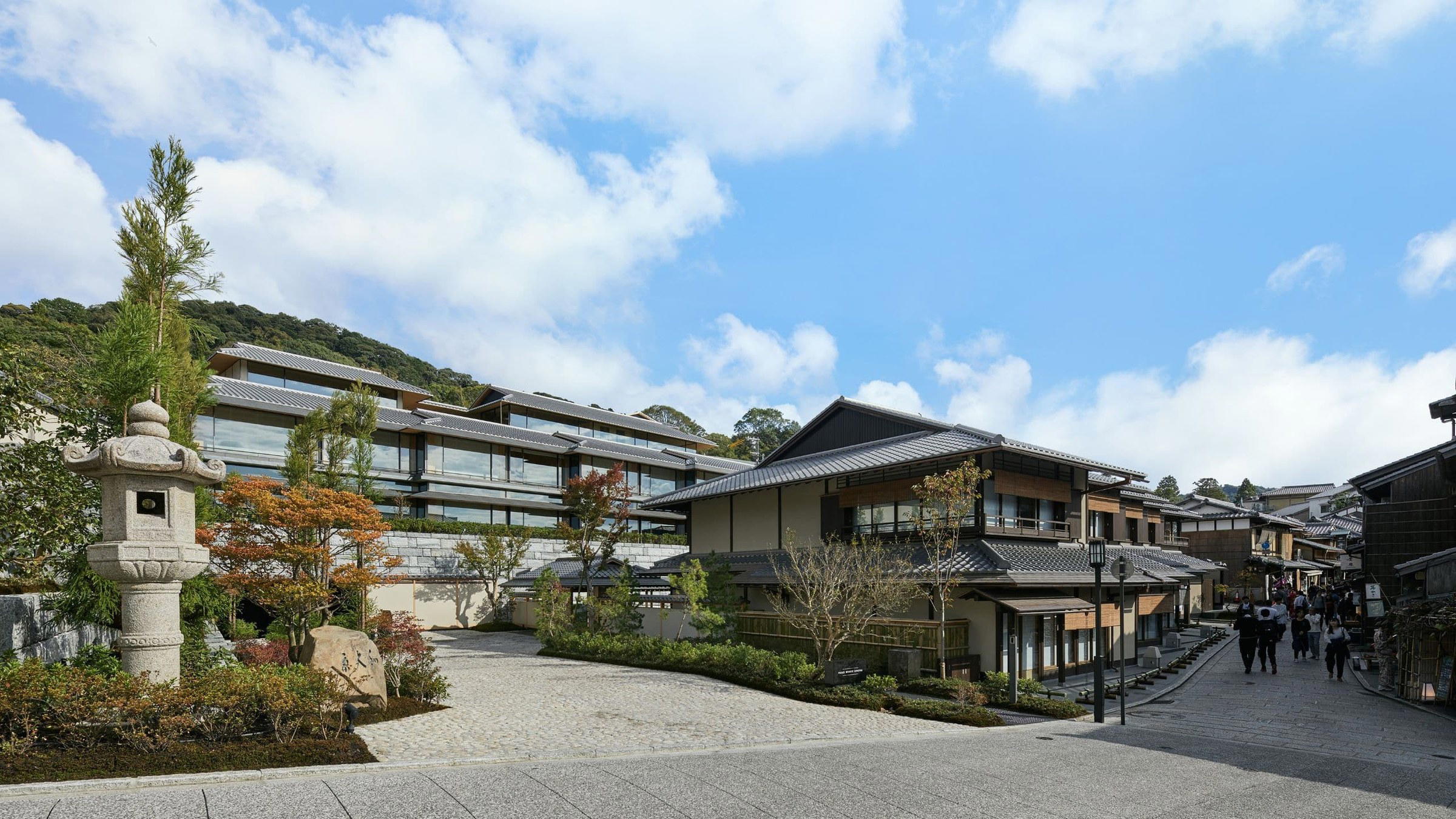
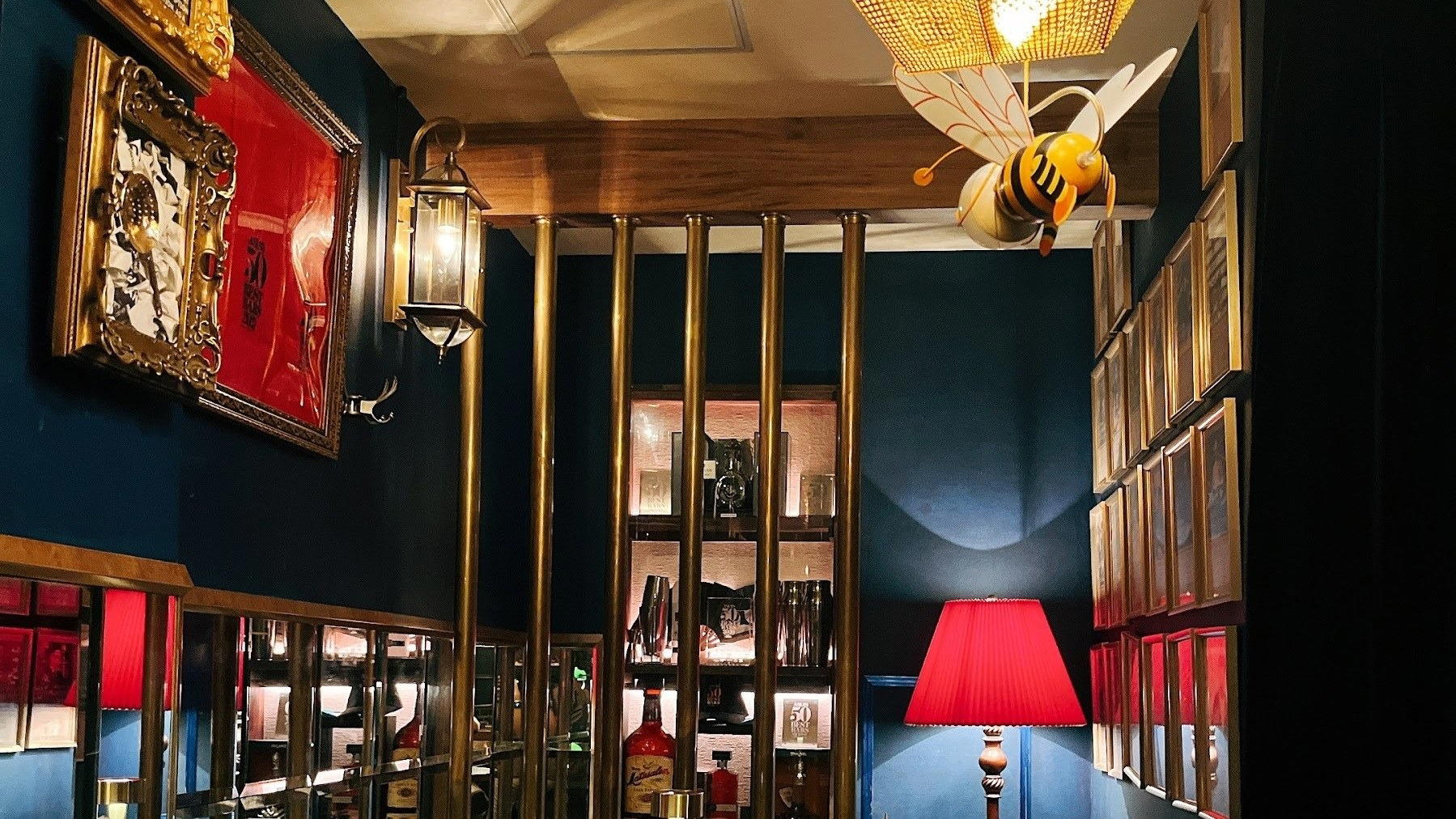
Hushed and relaxing with minimalist Japanese design, natural wood and modern metallics in neutral tones or colorful pop art accents, enhanced by public baths and serene gardens.