Set within a restored colonial hacienda on Antigua Hacienda Yaravilca in the Sacred Valley, Aranwa Sacred Valley Hotel & Wellness occupies one of the region's most architecturally layered properties. The hotel pairs Andean heritage with a wellness programme oriented around altitude, landscape, and local ritual. It sits in the mid-to-upper tier of Urubamba's hotel scene, alongside properties like Sol y Luna and Rio Sagrado.
Pearl is the En Primeur Club membership app — saves, bookings, and concierge access live there. Same editors, same standards.
- Address
- Antigua Hacienda Yaravilca, Urubamba 08670, Peru
- Phone
- +51 84 581900
- Website
- aranwahotels.com
- Directions
- Get directions
 Saves & bookings on Pearl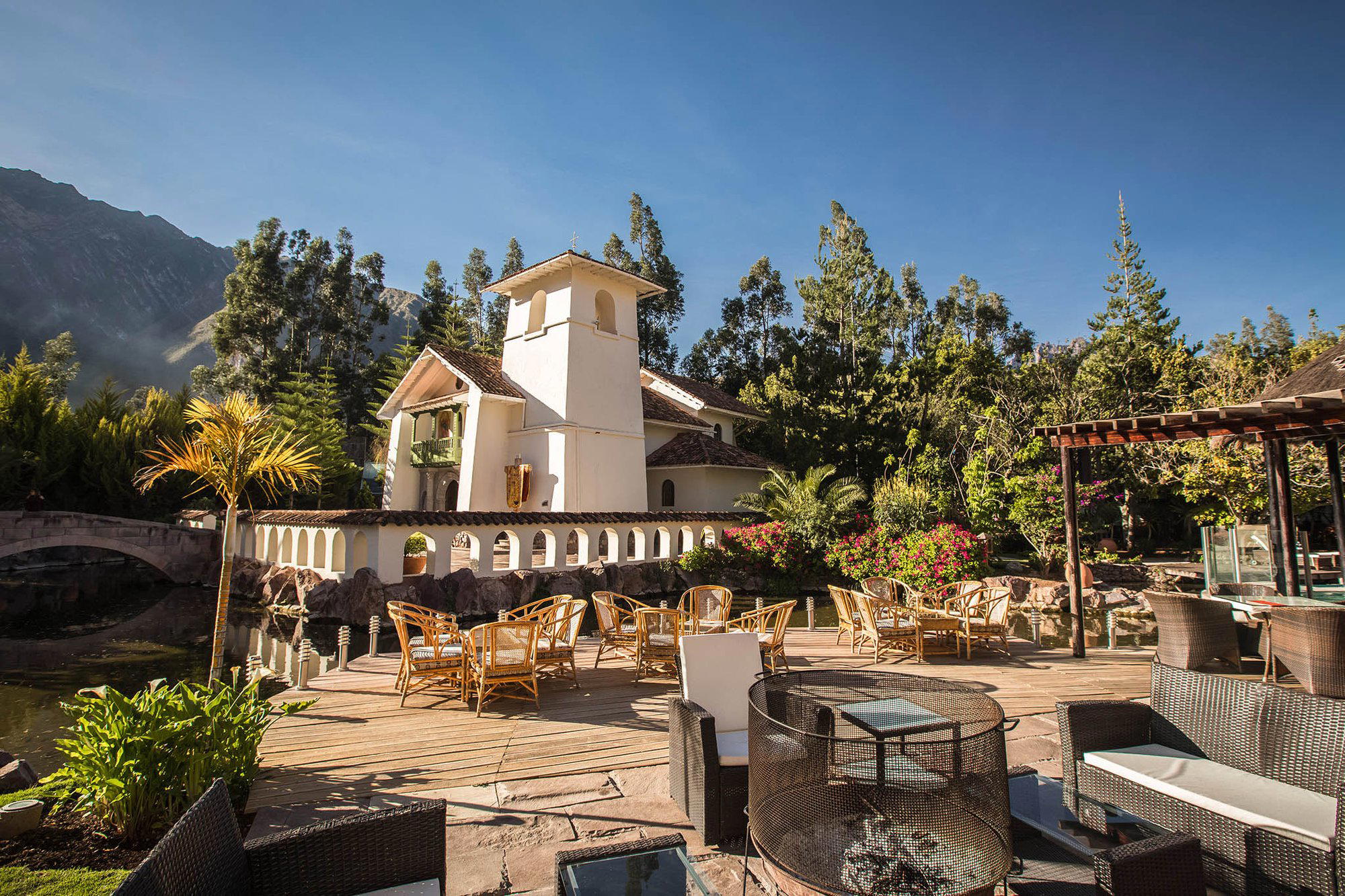
A Colonial Hacienda in the Valley Between Cusco and Machu Picchu
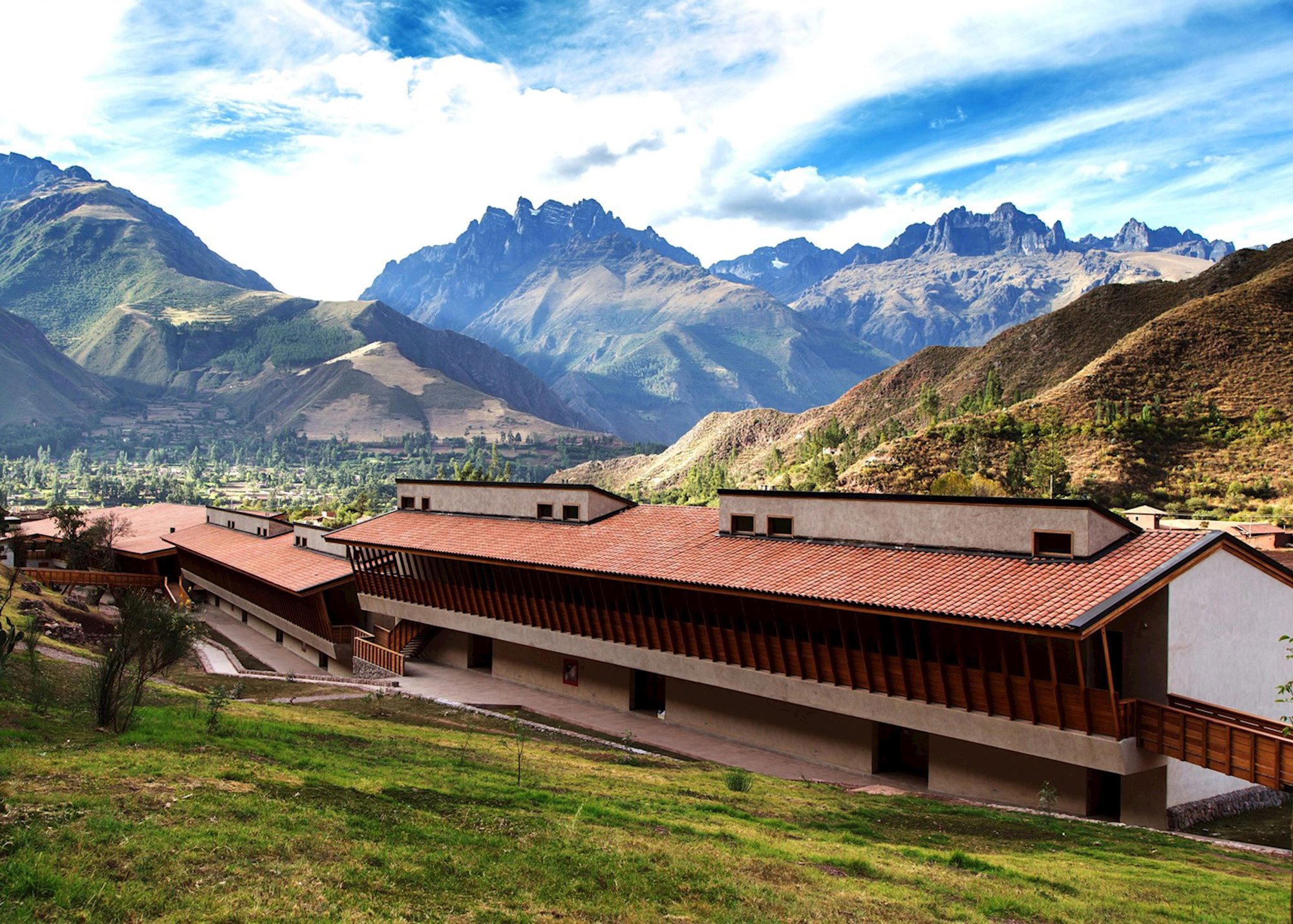
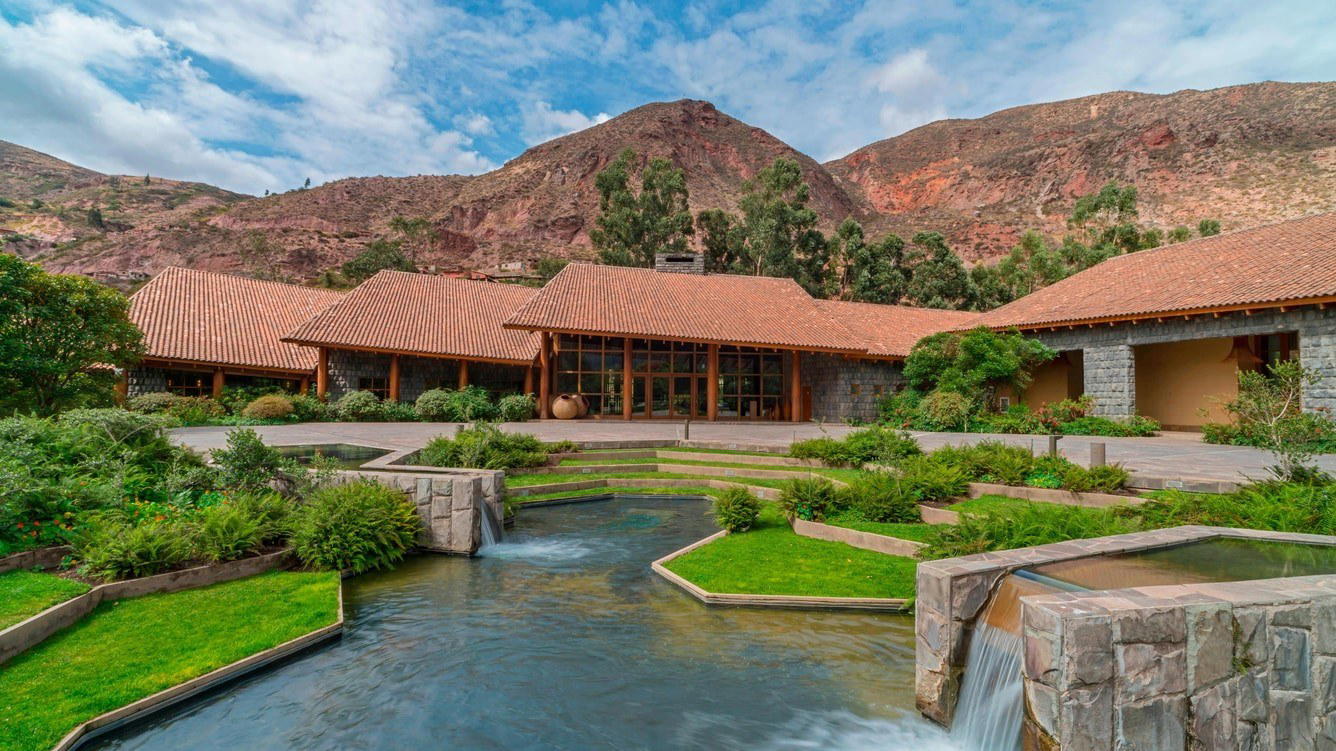
Aranwa Sacred Valley Hotel & Wellness is a five-star hotel in Urubamba, Peru, with rooms from about $300 a night. Aranwa Sacred Valley Hotel & Wellness occupies the latter category, housed within Antigua Hacienda Yaravilca, a colonial-era estate in Urubamba where the architecture does much of the storytelling before any programme element needs to.
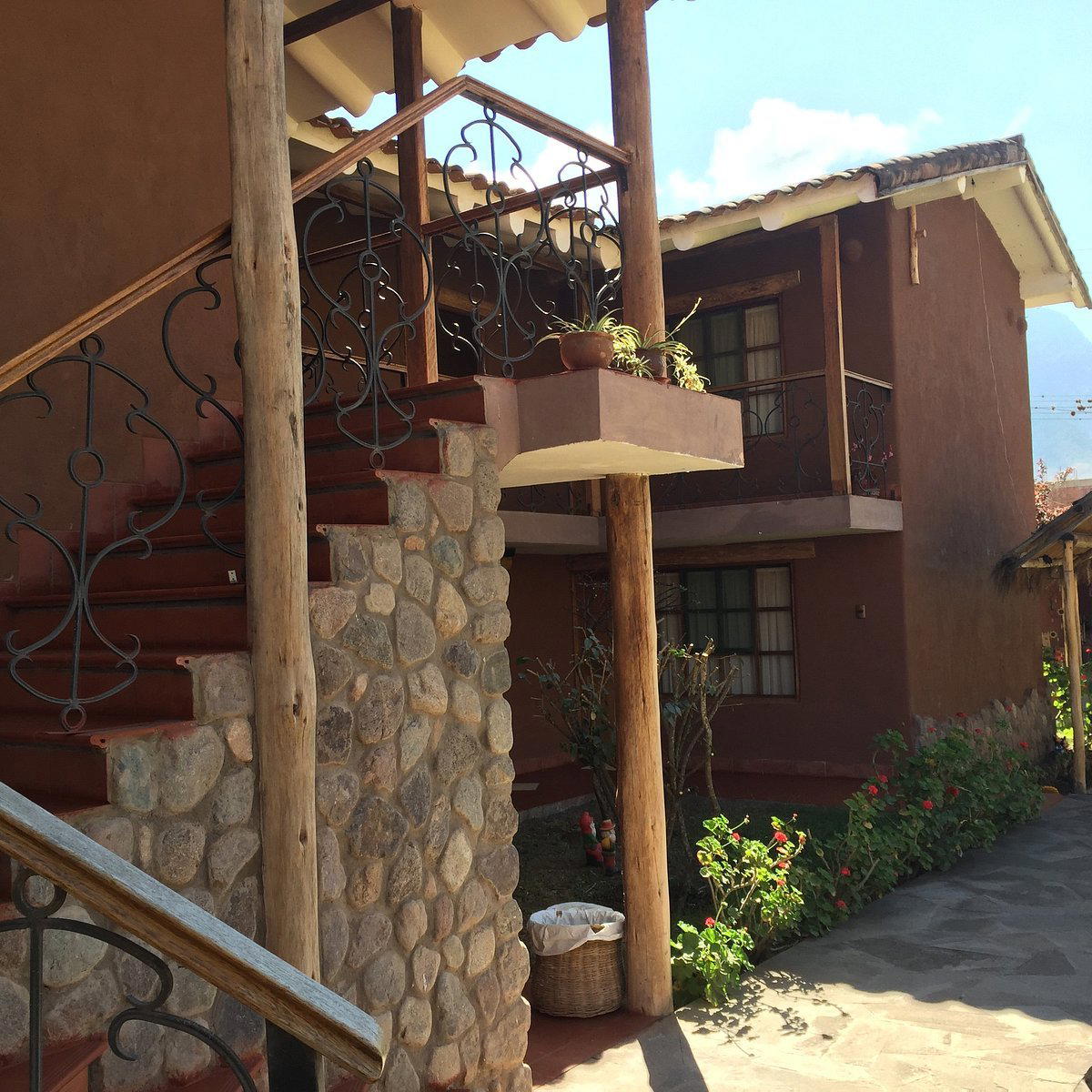
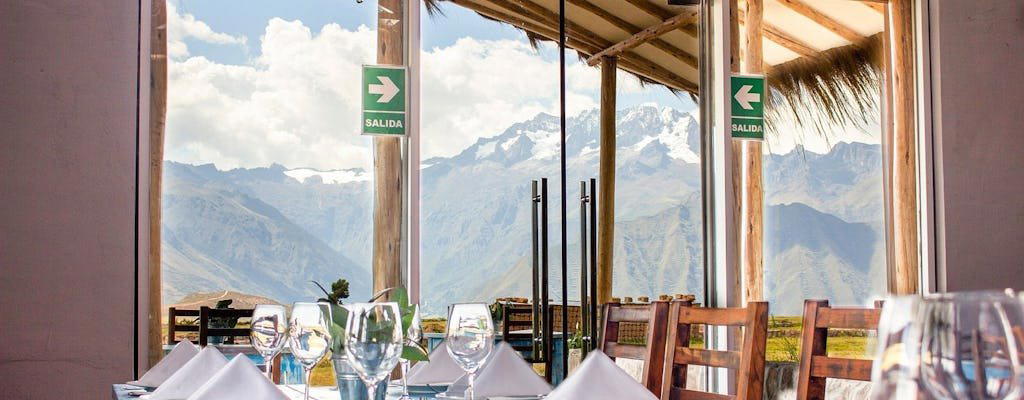
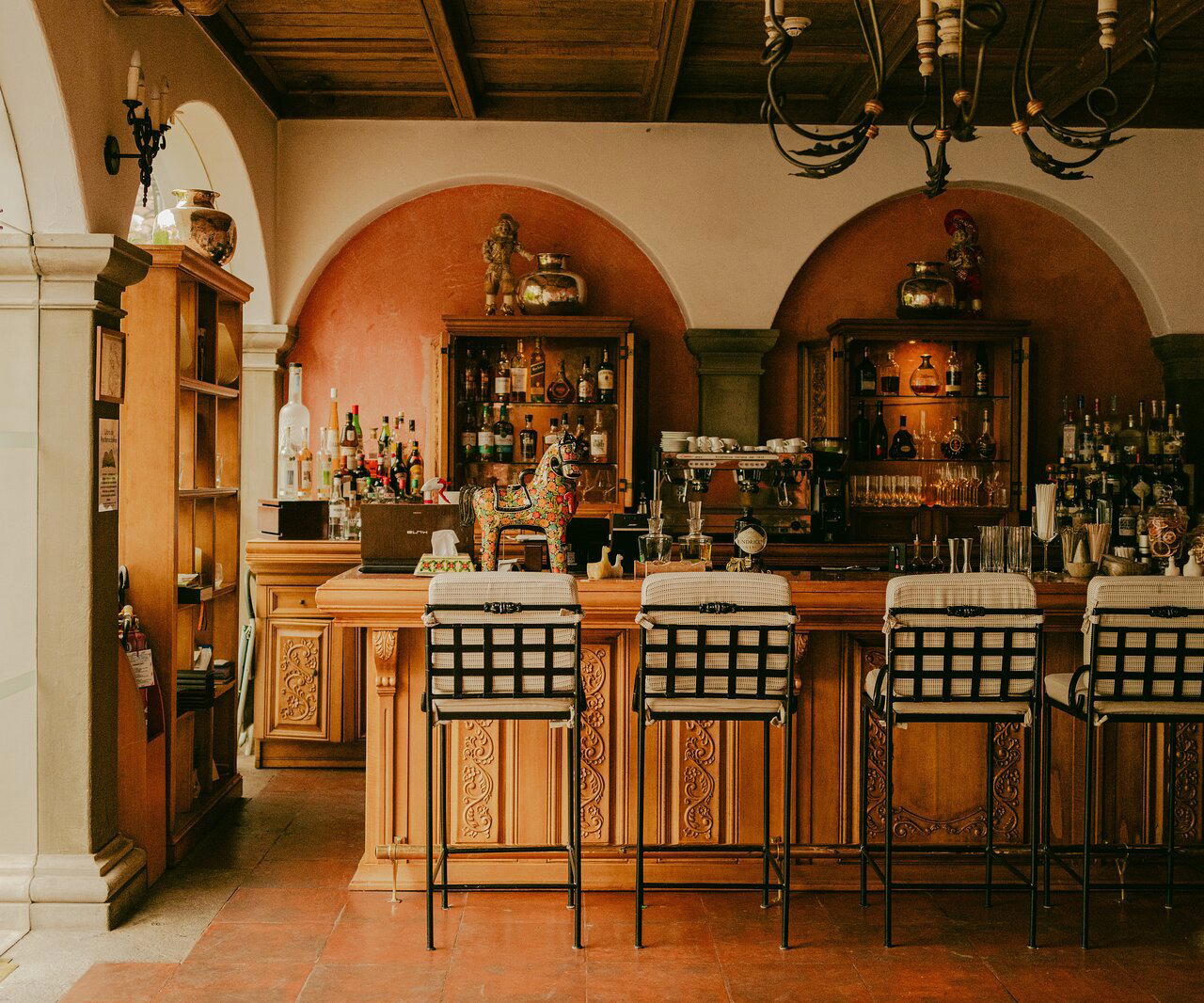
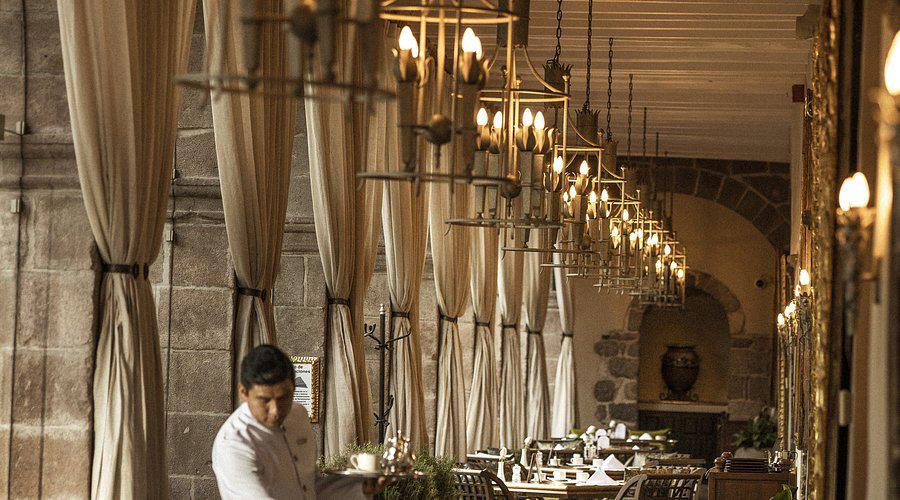
Arriving at the property, the visual grammar is immediately distinct from the open-plan eco-lodges that dominate the lower end of the valley's accommodation market. Stone archways, interior courtyards, and the weight of a working hacienda's past give the space a specific character that newer-build competitors in the same price bracket cannot replicate. That architectural heritage places Aranwa in a particular niche within Urubamba's hotel scene, alongside properties like Inkaterra Hacienda Urubamba and Rio Sagrado, A Belmond Hotel, both of which also anchor their identity in place and heritage rather than resort amenity count.
Where the Dining Programme Fits in the Valley's Culinary Picture
Across the Sacred Valley, hotel dining has followed a clear pattern: properties that treat food as a secondary amenity have steadily lost ground to those that connect their menus to Andean agricultural tradition. The valley sits at roughly 2,800 metres above sea level, surrounded by terraced farming communities that have cultivated native potato varieties, quinoa, and maize for centuries. That agricultural context makes ingredient provenance a meaningful editorial hook rather than a marketing afterthought, and the better hotels in the corridor use it accordingly.
Aranwa's dining offer operates within this broader shift. The approach in hacienda-style properties across highland Peru tends toward grounding guests in the local food system: menus that reference the valley's producers, presentations rooted in Andean technique rather than international fine-dining convention, and a pace calibrated to altitude and the physical demands of the surrounding terrain. This is the pattern across the competitive set here. Sol y Luna, a few kilometres along the valley, has developed a similar approach, emphasising locally sourced product across its restaurant operation. Explora Valle Sagrado anchors its food programme to its exploration-led itinerary, with meals structured around activity rather than formal dining theatre.
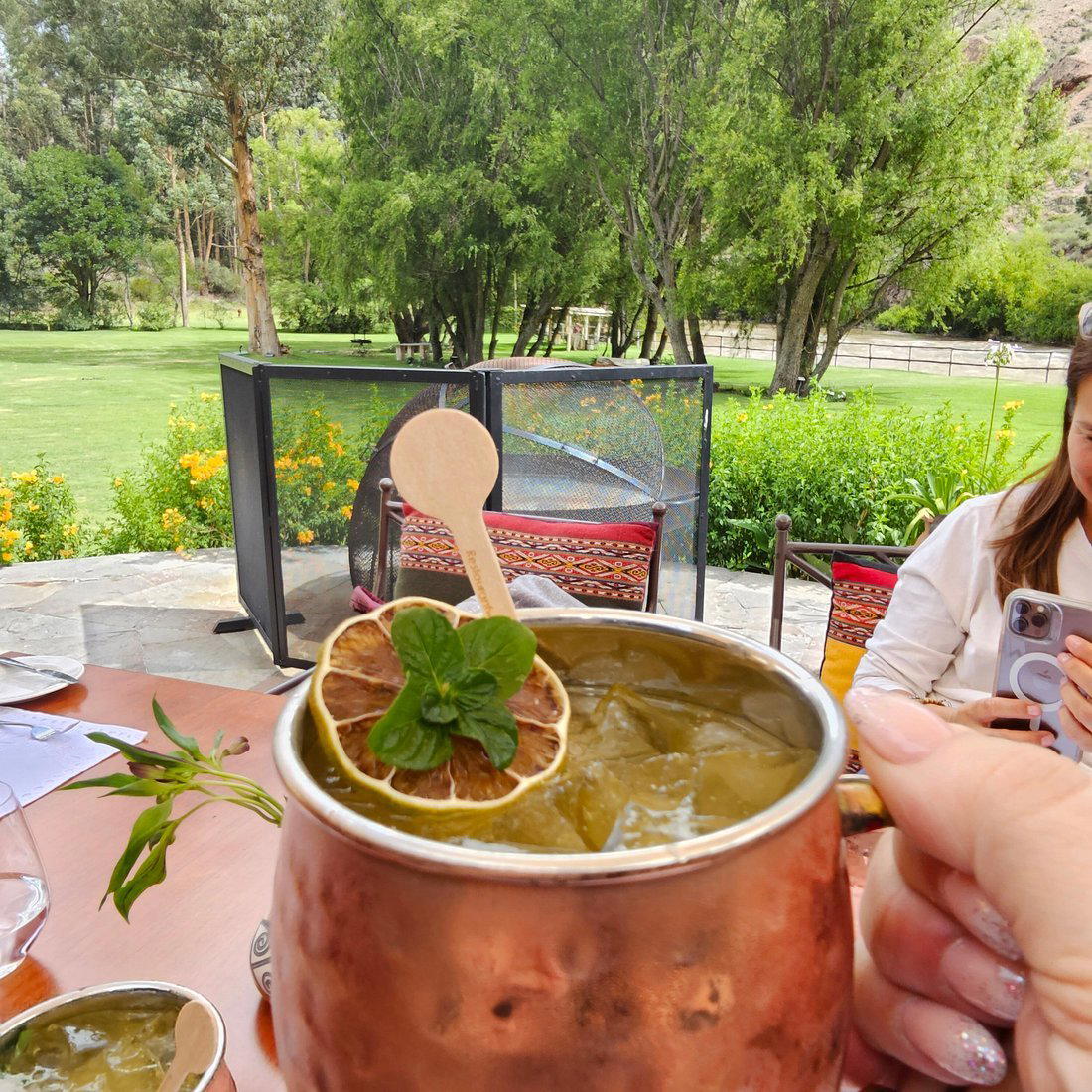
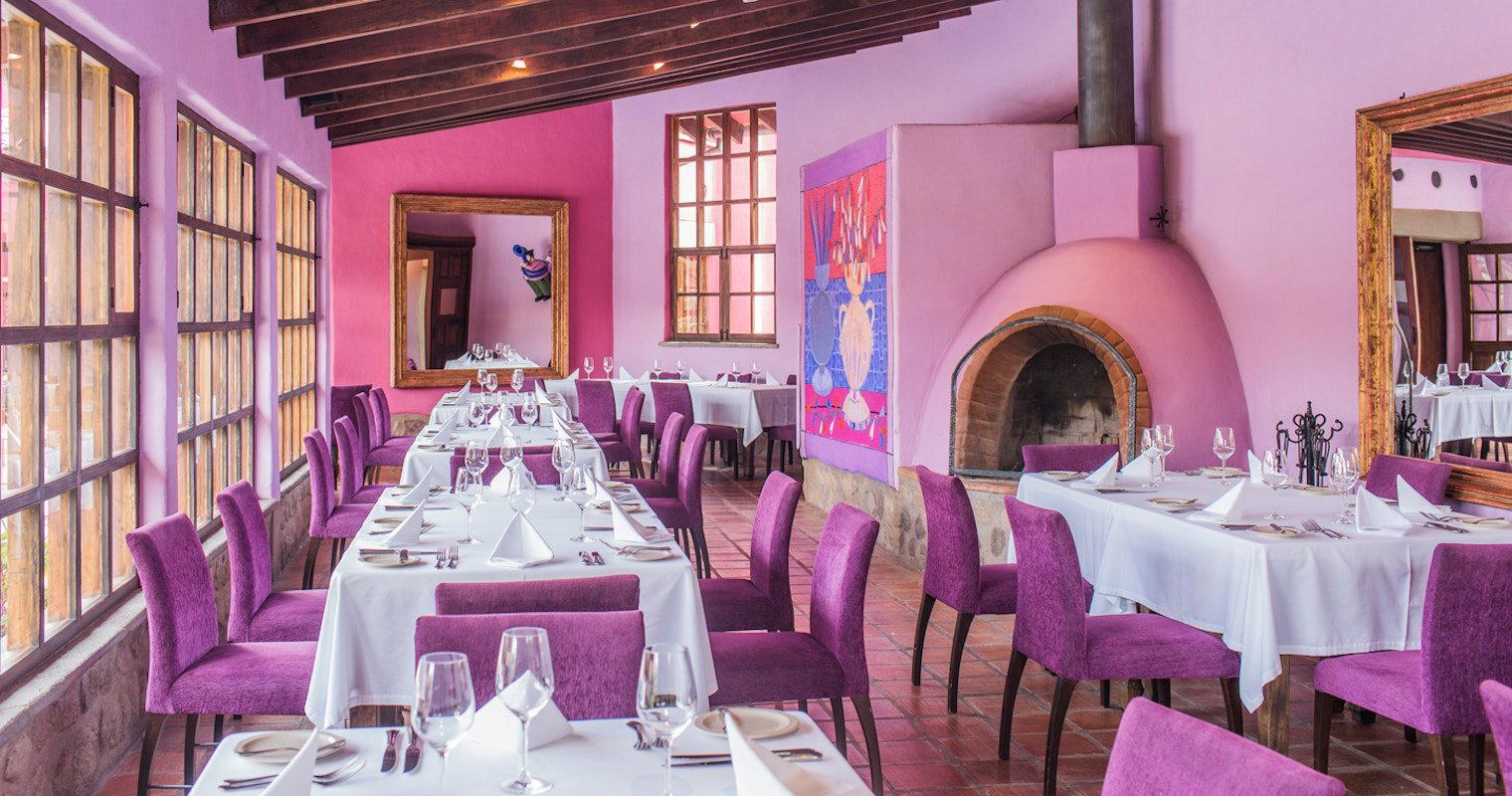
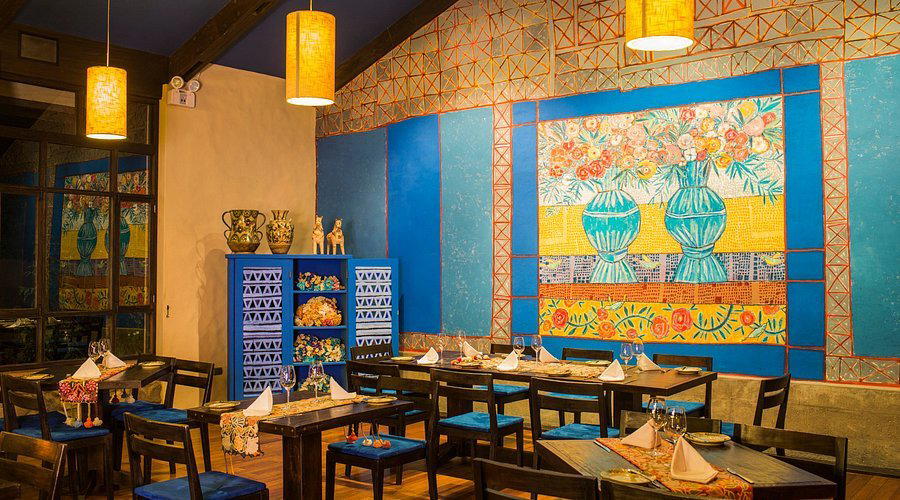
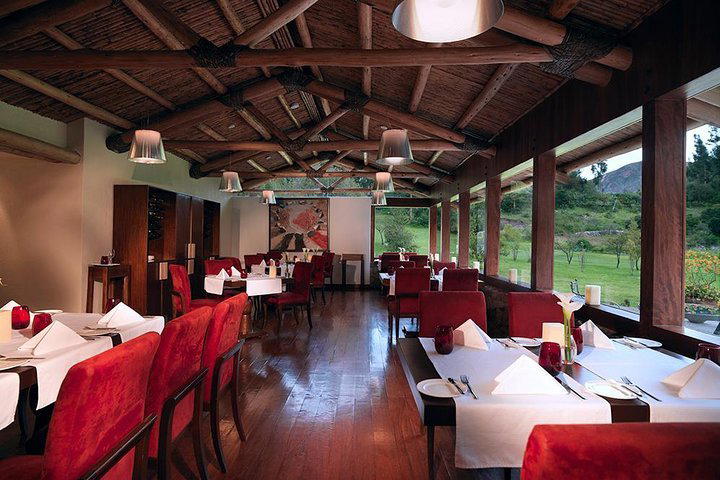
What the hacienda format consistently delivers across its comparable set is a dining rhythm tied to the property's physical setting: enclosed courtyards for evening meals, morning breakfasts where the valley light conditions the atmosphere as much as the food, and menus that treat Andean produce as the actual subject rather than a garnish on an internationalised menu.
Wellness as a Structural Offer, Not an Add-On
The Sacred Valley has become one of South America's more coherent wellness destinations, partly because the altitude, the agricultural calendar, and the Quechua ceremonial tradition all provide grounding for programming. Properties like Willka T'ika Essential Wellness have made wellness the entire operational premise. Aranwa's positioning is adjacent: wellness features as a named programme component, the hotel's full title includes it, rather than as the singular identity.
At altitude, wellness programming takes on a practical dimension that lower-elevation spa hotels cannot claim. Acclimatisation, breathing, and the physical adjustment to 2,800 metres are real factors for guests arriving from sea-level cities. The better valley properties design their first-day programmes around this reality rather than treating it as an inconvenience. This is where hacienda-style hotels with enclosed, calm environments carry a structural advantage: the architecture itself slows the pace before any scheduled treatment begins.
For travellers comparing the Sacred Valley's wellness tier, the choice typically comes down to format. Willka T'ika is a specialist operation where the wellness programme is the primary product. Roca Fuerte and Aranwa both sit in the integrated category, where wellness is one structured strand of a broader hotel experience that also includes accommodation quality, dining, and access to valley excursions.
The Broader Peru Context
Urubamba's hotel tier does not exist in isolation. Travellers routing through the Sacred Valley are typically combining it with Cusco and Machu Picchu, which means the hotel choices at each stop need to function as a coherent itinerary. In Cusco, Palacio Nazarenas operates at the upper tier of colonial-conversion hotels. Along the Machu Picchu corridor, Inkaterra Machu Picchu Pueblo Hotel and Sumaq Machu Picchu Hotel define the mid-to-upper bracket in Aguas Calientes. For those extending Peru further, Titilaka on Lake Titicaca and Delfin Amazon Cruises out of Iquitos represent the country's other two distinct luxury-lodge traditions. Against that broader map, the Sacred Valley sits as a particularly accessible entry point into highland Peru's premium accommodation sector, with Urubamba as its geographic centre.
Aranwa's hacienda address gives it a specific argument within Urubamba. The Antigua Hacienda Yaravilca location is a named historical property, which means the hotel is not simply occupying land in the valley but occupying a particular piece of its agrarian and colonial history. That distinction matters when guests are choosing between properties with broadly similar amenity sets.
Planning Your Stay
The shoulder months of April and November offer more availability with the trade-off of occasional afternoon rain, though the valley's agricultural calendar is at its most visually active in those periods.
Refugio Amazonas Lodge in Puerto Maldonado as a contrasting Peruvian ecosystem, or with Hotel Paracas on the coast for travellers wanting altitude and desert in sequence. The international comparison set for Aranwa's hacienda-conversion format points toward properties like Castello di Reschio in Umbria or Amangiri in Utah: historic or landscape-defined properties where the built environment carries as much editorial weight as the programming layered on top of it.
Price and Positioning
Comparable venues nearby, for context on price, style, and recognition.
| Venue | Cuisine | Price | Awards | Notes |
|---|---|---|---|---|
| Aranwa Sacred Valley Hotel & WellnessThis venue — the venue you are viewing | Not listed | $$$$ | 5-Star | Not listed |
| Explora Valle Sagrado | Not listed | $$$$ | 5-Star | Urubamba, Contemporary Andean architecture integrated with natural surroundings on a working plantation |
| Sol y Luna | Not listed | $$$$ | 5-Star | Urubamba, Intimate Relais & Chateaux boutique with individually decorated stone casitas amid expansive gardens. |
| Willka T'ika Essential Wellness | Not listed | $$$$ | Not listed | Paradero Rumichaka, Sustainable luxury wellness retreat with Andean-inspired architecture using natural local materials. |
| Rio Sagrado, A Belmond Hotel | Not listed | $$$$ | Michelin 1 Key | Urubamba, Riverside luxury retreat blending Inca heritage with modern comforts |
| Roca Fuerte - Sacred Valley Hotel | Urubamba, Sacred Valley boutique | $$$ | Not listed | Not listed |
Continue exploring
More in Urubamba
Hotels in Urubamba
Browse all →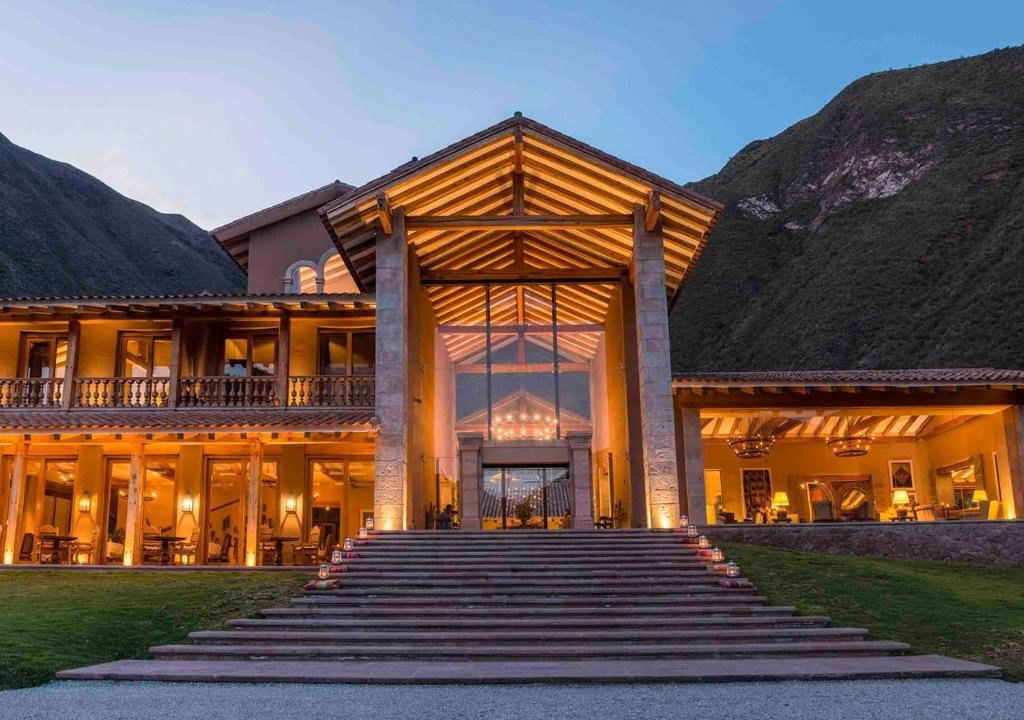
At a Glance
- Elegant
- Scenic
- Quiet
- Sophisticated
- Romantic Getaway
- Family Vacation
- Wellness Retreat
- Panoramic View
- Infinity Pool
- Pool
- Spa
- Fitness Center
- Room Service
- Concierge
- Free Parking
- Wi Fi
- Mountain
- Garden
- Pool
- Spa
- Fitness Center
- Room Service
- Concierge
- Free Parking
- Wi Fi
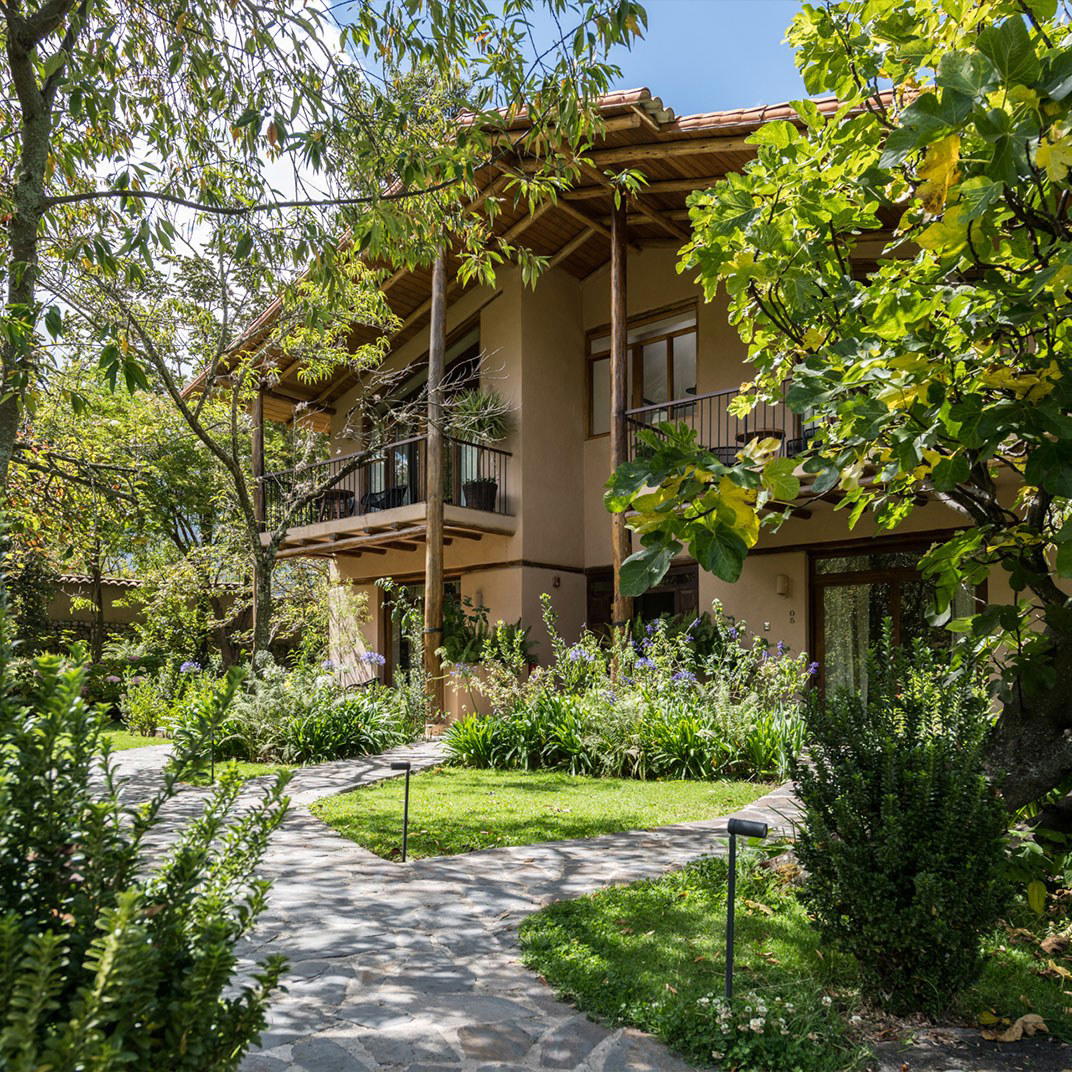
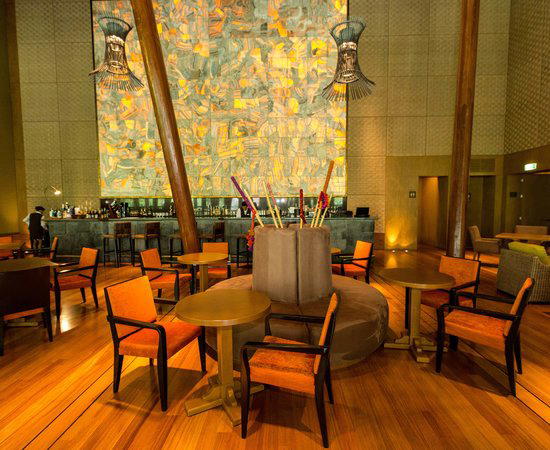
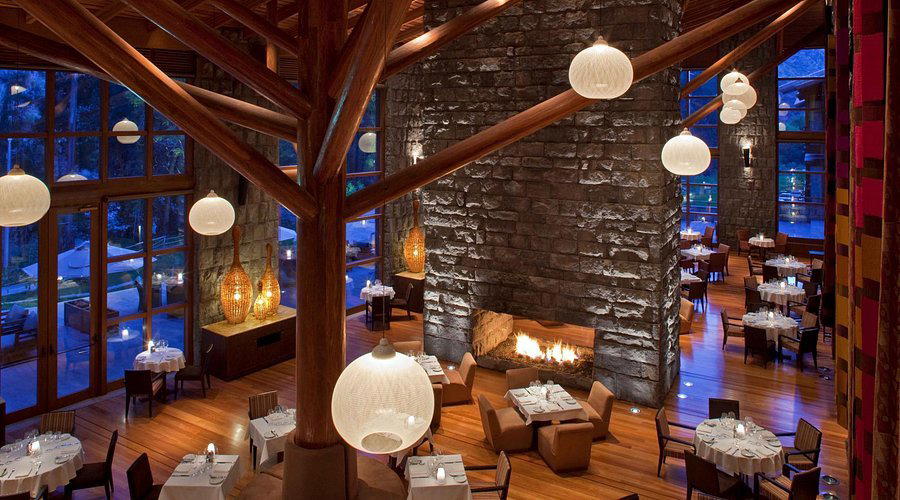
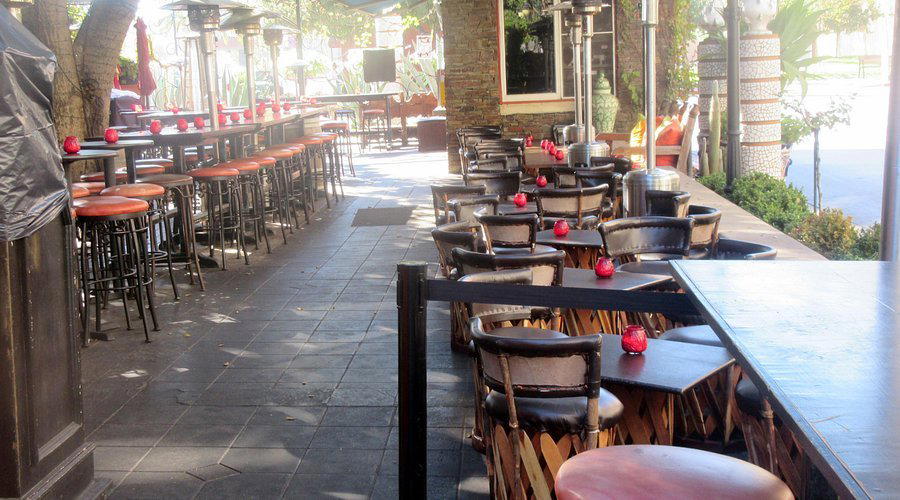
Cozy and elegant blend of colonial carvings and modern minimalist decor in a relaxing natural setting.