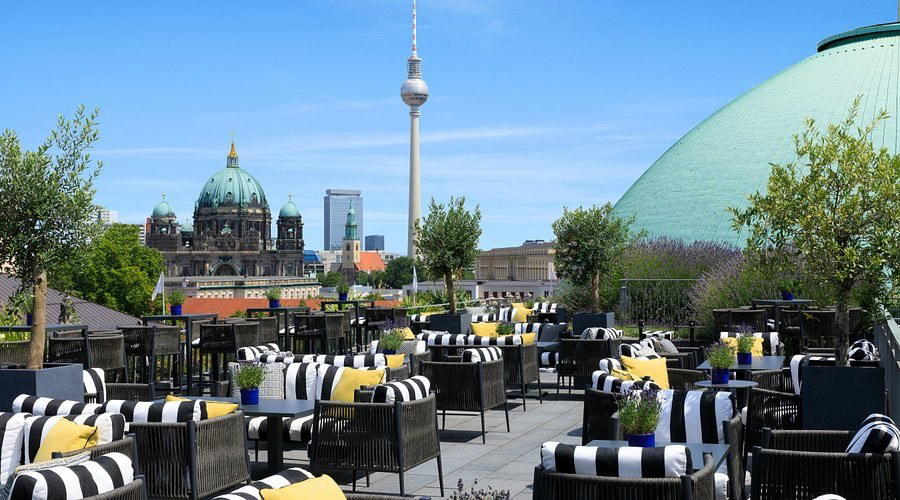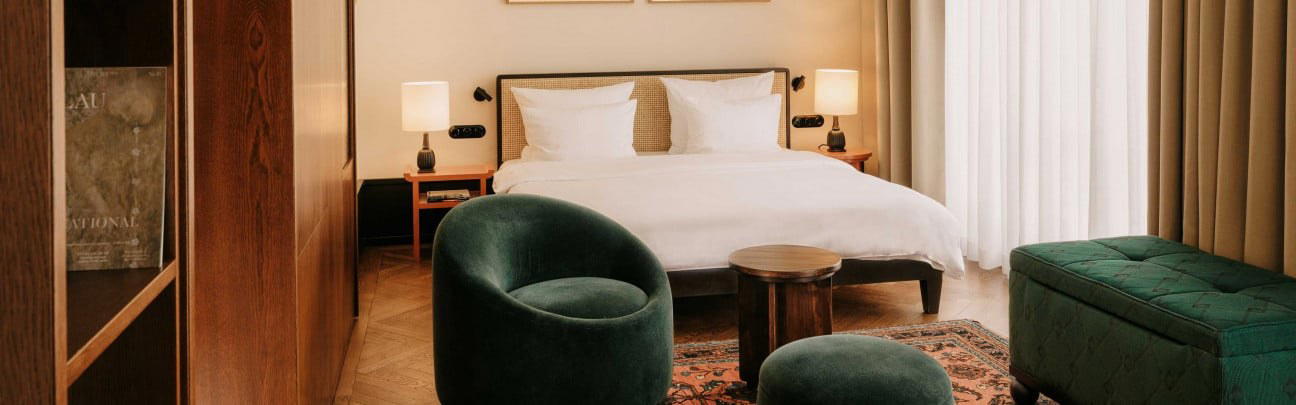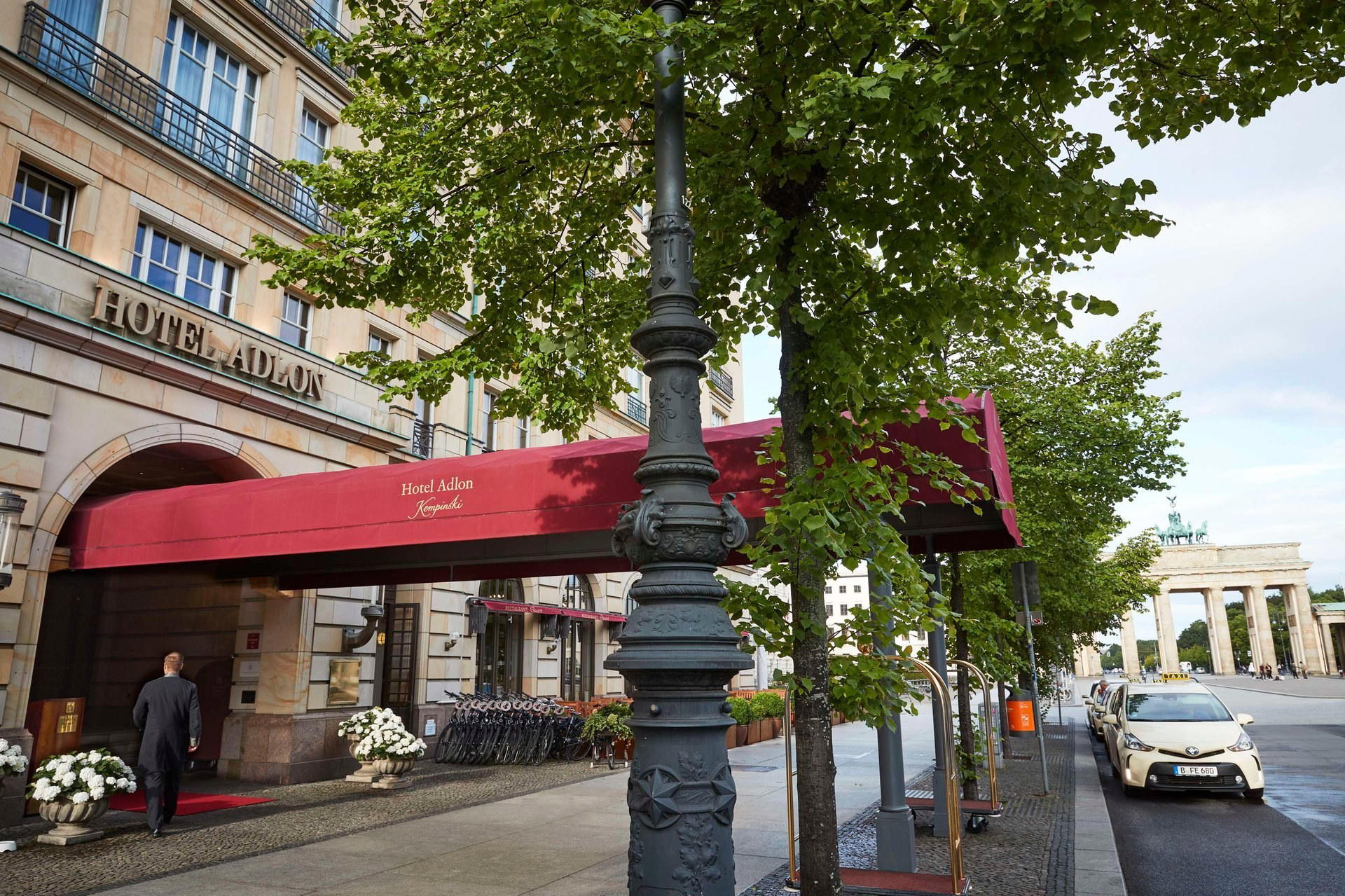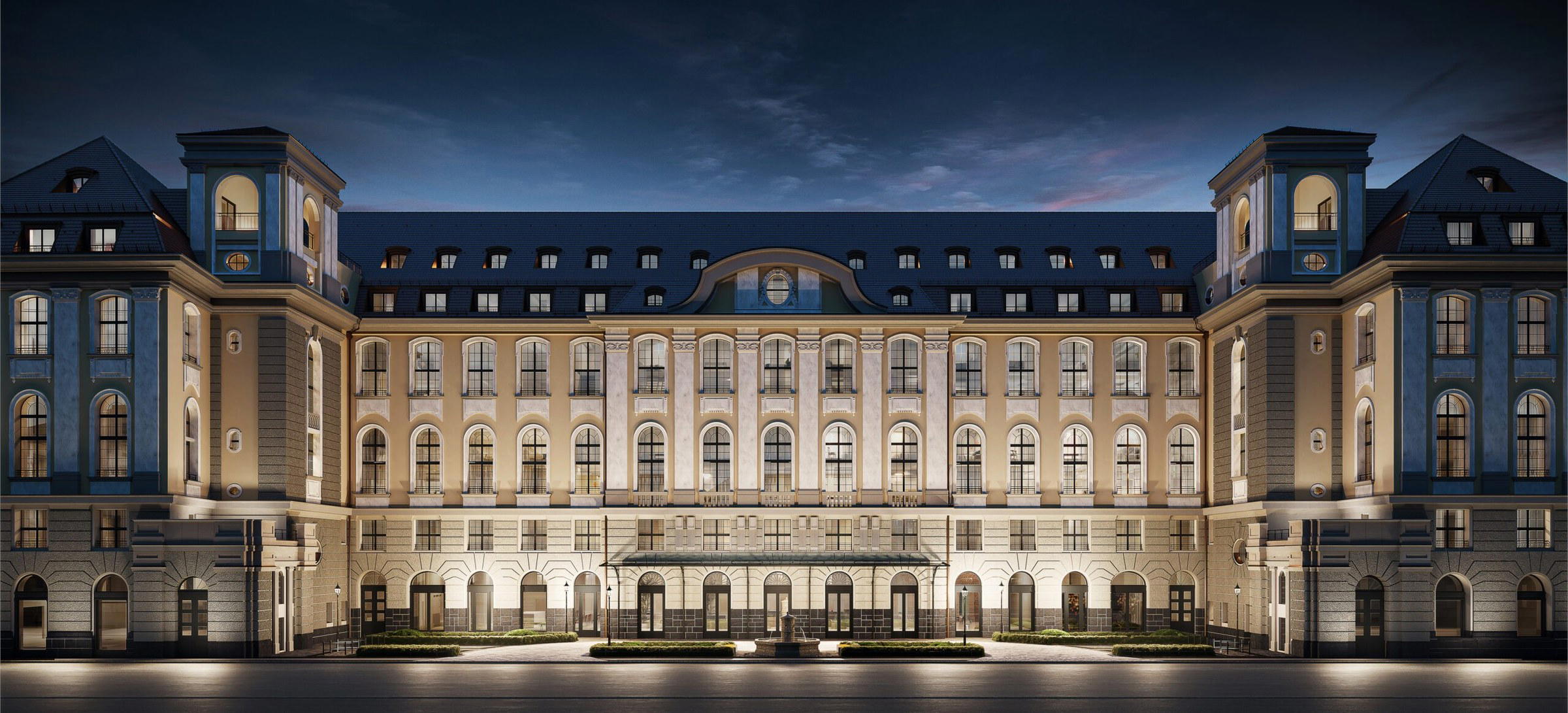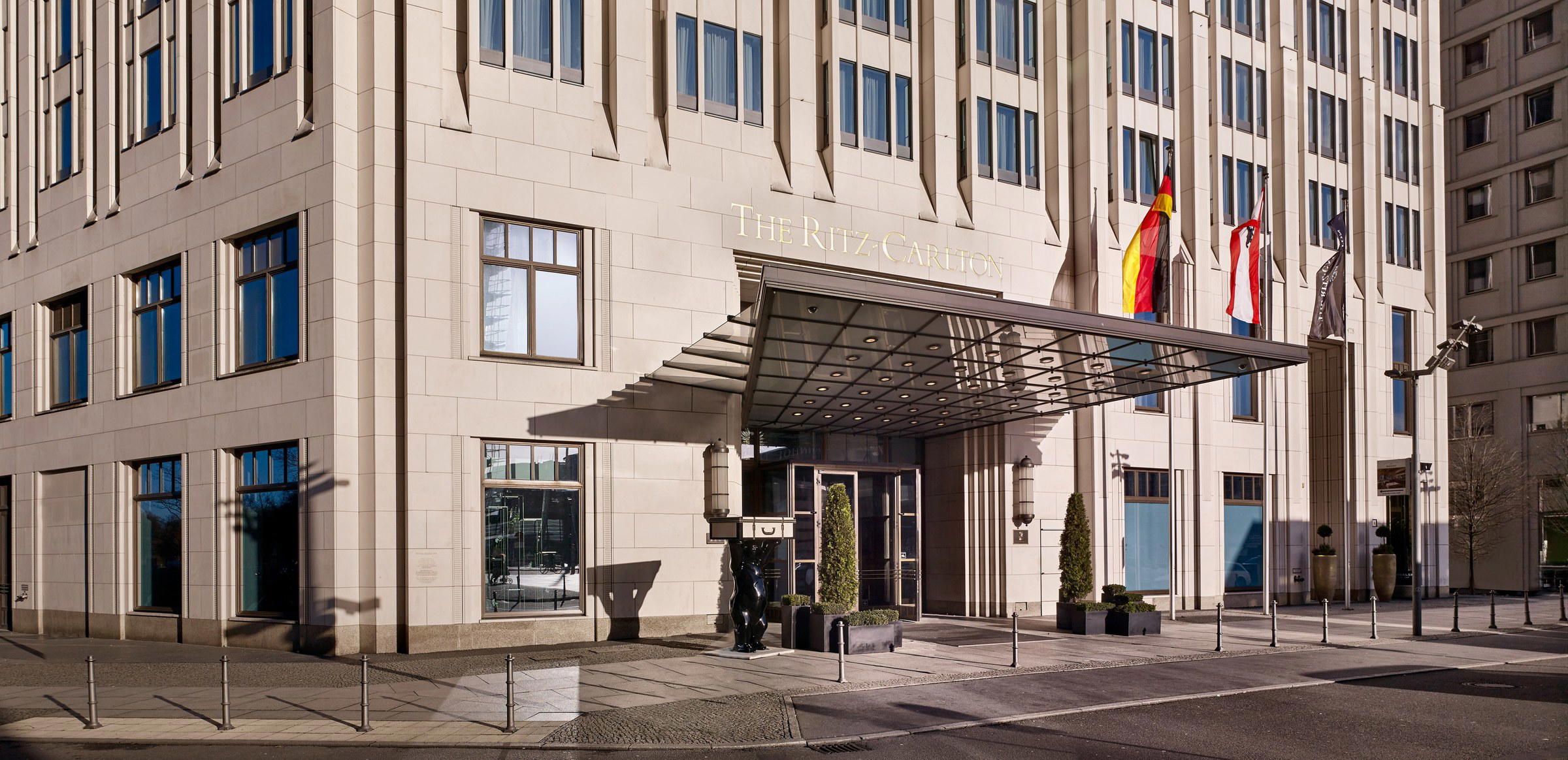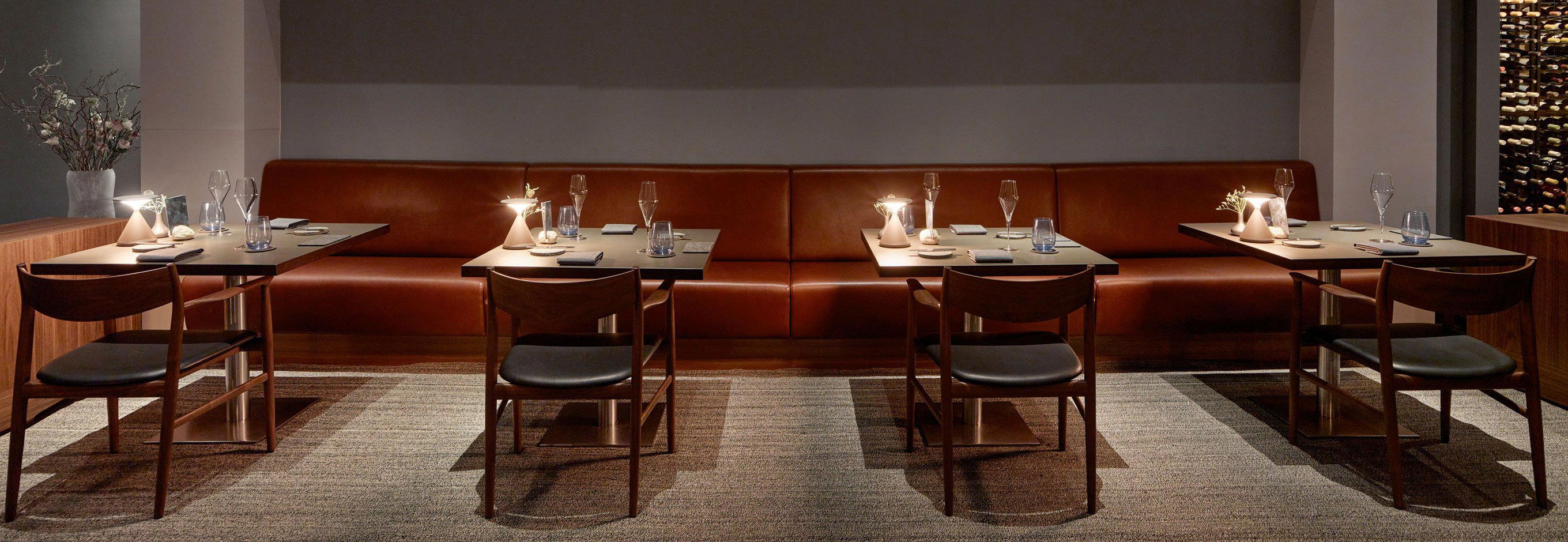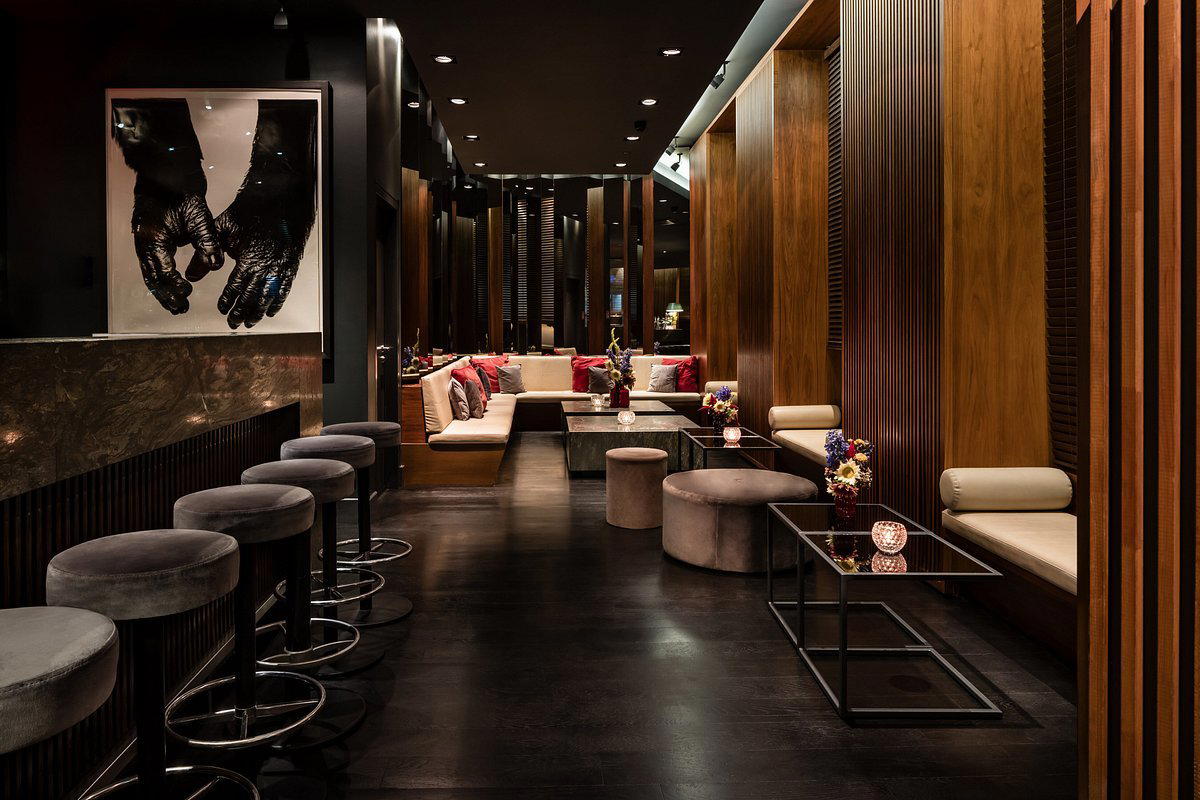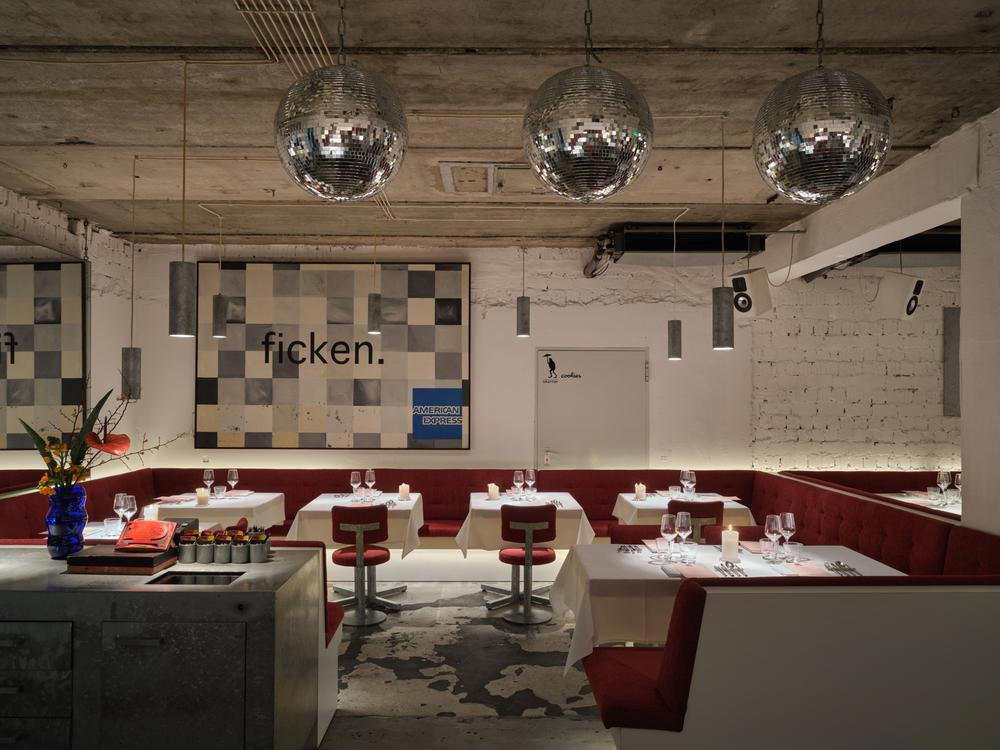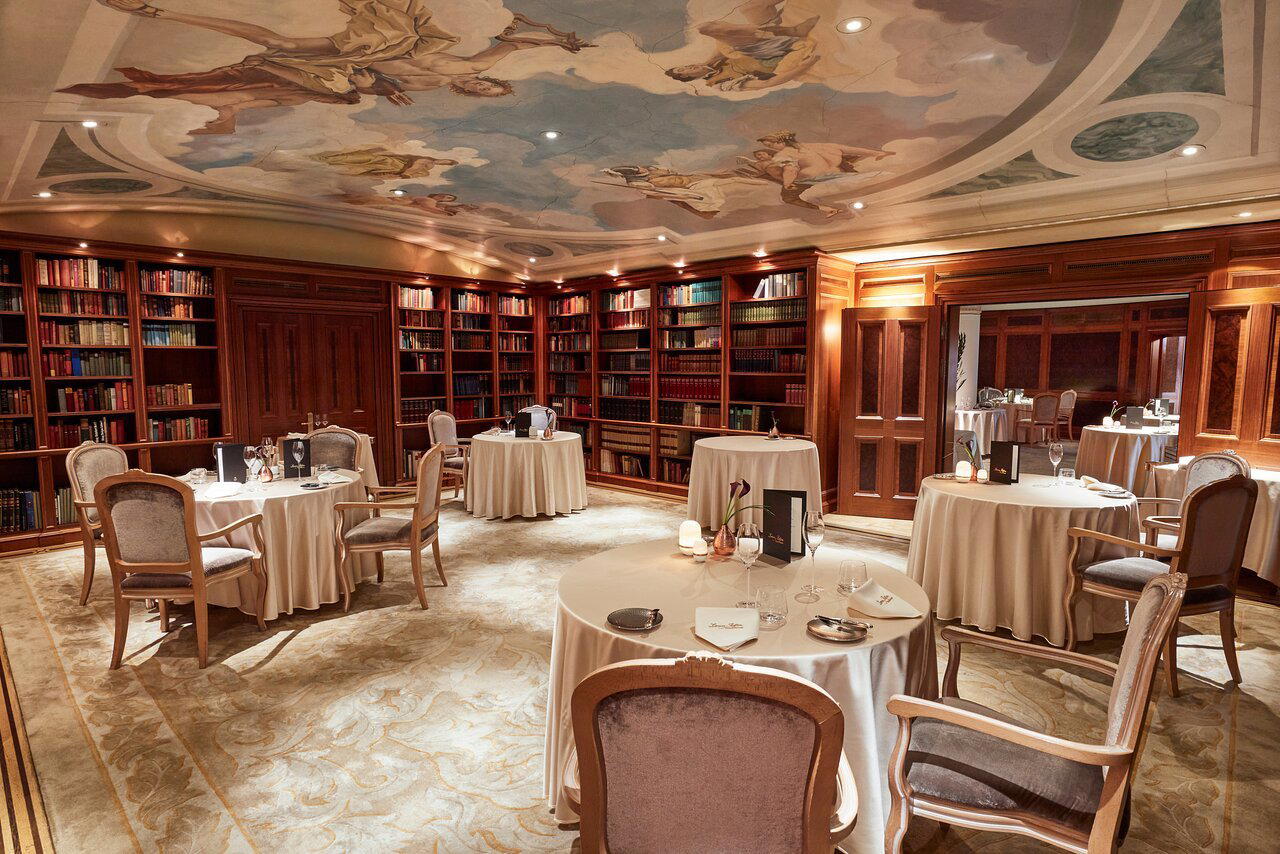
The Regent Berlin occupies a commanding position on Charlottenstraße in the historic Mitte district, placing guests within walking distance of Gendarmenmarkt and the city's most significant cultural addresses. The property sits in the upper tier of Berlin's grand hotel category, where formal architecture, attentive service, and a central address define the competitive set. It draws travellers who want proximity to government Berlin without sacrificing comfort.
Pearl is the En Primeur Club membership app — saves, bookings, and concierge access live there. Same editors, same standards.
- Address
- Charlottenstraße 49, 10117 Berlin, Germany
- Phone
- +49 30 20338
- Website
- regenthotels.com

Where Mitte Meets Grand Hotel Tradition
Charlottenstraße runs through the administrative and cultural core of Berlin's Mitte district with a directness that reflects the neighbourhood's history. The street connects Gendarmenmarkt, the square many consider the most formally composed in Germany, northward toward Unter den Linden, passing embassies, restored Wilhelmine facades, and the kind of purposeful foot traffic that distinguishes this part of the city from the creative energy of Prenzlauer Berg or the commercial density of Kurfürstendamm. Hotels at this address are not competing on neighbourhood character alone; they're competing on their ability to hold their own against the architecture outside. The Regent Berlin, at number 49, sat squarely in that context. It is permanently closed.
In the broader conversation about Berlin's upper-tier hotel market, the city offers fewer grand, formally positioned properties than Paris or Vienna. The Ritz-Carlton, Berlin anchors Potsdamer Platz with scale and brand recognition; Hotel de Rome on Bebelplatz converts a former Dresdner Bank headquarters into a heritage-led stay; Telegraphenamt brings adaptive reuse energy to a communications ministry building. The Regent sat in that upper bracket as the quieter, more residential-feeling option, formal without the corporate edge that some flag-carrier properties carry. That positioning matters for the reader deciding between properties: Mitte's hotel tier is genuinely differentiated, and address alone does not determine character.
The Gendarmenmarkt Address and What It Implies
Proximity to Gendarmenmarkt is not incidental to the Regent's identity, it is central to understanding who the property serves and at what register. The square itself, flanked by the Konzerthaus and the French and German cathedrals, functions as Berlin's most formal civic space, drawing visitors who are as interested in the city's 18th-century Prussian planning as in its post-reunification reinvention. Hotels at this address tend to draw guests on diplomatic visits, cultural itineraries, or the kind of European city break where mornings involve museum appointments rather than neighbourhood wandering. That is a specific traveller profile, and the Regent's Charlottenstraße location addresses it directly.
For those arriving from outside Berlin, the location also offers practical advantages. Friedrichstraße S-Bahn and U-Bahn station sits a short walk north, connecting the property to both airports and to the broader city rail network without requiring a taxi. Brandenburger Tor and the Reichstag are within comfortable walking distance, relevant for guests whose schedules revolve around Bundestag visits or the government quarter. In a city where neighbourhood character shifts dramatically across relatively short distances, Mitte's central position is one of the property's most substantive assets.
The Sourcing Logic Behind Serious Hotel Dining
Grand hotels in German cities occupy a particular position in the local dining ecosystem. Unlike London or Paris, where hotel restaurants have spent the past two decades fighting the perception that they serve only guests, Berlin's upper-tier hotel dining rooms have maintained a more mixed clientele, partly because the city's restaurant scene, despite its genuine energy, has historically underinvested in formal, white-tablecloth formats. That creates an opening for hotel dining rooms to serve a function that standalone restaurants in comparable European capitals do not need to fill.
The ingredient sourcing logic that defines serious European hotel dining at this level generally follows a regional procurement model: Brandenburg's agricultural hinterland supplies game, root vegetables, and dairy to Berlin kitchens in much the same way that Île-de-France supplies Paris or the Po Valley supplies Milan's hotel dining rooms. Brandenburg duck, wild boar from the Uckermark, white asparagus from Beelitz in late spring, these are the raw materials that distinguish a kitchen genuinely engaged with its region from one running a generic international menu. Where a hotel dining room commits to that sourcing chain, it connects guests to a food culture that extends well beyond the city's borders. Whether the Regent's kitchen operates with that regional specificity is something confirmed guests and current reviews would verify; the broader pattern is well-established among the city's serious hotel properties.
Comparing the Mitte Hotel Tier
Choosing between Mitte's formal hotel options involves a set of trade-offs that go beyond room rates. Patrick Hellmann Schlosshotel in Grunewald offers a very different proposition, a villa environment well west of the centre, suited to guests who want Berlin without Mitte's density. Roomers Berlin Steinplatz near the Tiergarten sits in a design-led Autograph Collection frame that targets a younger, style-conscious profile. Properties like 25hours Hotel Bikini Berlin, Adina Apartment Hotel Berlin Hackescher Markt, and Casa Camper Berlin address the mid-market and apartment-format traveller. The Regent's comparable set is narrower: guests for whom a formal, centrally positioned property with conventional luxury service infrastructure is the baseline, not the upgrade.
Within Germany more broadly, the upper-tier hotel market clusters around similar formal archetypes. Fairmont Hotel Vier Jahreszeiten in Hamburg and Excelsior Hotel Ernst in Cologne occupy comparable positions in their respective cities, historic addresses, formal service registers, and dining rooms that function as civic anchors. In the alpine and resort tier, properties like Schloss Elmau, Hotel Bareiss in Baiersbronn, Althoff Seehotel Überfahrt, and Das Kranzbach serve a different need entirely. The Regent belonged to the urban, formal category, and within that category in Berlin, the competitive set was genuinely small.
Other notable German properties worth knowing for broader itinerary planning include Breidenbacher Hof Düsseldorf, BUDERSAND Hotel in Hörnum, Bülow Palais in Dresden, Der Öschberghof in Donaueschingen, Esplanade Saarbrücken, Gut Steinbach Hotel Chalets Spa in Reit im Winkl, and Hotel Ketschauer Hof in Deidesheim. For international comparisons in the same formal-luxury register, The Fifth Avenue Hotel in New York City, Aman New York, and Aman Venice occupy analogous positions in their markets.
Planning Your Stay
The Regent Berlin's address at Charlottenstraße 49 places it at the centre of everything Mitte offers without the noise exposure that comes with an Unter den Linden or Friedrichstraße frontage. Those on cultural itineraries will find the Pergamon Museum, Museumsinsel, and the major Mitte galleries all accessible on foot or by a single U-Bahn stop.
Cuisine and Recognition
Comparable venues nearby, for context on price, style, and recognition.
| Venue | Cuisine | Price | Awards | Notes |
|---|---|---|---|---|
| Regent BerlinThis venue — the venue you are viewing | Classic luxury with modern architecture and historic significance | $$$$ | 5-Star | |
| Hotel Luc, Autograph Collection | Contemporary Prussian elegance with local Berlin ease | $$$$ | 5-Star | Mitte |
| Hotel Louisa´s Place | Owner-run boutique hotel blending Berlin's Golden Age charm with contemporary luxury. | $$$$ | 5-Star | Wilmersdorf |
| TITANIC Gendarmenmarkt Berlin | Contemporary classic in converted historic warehouse | $$$$ | 5-Star | Mitte |
| The Hoxton, Berlin | Boutique hotel blending 1920s Art Nouveau opulence with Brutalist elements. | $$$ | 4-Star | Charlottenburg |
| Provocateur | Art Nouveau building with restored 1912 elevator and burlesque interiors | $$$ | 4-Star | Wilmersdorf |
At a Glance
- Elegant
- Sophisticated
- Classic
- Opulent
- Romantic Getaway
- Business Trip
- Anniversary
- Historic Building
- Panoramic View
- Private Dining
- Spa
- Fitness Center
- Room Service
- Concierge
- Wifi
- Skyline
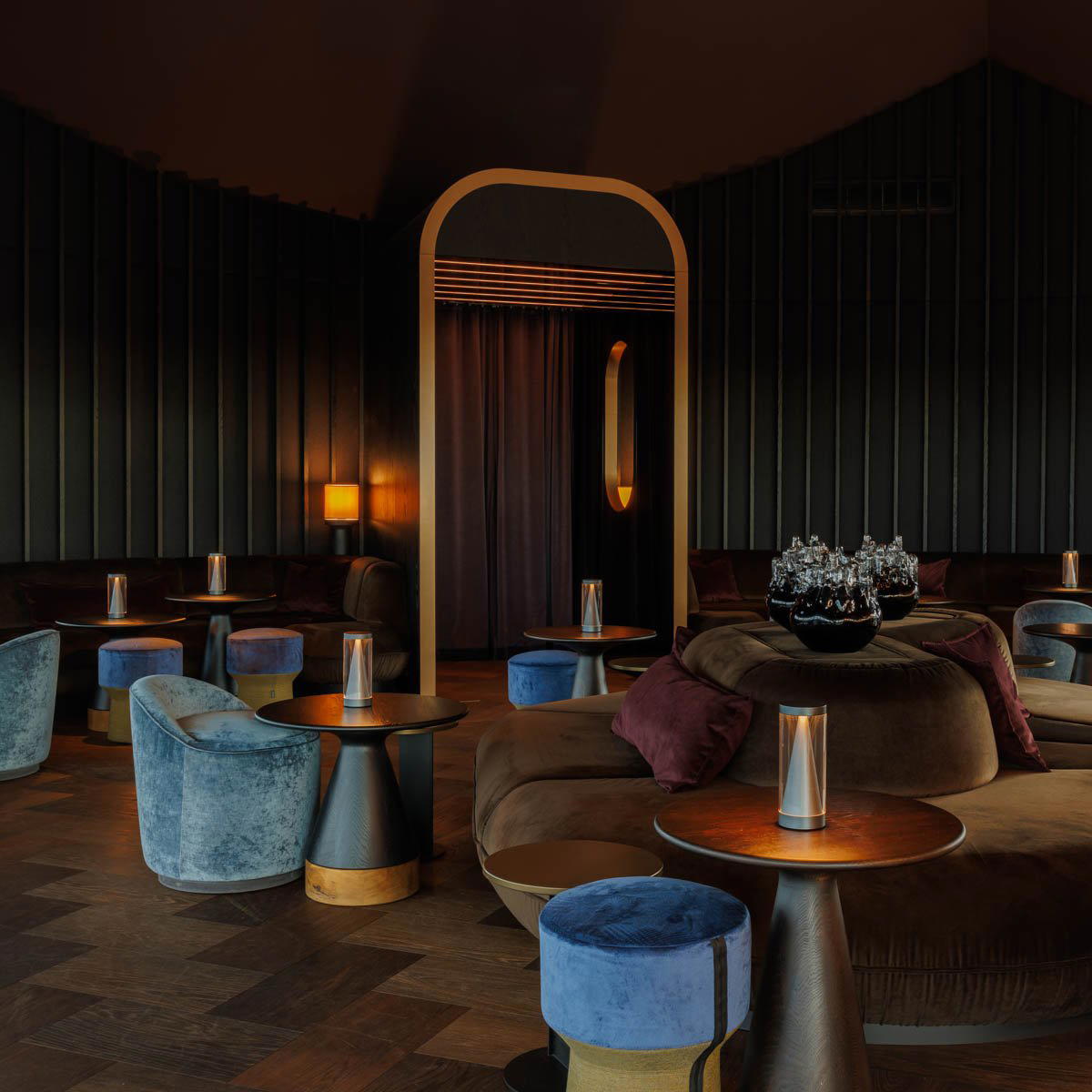
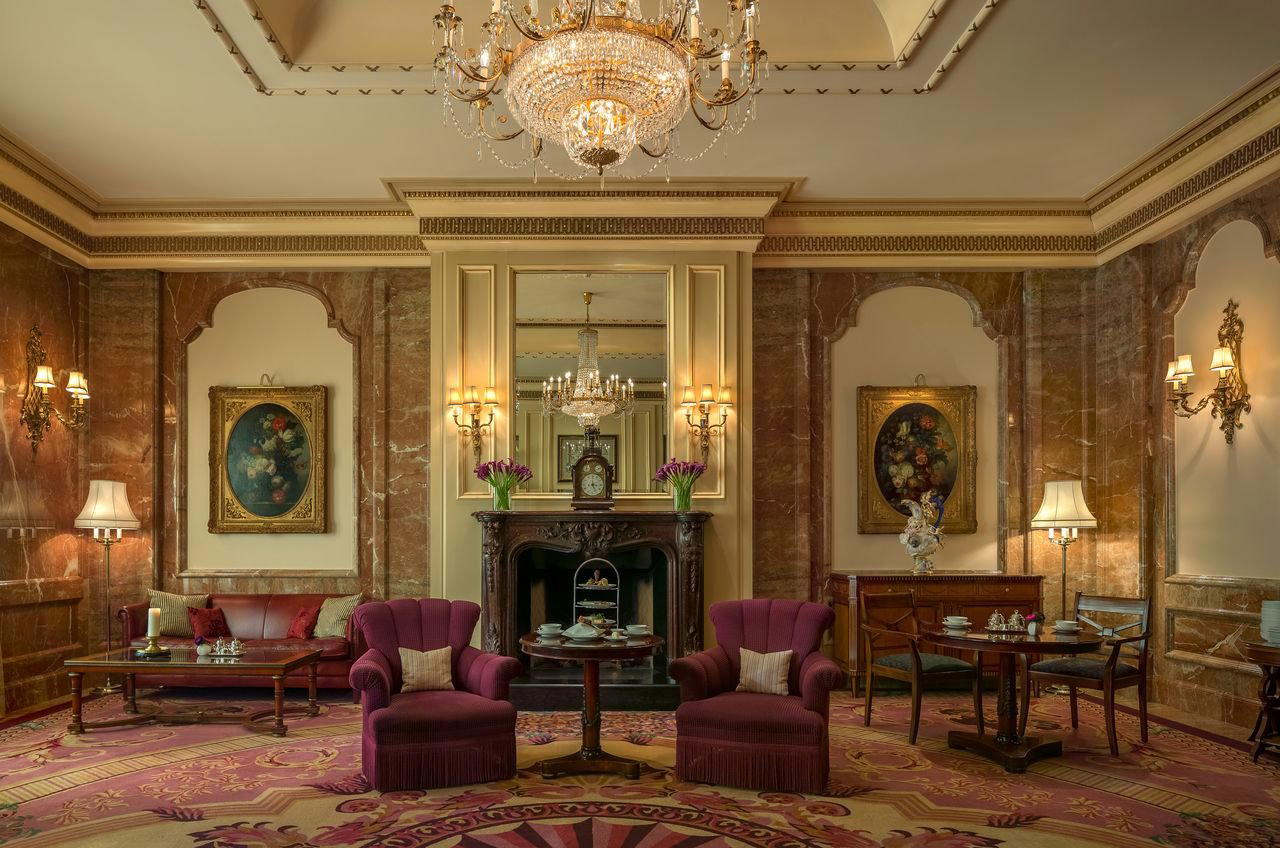
Opulent marble lobby with chandeliers, natural light, antiques, and a cozy fireplace lounge evoking old-world elegance and quiet sophistication.