Pieve Aldina

Relais Chateaux Award
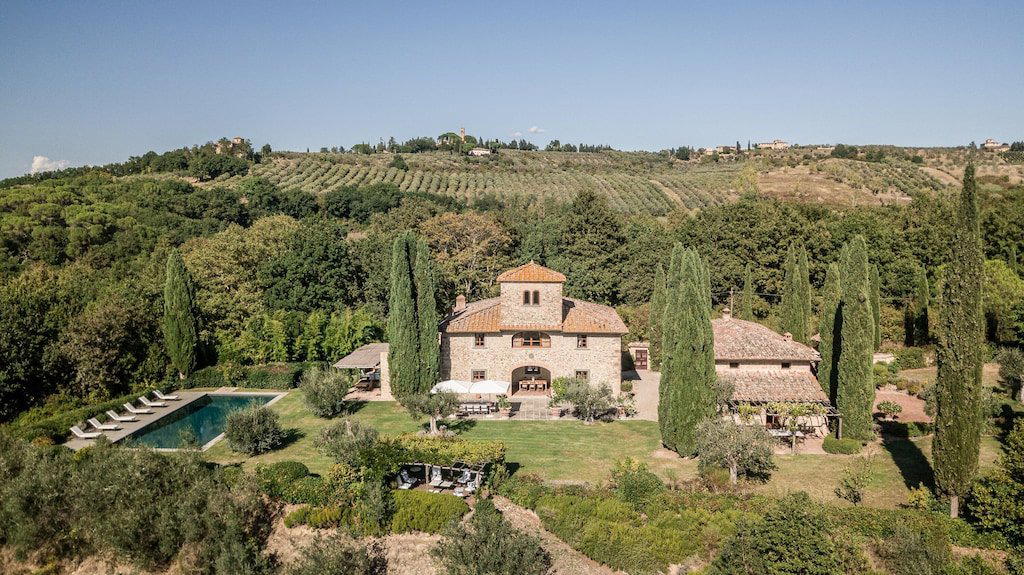
A converted Chianti pieve set among rolling Tuscan hills, Pieve Aldina pairs medieval ecclesiastical architecture with contemporary design thinking. The property sits roughly 35 kilometres from Florence's Santa Maria Novella station and 28 kilometres from Siena.

Pearl is the En Primeur Club membership app, where members save venues, book tables and use the concierge.
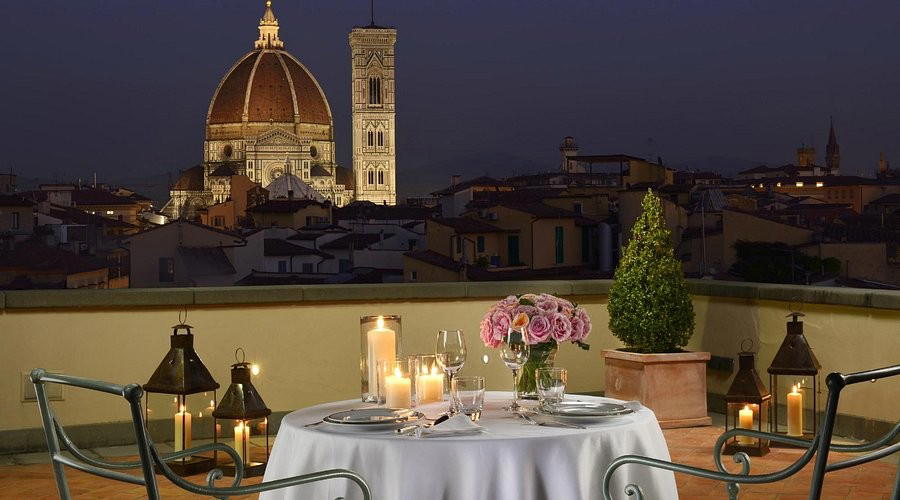
Stone, Silence, and the Architecture of the Chianti Hills
The Chianti countryside has long attracted a particular category of traveller: one who measures a stay less by room amenities than by the quality of light through an ancient window, or the sound of nothing but cicadas at dusk. The rural properties that succeed in this market tend to share a recognisable DNA, ecclesiastical or agricultural origins, structural honesty in the stonework, and design interventions that clarify rather than compete with the original fabric. Pieve Aldina belongs firmly to this tradition. Built around a historic pieve (a Tuscan parish church complex, typically the architectural and civic anchor of a rural commune), the property carries the weight and presence that centuries of stone accumulation produce, set against hills that have defined the region's visual identity since the medieval period.
For a broader look at what Chianti's hospitality scene offers at different price points and formats, see our full Località Santa Maria Novella restaurants guide.
What a Pieve Actually Means, Architecturally
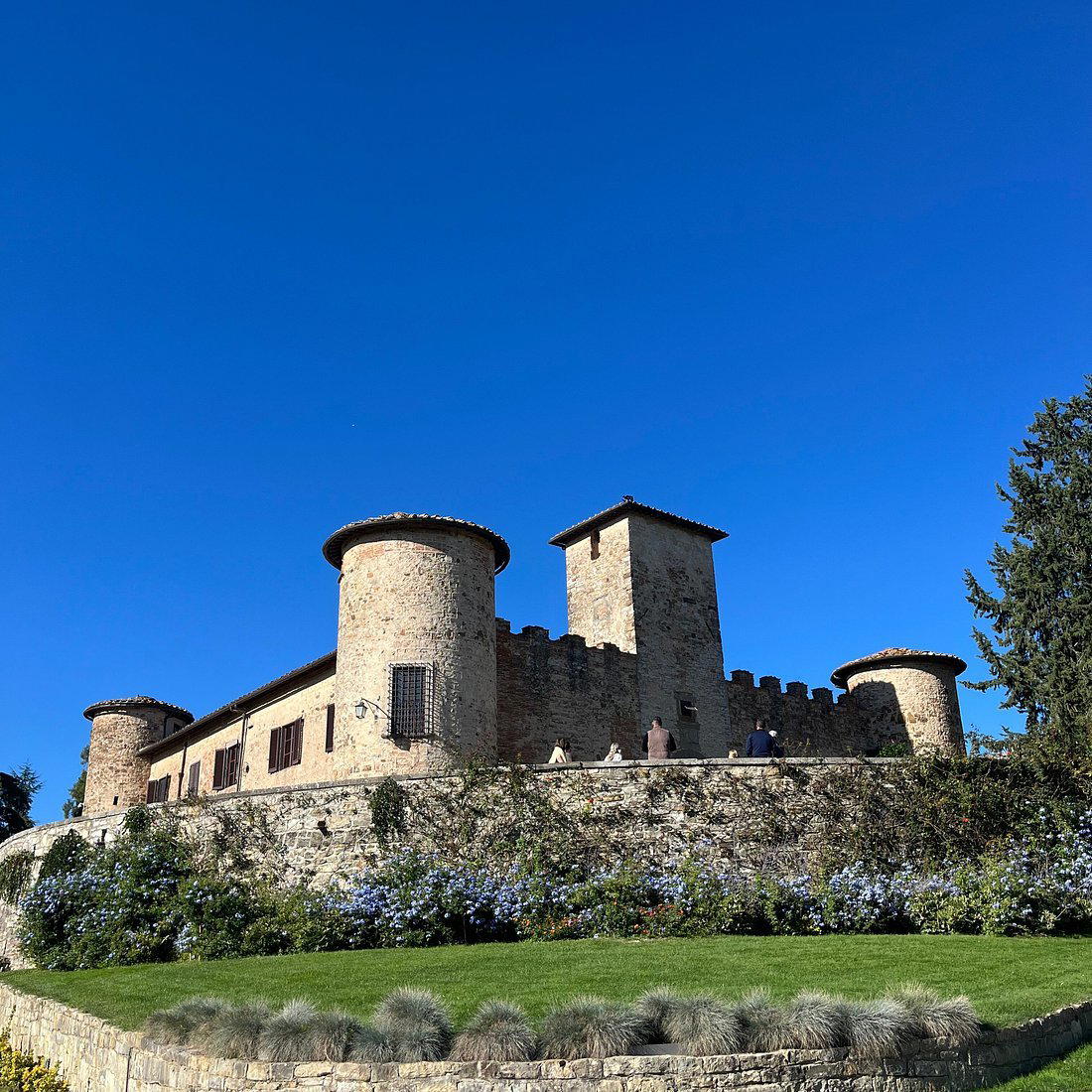
Understanding the building type clarifies what Pieve Aldina is and is not. A pieve in the Tuscan context is not a grand cathedral or a fortified castello; it is something more intimate and more embedded in the agricultural community it served. These complexes typically comprise a main church body, ancillary residential structures for clergy, and outbuildings organised around a courtyard or loggia. The scale is human rather than monumental, and the materials reflect local geology: pale limestone, terracotta tile, rough-cut travertine, and ironwork darkened by centuries of use. That material honesty is precisely what contemporary hospitality design has tried to recapture through renovation projects across Tuscany and Umbria, often at considerable expense and with mixed results. When the original building is already a pieve, the designer's task shifts from fabrication to curation.
The design approach at Pieve Aldina reflects this logic, layering modern elements against the existing architectural shell rather than erasing or overwriting it. This positions the property in a different conversation from the large international luxury brands operating in Florence proper, the Rosewood Castiglion Del Bosco in Montalcino or Castelfalfi in Montaione, where international hotel groups have invested in both heritage fabric and full hospitality infrastructure. Pieve Aldina sits between these poles, closer to the design-led boutique tier than the large-footprint estate model. Its rates, starting from US$402 per night, reflect that positioning: not entry-level rural, but not in the bracket commanded by properties with Michelin-starred restaurants and full concierge programming. For comparison, properties in the Tuscan heritage segment with comparable design seriousness, think Borgo San Felice Resort in Castelnuovo Berardenga, tend to operate at rates that overlap with or exceed this range.
The Italian rural hotel scene more broadly has produced some of its most interesting work in exactly this middle tier, where architectural ambition and operational intimacy coexist. Properties like Castello di Reschio in Lisciano Niccone or Corte della Maestà in Civita di Bagnoregio demonstrate that the conversion of historic ecclesiastical or agricultural fabric into considered hospitality spaces has become one of Italian design's more coherent recent export products.
Terroir as Experience Framework
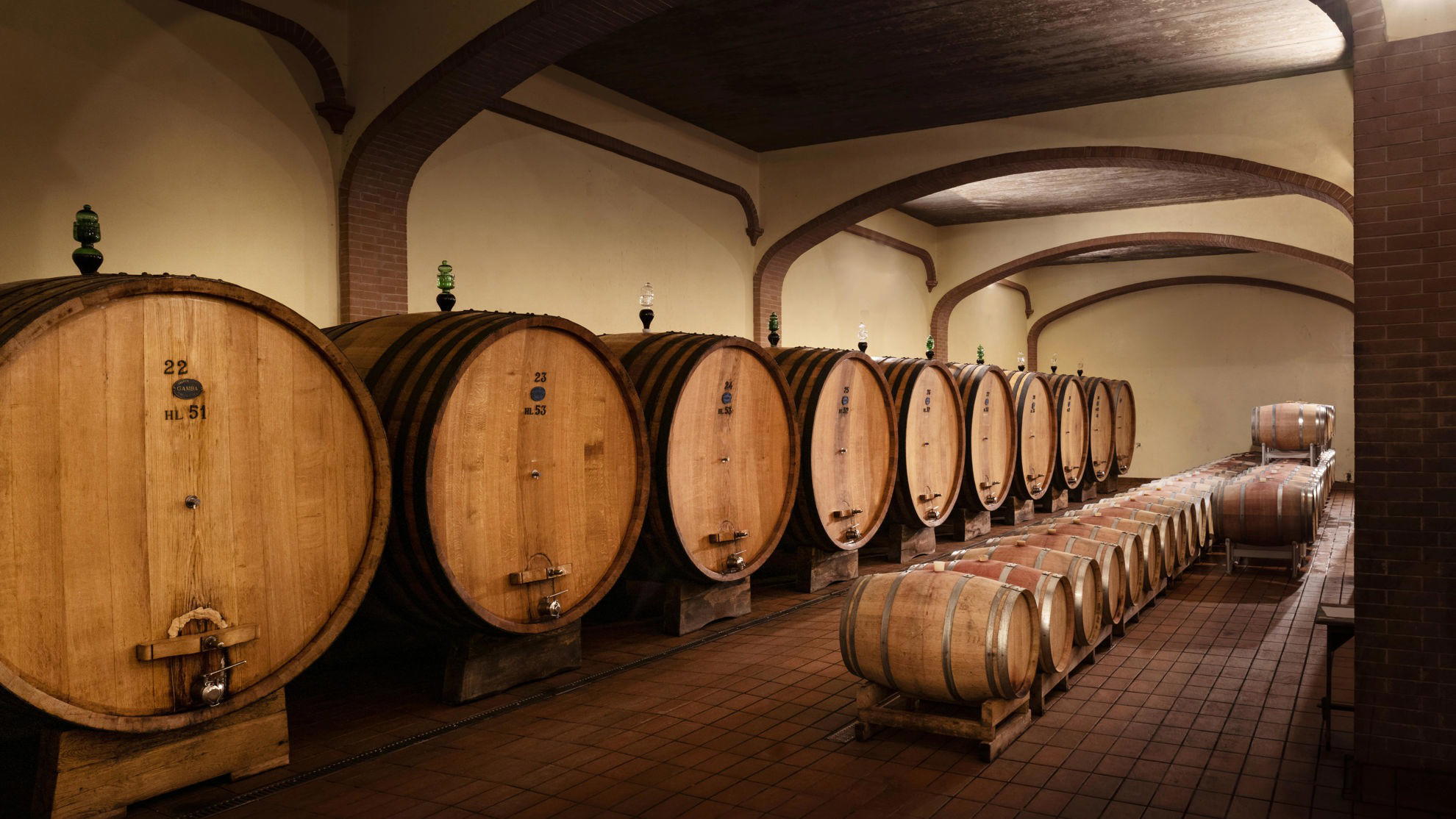
The property's highlighted character points include an explicit emphasis on tasting the Italian terroir, which in a Chianti context carries both literal and figurative meaning. Chianti Classico's DOCG zone runs through this part of Tuscany, and the visual and agricultural range of the hills around any Chianti pieve is inseparable from the wine culture that has shaped it. For guests oriented toward wine, the geography offers immediate access to some of the denomination's more producer-dense corridors, with estates ranging from small family operations to internationally distributed labels within relatively short driving distances. The property's GPS coordinates (43.5084, 11.3652) place it in the heart of this zone.
This kind of terroir immersion differentiates the Chianti rural stay from what waterfront or city-centre alternatives offer. Properties like Aman Venice or the Bulgari Hotel Roma are operating in an entirely different register, the city as backdrop, culture as programme. The Chianti version exchanges spectacle for landscape rhythm, and the architecture of the pieve reinforces that tempo from the moment of arrival.
Getting There and Planning the Stay
Access to Pieve Aldina reflects the dual identity of the Chianti hills: close enough to major transit infrastructure to be reached without difficulty, but sufficiently removed to guarantee quiet. Florence's Peretola airport sits approximately 60 kilometres away; Pisa's international airport is around 110 kilometres. By rail, Florence's Santa Maria Novella station is 35 kilometres distant, and Siena is 28 kilometres. A car is effectively required once in the area, both for the final approach and for any meaningful exploration of the surrounding countryside. This is standard for Chianti rural properties, and guests who commit to hiring a car at the airport gain considerably more flexibility for winery visits and village stops than those relying on transfers alone.
Rates begin at US$402 per night. Booking enquiries should be directed through the property's listed contact channels; specific availability and seasonal pricing are best confirmed directly.
For those building a broader Italian itinerary, the Chianti stay combines well with a Florence base at the Rosewood Castiglion Del Bosco. Italy's rural hospitality circuit rewards this kind of sequenced approach, where each property type, city palazzo, pieve conversion, estate resort, reads differently against the others. Comparable design-led stays elsewhere in Italy include Casa Maria Luigia in Modena, Passalacqua on Lake Como, and Forestis Dolomites in Plose, each making a case for architecture-first hospitality in a distinct Italian region.
Side-by-Side Snapshot
Comparable venues nearby, for context on price, style, and recognition.
| Venue | Cuisine | Price | Awards | Notes |
|---|---|---|---|---|
| Pieve AldinaThis venue (the venue you are viewing) | Restored 12th-century Tuscan farmhouse ensemble with three historic buildings spanning 2,000m² amid 40 hectares of olive groves. | Not listed | Relais Chateaux Award | Not listed |
| Dimora Ghirlandaio | Historic Tuscan estate with authentic Florentine charm | $500–750 | Michelin Selected · Virtuoso Luxury Hotel Partner | Galluzzo |
| Tivoli Palazzo Gaddi | Historic palace blending Renaissance heritage with modern luxury | Not listed | Michelin Selected | Centro Storico |
| SINA Bernini Bristol, Autograph Collection | Well-known 150-year-old luxury hotel reinterpreting Baroque luxury with contemporary twist. | $300–500 | Michelin Selected | Piazza Barberini |
| NH Collection Firenze Porta Rossa | Historic 13th-century tower transformed into a 5-star luxury hotel blending Renaissance architecture with modern comforts. | $200–300 | Michelin Selected | Duomo |
| The James Suite Hotel Firenze 1564 | 16th-century Renaissance palazzo with modern luxury restyling | $750–1,000 | 1 Michelin Key · Small Luxury Hotels of the World Member | San Niccolo |
Recognition history
Dated appearances from independent guides and award organizations, with the underlying list record or original source where available.
Relais Chateaux Award
Relais Chateaux
Continue exploring
More in Località Santa Maria Novella
Hotels in Località Santa Maria Novella
All hotels in Località Santa Maria Novella →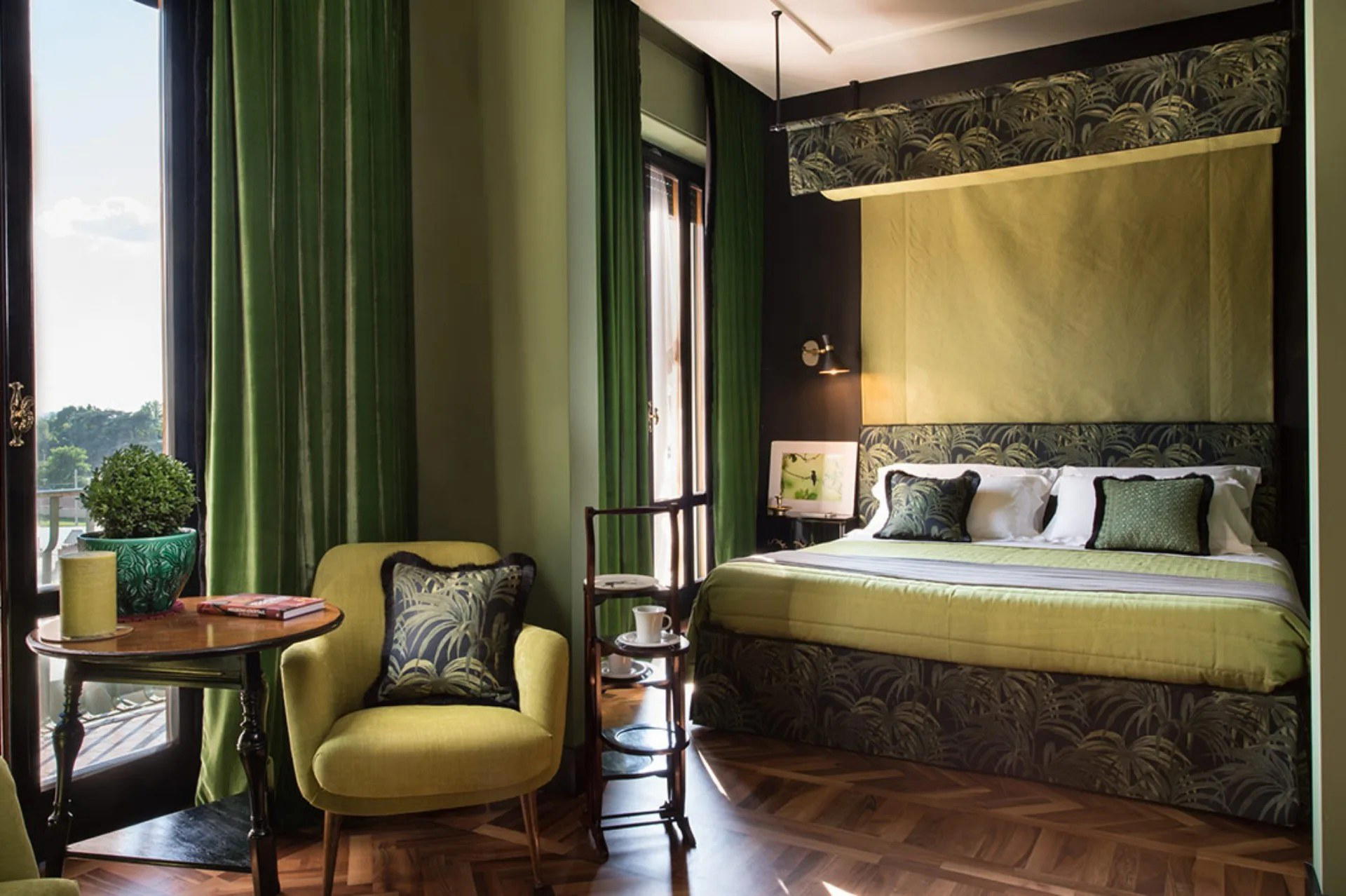
Bars in Località Santa Maria Novella
Browse all →
Restaurants in Località Santa Maria Novella
All restaurants in Località Santa Maria Novella →
Details
- Romantic
- Quiet
- Rustic
- Elegant
- Scenic
- Cozy
- Sophisticated
- Romantic Getaway
- Honeymoon
- Anniversary
- Weekend Escape
- Historic Building
- Panoramic View
- Garden
- Terrace
- Spa
- Restaurant
- Wi Fi
- Concierge
- Vineyard
- Garden
- Mountain
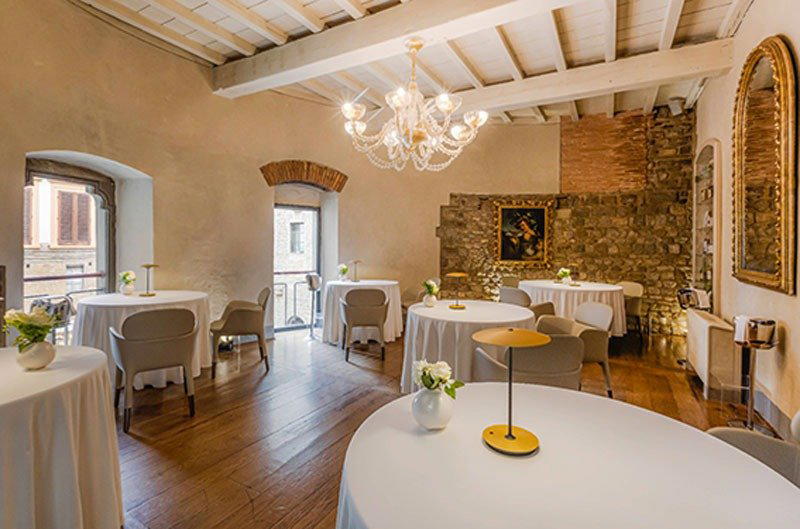
Tranquil and timeless with earthy tones, terracotta floors, lime plaster walls, carved wooden ceilings, and natural light framing verdant countryside views.