Phoenix Hotel

Phoenix Hotel occupies a converted motor lodge on Eddy Street in San Francisco's Tenderloin, a neighbourhood that has long sat at the crossroads of the city's counterculture and creative underground. The property's bungalow-style layout and pool courtyard place it in a different register from the grand downtown hotels, drawing a crowd more interested in character than convention. It is a useful reference point for understanding how San Francisco's boutique hotel scene diverges from its luxury-flag counterparts.
Pearl is the En Primeur Club membership app — saves, bookings, and concierge access live there. Same editors, same standards.
- Address
- 601 Eddy St, San Francisco, CA 94109
- Phone
- +1 415 776 1380
- Website
- bunkhousehotels.com
- Directions
- Get directions
 Saves & bookings on Pearl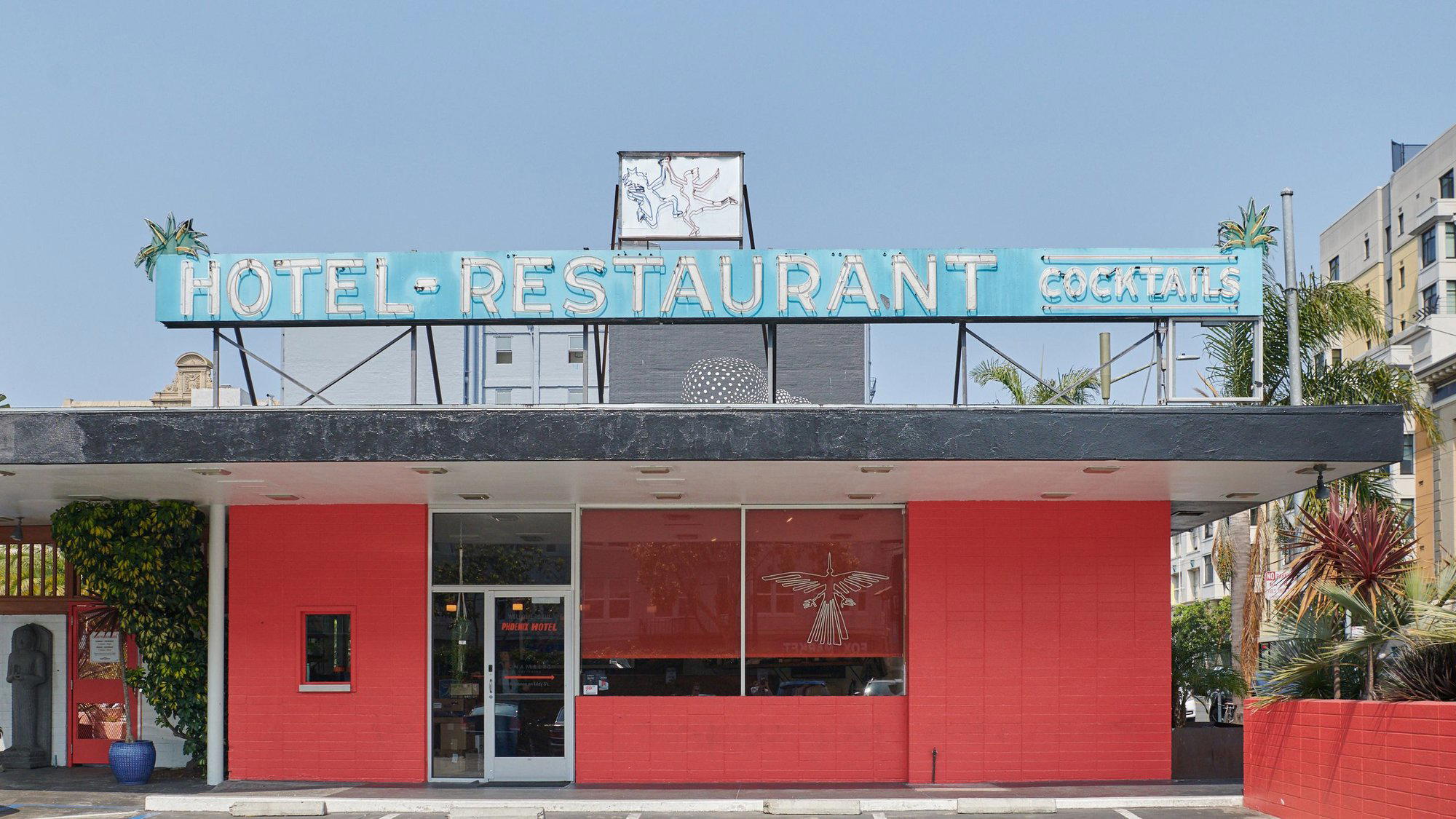
The Tenderloin Register: Where San Francisco's Boutique Hotel Story Gets Complicated
San Francisco's hotel market sorts itself into two broad camps. On one side sit the flag properties clustered around Union Square and the Embarcadero, the Four Seasons Hotel San Francisco at Embarcadero, the Fairmont San Francisco on Nob Hill, the Four Seasons Hotel San Francisco with its Millennium Tower address. On the other sit the character-led independents that trade on neighbourhood identity and a deliberately smaller register. Phoenix Hotel, at 601 Eddy Street in the Tenderloin, belongs firmly to the second camp. It is the point.
The Tenderloin is one of the few San Francisco neighbourhoods that has resisted the smoothing-over that gentrification applies elsewhere. It remains dense, unpolished, and genuinely urban in a way that the curated streetscapes of Hayes Valley or the Mission no longer quite manage. Choosing to stay here is a positioning decision, and Phoenix Hotel has understood that since it reoriented itself from a forgettable motor lodge into a rock-and-roll waystation in the 1980s. The property's cultural identity was built on the friction between the neighbourhood's rough edges and the controlled comfort of a courtyard pool and bungalow rooms.
Arrival and the Architecture of a Motor Lodge Reimagined
The physical approach to Phoenix Hotel frames the experience before check-in. Arriving on Eddy Street, the building reads as a mid-century motor lodge in its bones: a low-slung perimeter of rooms arranged around a central courtyard, more Los Angeles than San Francisco in its spatial logic. That courtyard, with its pool, is the social architecture of the property. In a city where hotels tend to turn inward toward lobbies and bars, Phoenix organises itself outward toward daylight and a shared outdoor space, a format that functions differently from the grand-lobby ritual that governs check-in at a property like the Hotel Drisco in Pacific Heights or the The Battery in the Financial District.
Motor lodge format carries its own dining ritual logic. There is no formal restaurant progression here, no tasting menu pacing, no sommelier choreography. The rhythm of a stay at Phoenix is set by the courtyard rather than the dining room, which puts it in a different conversation from properties where the meal structures the day. Guests who want that progression will find it at a Hotel Adagio or, further afield, at the Auberge du Soleil in Napa, where the table is the centre of gravity. At Phoenix, the courtyard pool performs that role instead.
Where Phoenix Sits in the National Boutique Conversation
Boutique independents operating in challenging urban neighbourhoods form a recognisable tier in the American hotel market. They share certain structural traits: limited keys, a strong curatorial identity, a guest profile that self-selects around authenticity rather than amenity depth. Phoenix Hotel fits that pattern cleanly. It is not trying to compete with the amenity stack of the 1 Hotel San Francisco or the formal service architecture of a Four Seasons Hotel Silicon Valley at East Palo Alto. Its competitive set is defined by identity, not by thread count or spa square footage.
Nationally, properties that occupy this niche tend to draw comparisons with similarly positioned hotels: Troutbeck in Amenia operates on a comparable logic of place-as-personality, as does Sage Lodge in Pray, where the landscape does the aesthetic work that a design team might otherwise perform. At the luxury end of that identity-led spectrum sit properties like Post Ranch Inn in Big Sur or Amangiri in Canyon Point, where site specificity is taken to its extreme conclusion. Phoenix operates with less capital behind that identity claim, but the underlying logic is the same: the address and what it represents is the product.
For travellers used to the formal ritual of a grand city hotel, the uniformed door staff, the lobby bar as social hub, the room-service menu as a structured option, Phoenix will read as deliberately stripped back. That stripping back is not a deficit. It is the offer. The question is whether the guest is buying it knowingly.
The Tenderloin Context: What the Neighbourhood Asks of Guests
Staying in the Tenderloin requires a different orientation than booking a room at the Raffles Boston or the The Fifth Avenue Hotel in New York City, where the street outside the front door is itself part of the luxury proposition. The Tenderloin's streets are active, sometimes chaotic, and the neighbourhood's social complexity is visible from the pavement. That visibility is not a bug. For a certain kind of traveller, one who finds the sealed-off quality of traditional luxury hotels slightly airless, it is precisely the point. The hotel has always attracted guests who want to be in the city rather than insulated from it.
That guest profile has historically skewed toward creative industries, toward musicians and writers and people in town for the kind of work that doesn't require a business centre. Whether that demographic has shifted as San Francisco's own demographics have shifted is an open question, the city's tech-era transformation has changed who can afford to stay anywhere in it. But the property's physical and cultural identity has remained anchored to its original positioning in ways that flag properties, by design, cannot replicate. For a broader sense of how San Francisco's hospitality options spread across neighbourhoods and price tiers, the full San Francisco restaurants and hotels guide maps the city's options with more granularity.
Planning a Stay: What to Know Before You Book
The hotel sits at 601 Eddy Street, in the eastern Tenderloin, within walking distance of City Hall and the performing arts complex around Van Ness. The Civic Center BART station is nearby, making transit connections to the Mission, Castro, and Financial District direct. Those planning around dining and bars will find the Hayes Valley restaurant corridor a short walk west, and the city's denser fine-dining options concentrated further east and north. The hotel's rooms start at $145 per night, and reservations are recommended. Travellers cross-referencing against other San Francisco options should note that properties like SingleThread Farm Inn in Healdsburg or Kona Village, A Rosewood Resort in Kailua Kona operate in an entirely different register of amenity, pacing, and price, useful calibration if Phoenix's format is being considered as part of a wider California itinerary.
Reputation First
Comparable venues nearby, for context on price, style, and recognition.
| Venue | Cuisine | Price | Awards | Notes |
|---|---|---|---|---|
| Phoenix HotelThis venue — the venue you are viewing | Midcentury motor court revived as groovy urban oasis | $$ | 3-Star | Not listed |
| Palihotel San Francisco | Historic boutique hotel blending Spanish Colonial Revival architecture with modern California-centric updates. | $$$ | 3-Star | Financial District/South Beach |
| The Laurel Inn - JDV by Hyatt | Contemporary mid-century modern boutique hotel | $$ | 3-Star | Presidio Heights |
| Beacon Grand, A Union Square Hotel | Historic luxury hotel blending 1920s architectural heritage with contemporary design and modern amenities. | $$$ | 4-Star | Union Square |
| LUMA Hotel San Francisco | Contemporary design hotel with a lifestyle, business-friendly positioning. | $$$ | 4-Star | Mission Bay |
| Hotel Adagio, Autograph Collection | Historic Spanish colonial revival architecture blended with upscale contemporary design; boutique luxury positioning. | $$$ | 4-Star | Tenderloin |
Recognition history
Dated appearances from independent guides and award organizations, with the underlying list record or original source where available.
Michelin Selected
Michelin
Continue exploring
More in San Francisco
Hotels in San Francisco
Browse all →
Bars in San Francisco
Browse all →
Restaurants in San Francisco
Browse all →
At a Glance
- Lively
- Trendy
- Well Known
- Cozy
- Weekend Escape
- Pool
- Wi Fi
- Restaurant
- Concierge
- Pool
- Wi Fi
- Restaurant
- Concierge
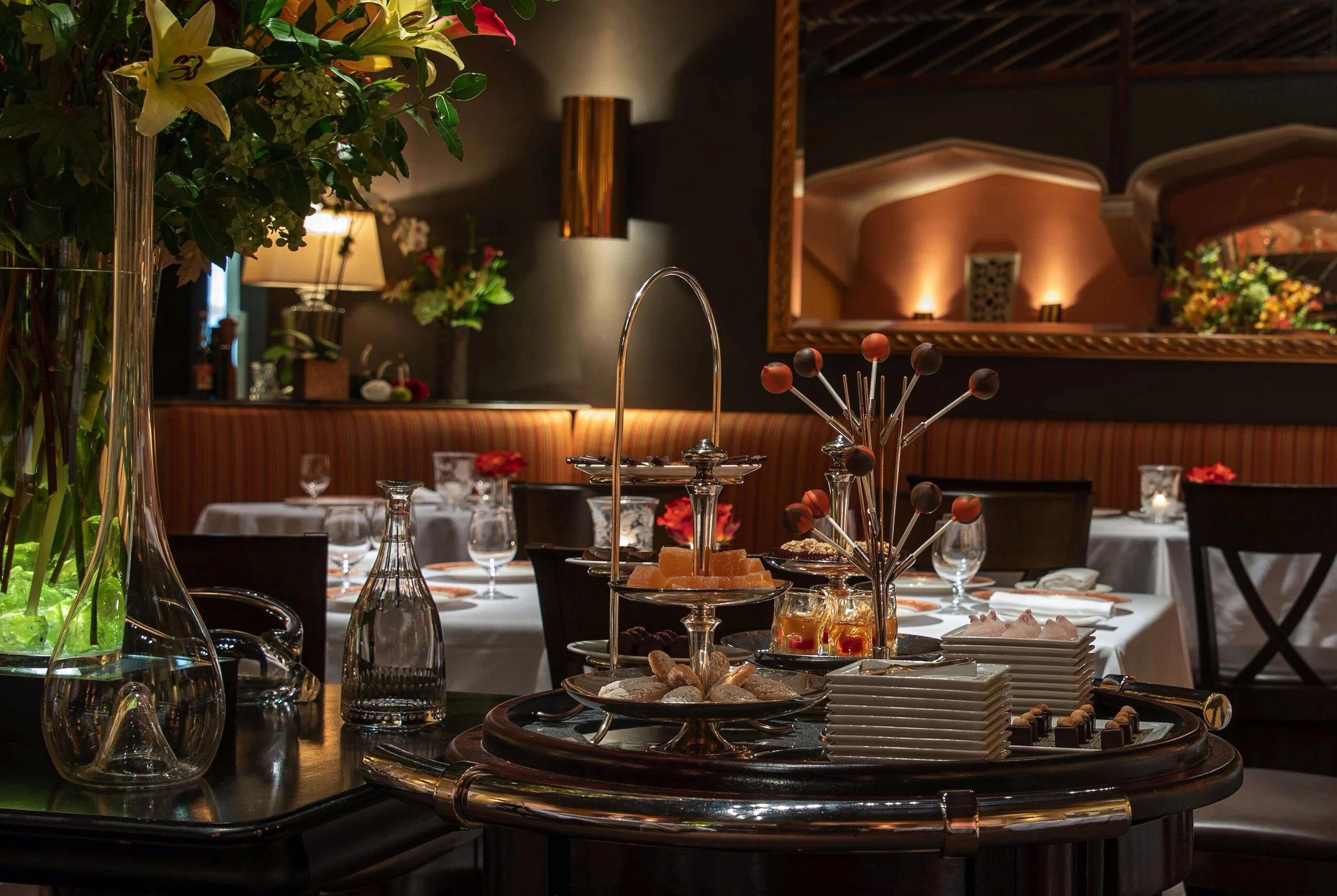
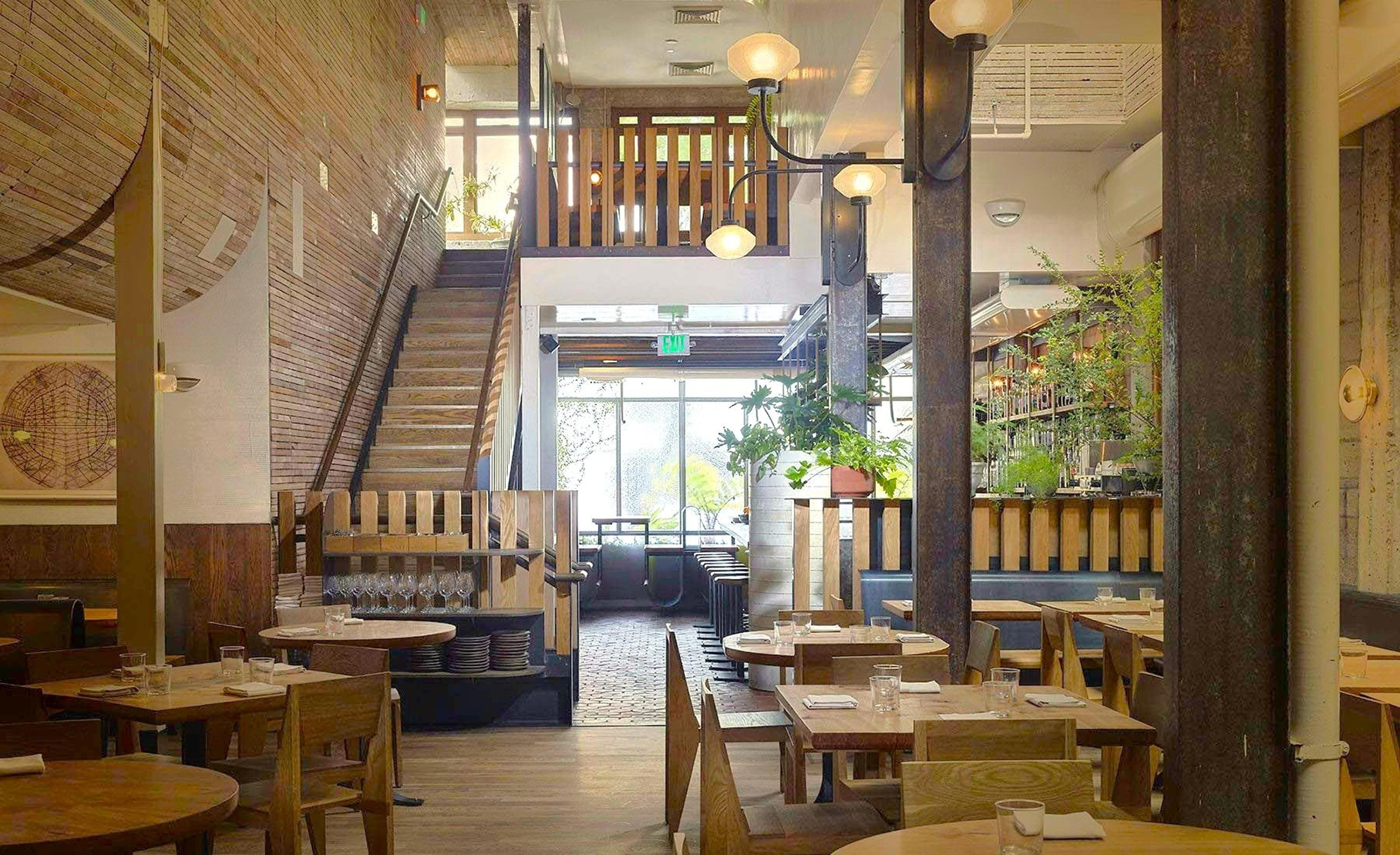
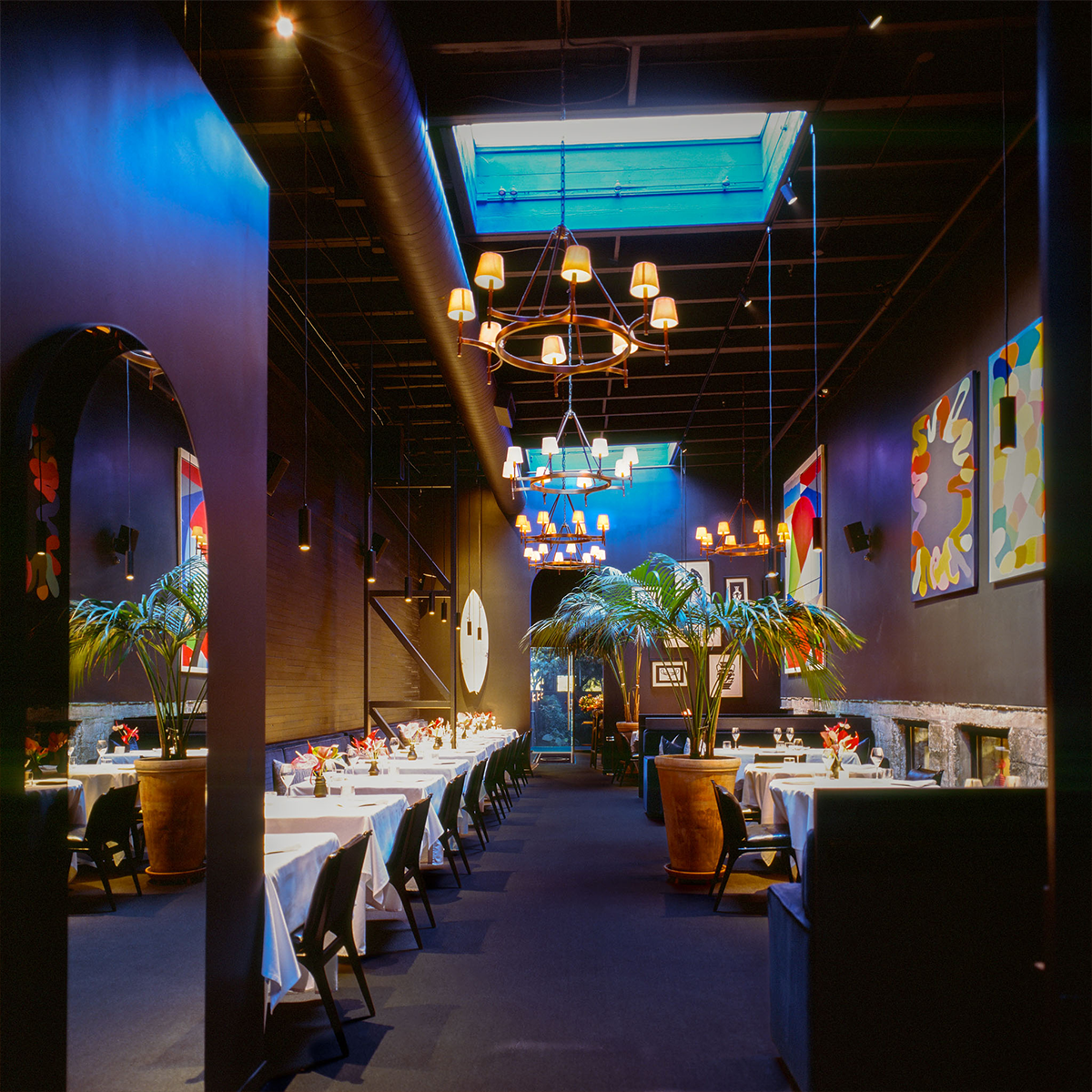
Lively and funky 1950s retro motor lodge atmosphere with colorful eclectic art, tropical courtyard landscaping, and lively poolside energy.