LUMA Hotel San Francisco
LUMA Hotel San Francisco belongs to the newer Mission Bay hotel conversation rather than the old Nob Hill grand-hotel tradition.
Pearl is the En Primeur Club membership app — saves, bookings, and concierge access live there. Same editors, same standards.
- Address
- 100 Channel St, San Francisco, CA 94158
- Phone
- (415) 266-9999
- Website
- lumahotels.com
- Directions
- Get directions
 Saves & bookings on Pearl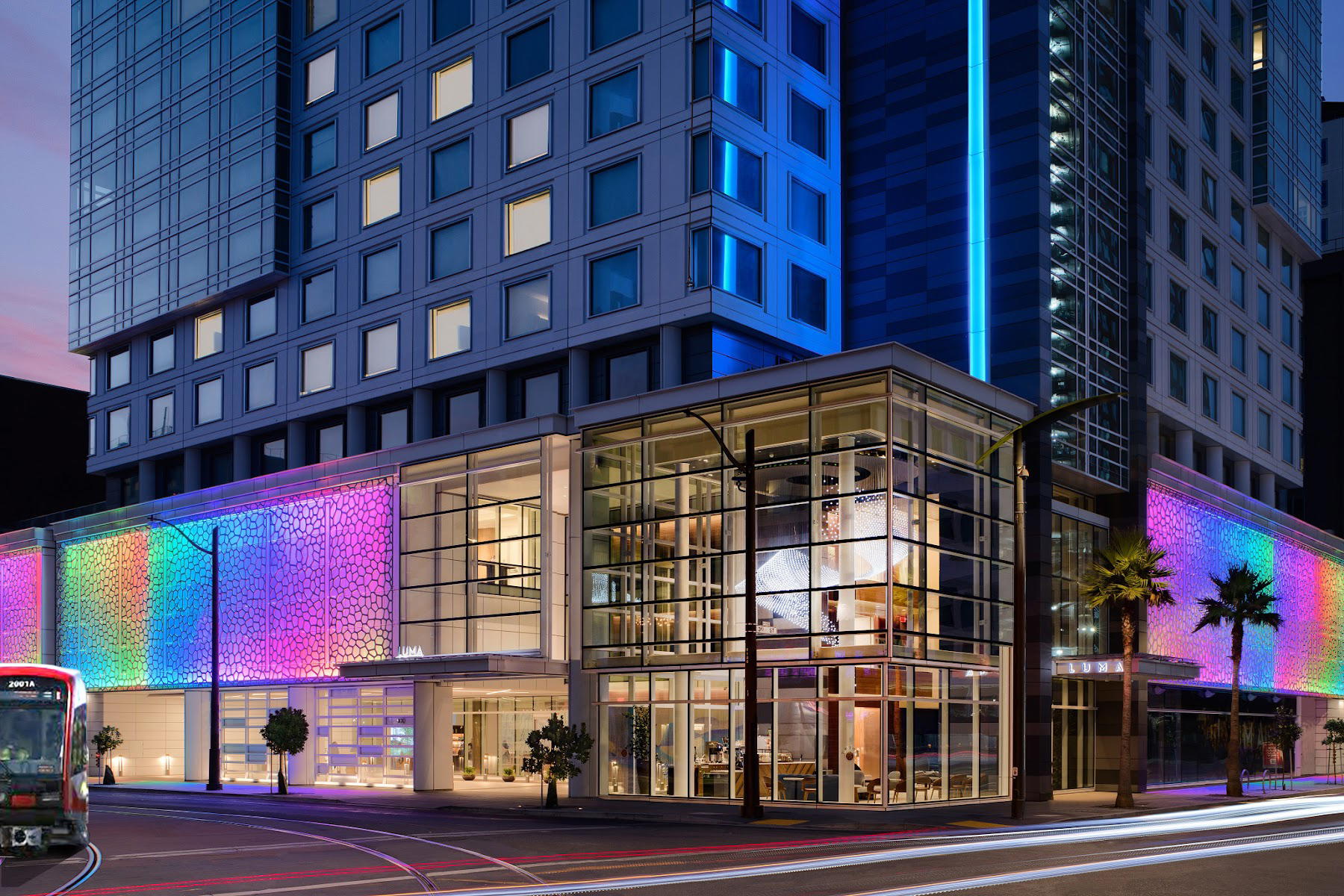
Mission Bay changes the San Francisco hotel equation
Approaching the newer parts of San Francisco, the city feels less like the postcard version of cable cars and gilded lobbies and more like glass, transit lines, stadium crowds, medical campuses, and water glimpsed between blocks. That setting matters. LUMA Hotel San Francisco sits in a hotel category shaped by Mission Bay’s recent growth, where the logic of a stay is not old-world ceremony but access: to the eastern waterfront, Chase Center, UCSF, SoMa, and the restaurant corridors that pull the city south and east after dark.
San Francisco luxury has long been split between several tribes. Nob Hill keeps the grand-hotel lineage alive through properties such as Fairmont San Francisco. The Financial District and Embarcadero bracket draw guests who want bay views and corporate convenience, a field that includes Four Seasons Hotel San Francisco at Embarcadero and 1 Hotel San Francisco. Union Square remains the traditional shopping-and-theatre base, with Beacon Grand, A Union Square Hotel occupying that older downtown rhythm. Mission Bay belongs to a different San Francisco: newer infrastructure, event traffic, work trips, and a dining map that often requires sharper planning than a hotel-zone default.
That distinction is useful because the venue database does not list a star rating, price range, awards, restaurant names, bar programme, chef, booking method, room count, suite category, address, phone number, or website. Those omissions should not be filled with guesswork. The answer is to treat neighbourhood purpose as the first filter and dining strategy as the second.
The dining programme question
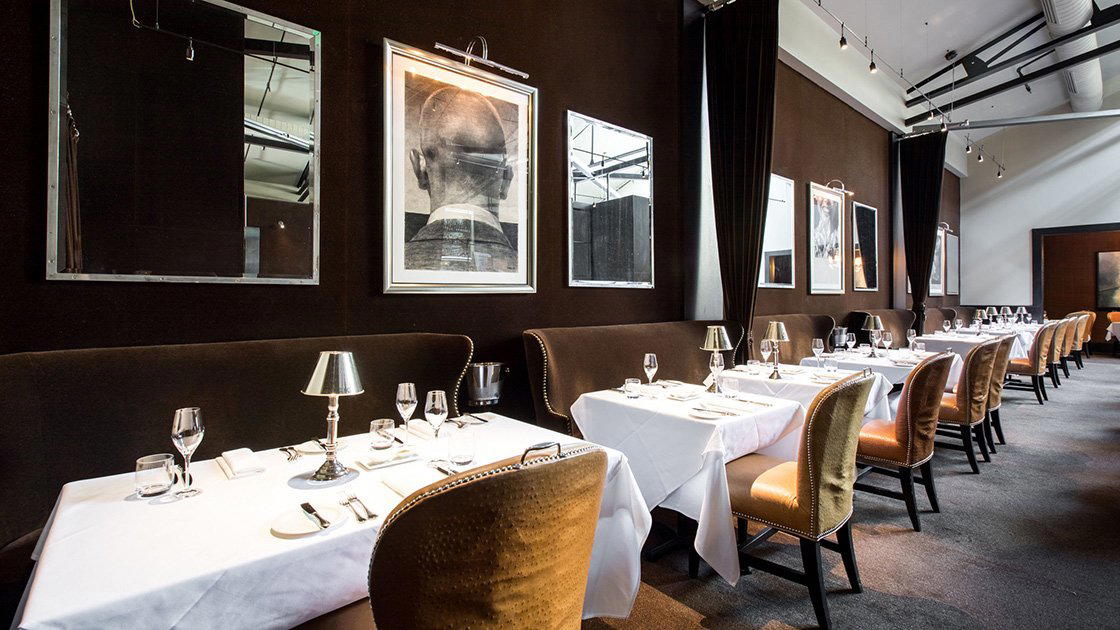
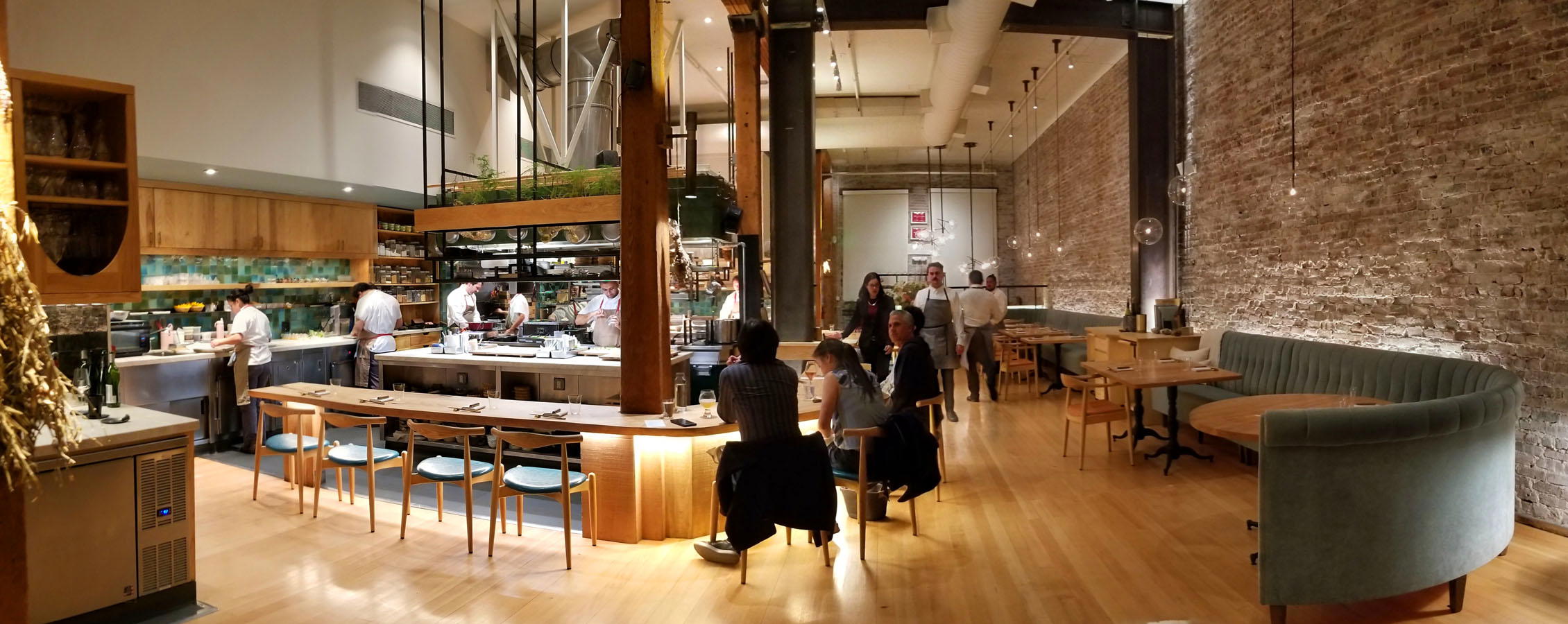
The assigned lens is the hotel dining programme, but no database field identifies a chef, cuisine type, signature restaurant, bar, awards, opening hours, or price bracket. In San Francisco, a hotel restaurant has to do more than feed guests who do not want to leave the building. The city already has deep independent dining culture, from tasting-menu rooms to neighbourhood counter service, and hotels compete against that entire ecosystem every night. A hotel without verified culinary credentials in the record should be read as a base for dining in the city rather than as the main dining event.
This is not a weakness by default. In San Francisco, many strong hotel stays depend on what surrounds them rather than what sits downstairs. A guest near Mission Bay can treat dinner as a neighbourhood decision: walkable casual meals on event nights, rides into SoMa and the Mission for more serious reservations, or waterfront dining when the weather cooperates. The practical move is to separate lodging value from restaurant ambition. If the purpose of the trip is a hotel-led dining weekend, compare against properties with clearer food-and-beverage identities or stronger public recognition. If the purpose is access to Mission Bay with dinner planned elsewhere, the calculation changes.
For the wider city map, Our full San Francisco restaurants guide is the stronger planning tool than relying on an undocumented in-house programme. The same logic applies to pre-dinner drinks: San Francisco’s bar culture is scattered across hotel bars, cocktail dens, wine-focused rooms, and neighbourhood specialists, so Our full San Francisco bars guide gives a better read on where the night should begin or end. For travellers building a food-focused itinerary, the hotel should be judged by how efficiently it connects to that network.
How Mission Bay compares with the established hotel districts
Mission Bay is not trying to be Nob Hill. That is the point. The neighbourhood’s hospitality appeal comes from contemporary urban convenience, not inherited social theatre. A stay here suits travellers whose schedule is tied to the eastern side of the city: events at Chase Center, medical or academic appointments around UCSF, work in SoMa, or a dining plan that moves between the Mission, Dogpatch, the Embarcadero, and downtown. Those are logistical strengths, and they matter more than a lobby designed for lingering.
By contrast, the city’s older luxury geography answers different needs. Hotel Drisco points toward Pacific Heights, residential calm, and a hilltop view of San Francisco as a lived-in city rather than a convention corridor. Four Seasons Hotel San Francisco keeps guests closer to the downtown retail and museum axis. The Battery belongs to the private-club side of the city’s hospitality culture, where social access and membership cues carry weight. The useful comparison is not which hotel is grander; it is which San Francisco the traveller actually needs.
Mission Bay’s dining advantage is range rather than concentration. It gives relatively efficient access to several dining zones, though the city’s hills, traffic, and event surges still shape timing. On a game or concert night, dinner close to the arena can feel practical rather than compromised. On a slower evening, a planned ride into the Mission or North Beach may pay off. The smartest itineraries avoid pretending San Francisco is compact in the way European city centres are compact. A short-looking route can expand once weather, rideshare demand, or transit timing enters the picture.
What the lack of awards and price data tells the reader
Awards are not the only measure of a hotel, but they are useful trust signals. That does not mean the stay lacks quality; it means the evidence base is thinner than for hotels whose public recognition is already documented. For an EP Club reader, that should sharpen the decision rather than cloud it.
Price range is also unavailable in the record. In San Francisco, that matters because nightly rates can swing sharply with conferences, major events, sports schedules, and compressed business-travel demand. A Mission Bay hotel can move from sensible to expensive depending on what is happening nearby. Without a verified price band, value should be judged against the specific dates, the cancellation policy displayed by the booking channel, and the cost of transport to the restaurants, meetings, or venues that define the trip.
The same restraint applies to room categories and suites. No suite hierarchy appears in the venue data, so any claim about a flagship suite, view category, or preferred floor would be invention. The practical editorial position is simple: book by function first. If sleep, work space, and proximity are the priorities, compare the room type against nearby city hotels on square footage, view, included amenities, and cancellation terms. If the stay is meant to carry a celebratory tone, the city has properties with more documented heritage, design identity, or resort-style service cues.
Where it sits in a wider luxury travel pattern
American luxury travel has become less attached to a single definition of grandeur. In New York, The Fifth Avenue Hotel in New York City channels a highly designed urban-house mood. In Los Angeles, The Beverly Hills Hotel in Los Angeles represents a social mythology that is difficult to separate from the city itself. In Utah, Amangiri in Canyon Point turns isolation and landscape into the core of the stay. In the Hudson Valley, Troutbeck in Amenia works through literary-country-house associations and a slower rural tempo.
San Francisco adds another model: the high-function urban base in a city where the main cultural pleasures often sit outside the hotel. That is why comparison across the EP Club hotel map is revealing. Four Seasons at The Surf Club in Surfside and Raffles Boston in Boston place hospitality theatre closer to the centre of the experience. SingleThread Farm Inn in Healdsburg ties lodging directly to a culinary destination model. Kona Village, A Rosewood Resort in Kailua Kona and Sage Lodge in Pray use setting as the main event. A Mission Bay stay should not be forced into those frames. Its value is urban utility, not escapism.
European grand hotels offer an even sharper contrast. Hôtel de Paris Monte-Carlo in Monte Carlo, Badrutt's Palace Hotel in St. Moritz, and Aman Venice in Venice are tied to destinations where the hotel can function as a cultural landmark. San Francisco’s newer neighbourhood hotels operate differently. They succeed when they reduce friction: easier arrivals, cleaner access to appointments, and a base that lets the city’s restaurants, bars, museums, and waterfront do the cultural work.
Planning a food-led stay from this address
A dining-focused San Francisco trip needs more structure than a generic weekend plan. Restaurant demand can cluster around convention weeks, holidays, and major events, and the city’s better-known tables often require advance planning. The safer approach is to decide the meals first, then confirm whether the hotel location supports them.
For a short stay, build the itinerary by zones. One evening can stay close to Mission Bay, Dogpatch, or the Embarcadero if timing is tight. Another can move toward the Mission or Hayes Valley if the reservation justifies the transit. Daytime plans may point toward museums, the Ferry Building area, or neighbourhood coffee rather than a formal hotel lunch. Wine-focused travellers can extend the trip beyond the city using Our full San Francisco wineries guide, though serious Northern California wine days require early departures and realistic transport planning. For culture beyond restaurants, Our full San Francisco experiences guide gives the trip a better spine than filling every gap with another meal.
Comparisons inside the city should remain practical. Travellers who want waterfront emphasis should look closely at 1 Hotel San Francisco. Those prioritising a corporate-downtown orbit may prefer Four Seasons Hotel San Francisco at Embarcadero. A Pacific Heights mood points toward Hotel Drisco. For a broader city scan, Our full San Francisco hotels guide is the cleaner way to compare neighbourhoods, service styles, and the level of documented recognition.
Practical read: who should choose it
LUMA Hotel San Francisco makes sense when Mission Bay is not incidental but central to the trip. That includes event-led stays, work around the eastern side of the city, medical or academic visits, and itineraries built around SoMa, Dogpatch, the waterfront, and the Mission. It is a less obvious fit for travellers seeking the traditional San Francisco hotel fantasy of cable-car proximity, grand staircases, and hilltop formality.
Confirm the current rate, cancellation terms, room category, included fees, parking policy if driving, and food-and-beverage hours directly through the active booking channel before committing. For dinner, reserve independently wherever possible rather than relying on same-day hotel guidance. In a city where the meal can define the night, that one habit prevents the common mistake of treating logistics as an afterthought.
The investment case depends on date-specific pricing. With no award signal or published price range in the record, the hotel should be weighed against location value: how much time it saves, how many rides it removes, and whether the surrounding neighbourhood fits the traveller’s actual plans. When those answers align, a newer Mission Bay base can be a sharp choice. When they do not, San Francisco offers better-matched alternatives across Nob Hill, Union Square, Pacific Heights, and the Embarcadero.
How It Compares
Comparable venues nearby, for context on price, style, and recognition.
| Venue | Cuisine | Price | Awards | Notes |
|---|---|---|---|---|
| LUMA Hotel San FranciscoThis venue — the venue you are viewing | Contemporary design hotel with a lifestyle, business-friendly positioning. | $$$ | 4-Star | Not listed |
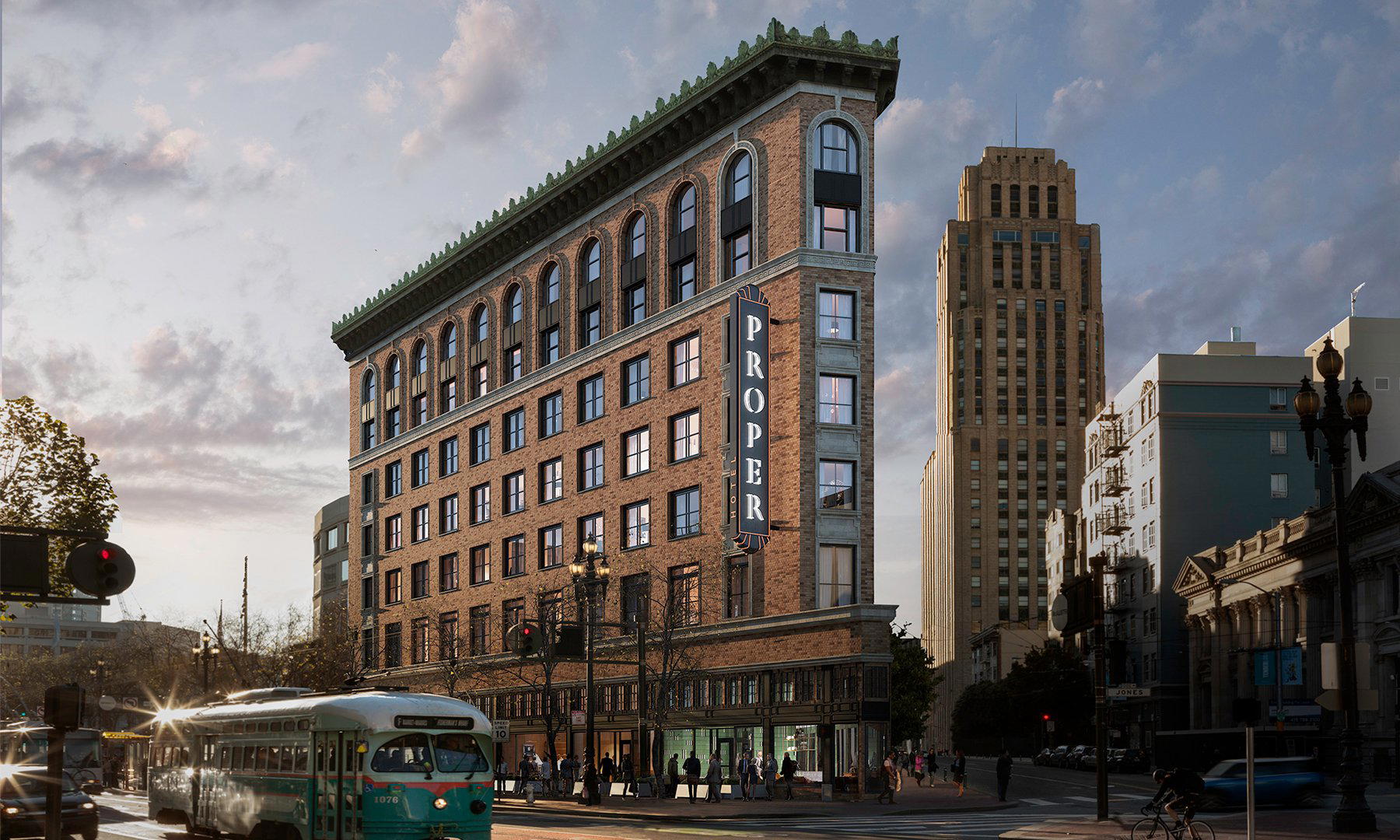
| Hotel Zeppelin San Francisco | Rock 'n' roll counterculture retreat in historic buildings | $$$ | 4-Star | Union Square |
| Hotel Zelos San Francisco | Fashion-forward urban boutique in historic building blending technology and art. | $$$ | 4-Star | South of Market |
| Trimbri Hotel San Francisco | Lively boutique hotel blending vitality and comfort in central San Francisco. | $$$ | 4-Star | Tenderloin |
| Hotel Emblem San Francisco | Beat Generation-inspired boutique urban retreat | $$$ | 4-Star | Union Square |
| Beacon Grand, A Union Square Hotel | Historic luxury hotel blending 1920s architectural heritage with contemporary design and modern amenities. | $$$ | 4-Star | Union Square |
Continue exploring
More in San Francisco
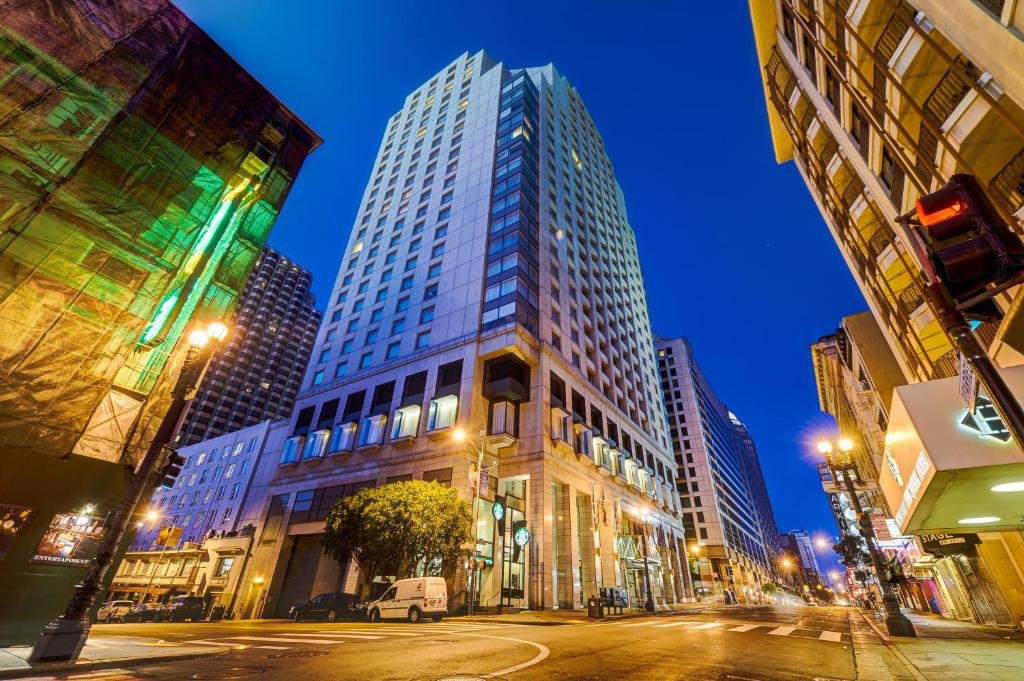
Hotels in San Francisco
Browse all →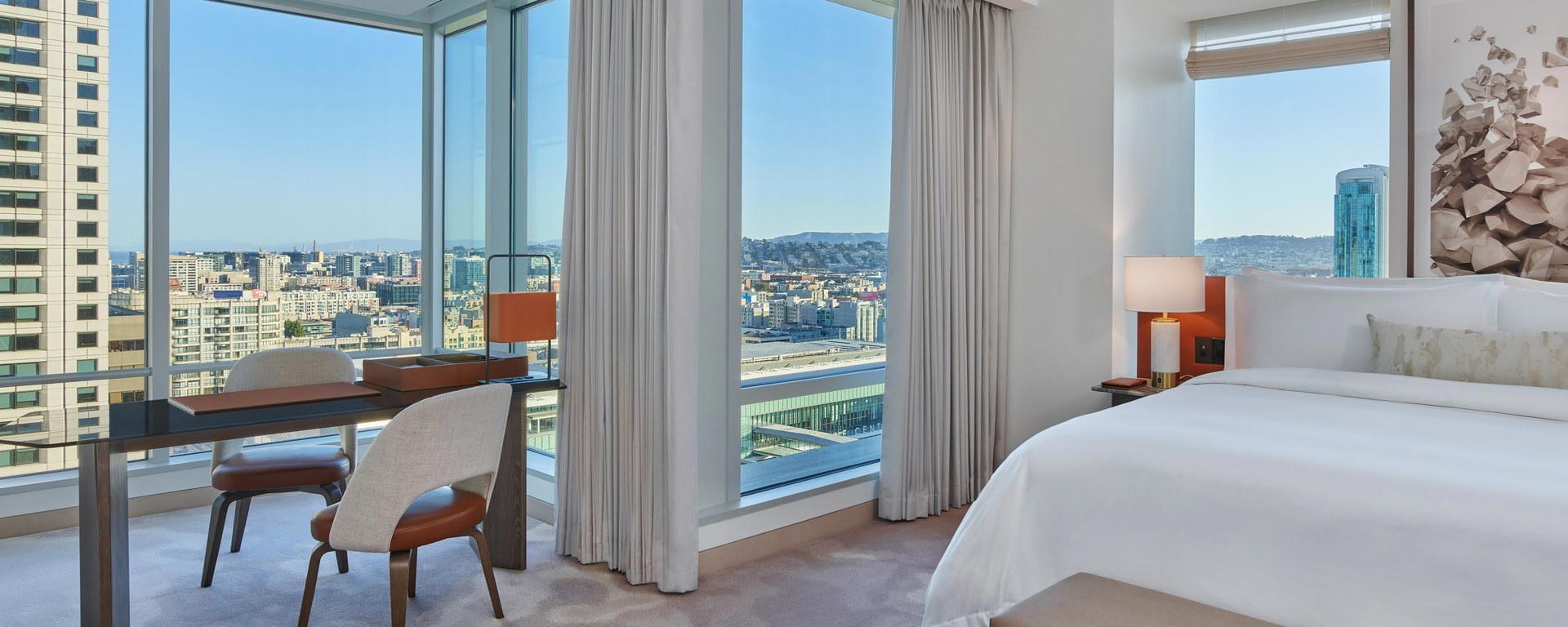
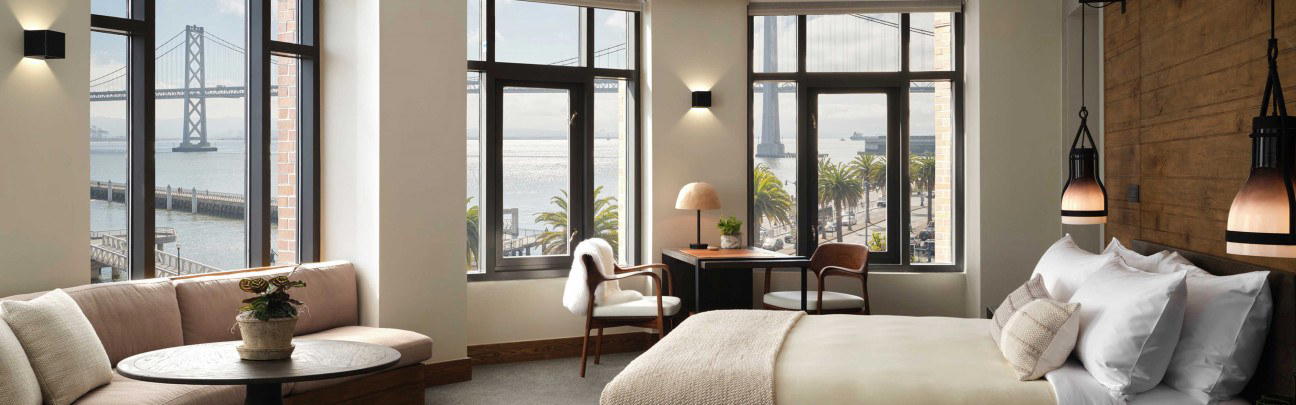
Bars in San Francisco
Browse all →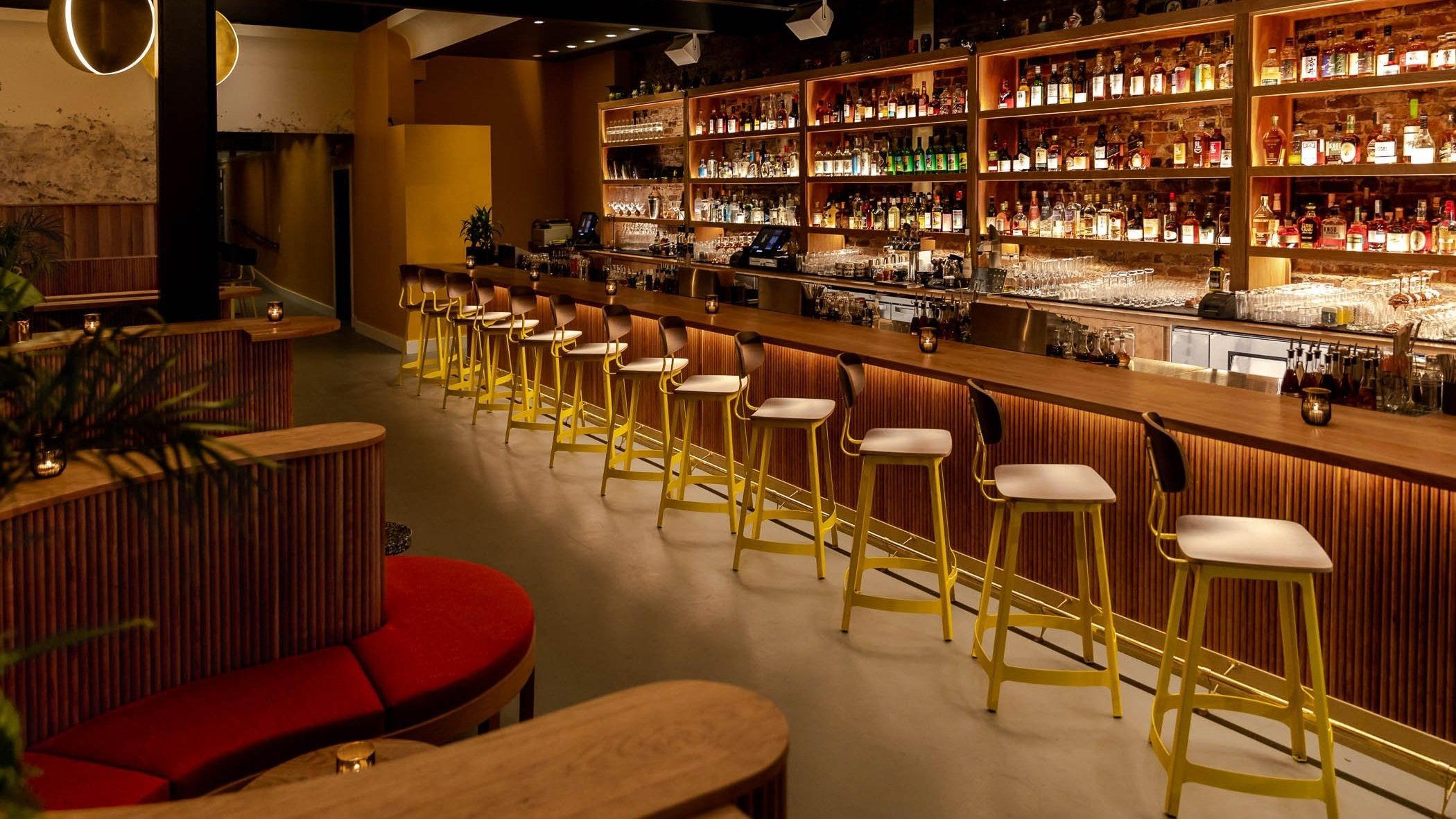
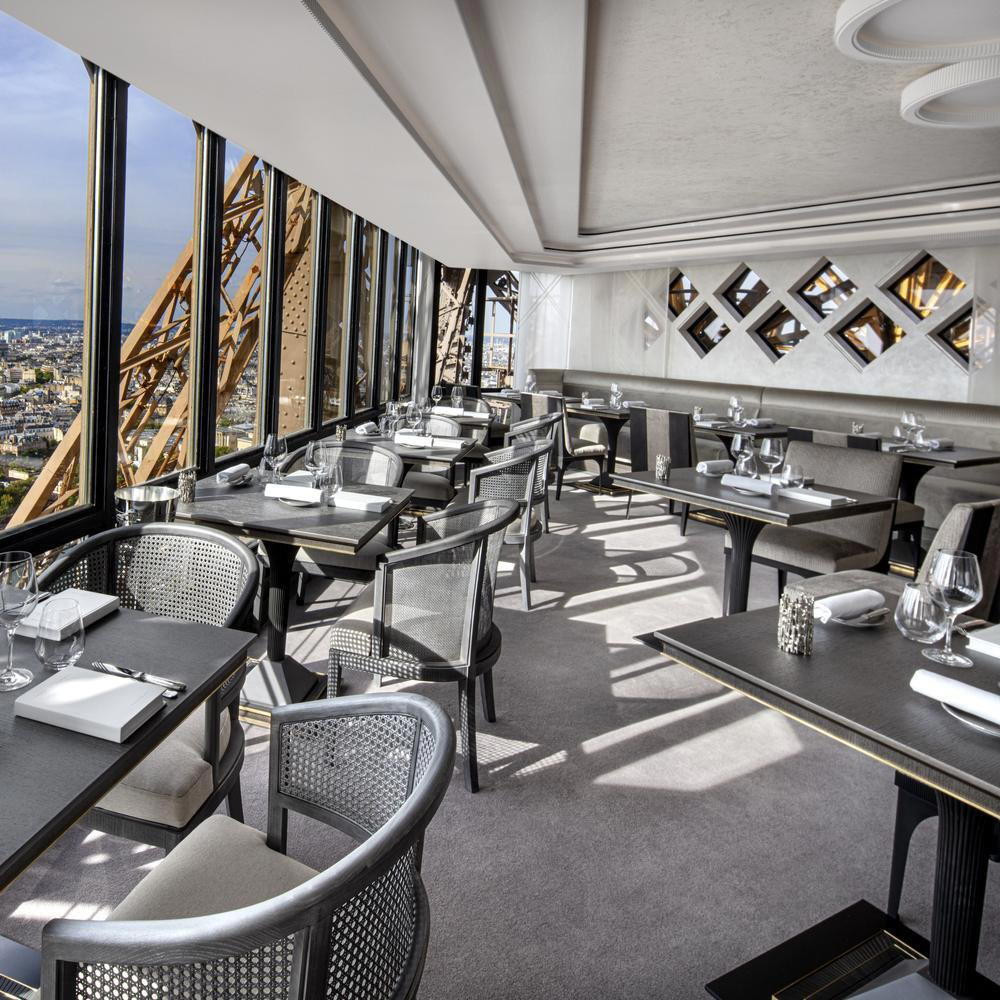
Restaurants in San Francisco
Browse all →
At a Glance
- Modern
- Sophisticated
- Trendy
- Energetic
- Business Trip
- Weekend Escape
- Group Retreat
- Rooftop
- Panoramic View
- Design Destination
- Waterfront
- Wi Fi
- Fitness Center
- Restaurant
- Valet Parking
- Concierge
- Business Center
- Skyline
- Waterfront
- Wi Fi
- Fitness Center
- Restaurant
- Valet Parking
- Concierge
- Business Center
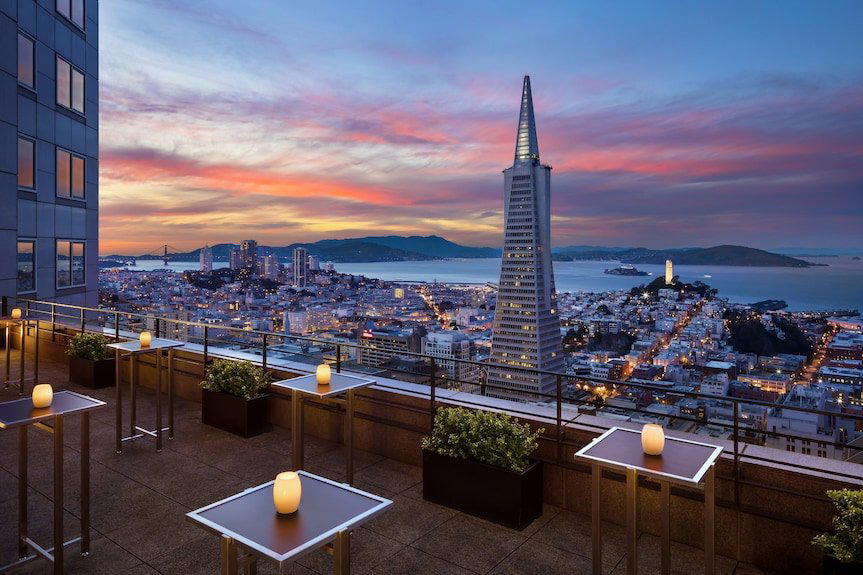
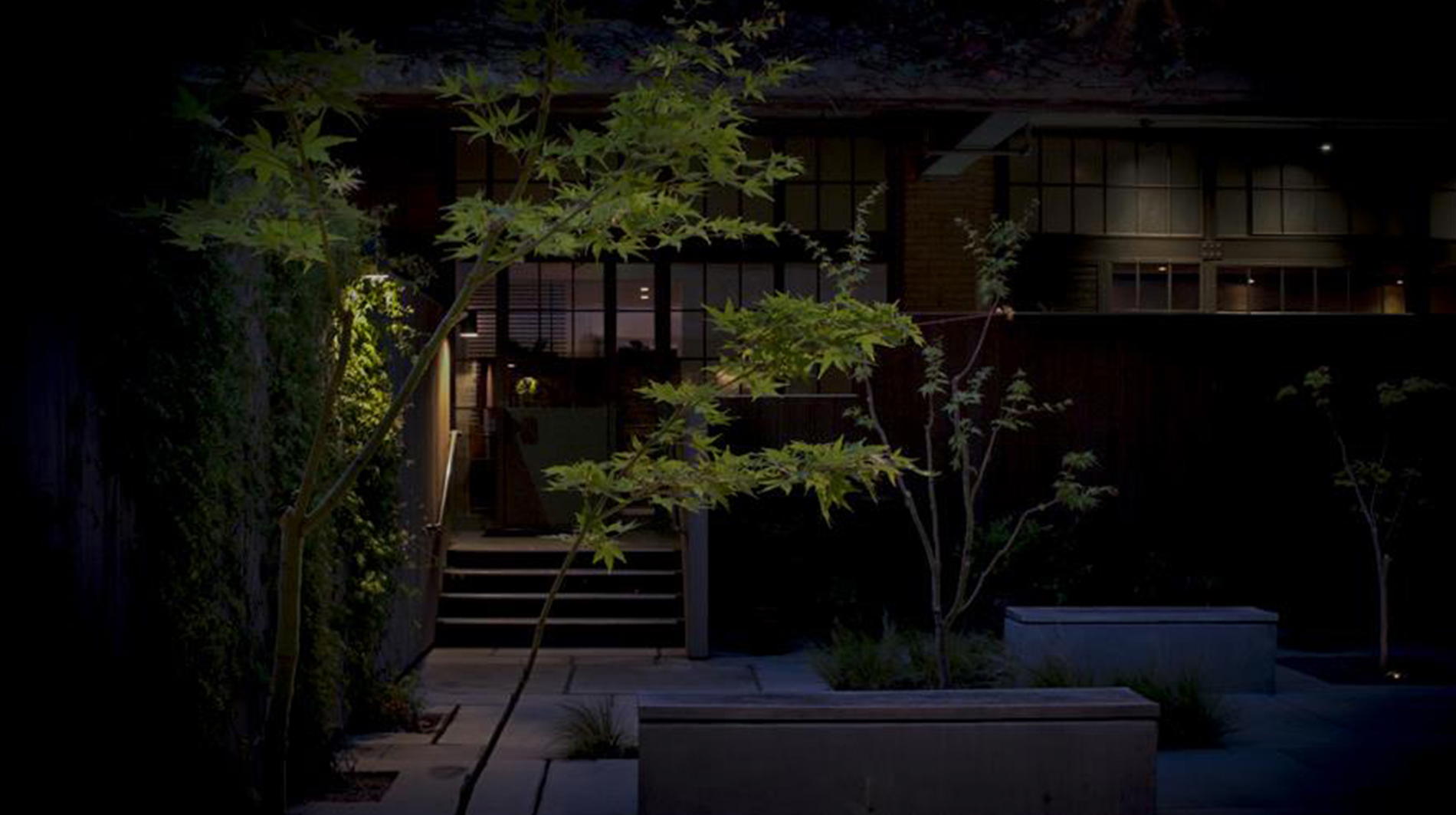
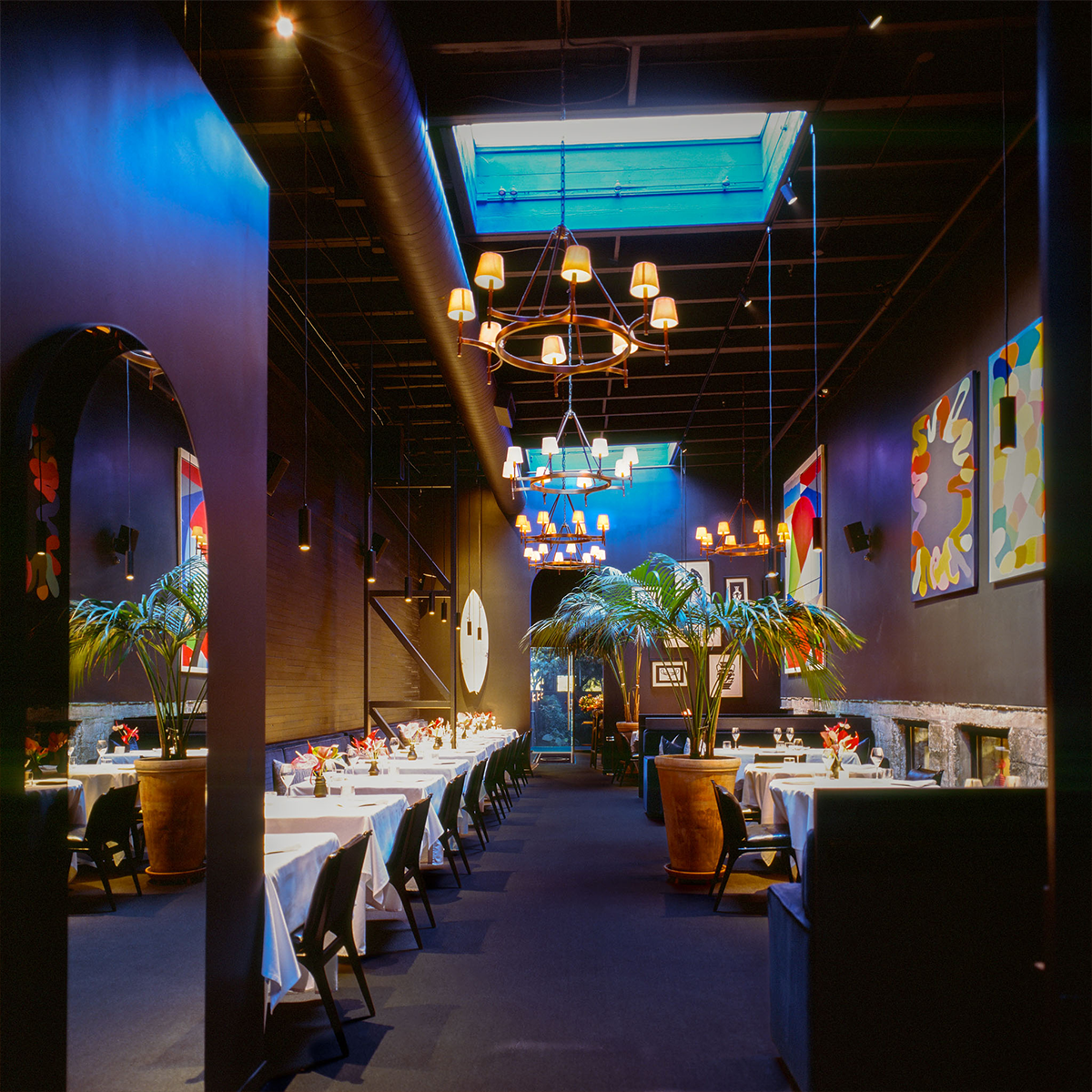
Bright, modern, and polished, with light-filled interiors, smart lighting, and a lively rooftop atmosphere overlooking Mission Bay and the city.
Know Before You Go
- Getting there
- 100 Channel St, San Francisco, CA 94158