Fonseca Port
One of the Douro's oldest Port houses, Fonseca operates its Vila Nova de Gaia lodge at Rua do Choupelo 54, where barrel-aged wines mature across the river from Porto.. The address rewards visitors who treat Port not as a souvenir category but as a living wine tradition worth serious attention.
Pearl is the En Primeur Club membership app — saves, bookings, and concierge access live there. Same editors, same standards.
- Address
- Rua do Choupelo 54, 4400-187 Vila Nova de Gaia
- Phone
- +351 22 374 2800
- Website
- fonseca.pt
- Directions
- Get directions
 Saves & bookings on Pearl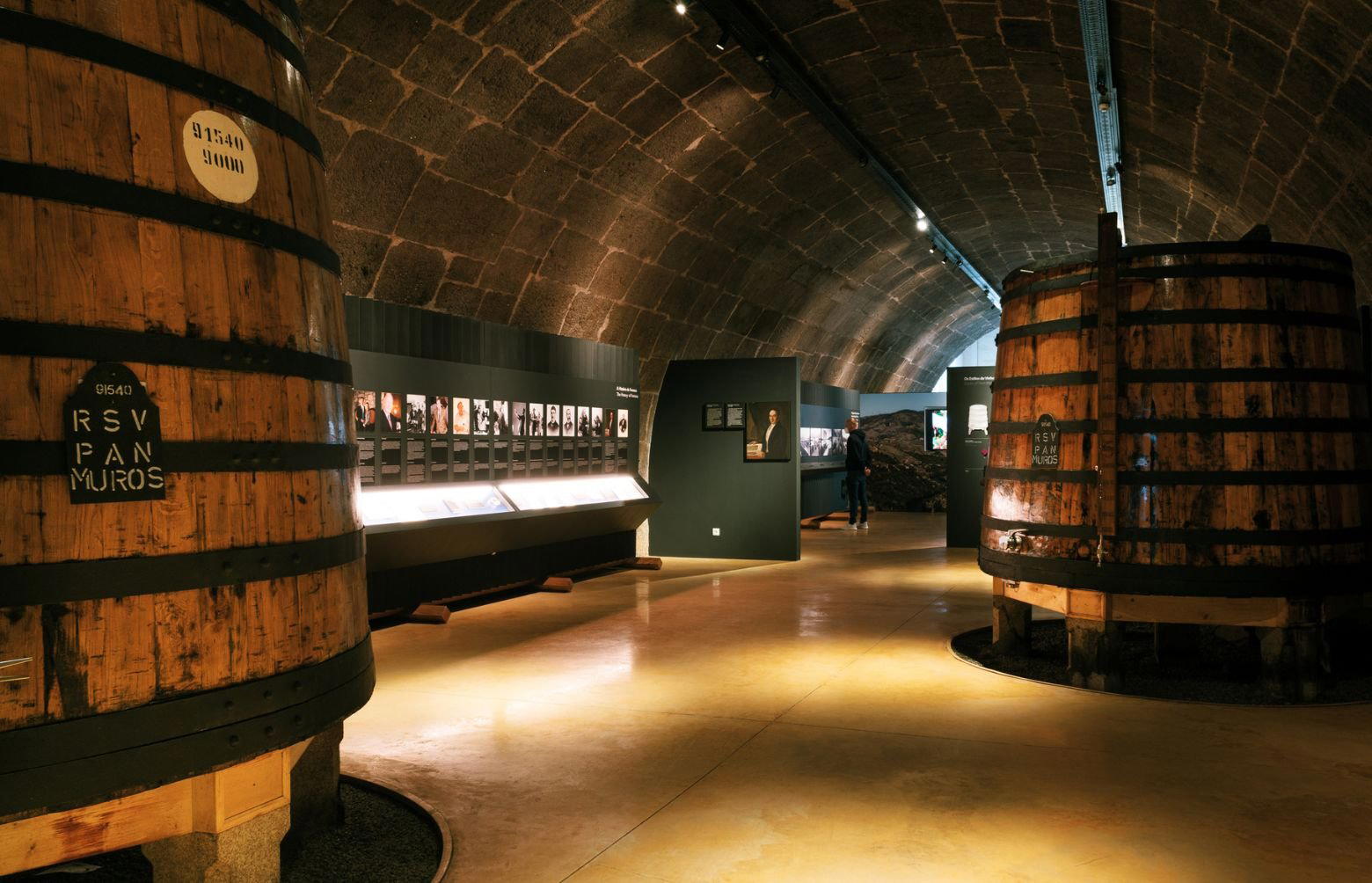
The Lodge Quarter Across the River
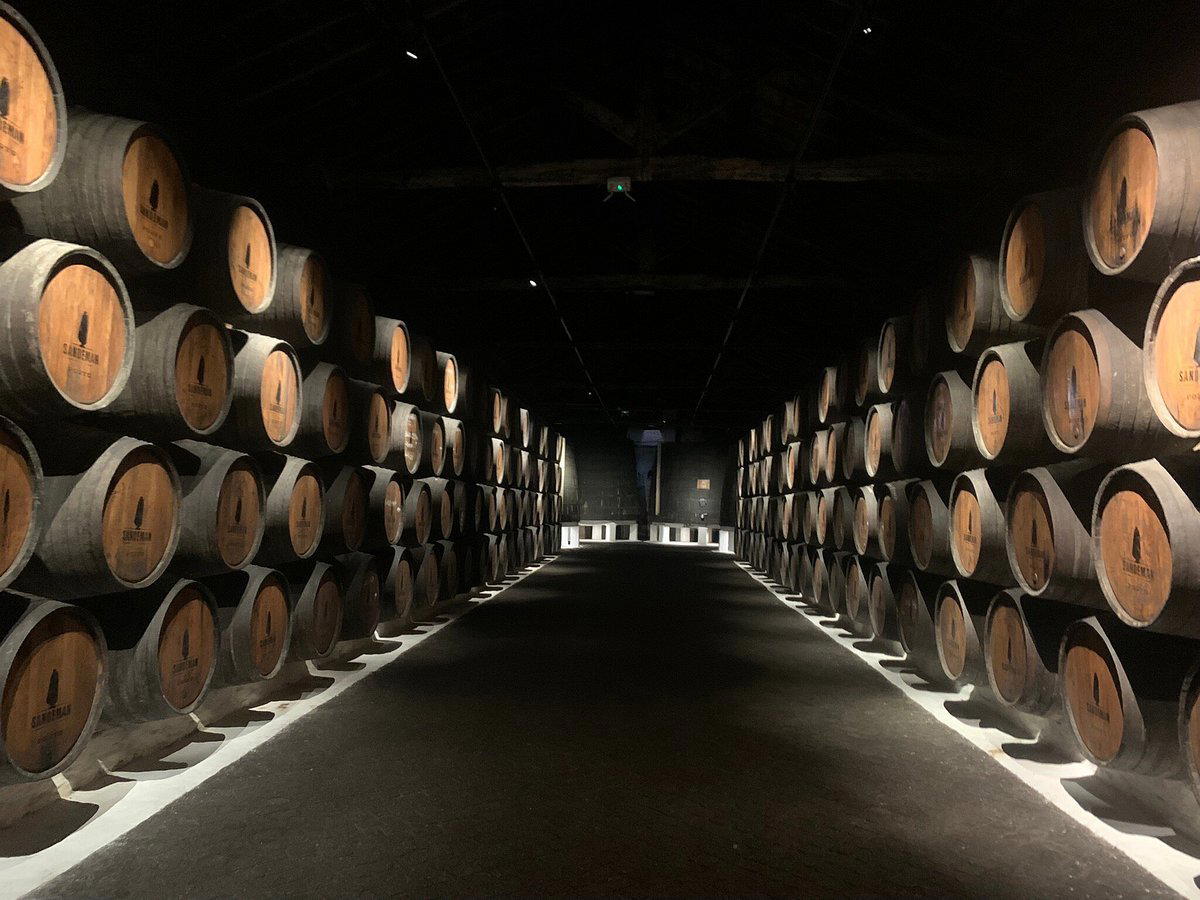
Vila Nova de Gaia earns its place as one of Portugal's most concentrated wine destinations not through single flagship addresses but through the cumulative weight of its lodge quarter. The south bank of the Douro, directly opposite Porto's Ribeira waterfront, holds more aged Port inventory per square kilometre than anywhere else on earth. Walking the steep streets between cellars, you pass barrel stacks visible through open cellar doors, the faint sweetness of evaporating wine hanging in the air. Fonseca Port, at Rua do Choupelo 54, occupies a position inside that neighbourhood dynamic, its lodge address placing it among the ridge-level houses with river views rather than the lower waterfront tier.
The lodge circuit in Gaia functions as a living archive of Port production methods. Houses like Graham's Port, Churchill's, and Cockburn's Port each maintain their own ageing philosophies and visitor formats, creating a circuit where serious wine travellers compare approaches rather than collecting branded experiences. Awards at this tier in Gaia signal sustained quality across both the wine programme and the visitor experience, not simply brand heritage.
Port and the Question of Land Stewardship
The Douro Valley upstream from Gaia is one of Europe's most demanding wine-growing environments: schist-heavy soils, extreme summer heat, and terraced slopes where mechanisation remains limited by terrain. These conditions have long required a close relationship between vine and land manager, and they set the context for how responsible Port houses think about viticulture. Across Portugal more broadly, the movement toward organic and lower-intervention farming has gathered pace over the past decade, visible in estates like Herdade do Esporão in Reguengos de Monsaraz and Adega Cartuxa in Évora, both of which have formalised sustainability commitments that now shape their production identities.
In the Douro specifically, the conversation around sustainable viticulture intersects with the challenge of maintaining terraced vineyards that are agriculturally marginal without human intervention. Holdings like Quinta do Bomfim in Pinhão and Quinta do Vallado in Peso da Régua sit in precisely the kind of terrain where farming choices have direct consequences for soil health and long-term vine viability. Port houses that own or source from estate vineyards in this environment face an implicit mandate to think about land stewardship beyond the harvest cycle. For visitors to a Gaia lodge like Fonseca, asking about vineyard sourcing and farming practice is a reasonable entry point to understanding where the wine's character originates and what values underpin its production.
The comparison extends further when you consider the diversity of Portuguese wine culture overall. Bacalhôa Vinhos in Azeitão and Quinta do Seixo (Sandeman) in Tabuaço each represent producers who have positioned sustainability not as a certification exercise but as an operational framework. The fortified wine sector has its own timeline for this kind of transition, given the long ageing cycles involved, but the direction of travel across Portuguese fine wine is clear.
What the Ageing Cellar Communicates
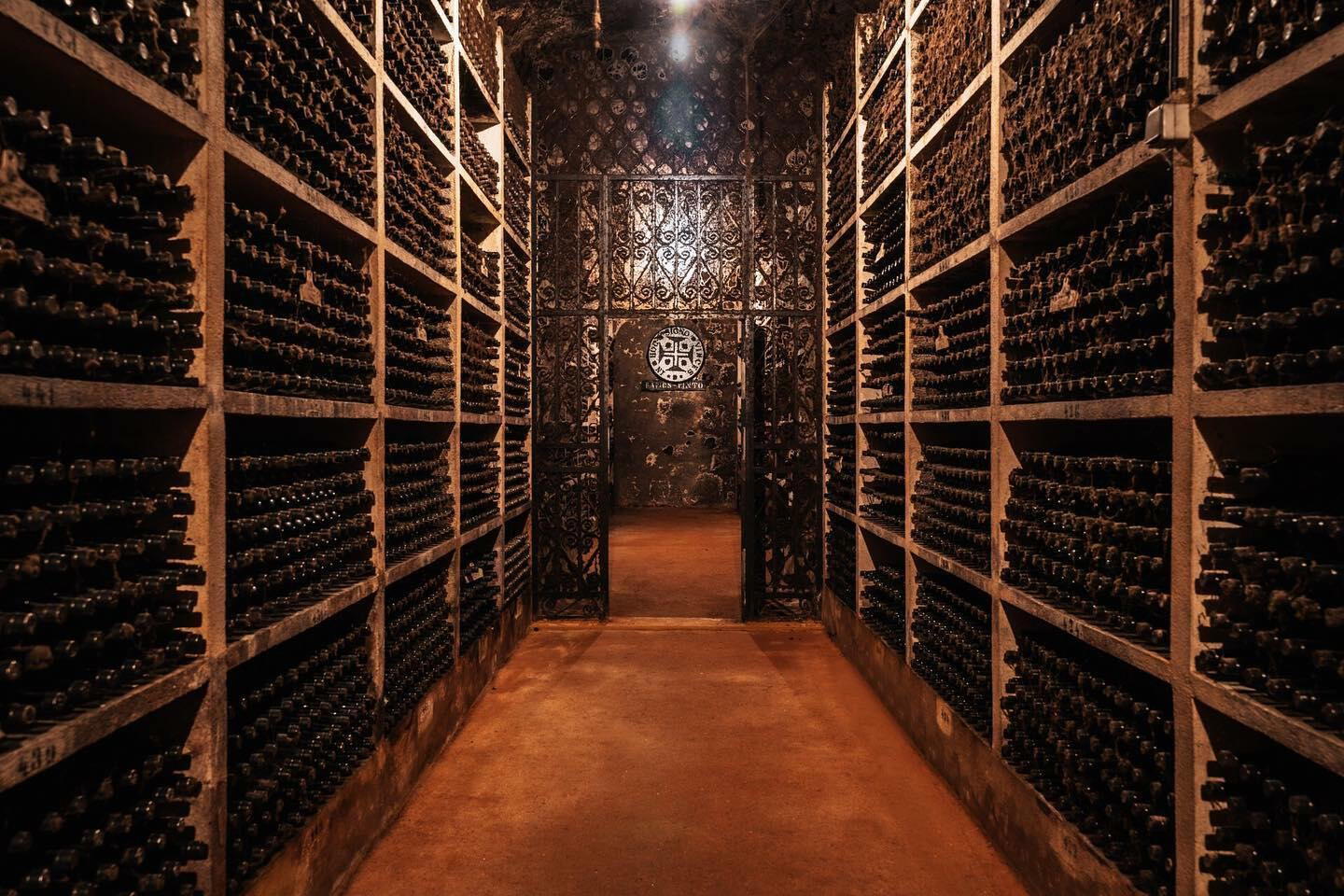
A Port lodge visit is structurally different from a table-service wine experience. The cellar itself is the primary environment, and the wines you taste have typically been ageing in barrel and bottle for years before reaching a glass. This format rewards patience and specificity: understanding the difference between a Tawny aged ten years and one aged forty, or the conditions that distinguish a declared Vintage Port from a Late Bottled Vintage, requires the kind of guided context that the leading Gaia lodges provide through their tour and tasting formats.
Fortified wine traditions elsewhere in Portugal offer a useful comparative lens. Blandy's Wine Lodge in Funchal operates the Madeira equivalent of this format, where oxidative ageing and solera-system blending over decades produce wines of similar complexity to aged Tawny Port. The comparison points to a larger pattern in Portuguese wine culture: particularly serious producers in both fortified categories tend to treat age statements and provenance as the foundation of their quality argument, not their marketing add-on.
The Gaia Lodge as a Format in Its Own Right
For visitors approaching Gaia from Porto, the crossing by bridge or the short metro ride delivers you to a different register of the city. Porto's Ribeira side is restaurant-dense and tourist-facing; Gaia's lodge quarter is quieter, more purposeful, and organised around wine in a way that few urban wine districts anywhere manage. The format rewards deliberate planning. Arriving without a reservation at a lodge at this tier during peak summer months risks missing the structured tasting experience entirely, since capacity-limited tours fill ahead. For Fonseca, planning is advisable: contact via the official channels or check the address at Rua do Choupelo 54 directly ahead of travel, and build the visit into a half-day that allows time to walk between multiple lodges rather than treating any single address as the only destination.
The lodge circuit as a whole offers a rare opportunity to taste wines across multiple decades and styles in the buildings where they were aged. Whether you arrive via the steep climb from the waterfront or approach from the upper Gaia streets, the physical density of this neighbourhood, its barrel-scented cellars and panoramic river sightlines, makes the case that Port is worth understanding on its own terms. Fonseca is one of the addresses that can help build that understanding, sitting within a competitive set that includes some of Portugal's most historically significant Port producers. For context on how other serious producers across Portugal approach their craft, the comparison with Aberlour or Accendo Cellars in St. Helena illustrates how barrel-ageing traditions and terroir specificity function as quality anchors across different wine cultures.
Planning Your Visit
Fonseca Port is a winery in Vila Nova de Gaia, Portugal, at Rua do Choupelo 54, 4400-187 Vila Nova de Gaia. The address sits in the upper lodge quarter, away from the busiest waterfront cluster, which typically means a shorter queue and a less hurried visit than at the higher-traffic lodges closer to the river. Spring and autumn visits tend to offer better conditions for cellar tours than the peak summer months, when demand across Gaia lodges runs highest.
Standing Among Peers
Comparable venues nearby, for context on price, style, and recognition.
| Venue | Cuisine | Price | Notes |
|---|---|---|---|
| Fonseca PortThis venue — the venue you are viewing | Douro Valley | $$ | Not listed |
| Niepoort | Touriga Nacional, indigenous Douro varieties | $$$ | Vila Nova de Gaia |
| Offley | Touriga Nacional, Touriga Franca | $$$ | Vila Nova de Gaia |
| Sandeman | Touriga Nacional, Tinta Roriz | $$ | Vila Nova de Gaia |
| Cockburn's Port | Touriga Nacional, Touriga Franca | $$ | Vila Nova de Gaia |
| Churchill's | Touriga Nacional, Touriga Francesa | $$$ | Vila Nova de Gaia |
Continue exploring
More in Vila Nova de Gaia
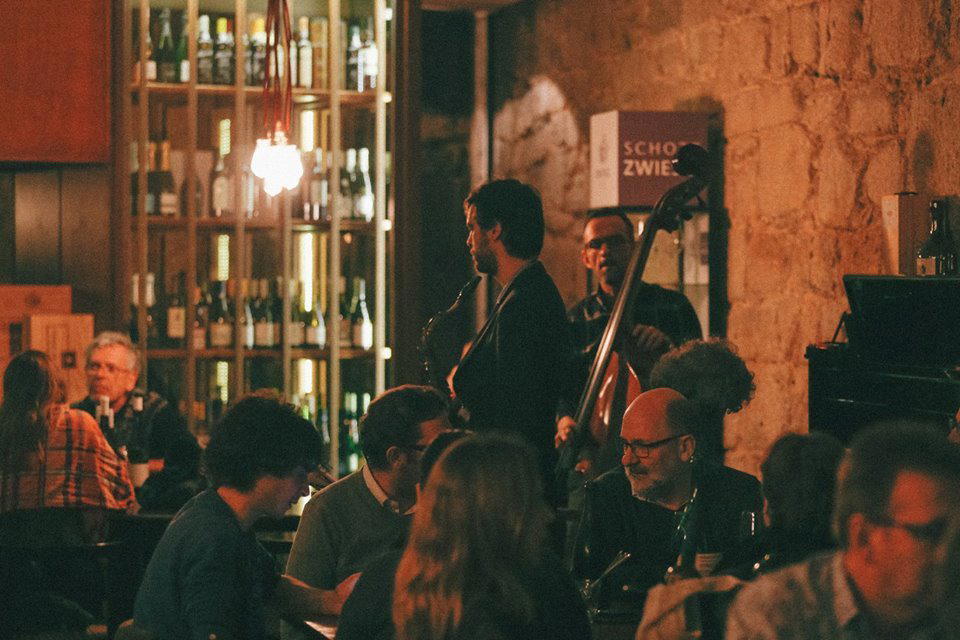
Wineries in Vila Nova de Gaia
Browse all →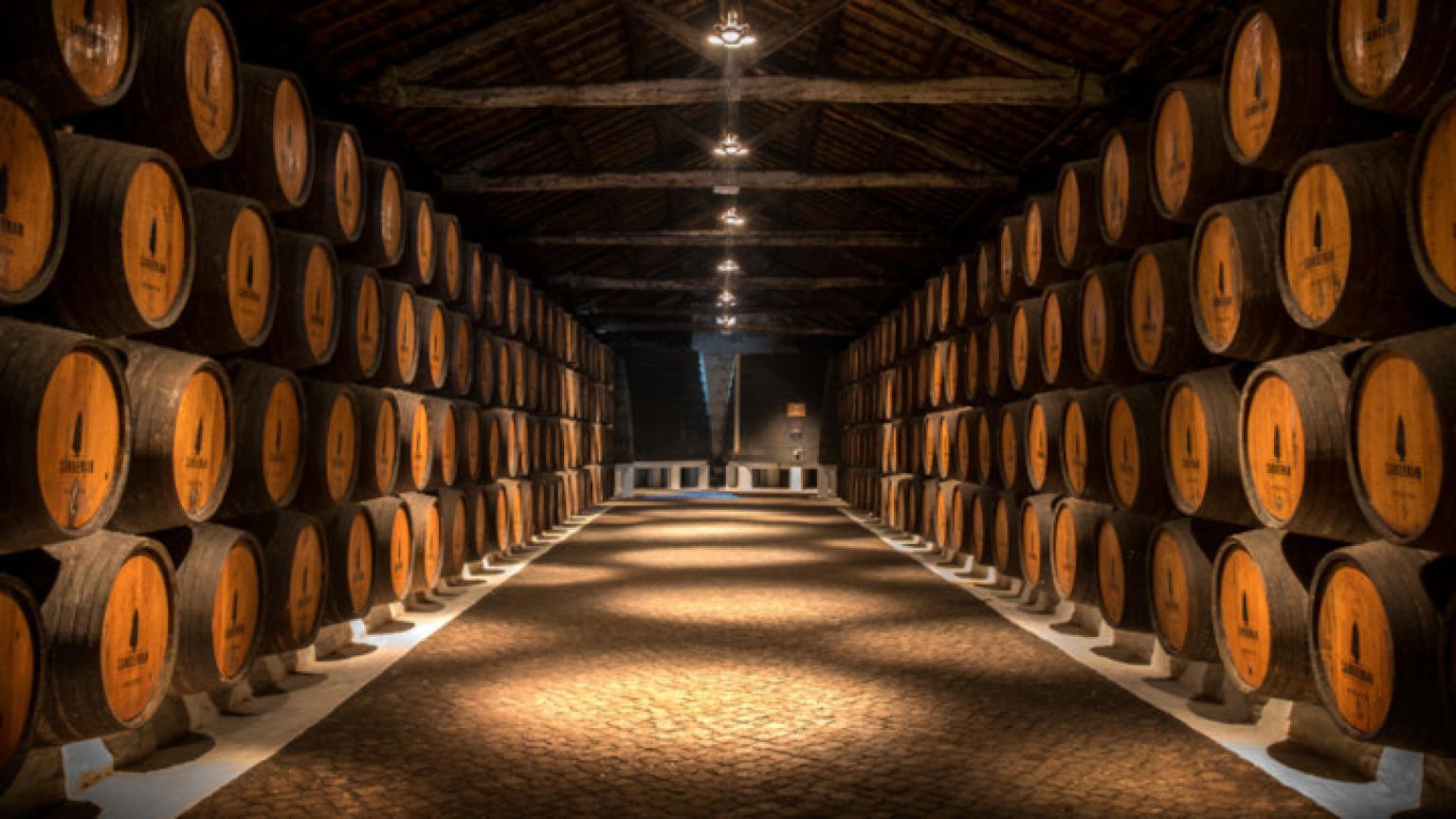
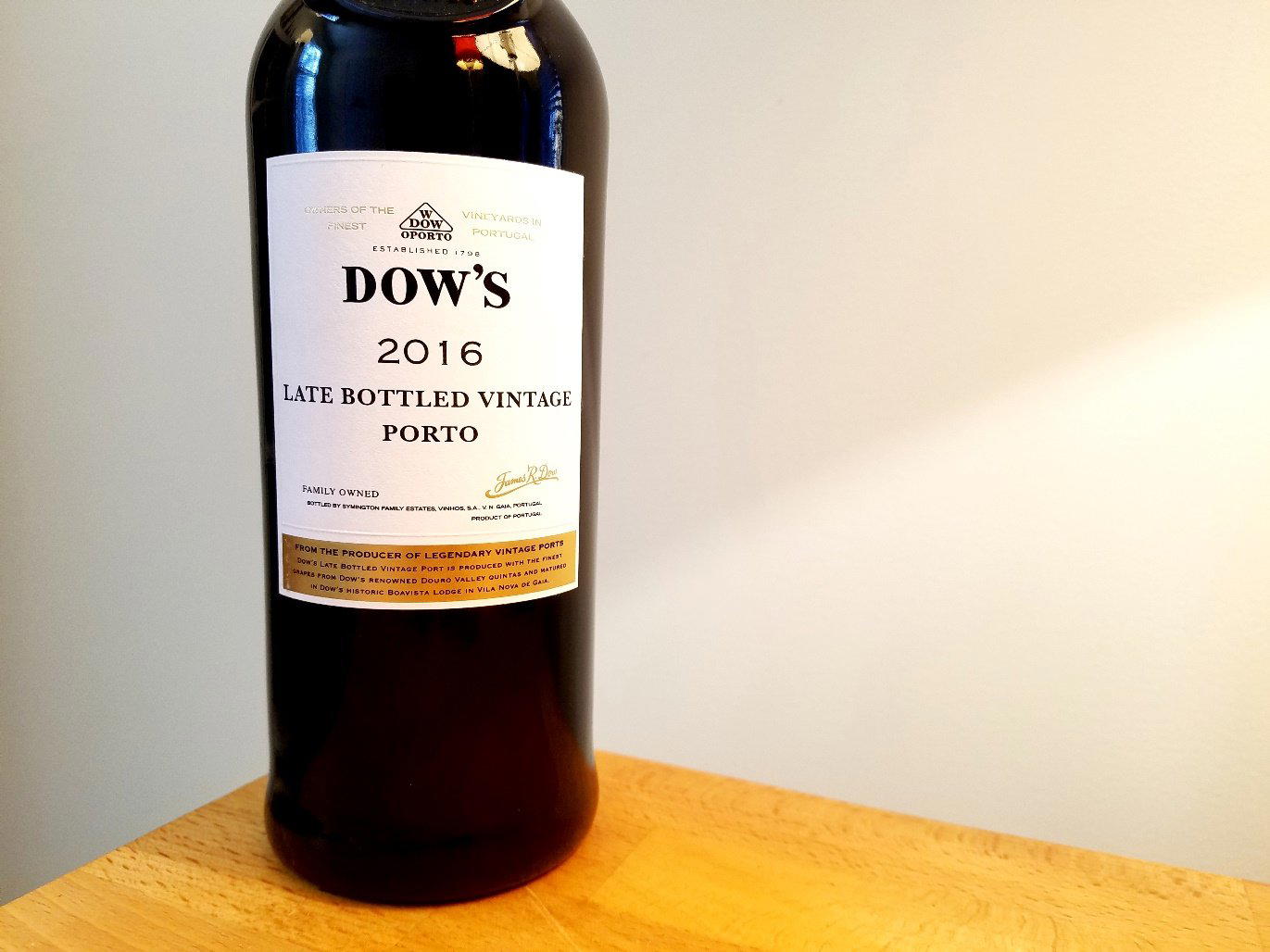
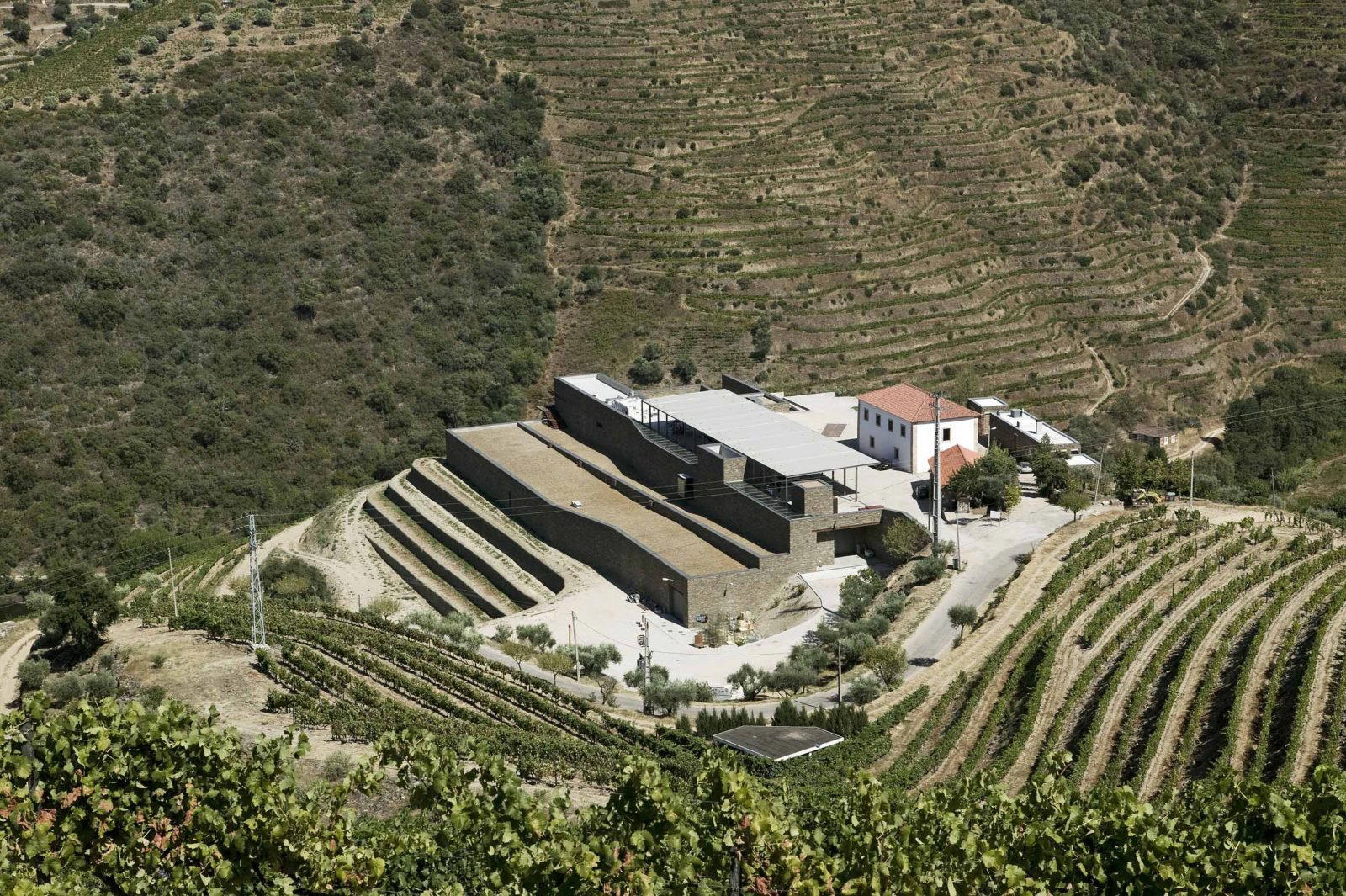
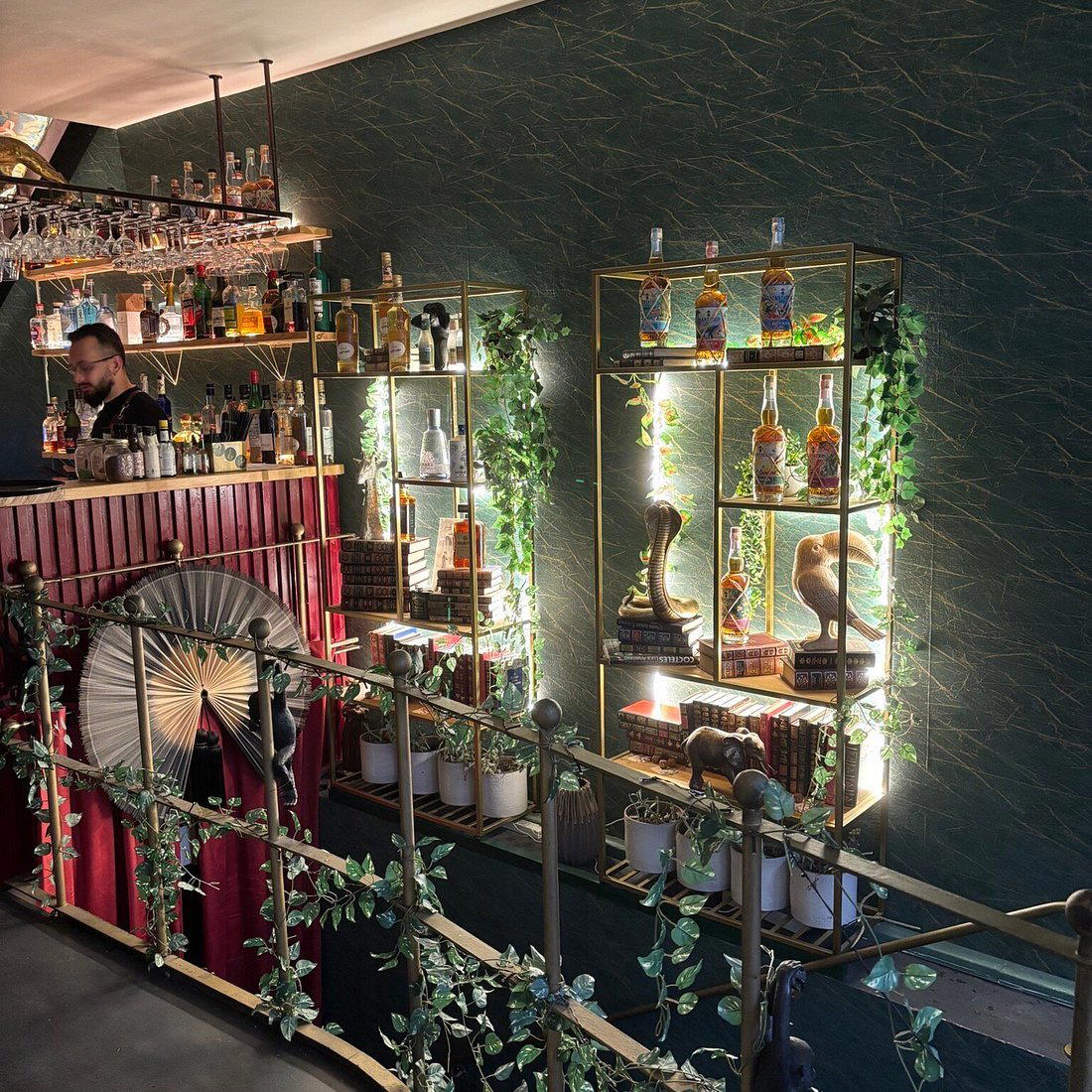
Bars in Vila Nova de Gaia
Browse all →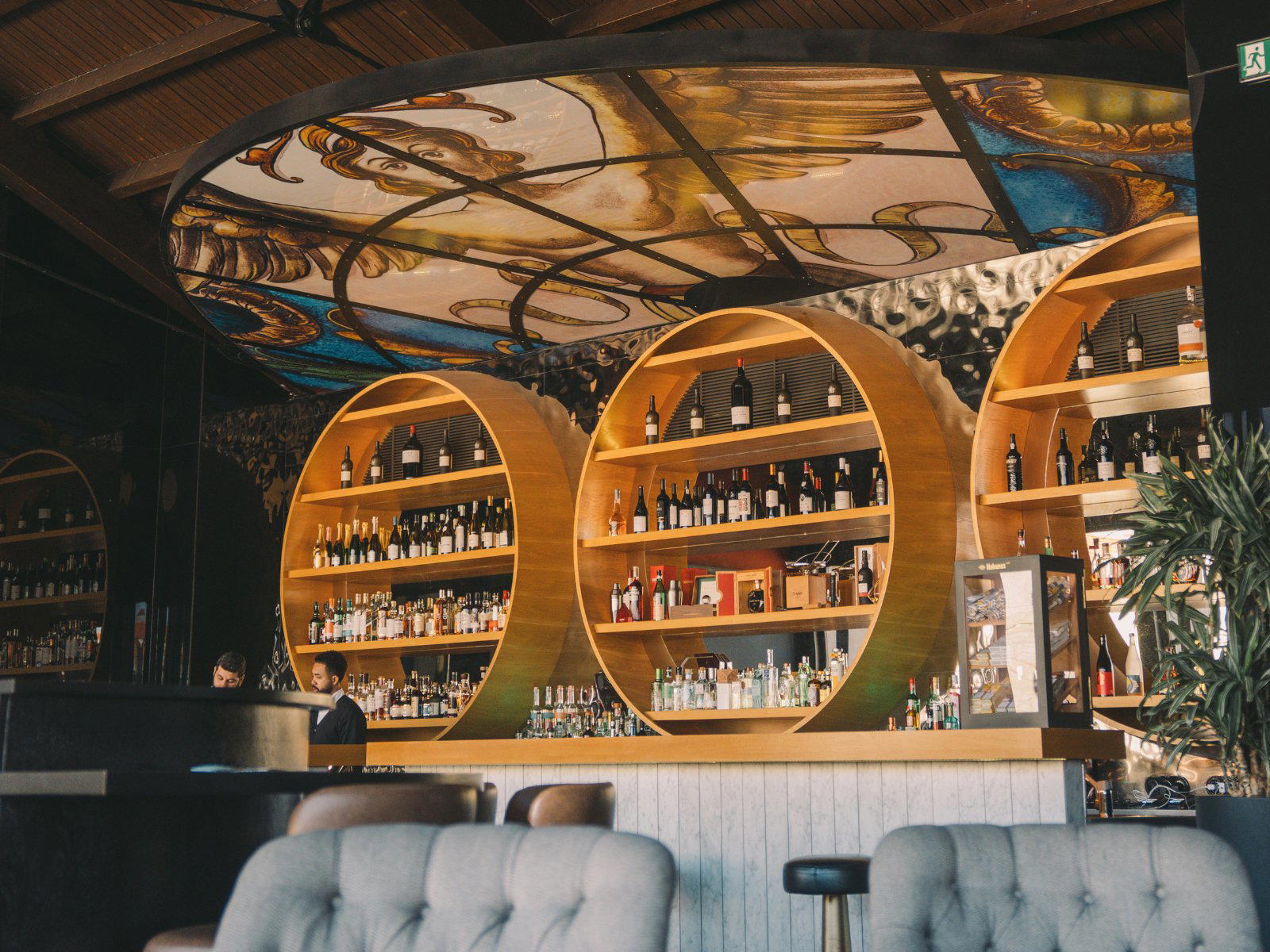
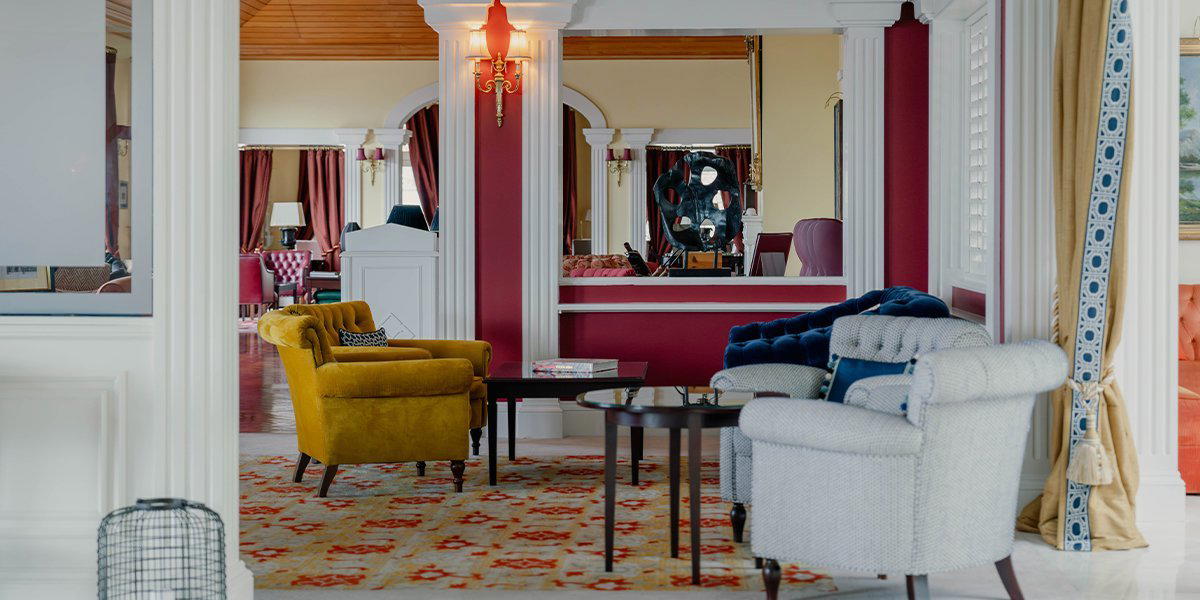
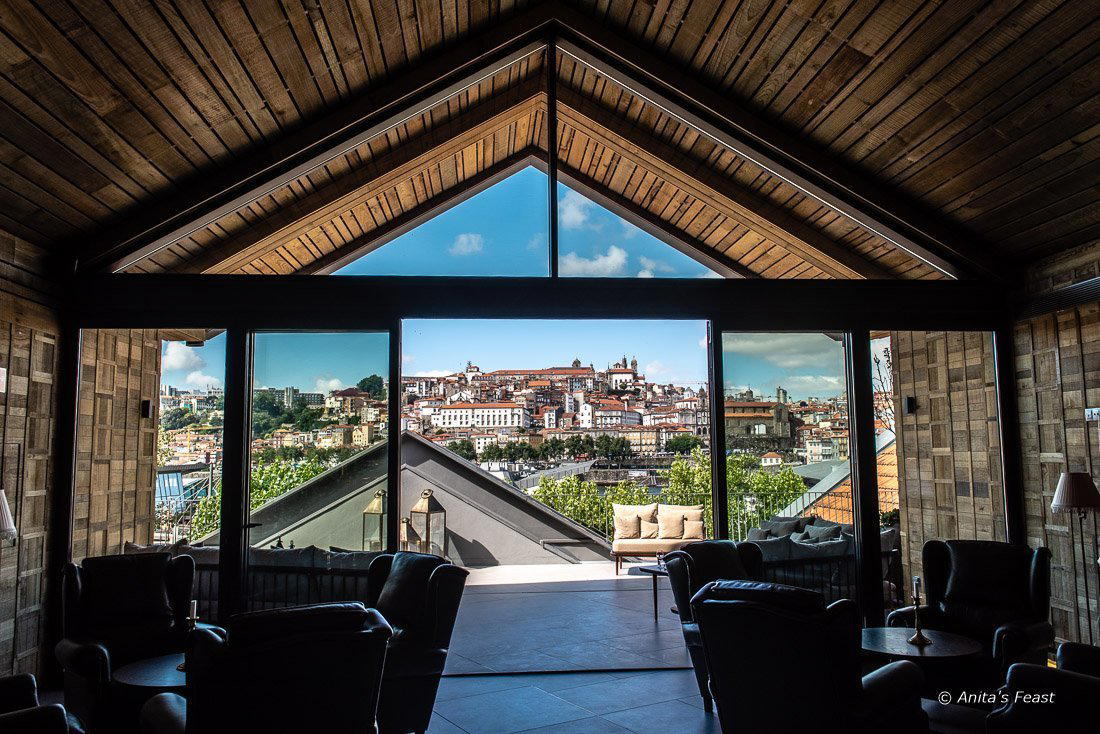
Restaurants in Vila Nova de Gaia
Browse all →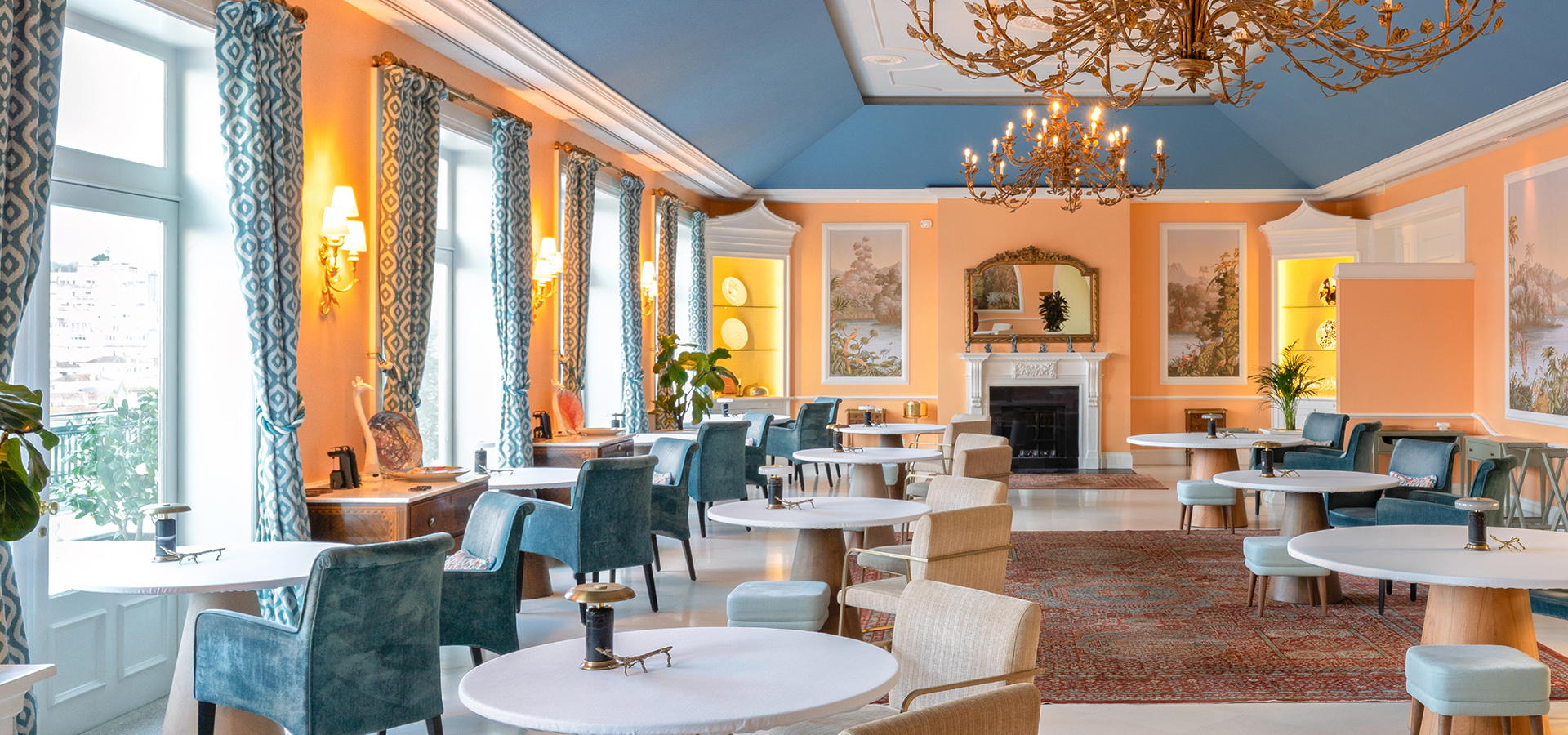
At a Glance
- Romantic
- Classic
- Well Known
- Elegant
- Intimate
- Romantic Getaway
- Group Outing
- Wine Education
- Special Occasion
- Celebration
- Cave Tasting
- Barrel Room
- Historic Building
- Panoramic View
- Terrace
- Private Tasting
- Sustainable
- Waterfront
- Skyline
- Douro Valley
- Fortified
- Guided Tasting
- Self Guided Tour
- Fado Performance Tasting
- Chocolate Pairing
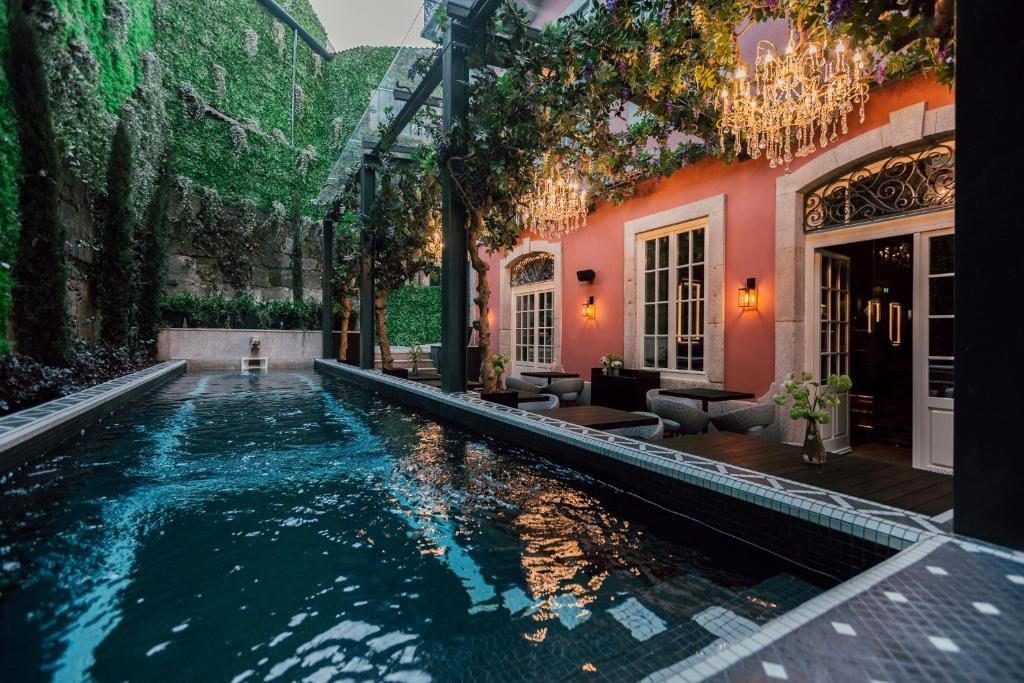
Atmospheric and historic with warm lighting among centuries-old wooden barrels, enhanced by soulful live Fado music in intimate cellar spaces overlooking Porto and the Dom Luis I Bridge.