Park Plaza Budapest occupies a Danube-facing address on Bem rakpart in the Víziváros district, giving it a direct sightline to the Chain Bridge and the Pest skyline from the quieter Buda bank. It operates within the international-brand tier of Budapest's hotel market, positioning itself on location confidence and operational reliability rather than singular design ambition. The Castle District is walkable; the wider city is a bridge crossing away.
Pearl is the En Primeur Club membership app — saves, bookings, and concierge access live there. Same editors, same standards.
- Address
- Budapest, Bem rkp. 16-19, 1011 Hungary
- Phone
- +36 1 487 9487
- Website
- radissonhotels.com
- Directions
- Get directions
 Saves & bookings on Pearl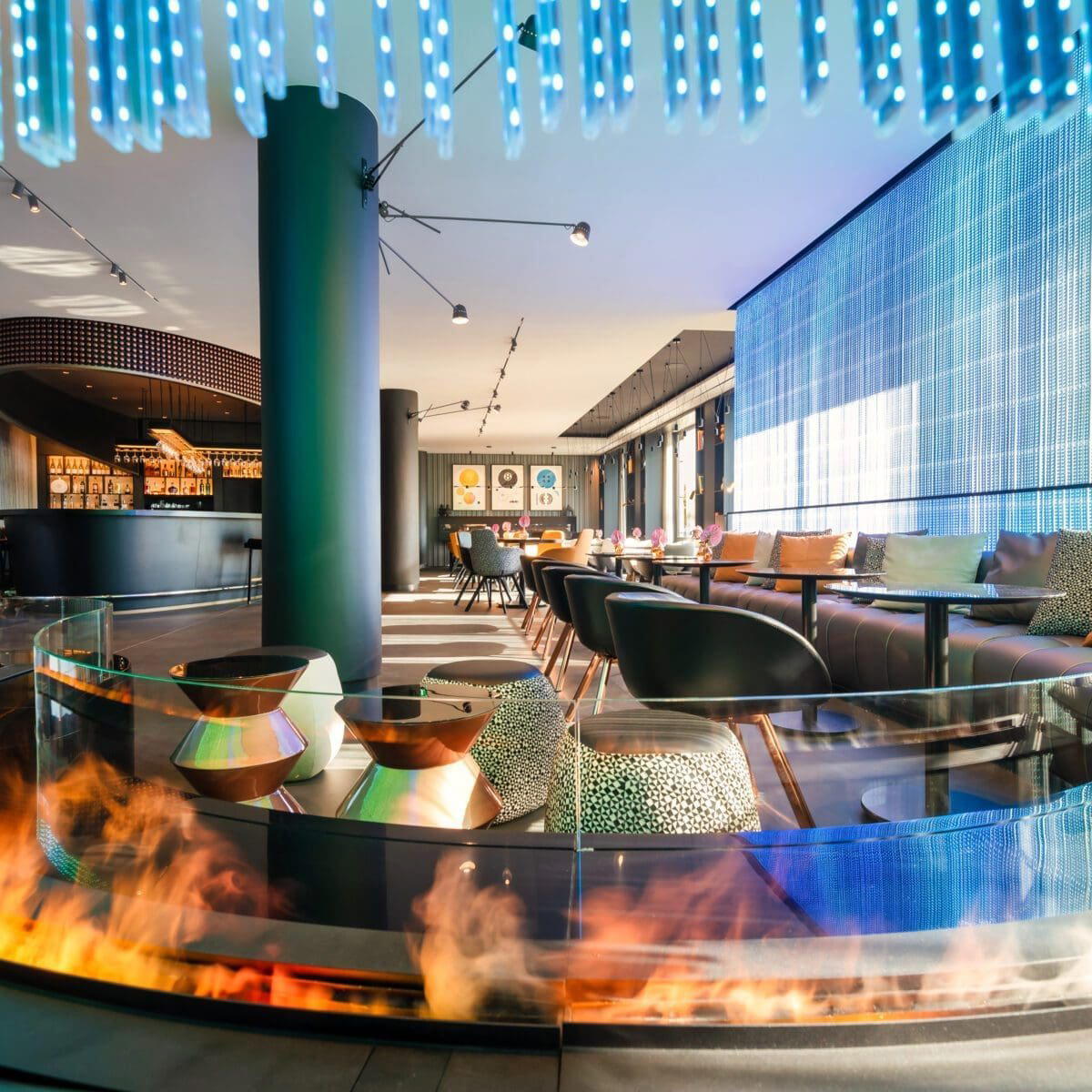
A Danube Address With Depth to Match Its View
The Buda bank of the Danube has always carried a different register from Pest. Where the eastern shore built itself into a commercial and cultural capital, the western side held its ground as something quieter, older, and more deliberate. Bem rakpart, the riverfront embankment where Park Plaza Budapest sits at numbers 16 to 19, belongs to that tradition. The address places the hotel in direct sight of the Chain Bridge and the Pest skyline, a vantage point that European capitals spend fortunes engineering and that this stretch of Buda delivers without effort. The building's position on the rakpart means guests arrive at the river rather than somewhere behind it, which matters more than it sounds in a city where river views are frequently marketed but less frequently real.
What the Building Carries From Budapest's Past
Buda's riverfront architecture is not uniform. The stretch from the Castle District south through the Víziváros neighbourhood developed across several periods, and the buildings along Bem rakpart reflect a layered urban history rather than a single design moment. Hotel properties on this embankment occupy structures that have changed function multiple times over the course of the twentieth century, absorbing the discontinuities of postwar Budapest before re-emerging into the city's hospitality economy after 1989. That context shapes what it means to stay here. This is not a purpose-built luxury tower dropped onto a cleared site; it is a building that has participated in the city's changes and now operates within a neighbourhood that is conspicuously lived-in, with local coffee houses, artisan workshops, and the daily rhythm of a working residential quarter running alongside the tourist traffic of the rakpart itself.
For travellers whose point of comparison is a Danube-facing property in central Pest, the Buda address changes the experience significantly. The Castle District and Fisherman's Bastion are walkable from the hotel, while Pest's restaurant and ruin-bar infrastructure requires crossing the river, a ten-minute task on foot across any of several bridges. That friction is real, but so is the payoff: Víziváros is quieter than the Sixth and Seventh districts, the streets are easier to walk at night, and the view from the Buda side looking east toward Pest has a framing that the reverse perspective cannot replicate.
Where Park Plaza Sits in Budapest's Hotel Market
Budapest's upper-middle hotel tier has become more competitive in the last decade. Properties including the Anantara New York Palace Budapest Hotel and the Aria Hotel Budapest by Library Hotel Collection have invested heavily in interiors and programming, raising the baseline for what travellers expect at international brand pricing. The Al Habtoor Palace Budapest and boutique operations like Baltazár Boutique Hotel represent different approaches within the same broad market: one anchored in scale and amenity depth, the other in neighbourhood character and smaller-footprint design. Park Plaza Budapest fits into an international branded category that competes on location confidence, operational reliability, and the reassurance of a recognised group standard, rather than on the singular design narrative that drives properties like Bohem Art Hotel or Brody House.
That positioning is neither a weakness nor a strength on its own terms; it simply defines the decision the hotel is asking travellers to make. Guests who want a property where the brand promise is legible and the Danube address does most of the contextual work will find the logic here coherent. Those prioritising an individuated design experience or deep local programming will look elsewhere, toward BoHo Hotel Budapest or the smaller properties on the Pest side.
The Víziváros Neighbourhood and How to Use It
Víziváros, the Water Town district running between Castle Hill and the Danube, is one of Budapest's older quarters and one of its less-trafficked by the standard tourist itinerary. The neighbourhood's church, the Kapisztrán Square area, and the lower streets connecting to the Danube all carry architectural material from the eighteenth and nineteenth centuries that most visitors pass through on their way to the Castle rather than stopping to examine. Staying at the Bem rakpart address makes a slower engagement with this layer of the city structurally easier: the hotel is in the neighbourhood rather than adjacent to it.
For restaurants and bars, the immediate Buda bank is thinner than the Pest alternative, but several serious addresses have established themselves in the district over the last few years, reflecting a broader Budapest trend of culinary investment moving beyond the historic Seventh District concentration.
Planning a Stay: Timing and Regional Extension
Budapest is busiest in late spring through early summer and again in December for the Christmas markets. The shoulder periods, particularly October and early November and again in February and March, offer a materially different city: fewer crowds on the Castle Hill circuit, shorter waits at the thermal baths, and a more local rhythm to the streets around Víziváros. For a Danube-facing property, the spring light on the river between April and early June makes the east-facing views most valuable, with long evenings and clear skies that the winter months cannot replicate.
Travellers extending beyond Budapest will find strong countryside hotel options elsewhere in Hungary. Properties like BOTANIQ Castle of Tura, Hotel Palota Lillafüred in Miskolc, Hotel Petit Bois in Balatonfüred, Melea in Sárvár, and Platán Manor in Tata each offer a genuinely different experience from the capital and work well as one- or two-night additions to a Budapest base. The Park Plaza's central Buda location provides direct road and rail access to most of these, given Budapest's role as Hungary's transport hub.
Same-City Peers
Comparable venues nearby, for context on price, style, and recognition.
| Venue | Cuisine | Price | Notes |
|---|---|---|---|
| Park Plaza BudapestThis venue — the venue you are viewing | Hotel | $$$ | Not listed |
| Danubius Hotel Gellért | Historic Art Nouveau landmark hotel with elegant bygone-era charm. | $$$ | Gellért Hill |
| Soho Boutique Hotel | Contemporary boutique hotel with retro influences, blending modern chic design with playful, youthful energy. | $$$ | Pest |
| Hotel Moments Budapest by Continental Group | Renovated 19th-century palace blending history and modernity | $$$ | Belvaros |
| Hotel GIN Budapest | Contemporary boutique design hotel with mod-Magyar flair and local architectural vision | $$$ | Belvaros |
| Bohem Art Hotel | Modernized 17th-century building with bohemian art gallery vibe | $$$ | Belvaros |
Continue exploring
More in Budapest
Hotels in Budapest
Browse all →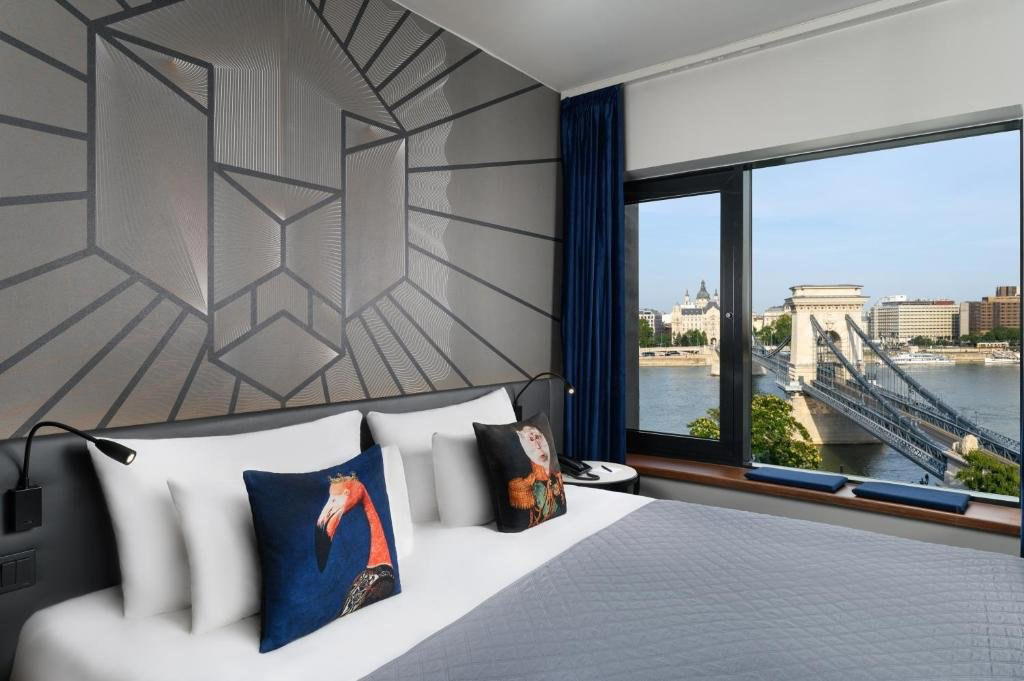
Bars in Budapest
Browse all →
Restaurants in Budapest
Browse all →

At a Glance
- Elegant
- Sophisticated
- After Work
- Hotel Bar
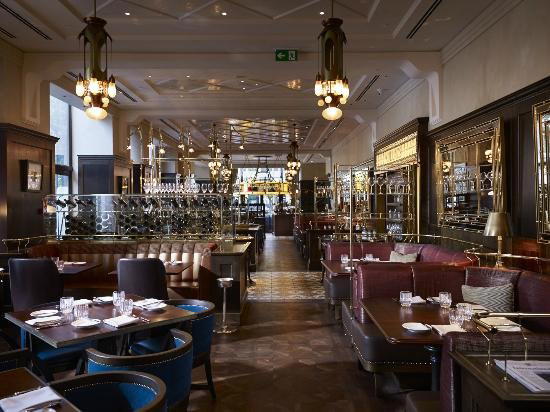
Elegant hotel lounge with comfortable seating and a sophisticated atmosphere.