Brody House occupies a 19th-century mansion on Bródy Sándor utca, in Budapest's VIII. district, positioning itself within the city's design-led independent hotel tier rather than its grand palace tradition. The property has evolved from a private members' club concept into a more accessible rooms offering, holding its character through a deliberately residential aesthetic that sets it apart from the larger branded hotels along the Danube.
Pearl is the En Primeur Club membership app — saves, bookings, and concierge access live there. Same editors, same standards.
- Address
- Budapest, Bródy Sándor u. 10, 1088 Hungary
- Phone
- +36 70 418 7894
- Website
- brody.house
- Directions
- Get directions
 Saves & bookings on Pearl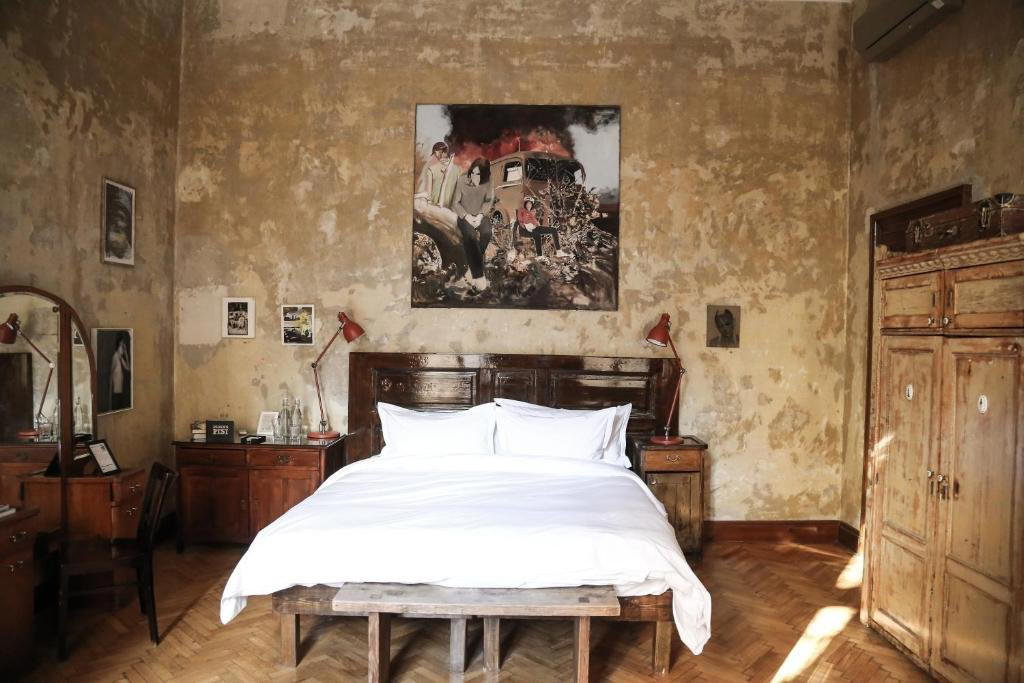
A Street That Tells You Something About Budapest's Hotel Scene
Brody House - Rooms is a 4-star hotel in Budapest, at Bródy Sándor u. 10, 1088 Hungary, with 8 rooms and rates from about $70 per night. That location is not incidental to understanding Brody House. Budapest's hotel market has long concentrated its premium inventory around the Danube embankment and the V. district, where properties like the Anantara New York Palace Budapest Hotel and Al Habtoor Palace, Budapest occupy grand historicist buildings with riverfront or boulevard addresses. Brody House represents a different calculation: that the right kind of traveller will trade a prestige postcode for something that feels less like a hotel and more like a place actually embedded in the city's working fabric.
From Members' Club to Rooms: How the Format Shifted
The evolution of Brody House is the clearest lens through which to read the property today. It began as a private members' club, a format that gained traction in European capitals through the 2000s as a reaction against impersonal chain hotels and the expectation that a lobby should function as a social institution for its residents. The Budapest version occupied a 19th-century Ferencváros mansion and operated on the logic that curation, not scale, was the differentiator.
That members' club model carried a specific set of trade-offs. Access was restricted, which created genuine exclusivity but also limited the audience. As Budapest's independent hospitality scene matured, and as the broader European market for design-led boutique accommodation became more competitive, the property shifted toward a rooms-based offer that retained the aesthetic and cultural positioning without the membership barrier. This is a pattern visible across European cities: properties that launched with members' club mechanics have increasingly opened their room inventories to a wider booking public, recognising that the physical environment and programming can carry the brand without the access restriction.
What that shift means practically is that Brody House now sits in the same competitive conversation as Budapest's boutique independent tier: properties like Baltazár Boutique Hotel in the Castle District, Bohem Art Hotel, and Casati Budapest Hotel, all operating in that space between the large international brands and the basic guesthouse tier. The competition is no longer grand palace hotels but rather design-conscious independents with a distinct point of view.
The Building and Its District
The physical address, Bródy Sándor u. 10, 1088, places the property in a neighbourhood that has seen sustained renovation interest over the past decade. The VIII. district, historically associated with Budapest's Jewish and working-class communities, has been reassessed by architects and developers in roughly the same way that comparable inner-city districts in Vienna, Berlin, and Prague attracted design investment from the 1990s onward. The street-level experience is still mixed, this is not a sanitised quarter, but that texture is part of what makes it legible as an alternative to the more homogenised stretch around the Chain Bridge.
The mansion format matters architecturally. Nineteenth-century Budapest residential buildings of this type typically feature deep internal courtyards, high ceilings, and layered ornamental detail that hotel conversions in purpose-built structures cannot replicate. Properties that have successfully worked with this building type elsewhere in Budapest, such as Boutique Hotel Budapest and BoHo Hotel Budapest, demonstrate that the format rewards travellers who are responsive to architectural specificity over standardised comfort metrics.
Where Brody House Sits in the Wider Design-Led Tier
Across Europe, the segment Brody House occupies has split into two sub-groups: properties that use design as a visual statement primarily, curated objects, photogenic interiors, social-media legibility, and those that use it as a framework for a particular kind of programme and guest relationship. The members' club origin places Brody House firmly in the second camp, even after the format shift. The expectation, built into the concept from the beginning, is that the building functions as a venue for cultural encounter as much as for overnight accommodation.
This is a meaningful distinction when comparing it to, say, the Aria Hotel Budapest by Library Hotel Collection, which deploys a music-themed curation strategy within a more conventional hotel structure, or the grand palace properties where the building's historical prestige does most of the positioning work. Brody House's cultural programming, the events, the community orientation, the emphasis on the property as a gathering point, is what separates it from purely aesthetic boutique competitors.
For context on how design-led independents operate in different market conditions, it's useful to look at properties well outside Budapest: Castello di Reschio in Lisciano Niccone and Hotel Petit Bois in Balatonfüred both demonstrate how design-led properties with a strong identity can hold their tier without scale. Within Hungary, the same logic applies at BOTANIQ Castle of Tura and Platán Manor in Tata, where the physical setting and curation philosophy carry more weight than room count.
Planning a Stay
The property's location on Bródy Sándor utca is walkable to the National Museum (roughly five minutes on foot) and to the Kálvin tér metro station on line M3, which connects directly to Deák Ferenc tér and the central interchange. This makes the VIII. district position less peripheral than it might appear on a map centred on the Castle District or the Danube. Booking is recommended direct. As with most independent Budapest properties, rates shift meaningfully between the shoulder seasons of March to April and September to October versus peak summer, which runs from June through August. Travellers with flexibility in timing will find the shoulder periods offer better value and a less compressed experience in the neighbourhood.
Fast Comparison
Comparable venues nearby, for context on price, style, and recognition.
| Venue | Cuisine | Price | Awards | Notes |
|---|---|---|---|---|
| Brody House - RoomsThis venue — the venue you are viewing | 19th-century Neo-classical palazzo with shabby-chic bohemian renovations | $$$$ | 4-Star | Not listed |
| Hotel GIN Budapest | Contemporary boutique design hotel with mod-Magyar flair and local architectural vision | $$$ | 4-Star | Belvaros |
| Soho Boutique Hotel | Contemporary boutique hotel with retro influences, blending modern chic design with playful, youthful energy. | $$$ | 4-Star | Pest |
| Casati Budapest Hotel | Contemporary boutique in historic 18th-century townhouse | $$$ | 4-Star | Belvaros |
| Corinthia Budapest | Historic luxury hotel blending art deco and modern comforts | $$$$ | 5-Star | Terézváros |
| Hotel Rum Budapest | Contemporary boutique blending authentic 1920s townhouse with bold modern design. | $$$ | 4-Star | Belvaros |
Continue exploring
More in Budapest
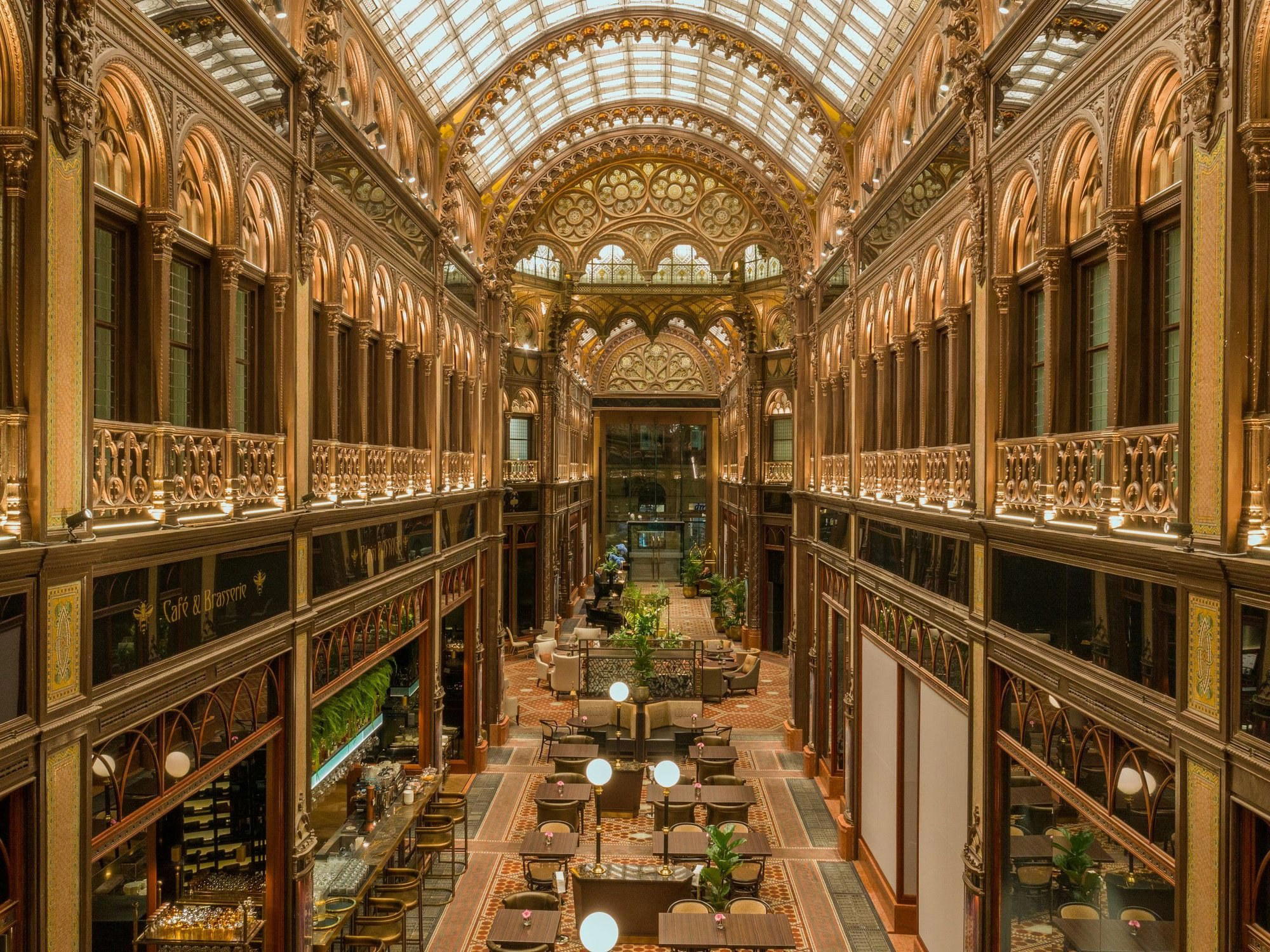
Hotels in Budapest
Browse all →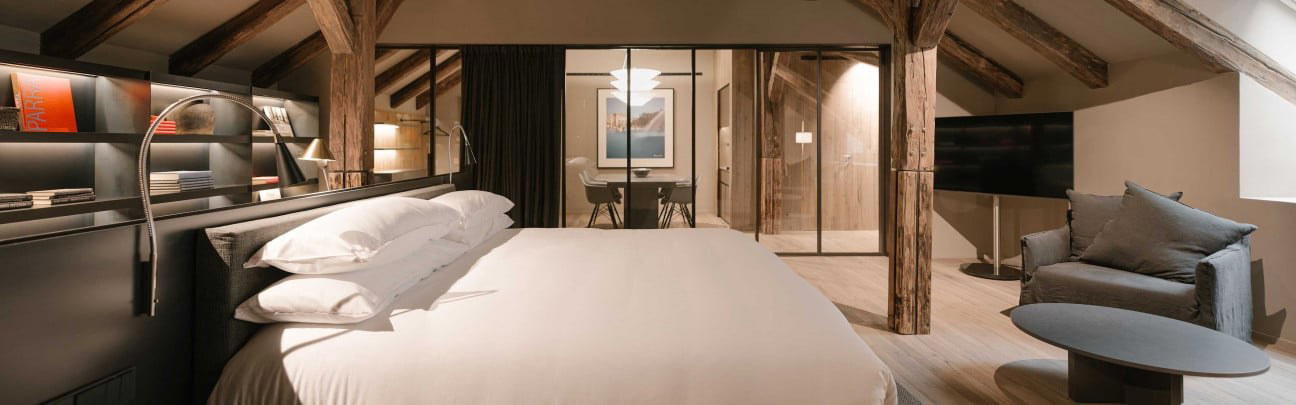
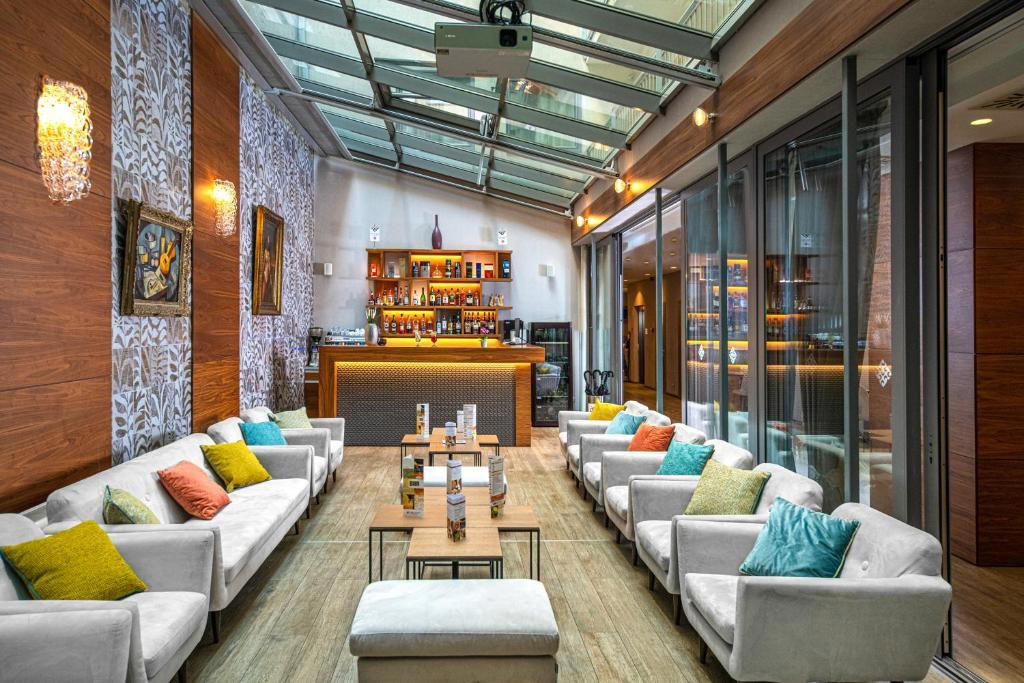
Bars in Budapest
Browse all →
Restaurants in Budapest
Browse all →
At a Glance
- Bohemian
- Cozy
- Trendy
- Intimate
- Romantic Getaway
- Weekend Escape
- Historic Building
- Garden
- Terrace
- Wi Fi
- Concierge
- Room Service
- Garden
- Wi Fi
- Concierge
- Room Service
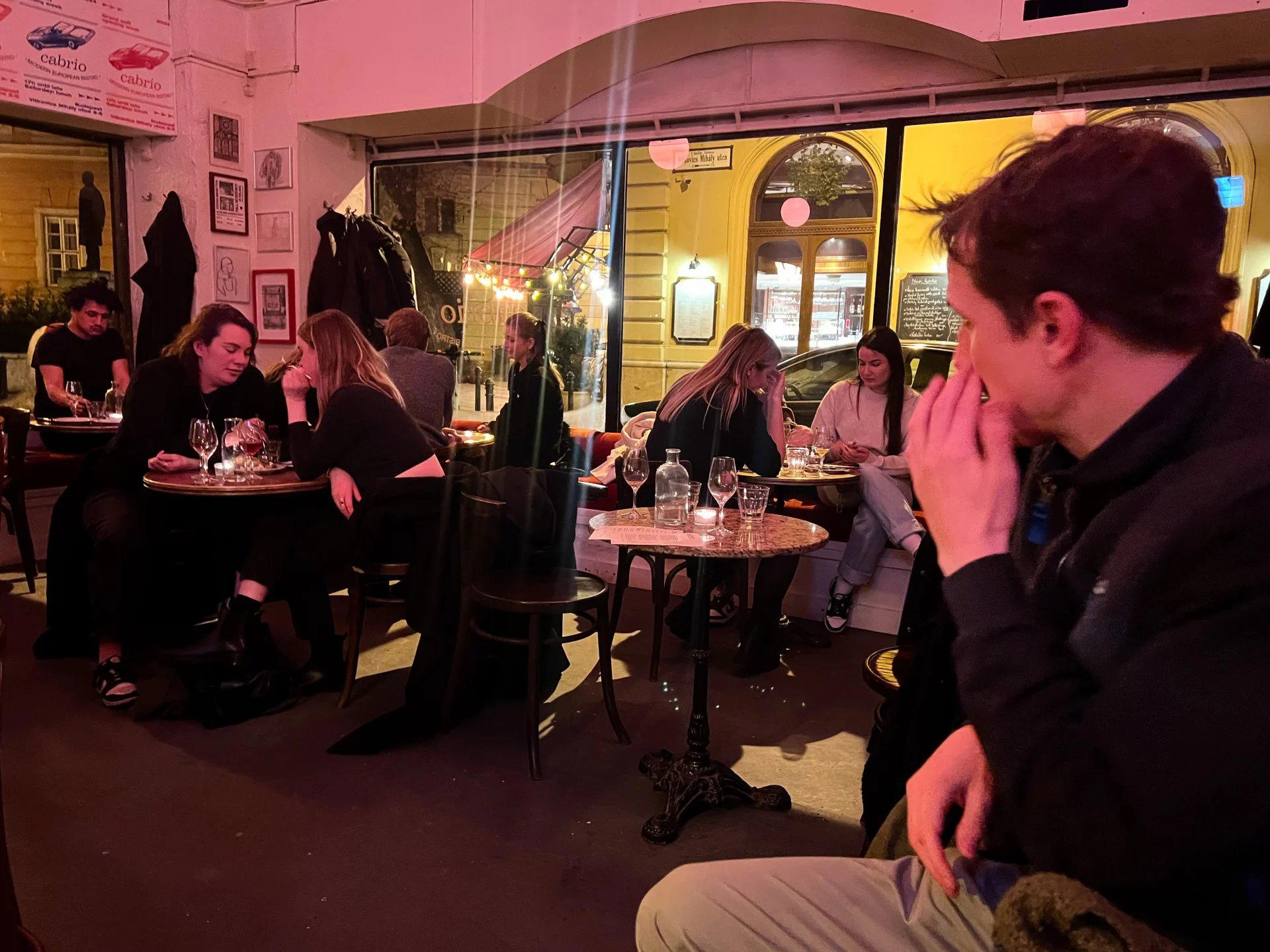
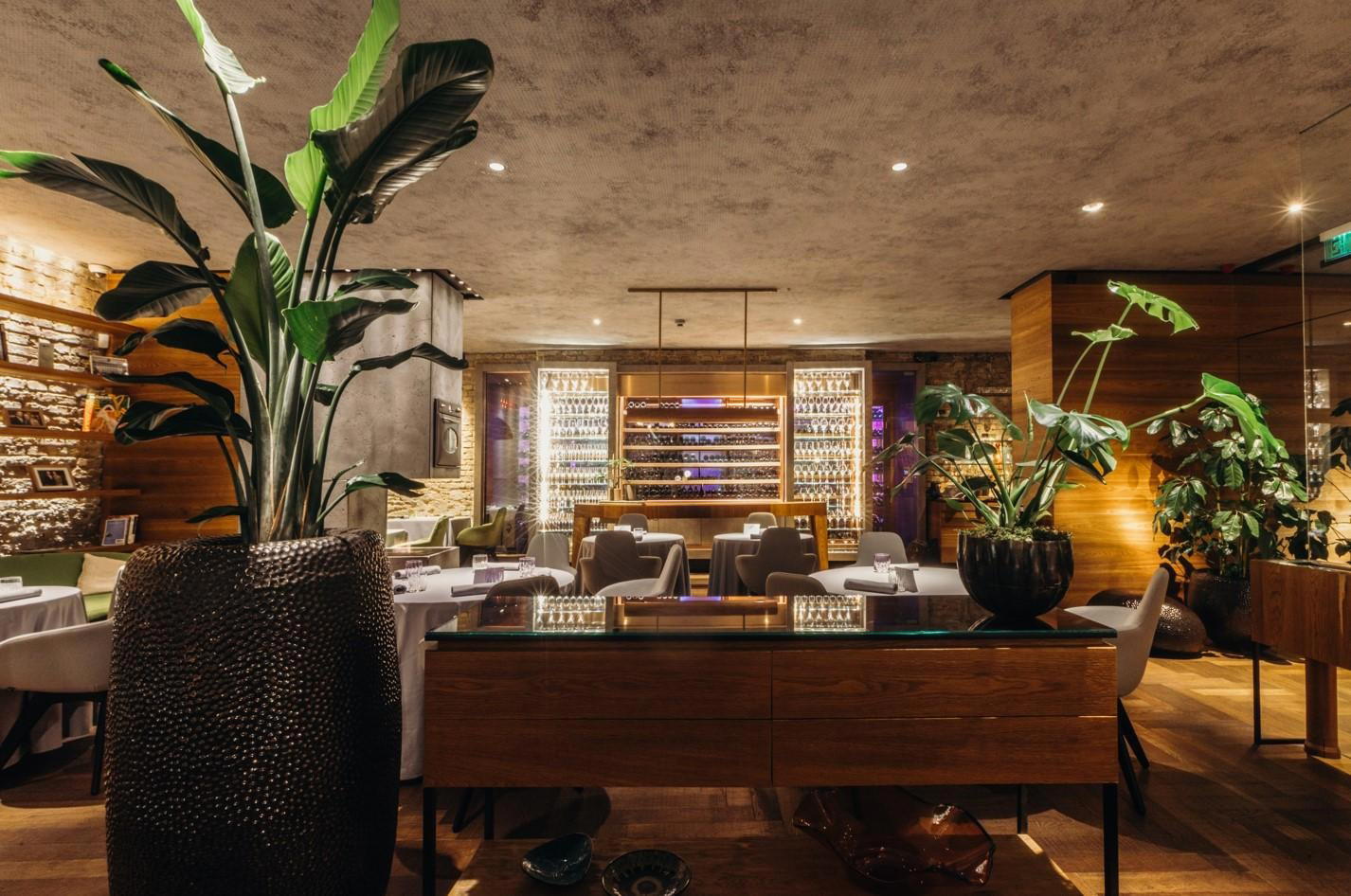
Shabby-chic with eclectic art, high ceilings, natural light, cozy lounges, fireplaces, and a quiet central courtyard.