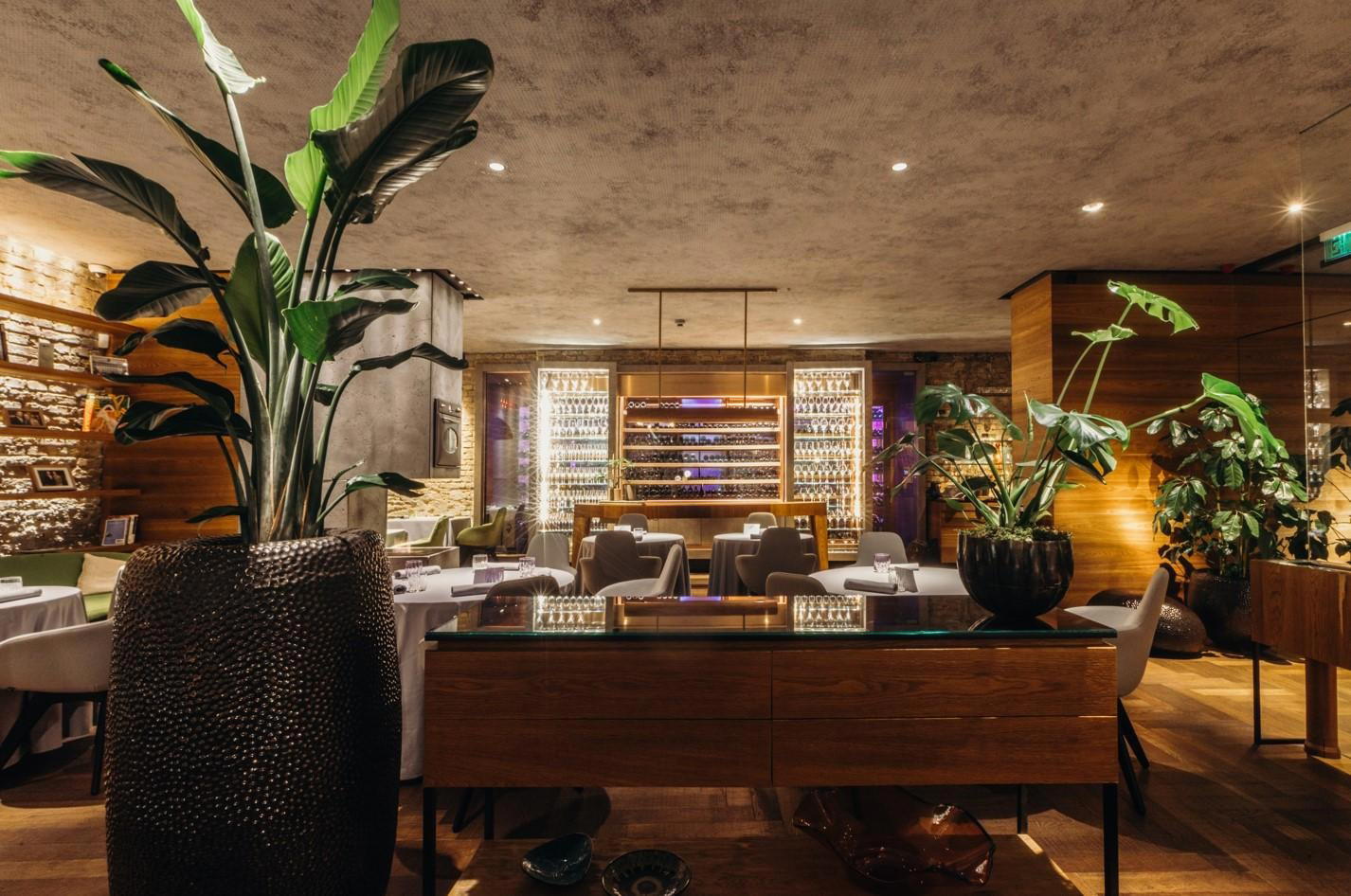
Bohem Art Hotel occupies a restored building on Molnár utca in Budapest's fifth district, a short walk from the Danube embankment and the city's Inner City parish church. The property sits within a cluster of design-conscious independents that have redrawn how mid-scale Budapest hospitality operates, placing artistic identity and considered material choices ahead of chain-format comfort.
Pearl is the En Primeur Club membership app — saves, bookings, and concierge access live there. Same editors, same standards.
- Address
- Budapest, Molnár u. 35, 1056 Hungary
- Phone
- +36 1 327 9020
- Website
- bohemarthotel.hu
- Directions
- Get directions
 Saves & bookings on Pearl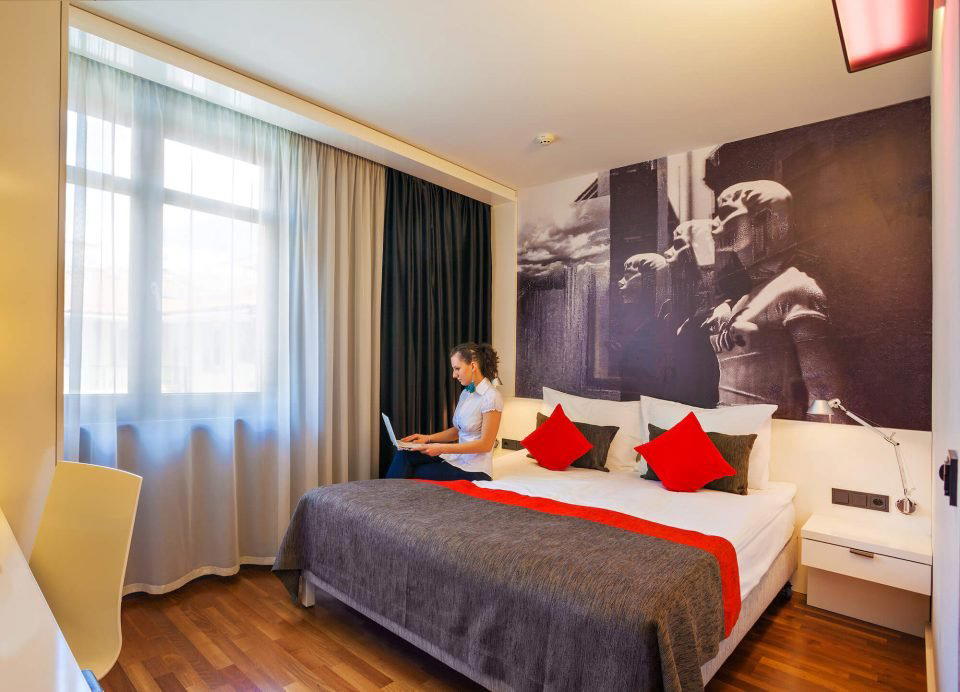
Where the Fifth District's Independent Scene Takes Shape
Bohem Art Hotel is a 4-star hotel in Budapest's fifth district, with 60 rooms and rates from about $51 per night. Buildings with thick walls and layered histories have been converted, floor by floor, into hotels that carry the architectural memory of the city rather than erase it. Bohem Art Hotel on Molnár utca sits inside that pattern. The address places it within easy reach of the Danube embankment and the Inner City parish church, in a part of Pest where the fabric of the nineteenth-century streetscape is largely intact. Arriving on foot from the river, the neighbourhood reads as quieter and more residential than the tourist corridors of the seventh district, which means the guest experience here begins before the front door.
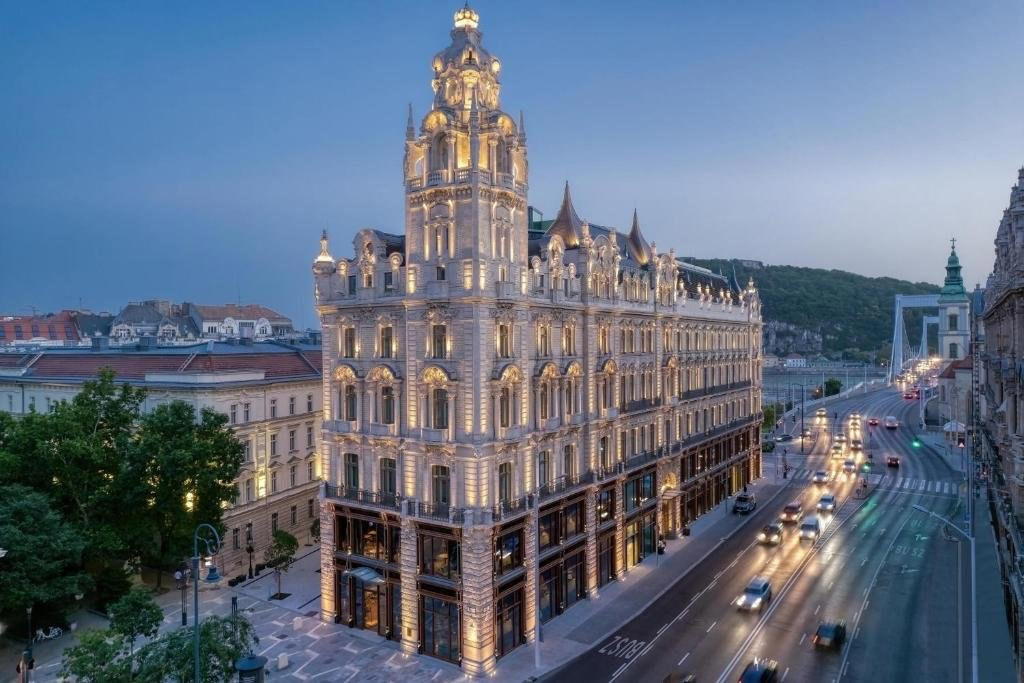
Budapest's boutique hotel tier has expanded considerably since the mid-2010s, and the fifth district has attracted a particular subset of that growth: properties that foreground design and local identity rather than amenity volume. The competitive set for a property like Bohem Art Hotel is not the grand palace hotels along the river, such as the Anantara New York Palace Budapest Hotel, but rather the smaller independents making considered choices about materials, atmosphere, and how a hotel embeds itself in its neighbourhood. That distinction matters for how the stay actually feels.
Art as Structural Argument, Not Decoration
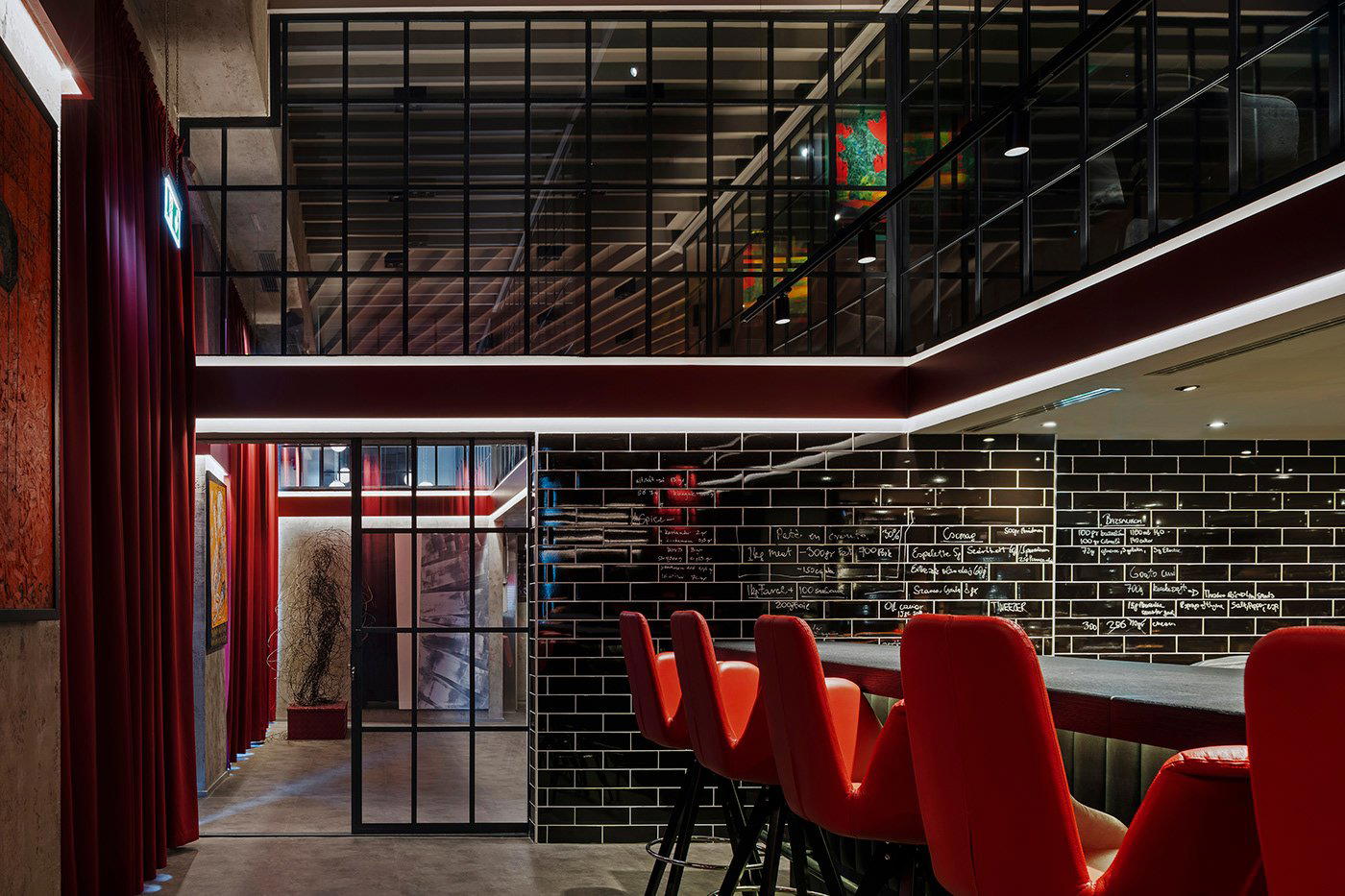
The name signals a commitment that goes beyond hanging prints in corridors. Budapest has a documented tradition of art hotel programming, but the more interesting question is always whether the art functions as atmosphere or as wallpaper. Properties that integrate local artistic work into their material identity, rather than licensing generic reproductions, occupy a different position in the market. They require curation, ongoing relationships with artists, and a willingness to let the work generate friction rather than pure comfort. Within the city's current boutique tier, that posture is rarer than the marketing language around it might suggest.
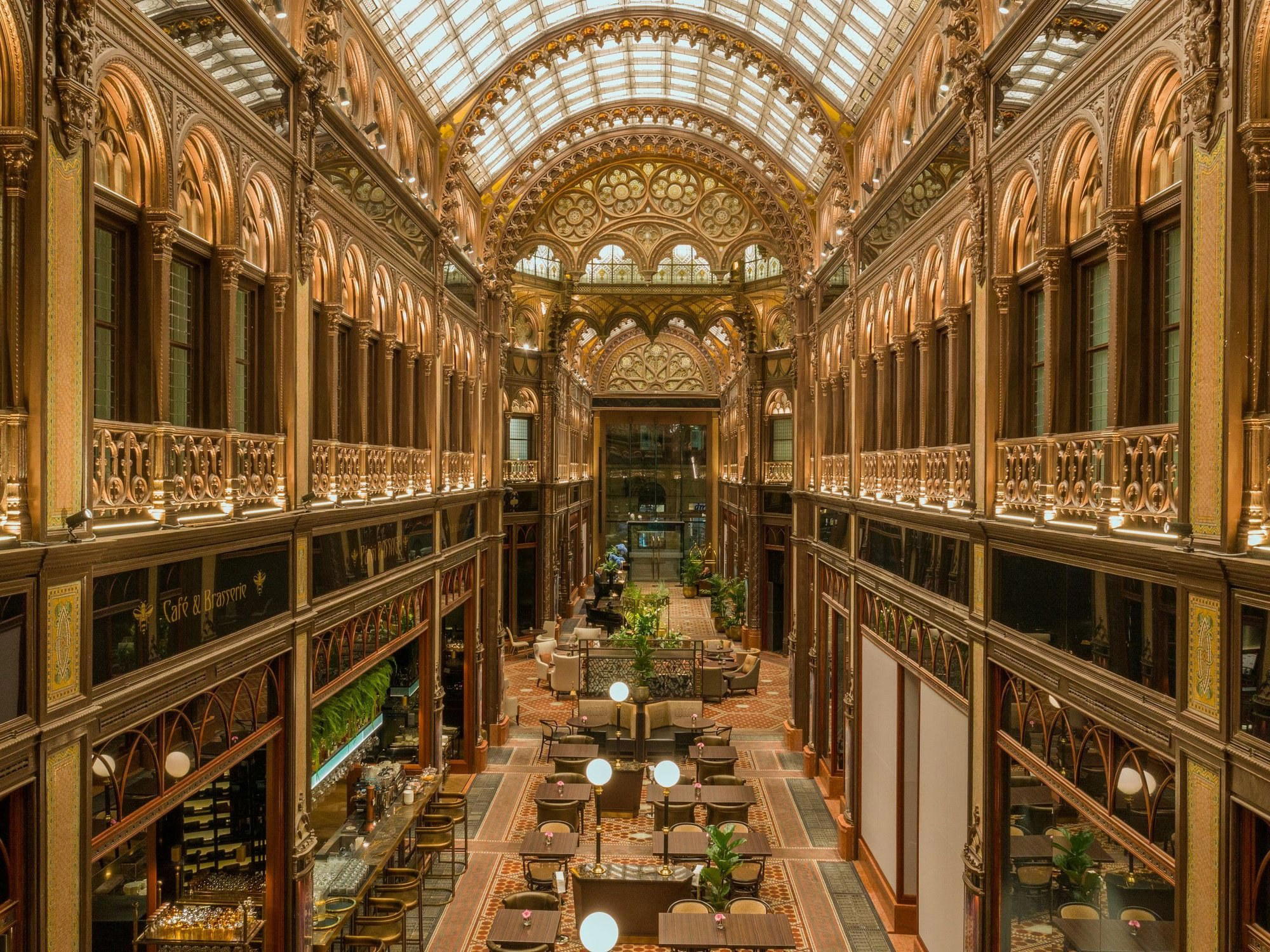
For context, compare the approach at larger design-adjacent properties in Budapest, where art installations tend to serve as backdrop for food and beverage spaces rather than anchoring the room programme. An art hotel that takes its designation seriously allows the work to shape the physical environment of individual rooms, which creates a more variable and, for the right guest, more interesting experience. It also creates a sustainability argument: commissioning local artists, using regional craft, and treating the building's existing structure as material rather than obstacle all reduce the environmental cost of a hospitality conversion compared to wholesale interior replacement.
The Sustainability Case for Adaptive Reuse
Across European cities with dense historic building stock, particularly environmentally considered hospitality projects are often the ones that do the least. Retaining original masonry, restoring period joinery, and working within existing floor plates rather than reconfiguring them all reduce embodied carbon in ways that no amount of LED lighting or towel reuse programmes can replicate. Budapest's fifth district offers exactly the kind of building stock that rewards this approach: thick-walled structures from the late Habsburg period, with ceiling heights and spatial proportions that suit hotel conversion without extensive structural intervention.
The broader shift in European boutique hospitality toward adaptive reuse reflects both regulatory pressure and a genuine market signal. Guests who book design-conscious independents over chain properties increasingly factor environmental positioning into their choices, even if that factor rarely dominates the decision. A hotel like Bohem Art Hotel, occupying a restored building in a historically significant district, carries a different environmental logic than a purpose-built property on cleared ground.
Positioning Within Budapest's Independent Hotel Tier
Budapest's independent hotel market now occupies a broad range, from the Baltazár Boutique Hotel in the Castle District to design-forward addresses like BoHo Hotel Budapest and the Aria Hotel Budapest by Library Hotel Collection, each staking out a distinct identity through programme and positioning. Brody House in the eighth district operates as a members' house with rooms attached, while Casati Budapest Hotel and the Boutique Hotel Budapest occupy the mid-tier design space.
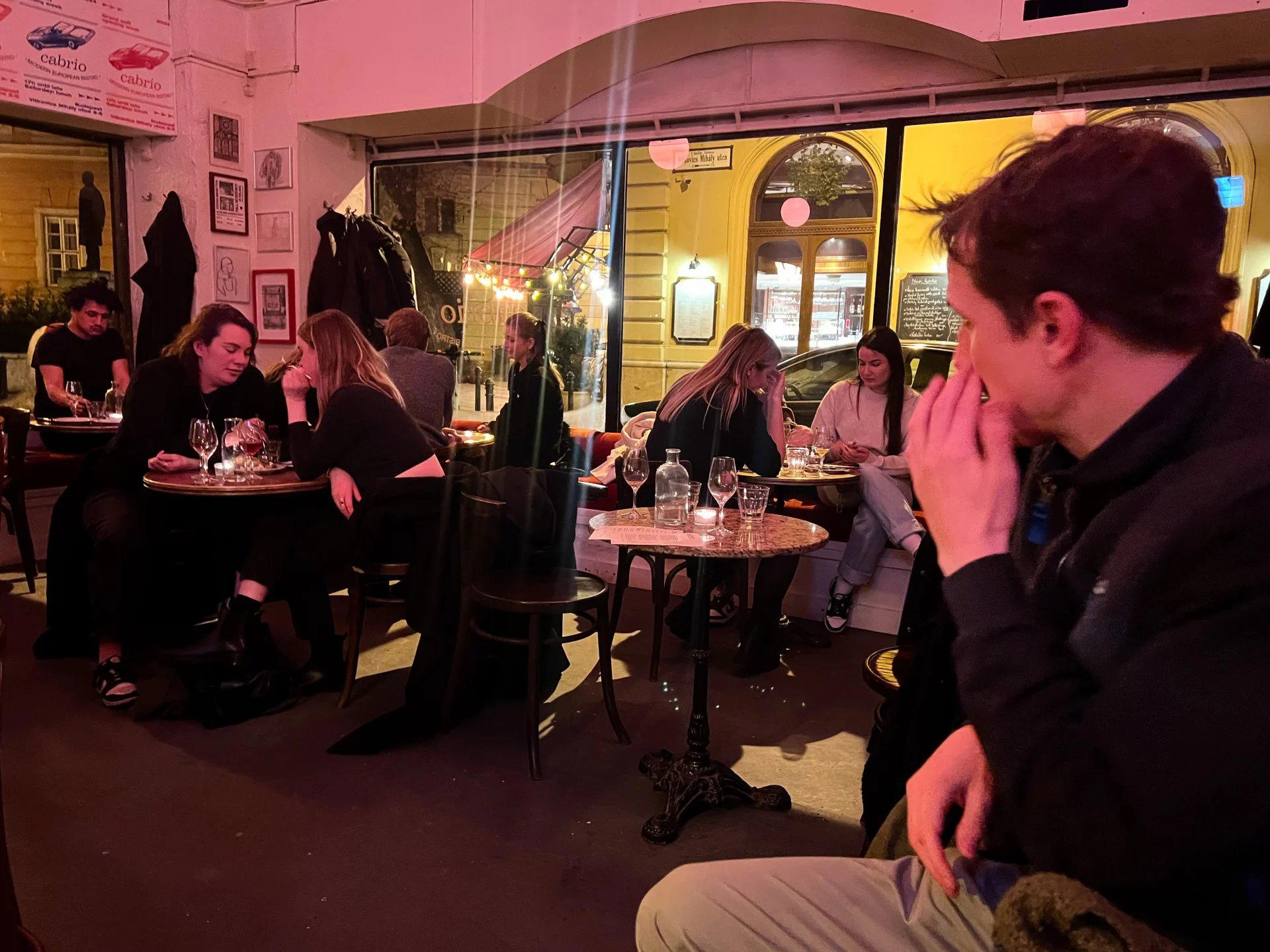
The hotel's address on Molnár utca places it in the fifth district, which carries different neighbourhood energy than the seventh district's ruin bar corridor. The proximity to the Danube and to the city's civic and cultural institutions, including the Hungarian National Museum and the Central Market Hall, gives the location a different rhythm: calmer, more oriented toward daytime exploration, less reliant on nightlife as an amenity.
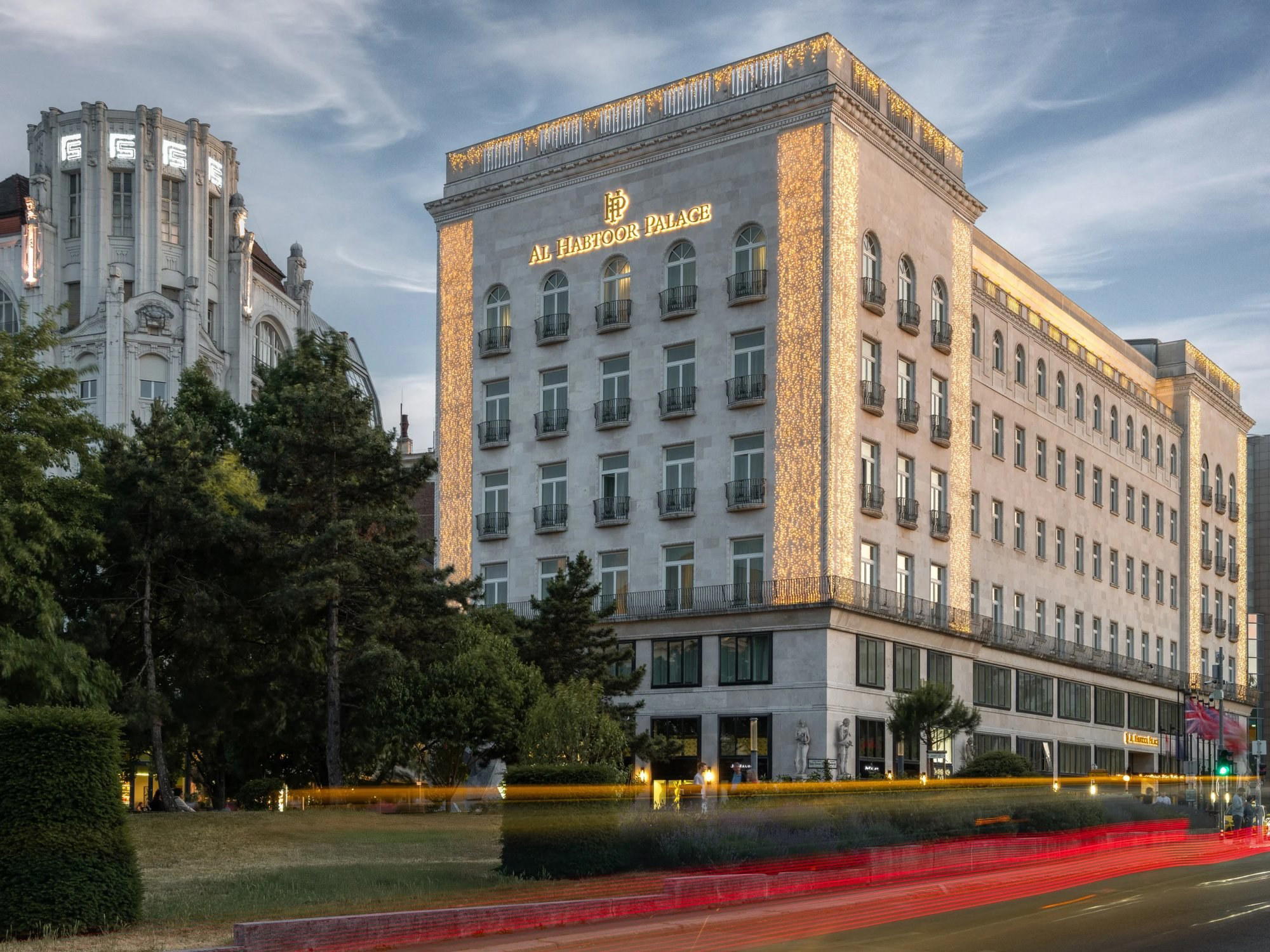
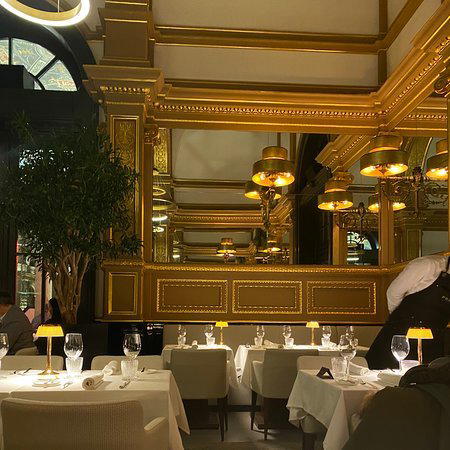
At the upper end of the Budapest market, properties such as Al Habtoor Palace Budapest operate in a different register entirely, with scale and amenity volume that serve a different guest profile. The choice between a property like Bohem Art Hotel and a palace-format hotel is not primarily about price; it is about what kind of relationship with the city the guest is seeking.
Planning Your Stay
Molnár utca 35 is reachable by Metro Line 3 (Ferenciek tere station is the closest stop, a short walk north), by tram along the Danube embankment, or on foot from the Elizabeth Bridge. The fifth district's compact geography means most of the Inner City's key sites are accessible without transport. For those arriving by air, Budapest Ferenc Liszt International Airport sits roughly 20 kilometres southeast of the city centre; journey time by the direct Airport Express bus (100E) to Deák Ferenc tér is around 30 to 40 minutes depending on traffic, placing Molnár utca well within a ten-minute walk from the city's central transit hub.
The spring and autumn shoulder seasons, roughly March through May and September through October, represent particularly comfortable periods for walking the Inner City extensively. Summer brings significant visitor volume to the riverside and the main market, while winter offers the advantage of the Christmas market atmosphere along Vörösmarty tér, a ten-minute walk from the hotel.
Guests interested in comparing the independent boutique format with grander European hotel traditions might also consider properties such as Cheval Blanc Paris, Badrutt's Palace Hotel in St. Moritz, or Hôtel de Paris Monte-Carlo to understand where design-led independents sit in relation to the historic grand hotel tier.
Peers You’d Cross-Shop
Comparable venues nearby, for context on price, style, and recognition.
| Venue | Cuisine | Price | Notes |
|---|---|---|---|
| Bohem Art HotelThis venue — the venue you are viewing | Modernized 17th-century building with bohemian art gallery vibe | $$$ | Not listed |
| Hotel GIN Budapest | Contemporary boutique design hotel with mod-Magyar flair and local architectural vision | $$$ | Belvaros |
| Boutique Hotel Budapest | Contemporary urban boutique hotel with minimalist design and personalized service focus. | $$$ | Belvaros |
| Park Plaza Budapest | Trendy lifestyle hotel with artistic flair and riverfront elegance. | $$$ | Varhegy |
| Soho Boutique Hotel | Contemporary boutique hotel with retro influences, blending modern chic design with playful, youthful energy. | $$$ | Pest |
| Danubius Hotel Gellért | Historic Art Nouveau landmark hotel with elegant bygone-era charm. | $$$ | Gellért Hill |
Continue exploring
More in Budapest
Hotels in Budapest
Browse all →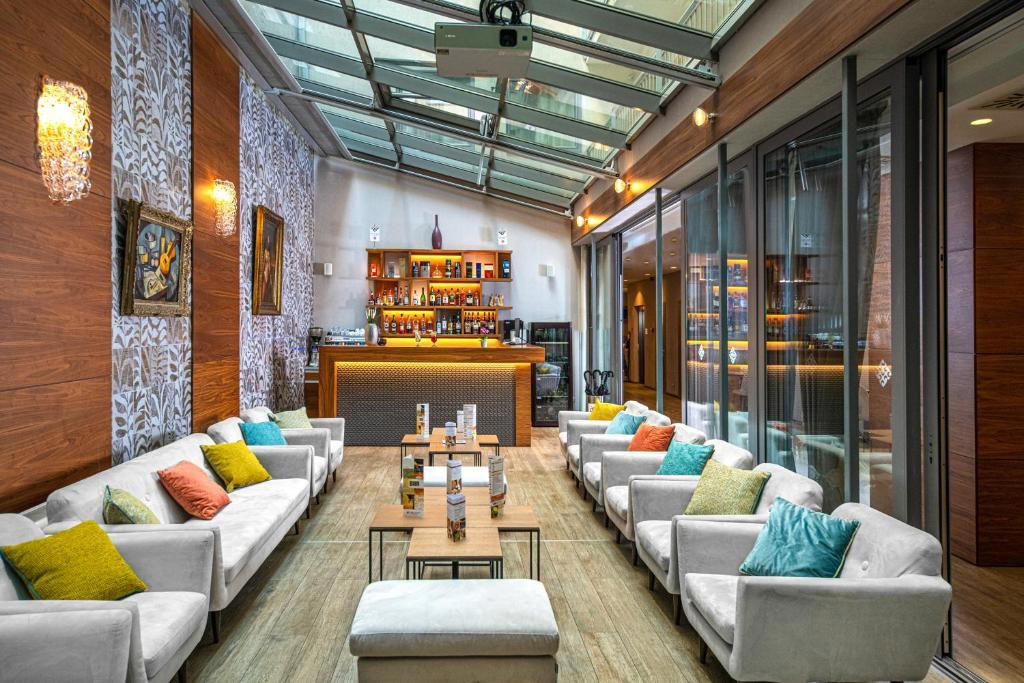
Bars in Budapest
Browse all →
Restaurants in Budapest
Browse all →
At a Glance
- Bohemian
- Modern
- Cozy
- Trendy
- Romantic Getaway
- Weekend Escape
- Historic Building
- Design Destination
- Wi Fi
- Air Conditioning
- Elevator
- Airport Shuttle
- Street Scene
- Wi Fi
- Air Conditioning
- Elevator
- Airport Shuttle
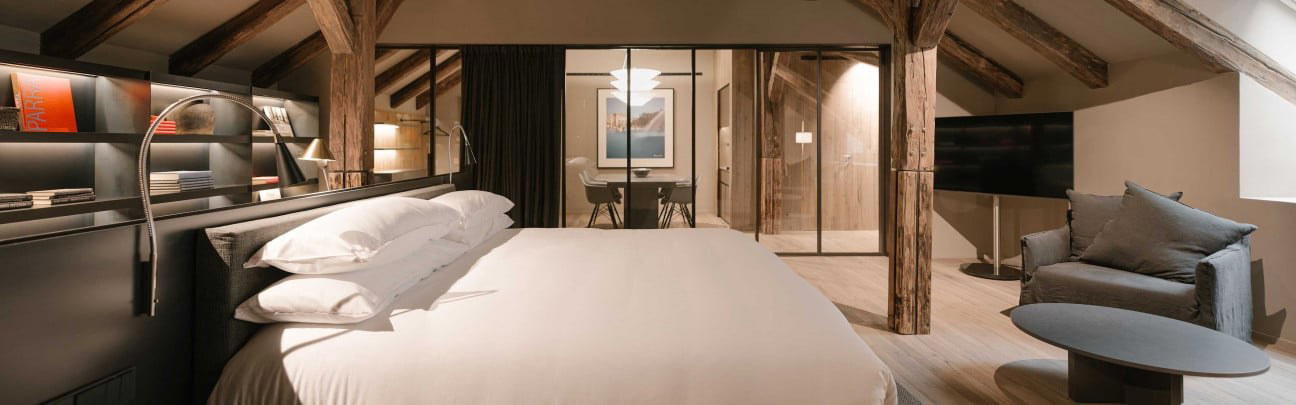
Cozy and stylish rooms with modern art, soundproofing, and a quiet yet lively setting near the Danube.