
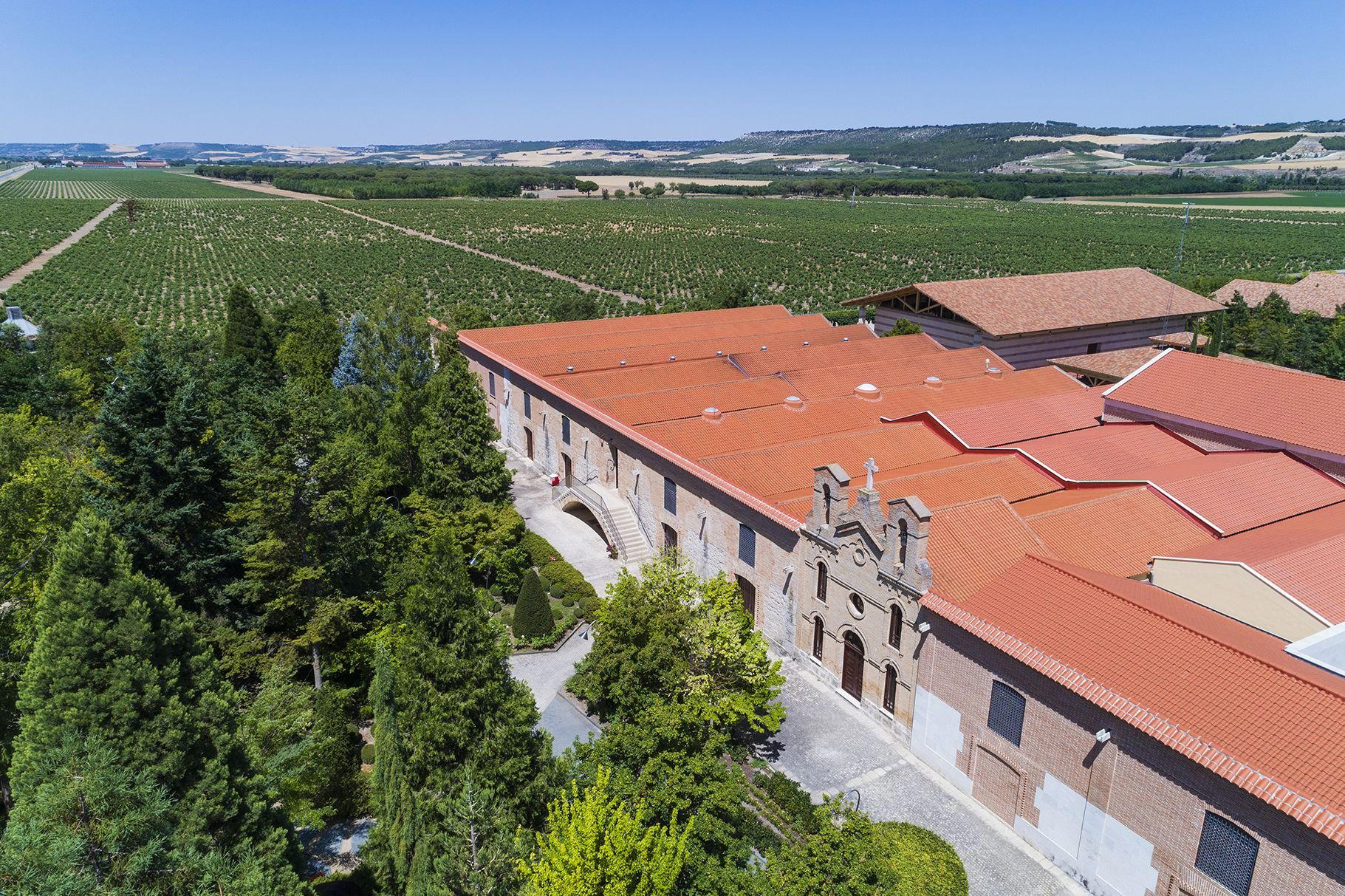
A former Augustinian convent dating to the seventeenth century, the Parador de Chinchón occupies among the more architecturally intact historic buildings in Castilla-La Mancha. Michelin Selected for 2025, it sits at the quieter end of the Spanish parador network, close enough to Madrid for a weekend escape, grounded enough in its stone-and-cloister setting to feel genuinely removed from it.
Pearl is the En Primeur Club membership app — saves, bookings, and concierge access live there. Same editors, same standards.
- Address
- Los Huertos, 1, 28370 Chinchón, Madrid, Spain
- Phone
- +34 918 94 08 36
- Website
- parador.es
- Directions
- Get directions
 Saves & bookings on Pearl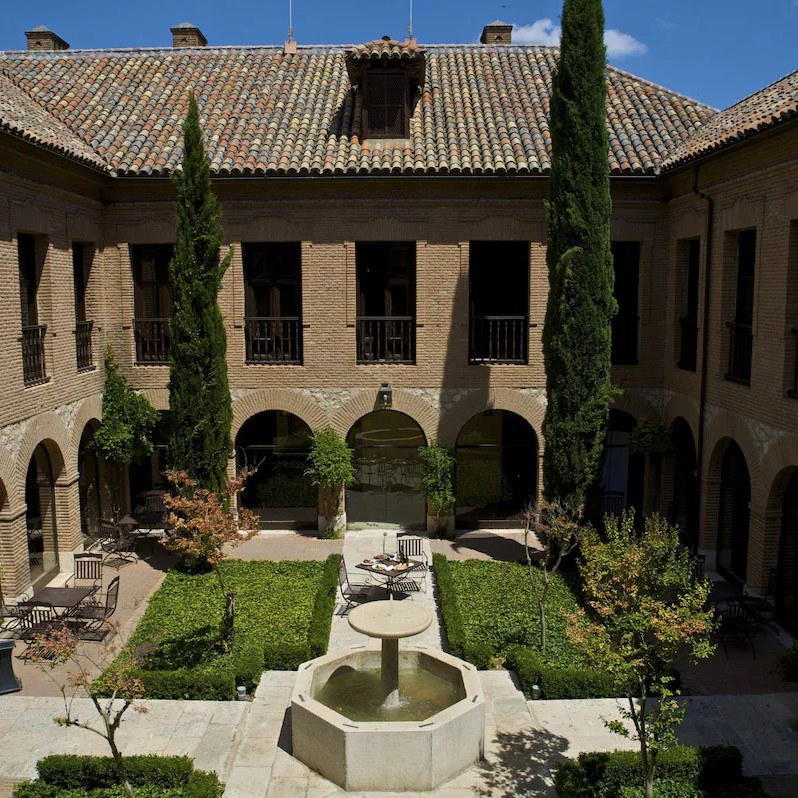
A Convent, Preserved in Stone
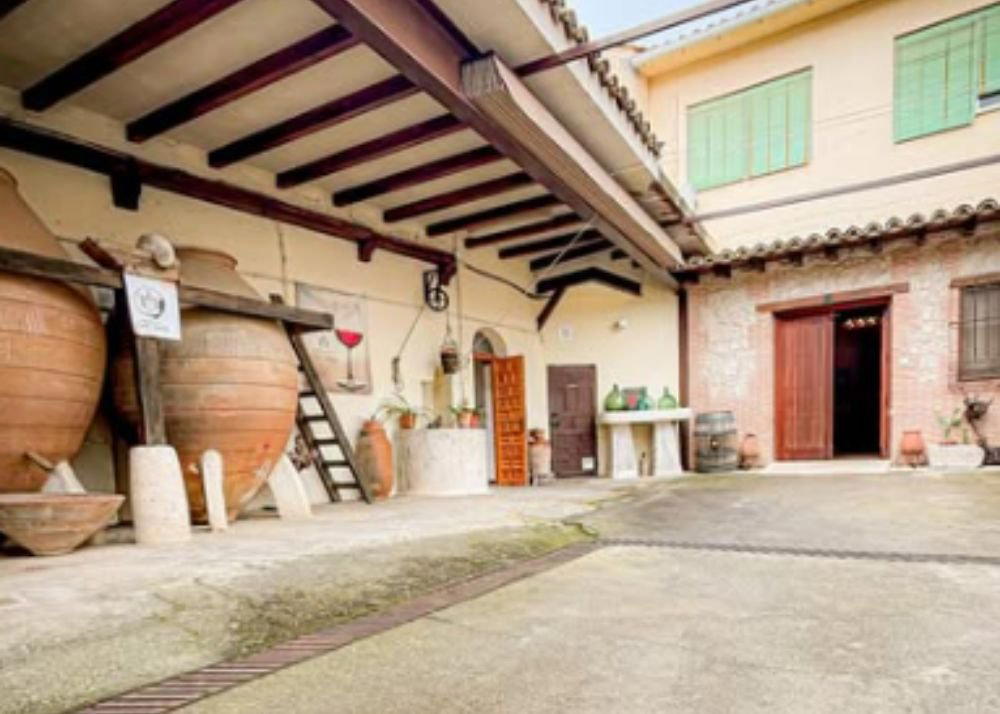
The town of Chinchón sits about 45 kilometres southeast of Madrid, close enough to reach by car in under an hour but far enough that its Plaza Mayor, a rare circular bullring-cum-market square, still belongs to the town rather than to tourism. The Parador de Chinchón stands a short walk from that square, occupying a seventeenth-century Augustinian convent that has seen remarkably little architectural compromise since its conversion into a parador. Where some historic hotels absorb their heritage as decoration, this building is the experience: the geometry of its two-storey arcaded cloister, the worn stone underfoot, the proportions of rooms that were never designed for hotel guests and are all the better for it.
Spain's parador network, which operates state-owned hotels in historic structures across the country, has been placing guests inside castles, monasteries, and convents since the 1920s. The Chinchón property belongs to the monastery-conversion cohort, a category that consistently rewards visitors willing to trade the frictionless efficiency of a city business hotel for something architecturally irreplaceable. In that sense, it sits in a different competitive conversation than, say, the Mandarin Oriental Ritz, Madrid, where the architecture is grand but the intention was always a luxury hotel. Here, the convent bones remain legible throughout.
The Architecture as Spatial Argument
The cloister is the organizing logic of the entire property. Two levels of arched stone galleries frame a central garden courtyard, and most of the guest circulation happens along these colonnaded walkways rather than through interior corridors. The effect is one of deliberate decompression: you move slowly here because the architecture asks you to. Natural light arrives at angles shaped by centuries of construction decisions, and the proportions of individual rooms reflect ecclesiastical origins rather than hospitality planning.
This kind of adaptive reuse, where the conversion respects rather than erases the source material, has become a marker of a particular tier within Spanish heritage hospitality. Properties like Atrio Restaurante Hotel in Cáceres and Caro Hotel in València operate in a similar register, where the physical fabric of the building carries editorial weight. At Chinchón, the Augustinian layout means that particularly atmospheric spaces are the communal ones: the cloister garden, the stone-floored common areas, the dining rooms in what were once refectory spaces.
The parador also has an outdoor swimming pool, positioned within the convent grounds, a detail that underlines the particular tension these properties navigate between historic preservation and modern guest expectation. It is not a spa resort. Guests who arrive expecting the amenity density of Royal Hideaway Corales Resort in Adeje or Marbella Club Hotel will find something quieter and less programmed, which is precisely the point.
Michelin Selected, 2025
The hotel carries a MICHELIN Selected distinction for 2025, appearing in the Michelin guide's hotels-and-stays programme. Within the broader Spanish hospitality market, it places Chinchón alongside properties recognised in that programme at the national level, lending the parador a degree of third-party validation that confirms its standing within heritage hotel travel rather than just within the parador network itself.
For the Iberian peninsula's heritage hotel category more broadly, Michelin Selected status has become one of several indicators that a historic conversion has maintained sufficient quality to be editorially relevant. Other Spain properties carrying similar recognition include Abadía Retuerta LeDomaine, Terra Dominicata in Escaladei, and Mas de Torrent Hotel & Spa in Torrent, though each occupies a different architectural and regional context.
Chinchón as a Destination
The town itself repays more than a one-night visit. Chinchón produces anís, the anise-flavoured spirit that appears in Spanish kitchens and bars throughout Castilla, and the local distilling tradition is woven into the town's commercial and cultural identity. The Plaza Mayor hosts bullfights during the summer festivals and serves as a farmers' market in cooler months; the tiered wooden balconies of the surrounding buildings date from the sixteenth century and remain in use. For visitors based in Madrid, Chinchón represents a coherent day-trip or short-break option that is geographically close but tonally distant from the capital. The drive southeast along the A-3 and then local roads takes under an hour from central Madrid. There is no direct rail connection, making a car the practical choice.
The hotel's restaurant operates within the converted convent spaces and, in keeping with the parador network's remit, draws on regional Castilian cooking. Lamb, game, and bean dishes from the broader Castilla-La Mancha tradition feature prominently in the area's culinary identity.
Where It Sits in the Spanish Heritage Hotel Picture
Spain's heritage accommodation market has developed into a layered field. At one end, properties like La Residencia, A Belmond Hotel, Mallorca and Cap Rocat in Cala Blava operate as design-led independent properties with premium pricing to match. At the other, the parador network offers state-backed heritage access at rates that are lower than comparable private conversions, with consistency of standards guaranteed across the network rather than venue by venue.
The Chinchón parador occupies an interesting position within that picture: it is not among the more celebrated paradores in Spain (Sigüenza, Granada, and Santiago de Compostela carry more headline weight), but its proximity to Madrid, the integrity of its convent architecture, and its Michelin Selected status make it a case that holds up under editorial scrutiny. Properties like Hotel Mercer Sevilla and Hotel Can Cera in Palma represent the private-investment model of historic conversion; Chinchón represents the public-trust version, with all the institutional steadiness that implies.
For travellers considering other heritage hotel formats across Europe, points of comparison extend beyond Spain: Badrutt's Palace Hotel in St. Moritz and Hôtel de Paris Monte-Carlo occupy a grander, more urban register; Pepe Vieira Restaurant & Hotel in Poio and Hotel Mas Lazuli in Girona represent the smaller, gastronomy-anchored end of Iberian heritage stays. The Chinchón parador is none of those things; it is a specific, architecturally coherent building in a specific Castilian town, offering a mode of travel that is harder to access in Spain's larger cities.
Planning a Stay
The town's main festivals, centred on its anís and agricultural calendar, draw additional visitors in summer, so those travelling primarily for the architecture and quiet will find better conditions outside peak local-event dates. No specialist dress code applies; the tone of the place is unhurried and informal by Spanish heritage hotel standards.
Frequently Asked Questions
What's the general vibe of Parador de Chinchón?
Quiet and architecturally grounded. This is a seventeenth-century Augustinian convent in a small Castilian town 45 kilometres from Madrid, carrying a 2025 MICHELIN Selected distinction. The atmosphere is shaped by stone-and-cloister spaces, unhurried pace, and a town whose Plaza Mayor doubles as a bullring. It does not operate at the amenity density of larger resort hotels; the draw is the building itself and the town it sits in.
What's the leading room type at Parador de Chinchón?
Within the parador network generally, rooms facing the interior cloister garden tend to deliver one direct experience of the historic architecture, that logic applies here given the convent layout.
Comparison Snapshot
Comparable venues nearby, for context on price, style, and recognition.
| Venue | Cuisine | Price | Awards | Notes |
|---|---|---|---|---|
| Parador de ChinchónThis venue — the venue you are viewing | Historic convent transformed into a luxury heritage hotel blending monastic architecture with modern comforts. | $$$ | 4-Star | Not listed |
| Parador de Baiona | Historic fortress-palace hybrid combining medieval fortification with 19th-century Neo-Gothic architecture, operated by Spain's prestigious Paradores chain. | $$$ | 4-Star | Monterreal Peninsula |
| One Shot Puerta Ruzafa | Contemporary boutique honoring nature through art and architecture | $$$ | 4-Star | Ruzafa |
| Vincci Molviedro | Contemporary Andalusian fusion in historic buildings | $$$ | 4-Star | Centro |
| Dear Hotel Madrid | Contemporary Nordic design boutique hotel in a restored historic building, blending Scandinavian minimalism with Spanish architectural heritage. | $$$ | 4-Star | Universidad |
| Palacio Bellas Artes Hotel San Sebastián | Historic theatre redevelopment with Basque design influences | $$$ | 4-Star | Amara |
Recognition history
Dated appearances from independent guides and award organizations, with the underlying list record or original source where available.
Michelin Selected
Michelin
Continue exploring
More in Chinchon
Hotels in Chinchon
Browse all →
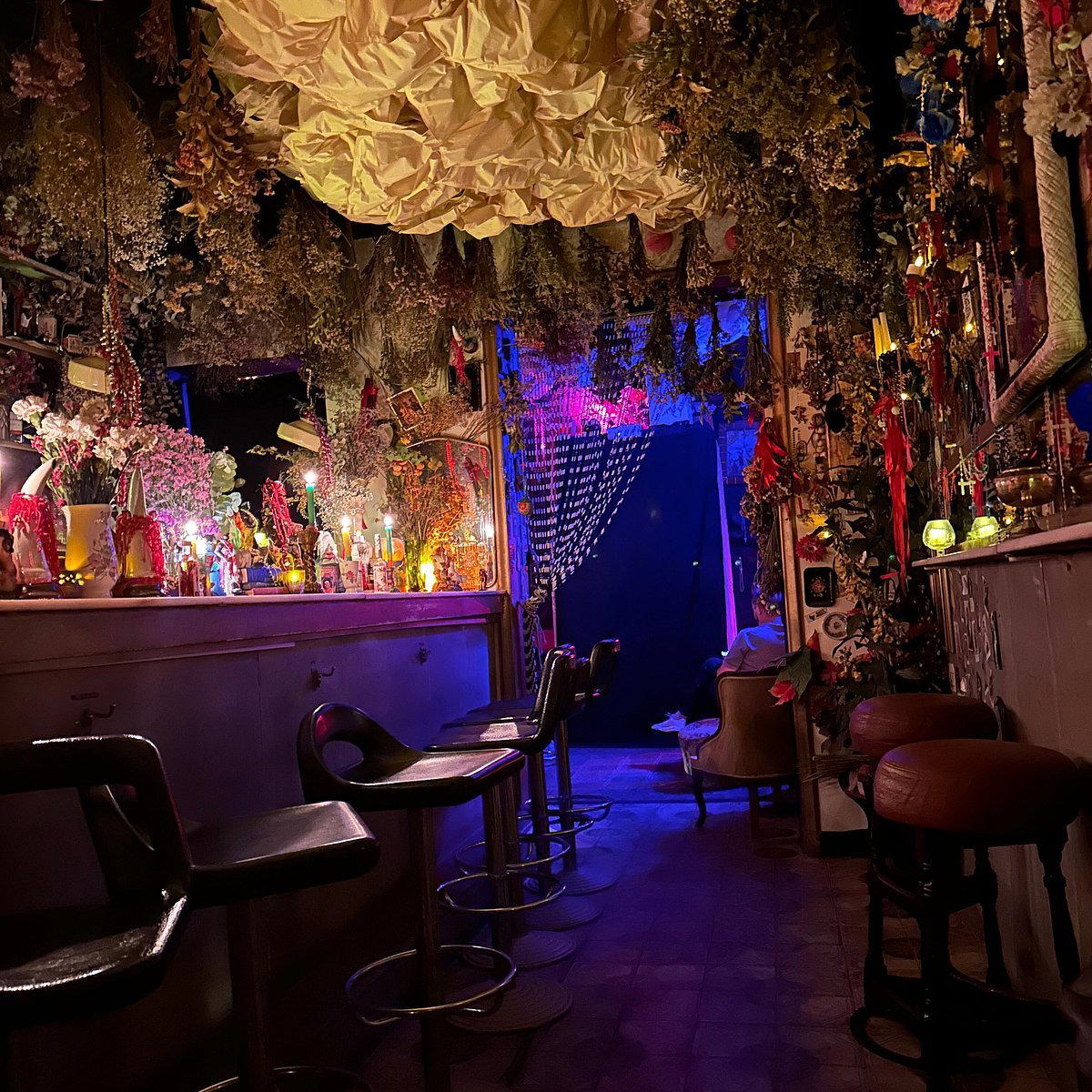
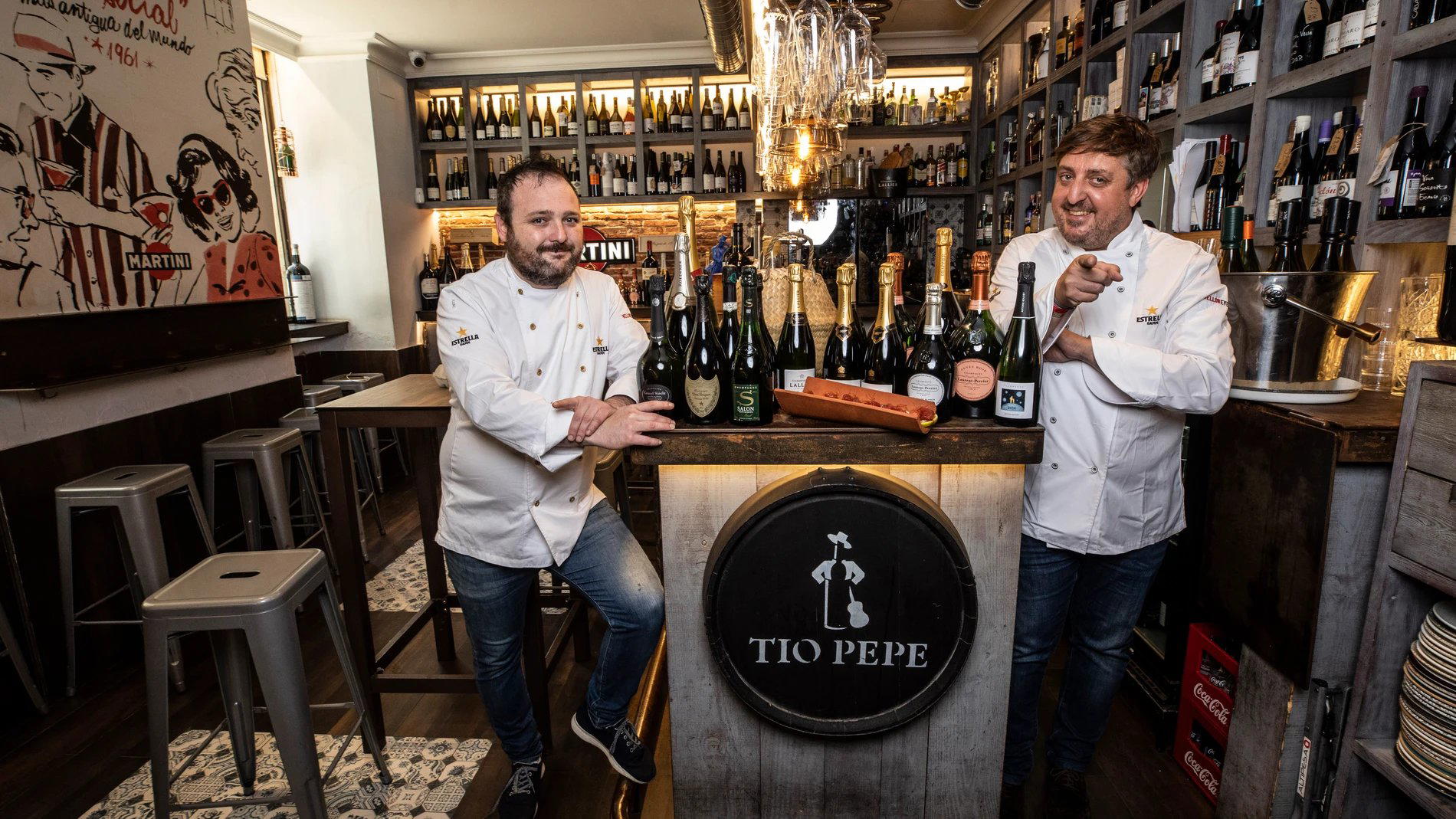
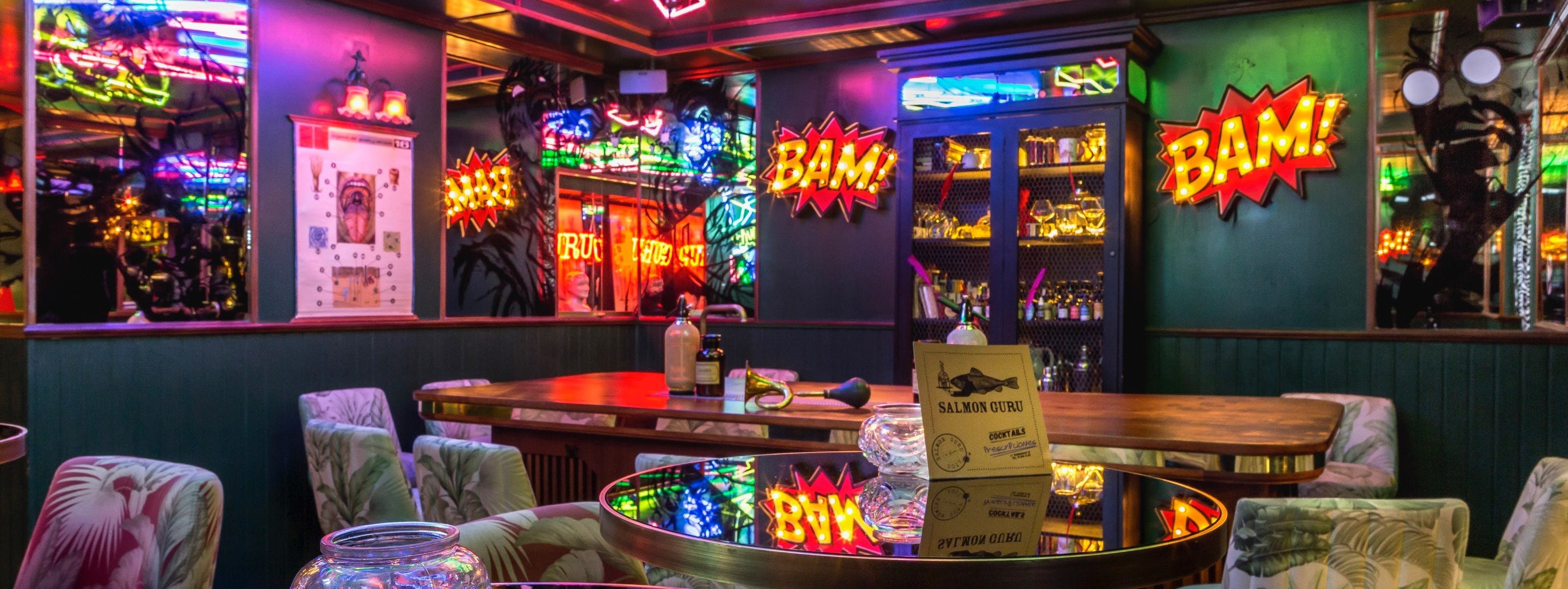
Bars in Chinchon
Browse all →
Restaurants in Chinchon
Browse all →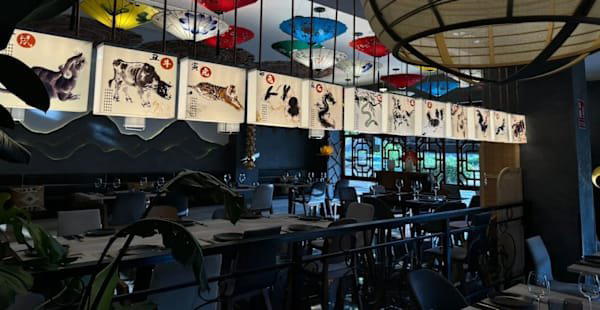

At a Glance
- Quiet
- Elegant
- Rustic
- Classic
- Scenic
- Romantic Getaway
- Weekend Escape
- Anniversary
- Historic Building
- Garden
- Terrace
- Pool
- Garden
- Wi Fi
- Room Service
- Concierge
- Garden
- Pool
- Garden
- Wi Fi
- Room Service
- Concierge
Tranquil and peaceful atmosphere with elegant Renaissance-style interiors, spacious bright rooms, classical Castilian furniture, and relaxing monastic gardens.