Palacio Bellas Artes Hotel San Sebastián
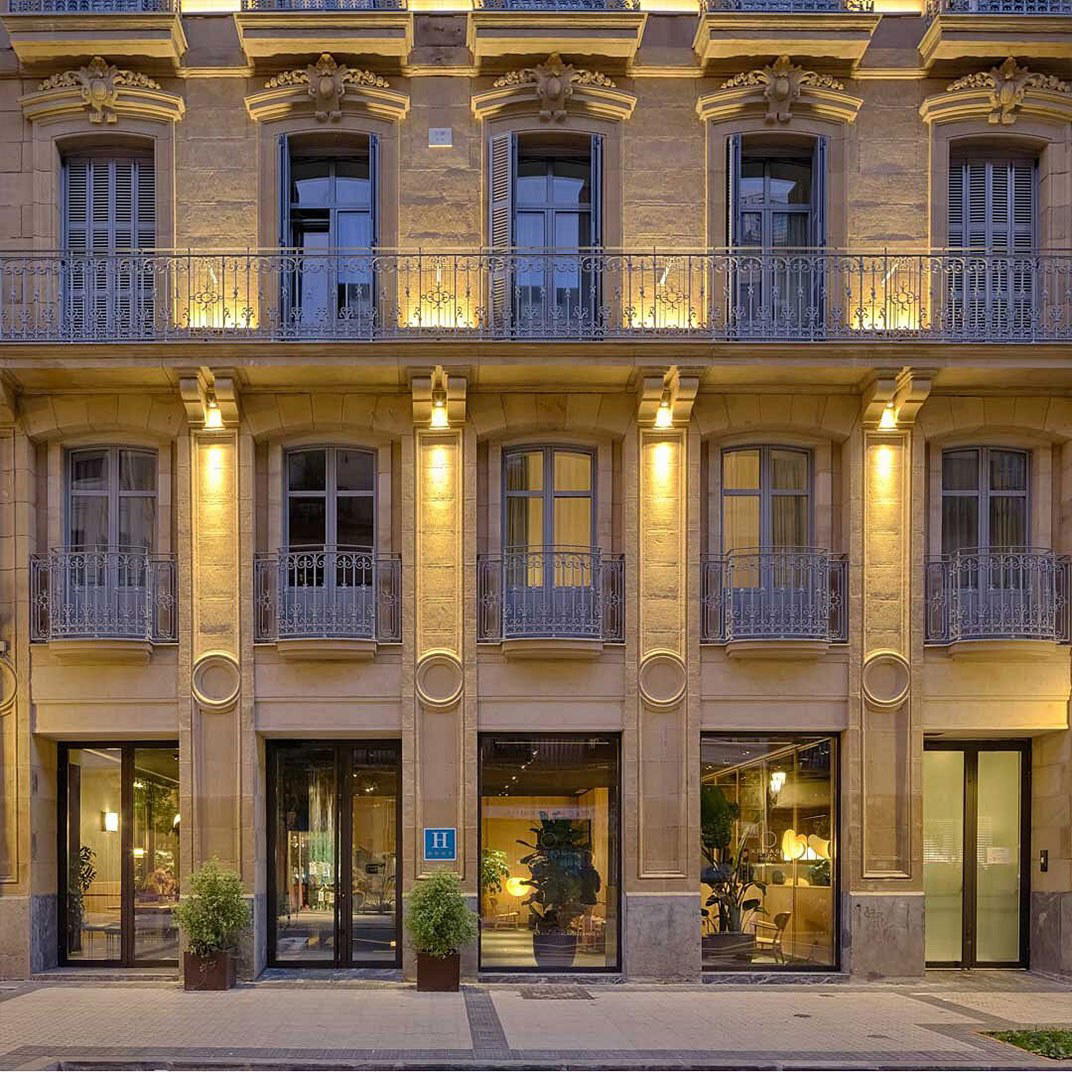
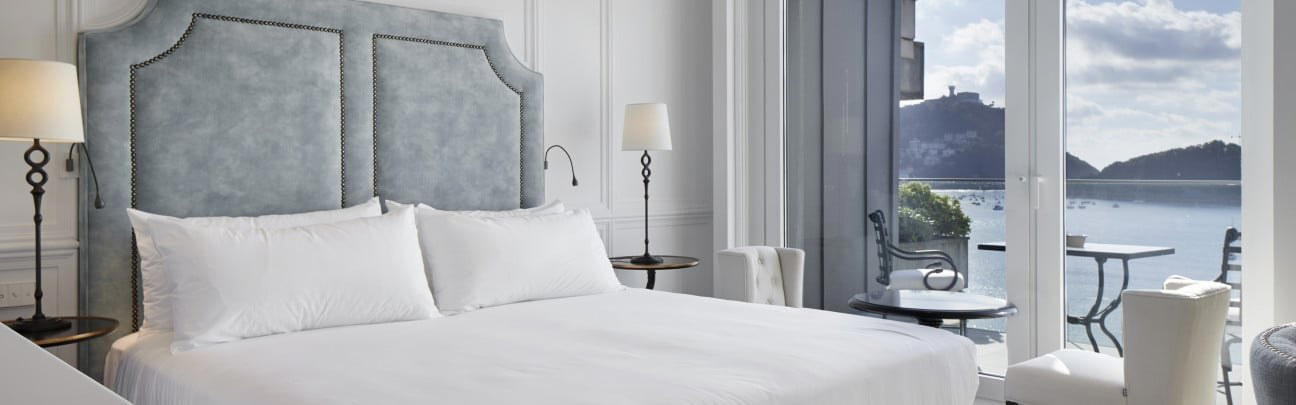
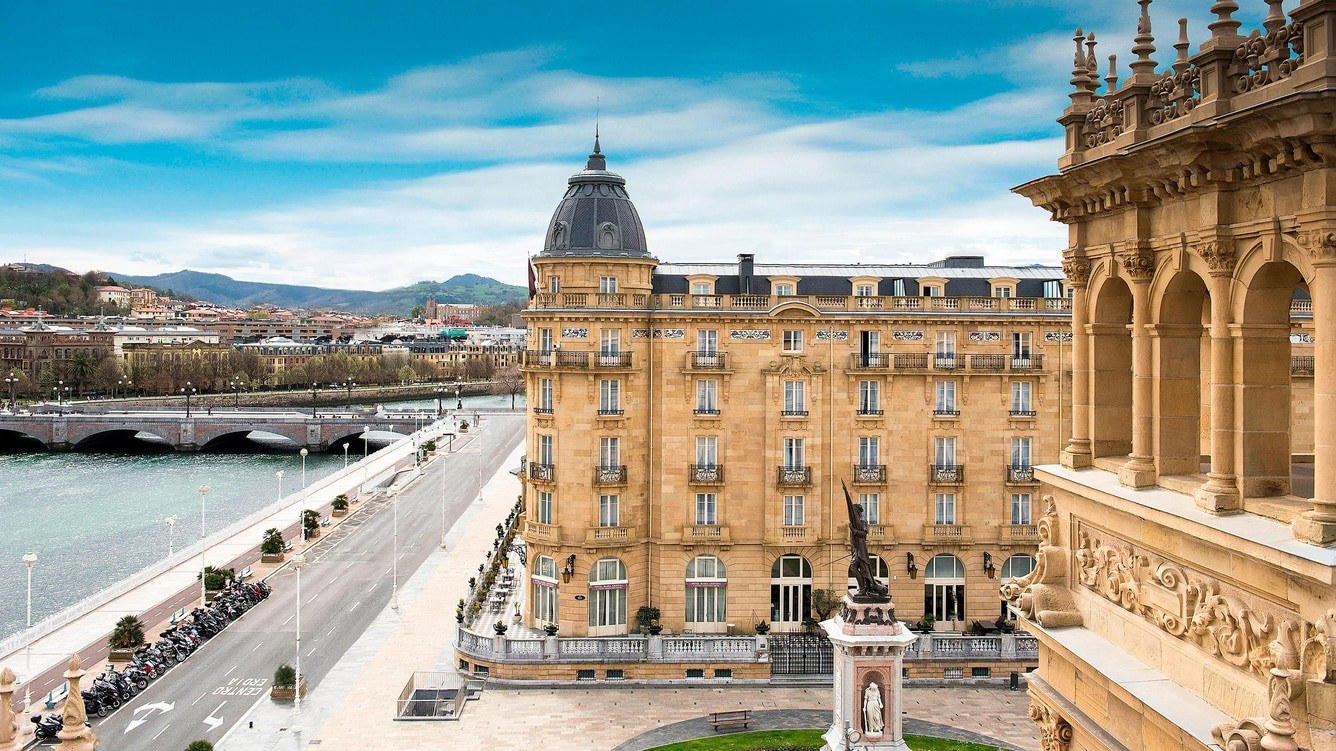
Set within one of San Sebastián's most architecturally significant buildings, Palacio Bellas Artes Hotel occupies a position in the city's upper accommodation tier where heritage fabric and Basque culinary tradition converge. The hotel places guests within reach of the Parte Vieja and the Michelin-dense dining circuit that has made the city one of Europe's most scrutinised food destinations. For those whose San Sebastián itinerary is built around the table, the address matters as much as the room.
Pearl is the En Primeur Club membership app — saves, bookings, and concierge access live there. Same editors, same standards.
- Address
- San Sebastián, Spain
- Website
- hotelpalaciobellasartes.com
- Directions
- Get directions
 Saves & bookings on Pearl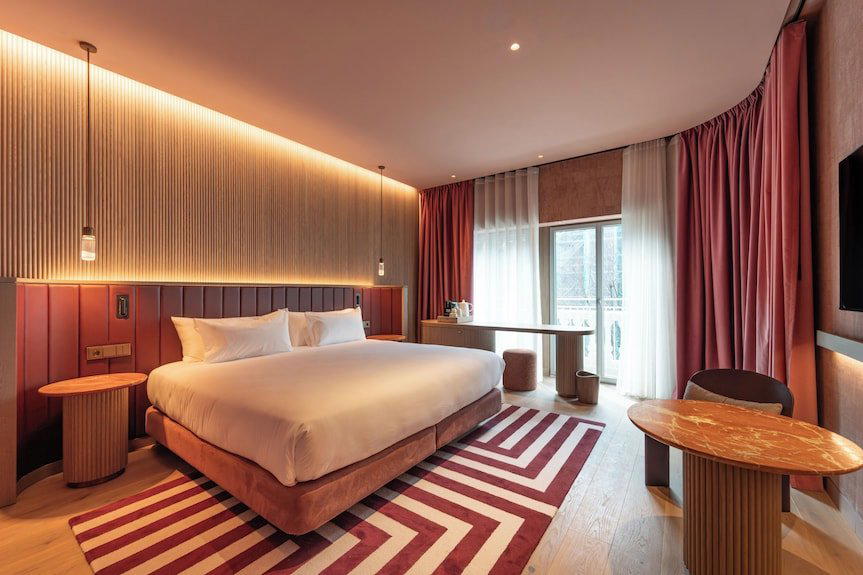
A City That Trains You to Slow Down
Arriving in San Sebastián, most visitors notice the rhythm before anything else. The city does not rush. Pintxos bars in the Parte Vieja fill around 7pm, empty by 9pm, and the serious dining begins after that. Reservations at the constellation of Michelin-starred restaurants clustered in and around the bay are often timed to 9:30pm or later, and meals routinely run three hours without anyone at the table feeling hurried. This is the dining ritual the Basque Country has refined over generations, and Palacio Bellas Artes Hotel San Sebastián places guests at the centre of it, in a building whose architectural presence echoes the city's own sense of ceremony.
The hotel occupies a historic palace-style structure, a category of heritage property that San Sebastián has converted into its upper accommodation register. Unlike the grand Belle Époque face of Hotel Maria Cristina on the Urumea riverbank, or the design-forward approach of Nobu Hotel San Sebastián, Palacio Bellas Artes draws its identity from the specificity of its building rather than from brand affiliation or international programming. That distinction matters in a city where travellers increasingly choose their base according to what it implies about their priorities.
The Architecture of the Meal in the Basque Country
To understand how San Sebastián works as a dining destination, it helps to understand that the meal here is never a single event. The Basque approach layers eating across time: a late morning coffee and pastry, the late afternoon pintxos circuit, a pre-dinner aperitivo, the formal restaurant sitting, and often a final drink in one of the old quarter's bars. This sequencing is cultural infrastructure as much as it is appetite management. Hotels positioned close to the Parte Vieja and the surrounding streets allow guests to participate in each phase without planning logistics around every movement.
The city's Michelin density is among the highest in the world relative to population. Restaurants such as Akelarre, perched above the Bay of Biscay on Monte Igueldo, anchor one end of the formal dining spectrum. Closer to the old quarter, smaller tasting counters and contemporary Basque kitchens occupy an equally serious tier. Palacio Bellas Artes Hotel sits within this environment, and for guests whose itinerary rotates around reservation times at these restaurants, proximity to the dining circuit is a material consideration in accommodation choice.
Heritage Properties and How San Sebastián Uses Them
San Sebastián's stock of historic buildings has been absorbed into its hospitality offer in ways that reflect different strategic approaches. Hotel Villa Favorita represents a residential villa converted into a boutique format. Lasala Plaza Hotel occupies a building in the city's commercial core. Palacio Bellas Artes Hotel takes its name from its previous civic life, a cultural palace that signals both architectural scale and a certain institutional weight that domestic hotel conversions rarely carry.
Across Spain, this model of converting significant civic or aristocratic buildings into hotel properties has produced some of the country's most distinctive addresses. Atrio Restaurante Hotel in Cáceres integrates a contemporary hotel into a medieval city centre. Mandarin Oriental Ritz, Madrid represents the grand palace hotel restored to flagship condition. Abadía Retuerta LeDomaine works within a twelfth-century abbey. Each case demonstrates that the building's prior life shapes the guest experience as much as the current fit-out. At Palacio Bellas Artes, the frame of reference is cultural patronage and civic grandeur, which reads differently in the room and in the common spaces than a purpose-built hotel of equivalent category.
Positioning Within San Sebastián's Hotel Tier
San Sebastián's upper accommodation market has expanded in recent years, with new entrants from internationally branded groups joining the established independent and regional operators. Hotel Arima & Spa addresses the wellness-oriented segment. Hotel Catalonia Donosti covers the branded midscale tier. Apartamentua offers an apartment-format alternative for longer stays.
Palacio Bellas Artes occupies a position defined by its building type rather than by chain affiliation, a characteristic it shares with properties like Hotel Can Cera in Palma or Mas de Torrent Hotel & Spa in Torrent, where the physical fabric is the primary differentiator. In markets where international brand programmes are well represented, this category of independently anchored heritage property tends to attract travellers for whom the building itself is part of the argument for the stay. Within the broader Spanish luxury hotel set, other precedents include Cap Rocat in Cala Blava and Terra Dominicata in Escaladei, each of which converts a historically specific structure into a distinct hospitality proposition.
For the San Sebastián visitor whose schedule is built around the Michelin circuit, the key practical question is access: how quickly can the hotel get you into the rhythm of the city's dining ritual. A property in or adjacent to the Parte Vieja or the Gros neighbourhood eliminates the need to plan transport around restaurant sittings that begin late and end later. Consulting our full San Sebastián restaurants guide alongside your room booking remains the most efficient way to align accommodation and table reservations before arrival.
Planning the Stay
San Sebastián's peak seasons run from late June through August, when the city's festival calendar and beach trade compress hotel availability sharply. September, when the San Sebastián Film Festival draws its own crowd, adds a second high-pressure window. Booking well ahead of either period is standard practice for any property in the upper tier. The shoulder months of April, May, and October offer the full Basque dining programme with reduced competition for rooms and restaurant tables alike, and the Atlantic light in those months is considerably more photogenic than the fog-prone January baseline. Visitors considering the broader Basque coast and Spain's northern culinary corridor might also look at Pepe Vieira Restaurant & Hotel in Poio or Casa Beatnik Hotel in A Coruña as extensions to a Galicia-to-Basque itinerary. For those building a wider Spanish journey, Marbella Club Hotel, Mandarin Oriental Barcelona, and Torre del Marqués Hotel Spa & Winery in Sardoncillo represent relevant anchors in the south, east, and Ebro valley respectively. International arrivals comparing European hotel formats might reference La Residencia, A Belmond Hotel, Mallorca, Aman Venice, The Fifth Avenue Hotel in New York City, or Aman New York as comparable heritage-building hotel propositions in their respective markets.
Standing Among Peers
| Venue | Cuisine | Awards |
|---|---|---|
| Palacio Bellas Artes Hotel San SebastiánThis venue — the venue you are viewing | This venue | Basque/Michelin-style |
| Akelarre | Not listed | Michelin 2 Key |
| Hotel Maria Cristina | Not listed | Michelin 1 Key |
| Lasala Plaza Hotel | Not listed | Michelin 1 Key |
| Nobu Hotel San Sebastián | Not listed | Michelin 1 Key |
| Hotel Villa Favorita | Not listed | Michelin 1 Key |
Continue exploring
More in San Sebastián
Hotels in San Sebastián
Browse all →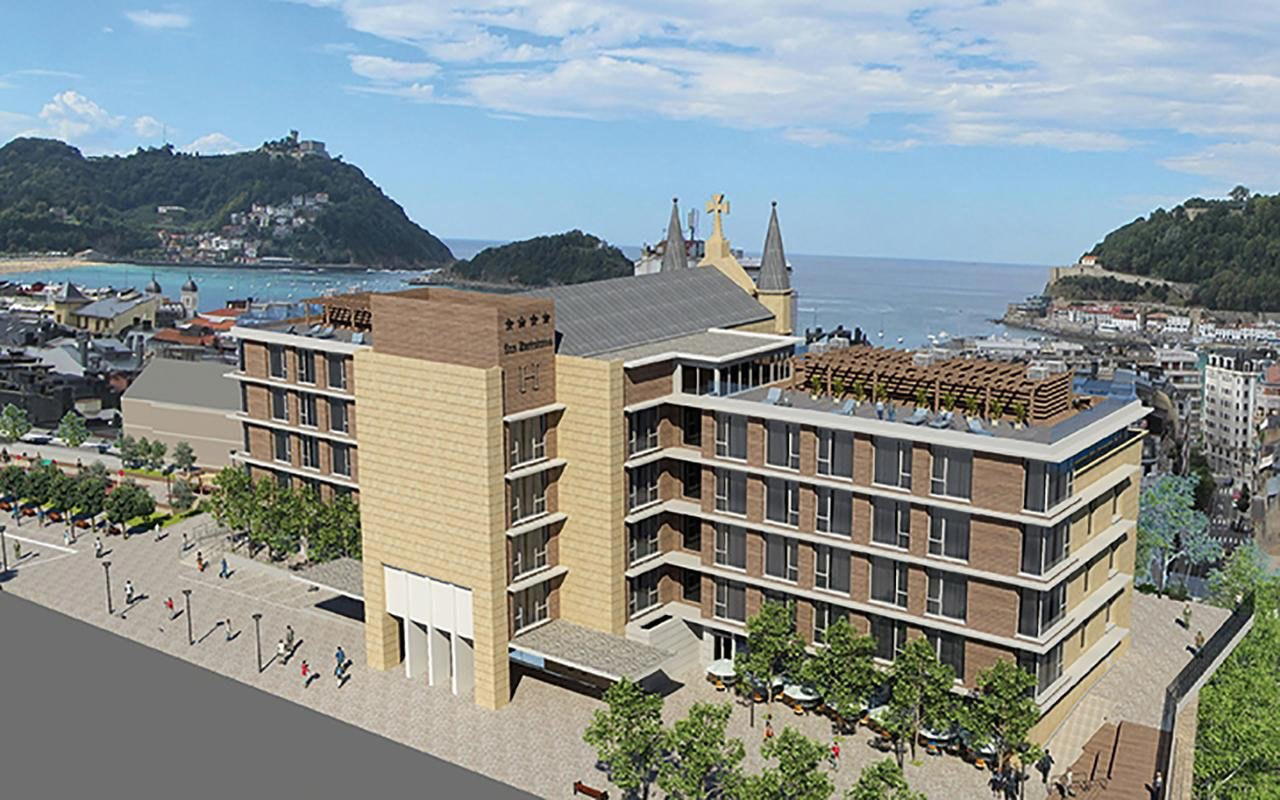
Bars in San Sebastián
Browse all →
Restaurants in San Sebastián
Browse all →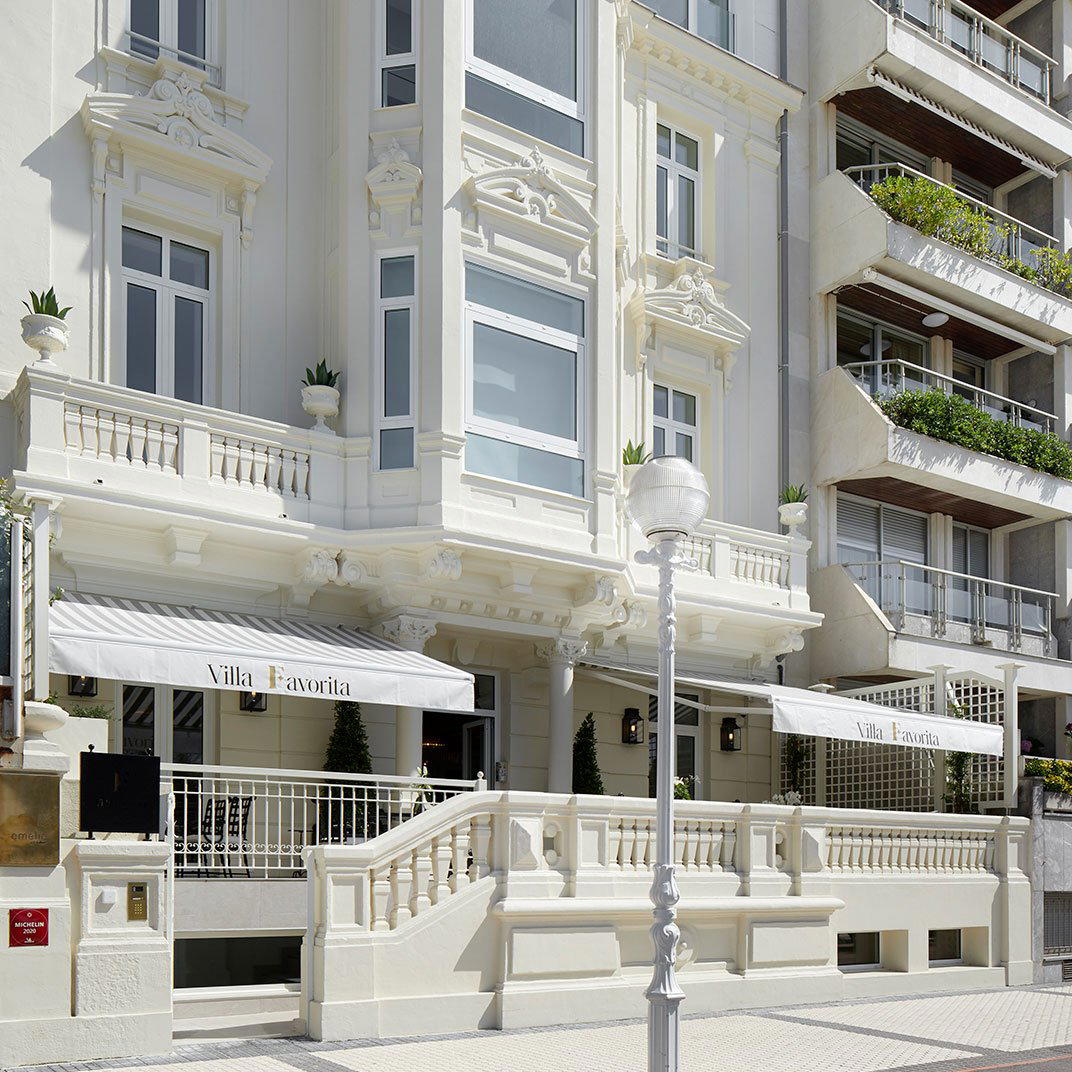
Wineries in San Sebastián
Browse all →
At a Glance
- Elegant
- Historic
- Sophisticated
- Romantic Getaway
- Business Trip
- Weekend Escape
- Historic Building
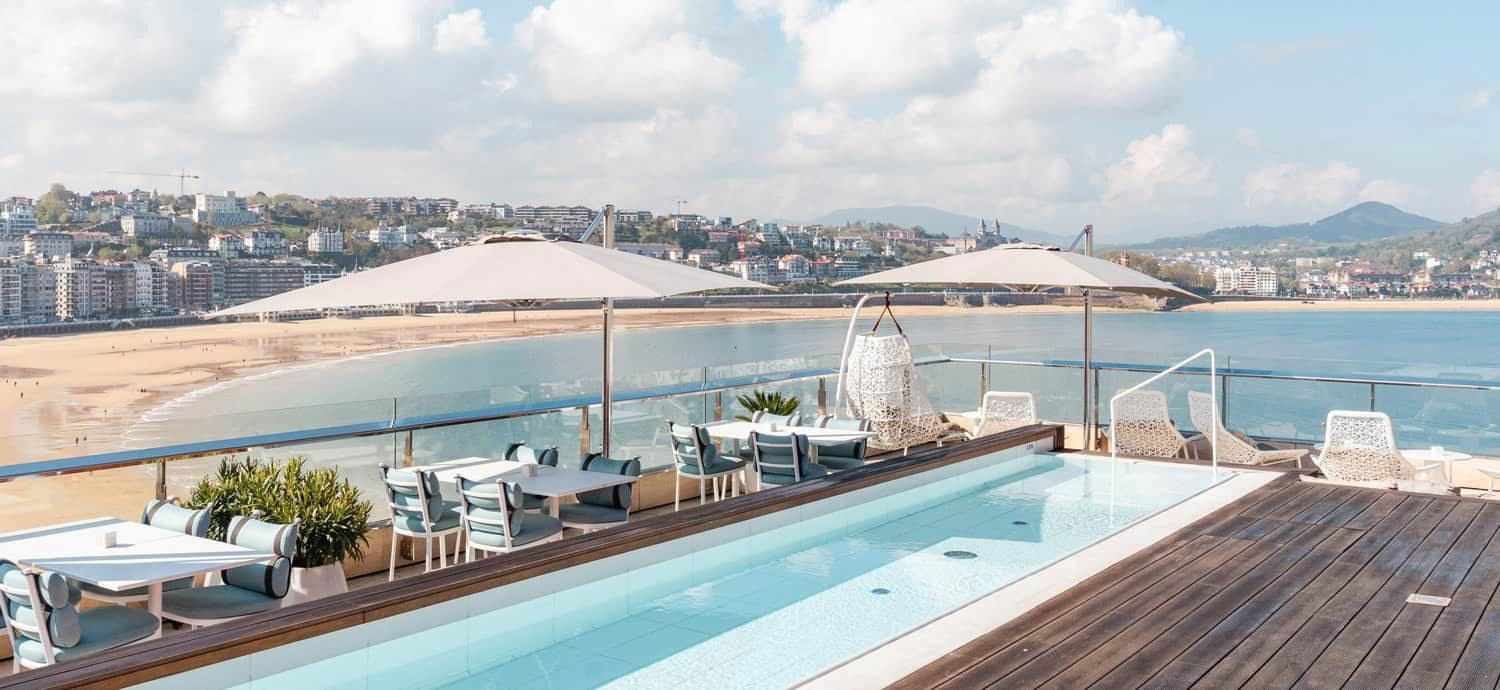
- Terrace
- Fitness Center
- Wi Fi
- Room Service
- Concierge
- Restaurant
- Bar
- Street Scene
- Fitness Center
- Wi Fi
- Room Service
- Concierge
- Restaurant
- Bar
Elegant atmosphere blending historic glamour with modern sophistication in a landmark Beaux-Arts cinema.