
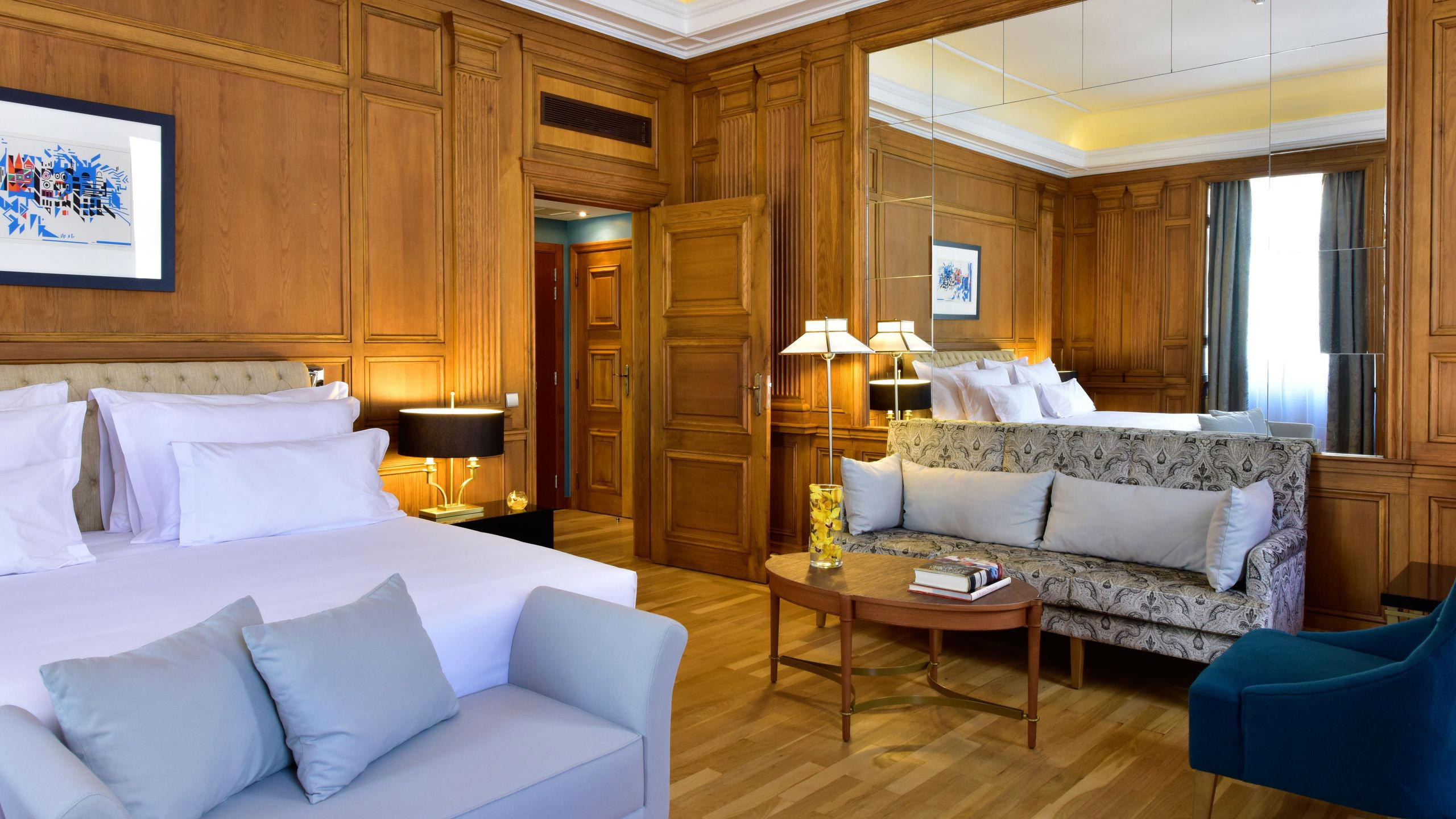
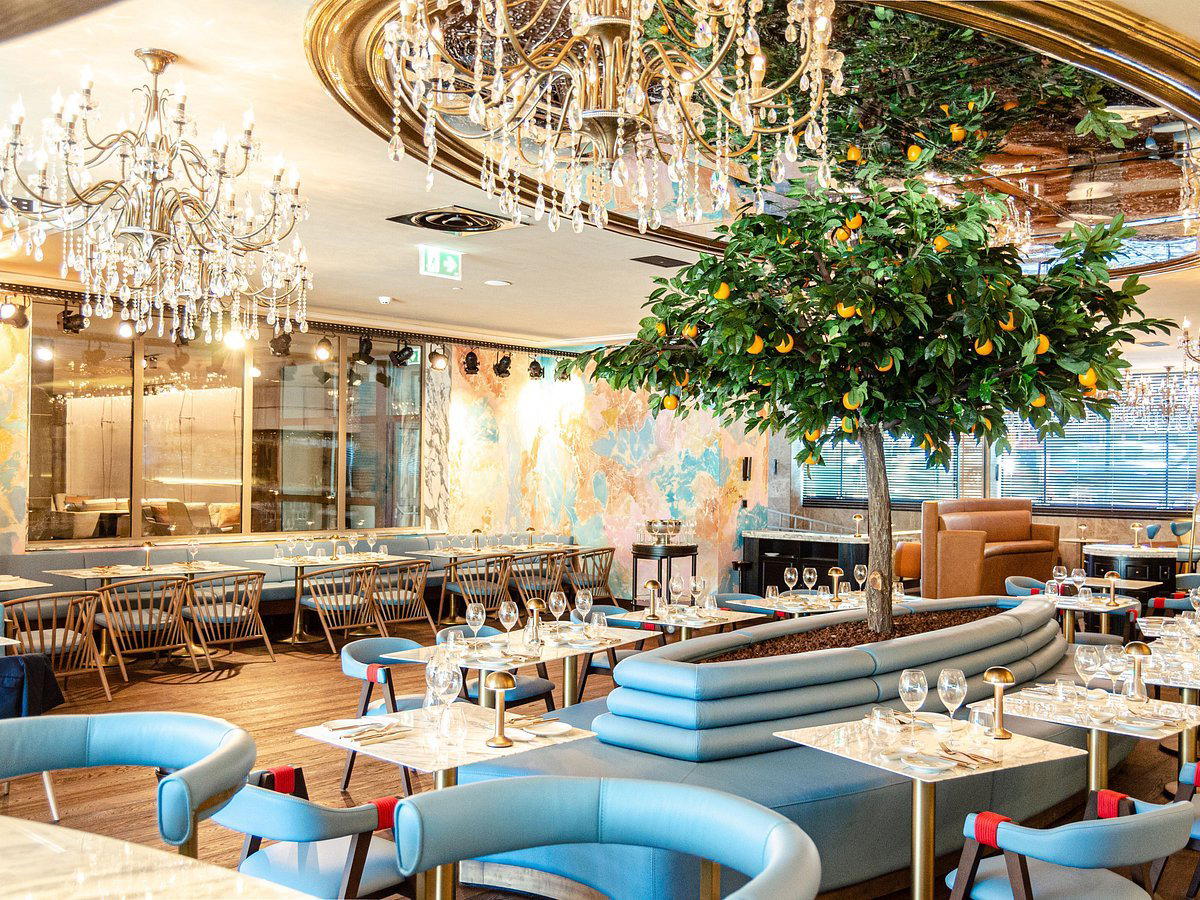
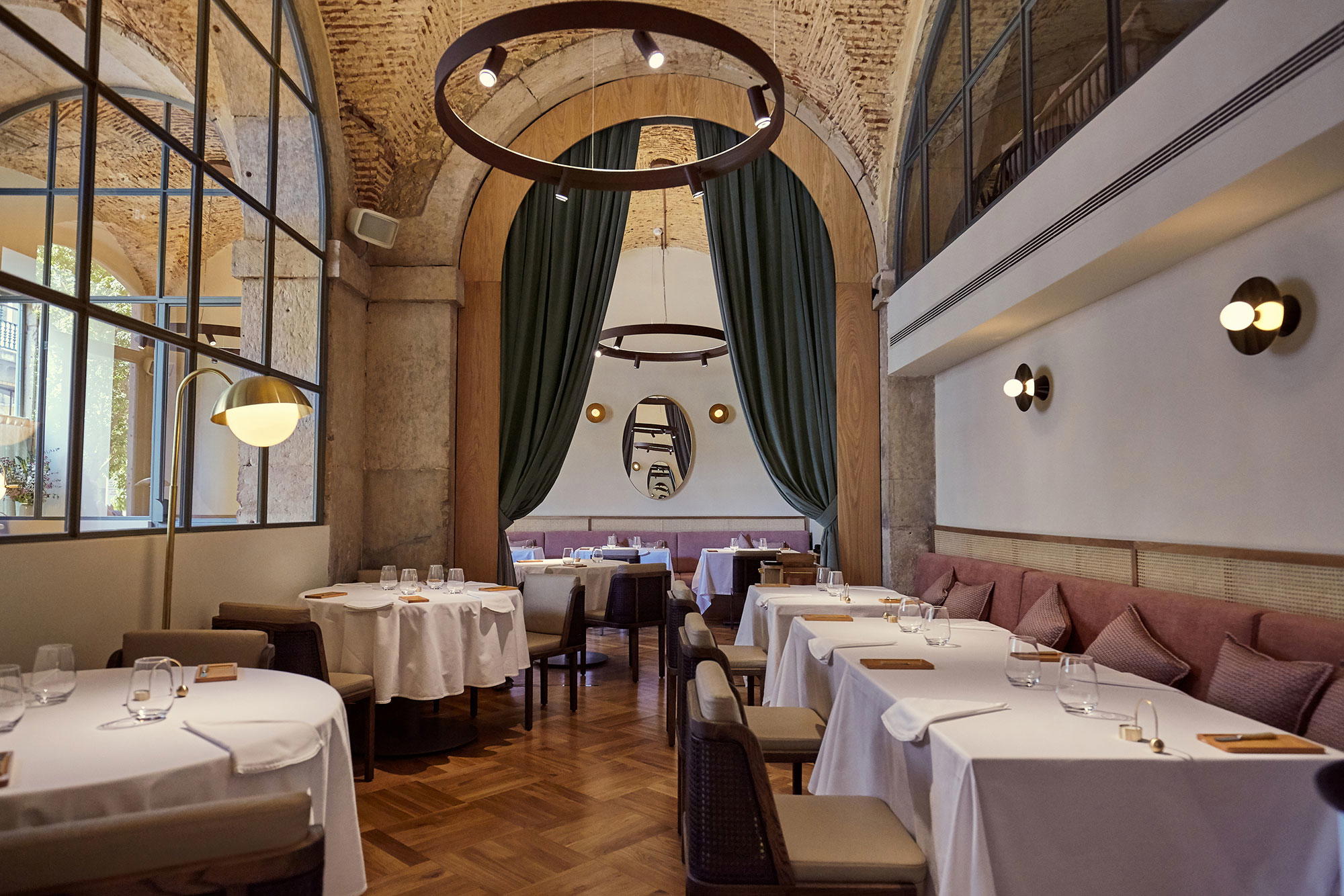
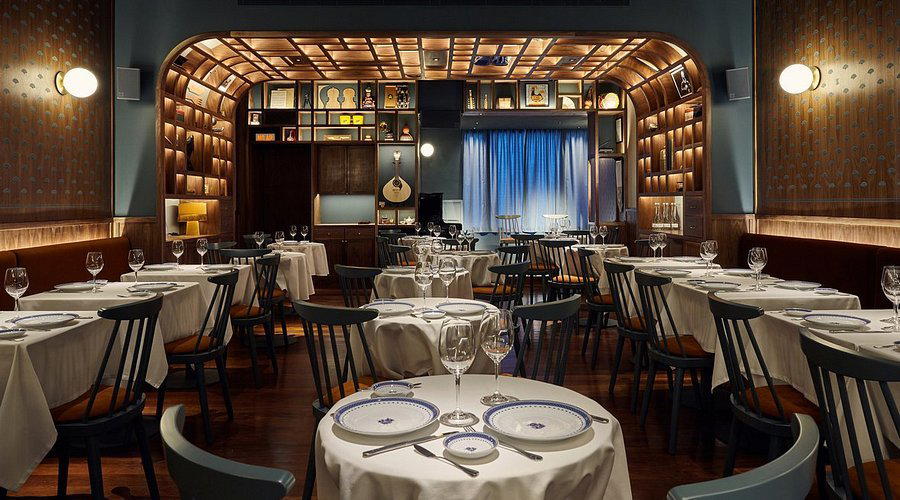
We’ve all been there, returning from a trip, high on the heady rush of travel, a bit overly enthusiastic about the cuisine and music and cultural traditions of the places where we’ve been, and assuming our friends want to see our vacation snapshots. Lisbon native João Antonio Santos has been there, too. After an inspiring (and lucrative) stint in Brazil, he returned to Portugal in 1909 and constructed an ornate Brazilian Art Nouveau mansion on the outskirts of Alfama, the oldest neighborhood in Lisbon. At the time, his showmanship was a topic of conversation among aristocratic types. Today, the restored Palacete Chafariz D'El Rei is a favorite among the art, film, and fashion set. And, frankly, anyone else who can afford it. The architecture is, of course, a major part of the novelty: there aren’t too many buildings like the Palacete on this side of the Atlantic. The neo-Moorish place is turn-of-the-century romantic, gilded and gorgeous, almost over-the-top, and much of the original stained glass, tile, moldings, and antiques remain. But the place has been smartly updated by a Spanish-Portuguese couple in a manner that shows both a respect for history and a quirky modern design sensibility. Beneath a glittering chandelier and stuccoed ceiling, for instance, you’ll find a sixties-style tulip table and a pair of mushroom chairs; a cheerful cherry red throw rug adds warmth to antique hardwood floors, circular lighted mirrors hang in the sleek modern bathrooms. There are just six suites. Each has a distinct look and different in-room features: private balconies, large flat-screen TVs and complimentary wi-fi are standard across the board. The so-called Grand Torreão Grandious represents the top of the line: the massive suite is spread across three floors and features a terrace with panoramic views and a telescope. If it seems lavish, it is: that’s the idea. They could have squeezed at least twice as many rooms into the palace, but as it is, Palacete Chafariz D'El Rei feels like an exclusive getaway. With so few other guests around, you’ll practically have the run of the place; exquisitely furnished public spaces include the library, a dining room lined with imported Brazilian wood, a charming study that’s well-suited for cocktails on a rainy afternoon, and the Jardim, or terrace garden, an ideal venue for breakfast. Please note: Palacete Chafariz D'El Rei cannot accommodate children under the age of twelve.
Pearl is the En Primeur Club membership app — saves, bookings, and concierge access live there. Same editors, same standards.
- Address
- Travessa Chafariz del Rei 6, Lisbon, Portugal
- Phone
- 00351 218 886 150
- Directions
- Get directions
 Saves & bookings on Pearl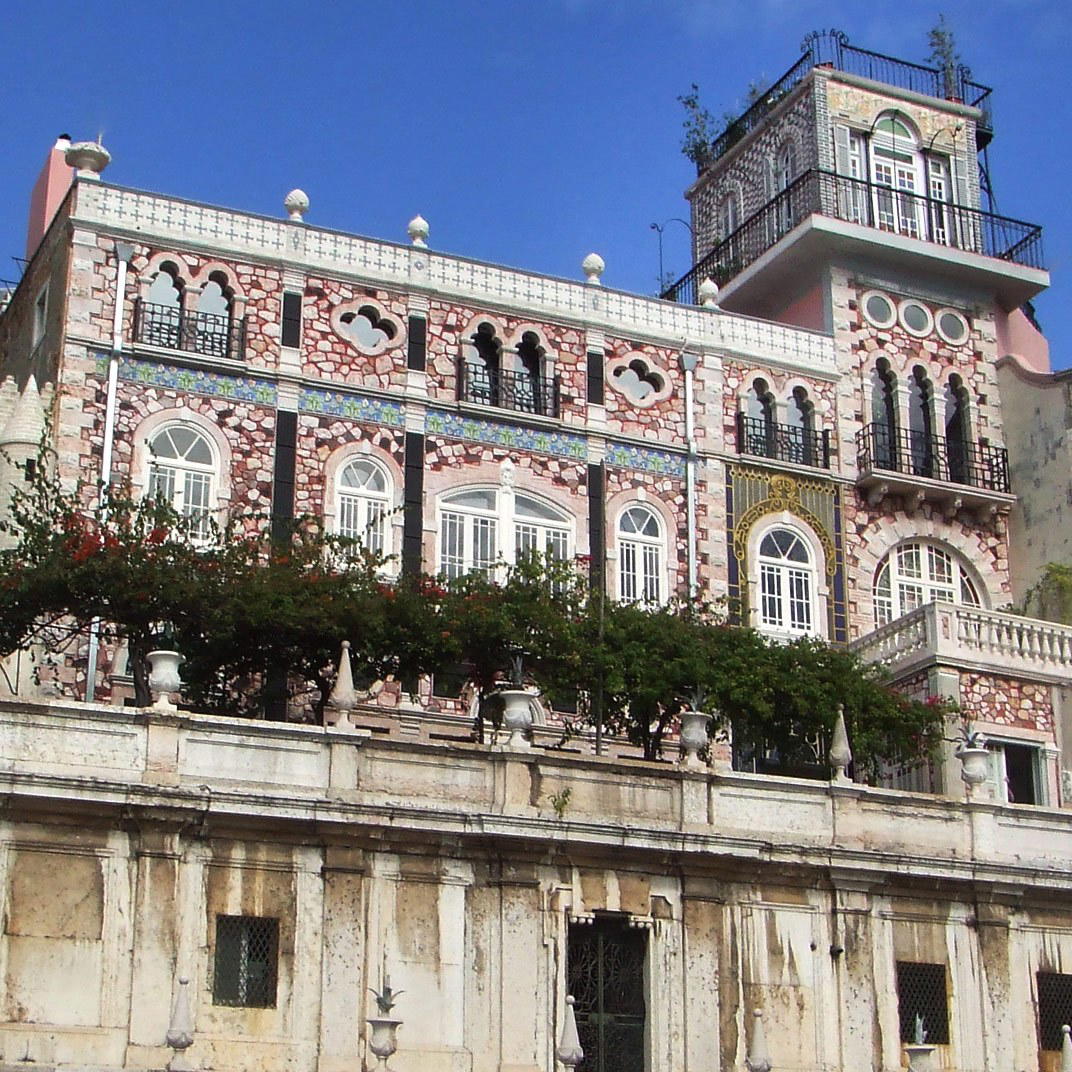
Where Alfama's Oldest Streets Meet Considered Hospitality
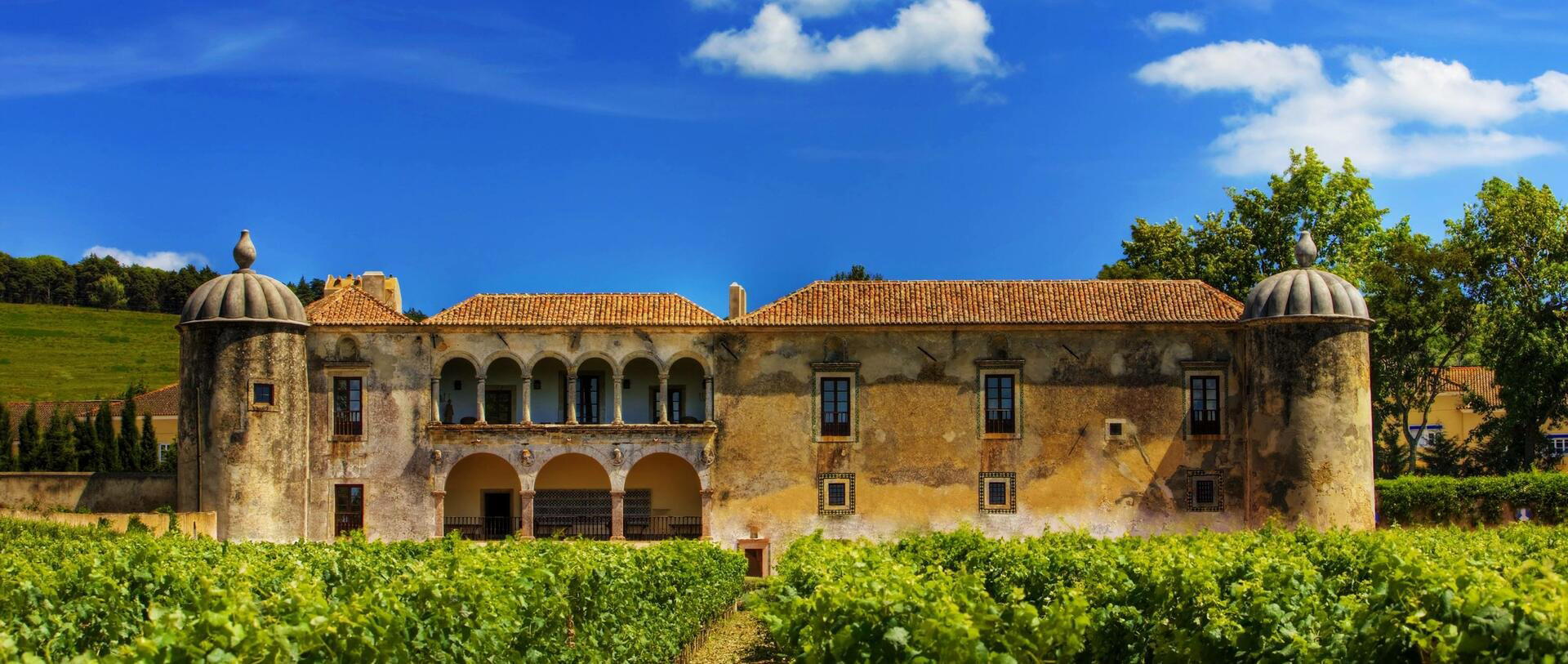
Travessa Chafariz del Rei is the kind of address that requires a deliberate decision to find. The lane runs through one of Alfama's quietest residential pockets, a few minutes' walk from the waterfront but insulated from the foot traffic that flows along the miradouro routes above. Arriving at Palacete Chafariz D'El Rei, a historic palacete set on this narrow cobbled street, the shift from Lisbon's busier tourist circuits is immediate and legible in the architecture itself: azulejo-tiled facades, proportions drawn from an earlier century, and the kind of quietude that the city's more central accommodation tiers have largely surrendered to demand pressure.
The Alfama Context: Historic Fabric, Contemporary Positioning
Alfama is Lisbon's oldest surviving neighbourhood, and it has attracted a recognisable split in its accommodation offer. At one end sit large-scale international operators that use the neighbourhood's postcard credentials as a marketing backdrop without meaningful integration into the local fabric. At the other end, a smaller cohort of independently run historic properties has positioned around architectural authenticity, low key counts, and direct proximity to the neighbourhood's lived texture.
The Michelin hotel selection process, distinct from its restaurant programme, evaluates properties on quality of welcome, comfort, and setting rather than scale or brand affiliation. Inclusion in the 2025 list places the palacete alongside a specific tier of Lisbon properties where the physical space and the guest experience it enables carry more weight than amenity inventory. For context, properties across Lisbon that hold Michelin Selected status range from the boutique to the architecturally significant, but the designation consistently signals that the selection committee found something worth singling out in the actual experience of staying there.
Palacete Format in the Portuguese Tradition
The palacete, a smaller cousin of the palace typology, became the prestige residential format for Lisbon's merchant and aristocratic classes from the eighteenth century onward. Unlike the grand rural quintas of the Douro or Alentejo, the urban palacete was designed for density: a substantial but not vast footprint, with architectural gesture concentrated in the facade treatment, interior proportions, and the relationship between public and private rooms. When these buildings convert to accommodation, the constraint of the original floor plan tends to produce a limited room count, which is a commercial disadvantage at scale but a structural advantage for guests seeking something closer to staying in a private house than a hotel block.
That same palacete tradition is visible in other converted properties across Portugal. Palacete Severo in Porto operates from a comparable historic shell in a northern urban context, and MS Collection Aveiro - Palacete Valdemouro in Aveiro applies a similar conversion logic to a different regional setting. Both illustrate how the format travels: the building type carries legible signals of heritage and proportional generosity that purpose-built hotels cannot replicate.
Local Materials, Inherited Craft
The editorial angle on properties like this one is not simply heritage preservation. The more interesting question is how an older building informs the experience of staying in a contemporary city. In Alfama specifically, the neighbourhood's identity is inseparable from its materials: the basalt and limestone cobblestones underfoot, the hand-painted azulejo panels on exterior walls, the wrought iron of the balcony railings. A property that sits within this material culture rather than importing a globally standardised hotel aesthetic is making a specific argument about what luxury in this neighbourhood should look like.
That argument runs through Portuguese hospitality more broadly right now. Properties as different as Hotel Casa Palmela in Setubal, Ventozelo Hotel & Quinta in Ervedosa Do Douro, and Vidago Palace in Norte are each making versions of the same case: that the built environment of Portugal, from its materials to its proportional traditions, constitutes a distinct hospitality offer that international brand standards actively dilute rather than enhance. The Michelin hotel programme has recognised this argument repeatedly across the 2025 Portuguese selection.
Alfama's Competitive Set
For travellers choosing between Lisbon's accommodation tiers, the neighbourhood decision matters as much as the property decision. The Baixa and Chiado areas offer convenience and density of restaurant and bar options, which is why properties like AlmaLusa Baixa/Chiado and the Almaria da Corte Apartments in Chiado attract guests who want Lisbon's contemporary dining and nightlife circuit within walking distance. AlmaLusa Alfama sits closer to the palacete's neighbourhood territory, with a boutique format that speaks to a similar guest profile seeking historic texture over central convenience.
Further up the market, large-format international properties including the Sofitel Lisbon Liberdade, the InterContinental Lisbon, and the Four Seasons Hotel Ritz Lisbon occupy a different tier entirely: full-service hotels with conference facilities, multiple food and beverage outlets, and spa infrastructure. Those properties compete on amenity breadth. The palacete format competes on something less quantifiable but no less deliberate: the specific quality of being in a place rather than checking into a service platform.
For guests whose primary interest is Lisbon's older urban fabric, the choice tends to narrow quickly. The A Casa das Janelas Com Vista and the 1908 Lisboa Hotel each represent adjacent positions in the boutique-historic tier, as does the Altis Avenida Hotel for guests who want a more formal mid-century reference point near Avenida da Liberdade. Palacete Chafariz D'El Rei's Alfama address places it in a specific sub-set of this tier: properties where the neighbourhood itself is part of the offer.
Practical Considerations for Booking
The palacete's address on Travessa Chafariz del Rei places it within Alfama's lower slopes, accessible on foot from the Santa Apolónia train station and within comfortable walking distance of the waterfront tram stops on Avenida Infante Dom Henrique. The neighbourhood's gradient means that some approach routes involve steep cobbled ascents, which is worth factoring in for guests with mobility considerations or significant luggage. Taxis and rideshare services can access the immediate area, though the narrowest lanes are pedestrian-only.
Given the Michelin Selected status and the limited capacity typical of the palacete format, availability at properties in this tier tends to tighten well in advance of Lisbon's peak season, which runs from April through October. Booking early in that window, or targeting the shoulder months of March or November for more reasonable lead times, is the practical approach for guests with specific date constraints.
Travellers extending their Portugal itinerary beyond Lisbon will find credentialled options in multiple directions: The Lince Braga in Braga to the north, Palácio de Tavira in Tavira to the south, Octant Furnas in Furnas in the Azores, and Carmo's Boutique Hotel in Ponte de Lima for the Minho region. For guests arriving via the Algarve coast, Conrad Algarve and Sheraton Cascais Resort in Cascais offer larger-format options near the Atlantic coast. See our full Lisbon restaurants and hotels guide for broader city coverage.
What It’s Closest To
Comparable venues nearby, for context on price, style, and recognition.
| Venue | Cuisine | Price | Awards | Notes |
|---|---|---|---|---|
| Palacete Chafariz D'El ReiThis venue — the venue you are viewing | Restored 19th-century neo-Moorish palace blending historic charm with boutique luxury. | $$$$ | 5-Star | Not listed |
| Wine & Books Lisboa | Boutique hotel celebrating Portuguese literary and wine heritage with contemporary reinterpretation of classics. | $$$$ | 5-Star | Ajuda |
| Dom Pedro Lisboa | Classic 5-star urban luxury hotel | $$$$ | 5-Star | Campolide |
| PortoBay Liberdade | Urban resort in historic buildings | $$$$ | 5-Star | Rato |
| Altis Belém Hotel & Spa | Contemporary design inspired by Portuguese Discoveries with minimalist interiors and river views. | $$$$ | 5-Star | Torre de Belem |
| The Lumiares Hotel & Spa | Contemporary luxury apartment-hotel in a restored 18th-century palace, blending Portuguese heritage with modern minimalist design. | $$$$ | 5-Star | Bairro Alto |
Recognition history
Dated appearances from independent guides and award organizations, with the underlying list record or original source where available.
Michelin Selected
Michelin
Continue exploring
More in Lisbon
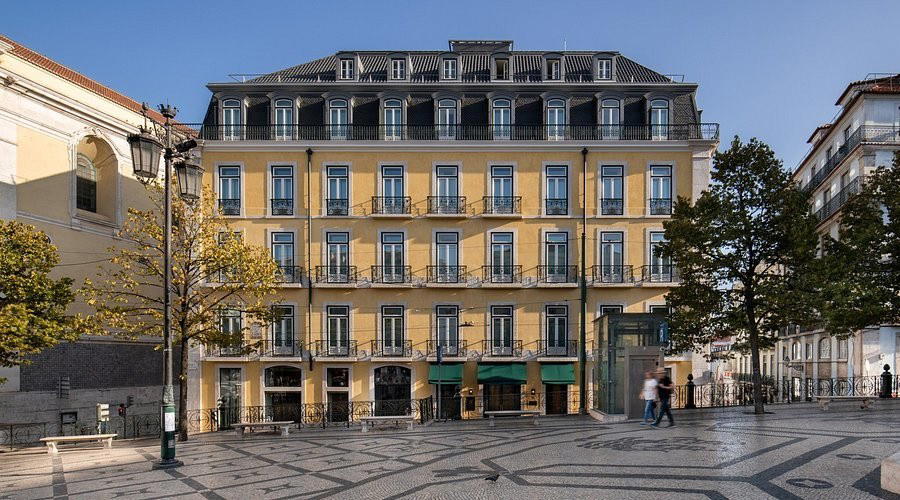
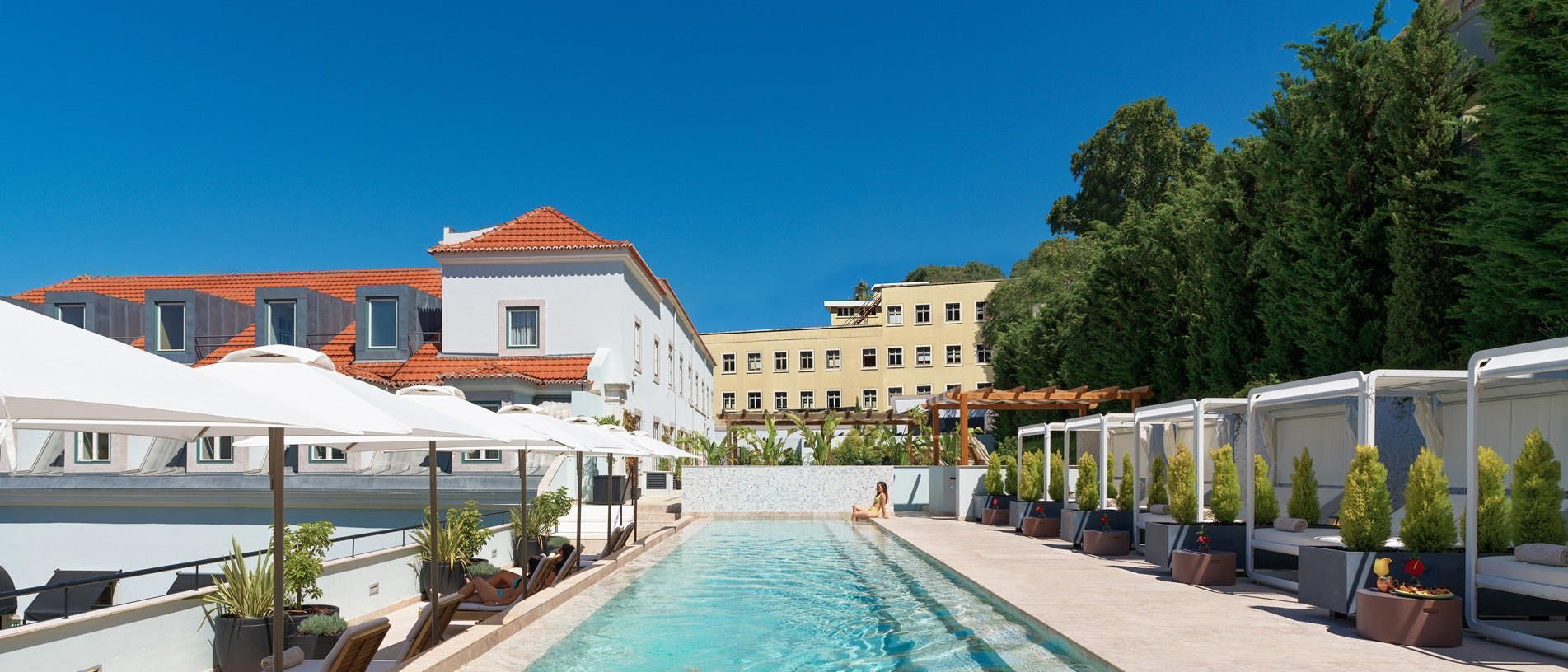
Hotels in Lisbon
Browse all →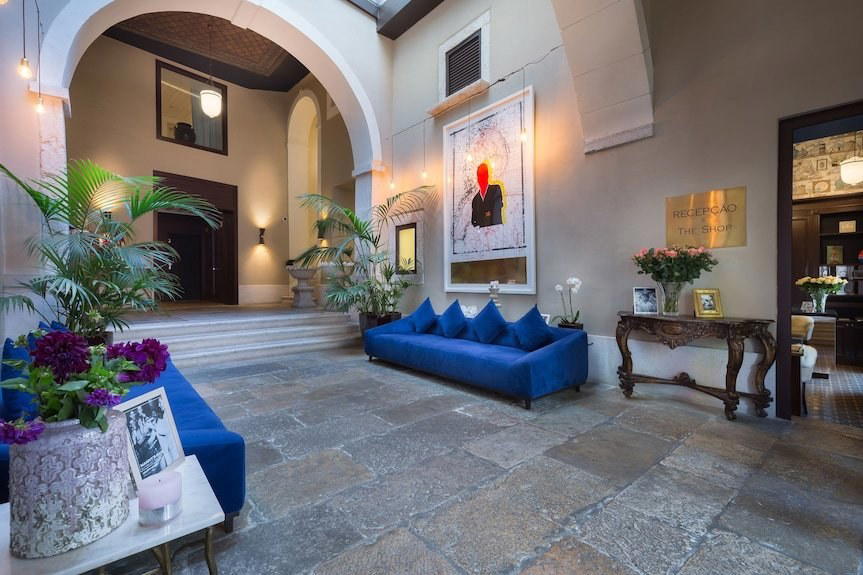
Bars in Lisbon
Browse all →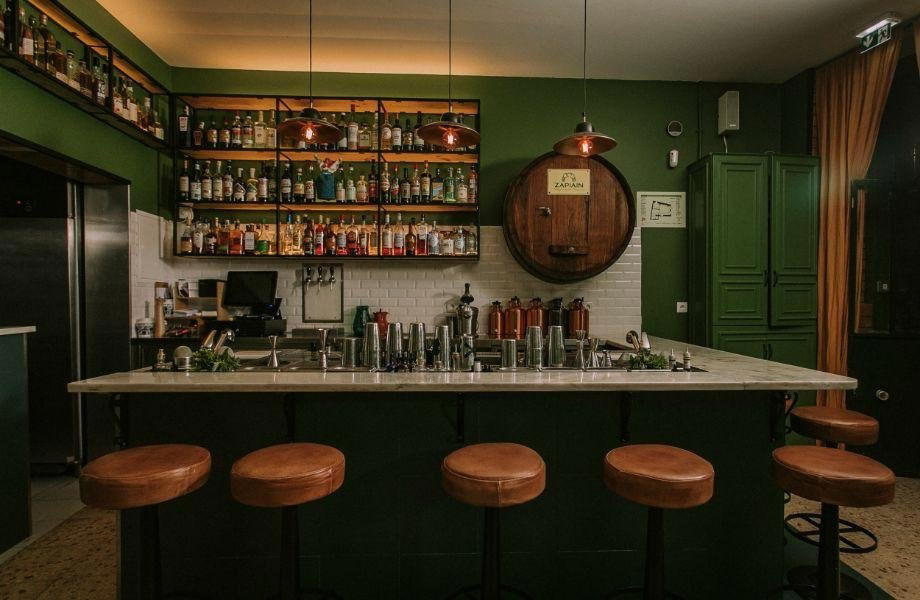

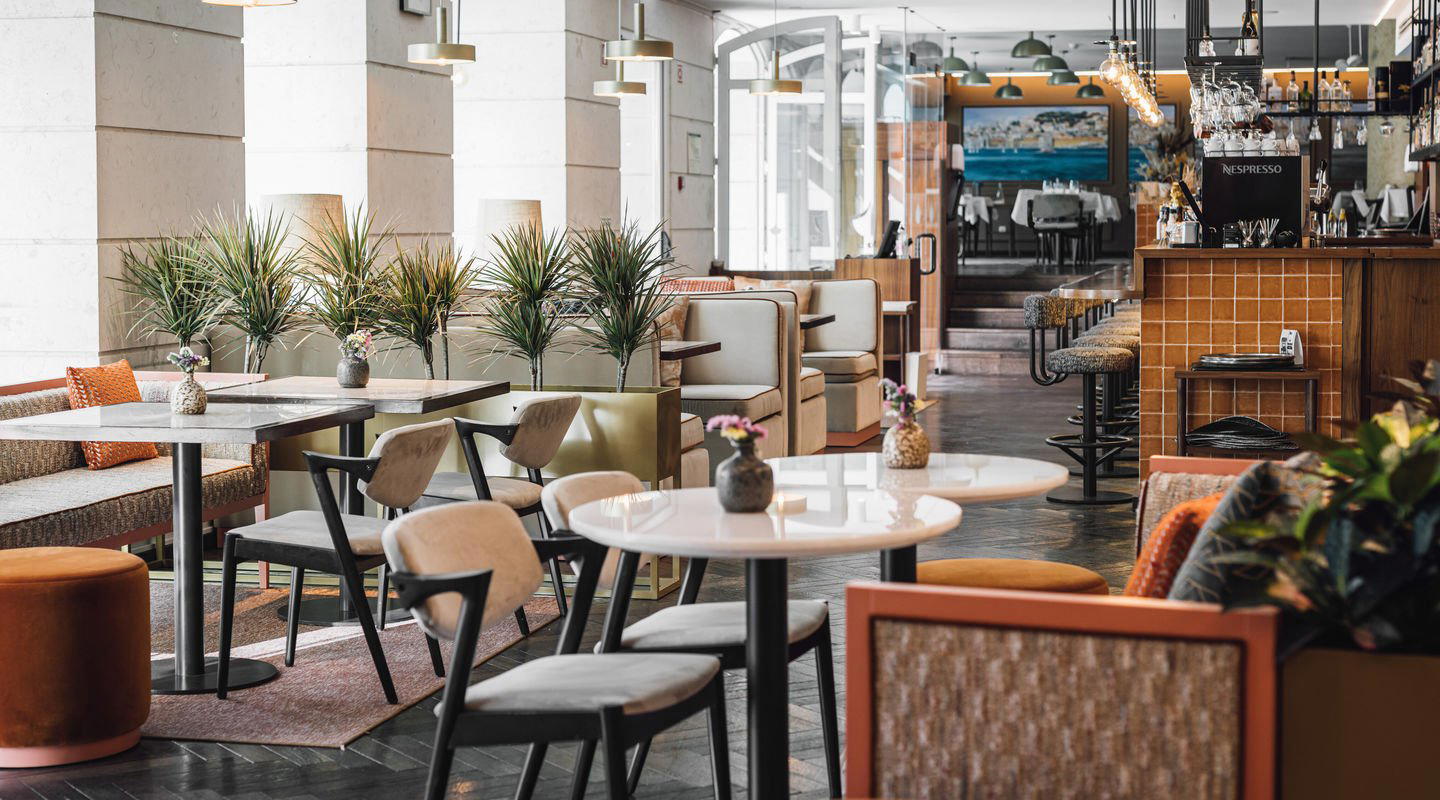
Restaurants in Lisbon
Browse all →

At a Glance
- Romantic
- Elegant
- Historic
- Intimate
- Ornate
- Sophisticated
- Romantic Getaway
- Honeymoon
- Anniversary
- Weekend Escape
- Historic Building
- Terrace
- Panoramic View
- Wi Fi
- Air Conditioning
- Room Service
- Concierge
- Garden
- Waterfront
- Street Scene
- Wi Fi
- Air Conditioning
- Room Service
- Concierge
- Garden
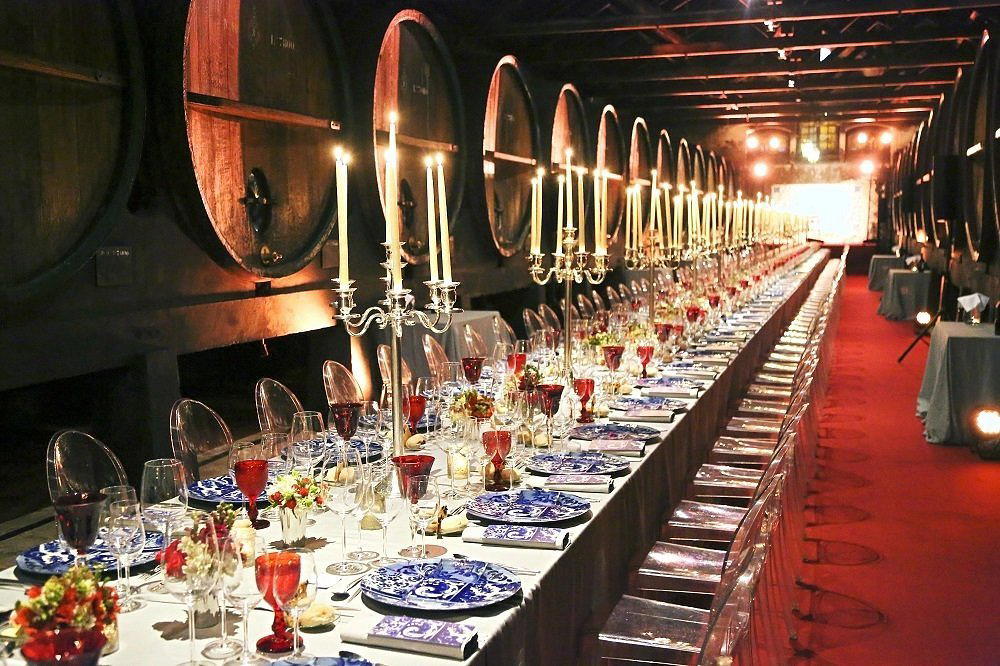
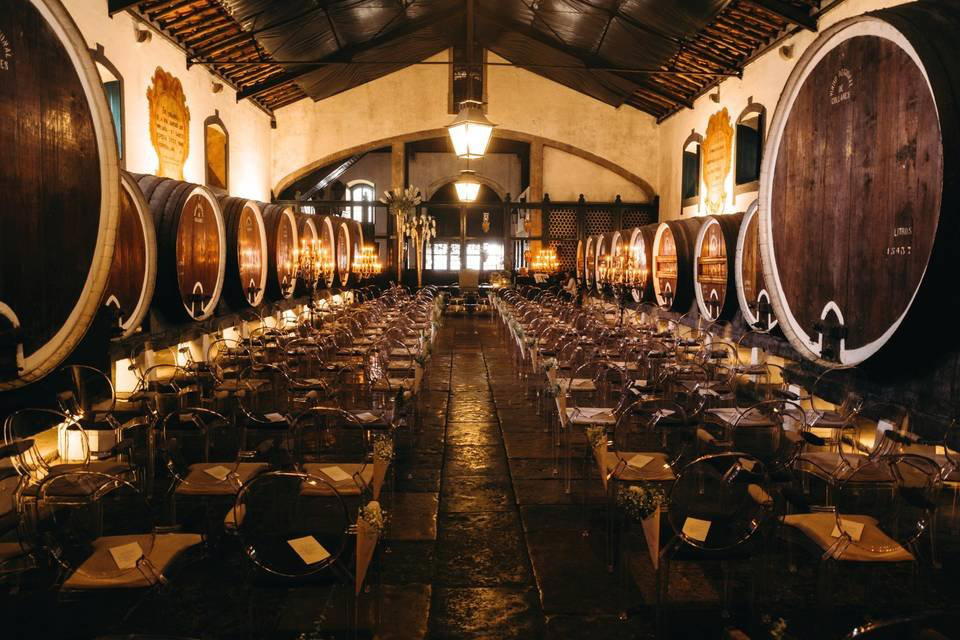
Romantic and historic atmosphere with elegant lighting in eclectic salons featuring neo-Moorish and Art Nouveau elements, creating an intimate and ornate charm.
Know Before You Go
- Getting there
- Travessa Chafariz del Rei 6, Lisbon, Portugal