One&Only Royal Mirage







Michelin Selected · La Liste Top Hotels · Mr & Mrs Smith Seal of Approval
Where contemporary Dubai's skyline dissolves into memory, One&Only Royal Mirage occupies a kilometre of Jumeirah Beach behind 65 acres of palms, lawns, and Arabesque architecture that reads as deliberate counterpoint to the city's glass towers. Three distinct residential environments — The Palace, Arabian Court, and The Residence — offer graduated levels of privacy, from 221 sea-view rooms to 48 suites and a standalone Beach Garden Villa.

Pearl is the En Primeur Club membership app — saves, bookings, and concierge access live there. Same editors, same standards.
- Address
- P.O. Box 37252, Jumeirah Beach, King Salman Bin Abdulaziz Al Saud Street
- Phone
- +971 4 399 9999
- Website
- oneandonlyresorts.com
- Directions
- Get directions
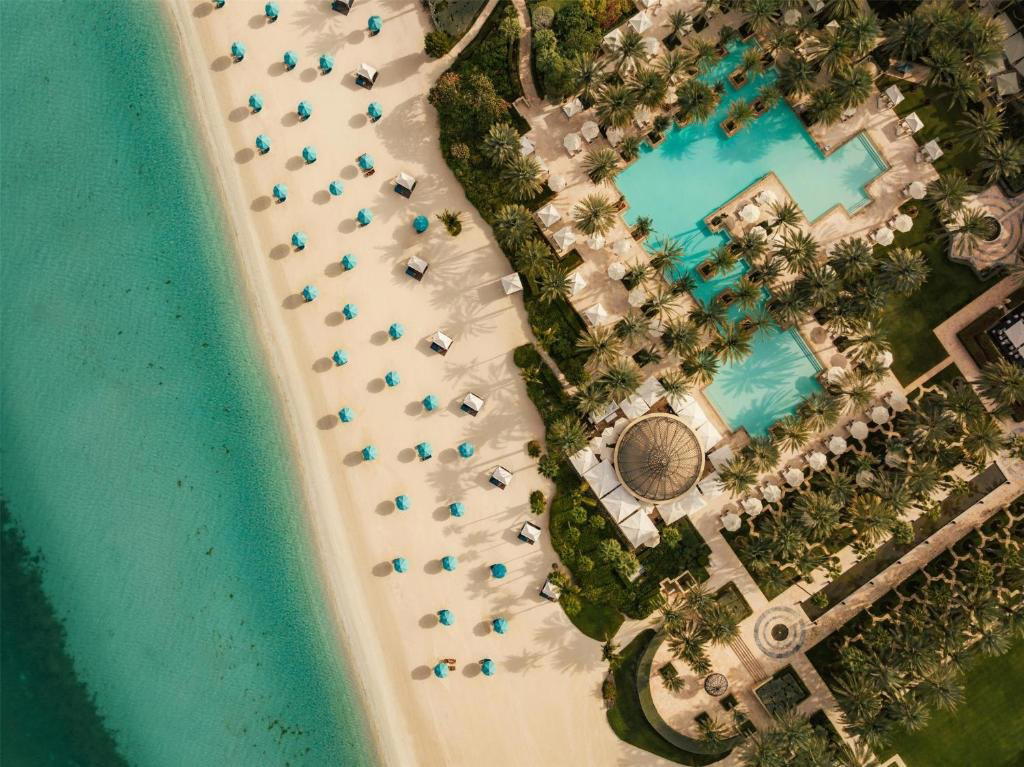
A Different Kind of Dubai Address
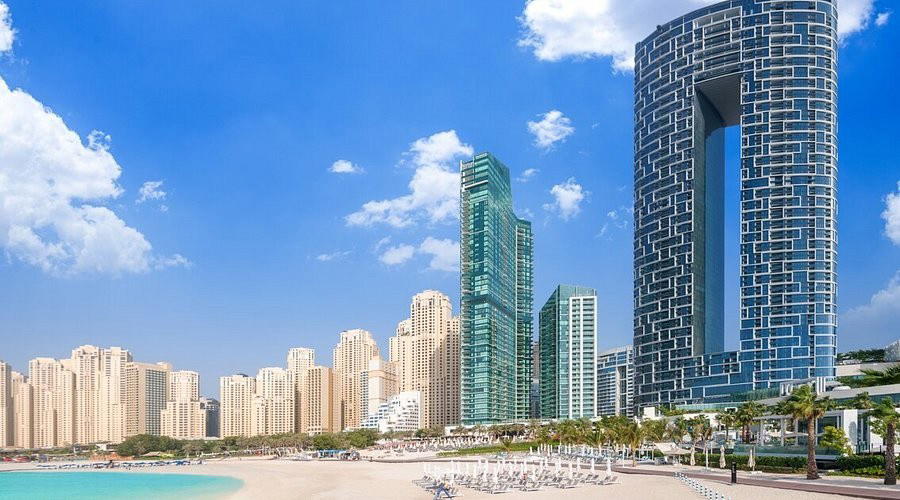
Dubai has spent the past two decades accumulating altitude. Each new tower surpasses the last; each new resort recalibrates the definition of spectacle. Against that background, One&Only; Royal Mirage does something architecturally contrarian: it refuses the vertical. Spread across 65 acres along King Salman Bin Abdulaziz Al Saud Street on Jumeirah Beach, the property draws from a pre-skyscraper aesthetic, deploying domes, arches, courtyard gardens, and reflecting pools as its primary vocabulary. In a city where properties like Atlantis The Royal and Jumeirah Marsa Al Arab signal ambition through scale and technological spectacle, Royal Mirage signals ambition through restraint and historical reference.
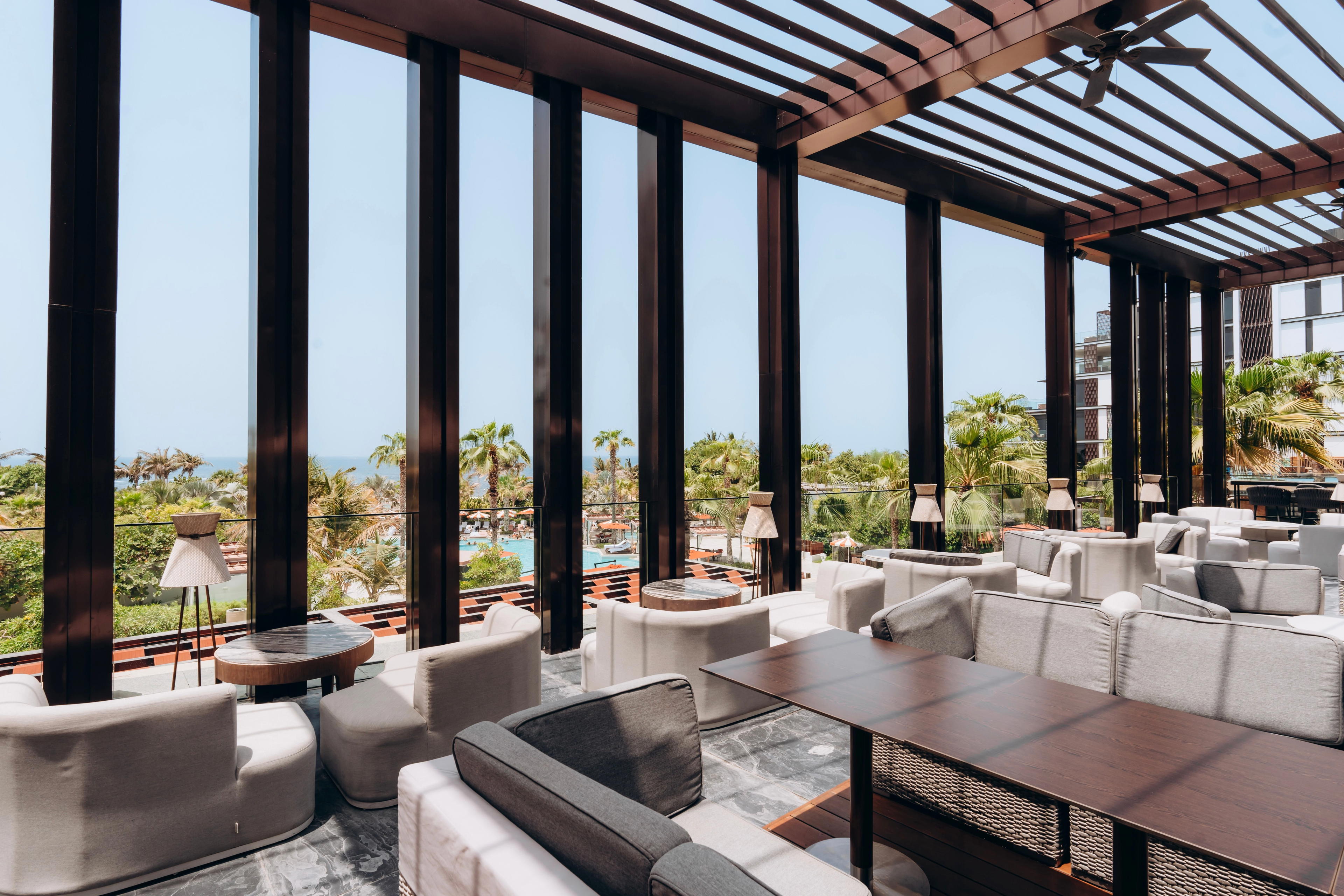
That counterpoint is the editorial point. The resort belongs to a small cohort of Gulf properties that treat the romance of Old Arabia as a genuine design language rather than a lobby motif. The kilometre of private Jumeirah beachfront is framed by majestic palms whose reflections run across oasis-style water features. Arriving on foot through the grounds rather than directly to a port cochere, guests encounter the property as a sequence of environments rather than a single statement facade. That approach remains relatively unusual in Dubai's luxury tier, where the first impression is typically engineered for maximum immediate impact.
Three Environments, One Architecture
The resort is structured around three distinct residential zones, each with a different density and feel, but sharing a unified architectural grammar. Understanding those differences matters before booking.
The Palace operates at the largest scale: 221 guest rooms and suites positioned along the beachfront, oriented toward the lushly landscaped gardens. It functions as the resort's social hub, anchoring four restaurants available to guests across the property, along with a Royal Ballroom that seats up to 350, three dedicated meeting rooms, temperature-controlled pools, a water sports centre, tennis courts, and a golf putting green. The KidsOnly play centre places The Palace firmly in the family-appropriate category, even within a luxury setting.
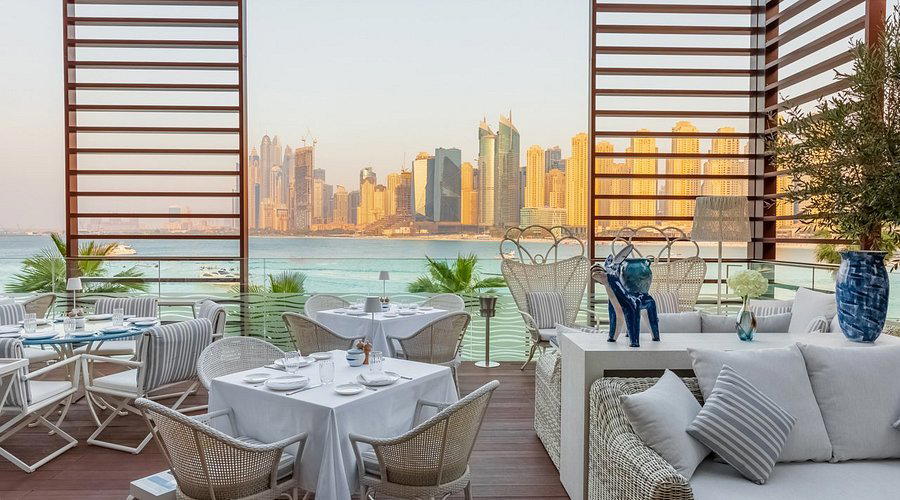
Arabian Court sits at the geographic centre, connecting The Palace and The Residence and embodying the architecture at its most dramatic. All 155 guest rooms and 12 suites face the sea, each with a private balcony or terrace. The striking symmetry of the courtyard design here echoes the classical Moorish-influenced architecture more fully than elsewhere on the property. Three additional restaurants operate within Arabian Court, accessible to all resort guests. Properties like Address Beach Resort and The Lana compete in the same general tier but through contemporary architectural idioms; Arabian Court reads differently, drawing guests who want formal historical reference points in their surroundings.
The Residence operates at the intimate end of the spectrum: 48 rooms and suites plus a free-standing Beach Garden Villa, all sea-facing with private balconies or terraces, served by a dedicated private reception and a Dining Room and Library accessible only to Residence guests. A specifically-selected team cares for the residences, and the Beach Garden Villa sits within the most exclusive section of the property. This is the tier at which Royal Mirage competes most directly with small luxury formats; for comparison, properties like Aman Venice and Castello di Reschio operate on a similar logic of deliberate privacy and dedicated service ratios, even if the architectural references differ significantly.
Heritage as Design Argument
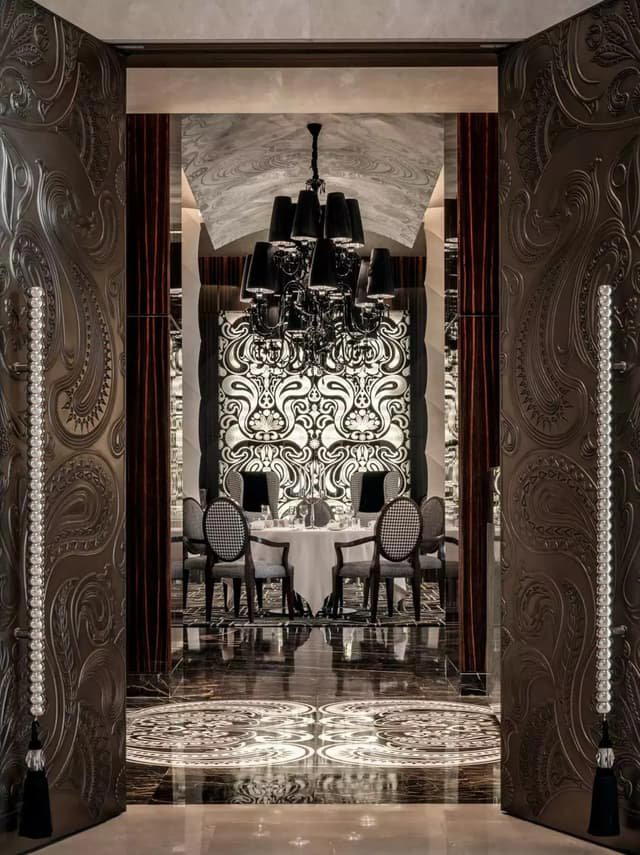
The decision to build a property of this character on Jumeirah Beach at this scale is not simply an aesthetic preference; it is a positioning argument. Dubai's hospitality market has, since the mid-2000s, accumulated ultra-modern statements at pace: the properties that now neighbour Royal Mirage along the coast trend toward glass curtain walls and futurist profiles. Royal Mirage's Arabesque architecture, conceived around intricate arches, towers, and courtyards set among lawns and flower beds, presents the historical peninsula aesthetic as a form of counterprogram.
That heritage angle extends to the wellness offering. Within the elegant courtyard entrance of The Residence, guests find the Health and Beauty Institute, which houses the One&Only; Spa alongside a Traditional Oriental Hammam, the Pedi:Mani:Cure Studio by Bastien Gonzalez, and a hair salon by Alexandre Zouari. The Hammam in particular places the property in a different cultural reference set from the modern spa formats that anchor properties such as Address Downtown or Address Dubai Mall. For travellers interested in how Dubai's leisure infrastructure maps onto pre-modern regional bathing traditions, this is a meaningful distinction.
Across the UAE, a handful of properties make similar heritage arguments through their architecture or programming. Arabian Nights Village in Abu Dhabi and Anantara Qasr Al Sarab Desert Resort in the Liwa Desert each pursue a version of the same instinct: that a certain category of traveller values the region's pre-contemporary aesthetic as much as its contemporary achievement. Royal Mirage is the densest urban expression of that instinct, given its Jumeirah Beach location rather than a remote desert setting.
Food and Dining Across the Property
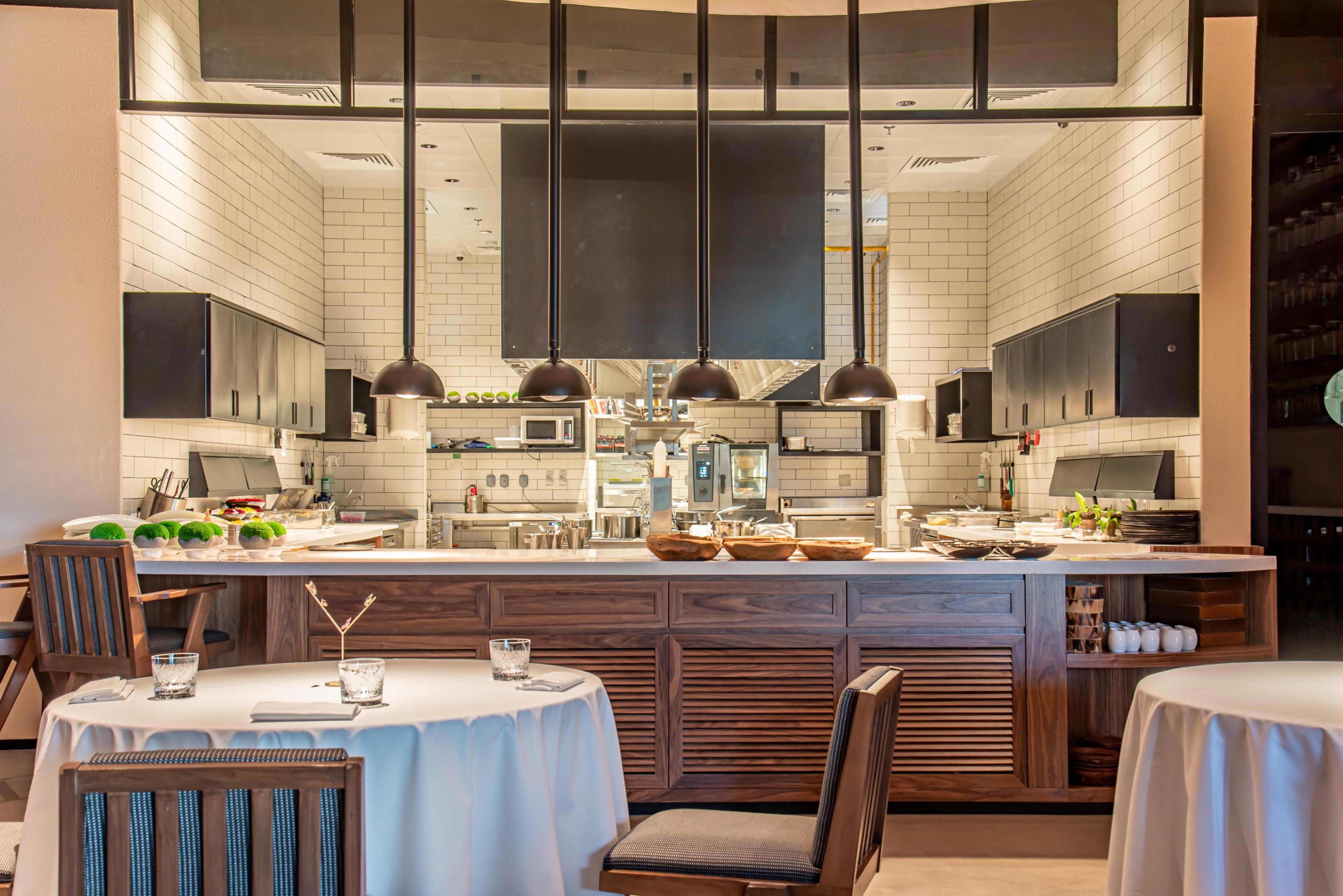
Seven restaurants operate across the three zones, collectively accessible to all resort guests. The range of dining within a single property of this scale is relevant context: guests with multiple-night stays have a breadth of on-property options that reduces the obligation to leave the grounds for dinner. Dubai's broader dining scene, catalogued in our full Dubai restaurants guide, offers considerable external options, but the self-contained resort dining model here functions independently of the city's restaurant circuit. For a comparison of how other Jumeirah Beach properties structure their F&B; offerings, Address Beach Resort and Address Creek Harbour represent the more contemporary format in a similar coastal position.
Planning and Context
One&Only; Royal Mirage sits on Jumeirah Beach, on King Salman Bin Abdulaziz Al Saud Street, placing it within direct reach of central Dubai while maintaining a resort-within-a-city character that separates it from the downtown hotels. Dubai's high season runs from October through April, when temperatures allow full use of the outdoor grounds, beachfront, and water sports facilities. Summer bookings attract different demand patterns given the heat, and the property's indoor and pool infrastructure accommodates that trade-off. For context on how other premium coastal UAE properties handle seasonal demand, Address Beach Resort Fujairah and Anantara Mina Ras Al Khaimah Resort offer useful points of comparison along the Emirates coast.
Travellers considering the wider UAE region alongside a Dubai stay will find relevant alternatives in properties such as Al Badayer Retreat by Sharjah Collection, Fairmont Ajman, and Jebel Hafeet in Al Ain. For those who like to triangulate One&Only; properties against global peers, the brand's design-led, low-key-luxury positioning connects to a broader international conversation that includes properties like Amangiri in Canyon Point, Badrutt's Palace Hotel in St. Moritz, and Cheval Blanc Paris, each operating at the intersection of heritage architecture and contemporary luxury service. In New York, Aman New York and The Fifth Avenue Hotel share the instinct for historical architecture as a luxury differentiator, even across entirely different contexts. For travellers whose itineraries extend to Japan, Bvlgari Hotel Tokyo and Desert Islands Resort & Spa by Anantara in Al Dhafra sit in the same general conversation about what heritage-anchored luxury looks like in different geographies.
The Minimal Set
Comparable venues nearby, for context on price, style, and recognition.
| Venue | Price | Awards | Notes |
|---|---|---|---|
| One&Only Royal MirageThis venue — the venue you are viewing | Not listed | Michelin Selected · La Liste Top Hotels | Not listed |
| Nikki Beach Dubai Resort & Spa | $300–500 | Michelin Selected · Virtuoso Luxury Hotel Partner | Jumeira, Contemporary luxury beachfront resort with Art Deco architecture, blending upscale sophistication with lively lifestyle entertainment. |
| Jumeirah Zabeel Saray | Not listed | Michelin Selected · World Travel Awards | Palm Jumeirah, Ottoman palace-inspired luxury beach resort |
| Jumeirah Marsa Al Arab Resort & Residences | $1,000–1,500 | Michelin Selected · World's 50 Best #15 | Umm Suqeim, Superyacht-inspired luxury resort with nautical glamour and expansive terraces |
| Park Hyatt Dubai | Not listed | Michelin Selected · La Liste Top Hotels | Port Saeed, Luxury waterfront resort with lush gardens and lagoon beach |
| La Ville Hotel & Suites CITY WALK, Dubai, Autograph Collection | Not listed | La Liste Top Hotels | Al Wasl, Urban luxury hotel with apartment-style suites |
Recognition history
Dated appearances from independent guides and award organizations, with the underlying list record or original source where available.
Michelin Selected
Michelin
La Liste Top Hotels
La Liste
Forbes 5-Star
Forbes
Mr & Mrs Smith Seal of Approval
Mr & Mrs Smith
Virtuoso Luxury Hotel Partner
Virtuoso
Full recognition history (10 entries)
Forbes 4-Star
Forbes
Forbes 4-Star
Forbes
Forbes 5-Star
Forbes
Leading Hotels of World Member
Leading Hotels of World
World Travel Awards
World Travel Awards
Details
- Elegant
- Ornate
- Sophisticated
- Romantic
- Scenic
- Honeymoon
- Romantic Getaway
- Family Vacation
- Anniversary
- Beachfront
- Infinity Pool
- Private Villa
- Rooftop Pool
- Destination Spa
- Golf Course
- Panoramic View
- Wi Fi
- Pool
- Spa
- Fitness Center
- Room Service
- Concierge
- Valet Parking
- Kids Club
- Beach Access
- Tennis
- Waterfront
- Garden
- Skyline
- Wheelchair Accessible
- Elevator
- Accessible Parking
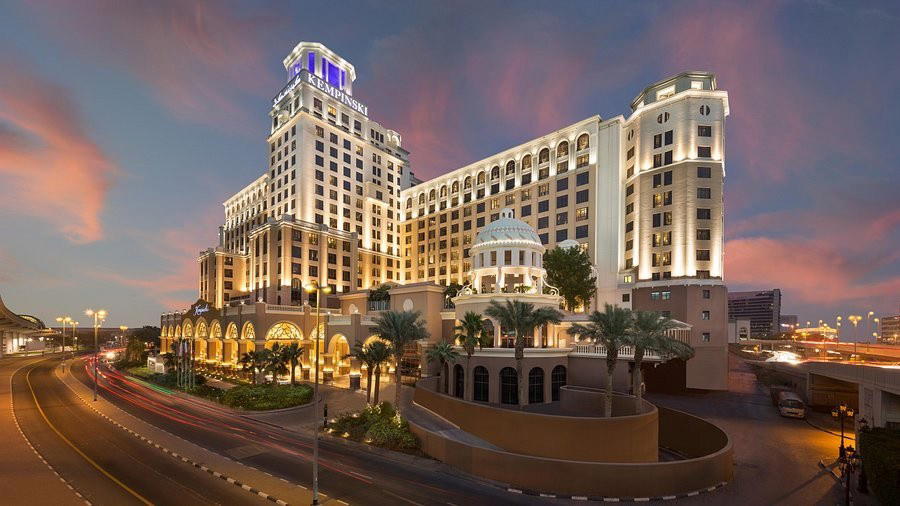
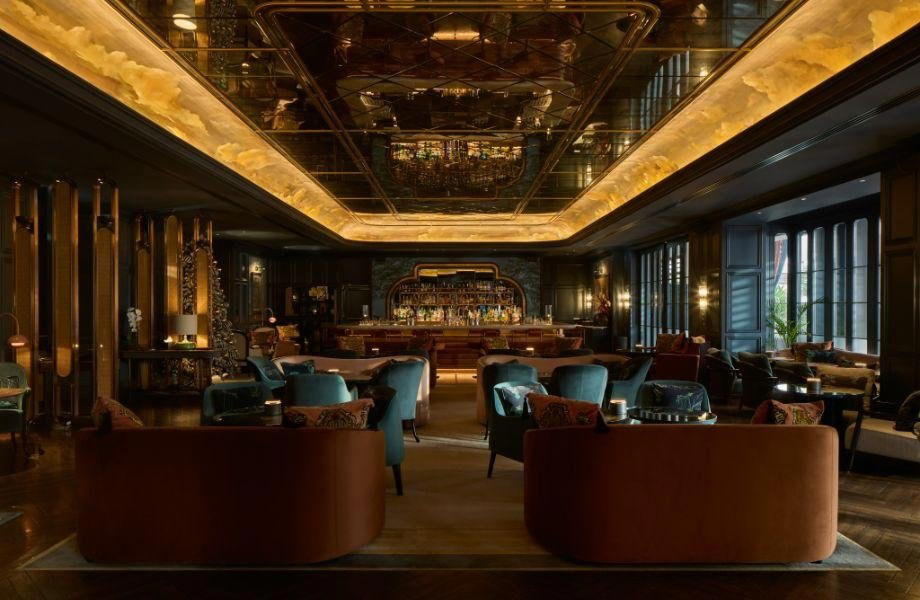
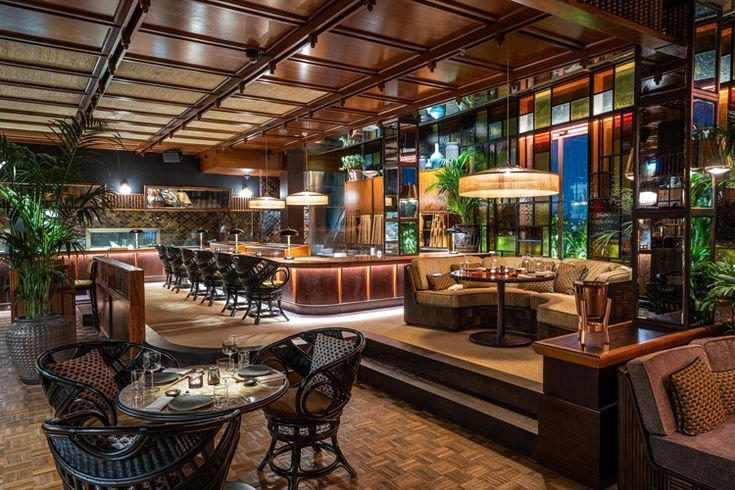
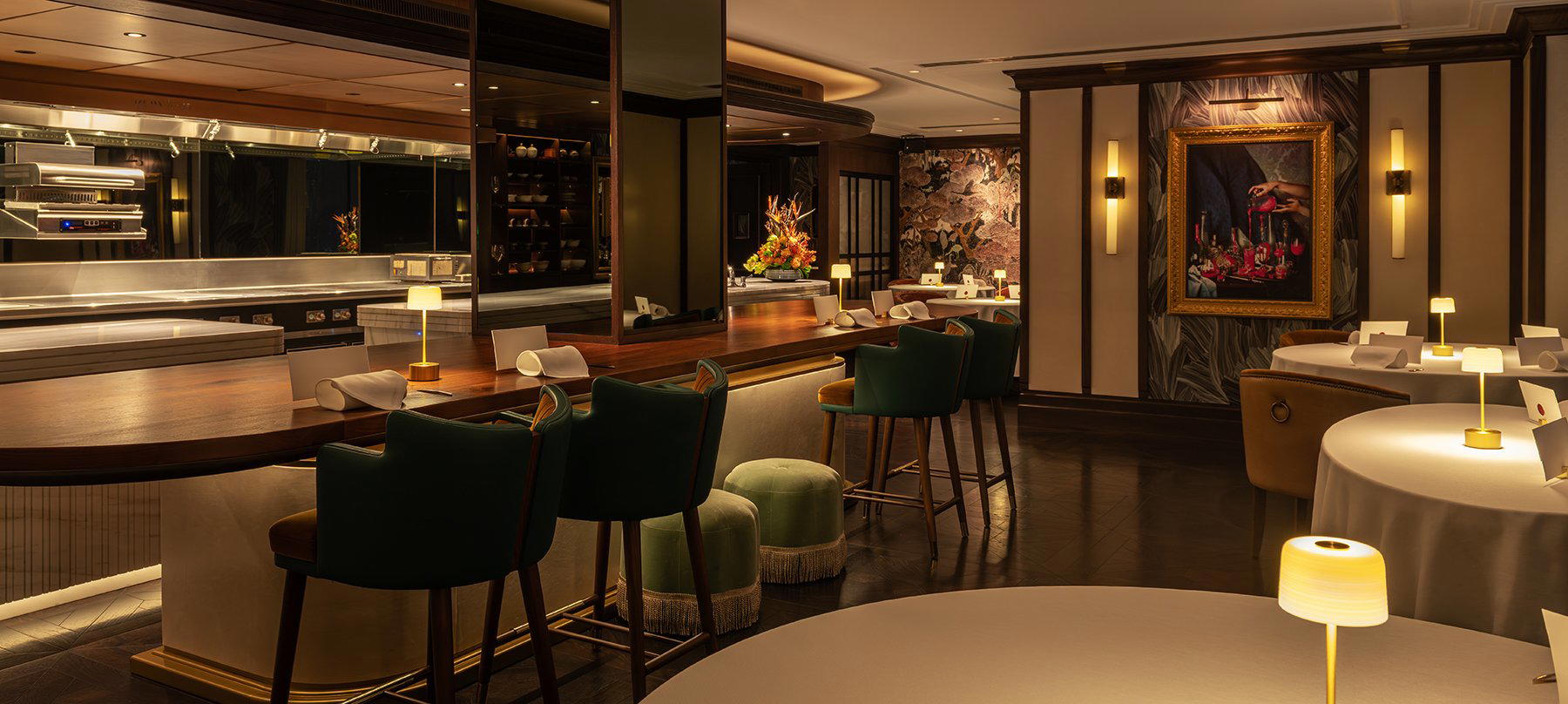
Ornate Arabian-inspired atmosphere with sumptuous domes, lush gardens, and serene beachfront lighting creating a regal, intimate retreat.