A working cattle and sheep farm on the slopes of Mount Kenya, Olepangi Farm near Timau offers a rare form of Laikipia hospitality rooted in agricultural life rather than conventional safari formats. Guests sleep close to functioning farmland, with the conservancy wilderness of the Laikipia plateau accessible beyond the property's borders. It occupies a distinct position in Kenya's premium lodging circuit.

Pearl is the En Primeur Club membership app, where members save venues, book tables and use the concierge.
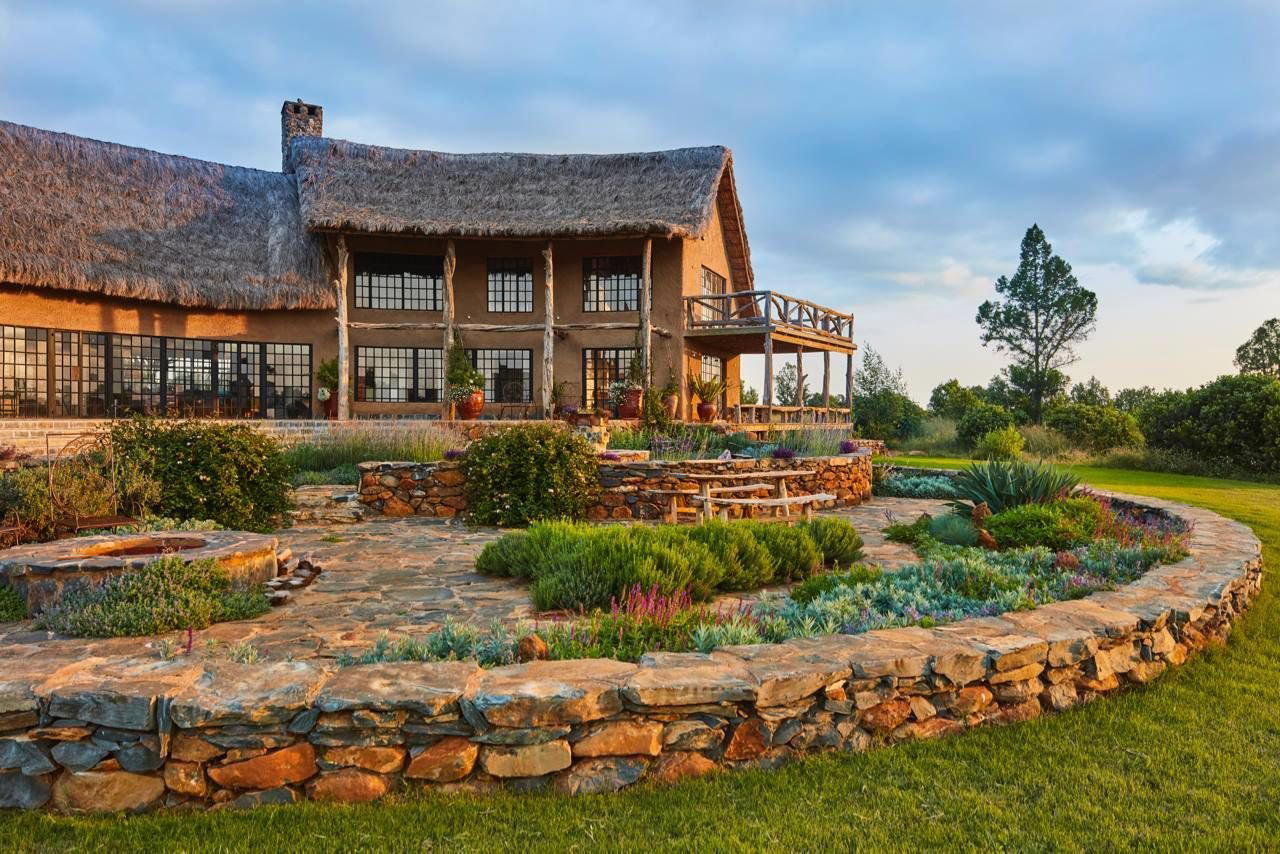
Farm Life at Altitude: Olepangi in the Laikipia Context
The approach to Olepangi Farm sets the register immediately. The road from Timau climbs through small-scale cultivation and open rangeland before the Mount Kenya massif comes into full view, its equatorial snowcap sitting above a skyline that has little in common with the acacia savannah most Kenya itineraries default to. This is the northern plateau, the Laikipia, and the farms and conservancies up here operate at a different atmospheric and conceptual altitude than the Mara circuit.
Laikipia has, over the past two decades, developed into one of East Africa's more considered wildlife destinations, partly because its model differs structurally from national park tourism. Here, private landowners, including farming families and dedicated conservancy managers, have chosen to maintain wildlife corridors across working land rather than convert entirely to either agriculture or trophy-format safari operations. Olepangi Farm sits inside that tradition.
Properties in this part of Kenya tend to cluster around two formats: the high-spec, high-fee conservancy lodge built expressly for safari, and the farm stay that trades polished infrastructure for authenticity and direct engagement with working land. Olepangi belongs firmly to the latter, and that is precisely what separates it from neighbours positioned further along the premium spectrum. Where Borana Lodge or andBeyond Suyian Lodge in Nanyuki deliver a curated conservancy experience with attendant service architecture, Olepangi offers something closer to staying on a Kenyan farm that happens to border significant wildlife country.
What the Setting Produces at the Table
In farm-stay formats globally, the dining programme tends to be the most direct expression of what the property actually is. That principle holds here. Laikipia's altitude means cool nights and productive growing conditions, and farms in the Timau area have long supplied Nairobi's premium produce market with vegetables, dairy, and meat that the lowland zones cannot match for quality. At a working property like Olepangi, the kitchen draws from what surrounds it: cattle, sheep, kitchen gardens, and the produce economy of the wider Mount Kenya foothills.
This is not the celebrity-chef, architectural-dining model that properties like ol Donyo Lodge in Chyulu Hills or Mahali Mzuri in Olare Motorogi Conservancy use to position their food and beverage offer. What farm-stay dining at altitude in Kenya tends to produce instead is a direct, ingredient-led table: slow-cooked meat from animals raised on the same land, dairy served at the temperature it was produced, vegetables cut the same morning. The editorial value of that model lies precisely in its absence of mediation. The gap between field and plate is genuinely short, and at properties where the farm is functioning rather than decorative, that gap is verifiable rather than aspirational.
Meals at a property of this type typically unfold communally, often in a farmhouse setting where the formality level tracks the farm's rhythm rather than a predetermined service script. That format suits a specific kind of traveller: one who prefers a meal shared with fellow guests and possibly the farm family over the private candlelit dinner-in-the-bush experience that commands premium pricing at the conservancy lodge tier. Both formats are legitimate; they are simply aimed at different travel orientations.
Positioning Within Kenya's Wider Lodging Circuit
Kenya's premium accommodation market has fragmented productively over the past decade. The large-format Fairmont properties at Mount Kenya Safari Club and Nairobi's Villa Rosa Kempinski anchor one end of the spectrum. The high-spend conservancy camps, including andBeyond Bateleur Camp in Maasai Mara, Elewana Loisaba Tented Camp, and Cottar's Safaris in Narok, occupy the middle-to-upper tier where per-night rates reflect the conservation fee structure and the cost of remote infrastructure. Farm stays like Olepangi operate below that price ceiling but above the backpacker circuit, offering a mode of engagement with Kenya that neither category replicates.
For itinerary builders, the practical logic is direct. Olepangi sits near Nanyuki, a town with an airstrip that connects to Wilson Airport in Nairobi via scheduled light aircraft services. That access point also serves properties like Elewana Elsa's Kopje in Meru National Park and El Karama Lodge in Laikipia itself. A multi-stop Kenya itinerary can reasonably combine a farm night here with conservancy camps further afield without logistical strain.
The Laikipia plateau also gives access to wildlife that the southern circuits increasingly cannot guarantee in the same density: elephant herds that move across the private conservancies, Grevy's zebra (found almost nowhere else in Kenya outside Samburu), and the predator populations that follow ungulate movement across unfenced private land. Saruni Samburu covers the northern end of that wildlife corridor; Olepangi sits at the agricultural edge of it. For our full guide to properties across the plateau, see our full Laikipia restaurants guide.
Planning a Stay
Booking channels and current rates for Olepangi Farm are best confirmed directly, as the property operates at a scale where agent relationships and direct contact tend to be more reliable than third-party platforms. The Laikipia plateau is accessible year-round, but the long dry season from July through October produces the clearest game-viewing conditions and the firmest road surfaces for farm access. The short rains in November can soften tracks temporarily, and the long rains from March through May mean lush landscapes but occasionally challenging access to more remote corners of the property.
Travellers considering a broader Kenya circuit will find useful points of comparison in properties like Solio Lodge in Nyeri for rhino-focused conservation stays, or Enaidura Camp in Masai Mara for the southern game viewing that Laikipia does not replicate. The coast options, from Sirai Beach in Kilifi to Sarova Whitesands Beach Resort and Spa in Mombasa, pair naturally with a highland itinerary for travellers who want to bookend wildlife country with Indian Ocean time.
Cost and Credentials
| Venue | Price | Awards |
|---|---|---|
| Olepangi FarmThis venue (the venue you are viewing) | $300–500 | Not listed |
| Fairmont Mount Kenya Safari Club | Not listed | Forbes Recommended · Virtuoso Luxury Hotel Partner |
| Fairmont The Norfolk | $200–300 | 1 Michelin Key · Forbes Recommended |
| Giraffe Manor | $1,500–2,500 | 3 Michelin Keys · La Liste Top Hotels |
| Great Plains Mara | Not listed | Relais Chateaux Award |
| ol Donyo Lodge | $1,000–1,500 | Relais Chateaux Award |
Continue exploring
More in Laikipia
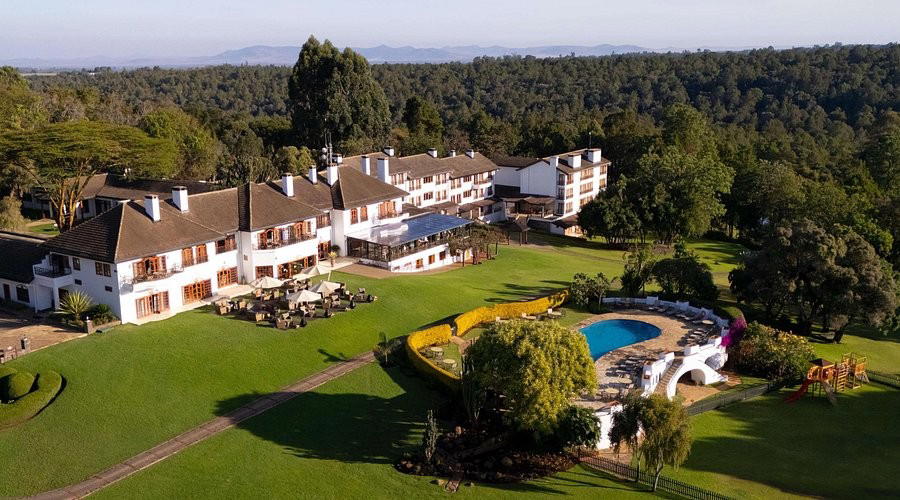
Hotels in Laikipia
All hotels in Laikipia →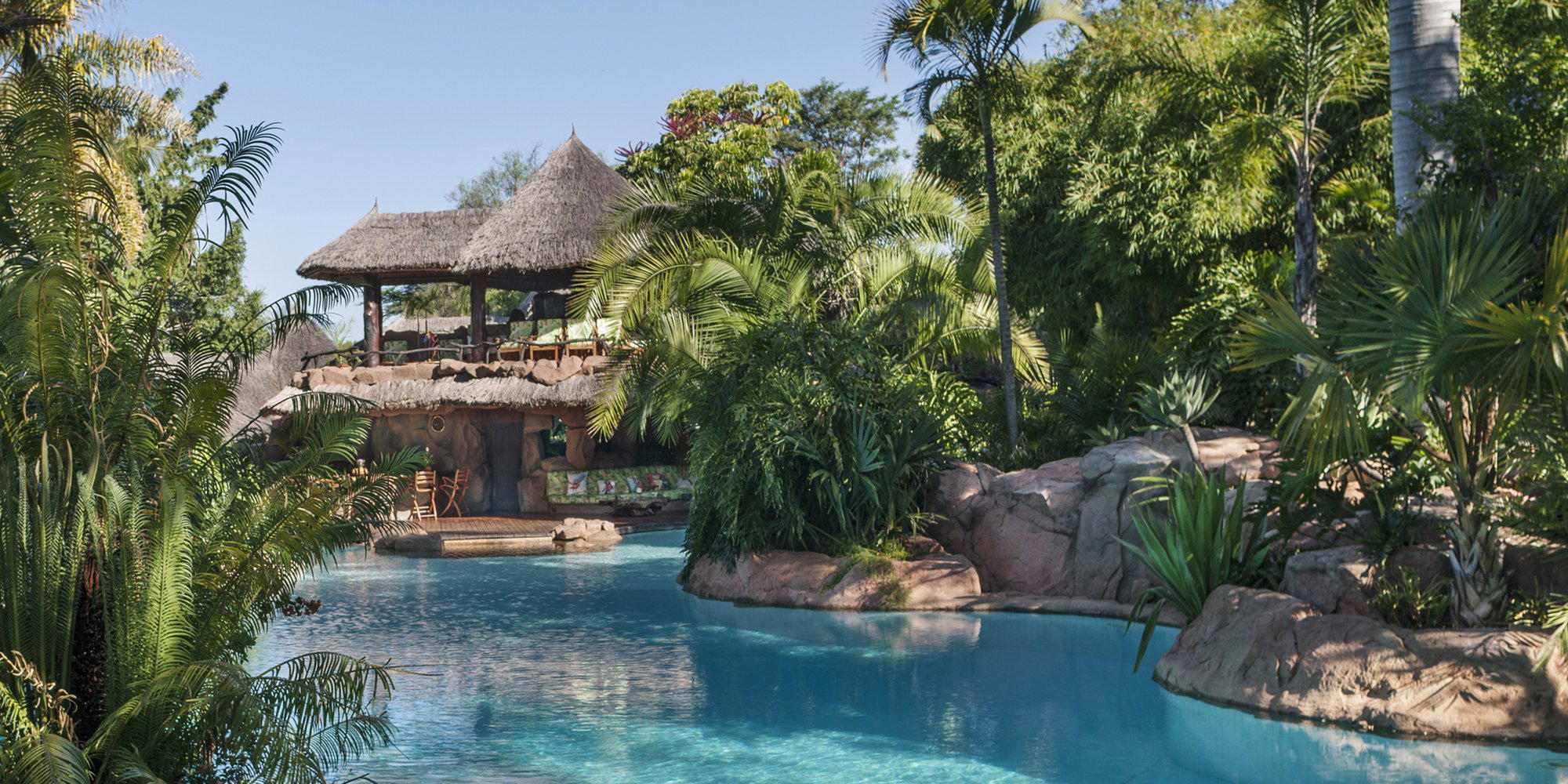
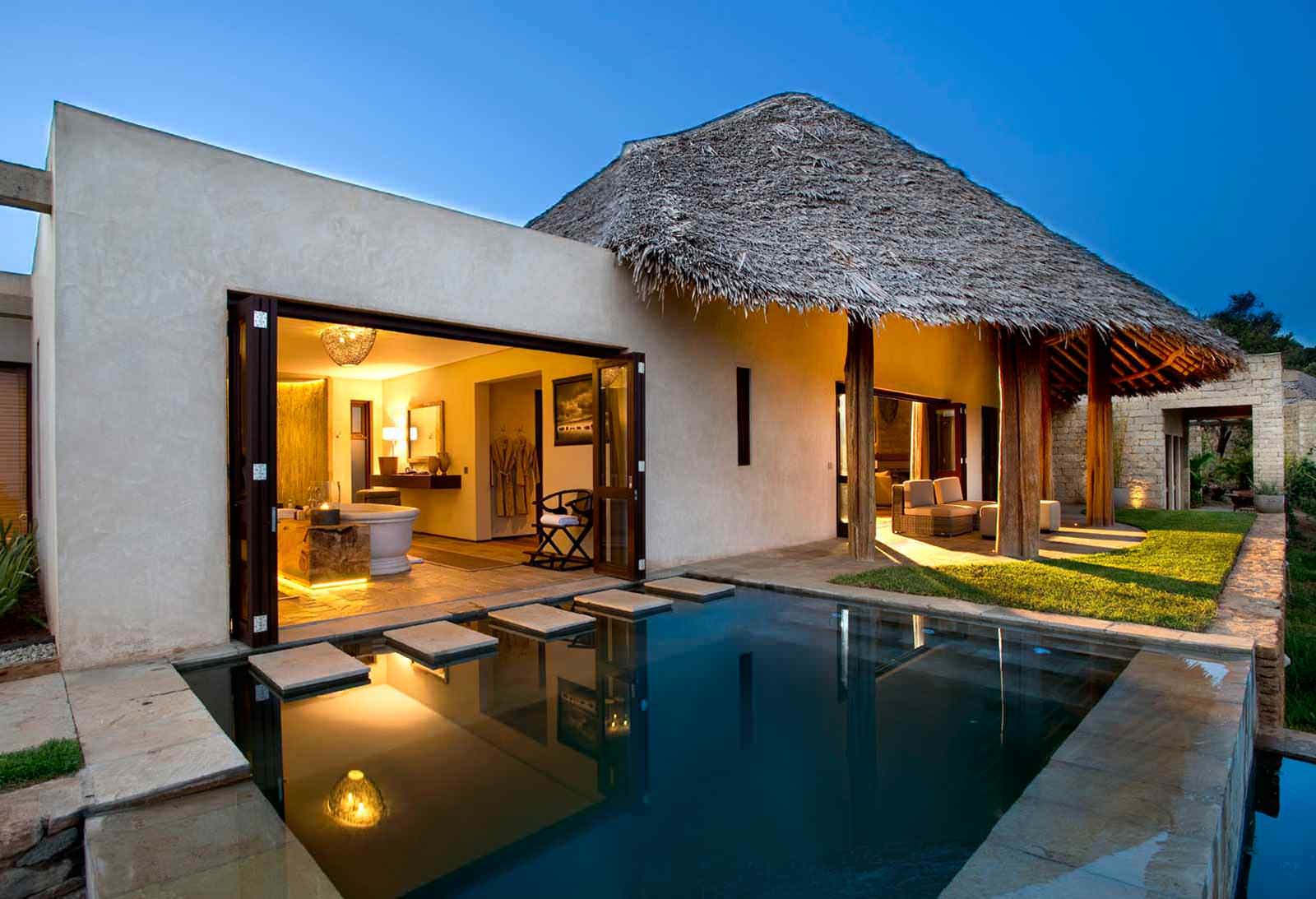
Restaurants in Laikipia
Browse all →
Details
- Romantic
- Scenic
- Rustic
- Bohemian
- Intimate
- Cozy
- Romantic Getaway
- Family Vacation
- Wellness Retreat
- Weekend Escape
- Garden
- Panoramic View
- Private Dining
- Destination Spa
- Historic Building
- Design Destination
- Wi Fi
- Pool
- Hot Tub
- Kids Club
- Mountain
- Garden
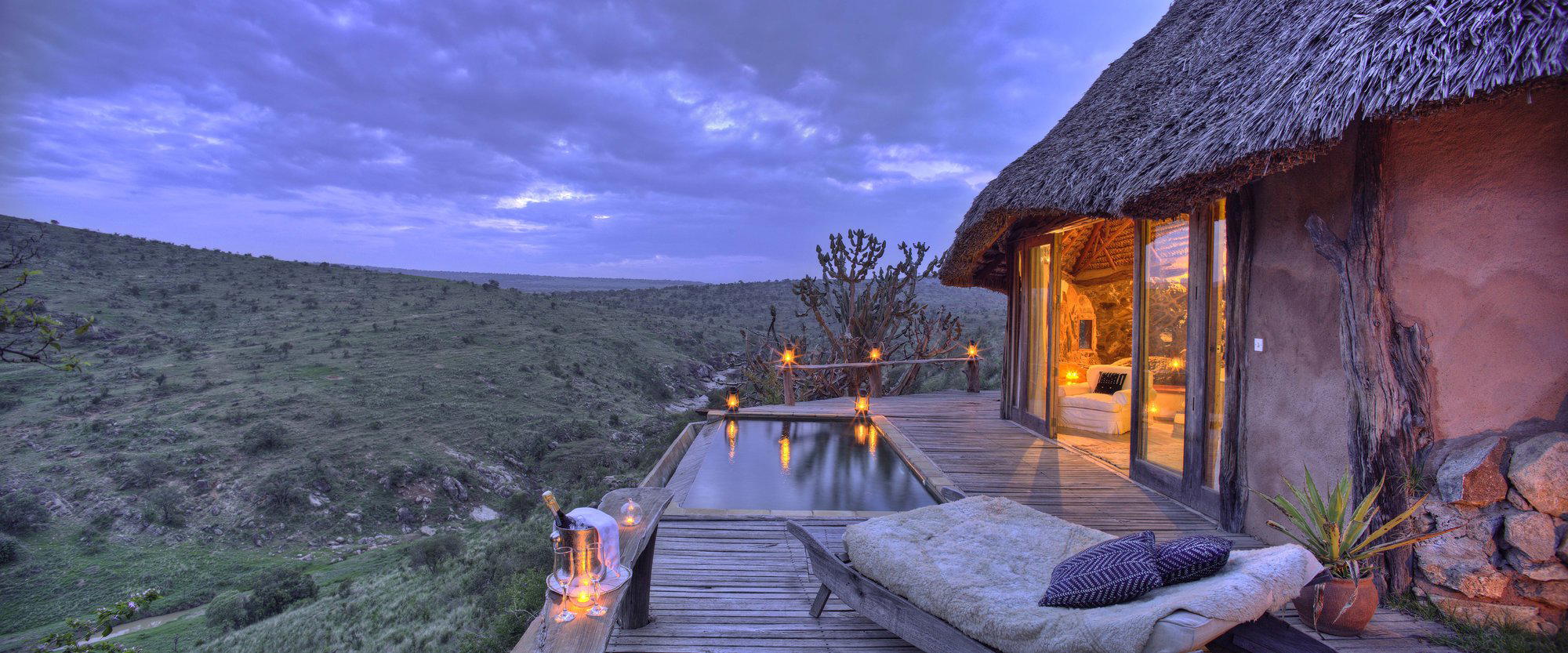
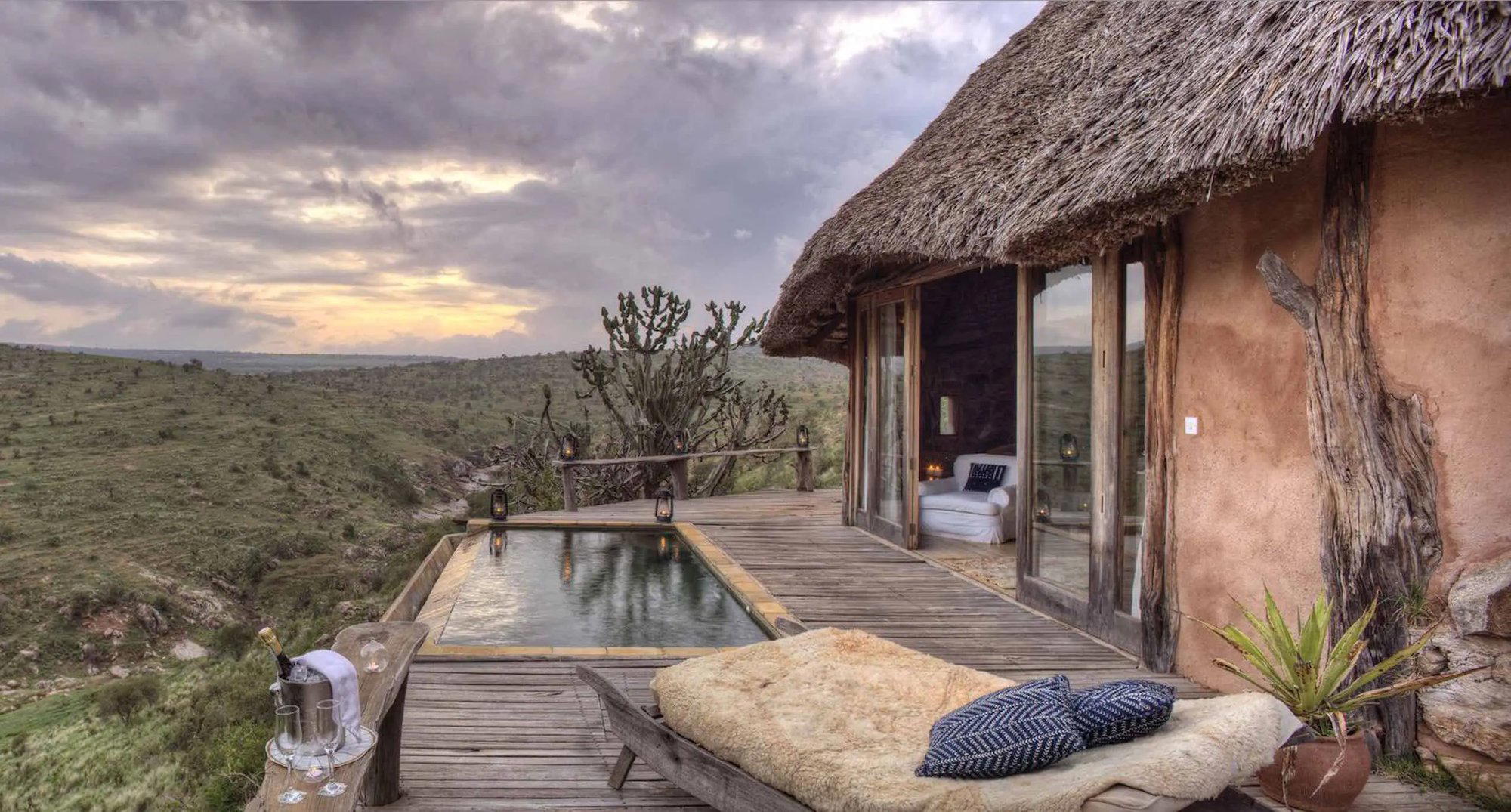
Warm and welcoming with crackling fireplaces, natural lighting through thatched-roof timber and stone architecture, lush gardens, and intimate spaces filled with ethnic textiles and curated art pieces that create a lived-in, bohemian elegance.