
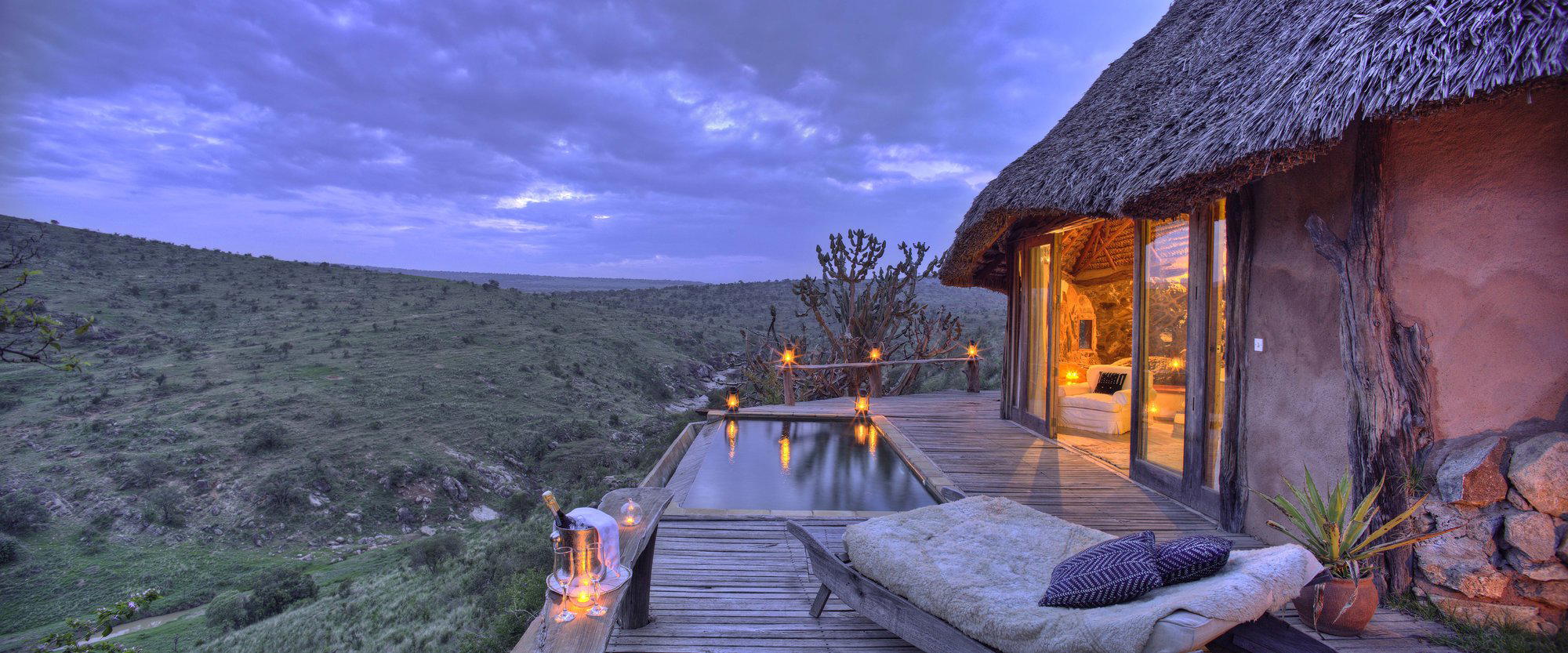
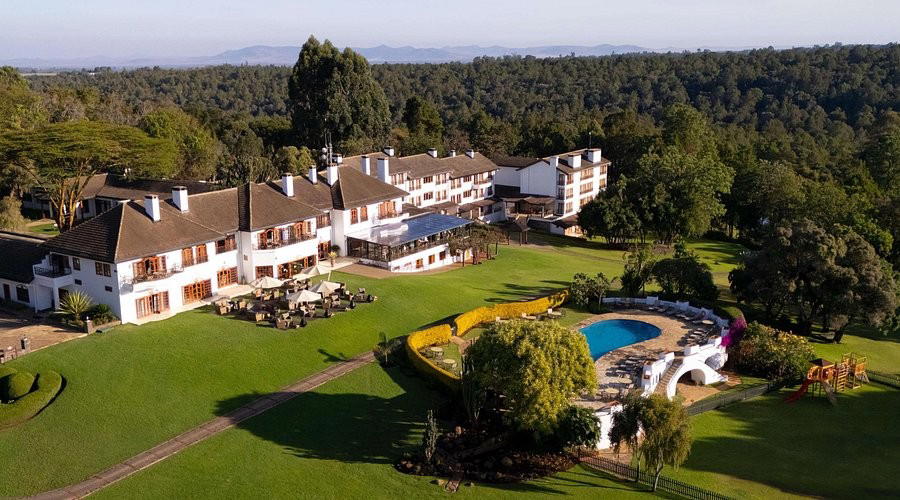
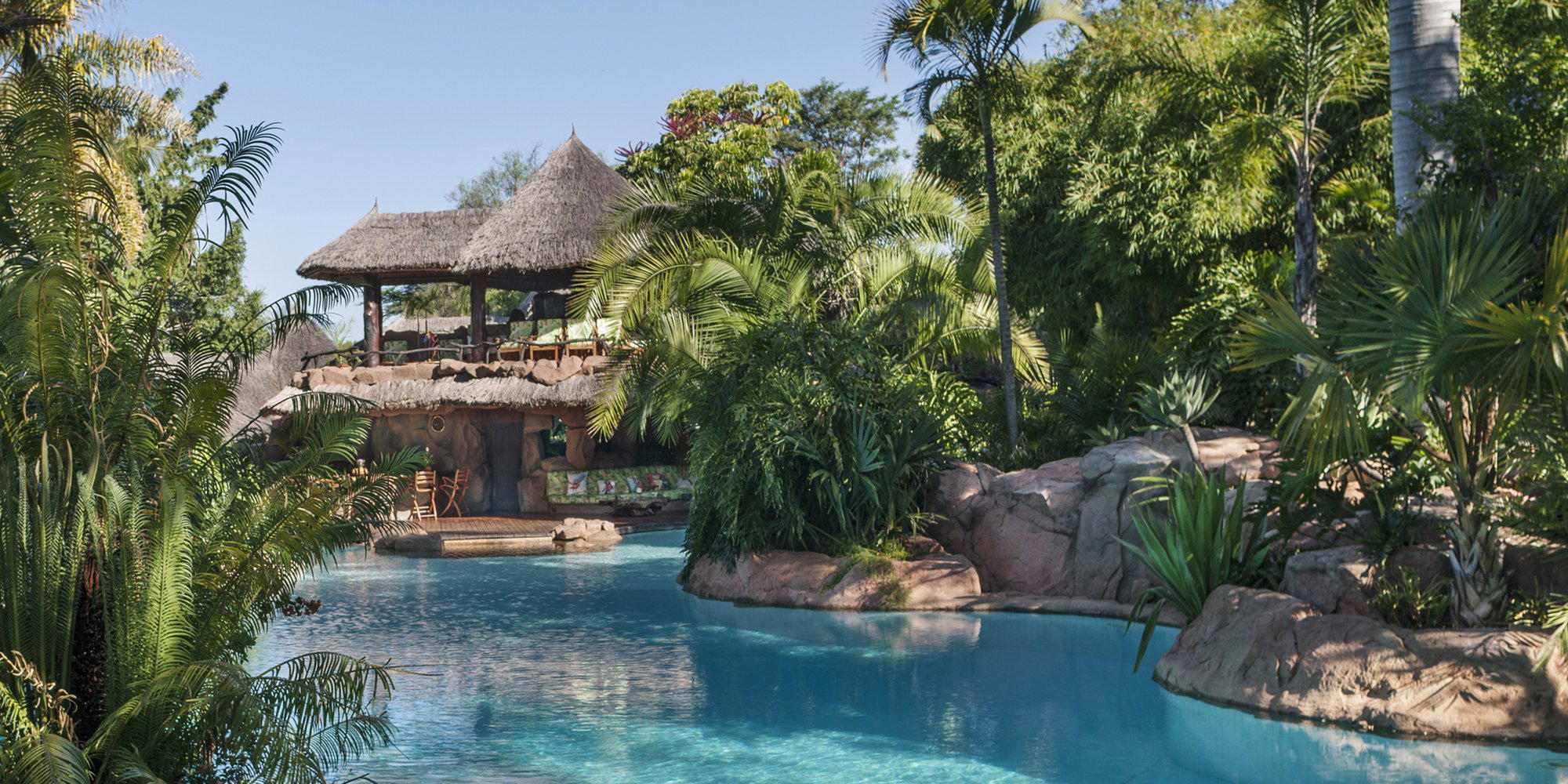
Borana Lodge sits on a hillside in Laikipia, Kenya, with eight cottages built from local rock and cedar wood thatched with makuti palm. The property places itself firmly in the tradition of low-footprint, high-context safari hospitality that defines the Laikipia plateau's premium conservancy tier. It is a reference point for guests comparing intimate bush lodges in the Nanyuki region.
Pearl is the En Primeur Club membership app — saves, bookings, and concierge access live there. Same editors, same standards.
- Address
- Kisima ward, Meru, N/A, Kenya
- Website
- borana.co.ke
- Directions
- Get directions
 Saves & bookings on Pearl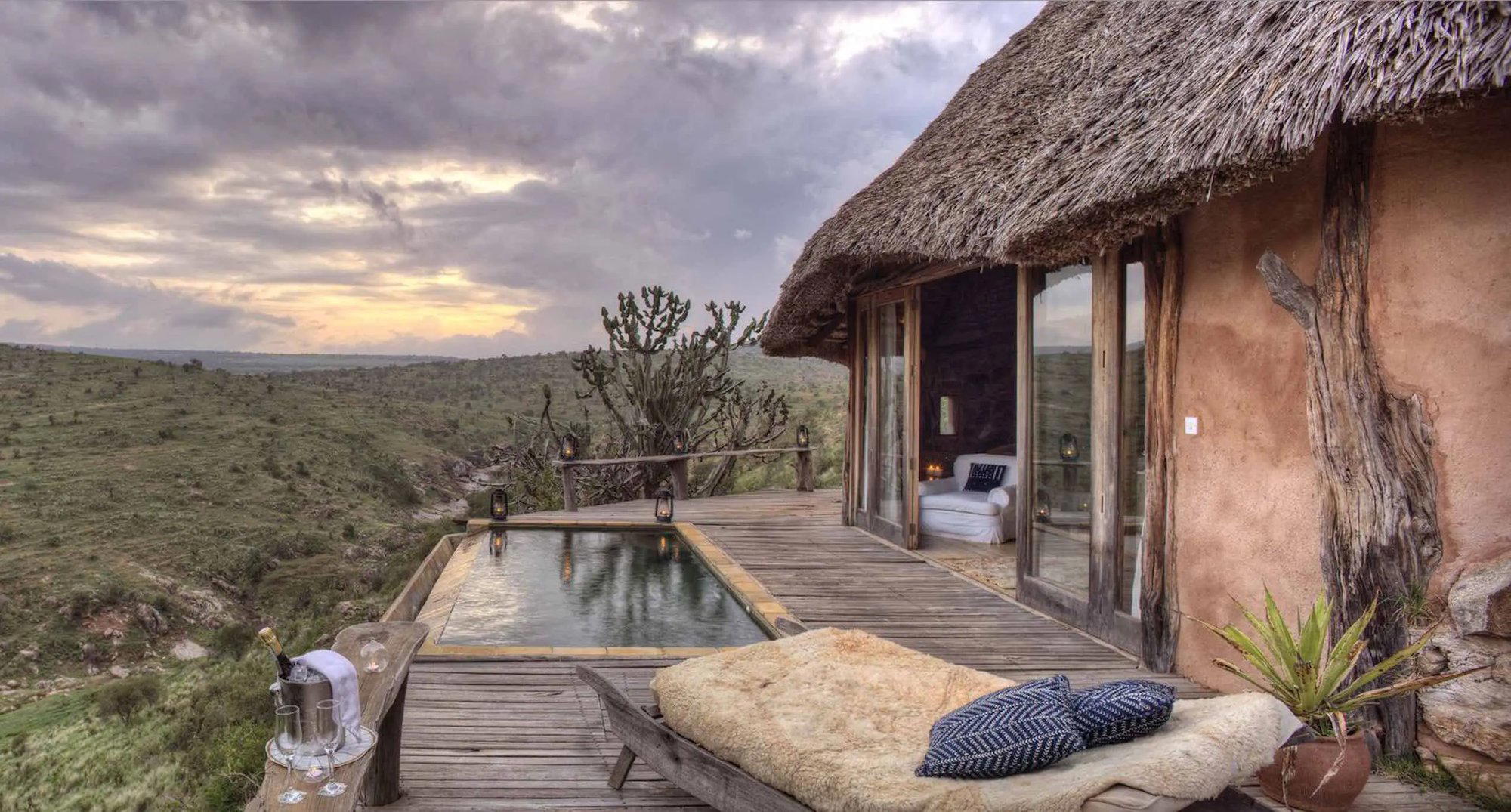
Laikipia's Conservancy Lodge Tradition, and Where Borana Fits
The Laikipia plateau has spent the last two decades consolidating a reputation as Kenya's most considered safari region. Where the Maasai Mara draws crowds and the Amboseli ecosystem trades on Kilimanjaro backdrops, Laikipia has built its identity around conservancy-scale land management and a lodge tier that prioritises small footprints and ecological integration over resort-style amenity stacking. Borana Lodge is a five-star hotel in Kisima ward, Meru, Kenya, with eight cottages. Its eight cottages are constructed from local rock and cedar wood, thatched with makuti palm, and positioned to read as part of the hillside rather than imposed upon it. That approach to material and scale is the defining signature of the Laikipia premium tier, and Borana is one of the properties that helped establish the template.
Within the Nanyuki region, the competitive set is tight and genuinely differentiated. andBeyond Suyian Lodge and Ol Jogi Wildlife Conservancy operate in similar conservancy terrain, while Segera Retreat and Sirai House push into private-house formats. Fairmont Mount Kenya Safari Club sits at the larger, more institutional end of the spectrum. Borana's eight-cottage configuration places it decisively in the intimate tier, where the ratio of land to guests is the primary luxury argument.
The Dining Programme in Context
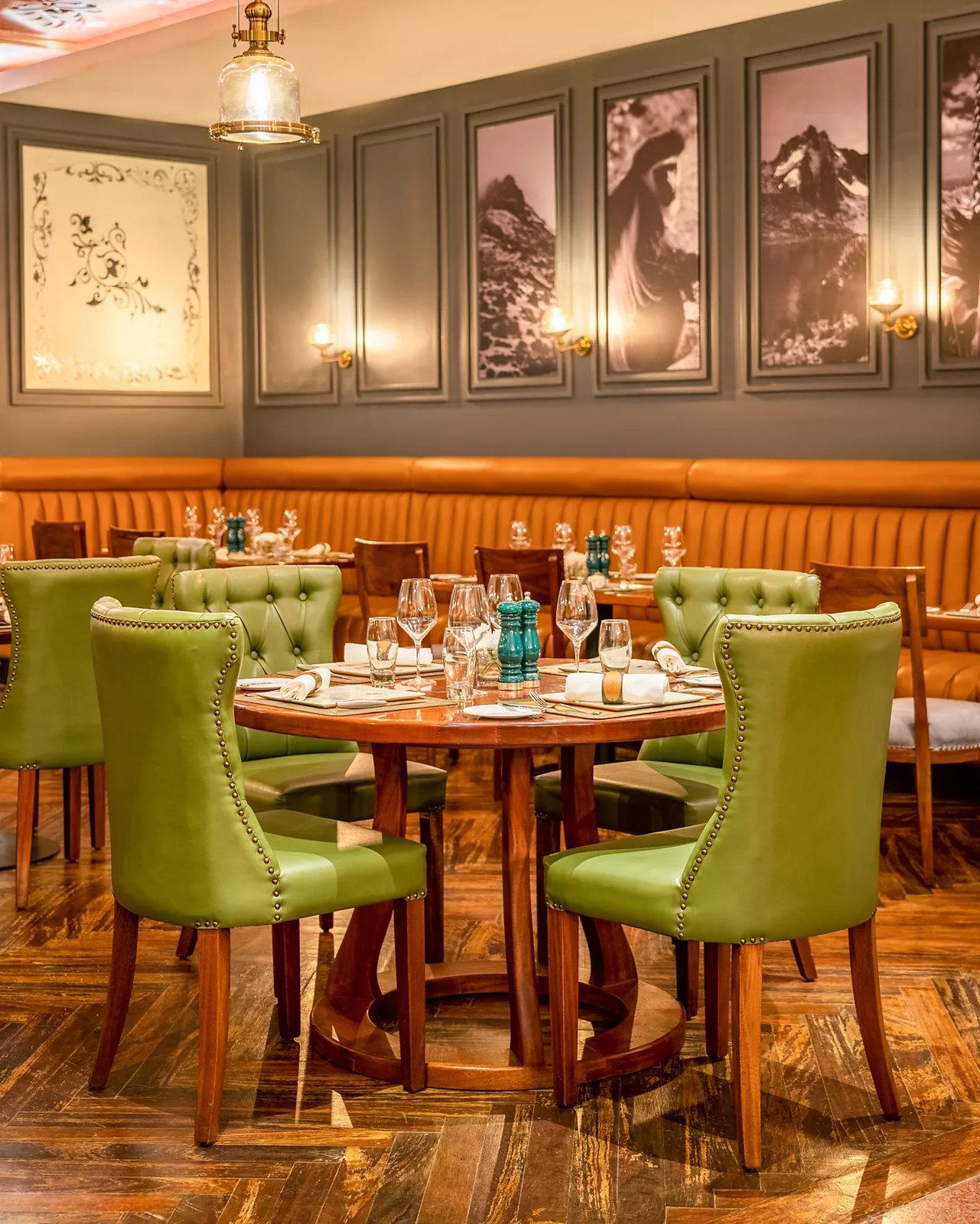
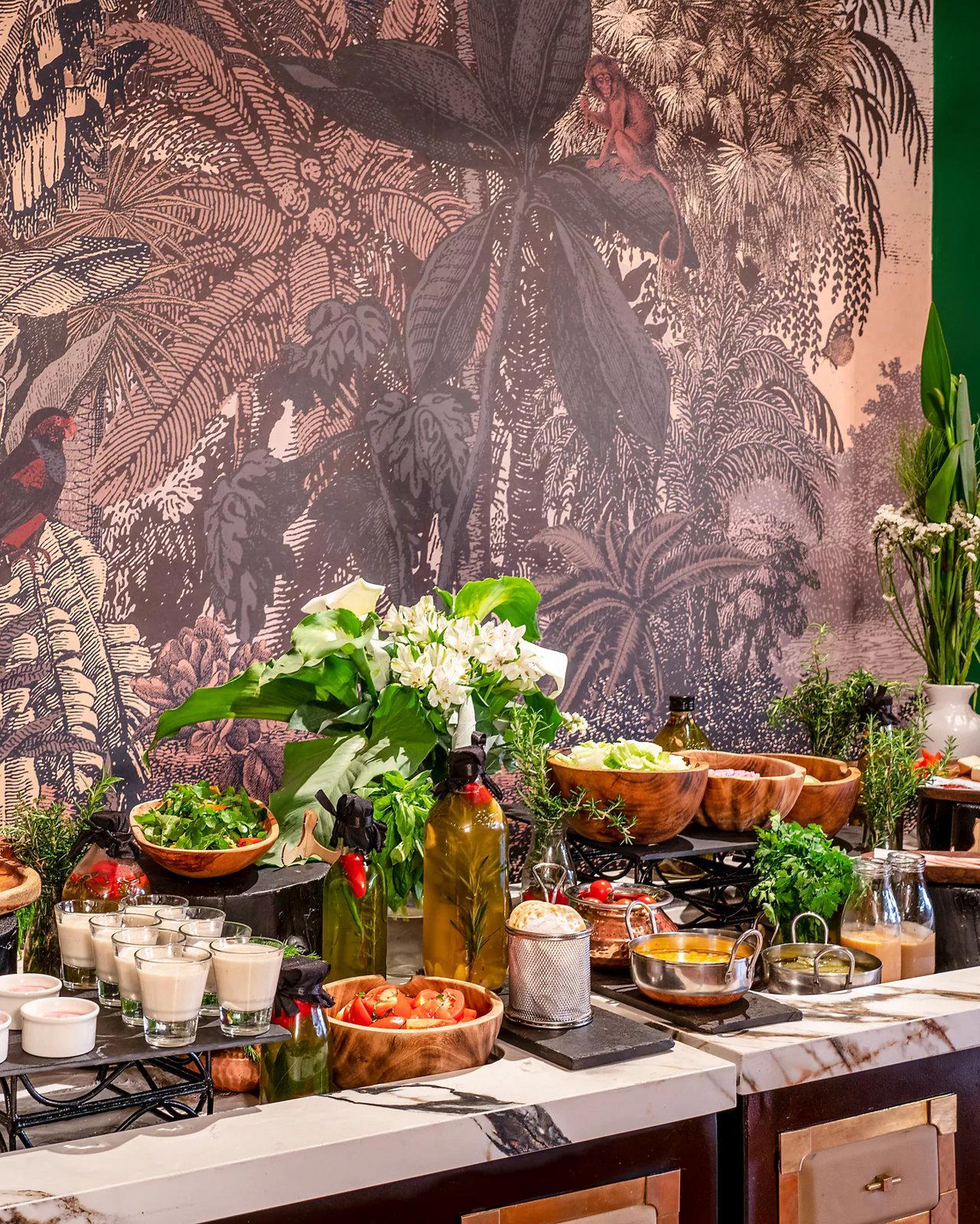
In the premium conservancy lodge format, dining is rarely treated as a standalone attraction. The model, refined across properties like Elewana Loisaba Tented Camp and Elewana Elsa's Kopje, is to integrate meals into the rhythm of the bush day: dawn departures, mid-morning returns, long lunches, sundowner pauses, and dinner as communal debrief. The kitchen at this lodge tier is expected to execute that rhythm without interrupting the sense of immersion. That means sourcing that reflects the region, presentation that doesn't feel transplanted from a city restaurant, and a pace calibrated to guests who have spent the day on game drives rather than at a pool.
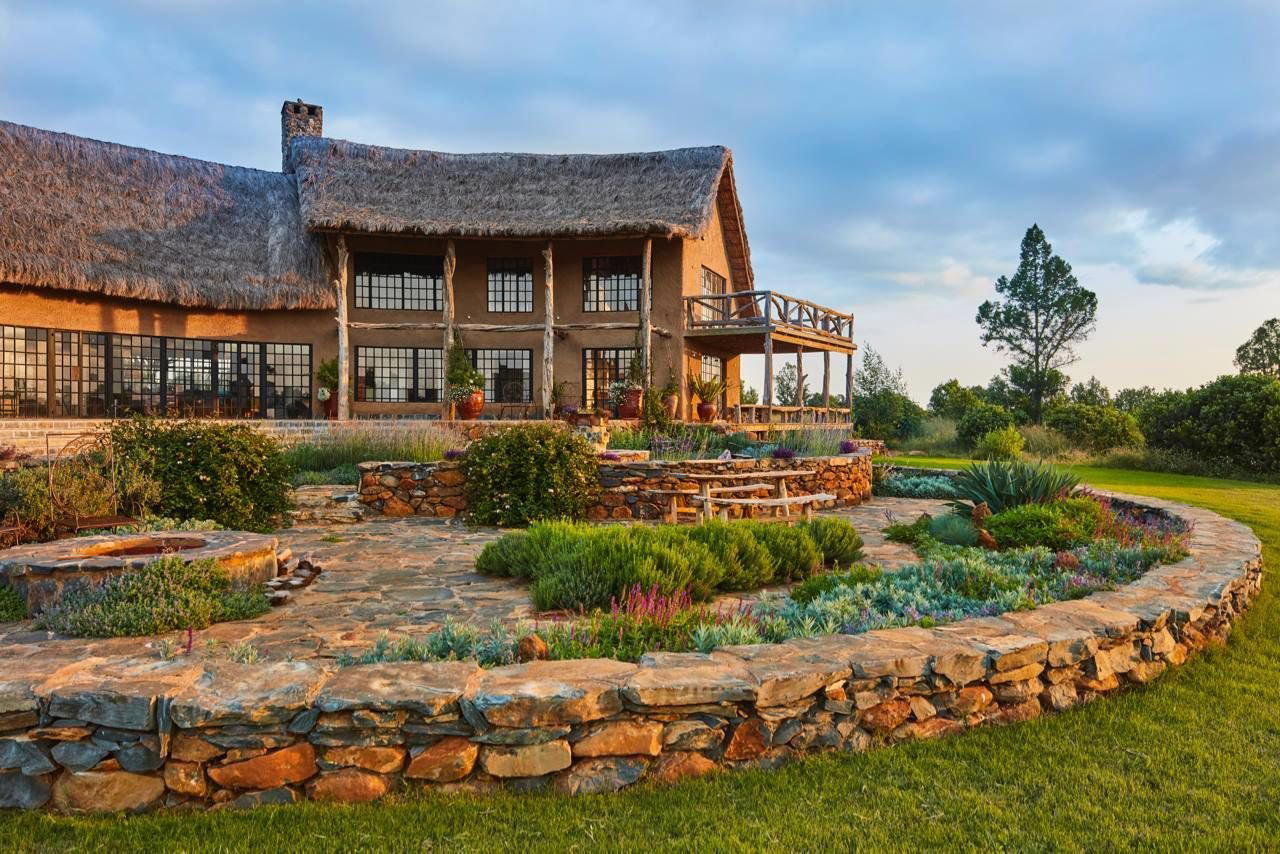
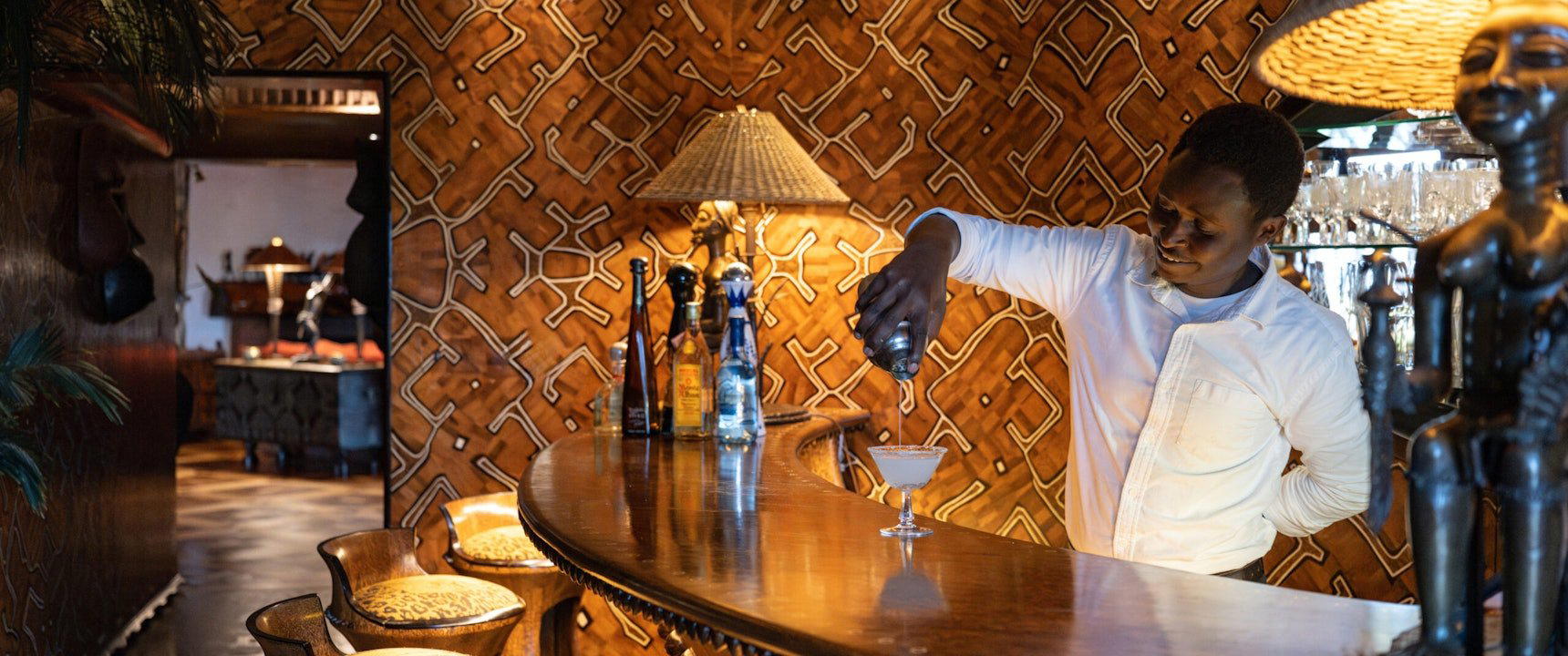
Borana's material choices extend the same logic to its communal spaces. Rock and cedar are not decorative gestures; they are materials that weather into the environment and keep interior temperatures stable without heavy climate intervention. Makuti thatching has been used across the East African coast and highland regions for centuries precisely because it performs well in both heat and rain. When a lodge builds with these materials at this altitude, the dining and living spaces that result have a quality of belonging that newer, engineered properties cannot replicate in the short term.
Properties like Cottar's Safaris in Narok and Mahali Mzuri in Olare Motorogi Conservancy run dining programmes with different identities, reflecting the ecosystems and guest profiles of their respective regions. andBeyond Bateleur Camp and JW Marriott Masai Mara Lodge represent the Mara's two poles, from heritage-camp restraint to full international-hotel programming. Borana's scale keeps it closer to the heritage-camp end, where the meal is not the headline but the connective tissue between activities.
Scale, Setting, and What Eight Cottages Actually Means
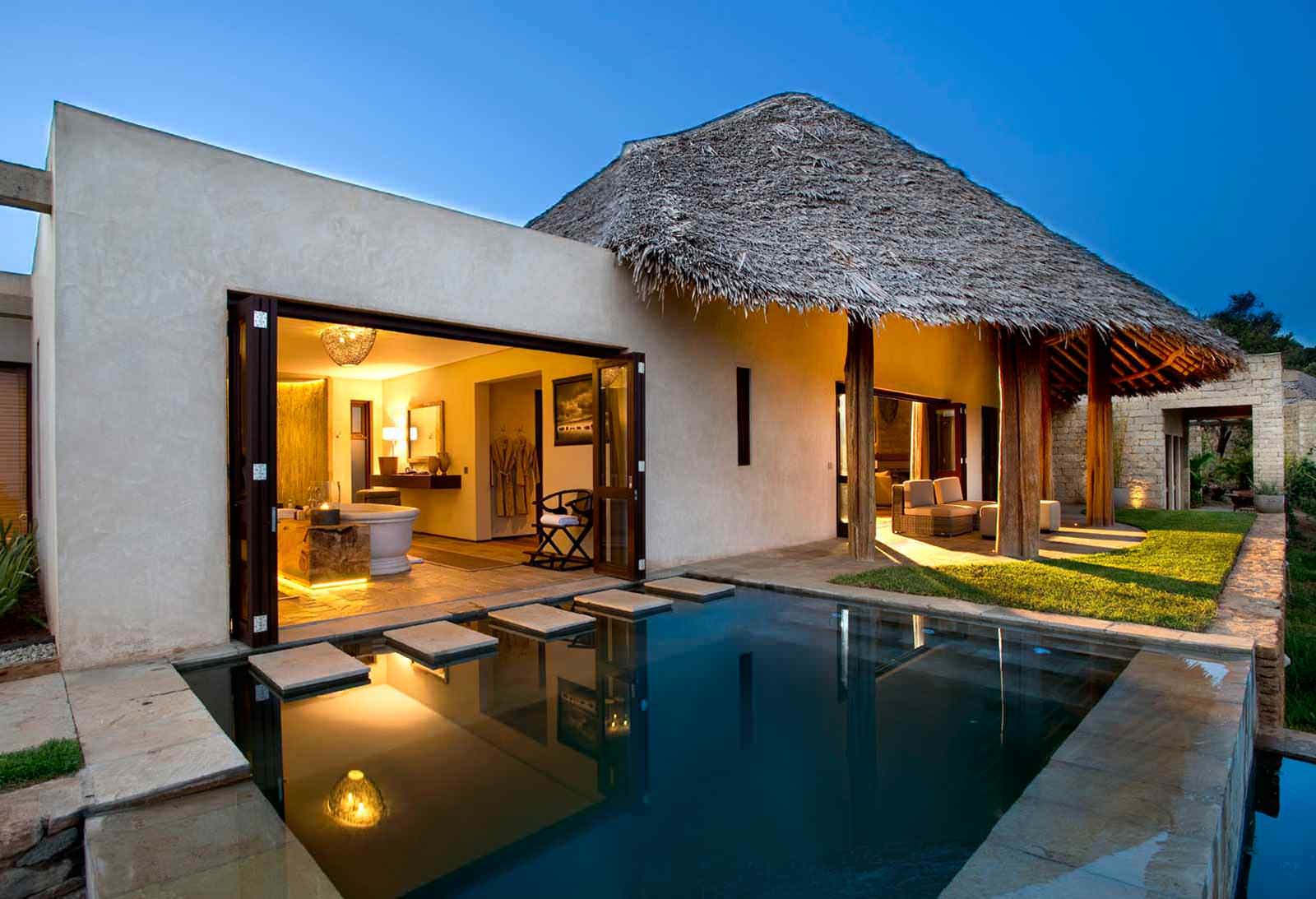
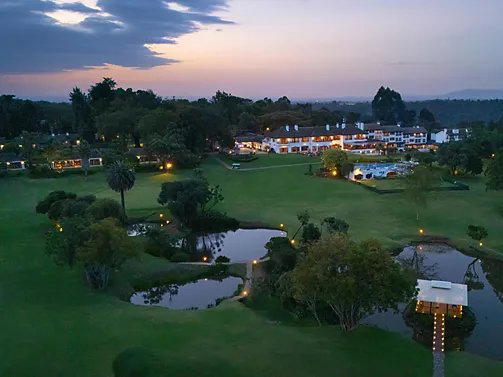
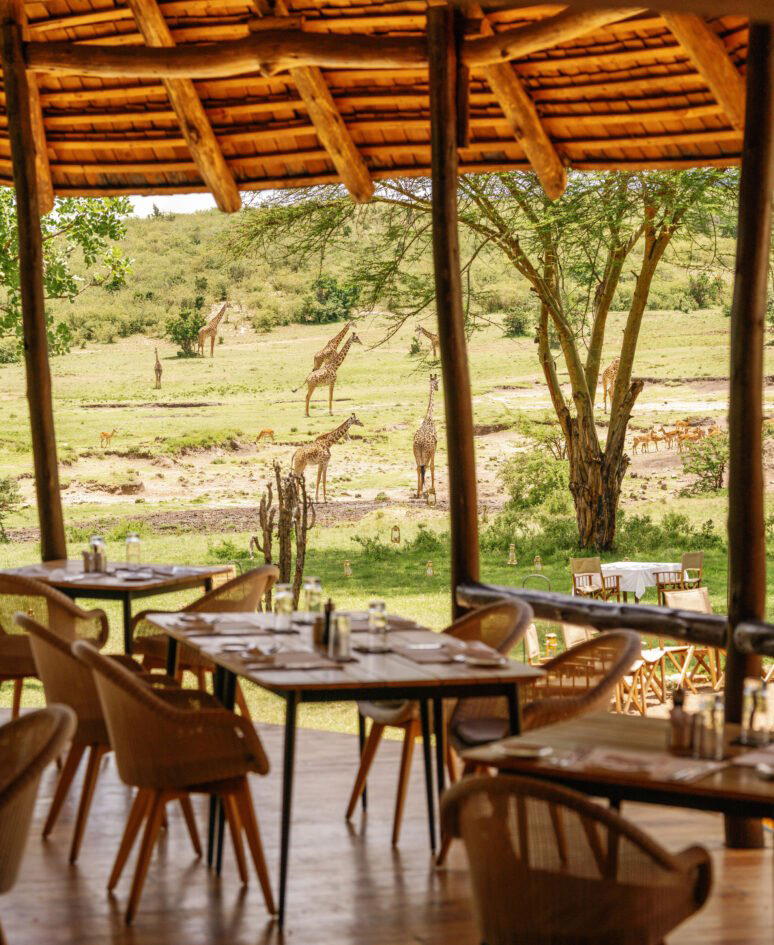
Eight cottages is a specific number with operational consequences. At that capacity, a lodge can maintain a guest-to-staff ratio that makes personalised service structurally possible rather than aspirationally marketed. Game drive scheduling can be genuinely flexible. Kitchen output can be tailored to the group on the property at any given time rather than produced at volume. The hillside position compounds this: sight lines extend across the conservancy, and the physical separation between cottages that a hillside configuration allows means the property never feels occupied even when it is full.
The same principle applies across the region's best-regarded small properties. Borana Lodge in Laikipia is part of a conservancy with one of Laikipia's significant rhino populations, a fact that places it in a specific conservation conversation distinct from general game-viewing properties. ol Donyo Lodge in Chyulu Hills operates a comparable model in a different ecosystem, and Enaidura Camp in Masai Mara applies similar low-volume logic in the Mara context. The through-line is that small inventory creates a different category of experience than larger operations, regardless of how those larger operations are positioned.
How Borana Compares Beyond Kenya
Guests who move between Kenya and other safari or wilderness destinations will recognise the Borana model as aligned with a global pattern of material-led, low-key luxury that has moved well beyond East Africa. In urban contexts, properties like Aman New York and Aman Venice operate on a comparable philosophy of small key counts and high contextual integration, even if the materials and ecosystems differ entirely. The shared logic is that restraint at the property level amplifies the environment rather than competes with it. At Borana, the environment is Laikipia; at Aman Venice, it is the canal city. The hospitality grammar is recognisably similar.
For guests arriving from Nairobi, the reference point shifts. Villa Rosa Kempinski in Nairobi operates in a different register entirely, suited to pre- or post-safari nights in the capital before the drive or flight north to Nanyuki.
Planning Your Stay
Nanyuki is accessible by road from Nairobi (approximately three to four hours depending on traffic and route) and by light aircraft to Nanyuki Airstrip, which serves charter flights from Wilson Airport in Nairobi. The drier months from June through October and January through February are especially reliably active for wildlife, with the long rains falling between March and May. Laikipia holds game year-round at a density that makes it viable outside the peak Mara migration window, which is one of the reasons it appeals to guests looking to avoid the larger crowds that characterise the Mara in July and August. Given the limited inventory of eight cottages, advance planning of three to six months is advisable for the dry-season peak, and longer lead times should be expected for the July-to-October window. The Fairmont Mara Safari Club and SAROVA Lion Hill Game Lodge in Nakuru are regional alternatives for guests whose itineraries span multiple Kenyan ecosystems.
Booking and Cost Snapshot
Comparable venues nearby, for context on price, style, and recognition.
| Venue | Price | Awards | Notes |
|---|---|---|---|
| Borana LodgeThis venue — the venue you are viewing | $$$$ | 5-Star | Not listed |
| andBeyond Suyian Lodge | $$$$ | 5-Star | Laikipia County, Contemporary luxury safari lodge with Afro Wabi-Sabi design philosophy, blending raw earthy African materials with modern elegance and Samburu cultural influences. |
| Segera Retreat | $$$$ | 5-Star | Nanyuki Town, Eco-luxury safari retreat harmonizing with nature featuring timber and thatch villas polished above botanical gardens. |
| Fairmont Mount Kenya Safari Club | $$$$ | 5-Star | Nanyuki, Colonial-era luxury safari lodge blending heritage charm with modern amenities |
| Ol Jogi Wildlife Conservancy | $$$$ | Not listed | Nanyuki, Exclusive private wildlife conservancy home |
| Sirai House | $$$$ | Not listed | Borana Conservancy, Exclusive private safari house built with local materials emphasizing privacy and comfort |
Recognition history
Dated appearances from independent guides and award organizations, with the underlying list record or original source where available.
Fodor's Most Incredible Hotels in the World
Fodor's
At a Glance
- Scenic
- Rustic
- Elegant
- Quiet
- Intimate
- Honeymoon
- Romantic Getaway
- Family Vacation
- Group Retreat
- Panoramic View
- Private Villa
- Pool
- Wi Fi
- Mountain
- Pool
- Wi Fi
Peaceful hillside retreat with warm fires, panoramic wildlife views from verandas, and cool high-altitude nights.