Nujuma, a Ritz-Carlton Reserve





The first Ritz-Carlton Reserve in the Middle East, Nujuma occupies a private Red Sea archipelago with 63 solar-powered villas starting from $2,400 per night. Tatler named it Hotel of the Year for the Middle East in 2025, and La Liste placed it at 98 points in its 2026 Top Hotels ranking. The property operates on an access-by-design model: remote, low-capacity, and built around reef diving and guided naturalist programmes.
Pearl is the En Primeur Club membership app — saves, bookings, and concierge access live there. Same editors, same standards.
- Address
- Ummahat Islands 2-3، Red Sea 48501
- Phone
- +966 14 504 4444
- Website
- ritzcarlton.com
- Directions
- Get directions
 Saves & bookings on Pearl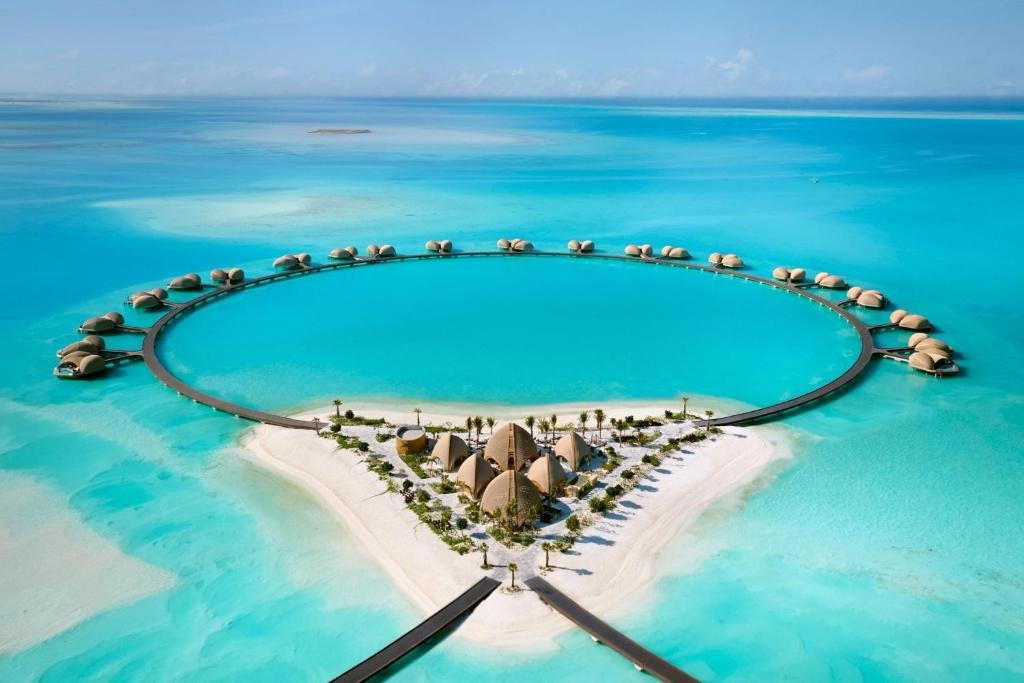
The Red Sea's New Benchmark for Remote Luxury
Saudi Arabia's Red Sea coastline has attracted a concentration of flagship hotel investment that few destinations anywhere have matched in a single decade. Across this emerging corridor, properties range from large international resort formats to something far more controlled in scale: low-key-count island retreats designed to give guests genuine separation from the mainland. Nujuma, a Ritz-Carlton Reserve sits decisively in the second category. It is a 5-star hotel on the Ummahat Islands in Saudi Arabia's Red Sea with 2 Michelin Keys. Positioned on the Ummahat Islands archipelago, the property brought the Ritz-Carlton Reserve tier to the Middle East for the first time, joining a small global cohort that includes properties in Bali, Costa Rica, and Bhutan.
The approach has drawn sustained recognition. In 2025, Tatler Asia named Nujuma both Hotel of the Year for the Middle East and included it in the Tatler Leading Hotels Middle East list under the boutique hotel category. La Liste's 2026 Leading Hotels ranking placed the property at 98 points, a score that places it inside the uppermost band of globally tracked luxury hotels. See our full guide to the Ḩanak hotel and dining scene for broader context on what's emerging in this part of the Red Sea.
An Archipelago Setting That Dictates the Pace
Island resort formats have a tendency to over-programme: the schedule fills, the activities multiply, and the remoteness that was supposed to be the point becomes mostly notional. The model at work on the Ummahat Islands takes a different position. The 63 villas are solar-powered and spread across sand and sea, and the property's access-by-design logic means the physical environment is genuinely determinative of the guest experience rather than a backdrop to it.
Reef access here is material, not incidental. The Red Sea's northern reaches hold some of the least-disturbed coral systems reachable from any major hotel property, and the diving programme reflects that. Guided naturalist walks and sailing round out what functions as an activity menu calibrated to the place rather than imported from a template. The Conservation House, where encounters with Saudi culture and environmental programmes are concentrated, signals that the property is positioning against the experience-resort tier rather than the standard beach hotel format. With 63 villas and a price tier at the luxury end, the property sits in a rarefied bracket. Amangiri in Utah and Aman Venice, where the rate reflects access and scale control as much as room specification.
Dining in a Remote Setting: What the Format Implies
On island properties operating at this capacity tier, the dining programme operates under specific constraints and opportunities that mainland urban hotels don't face. Supply chains are longer, ingredient sourcing requires more planning, and the kitchen effectively becomes the sole culinary option for guests during their stay. The strongest properties in this format treat that constraint as creative direction rather than a limitation. Comparable Red Sea properties such as The St. Regis Red Sea Resort and Miraval The Red Sea have positioned food and beverage as core to the guest proposition, and the Reserve tier carries an expectation that this will be handled with the same seriousness as the room product.
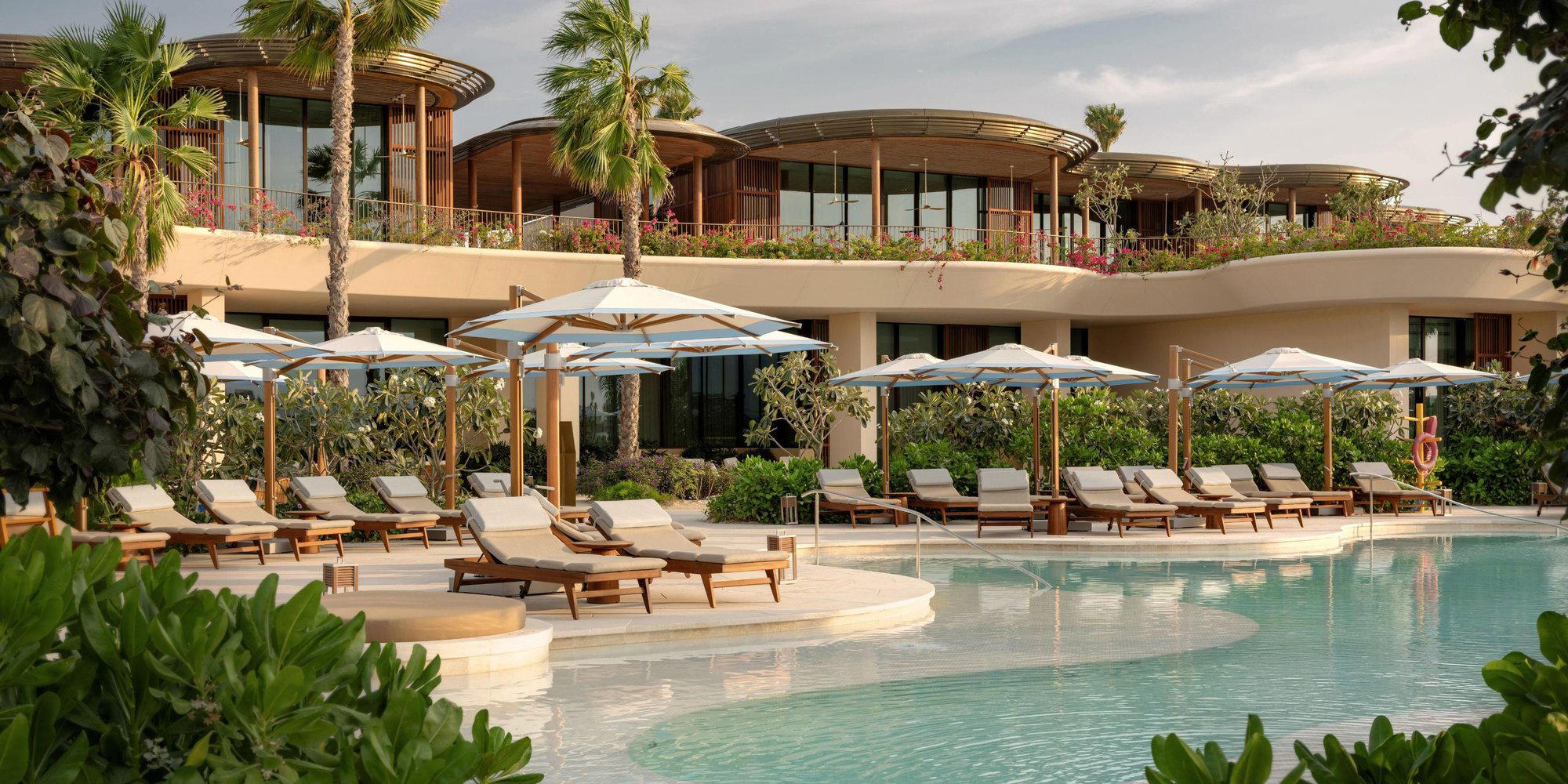
For Nujuma specifically, the interiors draw on local craft, and that material sensibility tends to carry through to food programmes at Reserve properties globally, where kitchen identity is typically more locally anchored than at large branded hotels. The design language of the villas, the cultural programming at the Conservation House, and the naturalist-guided excursions all point toward a property built around Saudi Red Sea identity rather than a generic luxury resort template. Saudi Arabia's approach to hospitality as a whole, across properties from Banyan Tree AlUla to Assila in Jeddah, has shifted toward culinary programming that reflects regional identity at a level that was largely absent even five years ago.
Placing Nujuma in the Red Sea comparable set
The Red Sea development zone has produced an unusually dense cluster of high-ambition hospitality projects in a short timeframe. Properties across the corridor sit in different tiers and serve different guest types. InterContinental The Red Sea Resort targets a broader international leisure market. Nammos Resort AMAALA and the AMAALA Four Seasons property sit at the upper end of the development pipeline. Nujuma's position is distinct: it is the only Reserve-tier property in the region, and it operates on an island setting that makes direct comparison with mainland properties structurally misleading. The relevant global comparison set includes properties like Aman New York and the The Fifth Avenue Hotel in terms of rate bracket and guest expectation calibration, even though the physical contexts are entirely different.
Further afield in Saudi Arabia, urban luxury options like Edge Riyadh Al Rabie, Grand Hyatt Al Khobar, and Conrad Makkah Jabal Omar address different travel reasons entirely. It requires commitment to remoteness, and the guest who fits it is one seeking environmental immersion rather than city convenience. Properties like Al Manakha Rotana Madinah, InterContinental Taif, Nofa Riyadh, Movenpick Hotel Qassim, Mövenpick Hotel Wa'ad Al Shamal, Ayara-managed hotels in Dammam, Braira Abha, Braira Al Rass, and Braira Al-Ahsa serve entirely different segments of Saudi Arabia's growing hotel market. The Red Sea Shura Island Four Seasons is the closest island-format comparable currently in the pipeline.
Planning Your Stay
Nujuma is reached via transfer to the Ummahat Islands from the Red Sea coast, meaning arrival logistics require coordination with the property directly. At the luxury end of the market and with 63 villas, availability at peak periods is finite. Travellers planning around the reef diving programme or specific naturalist-guided experiences should factor in advance booking of several months. The property operates on a personal host model.
A Pricing-First Comparison
Comparable venues nearby, for context on price, style, and recognition.
| Venue | Price | Awards | Notes |
|---|---|---|---|
| Nujuma, a Ritz-Carlton ReserveThis venue — the venue you are viewing | $$$$ | Michelin 2 Key | Not listed |
| The St. Regis Red Sea Resort | $$$$ | Michelin 1 Key | Ḩanak, Luxury private island villas blending desert and coral architecture |
| Miraval The Red Sea - A Virtuoso Preview Property | $$$$ | Not listed | Shura Island, Wellness sanctuary blending natural serenity with luxurious organic design |
| Six Senses Southern Dunes, The Red Sea | $$$$ | Michelin 2 Key | Southern Dunes, Sustainable luxury resort inspired by Nabataean heritage and desert architecture. |
| Desert Rock Resort | $$$$ | Michelin 2 Key | Desert Rock Mountain, Cliffside villas integrated into natural rocky landscapes |
| Shebara Resort | $$$$ | Michelin 2 Key | Umluj, Next-generation ultra-luxury eco-resort blending cutting-edge sustainable design with barefoot luxury; first ultra-luxury resort created entirely under Saudi ownership. |
Recognition history
Dated appearances from independent guides and award organizations, with the underlying list record or original source where available.
Condé Nast Johansens Best New Hotel
Condé Nast Johansens
Forbes 5-Star
Forbes
La Liste Top Hotels
La Liste
Michelin 2 Keys
Michelin
Tatler Listed in Best Hotels Middle East
Tatler
Tatler Best Middle East: Hotel of the Year
Tatler
Tatler Hotel of The Year
Tatler
Continue exploring
More in Ḩanak
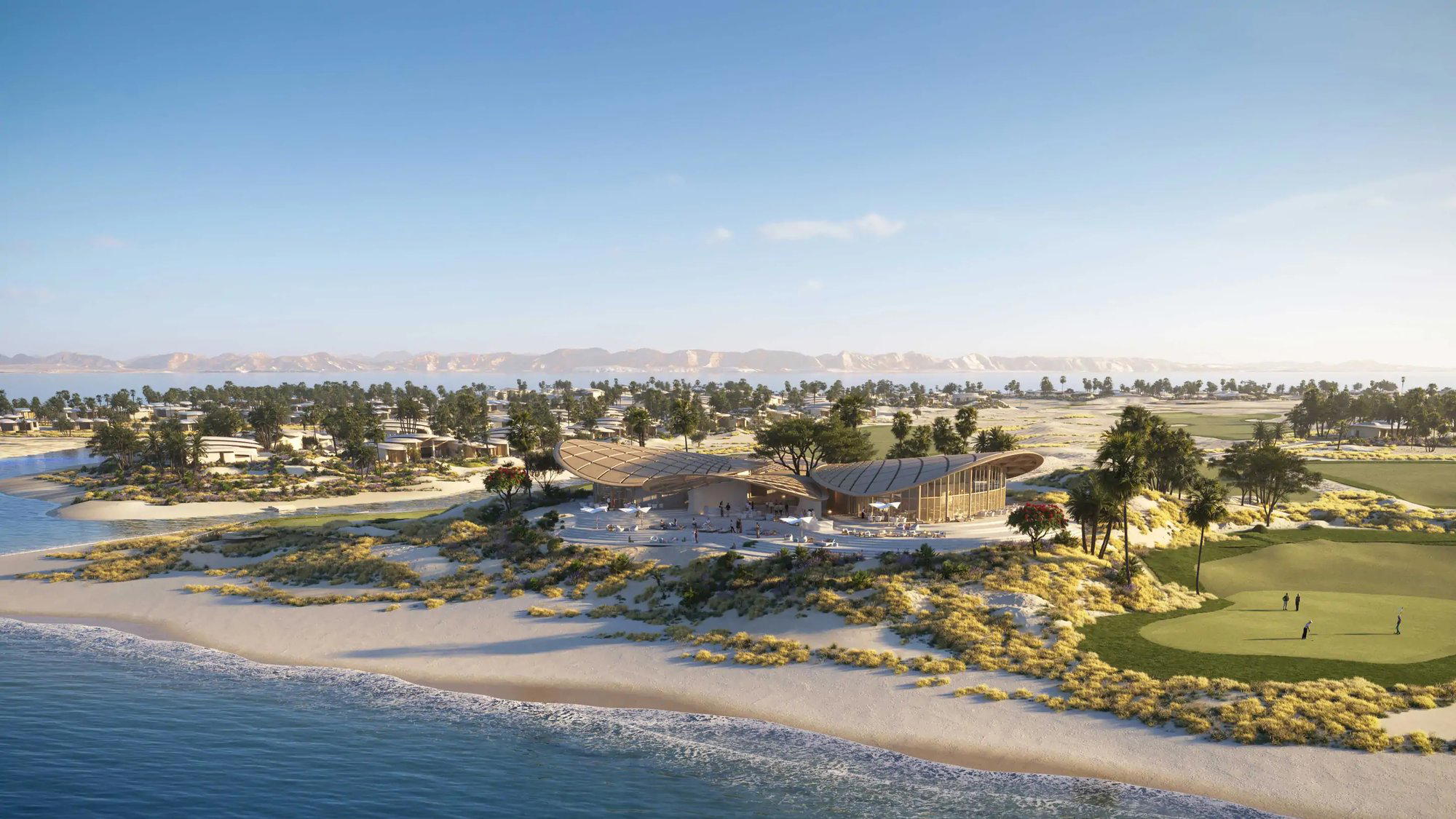
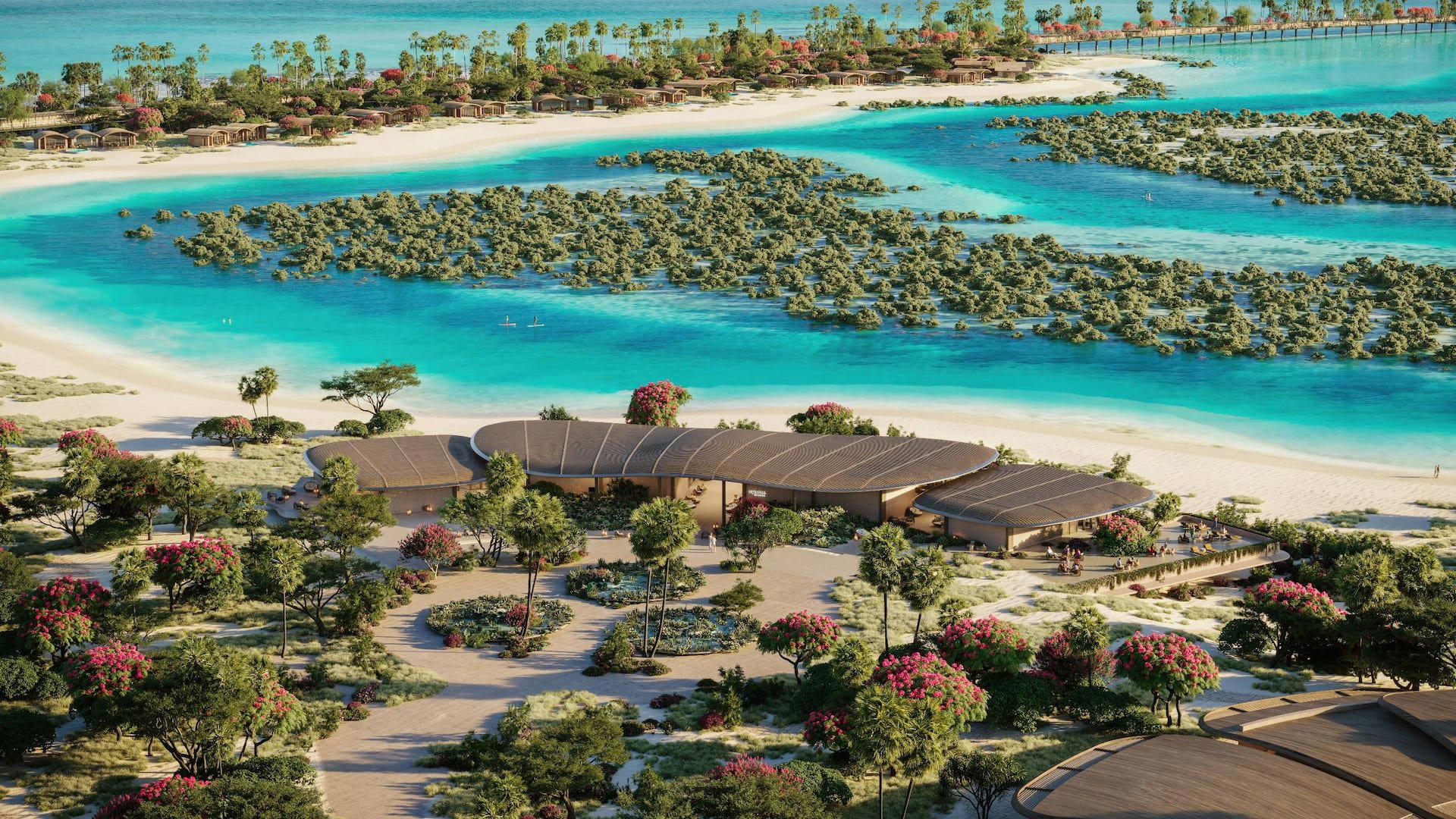
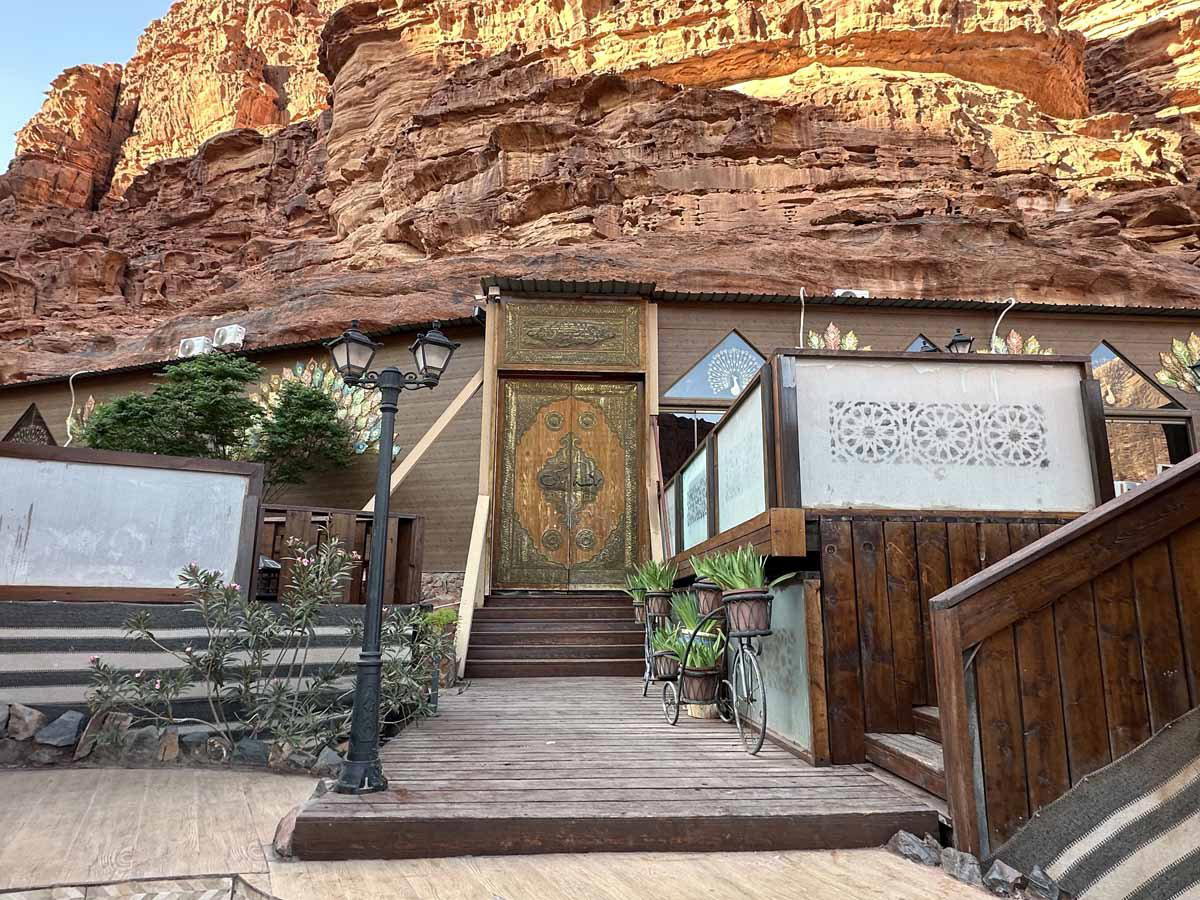
Hotels in Ḩanak
Browse all →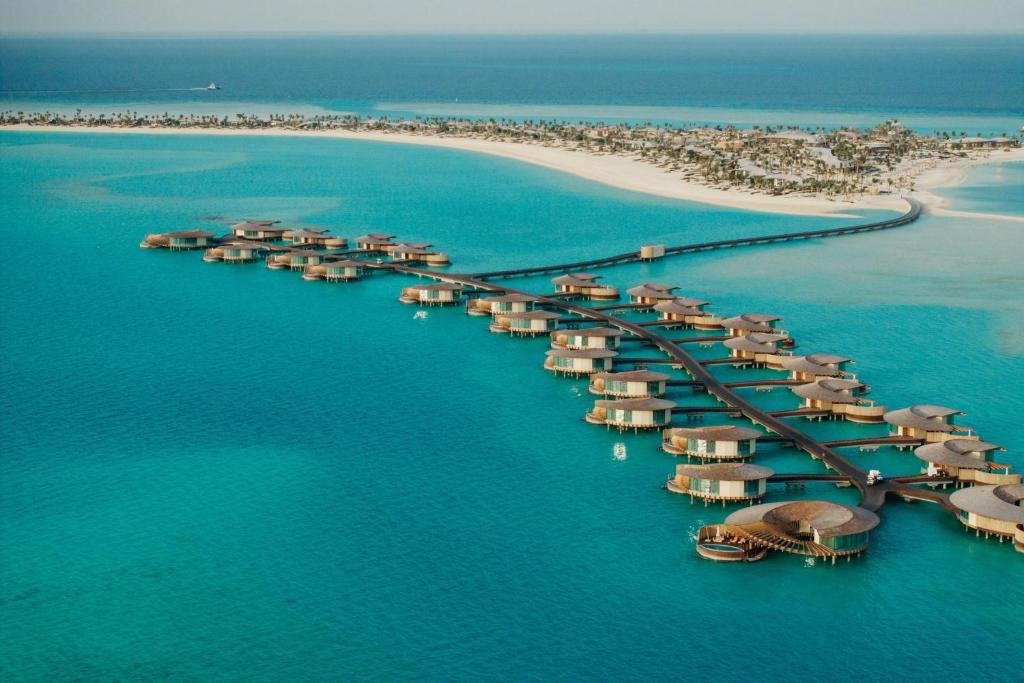
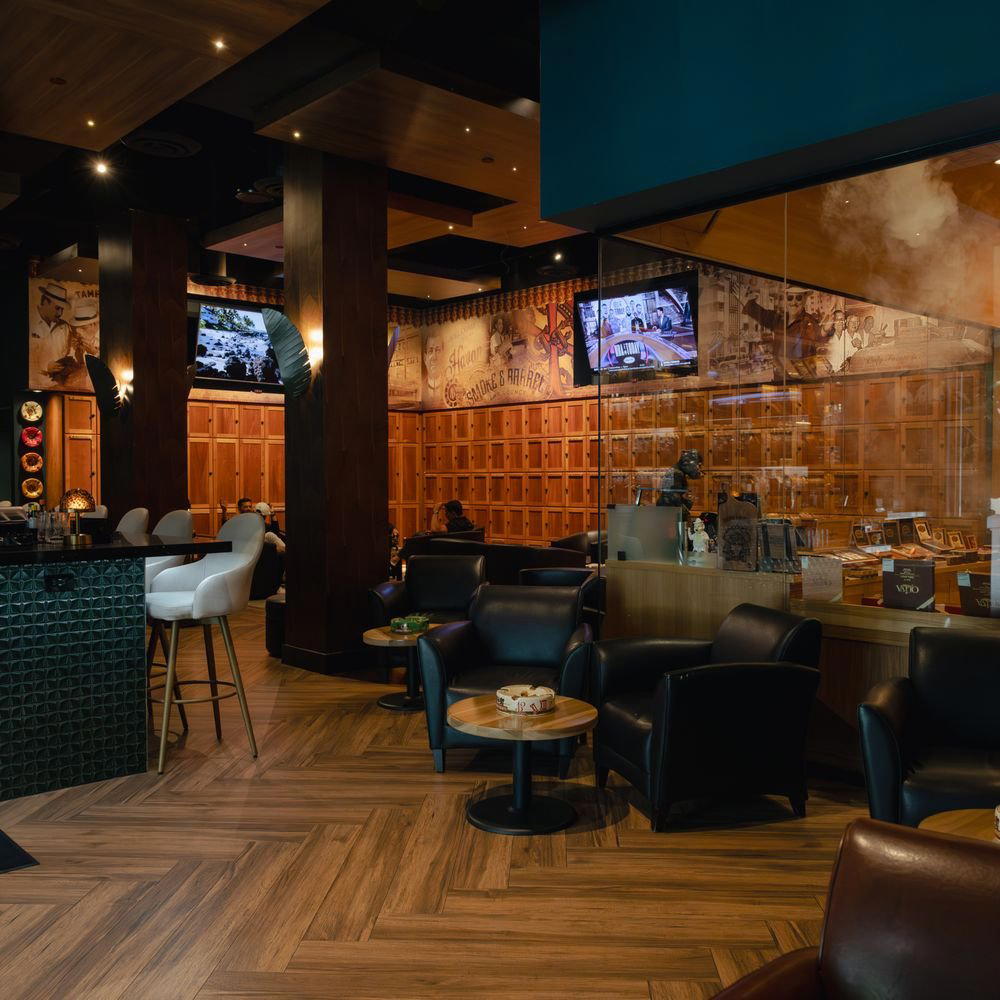
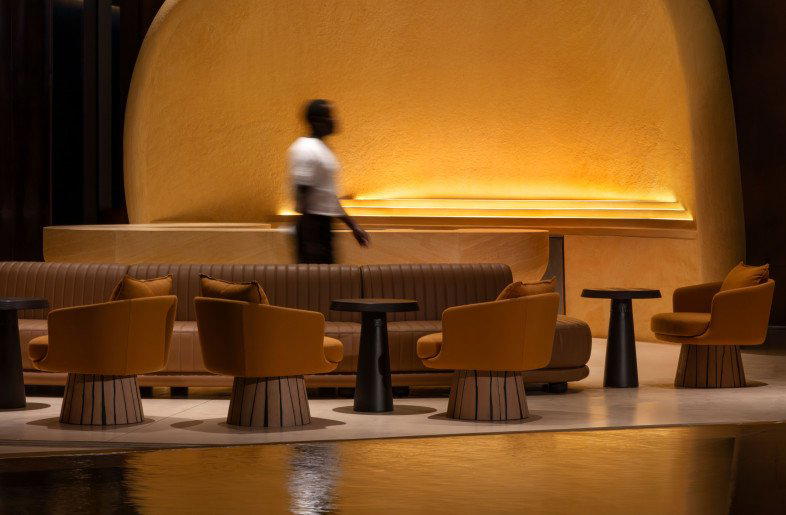
Bars in Ḩanak
Browse all →
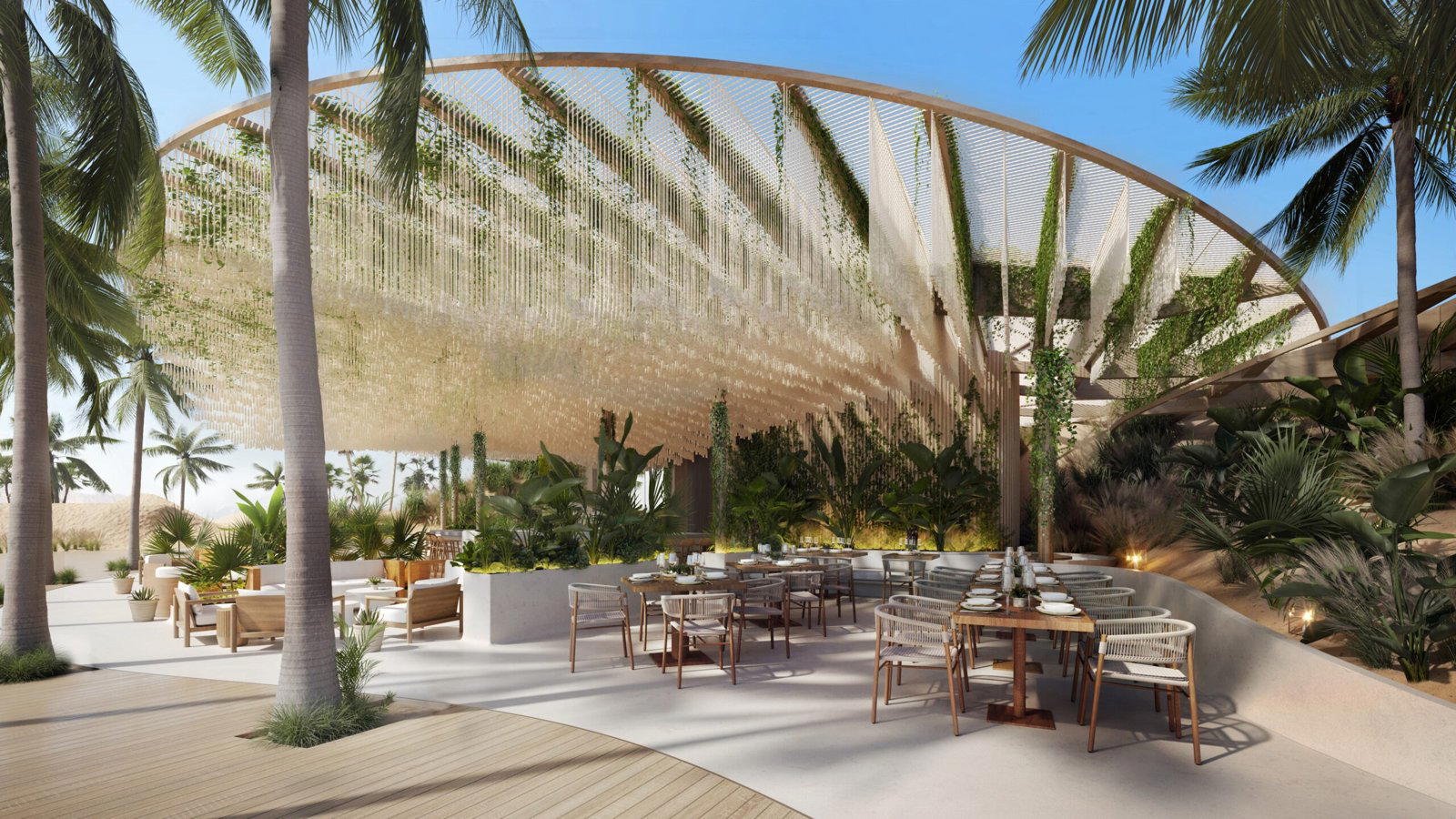
Restaurants in Ḩanak
Browse all →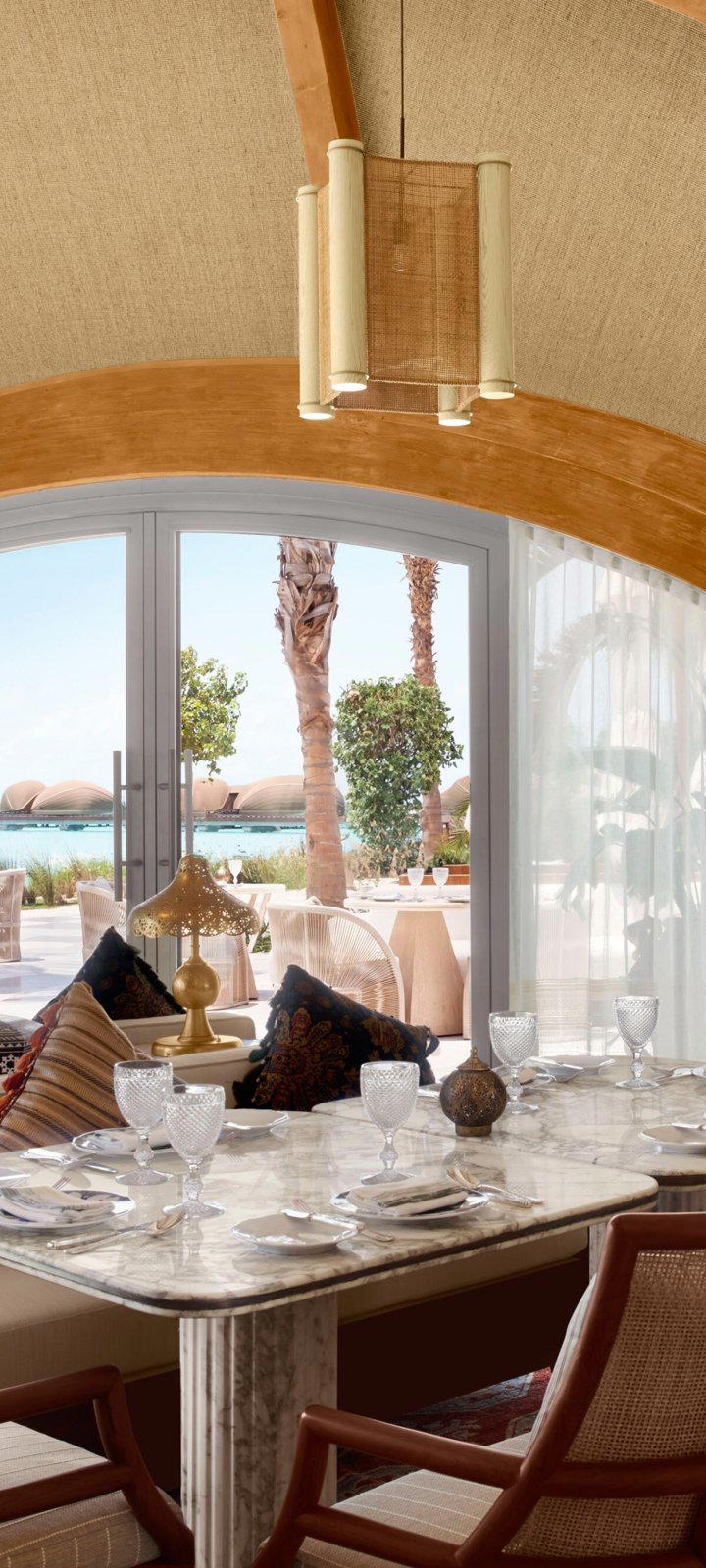
At a Glance
- Romantic
- Quiet
- Elegant
- Scenic
- Sophisticated
- Ornate
- Intimate
- Honeymoon
- Romantic Getaway
- Wellness Retreat
- Anniversary
- Weekend Escape
- Beachfront
- Private Villa
- Infinity Pool
- Butler Service
- Panoramic View
- Wi Fi
- Pool
- Spa
- Fitness Center
- Room Service
- Concierge
- Kids Club
- Beach Access
- Waterfront
- Wi Fi
- Pool
- Spa
- Fitness Center
- Room Service
- Concierge
- Kids Club
- Beach Access
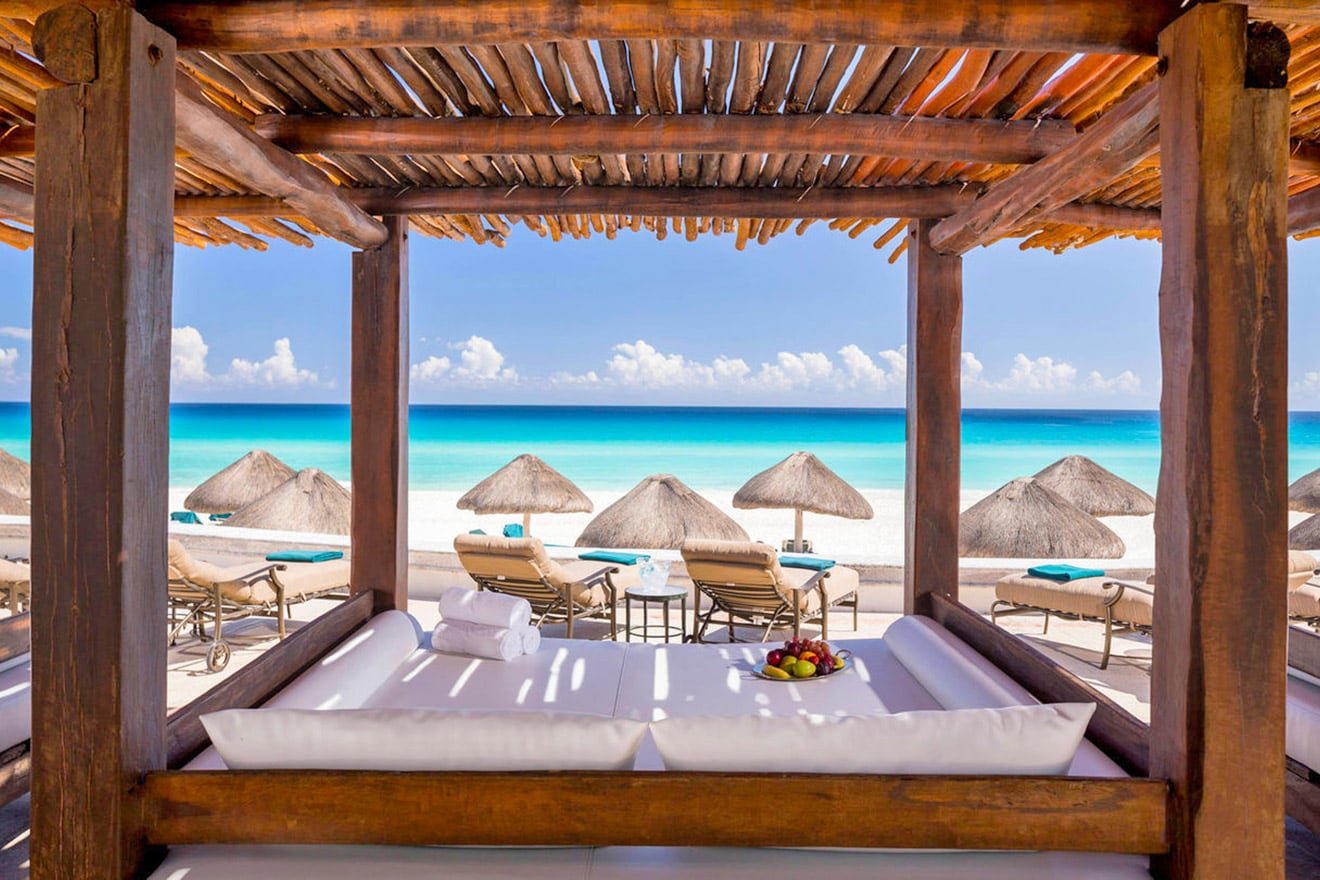
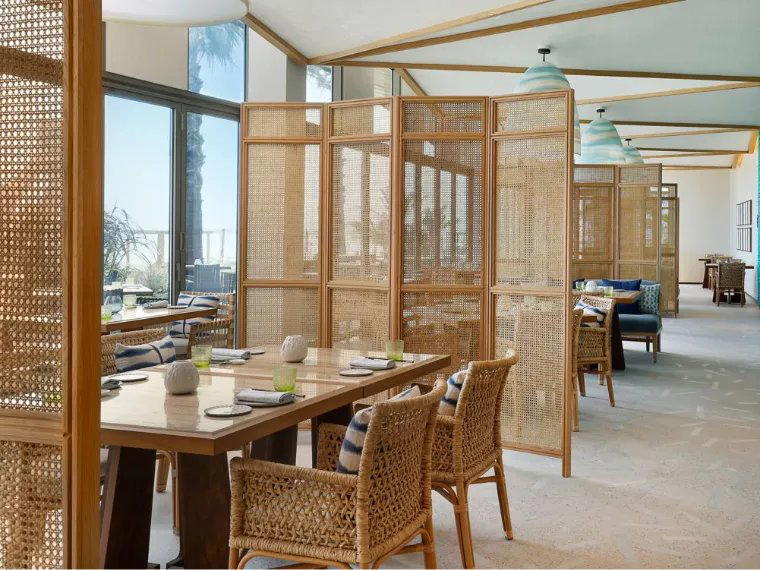
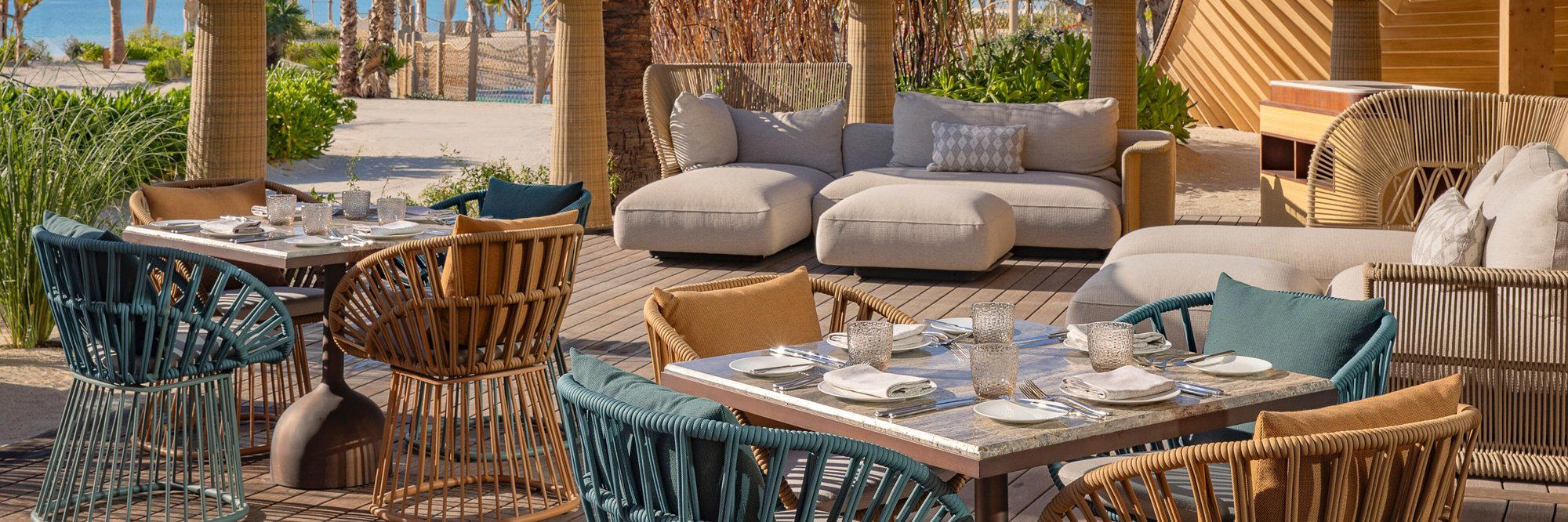
Calming atmosphere with natural light flooding through floor-to-ceiling windows, earthy tones, organic textures, and subtle Saudi heritage accents creating serenity and seclusion.