The St. Regis Red Sea Resort




1 Michelin Key · La Liste Top Hotels · Star Wine List
Reached by seaplane or speedboat from the Saudi mainland, The St. Regis Red Sea Resort occupies a private island in the Ummahat archipelago — a project that earned 99 points from La Liste Top Hotels 2026 and a Star Wine List award. Ninety overwater and beachfront villas, each with a private pool, sit within a fully renewable-powered property at the frontier of Saudi Arabia's Red Sea development.

Pearl is the En Primeur Club membership app — saves, bookings, and concierge access live there. Same editors, same standards.
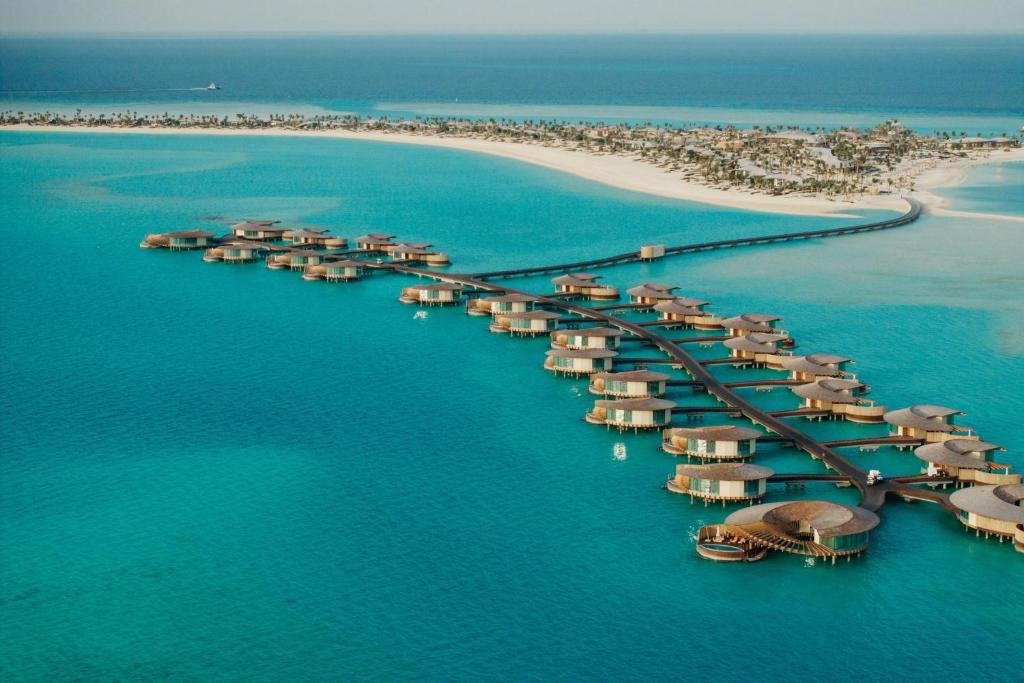
Arrival as Theatre: Approaching Ummahat Island
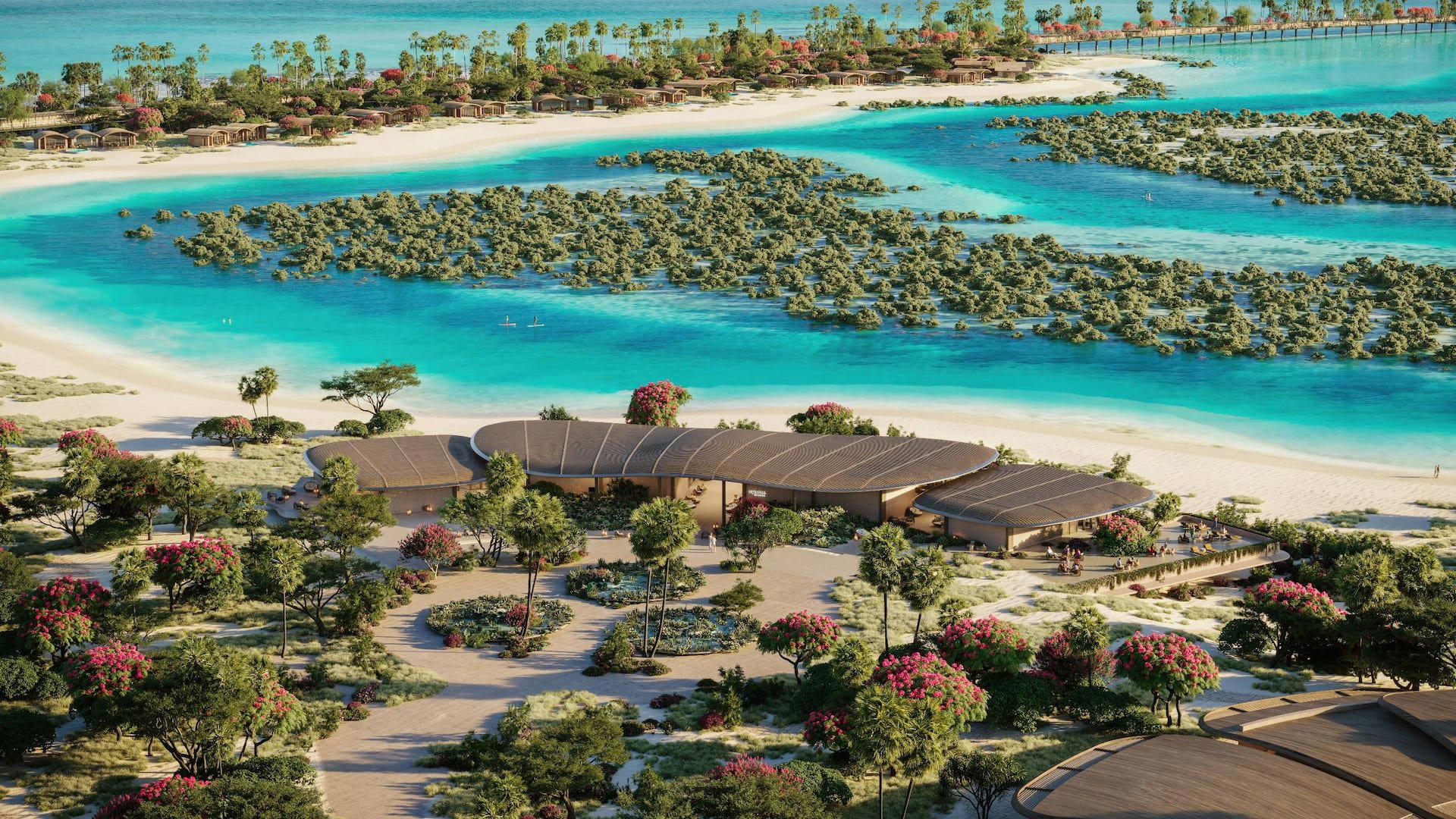
The entry sequence at most luxury hotels is a lobby. Here, it is a body of water. Guests reach The St. Regis Red Sea Resort either by chartered speedboat or seaplane from the Saudi coast — a 25-minute flight that deposits you above a spiral of sand, coral shallows, and overwater architecture so low-slung it seems to float rather than stand. Before you have checked in, the property has already made its argument: this is not a resort that added nature as a backdrop; it is a resort built around a specific, rare geography, and the Ummahat archipelago is among the least-visited island chains of any comparable scale on earth.
That arrival experience is not incidental — it is the first act of a service philosophy that runs through every subsequent moment of a stay. The Red Sea Project, the Saudi giga-project within which the resort sits, has positioned itself as a different kind of luxury development, one where environmental credibility and experiential ambition are meant to reinforce rather than trade against each other. The St. Regis property, entirely powered by renewables, is one of the clearest expressions of that ambition so far. For a full picture of what the broader Red Sea zone offers, our full Ḩanak restaurants and hotels guide maps the growing number of properties across the archipelago.
What Private Island Luxury Means in This Context
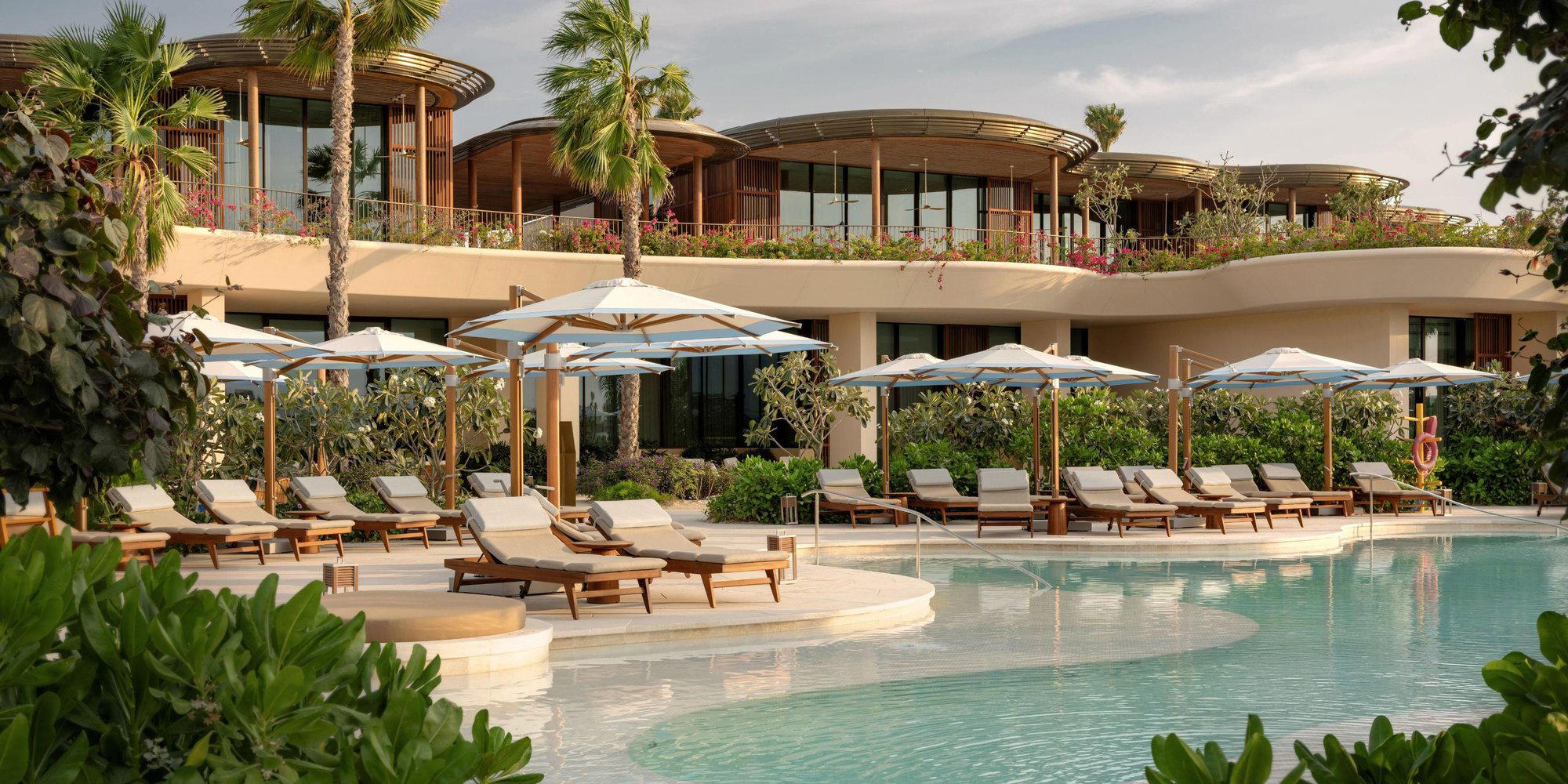
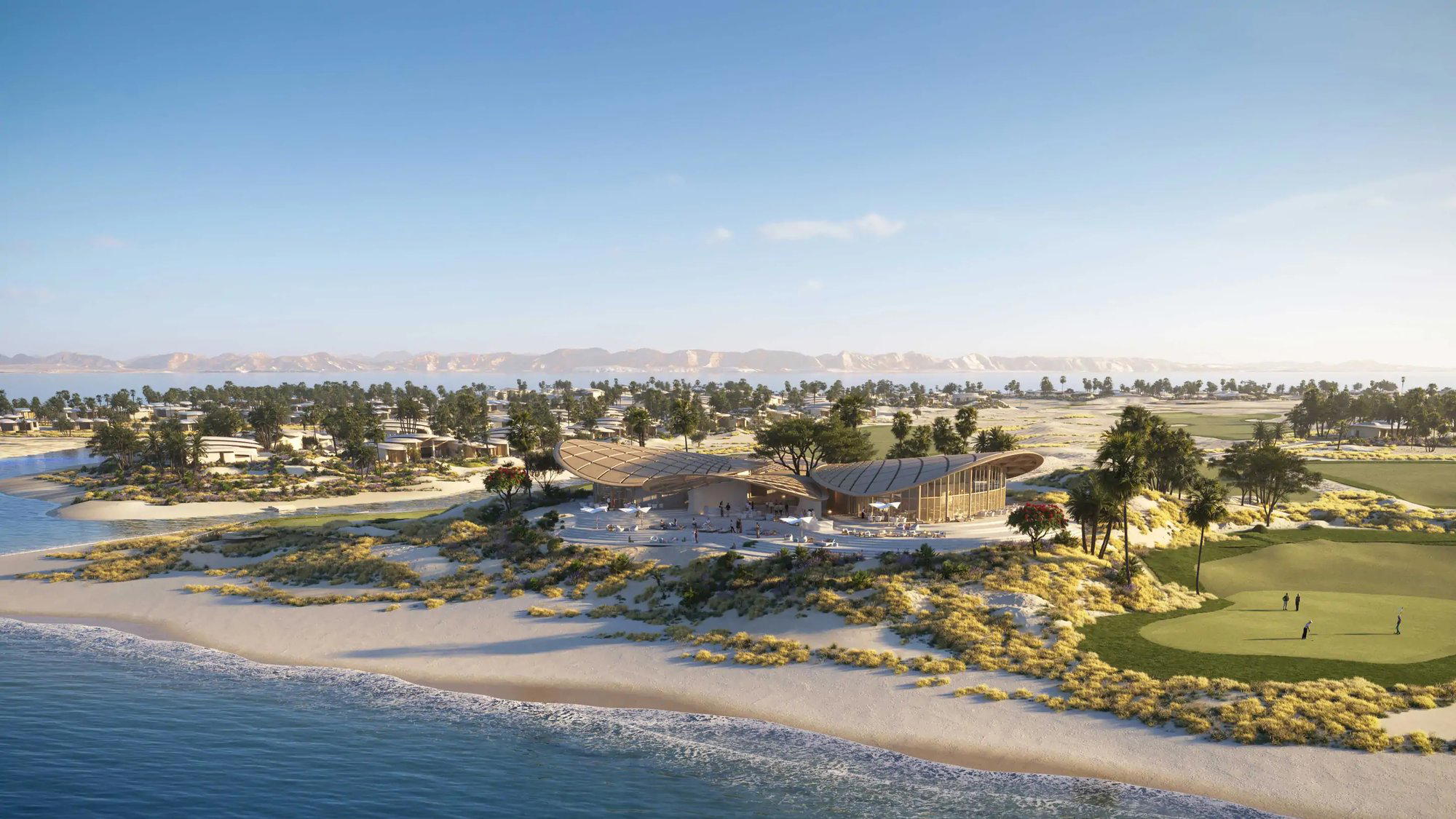
The barefoot-luxury private island format has a well-established reference set, the Maldives, Bora Bora, a handful of Caribbean atolls, and guests arriving at The St. Regis Red Sea Resort will draw those comparisons naturally. The 90 villas, split between overwater and beachfront configurations, each carry a private pool and a footprint generous enough to read as a standalone residence rather than a hotel room. The architectural language, curved forms, natural textures, finishes that defer to the surrounding sand and coral palette, is consistent with a category of design-led resort that treats the structure as recessive, letting the setting carry the visual weight.
This is not a decades-old island destination with an entrenched booking culture. It is among the first properties of its kind to open in an entirely new luxury corridor, which means both the scarcity premium and the novelty factor are operating simultaneously. Rates from $1,800 per night place it squarely in the upper tier of the global private island category, in the same bracket as Amangiri or Aman Venice in terms of price positioning, while the destination itself carries none of the familiarity of those long-established addresses.
Within the Red Sea Project specifically, The St. Regis sits alongside a growing cohort of internationally recognised brands. Nujuma, a Ritz-Carlton Reserve and Miraval The Red Sea represent adjacent luxury expressions within the same archipelago, the first a Reserve-tier wellness-inflected property, the second a Virtuoso-recognised wellness brand making its Middle East debut. Each occupies a distinct niche; the St. Regis positions itself through its butler service heritage and its overwater villa format rather than through any single programmatic emphasis.
The St. Regis Butler Service in an Island Context
The St. Regis butler model is one of the few service formats in luxury hospitality with a genuinely documented heritage, the brand has deployed it across its global portfolio as a consistent differentiator since the original New York property. On an island where guests cannot simply step outside into a city, the butler role changes character. It becomes less a concierge function and more a logistical nerve centre: coordinating speedboat transfers, managing water-activity schedules, anticipating requests before they are articulated, and translating the property's range of experiences, spa, fitness, fine dining, children's programming, into a coherent itinerary for each guest rather than a menu of options to navigate independently.
This kind of anticipatory service is what separates properties that score at the top of luxury ranking systems from those that merely offer equivalent hardware. The St. Regis Red Sea Resort's 99-point score from La Liste Leading Hotels 2026 and its Star Wine List recognition (2026) both suggest that the soft elements, service quality, dining program, overall guest experience, are meeting the standard that the physical product implies. La Liste's methodology draws on a wide base of global restaurant and hotel guides, making a 99-point result a credible signal rather than a self-reported one.
Dining and the Wine Program
The Star Wine List award positions the resort's beverage program within a recognised international framework for wine curation, a notable distinction for a property in Saudi Arabia, where alcohol regulations differ from most other luxury island destinations. The award signals that the property's approach to its wine list has been assessed against a global standard of selection and presentation, and recognised accordingly. Fine dining across multiple outlets is part of the resort's offering, consistent with the St. Regis brand's positioning at properties like The Fifth Avenue Hotel or Aman New York in terms of treating food and beverage as integral to the luxury proposition rather than supplementary to it.
Saudi Arabia's Luxury Hotel Tier: Where This Property Sits
Saudi Arabia's luxury hotel sector has expanded rapidly, with properties in Riyadh, Jeddah, AlUla, and now the Red Sea coast each serving different traveller profiles. Urban luxury, represented by properties like Edge Riyadh Al Rabie in the capital, operates in a business and cultural tourism context. Heritage destinations like Banyan Tree AlUla draw on landscape and archaeological significance. The Red Sea coast properties, by contrast, are building an entirely new category: marine luxury, in a sea that most of the world's high-end travellers have never encountered.
The Red Sea's coral system is among the healthiest in the world, largely because the region's relative inaccessibility has limited the tourist pressure that has degraded comparable ecosystems elsewhere. The St. Regis resort's commitment to renewable energy and its position within the broader Red Sea Project's sustainability framework are directly tied to that asset, the property's value depends on the ecosystem remaining intact. For comparison with other Red Sea and coastal Saudi properties, InterContinental The Red Sea Resort and Nammos Resort AMAALA each represent different points on the coast's emerging spectrum, while Red Sea Shura Island (Four Seasons) and AMAALA (Four Seasons) signal the depth of international brand investment in the corridor. Guests approaching Saudi Arabia's broader hotel landscape from major hubs might also consider Assila, A Luxury Collection Hotel, Jeddah as a gateway stay before or after an island visit.
Planning a Stay: Logistics and Timing
Access to Ummahat Island is by speedboat or seaplane from the Saudi coast, both are arranged through the resort. A seaplane transfer takes approximately 25 minutes and is, by most accounts, the more dramatic approach. The property holds 90 villas across overwater and beachfront categories, which is a relatively small capacity for an internationally marketed resort, and demand from both regional and international travellers has been building since opening. The Red Sea's climate means cooler months, October through April, are generally preferred for outdoor activities including water sports and marine exploration, with summer months bringing heat that shifts the balance toward in-villa and spa programming. Guests planning travel from Saudi Arabia's other major cities can use the wider EP Club Saudi guide network, including profiles for Al Manakha Rotana Madinah and Grand Hyatt Al Khobar, to plan broader itineraries across the Kingdom.
Category Peers
Comparable venues nearby, for context on price, style, and recognition.
| Venue | Cuisine | Price | Awards | Notes |
|---|---|---|---|---|
| The St. Regis Red Sea ResortThis venue (the venue you are viewing) | Luxury private island villas blending desert and coral architecture | $1,000–1,500 | 1 Michelin Key · La Liste Top Hotels | Not listed |
| Nujuma, a Ritz-Carlton Reserve | Solar-powered private villas inspired by seashells and coral, blending futuristic and natural design on a private island. | Not listed | 2 Michelin Keys · La Liste Top Hotels | Ḩanak |
| Miraval The Red Sea - A Virtuoso Preview Property | Wellness sanctuary blending natural serenity with luxurious organic design | Not listed | Virtuoso Luxury Hotel Partner | Shura Island |
| Waldorf Astoria Jeddah - Qasr Al Sharq | Luxurious Arabian palace with modern amenities | Not listed | 1 Michelin Key · La Liste Top Hotels | Jeddah Waterfront |
| Six Senses Southern Dunes, The Red Sea | Sustainable luxury resort inspired by Nabataean heritage and desert architecture. | $1,000–1,500 | 2 Michelin Keys · La Liste Top Hotels | Southern Dunes |
| Banyan Tree AlUla | Luxury villa resort blending Saudi Arabian and Asian wellness traditions | $1,500–2,500 | 1 Michelin Key · La Liste Top Hotels | Ashar Valley |
Recognition history
Dated appearances from independent guides and award organizations, with the underlying list record or original source where available.
Michelin 1 Key
Michelin
La Liste Top Hotels
La Liste
Star Wine List
Star Wine List
Virtuoso Luxury Hotel Partner
Virtuoso
Full recognition history (5 entries)
Michelin 1 Key
Michelin
Continue exploring
More in Ḩanak
Hotels in Ḩanak
All hotels in Ḩanak →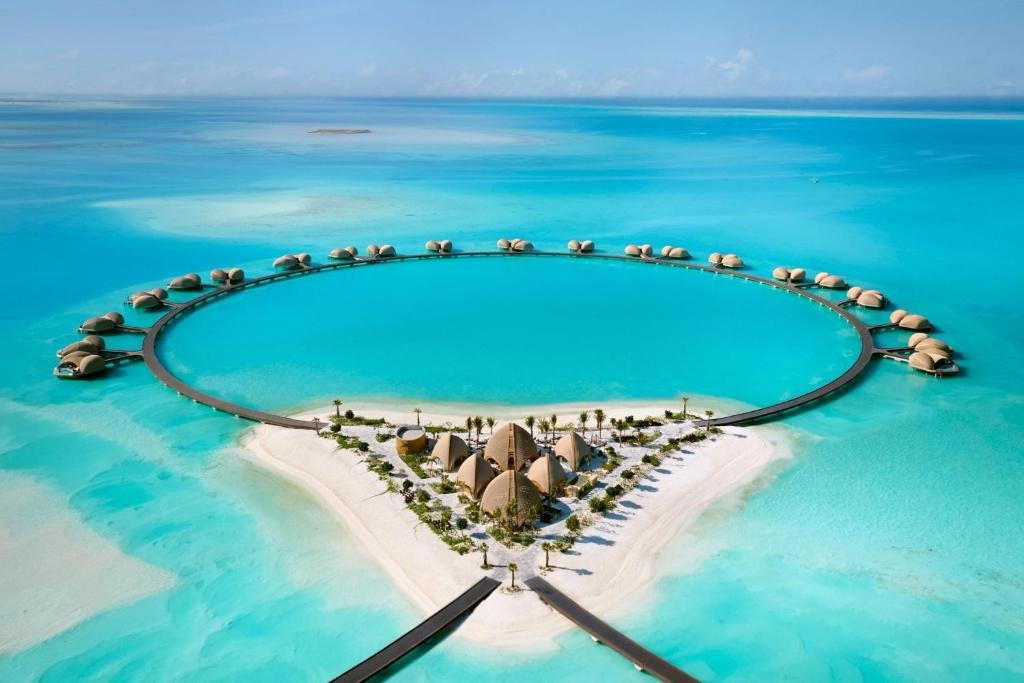
Bars in Ḩanak
Browse all →
Restaurants in Ḩanak
Browse all →
Details
- Elegant
- Sophisticated
- Scenic
- Ornate
- Honeymoon
- Romantic Getaway
- Wellness Retreat
- Family Vacation
- Beachfront
- Infinity Pool
- Private Villa
- Butler Service
- Rooftop Pool
- Destination Spa
- Wi Fi
- Pool
- Spa
- Fitness Center
- Room Service
- Concierge
- Kids Club
- Beach Access
- Tennis Court
- Waterfront
- Wheelchair Accessible
Serene and luxurious with natural light flooding through expansive glass walls, tranquil spa facilities, and dramatic sea views.