Waldorf Astoria Jeddah - Qasr Al Sharq



1 Michelin Key · La Liste Top Hotels · Forbes Recommended
Positioned on Jeddah's Corniche with just 38 rooms, Waldorf Astoria Jeddah - Qasr Al Sharq operates at the narrow end of the city's luxury market: a small-inventory palace-format property designed by KCA International, the studio behind Dubai's Burj Al Arab. A 90.5-point La Liste Top Hotels ranking (2026) and Forbes Recommended status (2025) place it in a distinct peer tier from larger five-star competitors along the same waterfront.

Pearl is the En Primeur Club membership app — saves, bookings, and concierge access live there. Same editors, same standards.
- Address
- Al Kurnaysh Br Rd, Ash Shati, Jeddah 21462
- Phone
- +966 9200 09565
- Website
- hilton.com
- Directions
- Get directions
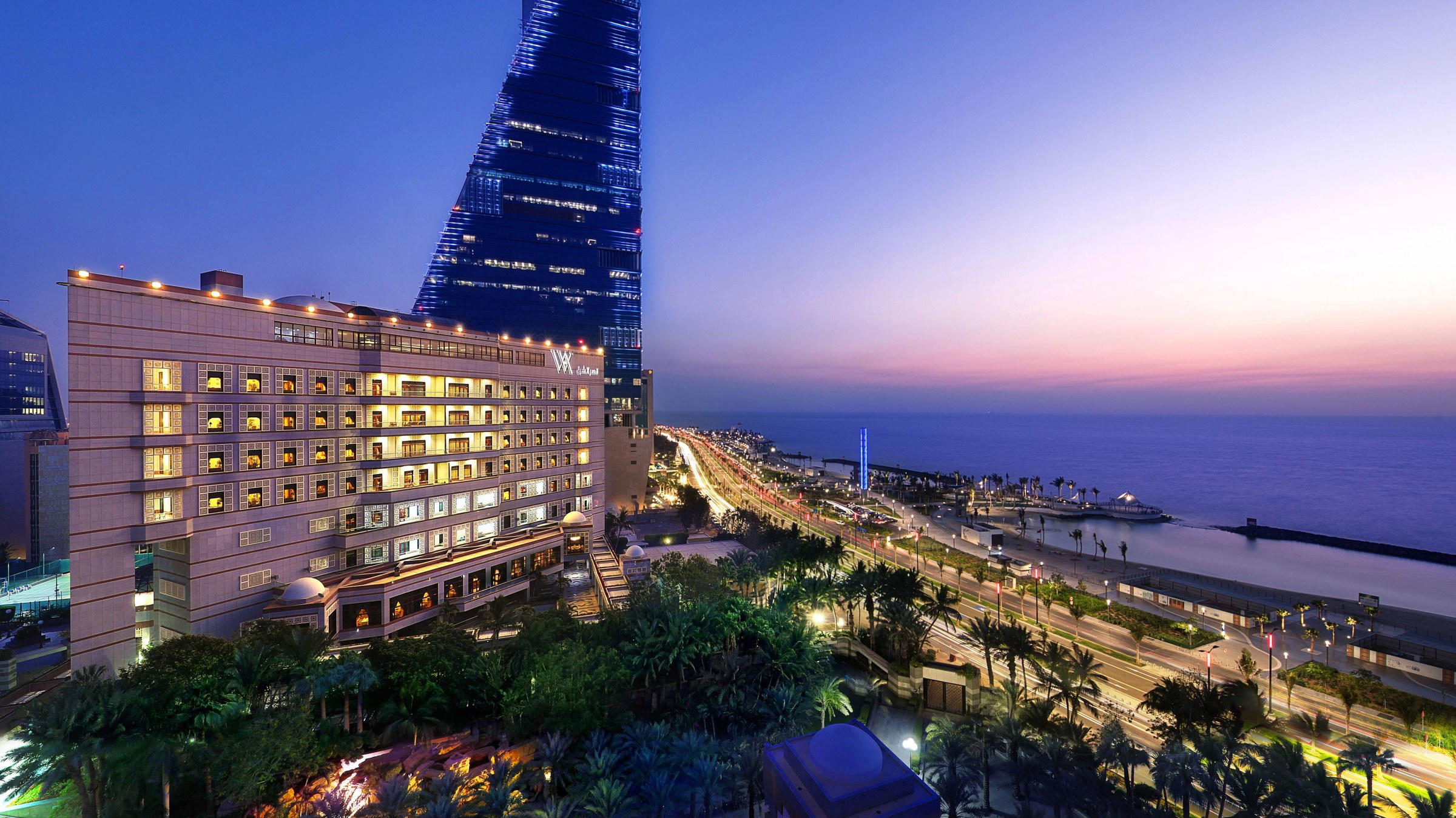
Palace Format on the Corniche: Where Jeddah's Luxury Tier Gets Serious
Along the Al Kurnaysh Corniche, Jeddah's waterfront boulevard where the Red Sea provides relief from the Peninsula's interior heat, a particular type of luxury property has taken hold: one that prioritises extreme room counts downward rather than upward. The Waldorf Astoria Jeddah - Qasr Al Sharq — the name translates to Palace of the East — operates on that logic. Thirty-eight rooms placed in a structure conceived by KCA International, the design practice responsible for Dubai's Burj Al Arab, signals immediately that this is not a conventional urban business hotel operating under a luxury flag. It is a deliberate compression of scale matched to a deliberate amplification of space per guest.
That architectural lineage matters as context. KCA International built its reputation on structures that make formal statements rather than blend into skylines, and the Qasr Al Sharq carries that sensibility into Jeddah's Ash Shati district. The address sits in a city that is, by Saudi standards, relatively outward-facing: a Red Sea port with a cosmopolitan trading history, a UNESCO-listed old city district in Al-Balad, and a coastline that draws both domestic holiday traffic and Gulf-region business travellers. Properties like the Park Hyatt Jeddah – Marina, Club and Spa and the Rosewood Jeddah compete in the same upper tier, but with different inventory strategies and brand identities.
What the Address Actually Delivers
The Corniche location does specific work here. Jeddah's waterfront is the city's primary leisure corridor, a stretch where the temperature differential between coast and inland Saudi Arabia makes a meaningful practical difference for visitors arriving from Riyadh or further east. The Qasr Al Sharq sits within that corridor, which means the Red Sea is not merely a backdrop in a marketing photograph but a functional part of the stay, accessible, oriented toward, and relevant to what guests do between arriving and departing.
Within the Ash Shati district, the property also sits at a manageable distance from the Al-Balad historic quarter, Jeddah's most substantive cultural draw and a UNESCO World Heritage Site since 2014. The layered coral-stone architecture of Al-Balad and the formal palace-format hospitality of the Qasr Al Sharq occupy different registers, but together they describe the range of Jeddah: a city comfortable holding Ottoman-era merchant architecture and contemporary luxury in the same frame.
For guests arriving from other Saudi cities, Jeddah functions as a pressure release: a coastal city with more latitude in leisure infrastructure than Riyadh or the inland centres. The Qasr Al Sharq's women-only spa, a facility type that remains uncommon in this regional context, reflects how the property calibrates its offer to local conditions while maintaining the full-service expectations of the Waldorf Astoria brand under Hilton Worldwide's international portfolio.
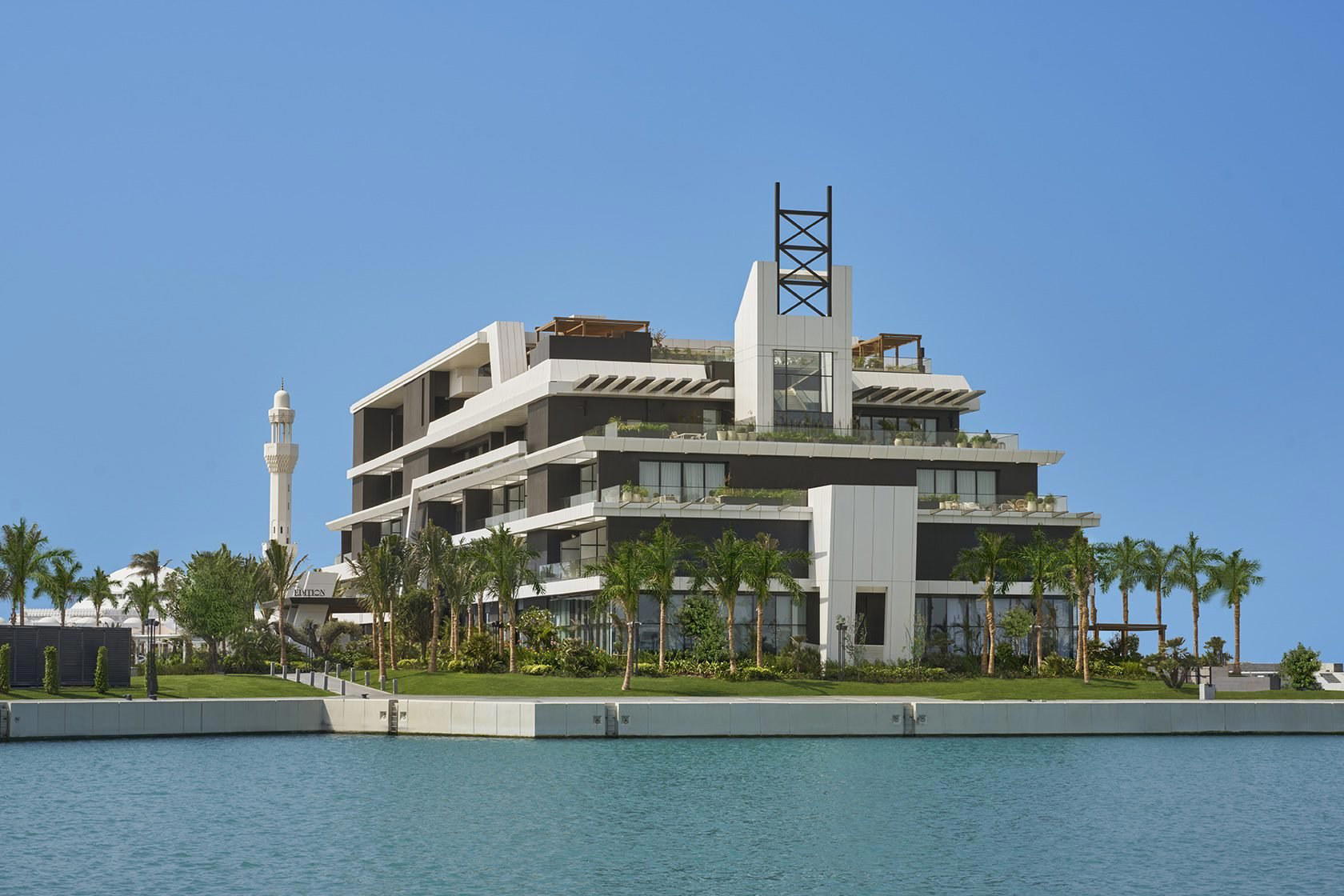
Saudi Arabia's luxury hotel sector has expanded rapidly in the past decade, driven by Vision 2030 tourism investment and a wave of internationally branded openings. Properties ranging from the The Ritz-Carlton, Jeddah to the Hotel, Jeddah and the The Jeddah EDITION now compete across the upper market. But the Qasr Al Sharq's 38-room inventory places it in a separate conversation from high-volume luxury competitors. At that room count, the property operates closer to a private residence model than a conventional hotel, with service ratios and space allocations that larger properties cannot replicate structurally.
The comparison that the property itself invites, to its Manhattan namesake, is instructive precisely because it breaks down quickly. The original Waldorf-Astoria on Park Avenue runs to hundreds of rooms across dozens of floors. The Qasr Al Sharq runs to 38.
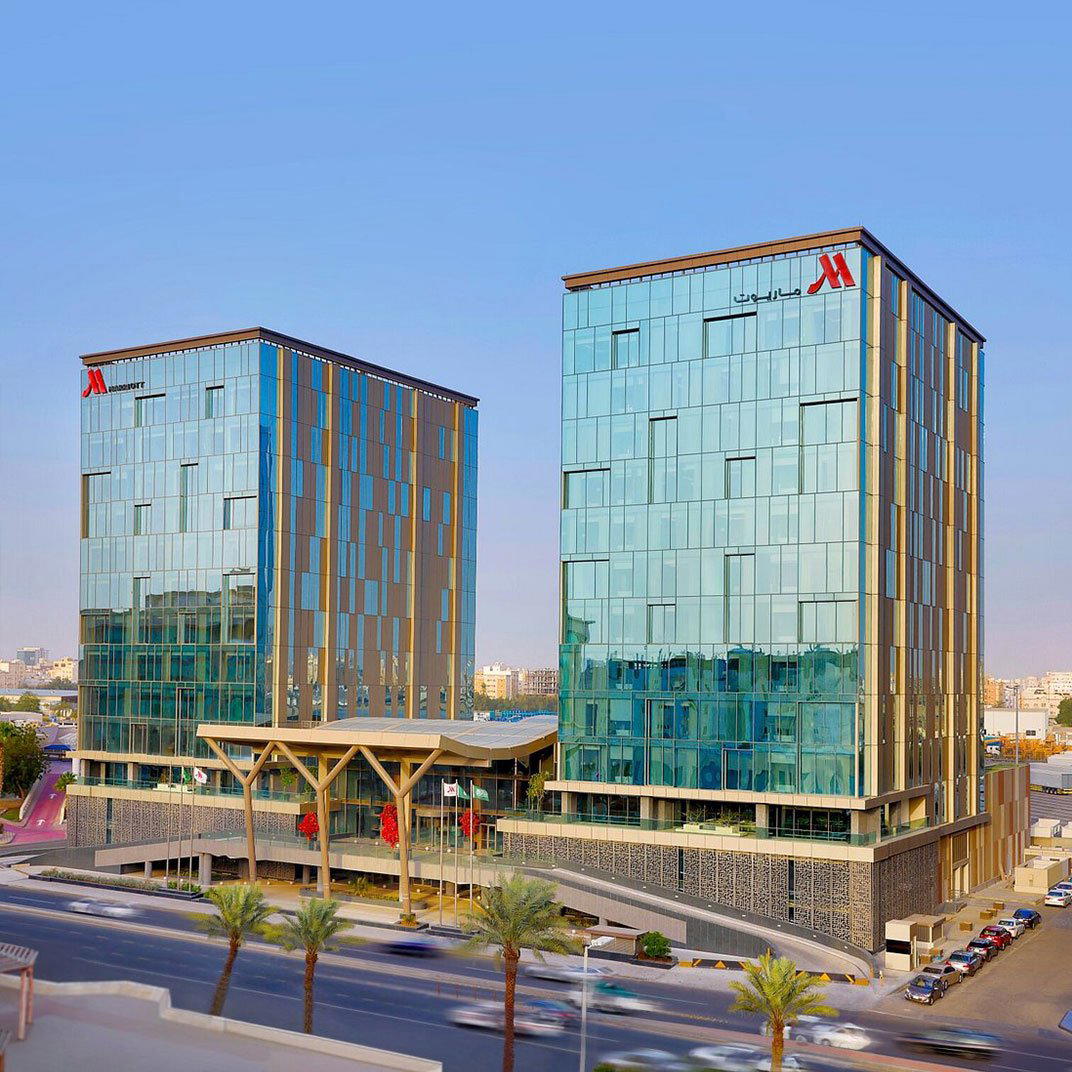
Within the Kingdom, the same luxury tier is developing at pace. The Red Sea Shura Island (Four Seasons property) and the Banyan Tree AlUla represent different geographic expressions of Saudi Arabia's premium hospitality ambitions. In Jeddah specifically, the Jeddah Marriott Hotel Madinah Road operates at a different price point and scale, while the Assila, A Luxury Collection Hotel, Jeddah targets an overlapping audience with a different brand register.
Recognition and What It Signals
The Qasr Al Sharq holds a 90.5-point ranking in La Liste's Leading Hotels 2026 assessment and Forbes Travel Guide Recommended status for 2025. La Liste's methodology aggregates critical sources across multiple publications and regions, so a score in that range places the property in a competitive bracket globally, not just within the Gulf. Forbes Recommended sits below the Forbes Star Award tier but indicates that the property met an external audit threshold across service, facility, and condition criteria, a meaningful signal for a small-inventory property where consistency across every room is structurally more achievable but also more scrutinised.
For context, comparable luxury properties in the region often show sharper variance between their formal award standing and their aggregated guest scores; the Qasr Al Sharq's alignment between the two is worth noting.
Planning a Stay
The property sits at Al Kurnaysh Br Rd in Ash Shati, Jeddah 21462, a Corniche address that positions it well for both leisure-focused stays and business travellers who need waterfront proximity rather than proximity to Jeddah's commercial districts. The 38-room inventory means availability moves quickly during peak periods, particularly around Gulf public holidays, the Hajj season when Jeddah functions as the primary gateway city for -bound pilgrims, and the Ramadan travel window when domestic Saudi leisure travel concentrates. Those planning visits should treat advance booking as necessary rather than precautionary.
For guests comparing waterfront options in the city, our full Jeddah restaurants and hotels guide maps the broader scene across neighbourhoods. Those extending travel into the Kingdom should consider the Edge Riyadh Al Rabie in Riyadh, the InterContinental The Red Sea Resort in Umluj, or for a highland contrast, the InterContinental Taif. Pilgrimage travellers passing through Jeddah en route to the holy cities may also find the Al Manakha Rotana Madinah and Conrad Makkah Jabal Omar relevant for onward legs.
Just the Basics
| Venue | Price | Awards |
|---|---|---|
| Waldorf Astoria Jeddah - Qasr Al SharqThis venue — the venue you are viewing | Not listed | 1 Michelin Key · La Liste Top Hotels |
| Assila, A Luxury Collection Hotel, Jeddah | Not listed | 1 Michelin Key · La Liste Top Hotels |
| Rosewood Jeddah | $300–500 | Michelin Guide New Hotels New Hotel · Michelin Selected |
| Shangri-La Hotel, Jeddah | $300–500 | Michelin Selected · La Liste Top Hotels |
| The Ritz-Carlton, Jeddah | Not listed | Michelin Selected · La Liste Top Hotels |
| Jeddah Marriott Hotel Madinah Road | Not listed | Michelin Selected · World Luxury Hotel Awards WLHA Continent Winner |
Recognition history
Dated appearances from independent guides and award organizations, with the underlying list record or original source where available.
Michelin 1 Key
Michelin
La Liste Top Hotels
La Liste
Forbes Recommended
Forbes
Full recognition history (5 entries)
Forbes Recommended
Forbes
Michelin 1 Key
Michelin
Continue exploring
More in Jeddah
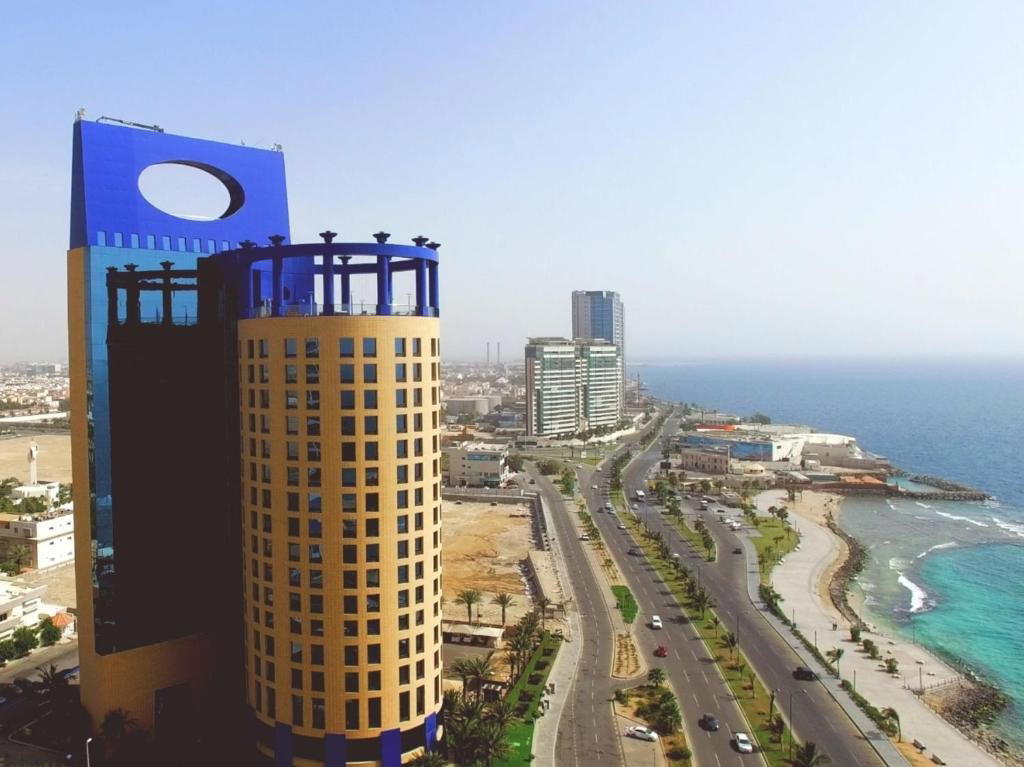
Hotels in Jeddah
Browse all →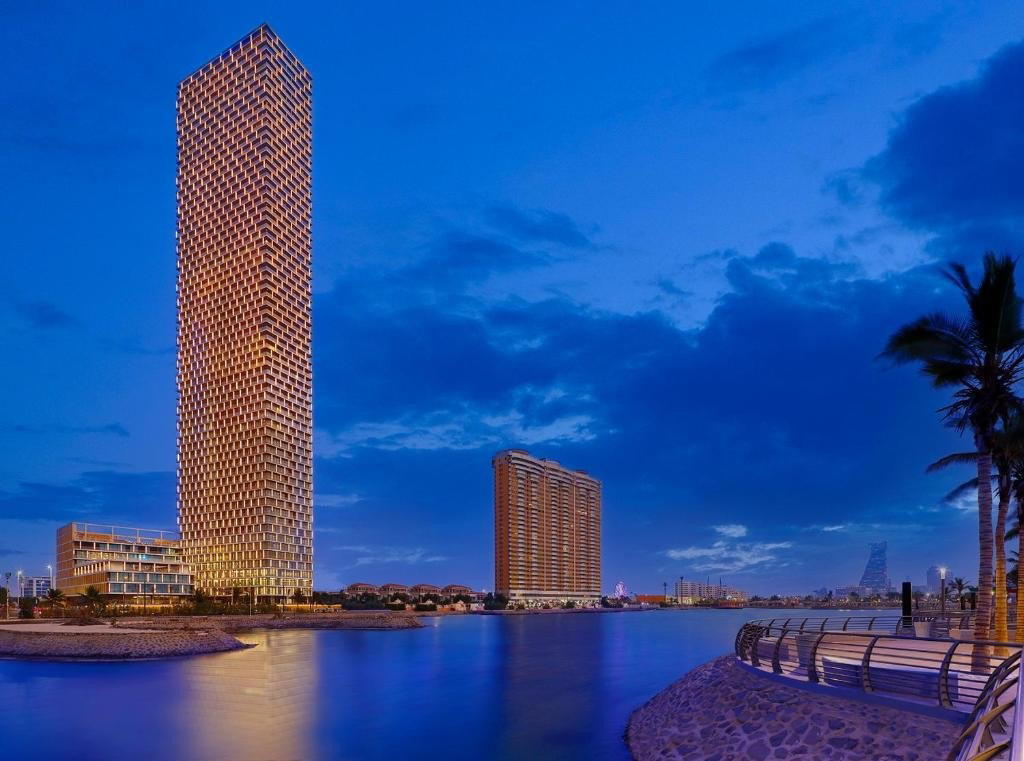
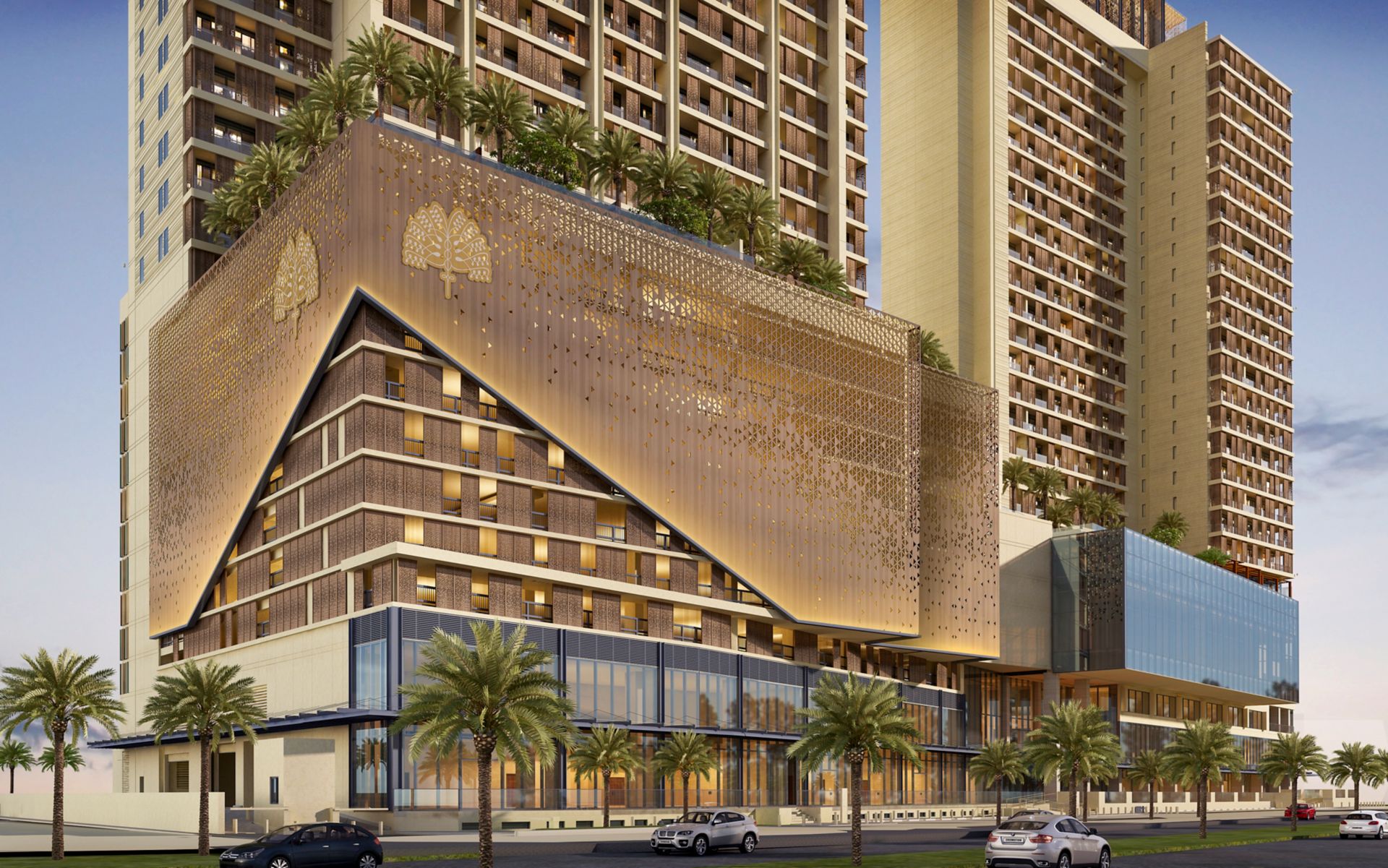
Bars in Jeddah
Browse all →
Restaurants in Jeddah
Browse all →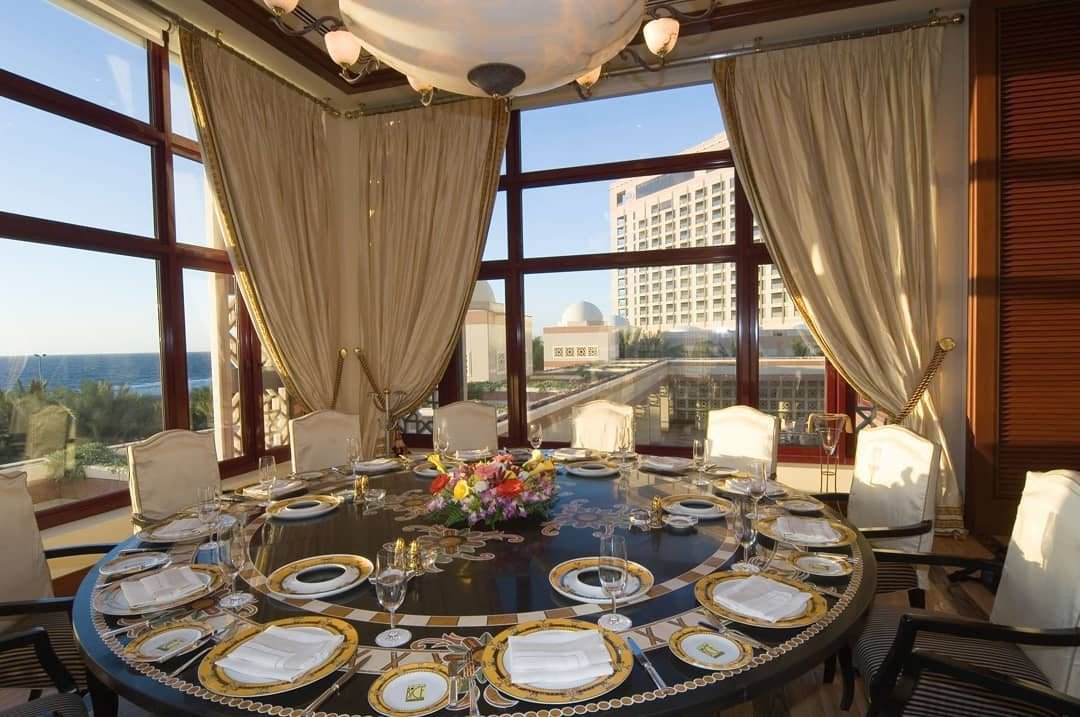
Details
- Elegant
- Ornate
- Sophisticated
- Classic
- Romantic Getaway
- Business Trip
- Honeymoon
- Waterfront
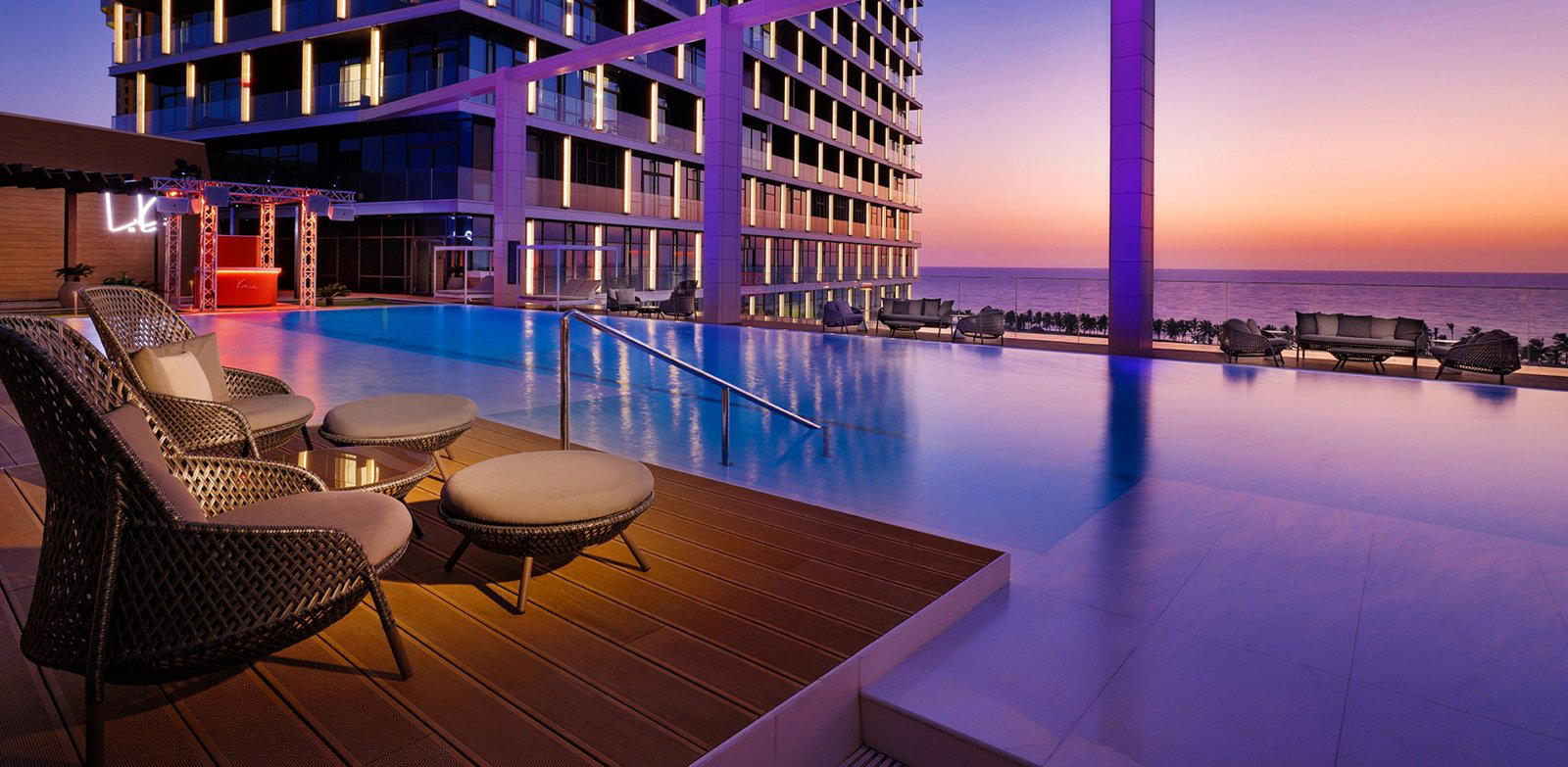
- Rooftop Pool
- Panoramic View
- Butler Service
- Pool
- Spa
- Fitness Center
- Room Service
- Concierge
- Business Center
- Valet Parking
- Tennis
- EV Charging
- Waterfront
- Wheelchair Accessible
- Elevator
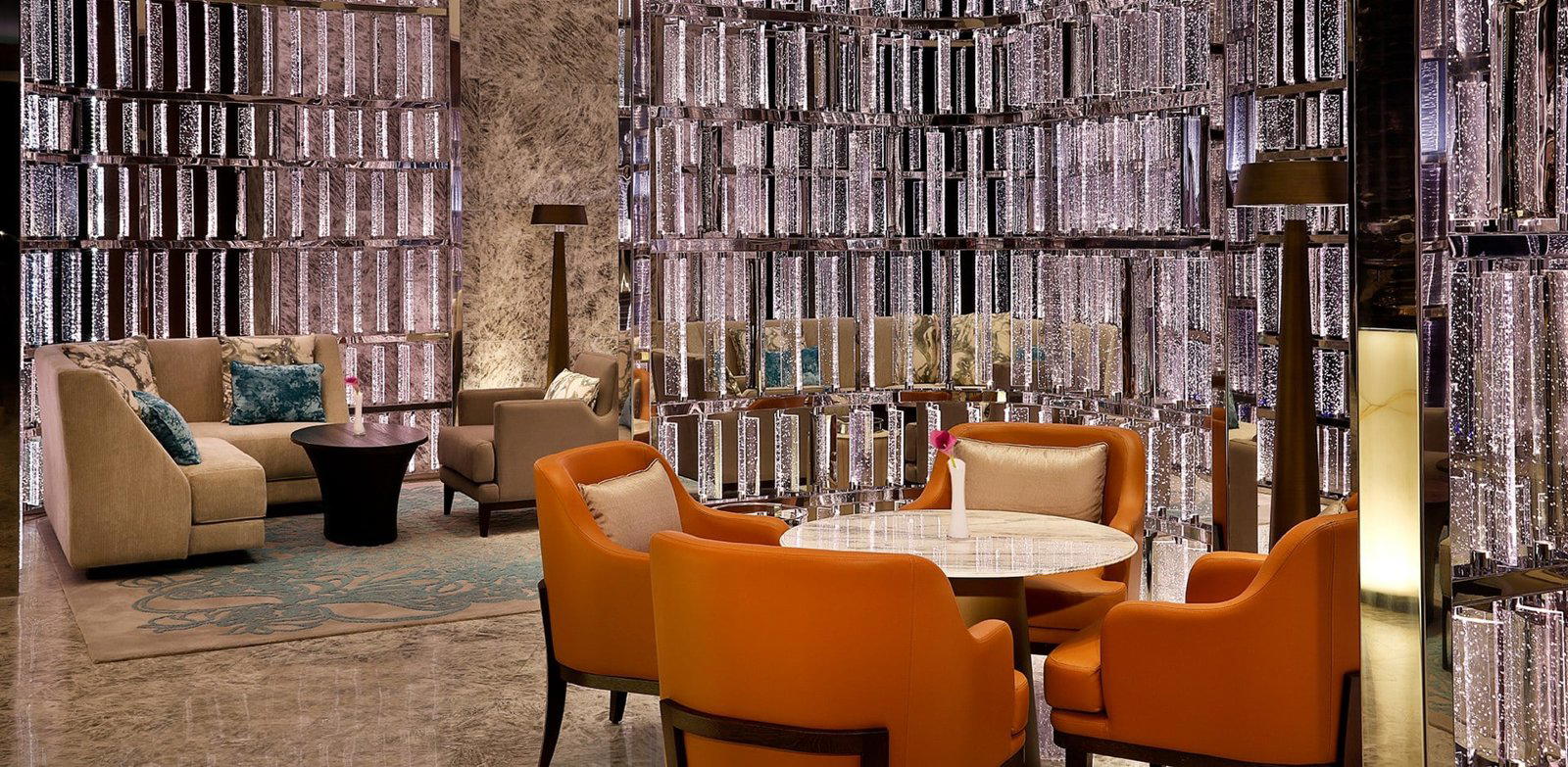
Ornate interiors blending modern Arabic design with Italian furnishings, gold accents, and crystal details, creating an oasis of tranquility.