NoMad Detroit
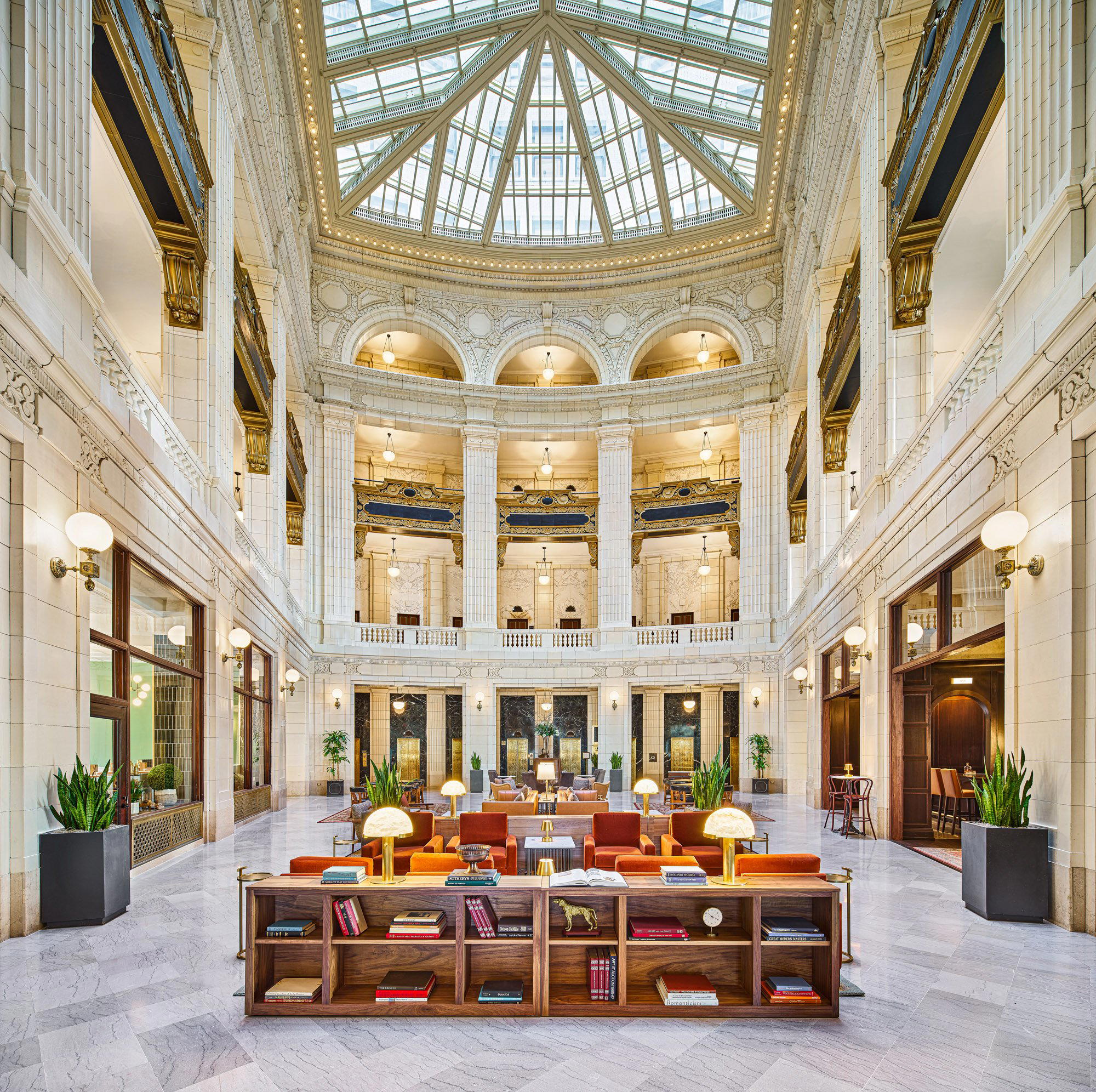
NoMad Detroit brings the brand's New York-rooted hospitality formula to one of America's most closely watched urban revival cities. The property sits within Detroit's broader wave of design-conscious hotel openings that have reshaped the downtown accommodation tier since the mid-2010s. Expect the culinary programming and architectural character that define the NoMad identity, translated for a Midwestern context.

Pearl is the En Primeur Club membership app, where members save venues, book tables and use the concierge.
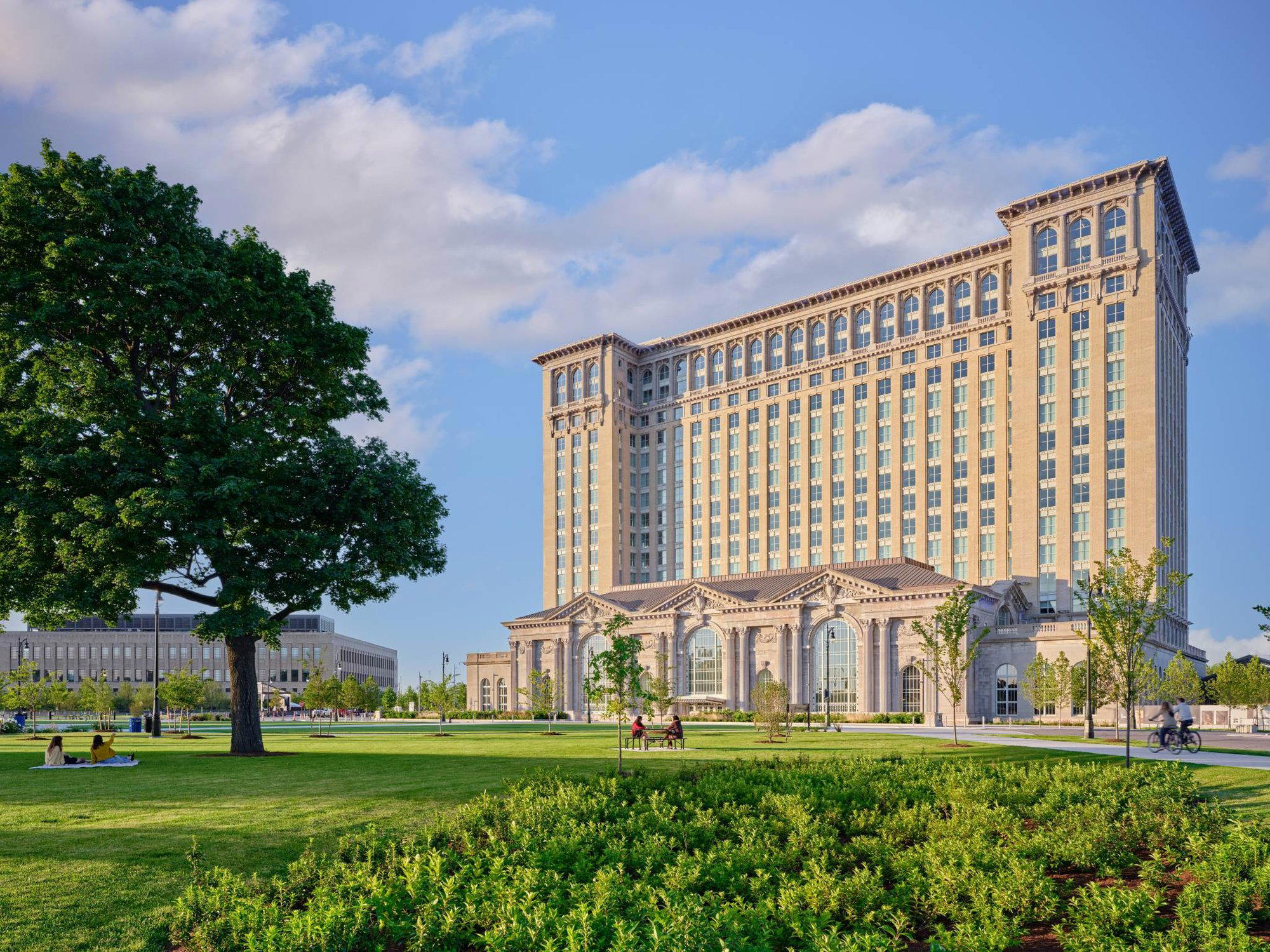
Detroit's Hotel Renaissance and Where NoMad Fits
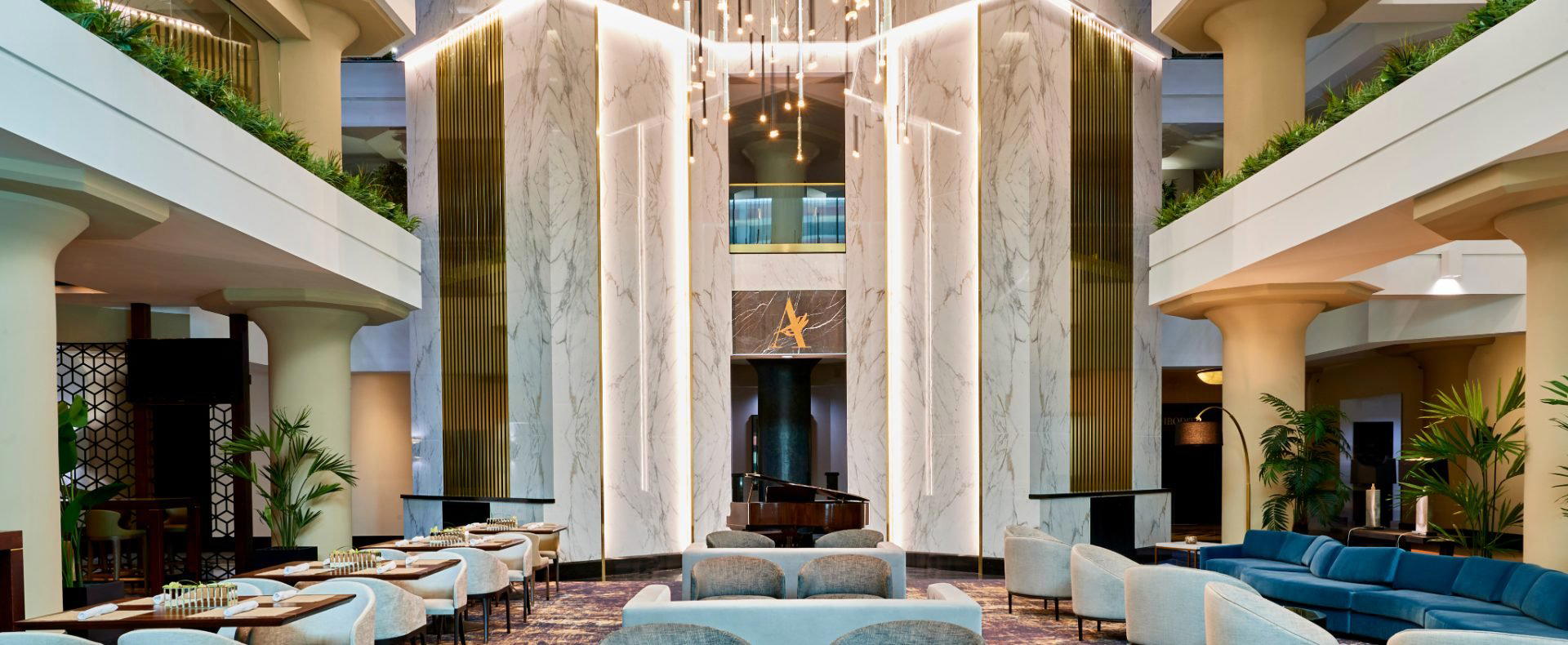
Since roughly 2015, Detroit's downtown hotel market has undergone a structural shift that few American cities have matched at the same pace. Properties like the Shinola Hotel established a template for design-led hospitality rooted in local manufacturing heritage, while legacy addresses such as The Westin Book Cadillac Detroit were restored to anchor the upper end of the market. The Hotel David Whitney, Autograph Collection similarly brought a storied downtown building back into active use. NoMad Detroit arrives into this context not as a pioneer but as confirmation: the city's hotel market has matured enough to attract a brand whose other addresses include some of the most discussed properties in New York and London.
The NoMad brand built its reputation on a specific formula, historically significant or architecturally ambitious buildings, food and beverage programs serious enough to draw non-guests, and a room product positioned at the upper end of the independent-feeling luxury tier. That formula has proved durable across markets, and Detroit offers a compelling test case: a city with genuine architectural stock, a dining scene that has developed real confidence over the past decade, and a downtown that rewards guests willing to engage with the neighbourhood rather than retreat from it.
The Food and Beverage Argument
For the NoMad brand, the dining program has never been a secondary consideration. At the original NoMad in New York, the restaurant generated recognition that extended well beyond the hotel's guest list, placing it in a peer conversation with standalone fine dining rather than with typical hotel restaurants. That precedent shapes expectations for any NoMad opening: the food and beverage offering is positioned as a reason to visit in its own right, not a convenience for guests who would rather not go out.
Detroit's dining scene provides useful context here. The city has moved steadily away from a narrative of scarcity toward one of genuine choice at multiple price points. Restaurants in Corktown, Midtown, and the lower Woodward corridor have attracted national editorial attention over the past several years, and the overall quality ceiling has risen. A hotel restaurant operating at NoMad's intended register enters a more competitive local conversation than would have been the case a decade ago, which, from an editorial standpoint, is exactly the right moment to arrive. Hotels that open food programs when local competition is weak tend to coast; those that open into a developed scene tend to sharpen.
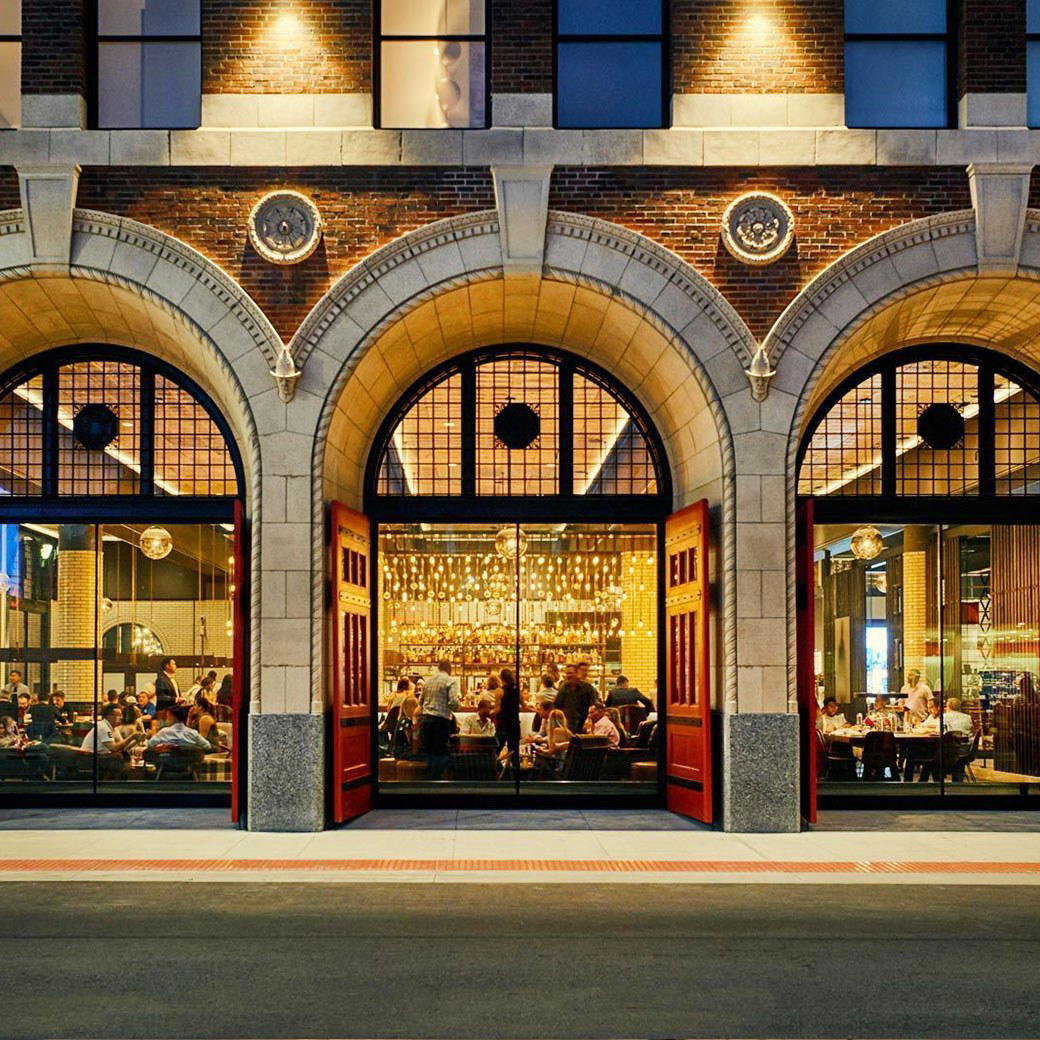
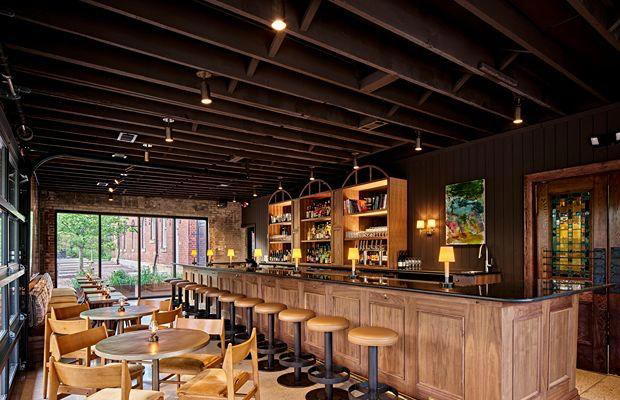
The bar program warrants equal attention in the NoMad framework. Across the brand's properties, the bar has functioned as a social anchor, a space that works for pre-dinner drinks, late-evening conversation, and the kind of loosely structured hospitality that hotel bars in the United States have historically struggled to provide. American hotel bar culture has shifted meaningfully in recent years, moving away from anonymous lounges toward intentional, technique-driven programs. NoMad's track record in this category places it well inside that shift.
The Room Product in Competitive Context
Detroit's upper accommodation tier now spans several distinct approaches. The Shinola Hotel emphasizes local craft and brand integration. The Atheneum Suite Hotel occupies a more traditional luxury-suite position. Properties like Honor & Folly and El Moore Lodge & Residences operate in the design-conscious boutique register, while The Inn on Ferry Street offers a historic residential alternative in Midtown. NoMad slots into this field as the option most explicitly connected to an international brand identity with a proven urban luxury formula.
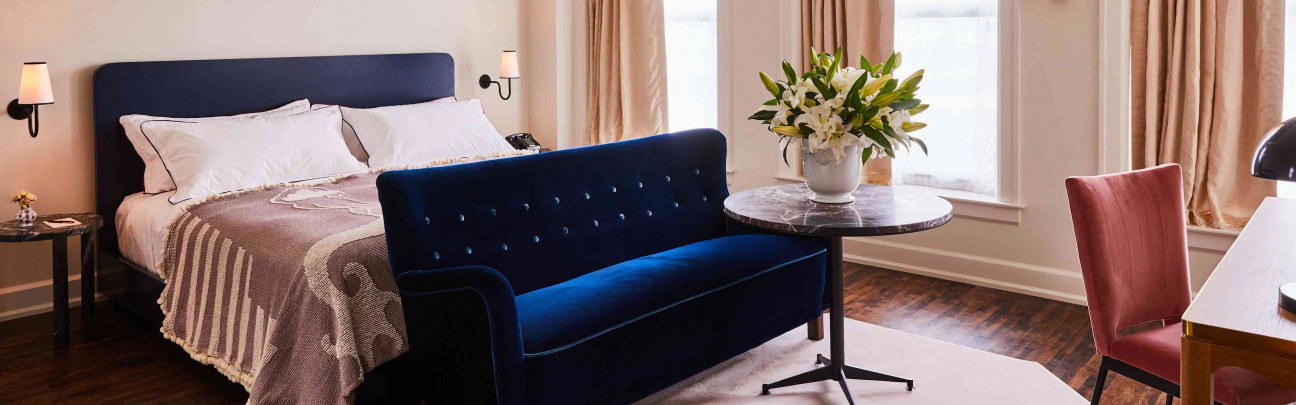
For guests accustomed to NoMad properties in other cities, or to comparable urban luxury addresses like Raffles Boston or The Fifth Avenue Hotel in New York City, the expectation is a room product where architectural details, textile quality, and spatial proportions do the communicating rather than amenity lists. That approach aligns with how Detroit's leading adaptive-reuse projects have operated: the building itself carries the narrative.
Planning Your Stay
Detroit rewards guests who treat it as a city rather than a stopover. The downtown core, Midtown, and Corktown are all navigable without a car, and the concentration of dining, music venues, and cultural institutions within a relatively compact geography means that a two- or three-night stay can carry genuine depth. For context on how the wider city eats and drinks, our full Detroit restaurants guide maps the scene across neighbourhoods and price points.
Booking timing for NoMad properties in other markets suggests that peak-season and event-weekend availability moves quickly, particularly for larger room categories. Detroit's event calendar, which includes significant auto industry gatherings, music festivals, and sporting events, creates predictable demand spikes. Guests with specific travel dates would do well to confirm accommodation well in advance of those windows rather than treating Detroit as a reliably low-pressure market.
For travellers building a wider American itinerary, NoMad Detroit sits naturally alongside other urban properties where architecture and food programming carry the experience: Aman New York at the extreme end of the luxury register, or nature-adjacent alternatives like Post Ranch Inn in Big Sur and Amangiri in Canyon Point for a different kind of American hotel experience entirely. Those planning extended domestic travel might also consider SingleThread Farm Inn in Healdsburg or Auberge du Soleil in Napa for wine country contrast, or Troutbeck in Amenia for a Northeast retreat that shares NoMad's instinct for historically resonant spaces. Resort alternatives elsewhere in the country include Four Seasons at The Surf Club in Surfside, Little Palm Island Resort & Spa in Little Torch Key, Kona Village, A Rosewood Resort in Kailua Kona, Canyon Ranch Tucson, and Sage Lodge in Pray for Montana wilderness. International options for the same guest profile include Aman Venice and Badrutt's Palace Hotel in St. Moritz. Closer to home, 1 Hotel San Francisco and Hotel Bel-Air in Los Angeles round out a cross-country picture of what design-serious urban and near-urban hospitality looks like at the current moment.
Price Lens
| Venue | Price | Awards |
|---|---|---|
| NoMad DetroitThis venue (the venue you are viewing) | Not listed | Not listed |
| Shinola Hotel | $300–500 | 1 Michelin Key · La Liste Top Hotels |
| Atheneum Suite Hotel | $100–200 | Preferred Hotels Member |
| Hotel David Whitney, Autograph Collection | Not listed | Michelin Selected |
| El Moore Lodge & Residences | $100–200 | Not listed |
Continue exploring
More in Detroit
Hotels in Detroit
All hotels in Detroit →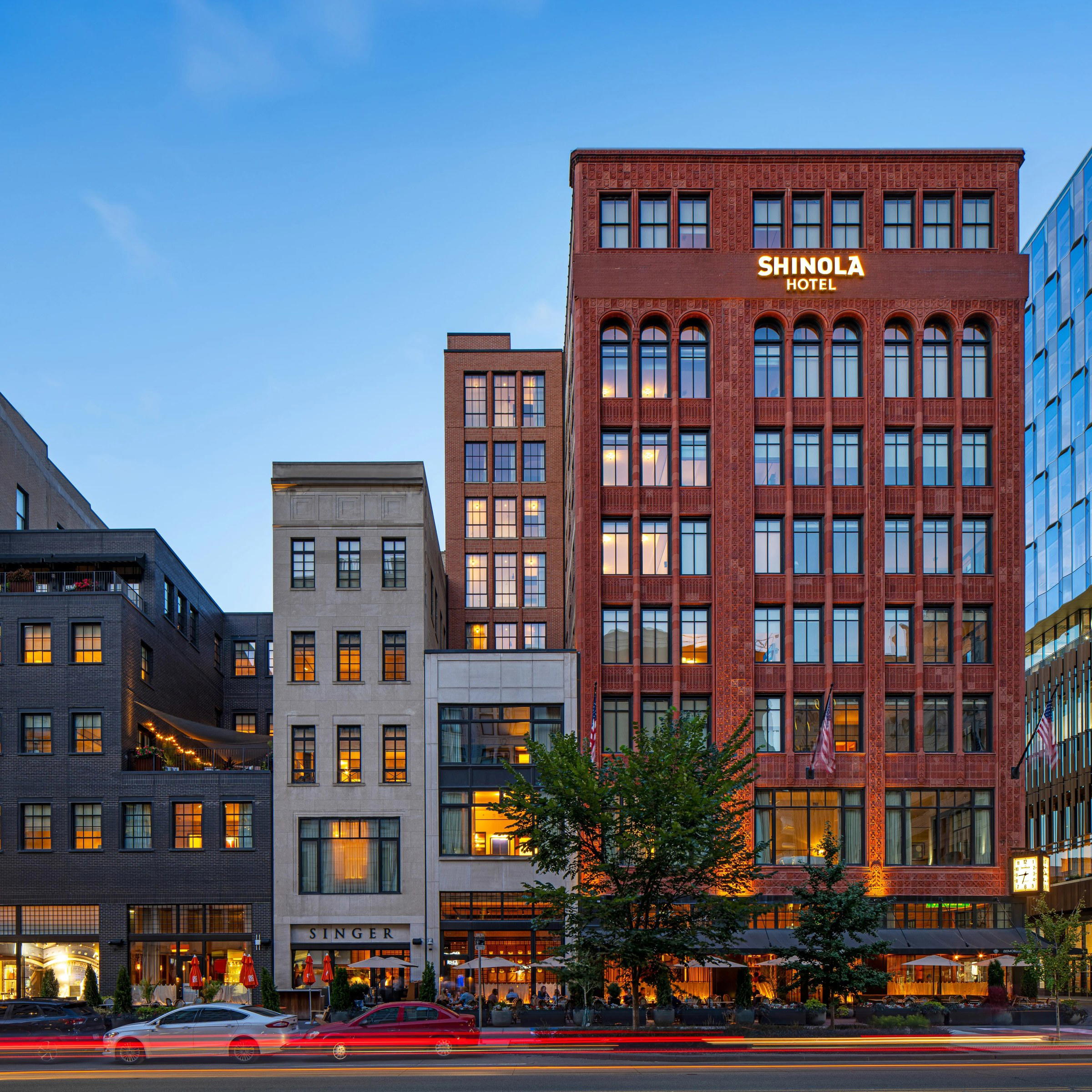
Bars in Detroit
All bars in Detroit →
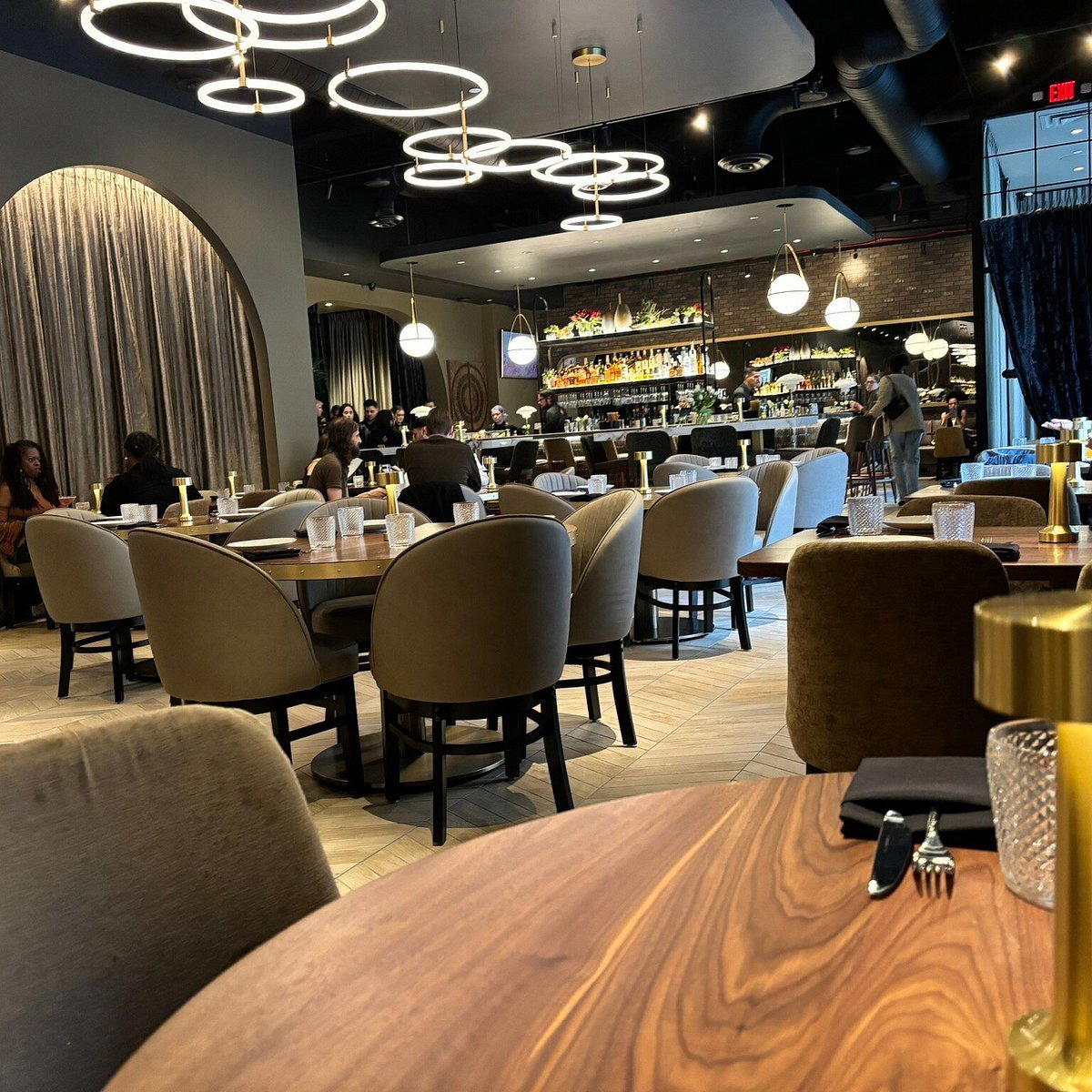
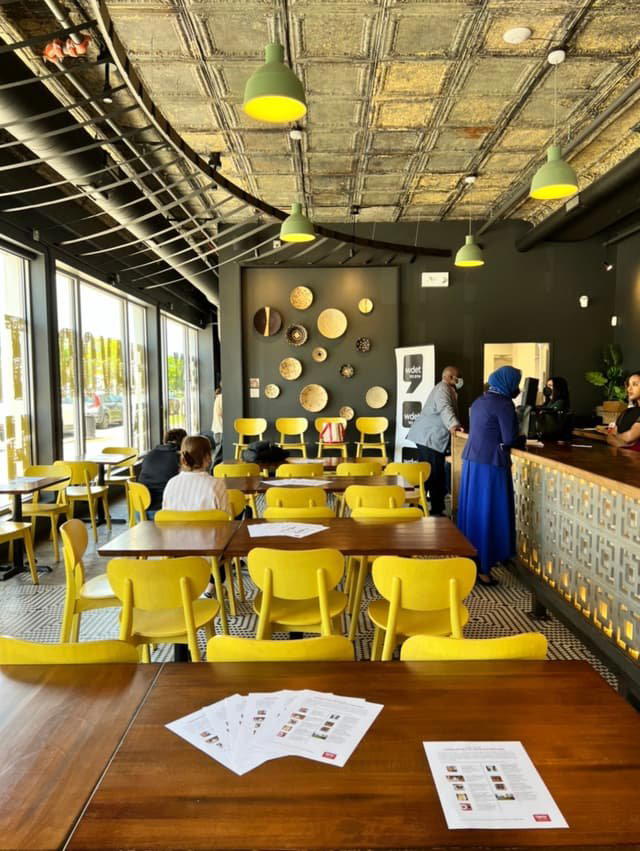
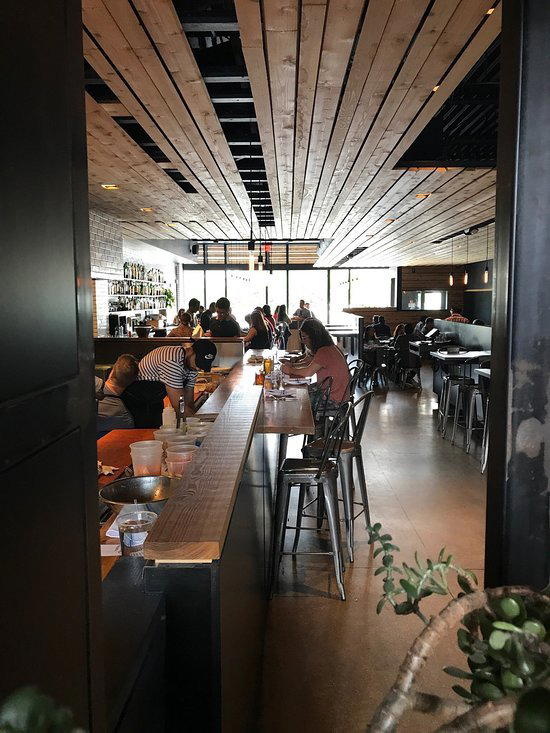
Details
- Modern
- Elegant
- Sophisticated
- Industrial
- Romantic Getaway
- Business Trip
- Weekend Escape
- Historic Building
- Design Destination
- Panoramic View
- Spa
- Fitness Center
- Room Service
- Concierge
- Skyline
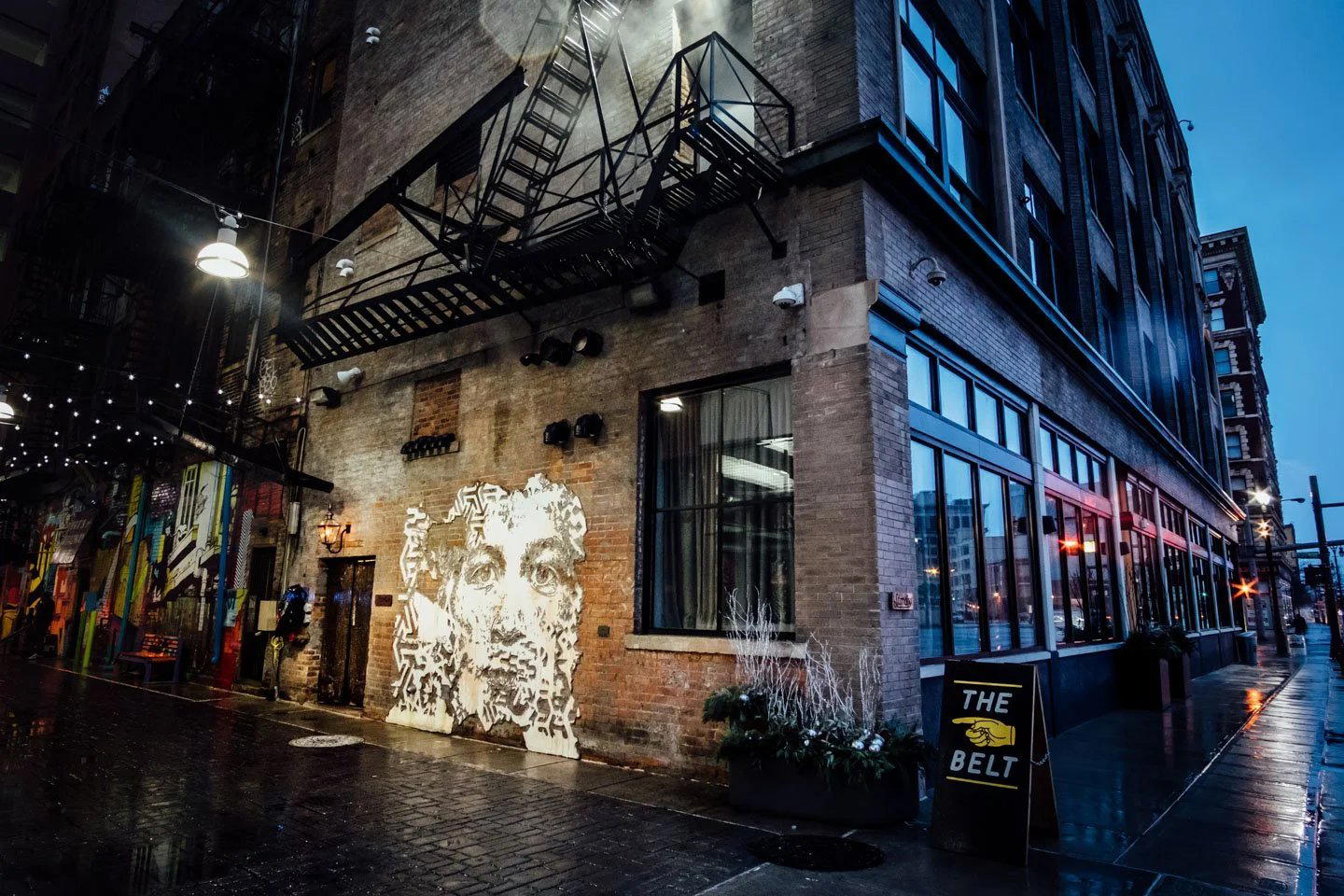
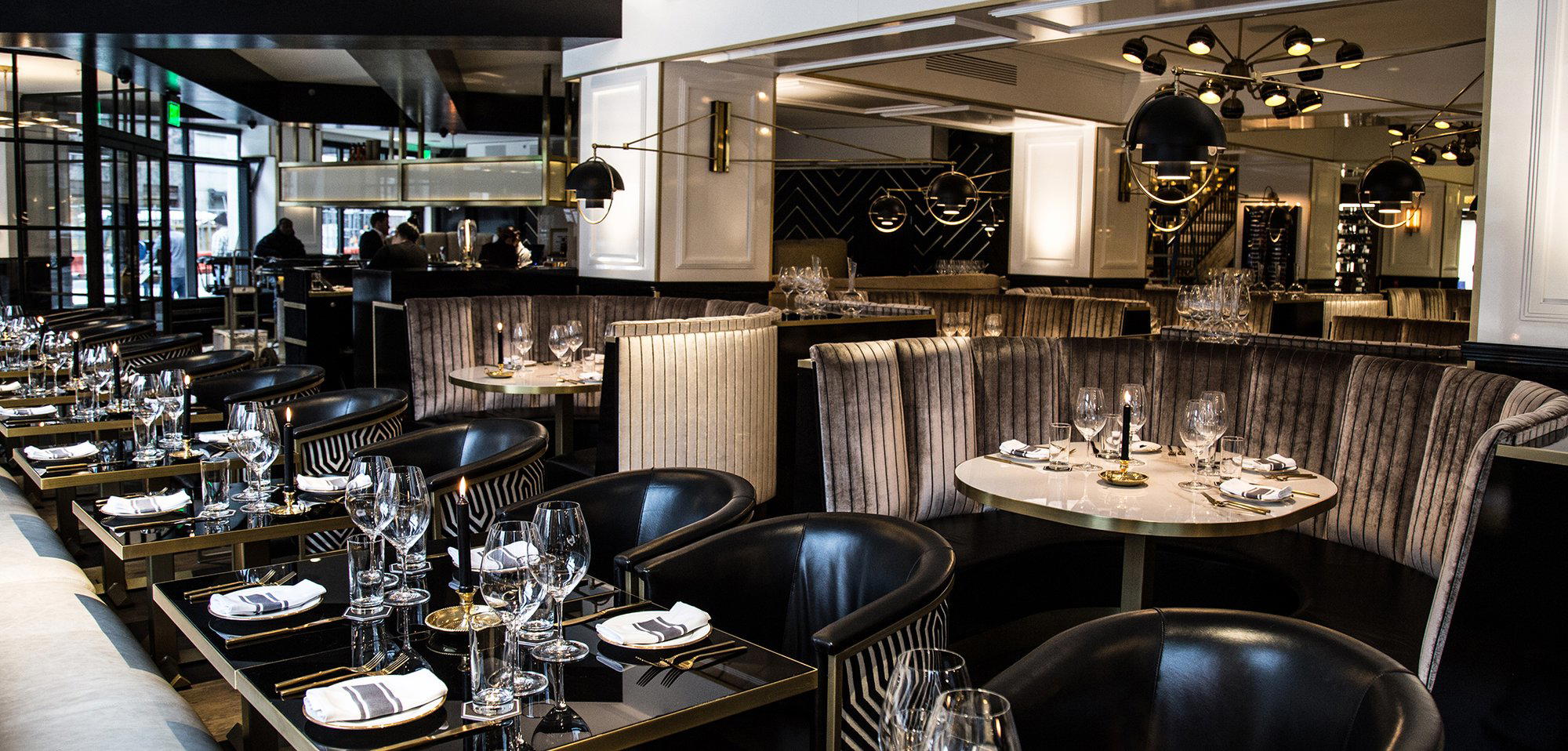
Artfully layered historic elegance with modern sophistication, illuminated by thoughtful lighting that highlights local artistry and offers far-reaching skyline views.