Detroit Foundation Hotel

Michelin Selected
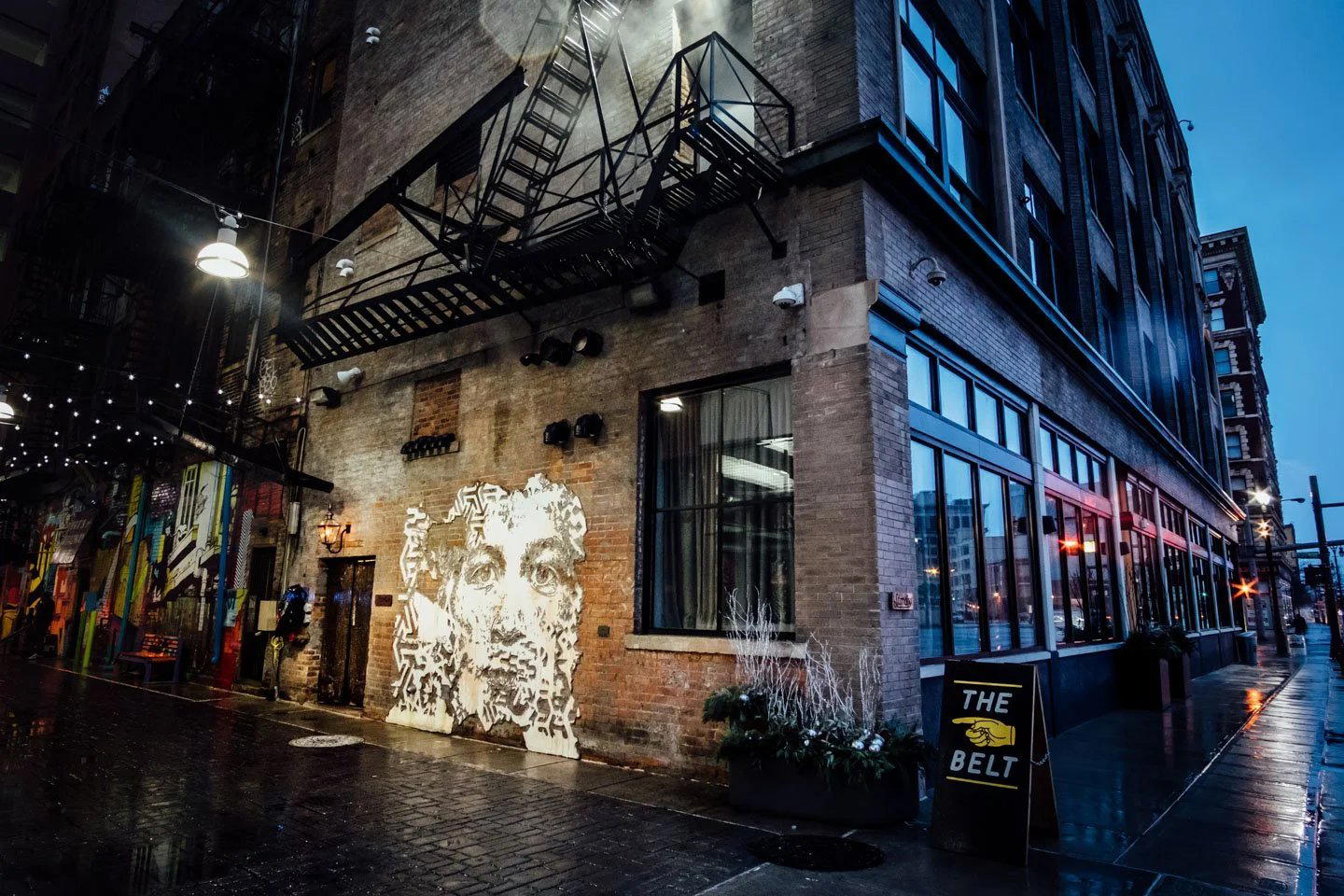
Detroit Foundation Hotel occupies a 1929 fire station on West Larned Street, converting its industrial bones into one of downtown's most architecturally coherent hotels. Selected by the Michelin Guide for 2025, it sits within a cohort of adaptive-reuse properties reshaping Detroit's accommodation offer. The address puts guests within walking distance of the riverfront and the city's core cultural institutions.

Pearl is the En Primeur Club membership app — saves, bookings, and concierge access live there. Same editors, same standards.
- Address
- 250 W Larned St, Detroit, MI 48226
- Phone
- (313) 800-5500
- Website
- detroitfoundationhotel.com
- Directions
- Get directions
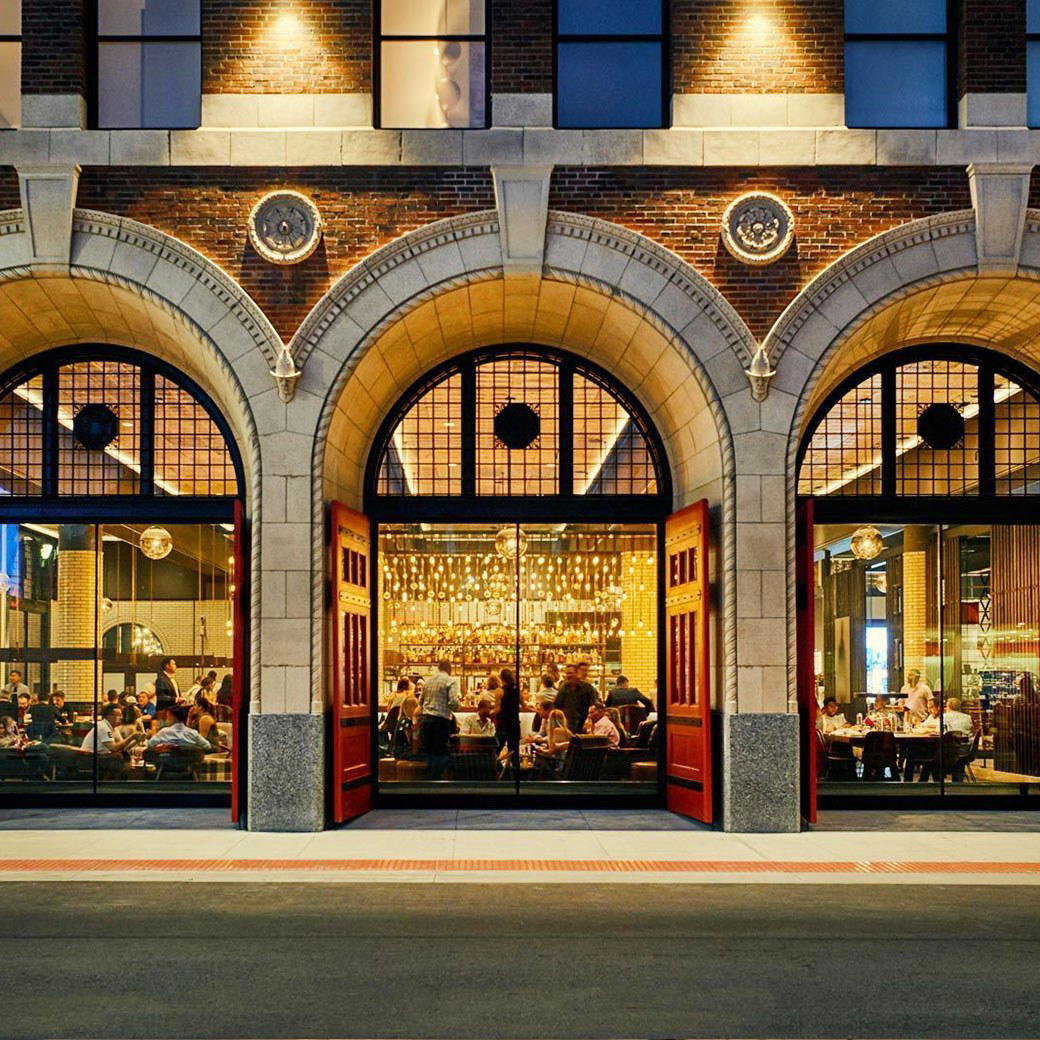
A Fire Station Becomes a Hotel: Detroit's Adaptive-Reuse Argument
Downtown Detroit has spent the past decade producing a specific kind of hotel that few American cities can match in concentration: buildings with genuine industrial pasts converted into lodging that wears its structural history openly. Detroit Foundation Hotel, occupying the former Detroit Fire Department headquarters at 250 West Larned Street, is among the most architecturally coherent entries in that group. The 1929 building's arched bays, poured-concrete floors, and exposed steel framework were not cosmetically preserved — they were made load-bearing to the guest experience. You feel the building's age not as nostalgia but as fact.
That approach places the Foundation Hotel in a specific tier of American adaptive-reuse hospitality, alongside properties like Troutbeck in Amenia or Post Ranch Inn in Big Sur, where the physical envelope shapes the entire guest proposition rather than acting as backdrop. It is a different conversation from, say, a new-build with industrial-style finishes, and the distinction matters when choosing where to stay in a city that now offers both.
Where Detroit's Downtown Hotel Set Sits in 2025
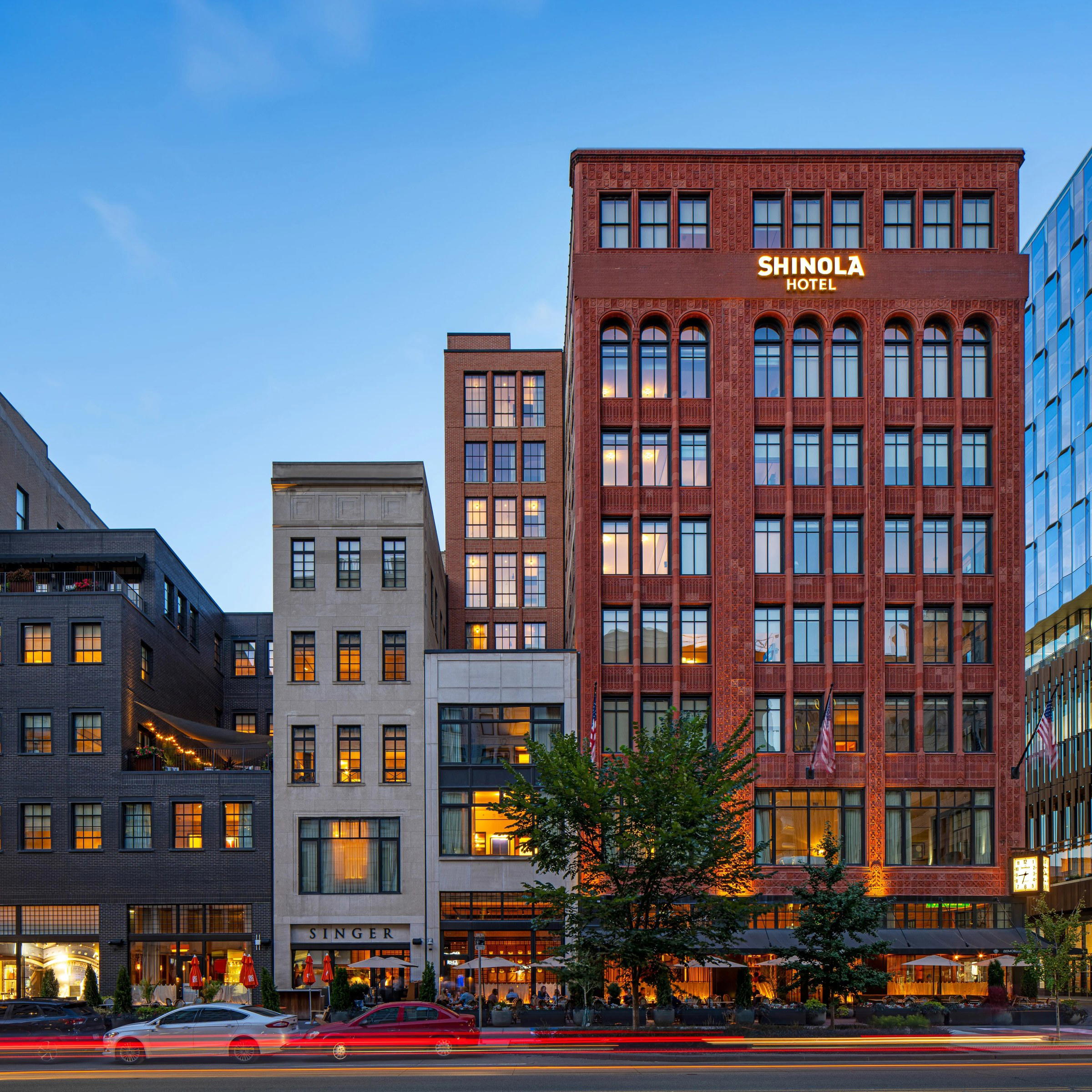
Detroit's downtown accommodation options have multiplied significantly since the mid-2010s, and the properties now compete on clearly differentiated identities. The Shinola Hotel operates within the premium lifestyle brand tier, drawing on the watchmaker's local-manufacturing narrative. The Hotel David Whitney, Autograph Collection leans into Beaux-Arts grandeur within the Marriott ecosystem. NoMad Detroit brings a New York-rooted food-and-beverage identity to a historic office tower. The Foundation Hotel's position in this set is defined by its fire station origin, its independent ownership, and a design philosophy that prioritises material authenticity over finish-level luxury.
The Michelin Guide's 2025 selection of the Foundation Hotel is a relevant signal here. Michelin's hotel selection process focuses on quality of welcome, comfort, and a clear identity of place, not simply thread counts or square footage. Inclusion alongside Detroit peers in that list confirms the hotel occupies a tier where editorial credibility matters as much as amenity breadth. For the category of traveller choosing between the Foundation and a chain-affiliated property, the Michelin designation functions as a peer-reviewed credential.
For a broader picture of where the Foundation fits within Detroit's accommodation spectrum, the full Detroit guide maps the key properties across neighbourhoods and price tiers.
The Architecture as Guest Experience
The conversion of a working fire station into a hotel requires solving problems that new-build hospitality never encounters. Apparatus bays designed for ladder trucks become lobby volume. Dormitory floors designed for shift workers become corridors with irregular room proportions. The design team retained rather than resolved these conditions, which is what separates the Foundation Hotel from the category of adaptive-reuse projects that use a historic shell as branding while neutralising everything inside.
In American hotel design, this level of structural honesty is more common in the Northeast and Mountain West, where properties like Sage Lodge in Pray or Amangiri in Canyon Point treat the physical environment as the primary design material. In a Midwest urban context, the Foundation Hotel's approach is less common, which partly explains its durability as a reference point in Detroit hospitality discussions since its 2017 opening.
The building's West Larned Street address sits at a functional crossroads for downtown. Hart Plaza and the Detroit Riverfront are within reasonable walking distance. The Theatre District, Campus Martius Park, and the main commercial corridors of the downtown core are all proximate. For guests using the hotel as a base for the city, the location compounds the architectural argument: this is a building embedded in the civic fabric of the city, not extracted from it.
Detroit's Adaptive-Reuse Cohort in Context
The Foundation Hotel is not the only Detroit property making structural history central to its offer. El Moore Lodge and Residences works from a 1898 apartment building in Midtown with a sustainability-focused retrofit. The Inn on Ferry Street occupies a row of Victorian-era townhouses near the Detroit Institute of Arts. Honor and Folly takes a smaller-scale approach in a historic commercial building. Atheneum Suite Hotel draws from the Greek Town neighbourhood's distinct cultural context. ROOST Detroit sits within the extended-stay tier, also drawing on adaptive-reuse credentials.
What distinguishes the Foundation within this cohort is the civic weight of its source building. A fire station is not a private residence or a commercial warehouse — it is a piece of public infrastructure, and that origin gives the hotel a different relationship to the city's history than most conversions can claim. The building was part of how Detroit functioned, and that fact is present in the experience of staying there in ways that a converted factory or bank lobby cannot replicate.
Travellers with a specific interest in design-led American hotel conversions will find useful comparisons in properties like Raffles Boston, where heritage architecture meets contemporary programming, or the Fifth Avenue Hotel in New York City, where a historic address shapes the entire guest proposition. The Foundation sits in that broader conversation about what American urban hotels can do with the buildings cities have already built.
Planning Your Stay
The hotel sits at 250 West Larned Street in downtown Detroit, accessible from both Detroit Metropolitan Wayne County Airport and the downtown core. As a Michelin Selected property for 2025, it occupies a tier where demand is consistent and advance planning is advisable, particularly for weekends during Detroit's event calendar, auto show season, Movement Electronic Music Festival in late May, and the various Tigers and Lions home schedules all compress downtown availability. Booking through the hotel's direct channel is the standard approach for guests seeking rate flexibility or room-type preference. Given the building's converted footprint, room configurations vary more than in a purpose-built hotel, making it worth specifying preferences at the time of reservation.
For those weighing the Foundation against the broader Detroit market or against design-led American hotel experiences elsewhere, the Beverly Hills Hotel in Los Angeles, Four Seasons at The Surf Club in Surfside, Meadowood Napa Valley, SingleThread Farm Inn in Healdsburg, Kona Village in Kailua Kona, Canyon Ranch Tucson, Little Palm Island Resort in Little Torch Key, Badrutt's Palace Hotel in St. Moritz, Hôtel de Paris Monte-Carlo, and Aman Venice all represent reference points for how design identity and hotel quality intersect at the premium end of the market.
Comparable Venues
Comparable venues nearby, for context on price, style, and recognition.
| Venue | Cuisine | Price | Awards | Notes |
|---|---|---|---|---|
| Detroit Foundation HotelThis venue — the venue you are viewing | Landmark firehouse reimagined as a lifestyle hotel celebrating Detroit's industrial heritage and creative future. | $100–200 | Michelin Selected | Not listed |
| The Townsend Hotel | English manor house style luxury boutique | Not listed | 1 Michelin Key | Birmingham |
| The Westin Book Cadillac Detroit | Historic luxury heritage hotel blending 1924 Italian Renaissance architecture with contemporary design elements and modern amenities. | $300–500 | Not listed | Downtown |
| Atheneum Suite Hotel | All-suite historic boutique hotel with Greek flair in downtown Detroit | $100–200 | Preferred Hotels Member | Greektown |
| The Inn on Ferry Street | Elegant historic mansion-style boutique hotel in restored Victorian buildings. | $100–200 | Not listed | East Ferry Street Historic District |
| ROOST Detroit | High-design extended-stay aparthotel concept bridging boutique hotel sophistication with residential apartment practicality. | $100–200 | Michelin Guide New Hotels New Hotel · Michelin Selected | Downtown Detroit |
Recognition history
Dated appearances from independent guides and award organizations, with the underlying list record or original source where available.
Michelin Selected
Michelin
Details
- Modern
- Industrial
- Elegant
- Sophisticated
- Well Known
- Business Trip
- Weekend Escape
- Celebration
- Historic Building
- Design Destination
- Wi Fi
- Fitness Center
- Room Service
- Concierge
- Valet Parking
- Street Scene
- Elevator
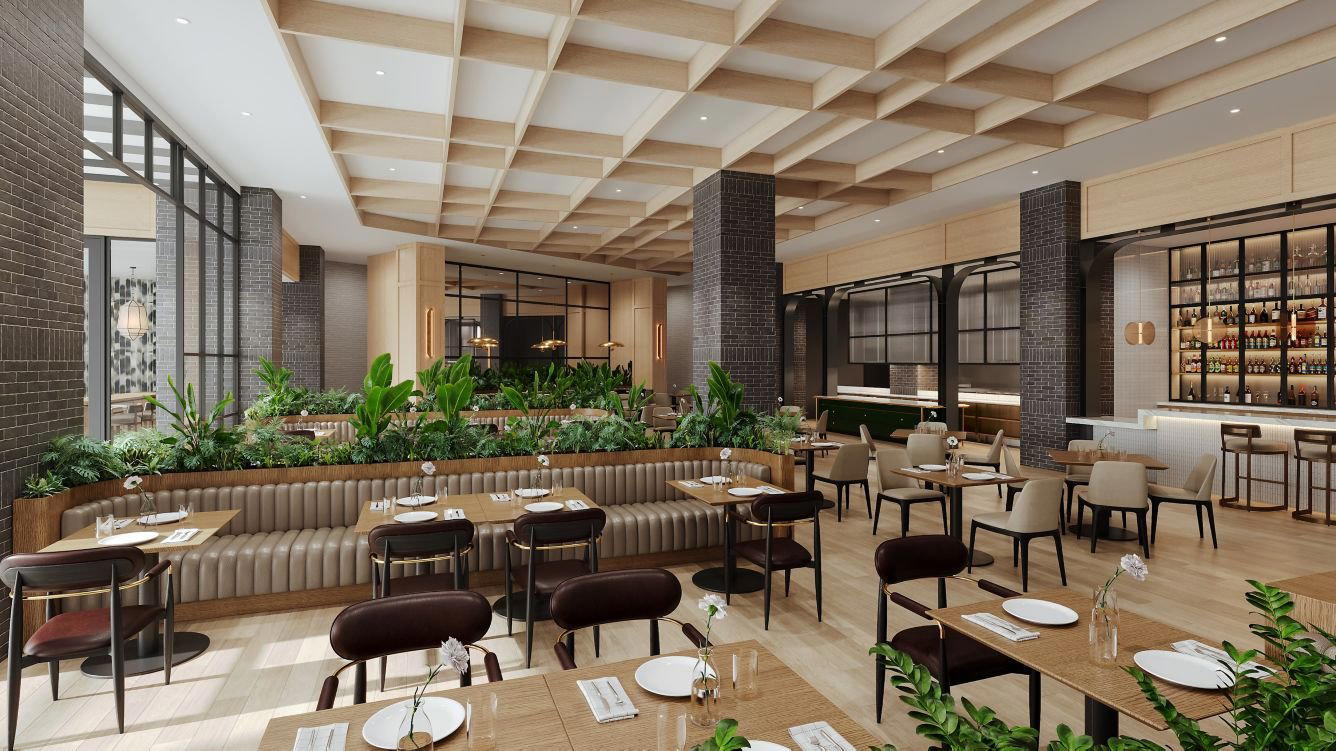
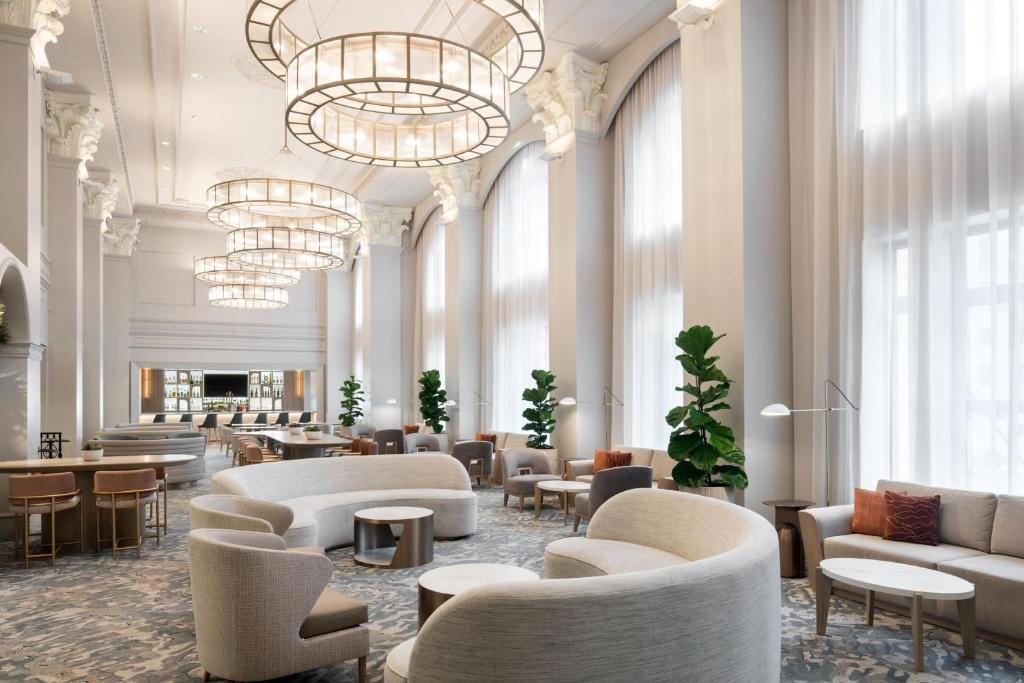
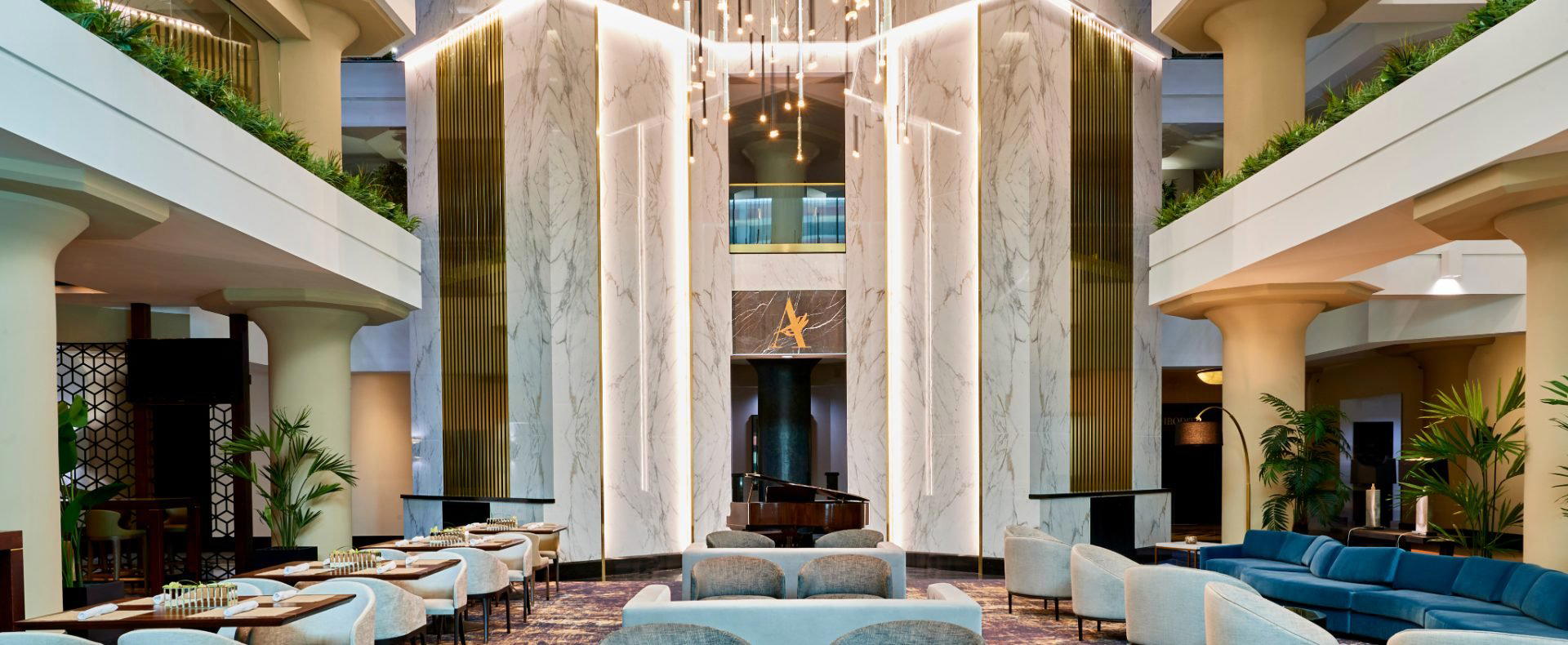
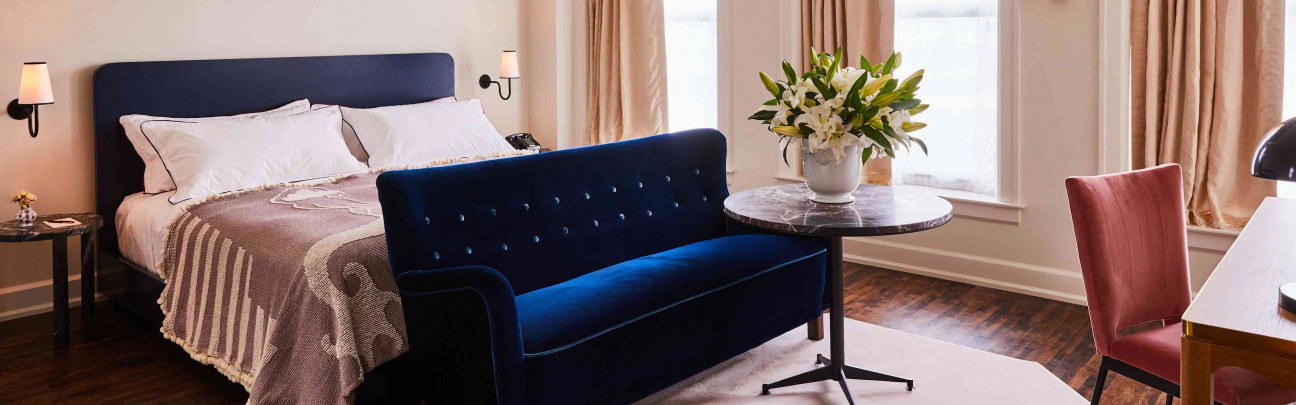
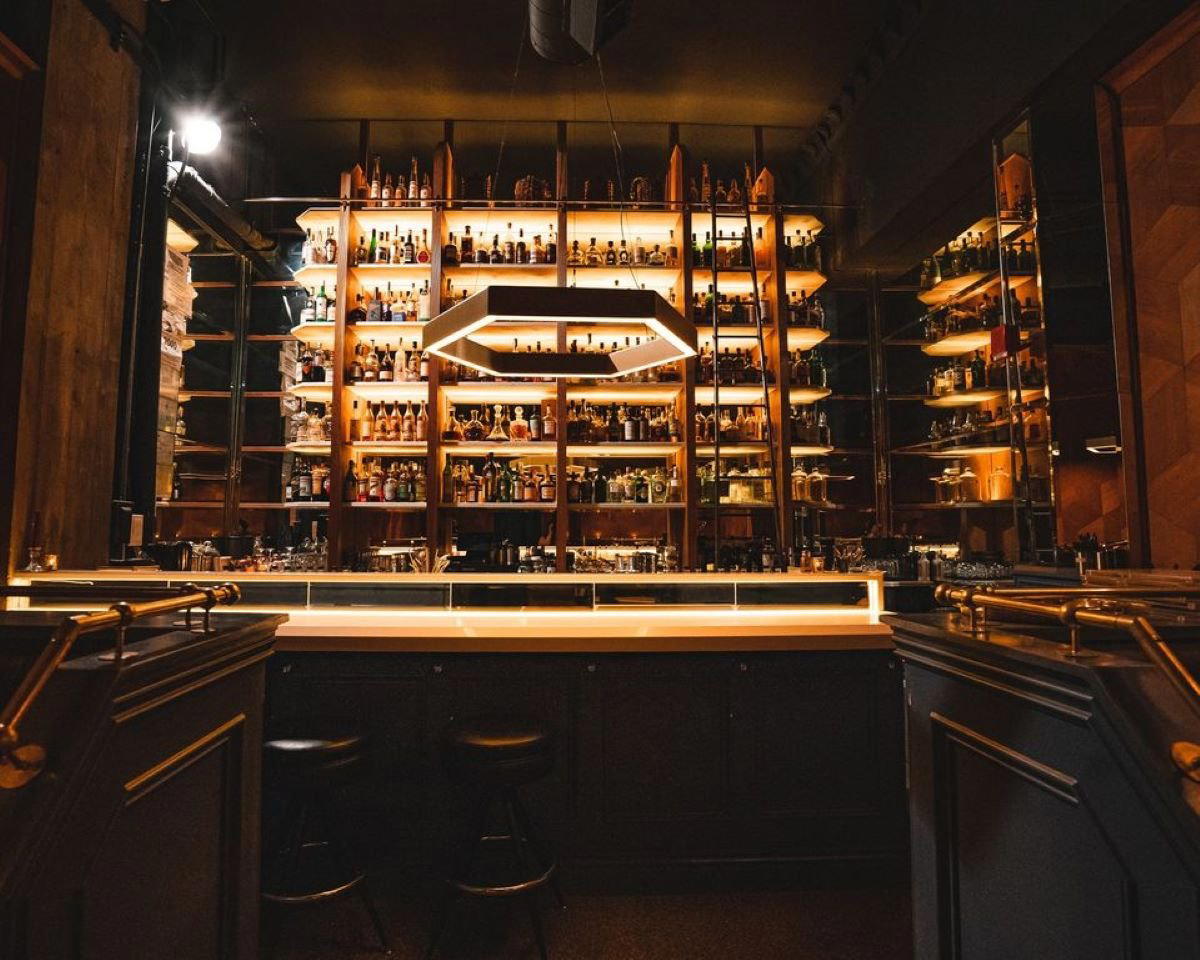
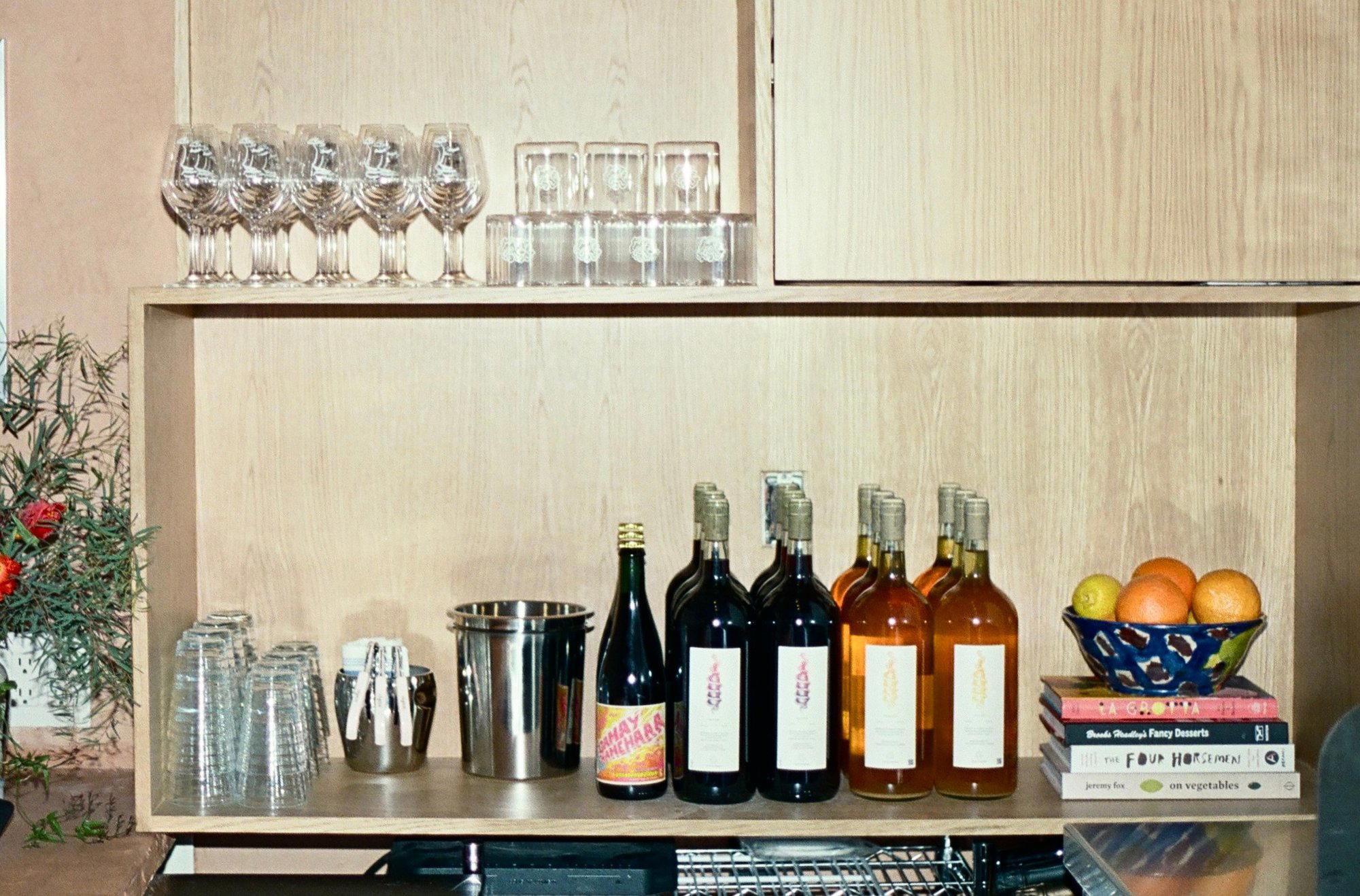
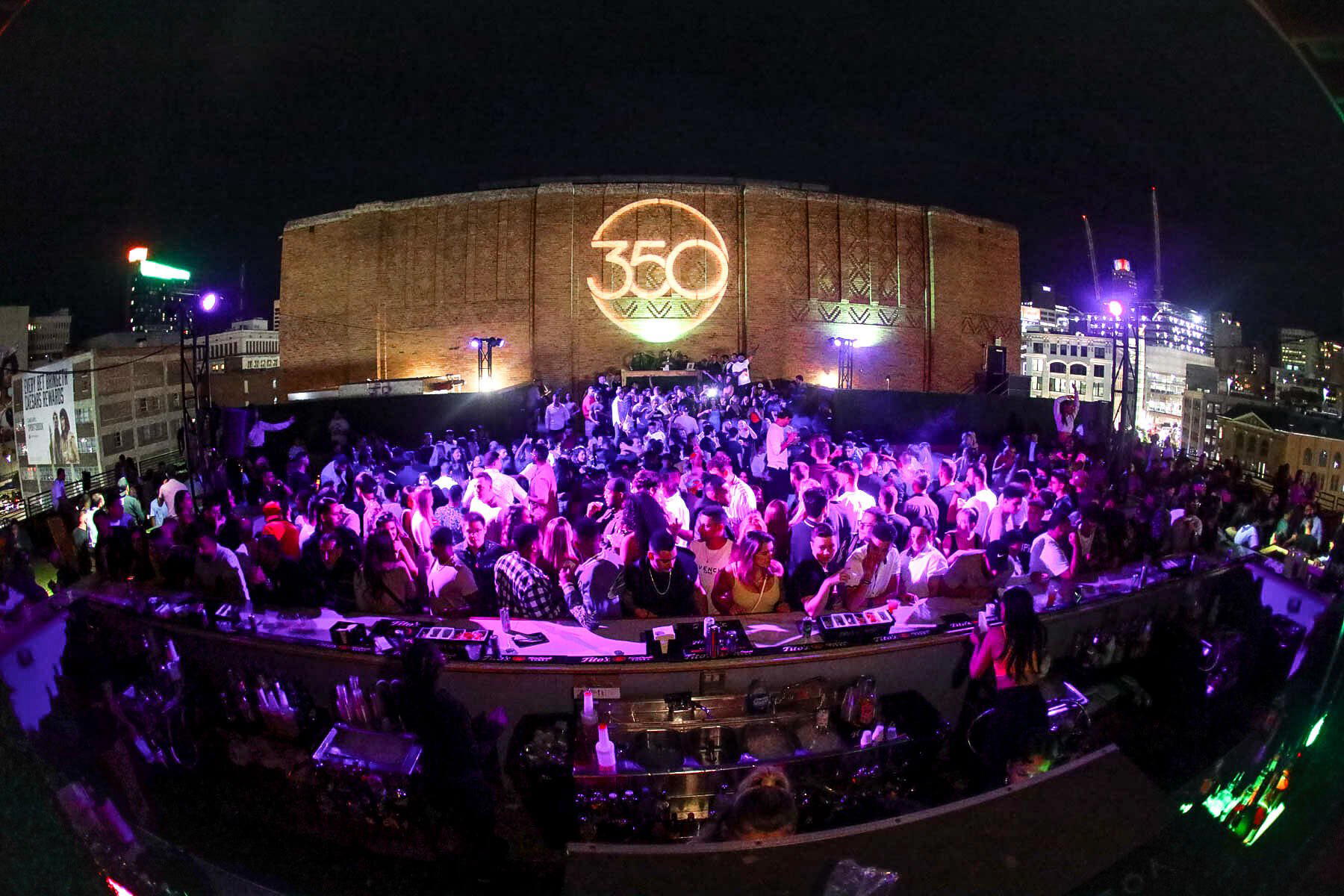
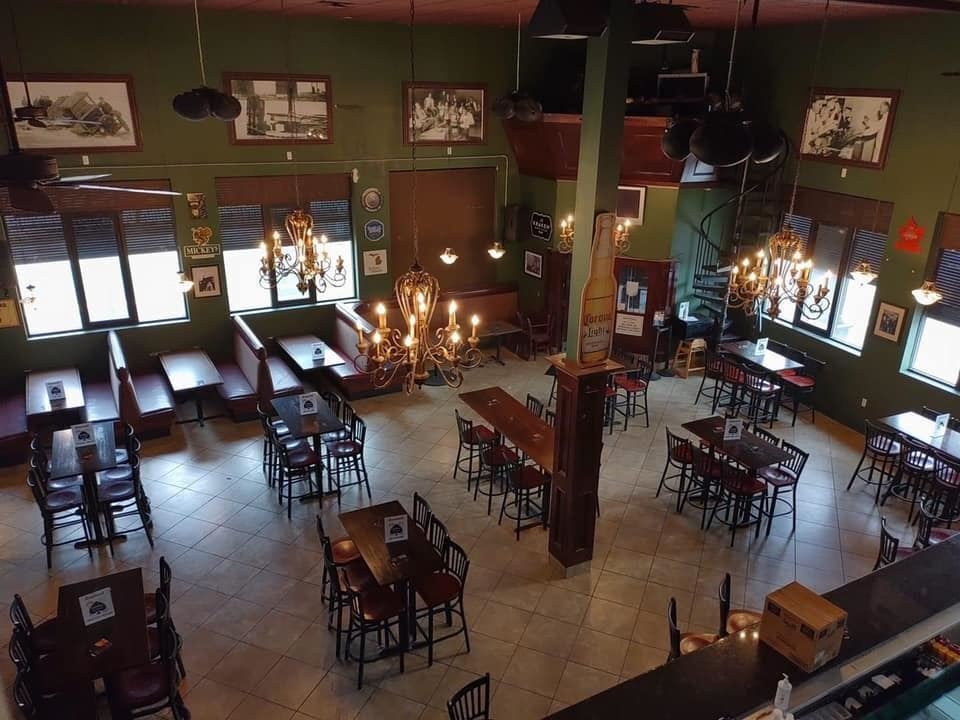
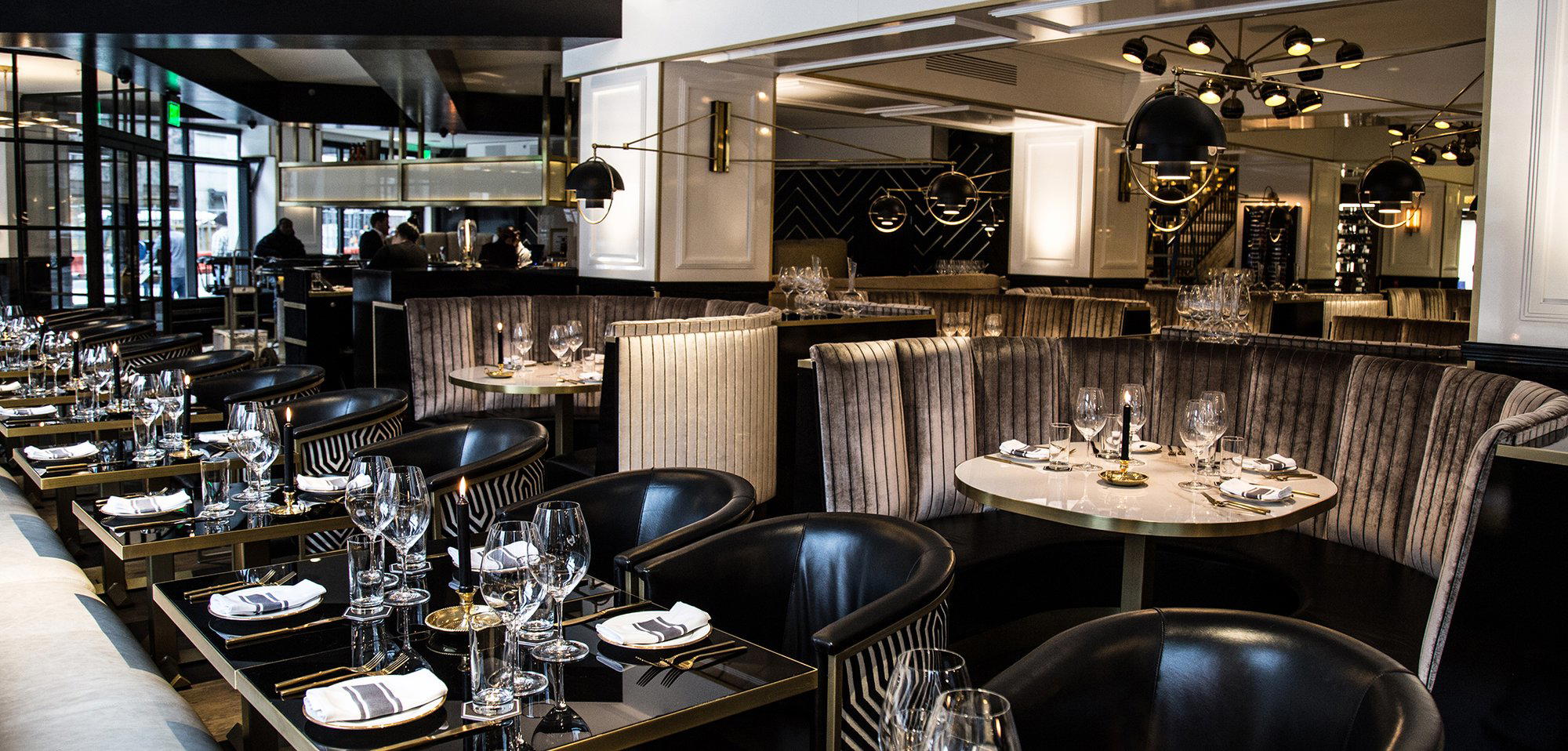
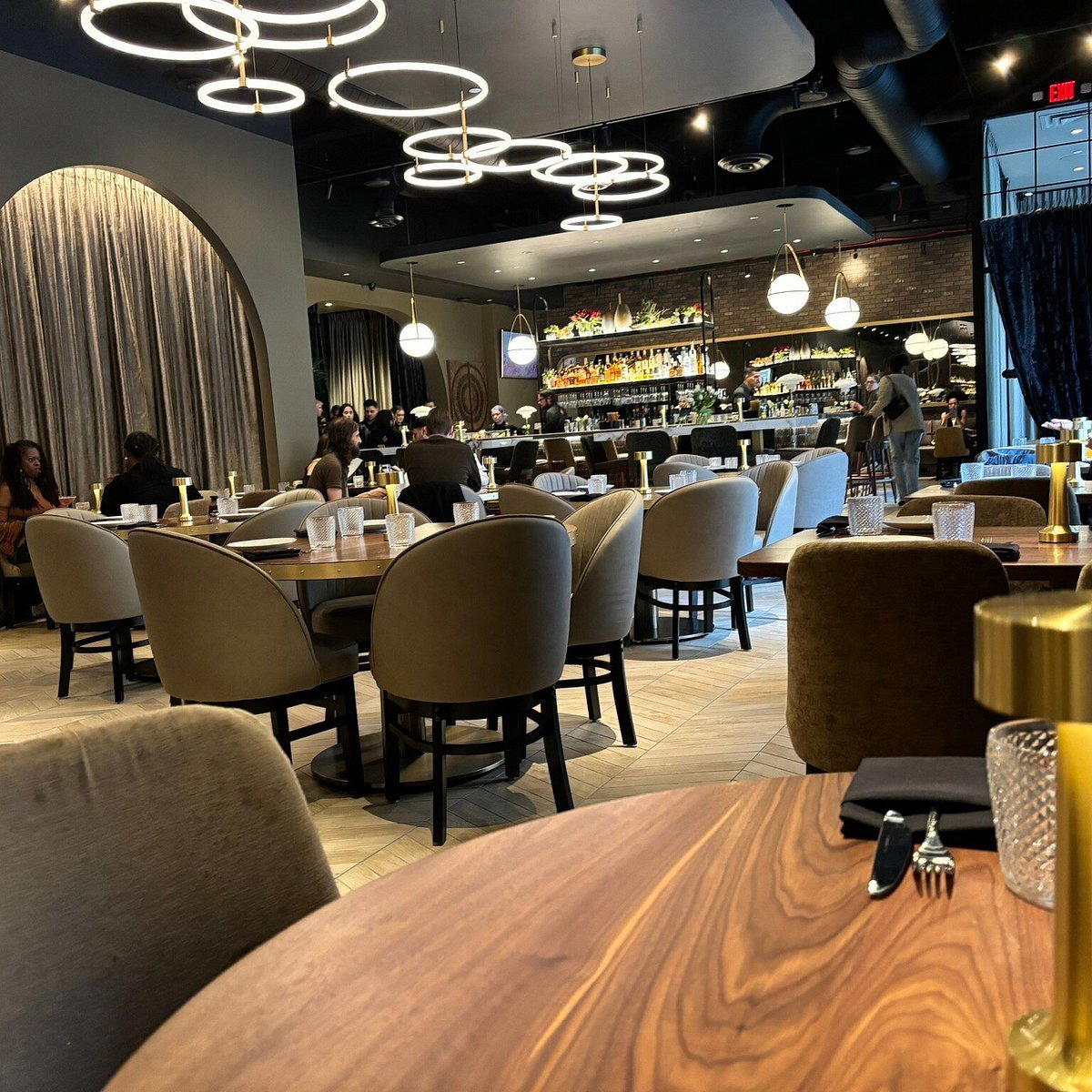
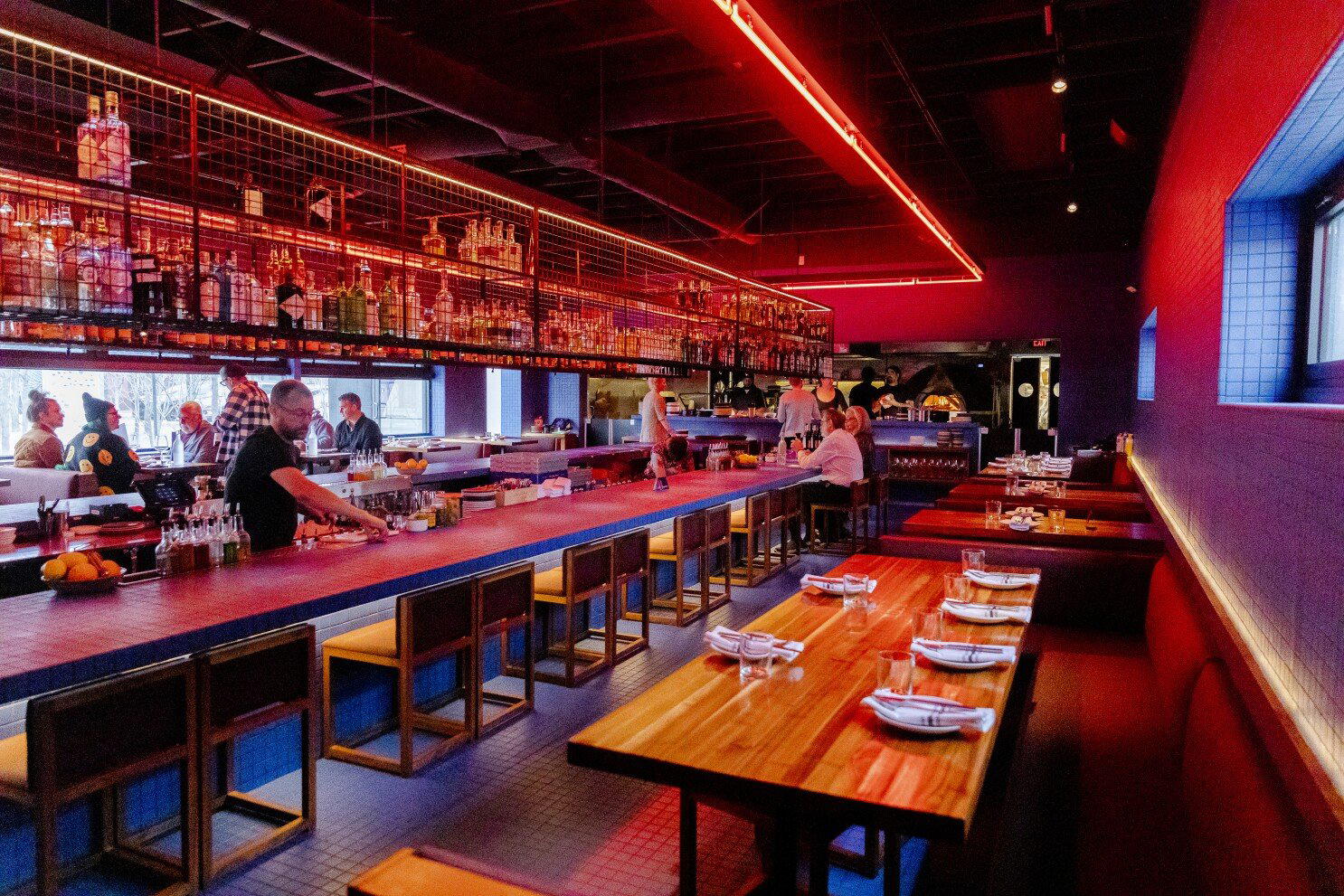
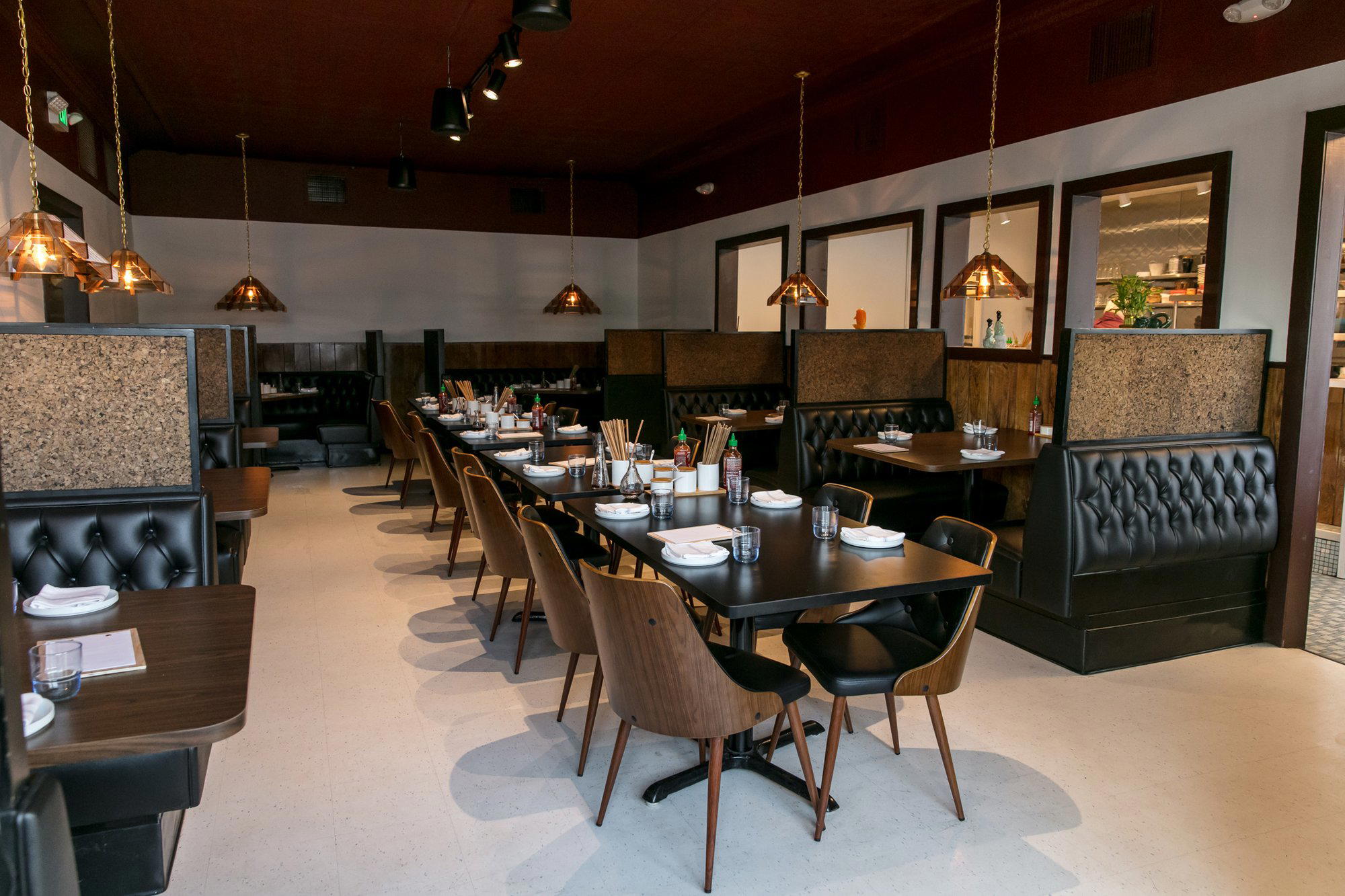
Stylish and inviting with preserved historic elements like terrazzo floors and wood-paneled walls, combined with chic, industrial-modern lighting and lively communal spaces.