The Inn on Ferry Street
A restored collection of Victorian-era mansions on Detroit's historic Ferry Street, The Inn on Ferry Street occupies a distinct tier in the city's accommodation options: intimate in scale, architecturally specific, and rooted in a residential neighbourhood that predates the city's industrial peak. For travellers who find large downtown hotels impersonal, this Midtown address offers a different kind of stay.

Pearl is the En Primeur Club membership app, where members save venues, book tables and use the concierge.
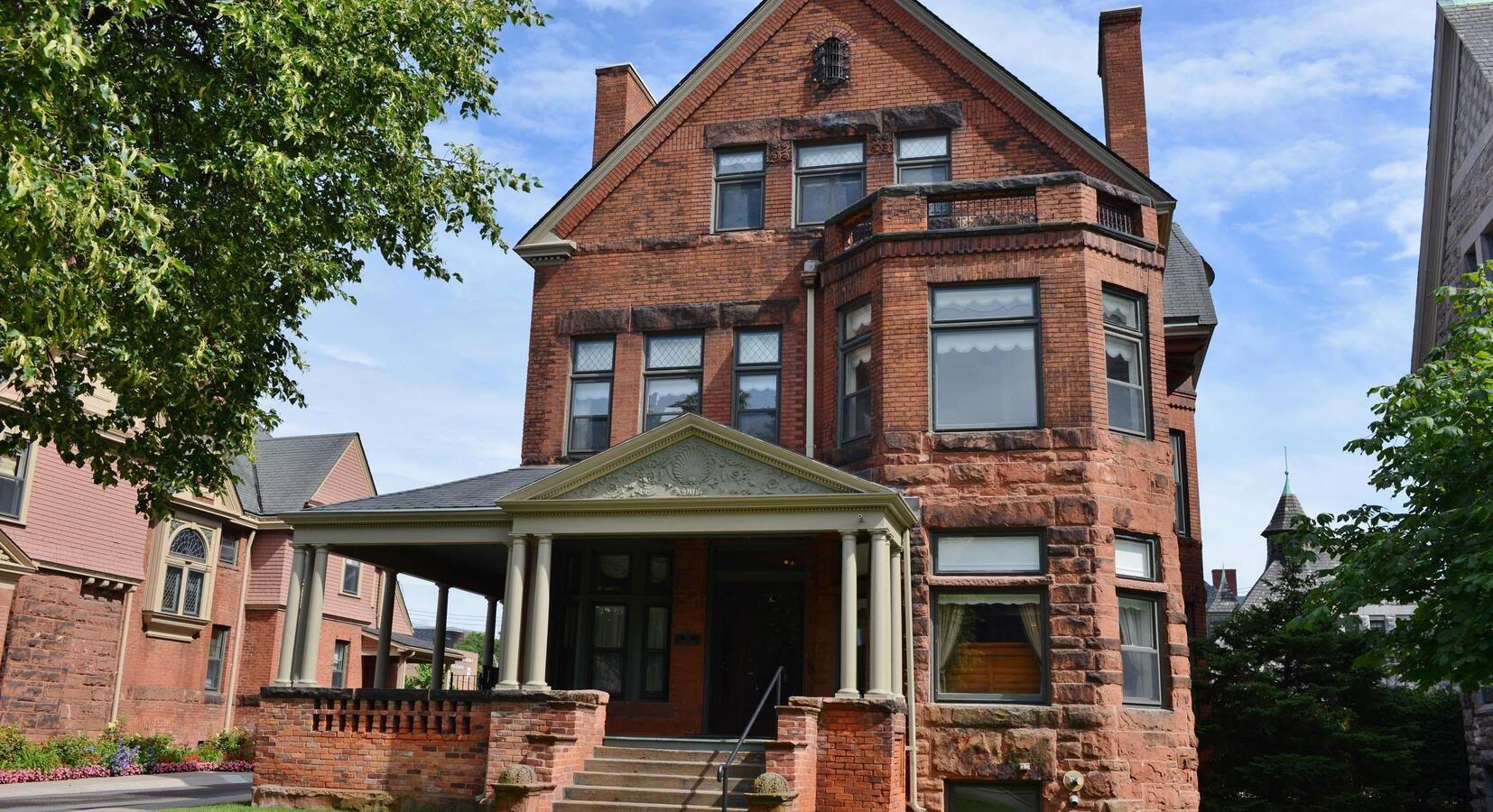
Detroit's Mansion District and What It Means to Sleep There
Most American cities have a block or two where the Gilded Age left its clearest mark before money moved elsewhere. In Detroit, that address is Ferry Street. The stretch running east from Woodward Avenue through Midtown is lined with late-nineteenth-century brick mansions that once housed the city's merchant and professional class. The Inn on Ferry Street, at 84 E Ferry St, occupies several of those buildings, which places it in a category that has no real parallel among Detroit's downtown hotels: a property defined by its architecture first, its neighbourhood second, and its accommodation function third.
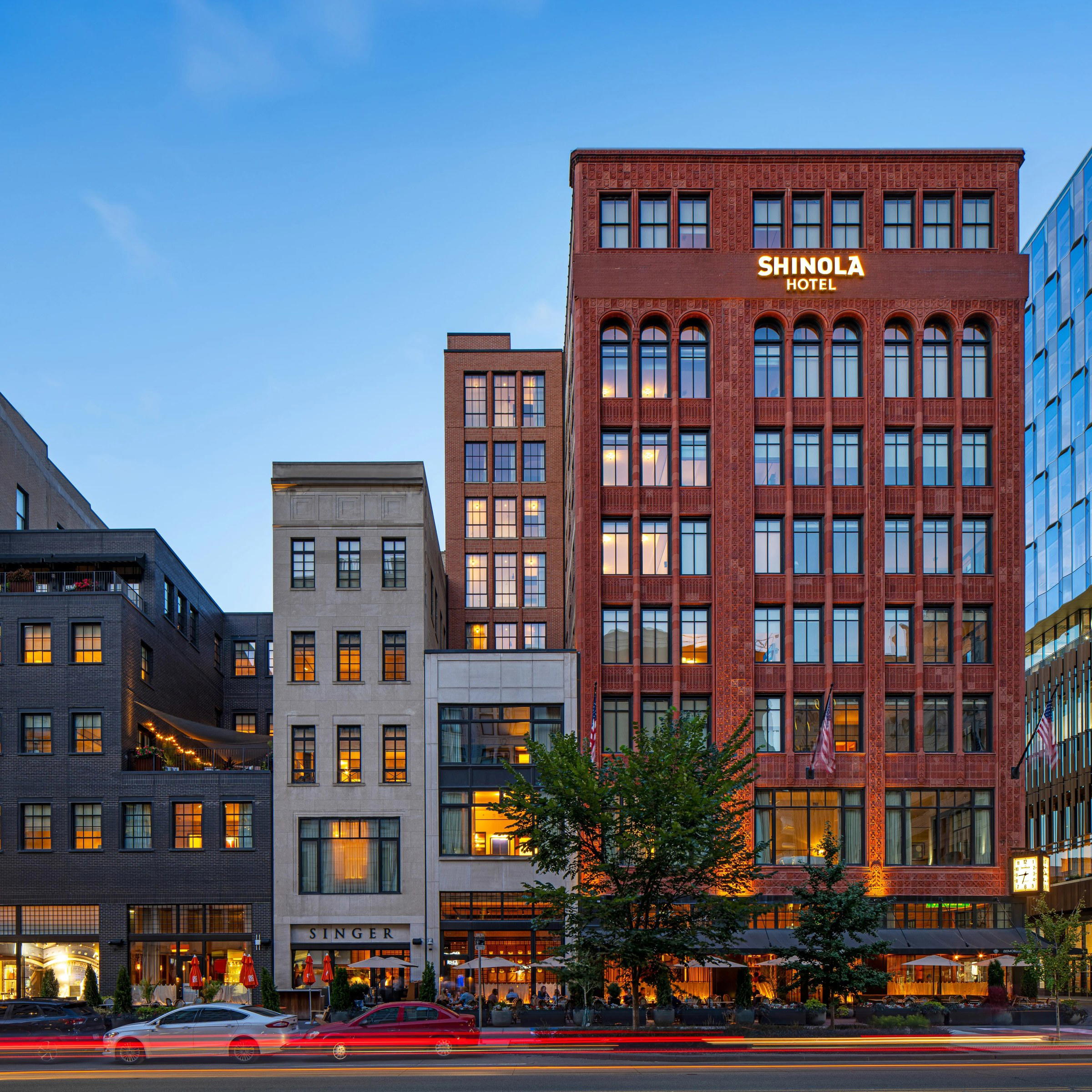
This ordering matters. Travellers comparing Detroit stays will find that the dominant options cluster around two poles. The first is the large, fully-amenitised downtown property, a category that includes Shinola Hotel and The Westin Book Cadillac Detroit, both of which lead with brand authority and comprehensive service infrastructure. The second is the design-led independent, represented by properties like Honor & Folly and El Moore Lodge & Residences, which trade on aesthetic curation and neighbourhood integration. The Inn on Ferry Street belongs to neither category cleanly. Its Victorian mansion format is less a design choice than a structural inheritance, and that distinction shapes the entire character of a stay.
The Room Experience: Staying Inside Detroit's Architectural Past
Sleeping in a converted Victorian mansion is a particular kind of experience that chain hotels cannot replicate and most boutique properties do not attempt. The rooms in a building of this era carry proportional logic from a different century: higher ceilings, wider window casings, floor plans that follow domestic rather than hospitality conventions. In properties that have preserved rather than gutted these structures, the overnight stay becomes a form of architectural immersion that no amount of reclaimed wood or exposed brick in a new-build can approximate.
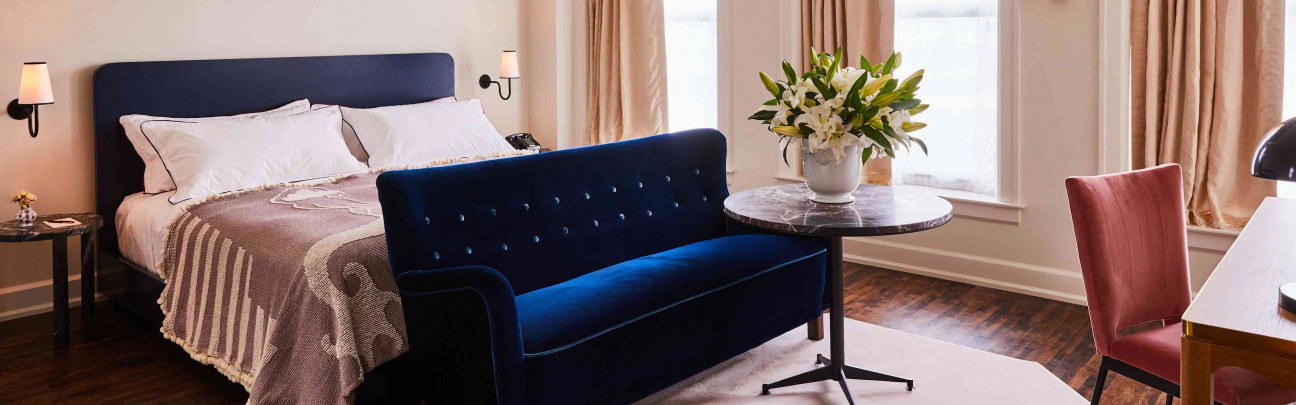
At the Inn on Ferry Street, the physical envelope of each room is shaped by the original residential footprint. That means spatial variety across the property rather than the engineered consistency of a branded hotel floor. Corner rooms in Victorian-era buildings typically offer window orientation on two walls, which changes light conditions across the day in ways that modern hotel rooms, optimised for privacy and climate control, rarely allow. Common areas in mansion conversions of this type tend to retain original staircase details, wood panelling, and fireplace surrounds that function as ambient texture rather than decorative addition.
For travellers accustomed to properties like Troutbeck in Amenia or Post Ranch Inn in Big Sur, where the built environment is as deliberate as the service programme, the Ferry Street approach will feel familiar in its priorities: the building teaches you something before the staff do. That said, those properties operate at price points and service levels that place them in a different competitive tier entirely. The Inn on Ferry Street makes a more modest proposal, one suited to a specific kind of traveller who values neighbourhood rootedness over resort comprehensiveness.
Midtown Detroit: The Neighbourhood as Amenity
Ferry Street sits in Midtown, which is among the most functionally recovered sections of Detroit in the post-2010 period. The Detroit Institute of Arts is within walking distance, as is the Detroit Medical Center and Wayne State University. The concentration of cultural institutions in this corridor is high relative to most American mid-size city neighbourhoods, and it gives the area a daytime density that the downtown core, despite its recent investment, does not always sustain.
For guests whose reason for visiting Detroit involves the arts, medical appointments, or the university, the Midtown location is practically and experientially more coherent than a downtown address. Properties like Hotel David Whitney, Autograph Collection and Atheneum Suite Hotel serve guests whose orientation is toward the downtown business and entertainment core. The Inn on Ferry Street serves a different geography of purpose. That clarity of positioning is useful: the right guest will find the location self-evidently correct; the wrong guest will find the walk to the riverfront frustrating.
Detroit's broader accommodation context, which you can explore further in our full Detroit restaurants and hotels guide, has grown considerably more varied in the past decade. The city now supports a wider range of stays than its pre-bankruptcy reputation suggested was possible, and properties like the Inn on Ferry Street are part of that expanded offer rather than a legacy curiosity within it.
Where It Sits in the Wider Independent Hotel Conversation
Across North America, the independent mansion-conversion hotel occupies a specific and somewhat vulnerable niche. Properties that succeed in this format, such as SingleThread Farm Inn in Healdsburg or Raffles Boston in Boston, tend to do so by combining architectural integrity with service or culinary programming that justifies the rate. The Inn on Ferry Street's competitive position within Detroit rests more on its architectural specificity and location than on documented programming or awards, which means it appeals most to travellers who have already decided that architectural character is the variable that matters most to them.
That is a legitimate and knowable preference. Guests who have stayed at properties like NoMad Detroit and want something quieter and more residential in feeling will likely find the shift to Ferry Street satisfying. Travellers expecting the full-service infrastructure of a Four Seasons at The Surf Club in Surfside or an Aman New York in New York City will be approaching the wrong category of property entirely.
The Inn on Ferry Street is, structurally and experientially, a residential building that receives guests rather than a hospitality operation that happens to occupy a historic building. That distinction is not a criticism. It is the precise condition that makes it the right answer for a particular question.
Planning Your Stay
The property is located at 84 E Ferry St in Detroit's Midtown neighbourhood, a few blocks east of Woodward Avenue. Booking and pricing details are best confirmed directly with the property, as contact information and availability channels were not available at the time of publication. Guests driving to Detroit should note that Midtown has street parking as well as paid lots, and the neighbourhood is walkable to several cultural institutions. Those arriving by air will find Detroit Metropolitan Wayne County Airport the relevant hub, with the Midtown address accessible by rideshare in approximately thirty minutes under normal conditions.
How It Stacks Up
| Venue | Cuisine | Price | Awards |
|---|---|---|---|
| The Inn on Ferry StreetThis venue (the venue you are viewing) | This venue | $100–200 | Not listed |
| Shinola Hotel | Michelin 1 Key | $300–500 | 1 Michelin Key · La Liste Top Hotels |
| Atheneum Suite Hotel | Not listed | $100–200 | Preferred Hotels Member |
| Hotel David Whitney, Autograph Collection | Not listed | Not listed | Michelin Selected |
| El Moore Lodge & Residences | Not listed | $100–200 | Not listed |
Continue exploring
More in Detroit
Hotels in Detroit
All hotels in Detroit →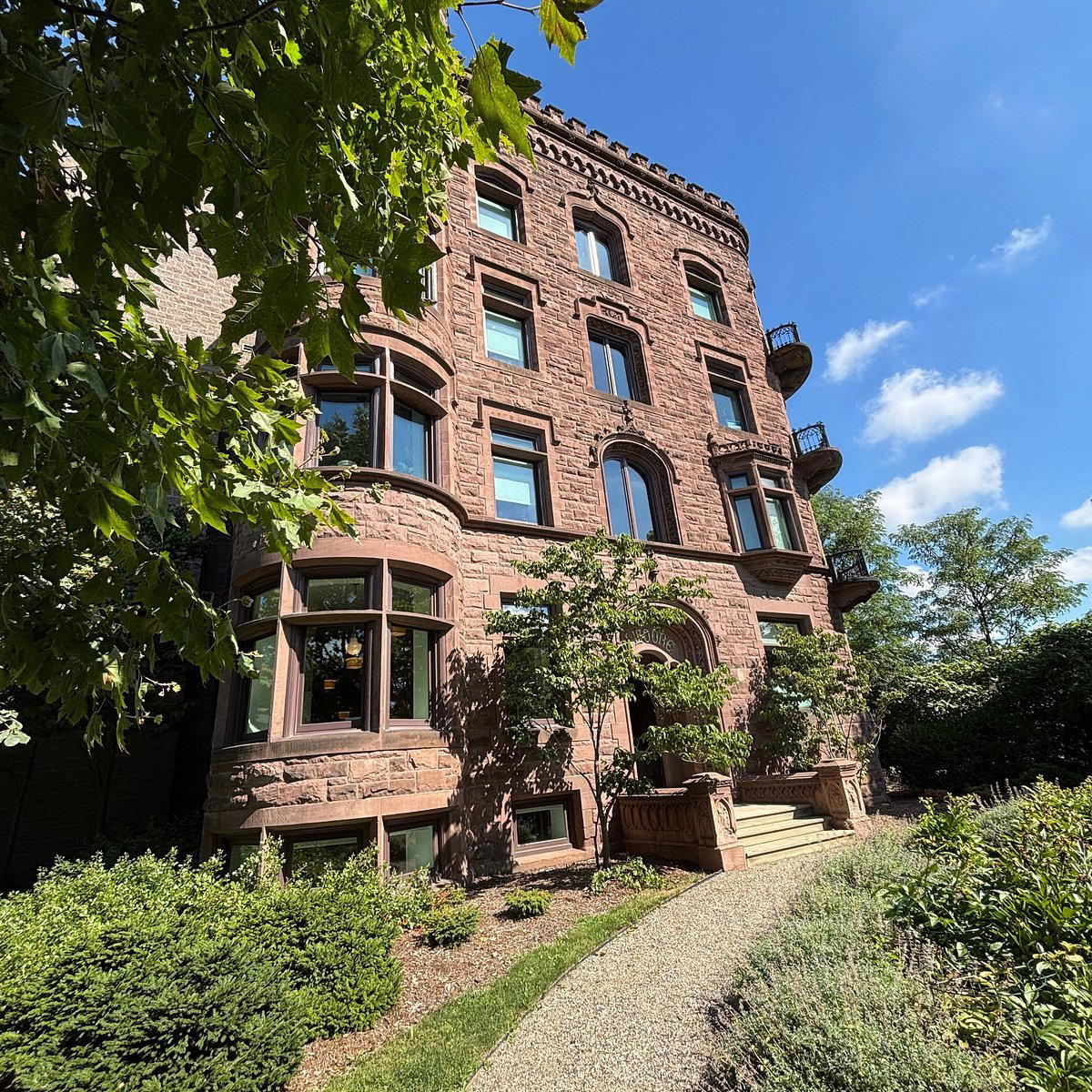


Details
- Romantic
- Cozy
- Elegant
- Historic
- Intimate
- Romantic Getaway
- Anniversary
- Weekend Escape
- Business Trip
- Historic Building
- Garden
- Terrace
- Wi Fi
- Breakfast Included
- Garden
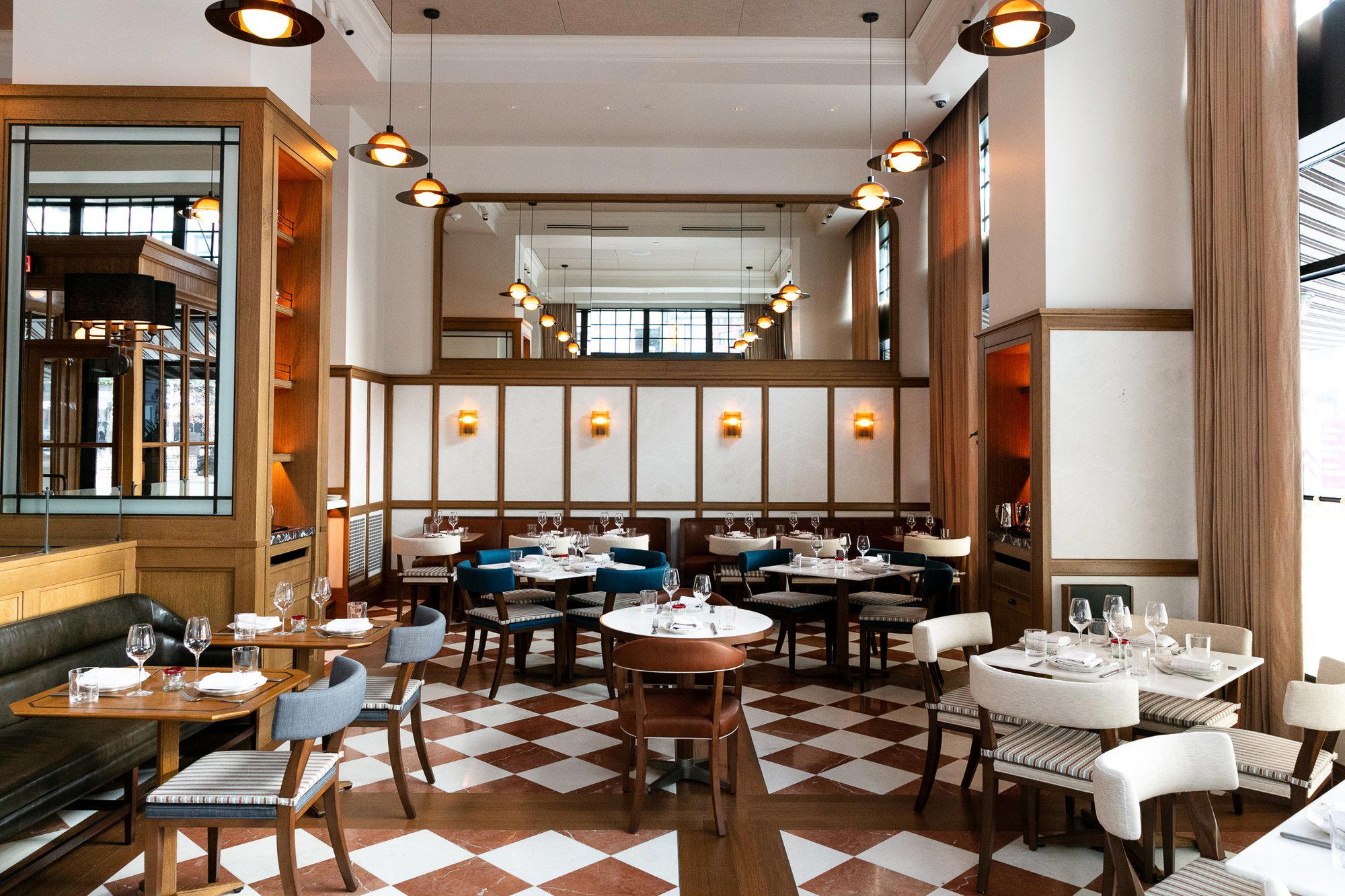
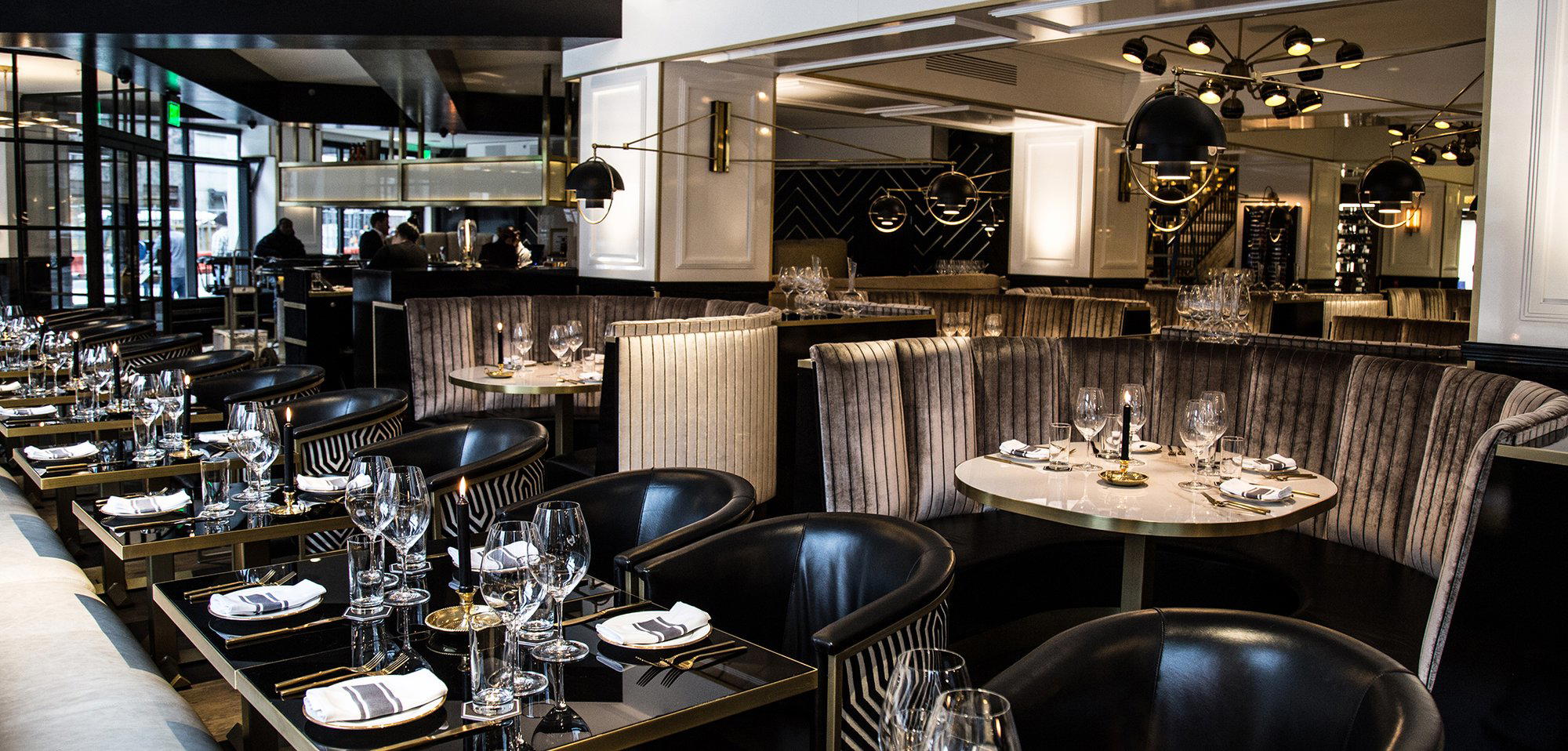
Charming Victorian ambiance with beautiful verandas, seating areas, parlour featuring a fireplace, and comfortable seating throughout.