Standby

Pinnacle Guide 2 Pins
Standby sits inside The Belt, Detroit's alley arts corridor, and has earned national recognition as one of the city's most technically serious cocktail bars. The program places it in the same conversation as acclaimed craft-cocktail destinations across the US, where precision technique and a strong sense of place define the experience. A reliable anchor for downtown Detroit's after-dark scene.

Pearl is the En Primeur Club membership app, where members save venues, book tables and use the concierge.
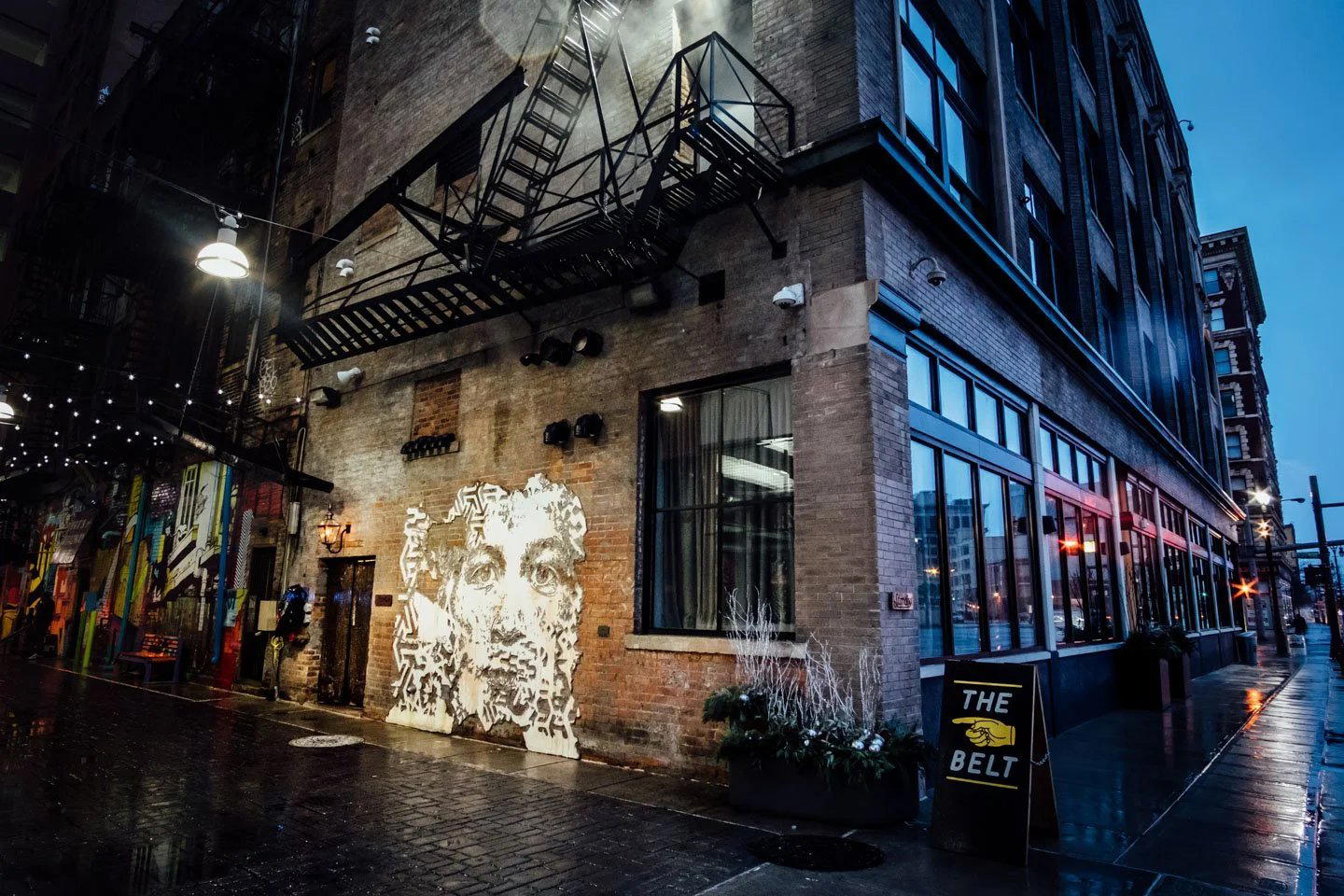
The Alley as Context
The Belt is one of those urban interventions that quietly changed a city's relationship with its own downtown. What was a service alley running off Gratiot Avenue in Detroit's central core became, over the past decade, a curated outdoor gallery corridor: murals at street level, light installations overhead, and a cluster of bars and restaurants that drew a new kind of foot traffic to a district that had long been written off. Standby occupies that environment not as a tenant but as an anchor, the kind of bar that gives a neighbourhood its social gravity.
In American cocktail culture, the bars that matter most right now tend to cluster around one of two poles: the maximalist, chef-driven cocktail kitchen approach, or the disciplined, product-led counter program where the work at the bar is the entire point. Standby reads as the latter. Its national reputation was built on the quality of the drinks program itself, not on a theatrical format or a celebrity name above the door. That positions it in the same serious-craft tier as programmes like Kumiko in Chicago, Jewel of the South in New Orleans, or Bar Leather Apron in Honolulu: bars where the conversation starts and ends with what is in the glass.
What National Acclaim Signals Here
Standby has been described as a nationally acclaimed cocktail destination in the context of Detroit's drinking scene. In the US craft-cocktail tier, that kind of recognition typically means a bar has cleared several filters at once: consistent technical execution, a coherent menu identity, and enough staying power to remain relevant across the cycle of new openings that constantly refreshes the conversation in major drinking cities. Detroit is not New York or Chicago in terms of sheer programme density, which makes the national signal more meaningful, not less. A bar that breaks through to broader notice from a smaller market has usually earned it on the merits of the work rather than through proximity to critical mass.
The Belt location adds a layer that pure drinks quality alone cannot provide. Art-adjacent hospitality spaces in American cities tend to either over-lean into the art programming at the expense of the bar, or treat the art as wallpaper while focusing on the drinks. The reputation Standby has built suggests a more integrated read: a place where the cultural environment is load-bearing, where the community dimension referenced in its awards context is not a marketing position but an actual operating characteristic. That is a harder balance to hold than it looks.
The Craft Dimension
In the editorial angle that matters most for a bar like Standby, the question is what the programme reveals about the people running it. Craft cocktail bars that sustain national recognition over time share a common characteristic: the bartenders treat the counter as a kitchen, applying the logic of mise en place, seasonal sourcing, and technique-first development to a format that most people still associate with a quick pour and a garnish.
That approach is visible in the bars Standby is most usefully compared against. ABV in San Francisco built its reputation on a similar principle of technical seriousness applied to an accessible neighbourhood format. Julep in Houston draws on regional tradition but applies a rigorous development process to it. Superbueno in New York City uses a specific cultural lens to frame an equally disciplined program. What connects these bars is not a shared aesthetic but a shared standard: the work behind the menu is as considered as anything happening in a serious kitchen, and that seriousness is eventually legible to the guest even if they cannot name the technique involved.
Detroit's own bar scene has developed a similar range of commitments. The city supports both the casual, community-anchored format, well represented by places like Andrews on the Corner and the beer-led programming at Atwater Brewery and Tap House, and the more technically driven cocktail counter. Standby operates in the latter register, which means it is serving a specific appetite in the market: guests who want the craft-program experience without travelling to a coastal city to find it.
The Belt and Its Neighbours
Understanding where Standby sits geographically also means understanding what The Belt does for the surrounding blocks. Detroit's downtown revival has concentrated energy in particular corridors, and the alley arts district model, pioneered in part by the development that created The Belt, exported a template that other cities have since tried to replicate. The concentration of programming in a single walkable corridor means that an evening in the area can move between formats without covering significant ground.
Bars like 3Fifty Terrace and 1459 Bagley St operate in proximate parts of downtown Detroit's drinking circuit, each with a distinct identity. The Belt cluster, anchored by Standby, leans harder into the arts-community integration that defines the corridor's original character. For guests building an evening rather than a single stop, that distinction shapes the logical sequence.
The Parlour in Frankfurt on the Main operates in a comparable format, where an art-adjacent address and a serious drinks programme combine to position the bar outside the usual nightlife categories. The pattern holds across cities: when a bar sits at the intersection of cultural programming and technical craft, it tends to attract a guest who reads the menu as a document rather than a list, and who returns for the development cycle rather than the novelty.
Planning Your Visit
Is Standby a good choice for someone who does not usually drink cocktails?
Bars that earn national recognition specifically for their drinks programmes tend to centre the experience on the menu, which means guests who arrive without strong cocktail fluency are in a good position: the bartenders at this tier are typically well practised at reading the table and guiding orders. The art-and-community framing of The Belt setting also means the space carries enough ambient interest to make an evening there work on multiple levels, not solely for the drinks. The awards recognition Standby has accumulated suggests a programme confident enough to meet guests wherever their knowledge starts.
A Lean Comparison
Comparable venues nearby, for context on price, style, and recognition.
| Venue | Cuisine | Price | Awards | Notes |
|---|---|---|---|---|
| StandbyThis venue (the venue you are viewing) | Not listed | $30–50 | Pinnacle Guide 2 Pins | Not listed |
| Atwater Brewery & Tap House | Not listed | $20–30 | Not listed | Rivertown, beer_bar |
| Elwood Bar & Grill | Not listed | $20–30 | Not listed | East Necklace, sports_bar |
| Detroit Shipping Company | Not listed | $30–50 | Not listed | Midtown, beer_bar |
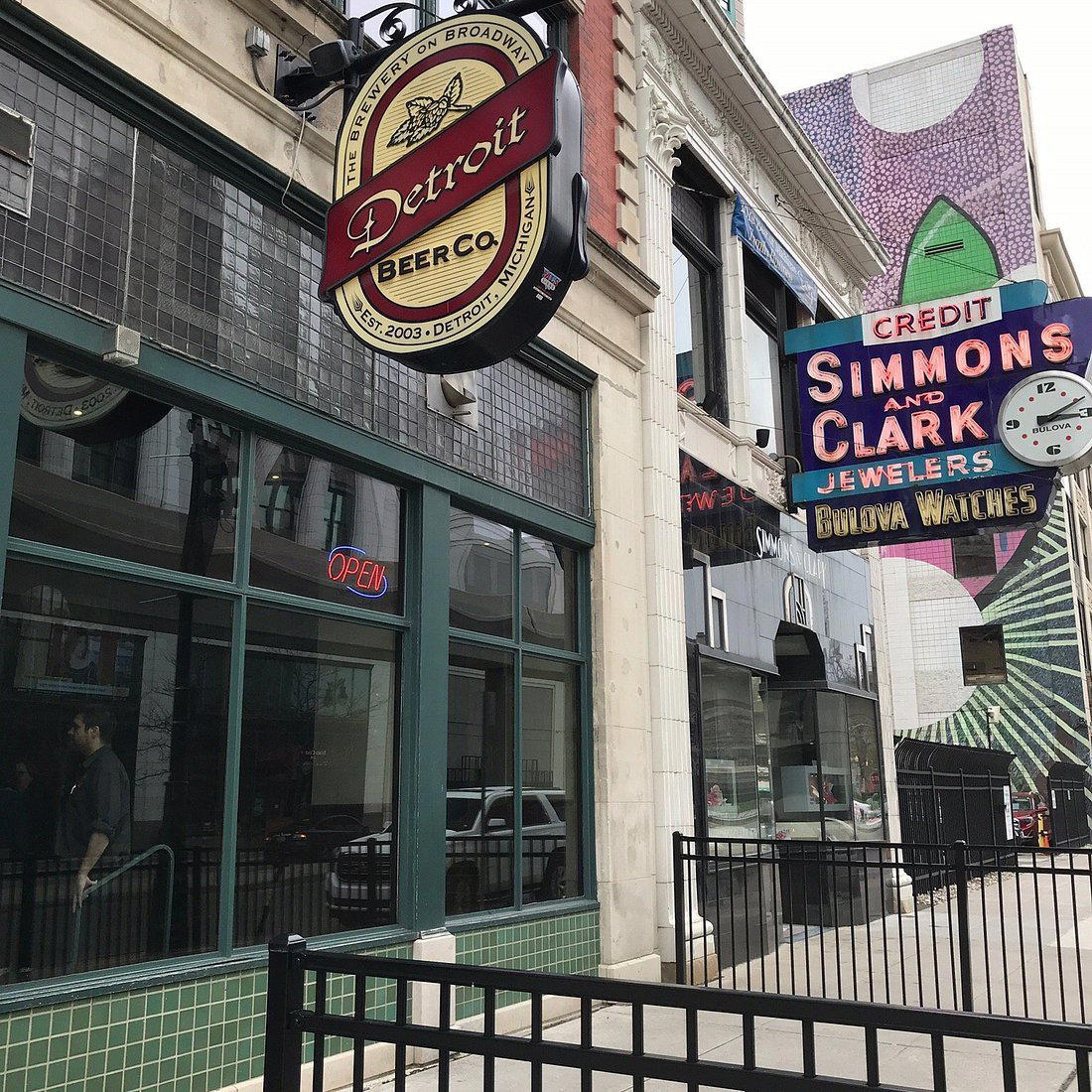
| Detroit Beer Co | Not listed | $20–30 | Not listed | East Necklace, beer_bar |
| Ima Noodles | Cultural Center, Bar | $20–30 | Not listed | Not listed |
Recognition history
Dated appearances from independent guides and award organizations, with the underlying list record or original source where available.
Pinnacle Guide 2 Pins
Pinnacle Guide
Continue exploring
More in Detroit
Bars in Detroit
All bars in Detroit →
Restaurants in Detroit
All restaurants in Detroit →
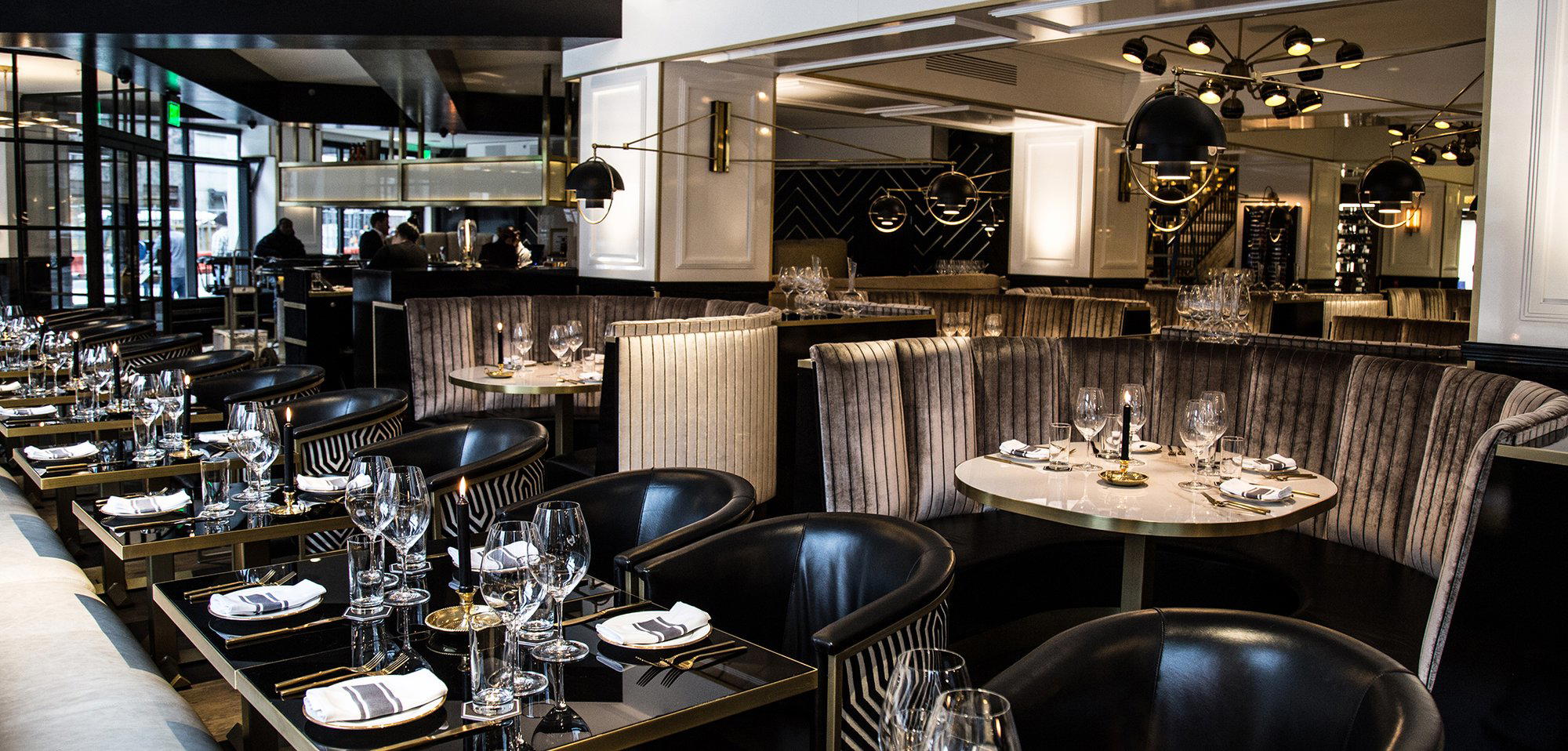
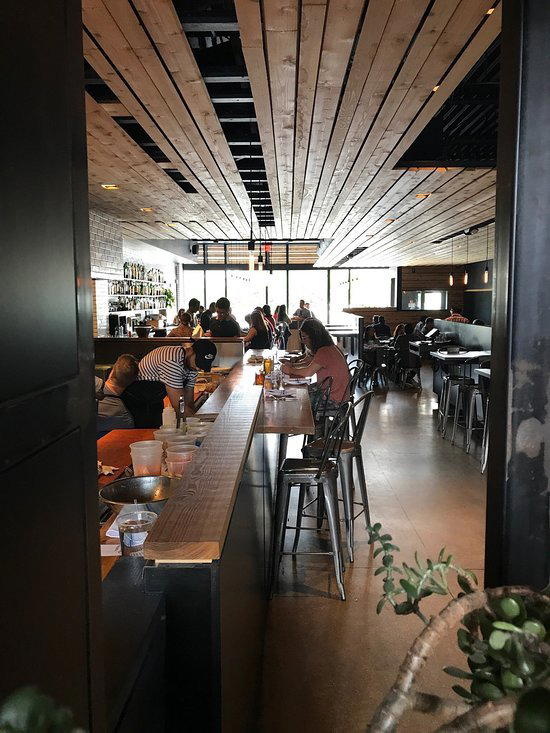
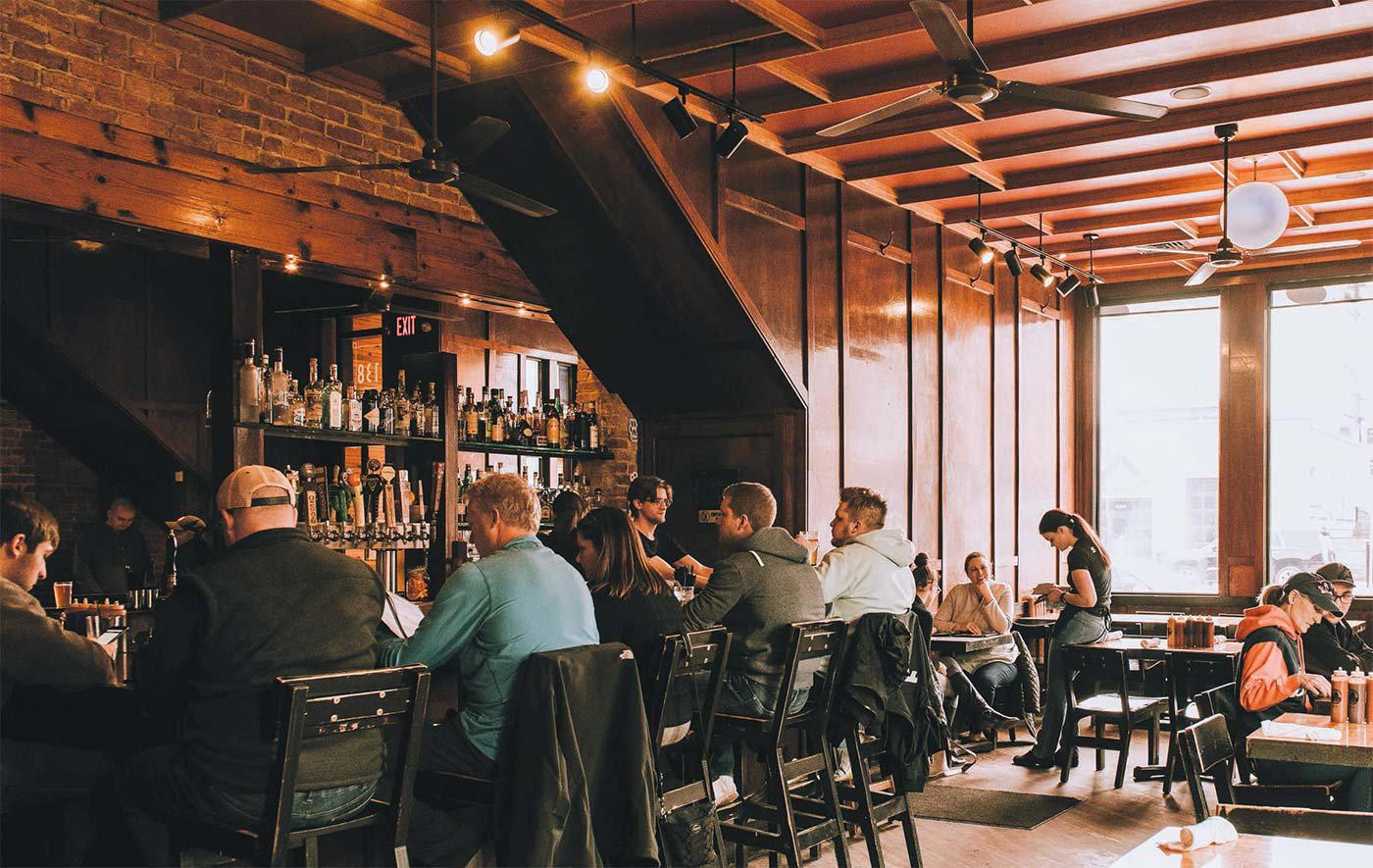
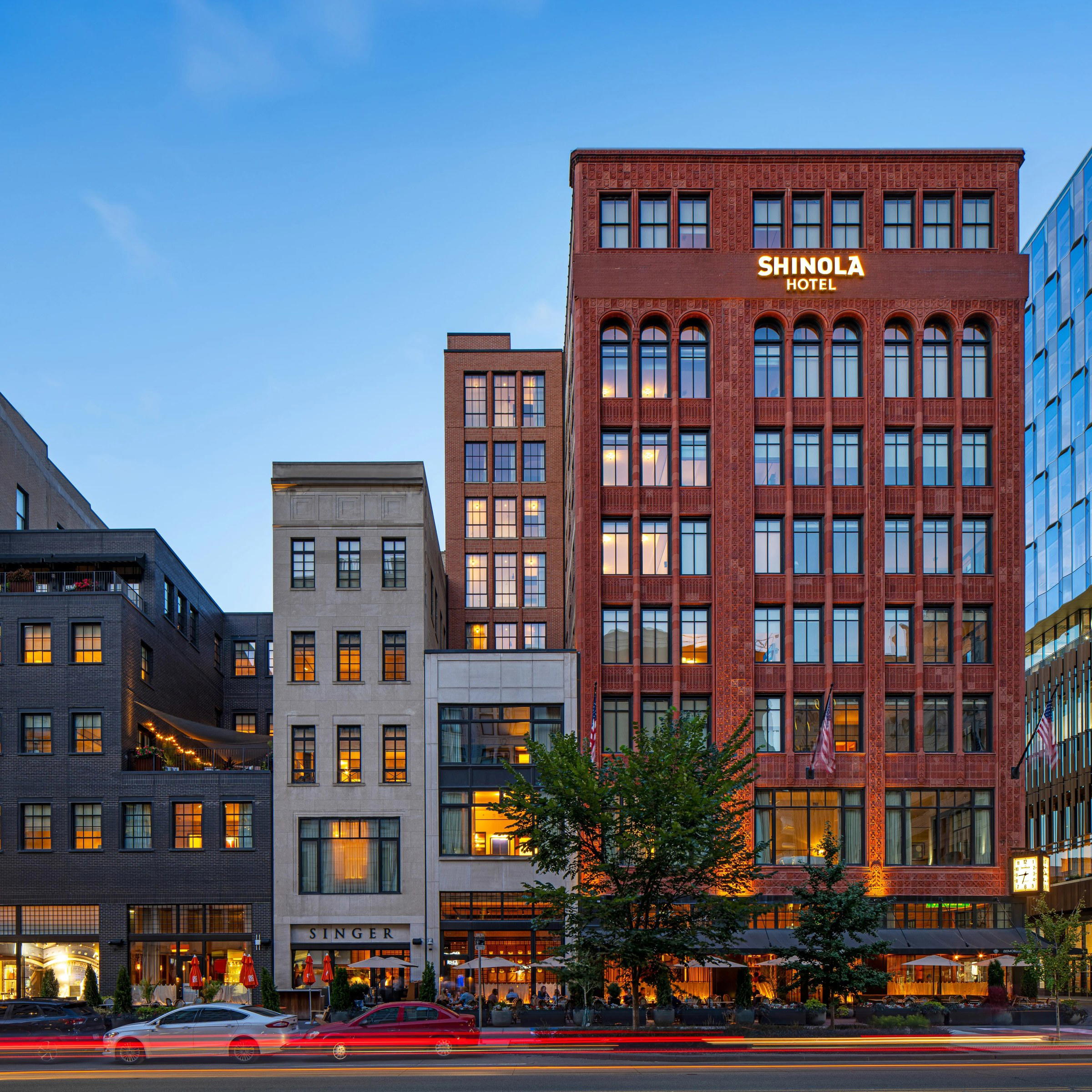
Standby
The drinks
- Craft cocktails
- Classic cocktails
- Zero-proof drinks
Details
- Trendy
- Intimate
- Lively
- Modern
- Date Night
- Late Night
- Group Outing
- Speakeasy
- Design Destination
- Seated Bar
- Lounge Seating
- Craft Cocktails
- Classic Cocktails
- Zero Proof
Current opening hours
- Monday
- Closed
- Tuesday
- Closed
- Wednesday
- 5 PM–12 AM
- Thursday
- 5 PM–12 AM
- Friday
- 5 PM–2 AM
- Saturday
- 5 PM–2 AM
- Sunday
- 5 PM–12 AM
Hours can change for holidays and private events. Last verified .
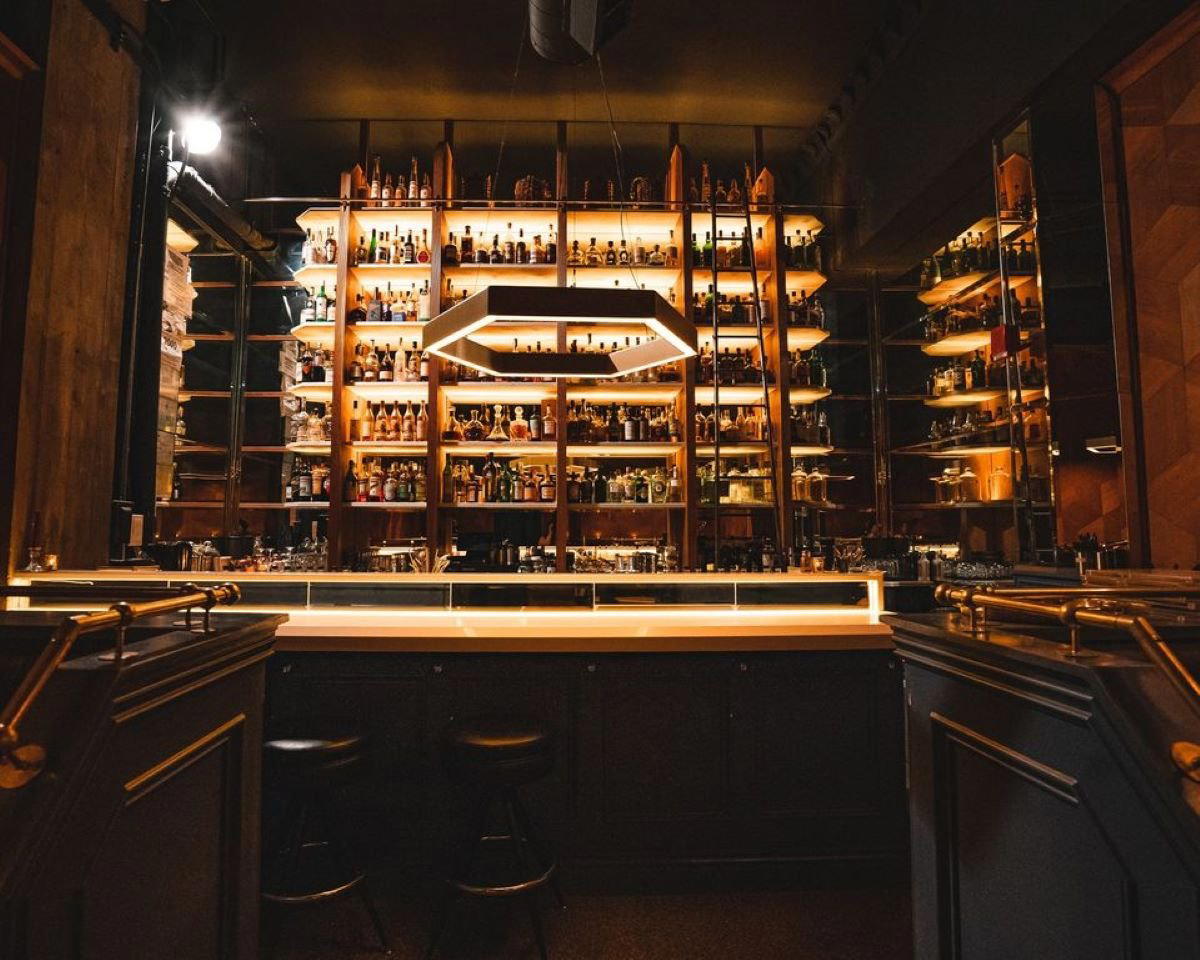
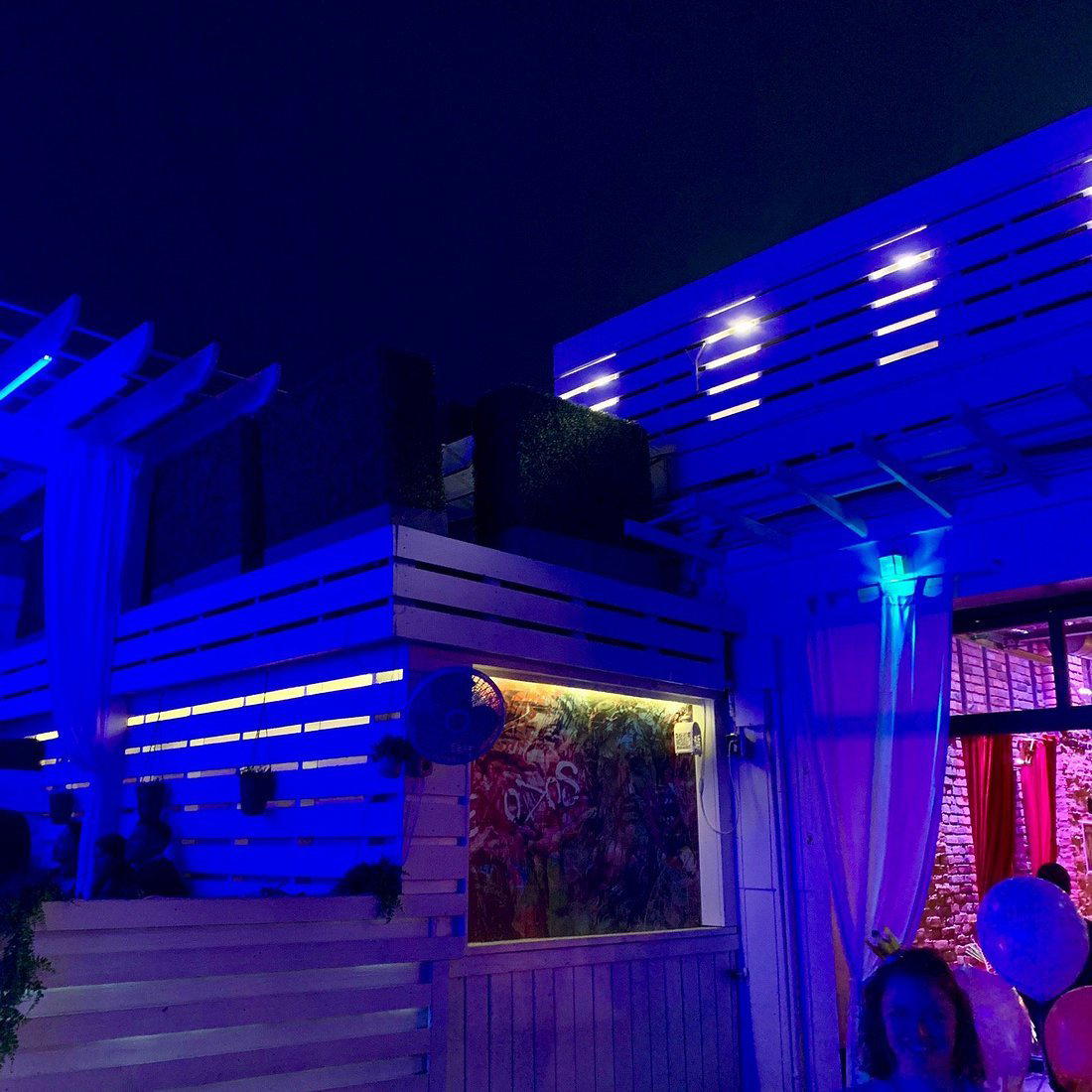
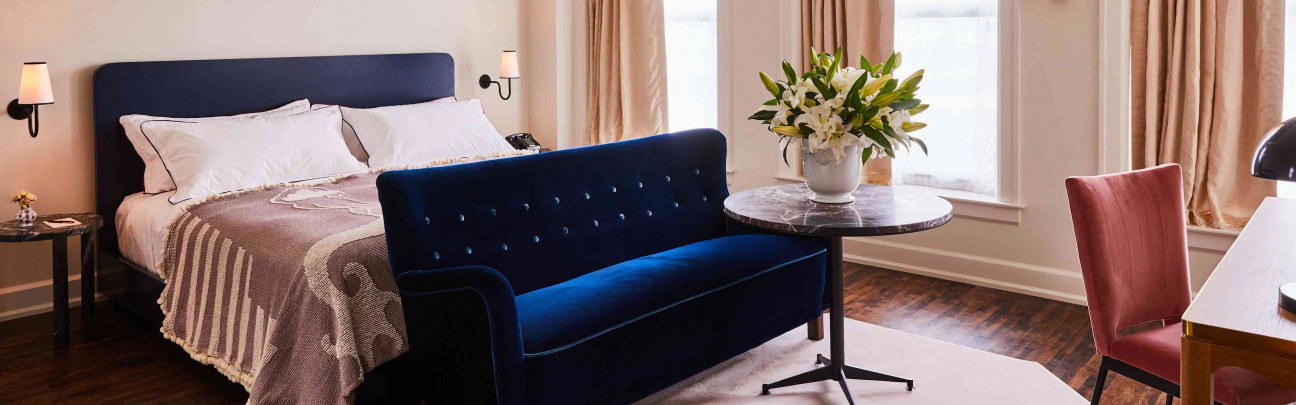
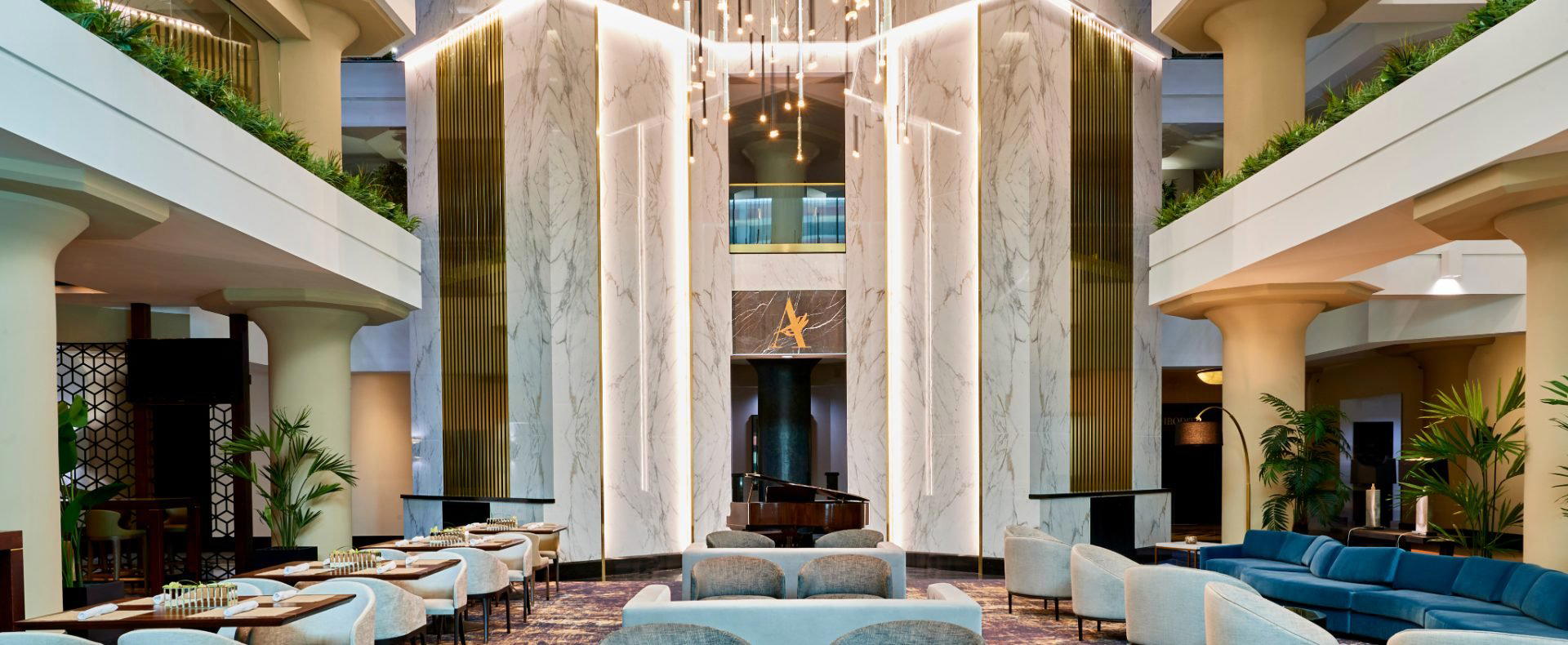
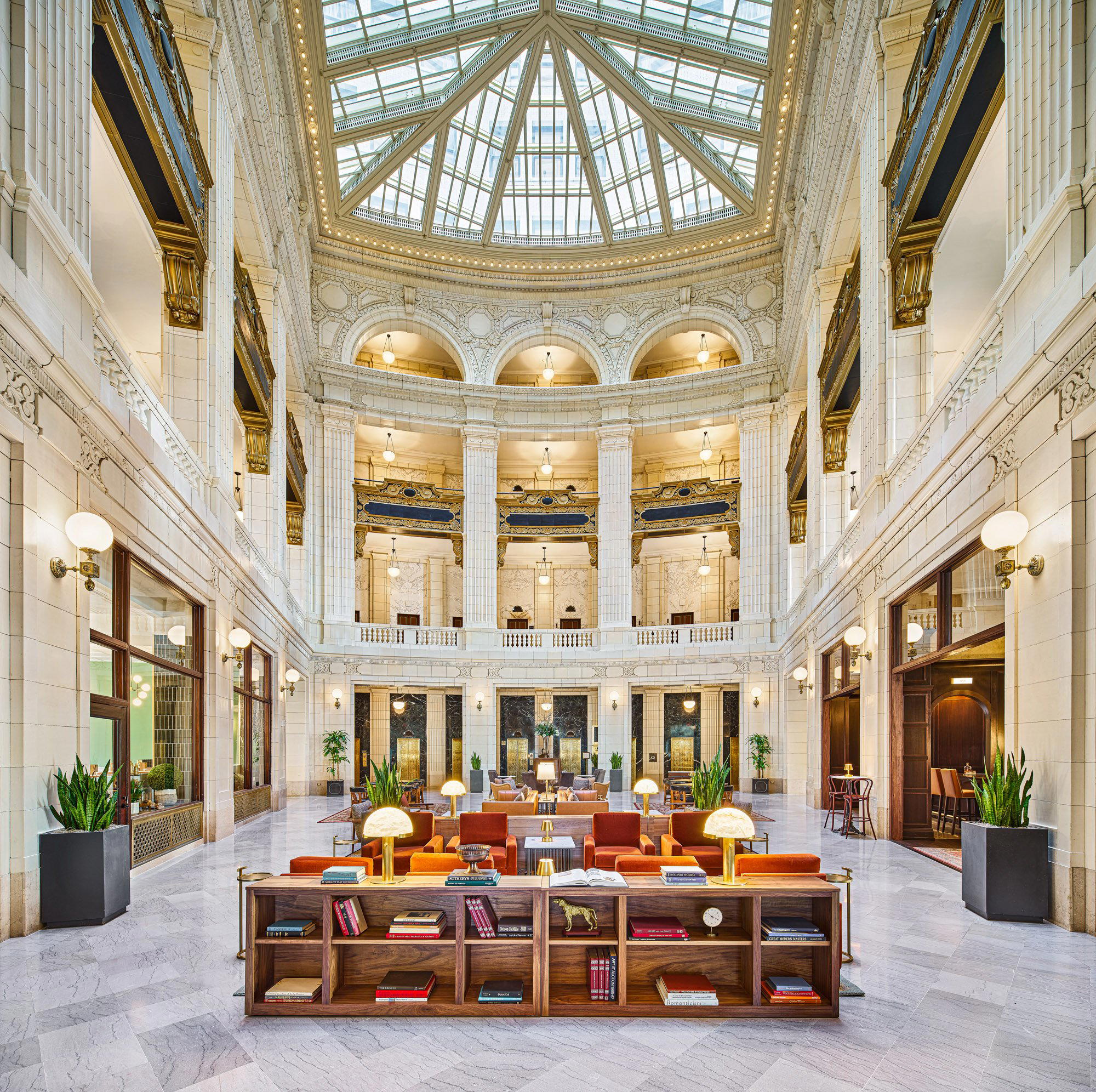
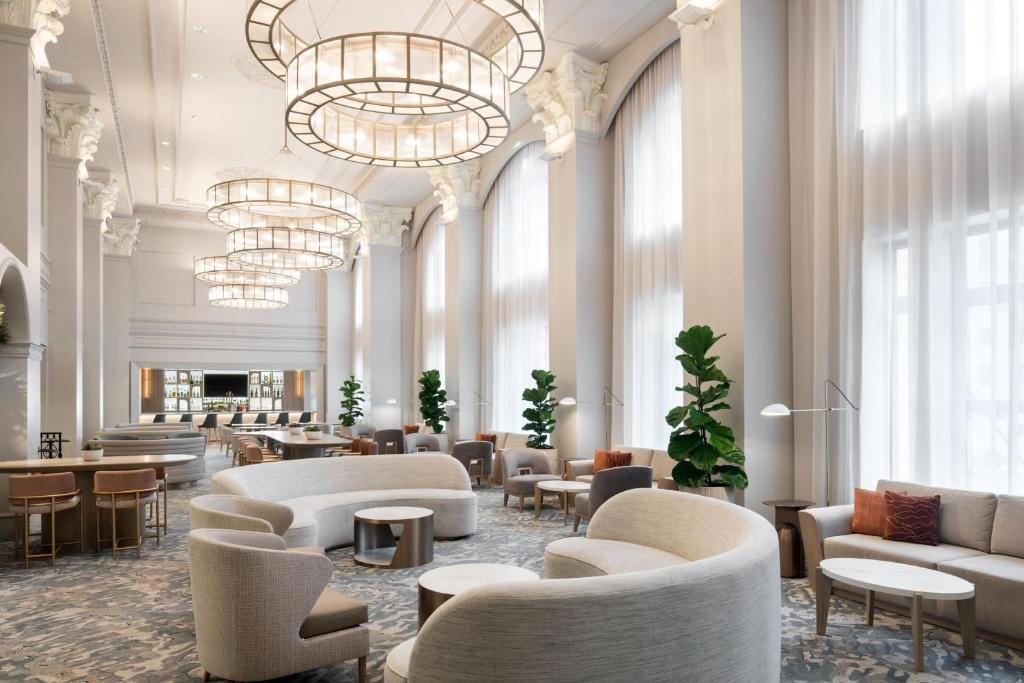
Dimly lit, dark and smoky with urban-chic decor, low lights, great soundtrack, and effortlessly stylish atmosphere.