Chenin

James Beard Award Nominee
Chenin is Detroit's natural wine bar on Broadway Street, where the pour list skews toward low-intervention bottles and the food programme is built around complementing them. The address puts it at the edge of downtown's ongoing revitalisation, and the format favours lingering over turnover. A focused, knowledgeable stop for anyone serious about what's in the glass.

Pearl is the En Primeur Club membership app — saves, bookings, and concierge access live there. Same editors, same standards.
- Address
- 1509 Broadway St Suite A-1, Detroit, MI 48226
- Hours
- Mon 5 PM–12 AMTue–Wed ClosedThu 5 PM–12 AMFri–Sat 5 PM–2 AMSun 5 PM–12 AM
- Website
- barchenin.com
- Directions
- Get directions
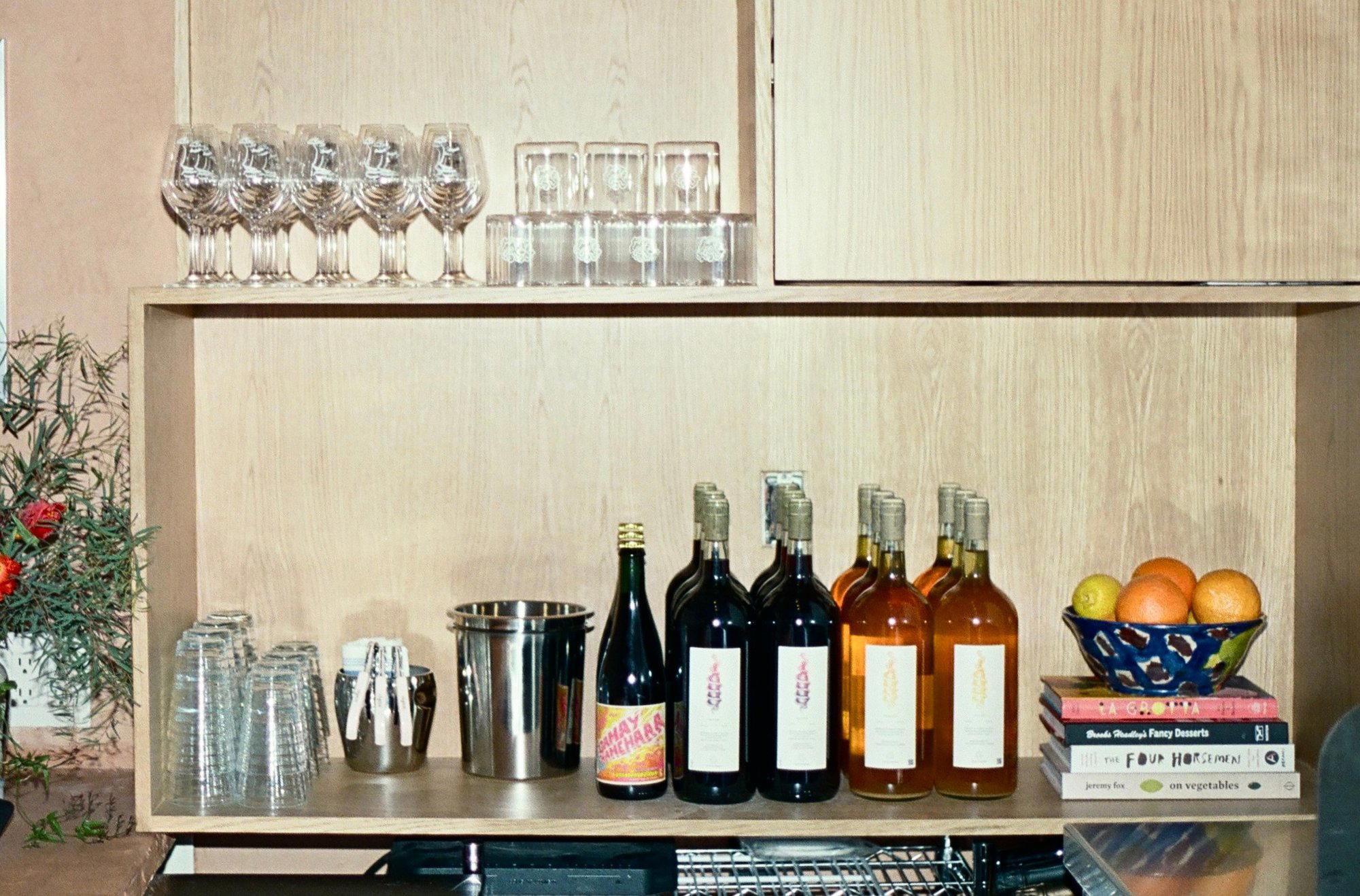
Where Broadway Meets the Glass
Broadway Street in downtown Detroit has been accumulating a new layer of food and drink addresses over the past decade, filling in gaps left by decades of disinvestment with formats that tend to be smaller, more considered, and more locally specific than the chains and sports-bar anchors that defined earlier recovery phases. Chenin sits at 1509 Broadway Street, Suite A-1, in that newer cohort — a natural wine bar in a city that, until recently, had very few of them. The name itself signals the editorial stance: Chenin Blanc, the Loire Valley grape, is beloved among natural wine producers for its capacity to express place, its high acidity, and its resistance to the kind of heavy-handed cellar intervention that the natural wine movement pushes back against. Naming a bar after it is a declaration of intent.
The Natural Wine Bar Format in an American Context
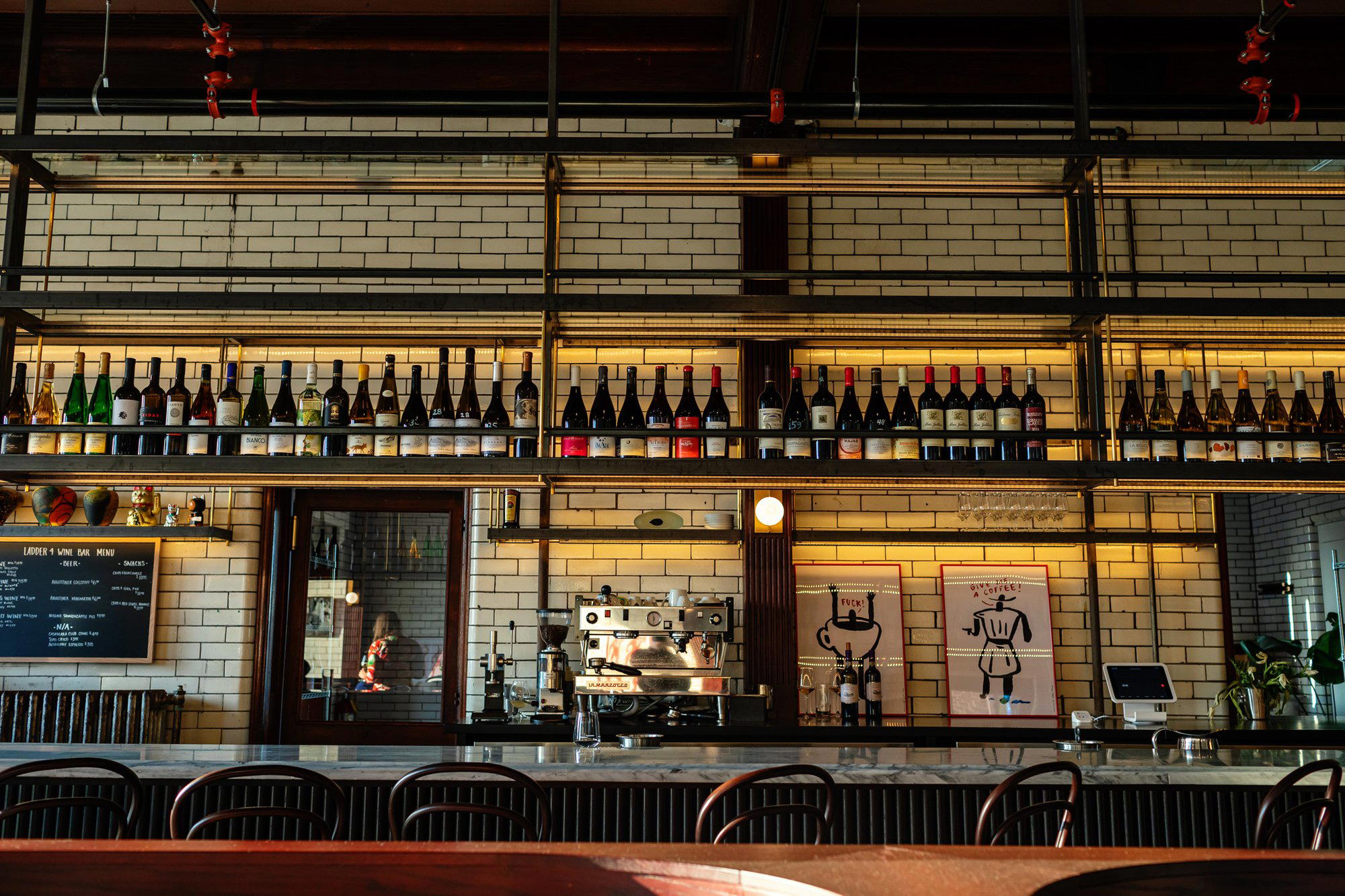
Across American cities, the natural wine bar has settled into a recognisable format: modest square footage, a tight list that rotates with producer arrivals rather than following a static menu logic, dim lighting, and food that is designed to work with the wine rather than compete with it. The format has gained ground in cities like Chicago, where Kumiko represents a precision-led approach to drinks programming, and in New York, where Superbueno shows how a focused drinks list and strong food identity can coexist without either overwhelming the other. In San Francisco, ABV built its reputation on exactly this kind of thoughtful pairing logic. Detroit's entry into this space with Chenin reflects a broader pattern: cities with strong local food cultures eventually generate the demand for wine-forward, low-intervention bars, and Detroit's restaurant community had been building that audience for some time before the address on Broadway opened.
What separates natural wine bars from standard wine bars is not just the liquid in the glass but the food philosophy that accompanies it. Natural wine, with its higher acidity, funkier profiles, and occasional turbidity, calls for food that has texture, salinity, and some structural weight. The leading natural wine bar programmes in the US treat the kitchen not as an afterthought but as the other half of the pairing. Charcuterie, aged cheeses, fermented and pickled elements, and fat-rich small plates are the grammar of the format — not because they are fashionable, but because they work against the wines' acidity and tannin structures.
The Pairing Logic: Drink and Eat Together
At a bar defined by its drink programme, the food exists to extend the conversation in the glass. The natural wine format, more than almost any other drinks category, demands this kind of integration. High-acid, low-sulphur wines with minimal fining and filtration are wines that need food, they are not designed to be consumed in isolation the way a heavily structured Napa Cabernet might be approached. They reward the table that grazes, that orders another glass because the last bite of something salty or fermented made the wine suddenly more interesting.
This is the editorial argument for Chenin's position in Detroit's drinking scene: it is not competing with the brewery and craft beer stops that dominate much of the city's bar culture, venues like Atwater Brewery & Tap House or the more localised Andrews on the Corner, nor is it competing with cocktail-led rooms. It is operating in a smaller, more specific niche, one where the drink and the bite are in a continuous dialogue and the guest is expected to participate in both sides of that conversation. Compared to rooftop drinking at 3Fifty Terrace or the neighbourhood-bar warmth of 1459 Bagley St, Chenin represents a deliberately quieter, more internally focused format.
Detroit as a Natural Wine Destination
Detroit's bar scene has historically been weighted toward beer and spirits, which is unsurprising given the city's working-class industrial history and the dominance of local breweries. The emergence of a natural wine bar as a credible address in downtown Detroit says something about how the city's food and drink appetite has shifted in the past several years. The same demographic driving demand for Detroit's broader restaurant scene, younger professionals, creative industry workers, a growing restaurant community that has trained in cities like Chicago and New York, has been building a market for more European-influenced drinking formats.
Natural wine's appeal is partly ideological (low-intervention, often small-producer, transparency about process) and partly sensory (wines that are more varied, more surprising, and often more food-friendly than their conventional counterparts). For a city that has built much of its post-recovery food identity around local sourcing, community-scale production, and authenticity as a counter-narrative to mass-market culture, the natural wine bar is a logical fit. It slots into the same value system, even if the liquid comes from the Loire, the Jura, or Georgia rather than from Michigan.
That said, the category is not without its challenges. Natural wine lists require more curation work, more staff education, and more willingness to hold bottles that may not be immediately legible to a guest walking in without prior knowledge. Bars that get this right, like Jewel of the South in New Orleans, which balances deep drinks knowledge with broad accessibility, or Julep in Houston, where category focus and hospitality coexist without condescension, tend to become anchors in their respective cities over time. Bar Leather Apron in Honolulu and The Parlour in Frankfurt demonstrate that this format translates across very different drinking cultures when the hospitality intelligence is present. Chenin's ability to hold that balance in downtown Detroit will determine whether it becomes a lasting fixture or a short-cycle experiment.
Planning Your Visit
Chenin is at 1509 Broadway Street, Suite A-1 in downtown Detroit, a walkable location from the central business district and close to other food and drink addresses along the Broadway corridor. For a bar of this format and focus, arriving with time to spare is the operative advice: the natural wine bar experience rewards sitting, asking questions, and ordering in rounds rather than arriving with a fixed plan. Current hours, reservations policy, and contact details are best confirmed directly through Chenin's own channels before visiting, as specifics for smaller independent venues can shift without broad notice.
Peers Worth Knowing
Comparable venues nearby, for context on price, style, and recognition.
| Venue | Cuisine | Price | Awards | Notes |
|---|---|---|---|---|
| CheninThis venue — the venue you are viewing | wine_bar | $30–50 | James Beard Award Nominee | Not listed |
| 3Fifty Terrace | rooftop_bar | Not listed | Not listed | East Necklace |
| Bar Pigalle | cocktail_bar | $30–50 | Not listed | Midtown |
| Elwood Bar & Grill | sports_bar | $20–30 | Not listed | East Necklace |
Recognition history
Dated appearances from independent guides and award organizations, with the underlying list record or original source where available.
James Beard Award Nominee
James Beard Award
Full recognition history (2 entries)
James Beard Award Semi Finalist
James Beard Award
Details
- Cozy
- Intimate
- Elegant
- Date Night
- Casual Hangout
- Seated Bar
- Counter Only
- Natural Wine
- Classic Cocktails
Current opening hours
- Monday
- 5 PM–12 AM
- Tuesday
- Closed
- Wednesday
- Closed
- Thursday
- 5 PM–12 AM
- Friday
- 5 PM–2 AM
- Saturday
- 5 PM–2 AM
- Sunday
- 5 PM–12 AM
Hours can change for holidays and private events. Last verified .
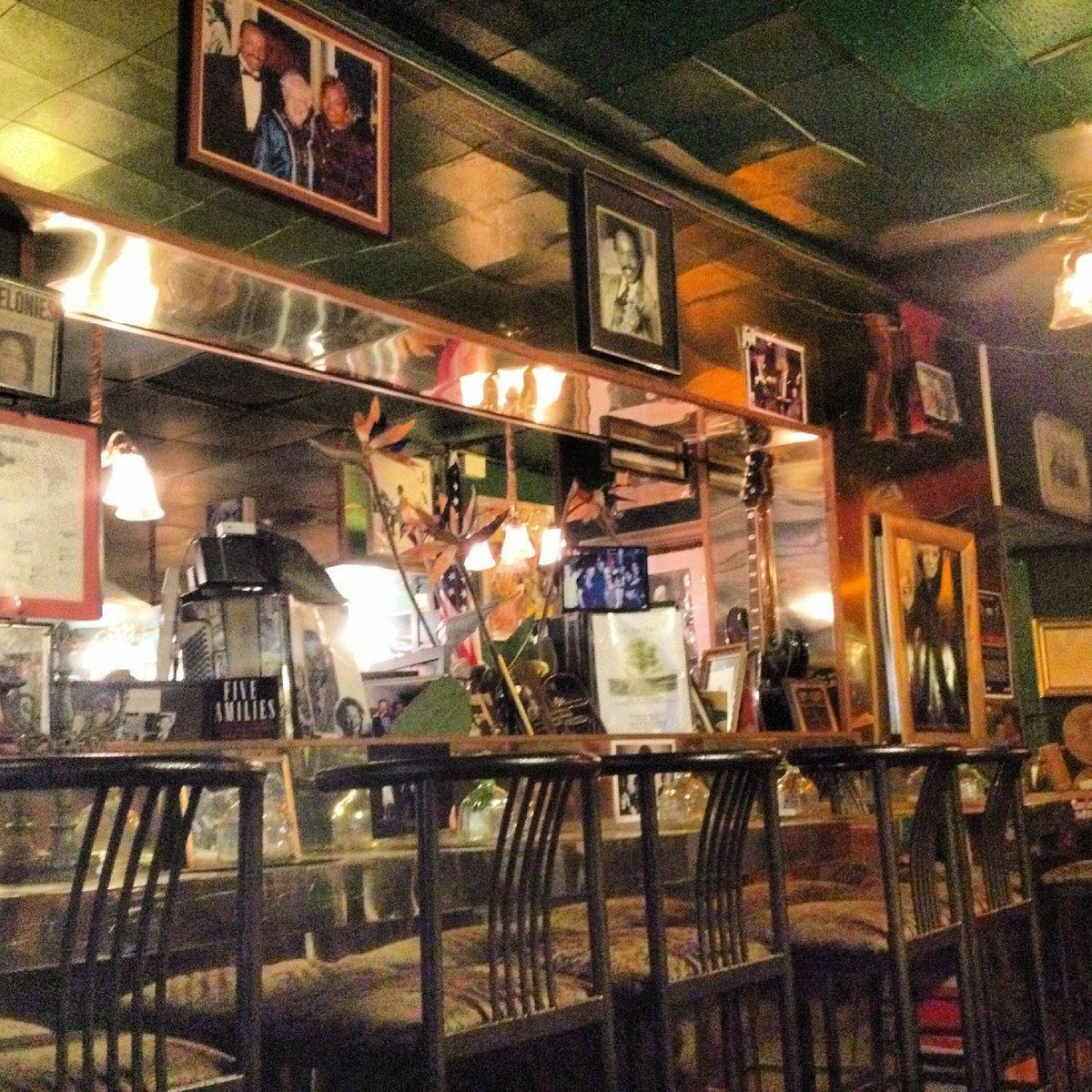
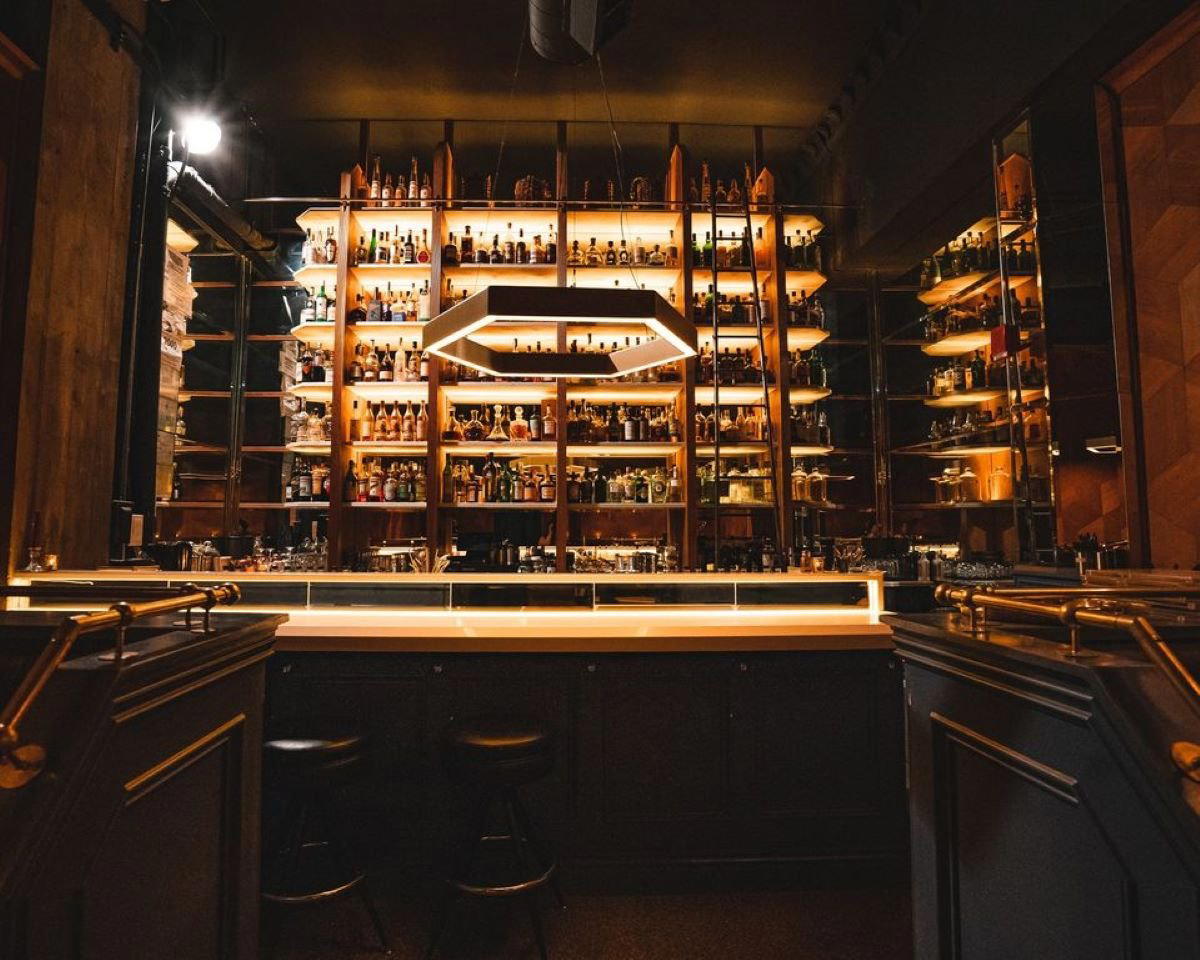
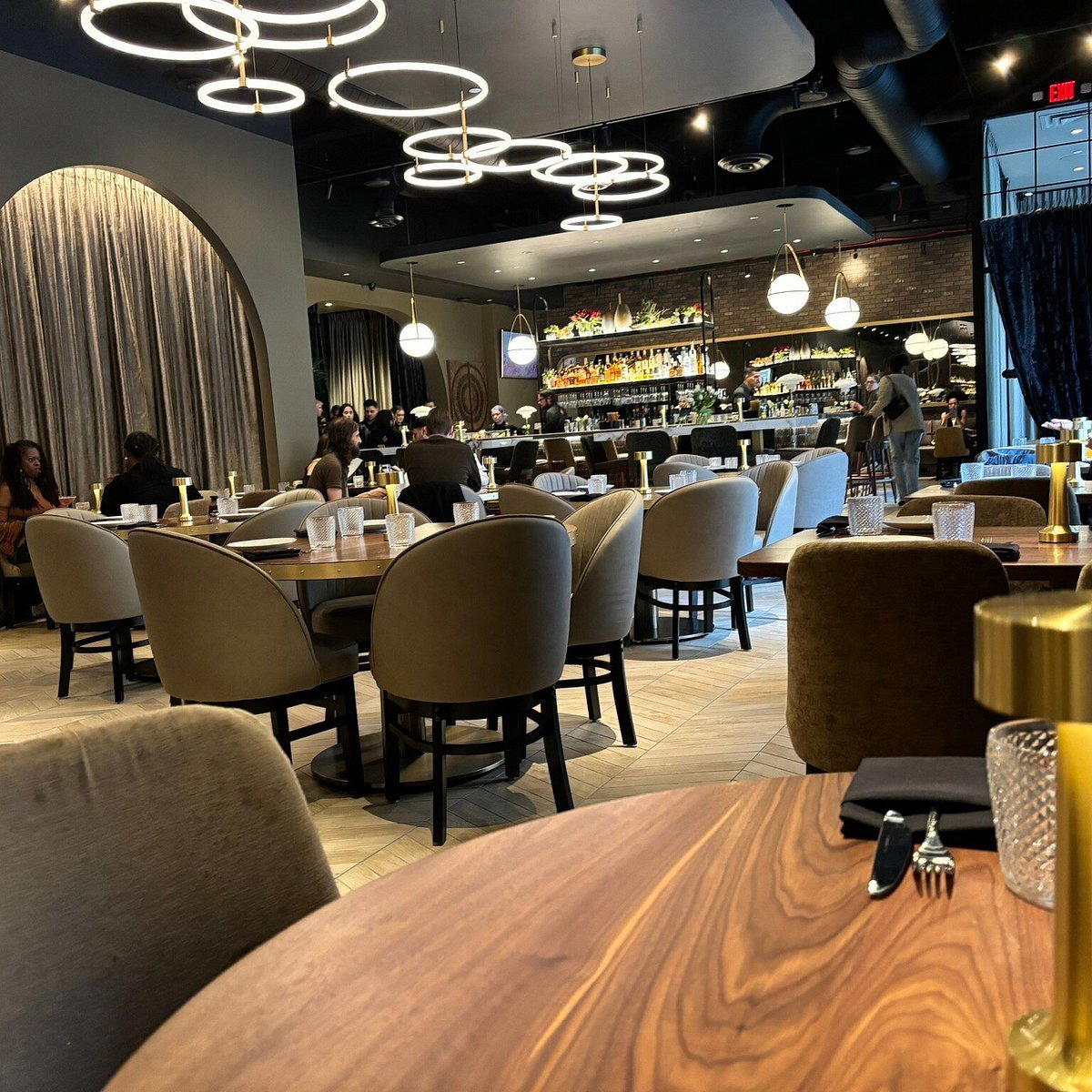
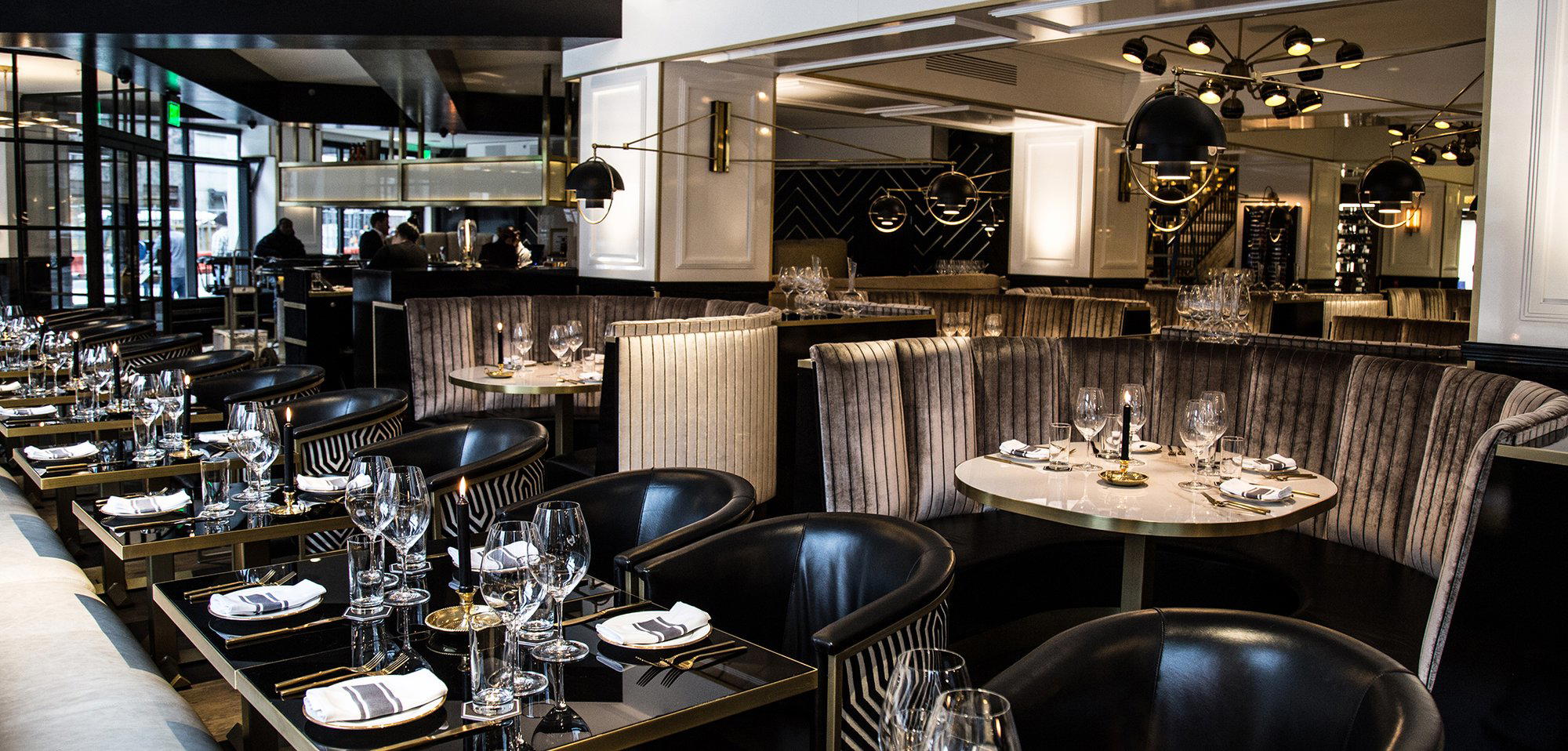
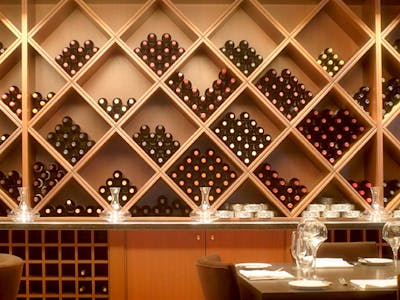
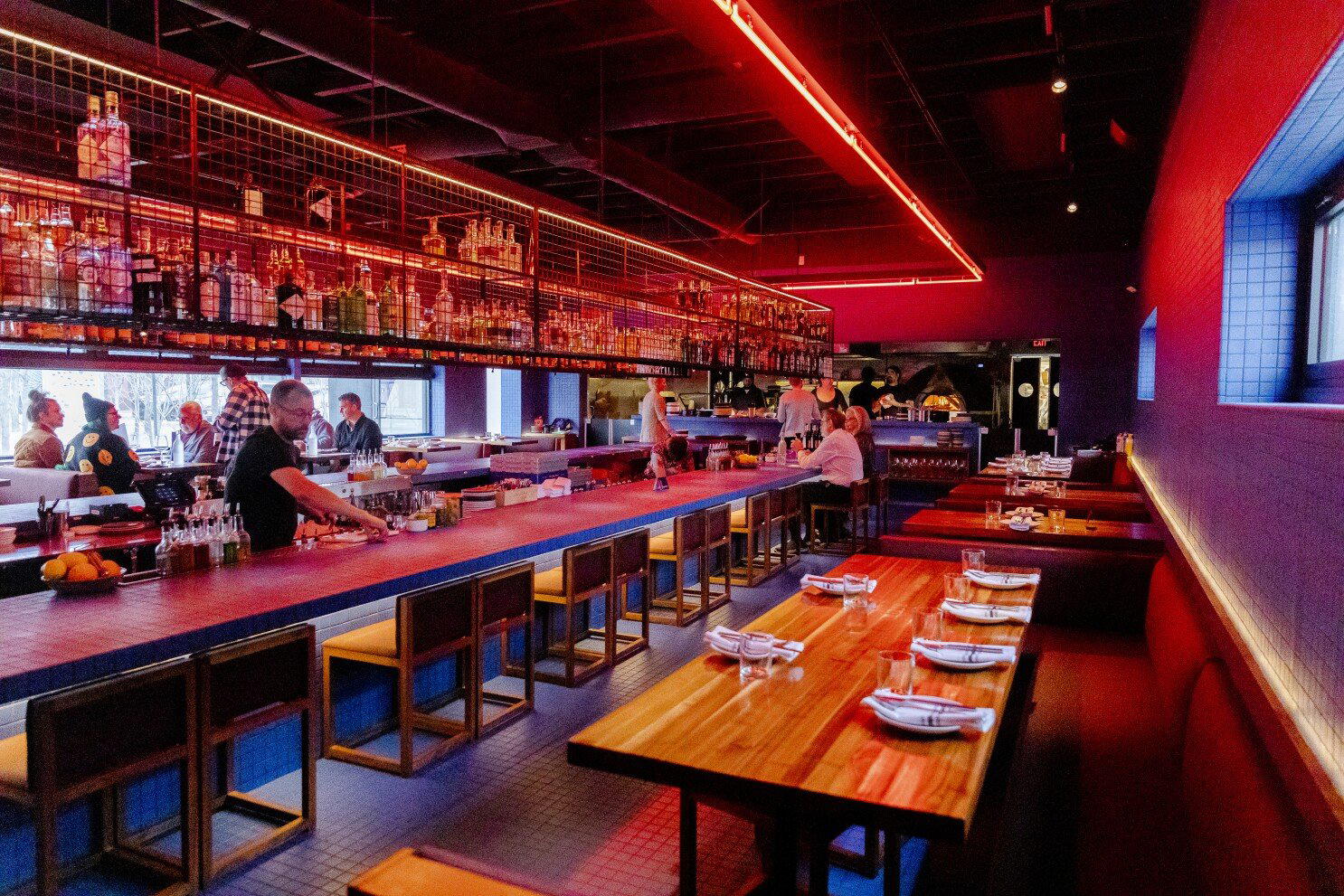
Cozy, candlelit atmosphere with well-suited lighting and decor praised by guests.