The Siren Hotel


Michelin Selected · Mr & Mrs Smith Seal of Approval
A MICHELIN Selected hotel occupying a restored 1926 beaux-arts building on Broadway Street, The Siren Hotel is one of Detroit's most architecturally compelling places to stay. Its ground-floor food and beverage programming draws locals as much as guests, positioning it firmly within the city's broader hospitality revival. Book via the hotel's website and expect a downtown Detroit address with walkable access to the Theatre District.

Pearl is the En Primeur Club membership app — saves, bookings, and concierge access live there. Same editors, same standards.
- Address
- 1509 Broadway St, Detroit, MI, USA
- Phone
- (313) 277-4736
- Directions
- Get directions
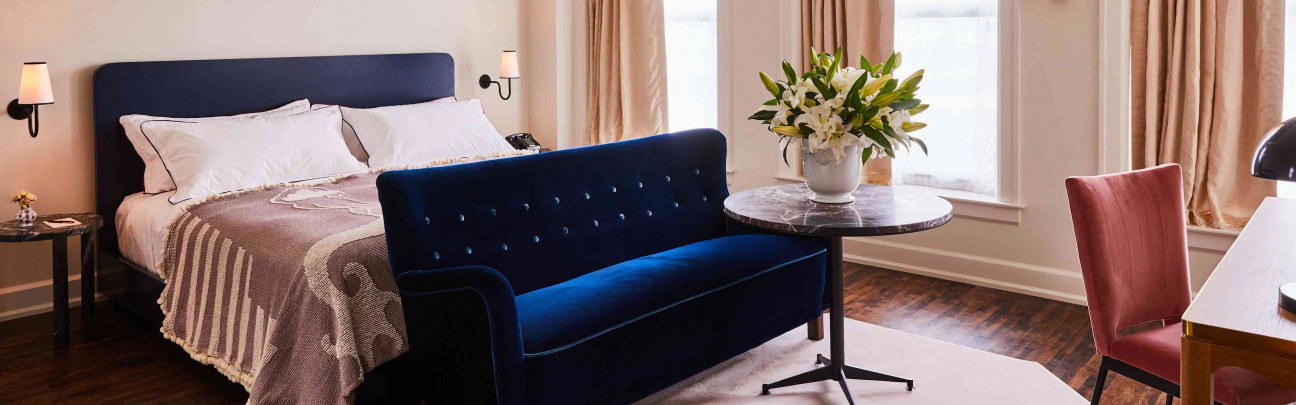
Detroit's Adaptive-Reuse Hotel Moment, and Where The Siren Sits Within It
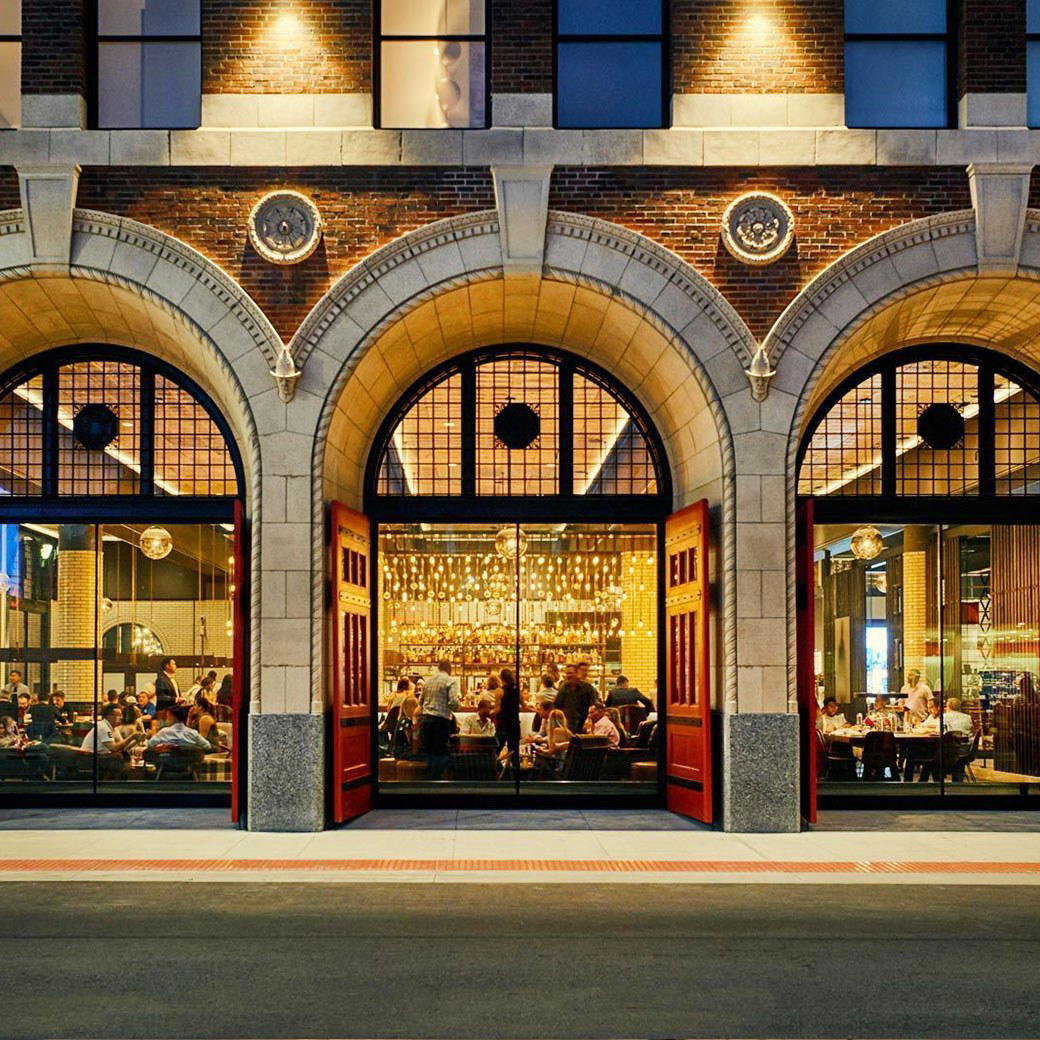
Downtown Detroit's hotel story over the past decade is inseparable from its building stock. The city's early-twentieth-century commercial architecture, much of it abandoned for decades, has become the raw material for a wave of adaptive-reuse hospitality projects that trade new-build amenity counts for genuine spatial character. The Siren Hotel, at 1509 Broadway Street, occupies the former Wurlitzer Building, a 1926 beaux-arts structure that once housed the headquarters of the piano and jukebox manufacturer of the same name. That provenance matters: the building's ornate terracotta facade and interior bones give the hotel a physical identity that no amount of designed-in personality could replicate.
Within that cohort, the properties have staked out distinct positions. The Shinola Hotel leans on its brand affiliation and retail adjacency; the Foundation Hotel occupies a former fire department headquarters with an institutional gravity; the David Whitney draws on its Autograph Collection flag and pre-war grandeur. The Siren's differentiation runs through its food and beverage identity, where the ground floor operates less as a hotel amenity and more as a neighbourhood destination in its own right.
The Ground Floor as the Hotel's Main Argument
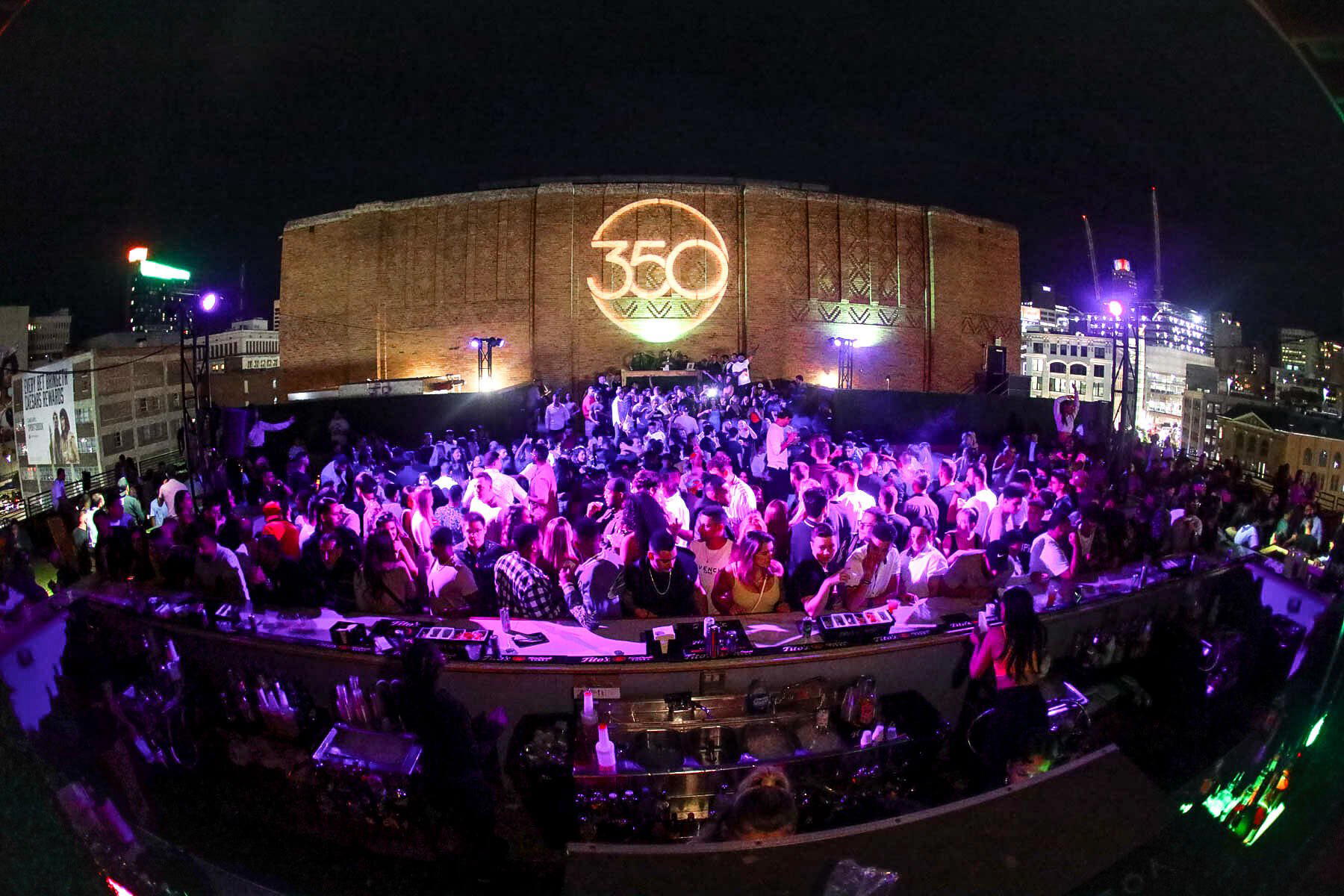
In Detroit's current hotel tier, the quality of on-site food and beverage programming is increasingly the variable that separates properties with genuine local credibility from those that feel like transit nodes for visiting business travellers. The Siren has built its ground floor to attract both guests and the downtown crowd, a model that, when it works, produces the kind of ambient energy that no in-room amenity can substitute for.
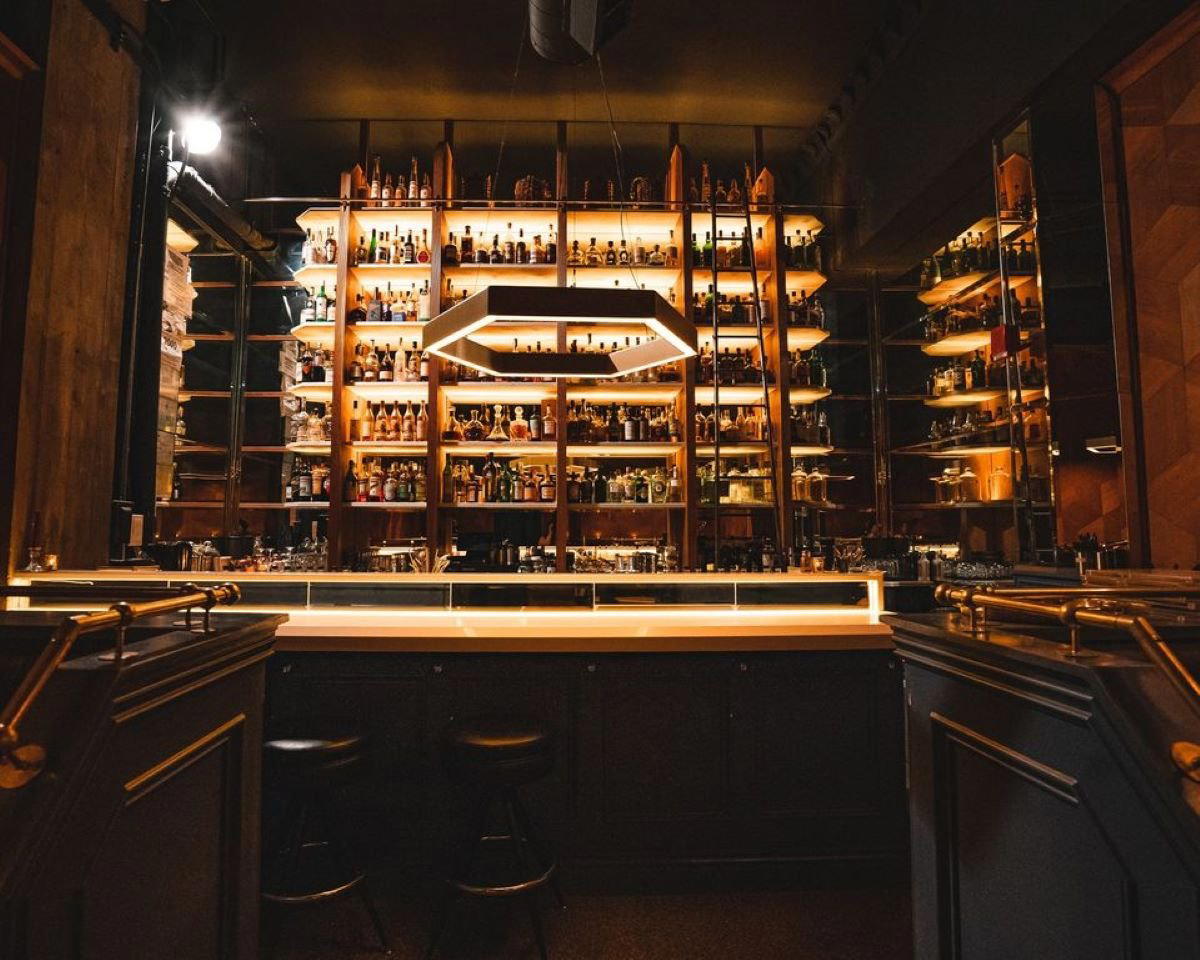
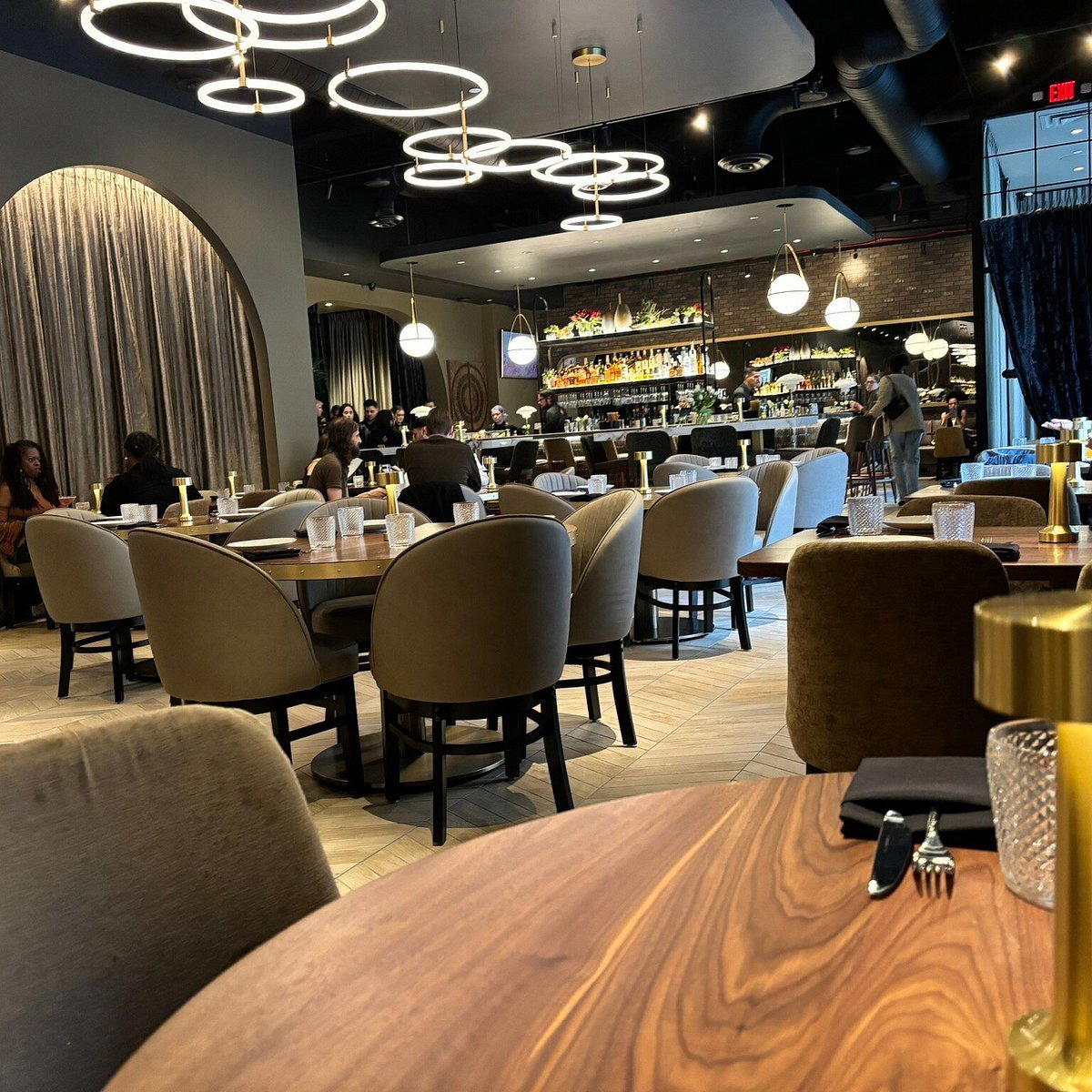
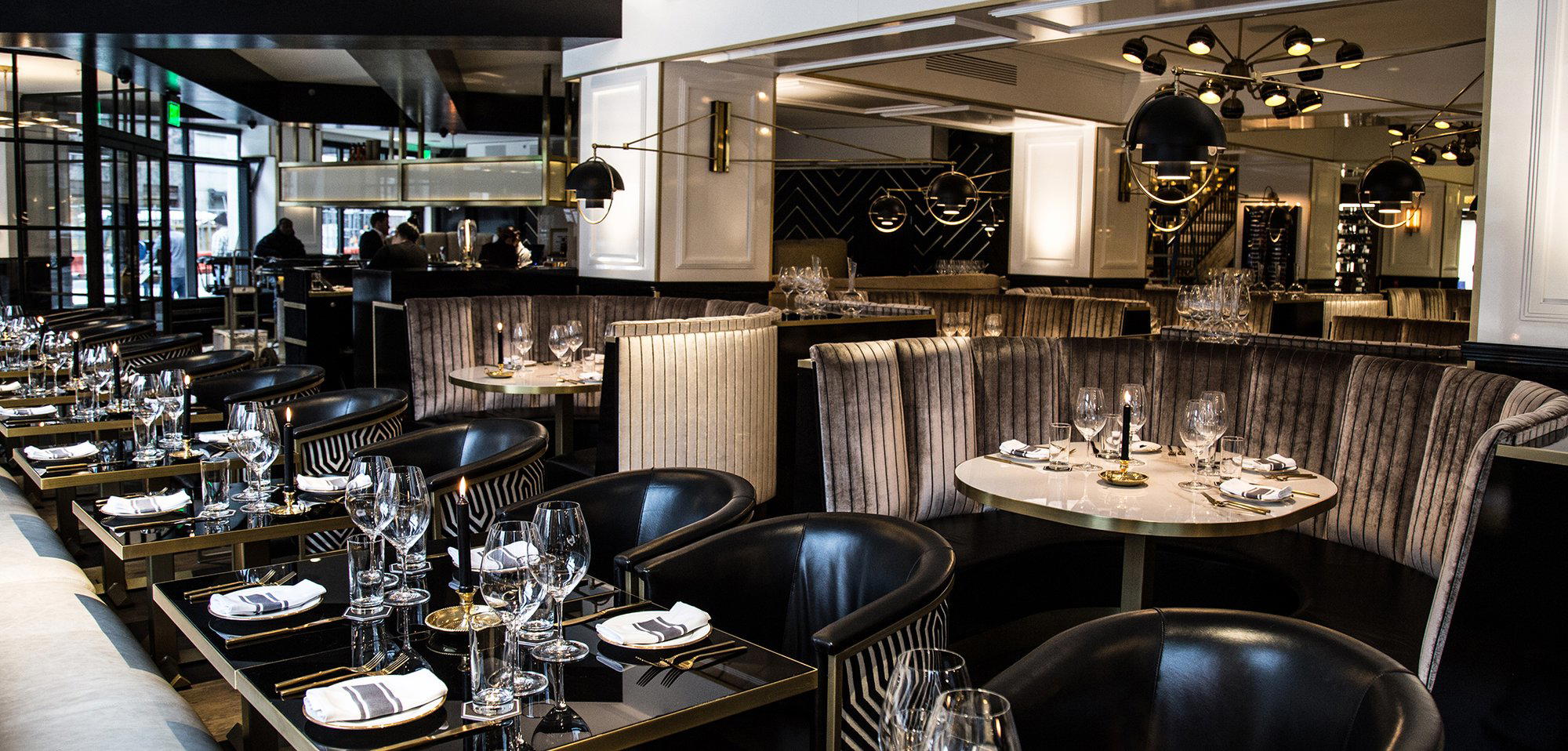
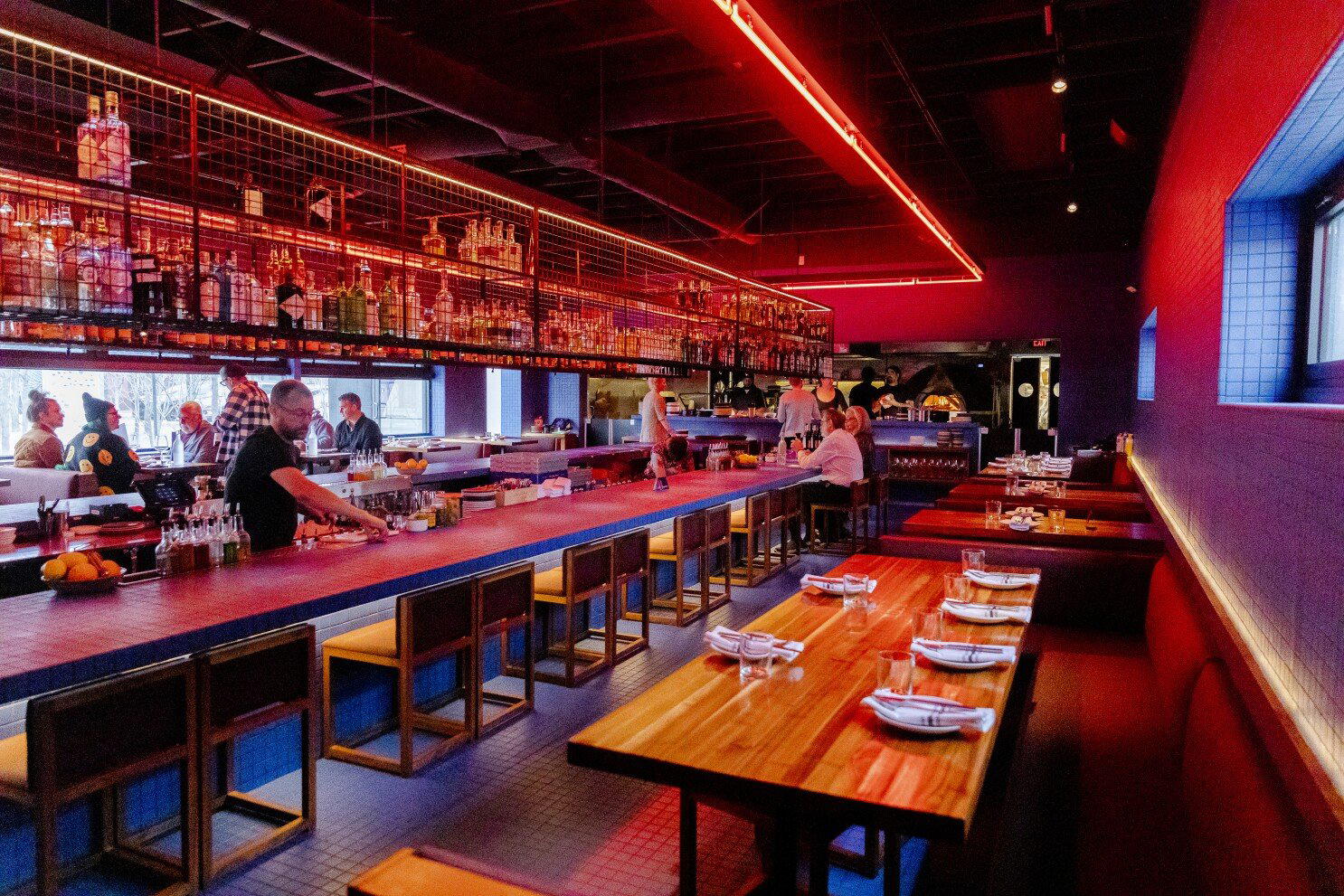
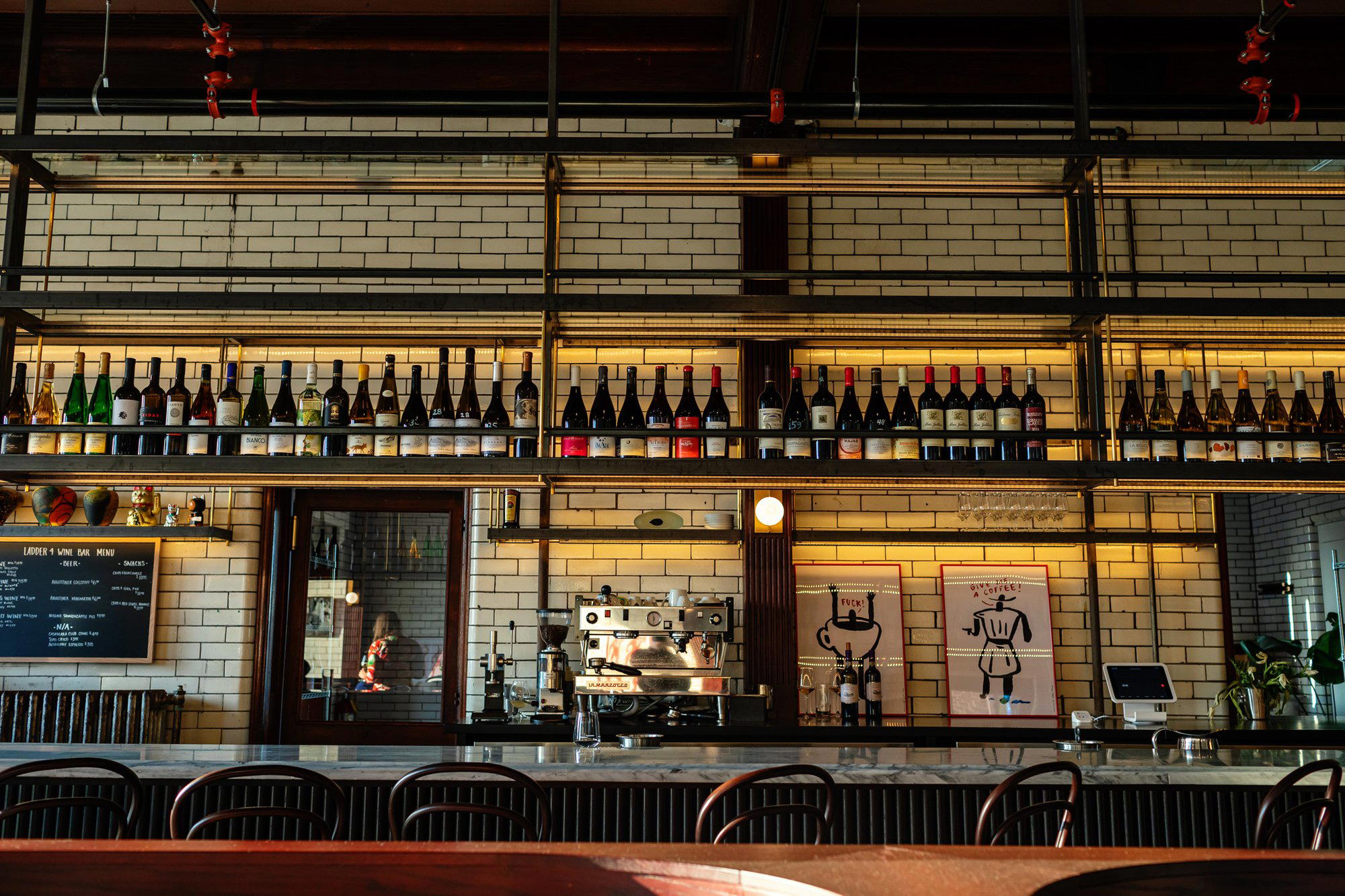
The building houses multiple food and beverage outlets that collectively define the hotel's personality more than the room product does. That approach mirrors what's happened at a handful of other mid-sized American boutique hotels where the bar or all-day cafe functions as the social anchor, drawing in neighbourhood regulars who create the atmosphere that hotel guests then absorb. For comparable dynamics at higher price points, see what Raffles Boston has built around its bar programming, or how The Fifth Avenue Hotel in New York City uses its ground-floor social spaces to anchor a residential-feeling stay.
The Broadway Street address places the hotel in Detroit's Theatre District, a block type that generates consistent foot traffic in the evenings and positions the hotel's outlets to capture pre- and post-show dining and drinking. That locational logic is worth noting for anyone planning a visit around a performance at the Fox Theatre or the Detroit Opera House, both within the immediate district.
What the MICHELIN Selection Means in Practice
MICHELIN's hotel selection programme, distinct from its restaurant star system, evaluates properties against criteria that include architectural character, service consistency, and the quality of the overall guest experience. A MICHELIN Selected designation in the 2025 guide signals a property that met the inspectors' threshold without necessarily commanding the higher distinction tiers. In Detroit's context, where the total pool of MICHELIN-recognised hotels remains small, the designation carries meaningful differentiation from the city's broader hotel inventory.
Travellers who use MICHELIN hotel recognition as a planning filter will find The Siren alongside a short list of Detroit properties. Those looking for a larger footprint or a full-service international flag might compare it against the Atheneum Suite Hotel, which takes a different approach with its suite-only format and Greektown location. For something smaller and more lodge-like in character, El Moore Lodge and Residences operates in Midtown with a sustainability focus that places it in a different competitive set entirely.
Neighbourhood Context and Getting Around
Broadway Street sits at the northern edge of Detroit's Downtown core, one block from the Woodward Avenue corridor that functions as the city's main spine. The Theatre District concentration here means the immediate blocks are among the more consistently activated in the downtown area, particularly on evenings when the Fox or Opera House has a full house. Campus Martius Park, the effective centre of downtown Detroit's public life, is a short walk south.
For visitors without a car, the QLine streetcar runs along Woodward and connects downtown to Midtown, where much of the city's independent restaurant and bar activity is concentrated. The People Mover refined rail loop also has stops within the downtown district. Detroit Metropolitan Airport is served by a number of carriers and sits roughly thirty minutes from downtown depending on traffic, though there is no rail connection between the airport and the city centre, so a rideshare or rental car remains the standard arrival mode.
Guests planning to explore beyond downtown would do well to note that Detroit's geography rewards car access. Corktown, the city's oldest neighbourhood and home to a growing restaurant cluster, sits west of downtown; Eastern Market, the wholesale and retail food hub that anchors the city's culinary calendar, operates its public Saturday market year-round and is a fifteen-minute drive east. Both are less convenient by foot from a Broadway Street address.
How The Siren Fits a Broader Travel Itinerary
Detroit now appears on itineraries that pair it with Chicago or Toronto as part of a longer Midwest or Great Lakes circuit. Within that pattern, the city functions as a two-to-three night stop anchored by architecture, music heritage, and a food scene that has become substantive enough to justify the visit on its own terms. The Siren's Broadway address and food-forward ground floor make it a reasonable base for that kind of trip, particularly for travellers whose primary interests are urban culture and restaurants rather than convention attendance or sporting events.
For context on how Detroit's hotel tier compares to other American city alternatives: properties like Troutbeck in Amenia or Post Ranch Inn in Big Sur occupy a rural-retreat category that represents a fundamentally different trip logic. Within urban boutique hotels, the closer comparison set includes properties like NoMad Detroit and Honor and Folly, both of which operate in the same adaptive-reuse tradition and compete for the same design-conscious traveller. A broader view of Detroit's food and drink programming is available in our full Detroit restaurants guide.
Booking the hotel directly through the property's website is the standard approach. Given the building's character and the MICHELIN recognition, demand from design and architecture-oriented travellers is consistent enough that advance booking for weekend stays is advisable, particularly during Detroit's summer event calendar, which runs from the Movement electronic music festival in May through the auto-show adjacents and outdoor programming that fill the warmer months. ROOST Detroit offers an extended-stay alternative nearby for travellers who need apartment-style accommodation over longer visits.
A Pricing-First Comparison
Comparable venues nearby, for context on price, style, and recognition.
| Venue | Price | Awards | Notes |
|---|---|---|---|
| The Siren HotelThis venue — the venue you are viewing | Not listed | Michelin Selected · Mr & Mrs Smith Seal of Approval | Not listed |
| ROOST Detroit | $100–200 | Michelin Guide New Hotels New Hotel · Michelin Selected | Downtown Detroit, High-design extended-stay aparthotel concept bridging boutique hotel sophistication with residential apartment practicality. |
| Detroit Foundation Hotel | $100–200 | Michelin Selected | Financial District, Landmark firehouse reimagined as a lifestyle hotel celebrating Detroit's industrial heritage and creative future. |
| Hotel David Whitney, Autograph Collection | Not listed | Michelin Selected | East Necklace, Historic boutique hotel in a landmark Beaux Arts building |
| The Inn on Ferry Street | $100–200 | Not listed | East Ferry Street Historic District, Elegant historic mansion-style boutique hotel in restored Victorian buildings. |
| Atheneum Suite Hotel | $100–200 | Preferred Hotels Member | Greektown, All-suite historic boutique hotel with Greek flair in downtown Detroit |
Recognition history
Dated appearances from independent guides and award organizations, with the underlying list record or original source where available.
Michelin Selected
Michelin
Mr & Mrs Smith Seal of Approval
Mr & Mrs Smith
Details
- Trendy
- Modern
- Elegant
- Sophisticated
- Industrial
- Romantic Getaway
- Business Trip
- Weekend Escape
- Historic Building
- Rooftop Pool
- Panoramic View
- Wi Fi
- Fitness Center
- Concierge
- Valet Parking
- Room Service
- Skyline
- Elevator
- Step Free Entrance
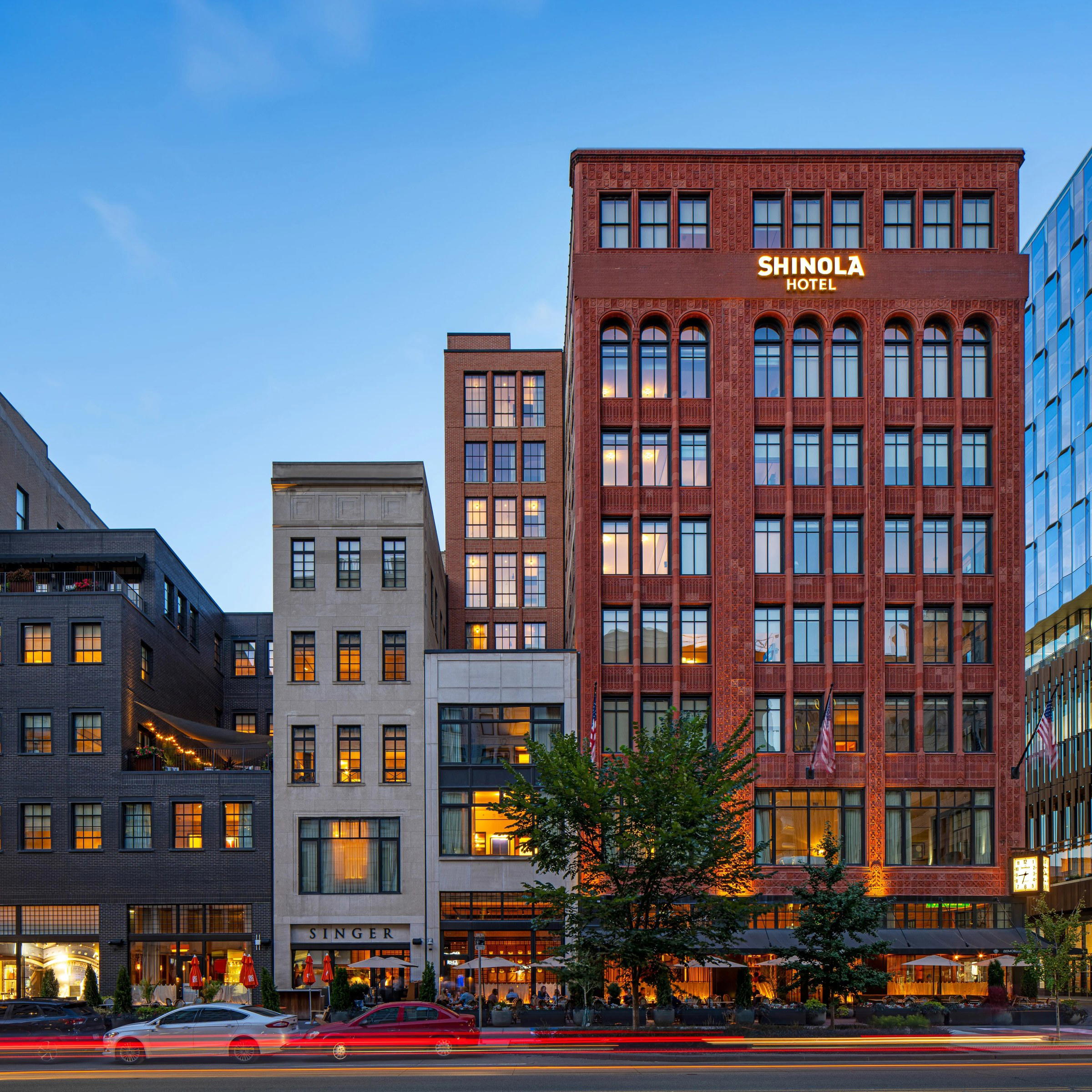
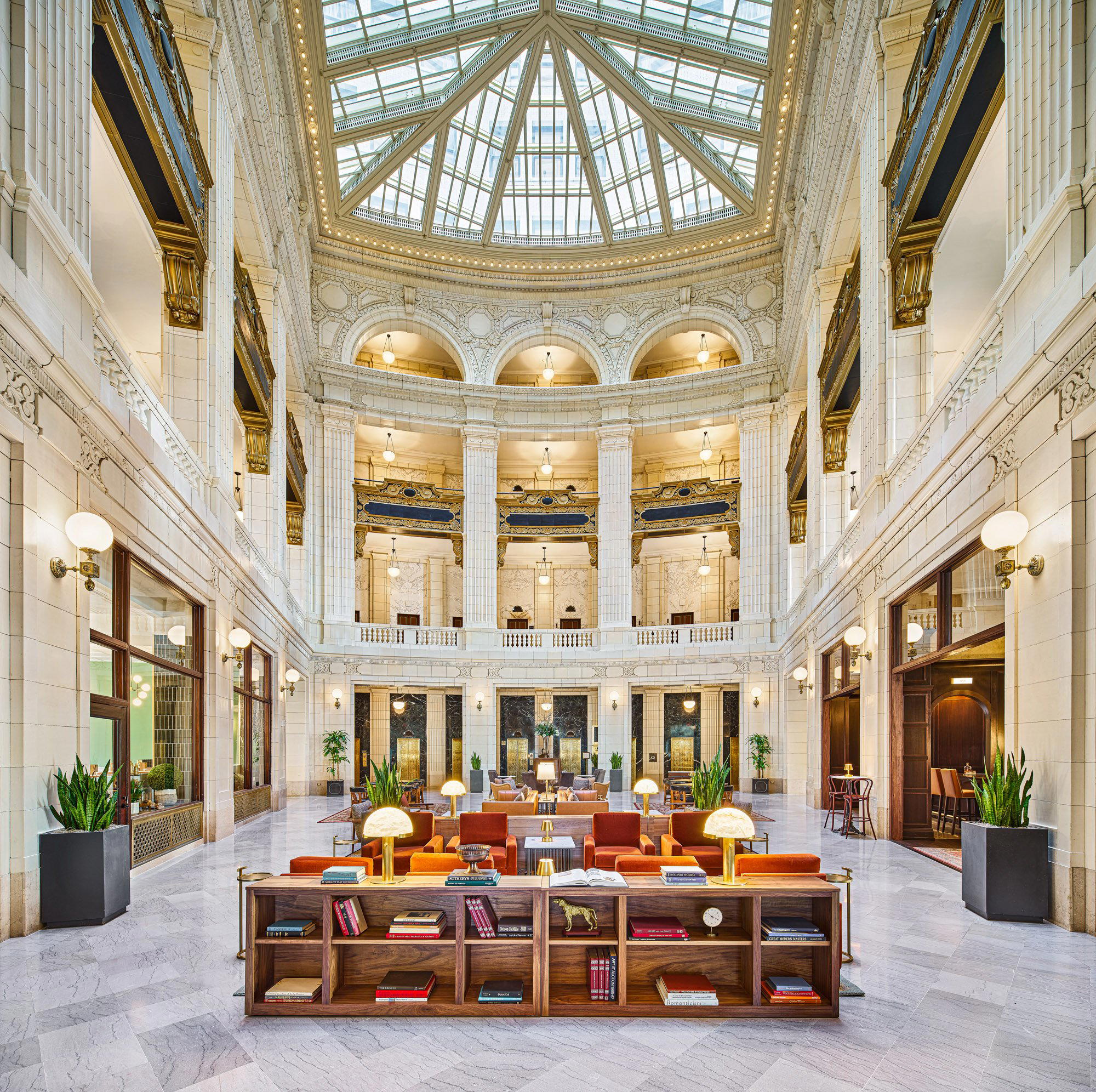
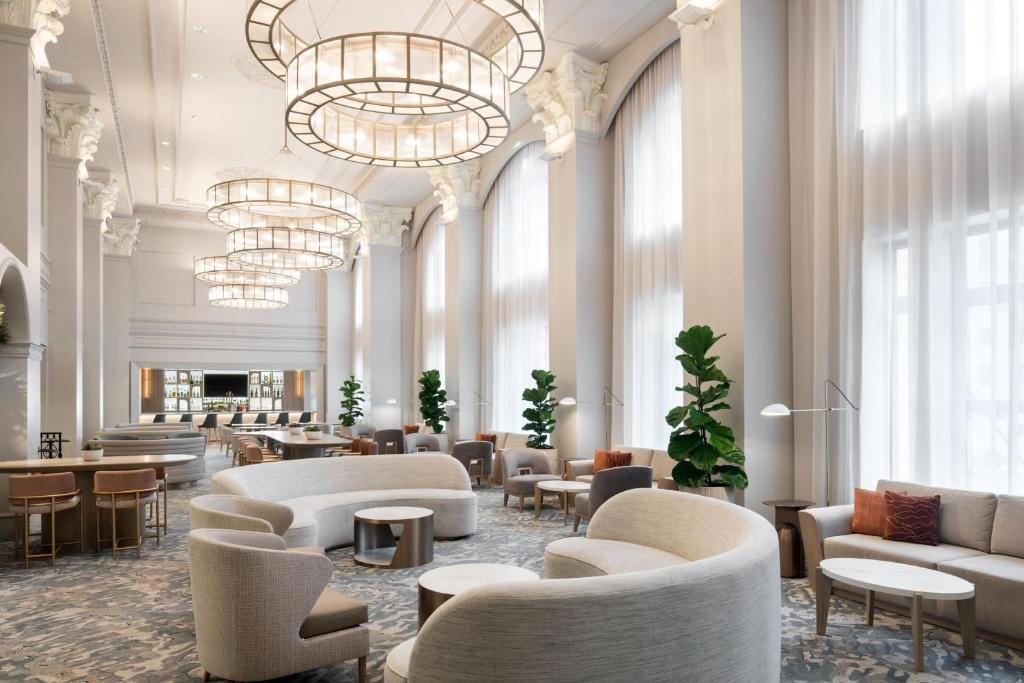
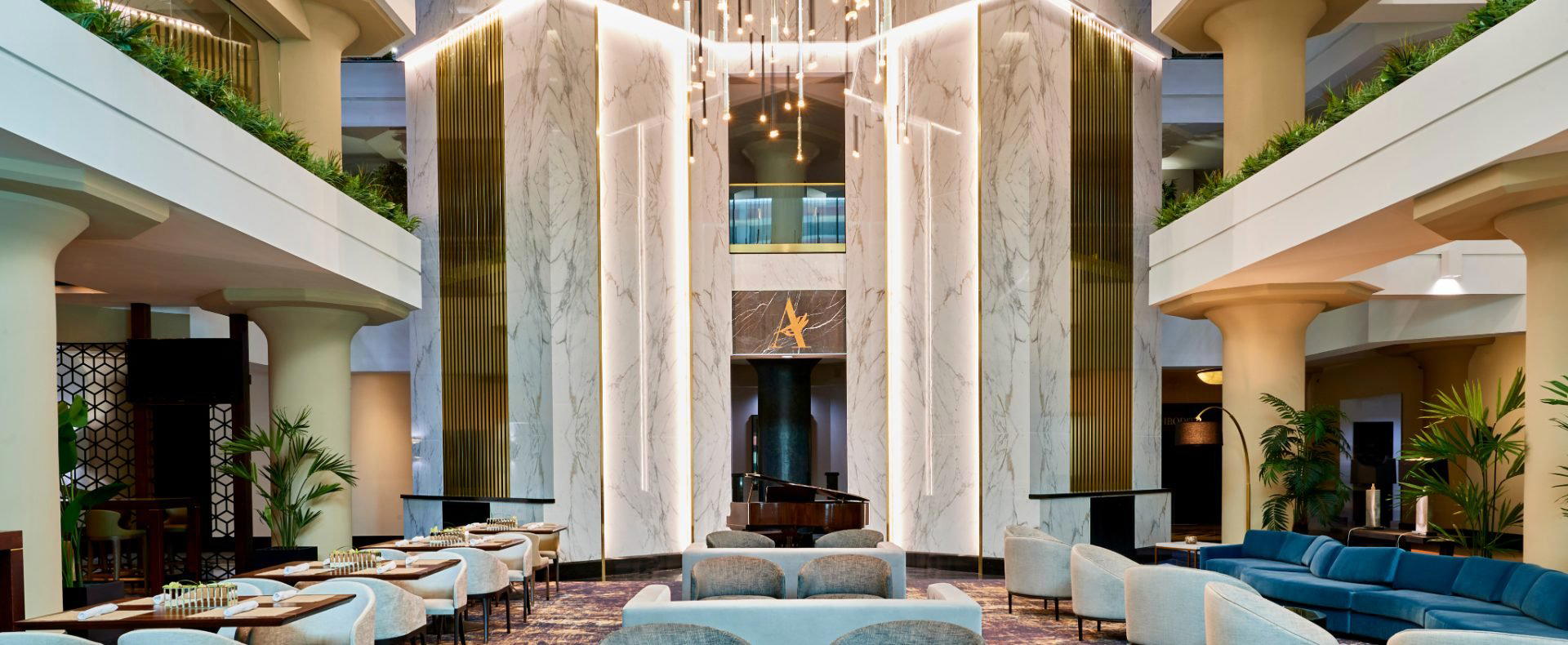
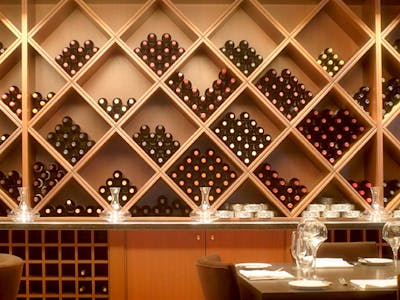
Luxe vintage-chic with Art Nouveau details, retro-modern design, colorful terrazzo tiling, and a throwback Italian Renaissance lobby atmosphere.