
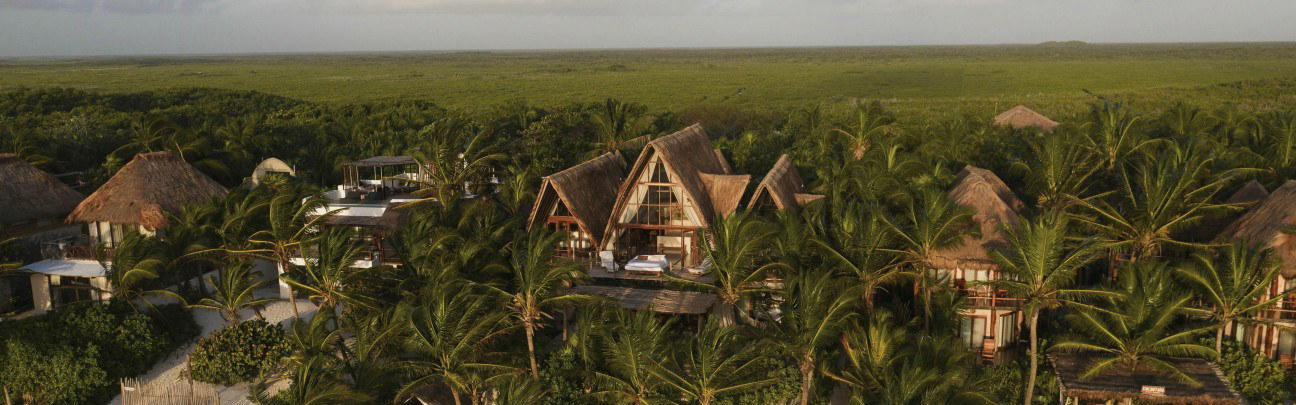
NEST Tulum sits at Km 9.5 on the Boca Paila road, where the Zona Hotelera thins out and the jungle presses closer to the coast. The property belongs to a quieter bracket of Tulum accommodation, positioned beyond the denser cluster of beach clubs and resort entrances that define the northern hotel strip. It draws travellers who prefer low-impact design and direct beach access over programmatic amenities.
Pearl is the En Primeur Club membership app — saves, bookings, and concierge access live there. Same editors, same standards.
- Address
- Carr. Tulum-Boca Paila Km 9.5, Tulum Beach, Zona Hotelera, 77760 Tulum, Q.R., Mexico
- Phone
- +52 386 317 2993
- Website
- nesttulum.com
- Directions
- Get directions
 Saves & bookings on Pearl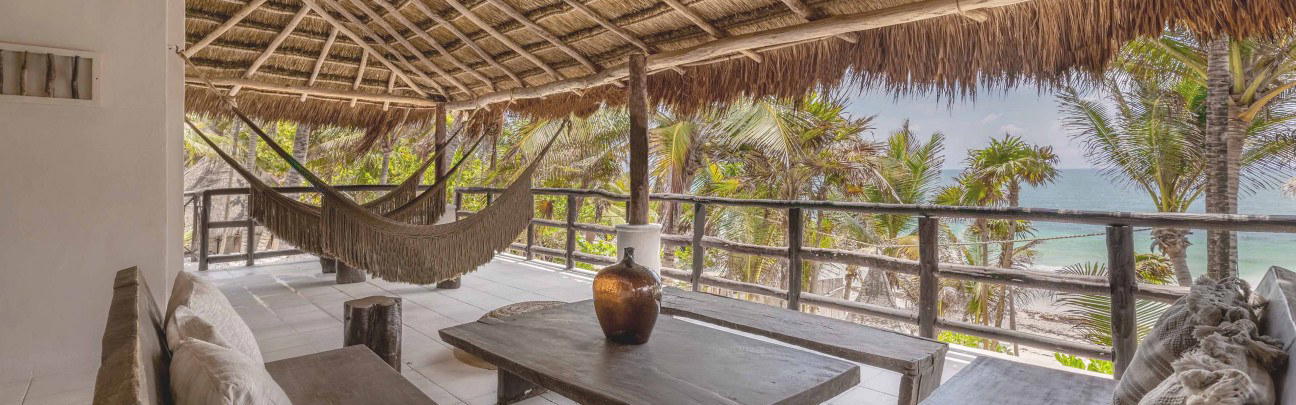
Where the Zona Hotelera Quiets Down
Tulum's hotel road runs roughly 11 kilometres from the town junction south toward Sian Ka'an, and the character of the strip changes noticeably as you move down it. The first few kilometres are dense: restaurant signs, wellness studios, and hotel gates competing for attention. By Km 9.5, the density drops. Coconut palms space themselves out, the road narrows, and the Caribbean becomes audible before it becomes visible. NEST Tulum is a 4-star hotel in Tulum, Mexico, with 12 rooms and a nightly rate from $275.
This southern positioning matters in practical terms. The reef-protected waters off Tulum's beach are calmer toward the northern end of the strip and progressively more exposed further south, though the powder-white sand and turquoise shallows remain consistent. What changes is the surrounding density of activity. NEST's neighbours at this kilometre marker are fewer and lower in profile than the cluster of properties around Km 4-7, where most of Tulum's higher-profile beach clubs and internationally recognised hotels operate. If you are comparing options, properties like Azulik, Hotel Esencia, and Casa Malca occupy different sections of the strip and a different position in the market.
The Tulum Context: A Coast That Has Changed Fast
Understanding where NEST sits requires some understanding of what Tulum has become. A decade ago, the hotel zone was a loose collection of eco-chic cabañas serving a small, self-selecting audience. The infrastructure was thin, the roads unpaved in sections, and the lodging deliberately rustic. That version of Tulum still partially exists in the architectural language of its newer boutique properties, raw wood, thatched roofs, solar panels, but the market has shifted considerably. International investment, a wave of design-led hotel openings, and growing airlift from North American and European cities have pushed the strip toward something more commercially sophisticated.
One visible marker of this shift is price. Tulum now prices against Riviera Maya resort competition rather than against backpacker-adjacent beach towns. Properties along the Zona Hotelera range from boutique operations with a handful of rooms to larger design hotels with multiple restaurants and spa programming. The southern reaches of the strip, where NEST is located, have been slower to gentrify than the more photographed northern section, which gives them a residual character that appeals to a specific kind of traveller: one who has already been to Tulum once and knows what they are choosing.
Comparable boutique options on the strip include Bespoke Tulum, Encantada Tulum, Copal Tulum Hotel, Hotel Bardo, and Amansala Resort, each occupying a distinct niche within the strip's range.
What the Location Implies About the Experience
Boutique hotels in the southern Zona Hotelera typically operate with smaller room counts and fewer on-site amenities than properties in the denser northern section. The trade-off is proximity to Sian Ka'an, the UNESCO-designated biosphere reserve that begins just south of the hotel zone and extends for 528,000 hectares along the coast and inland. For guests whose interest runs toward early-morning kayaking into the reserve's lagoon system, or half-day tours through the mangrove channels, the proximity of the Km 9.5 address is logistically useful in a way that a hotel further north simply cannot replicate.
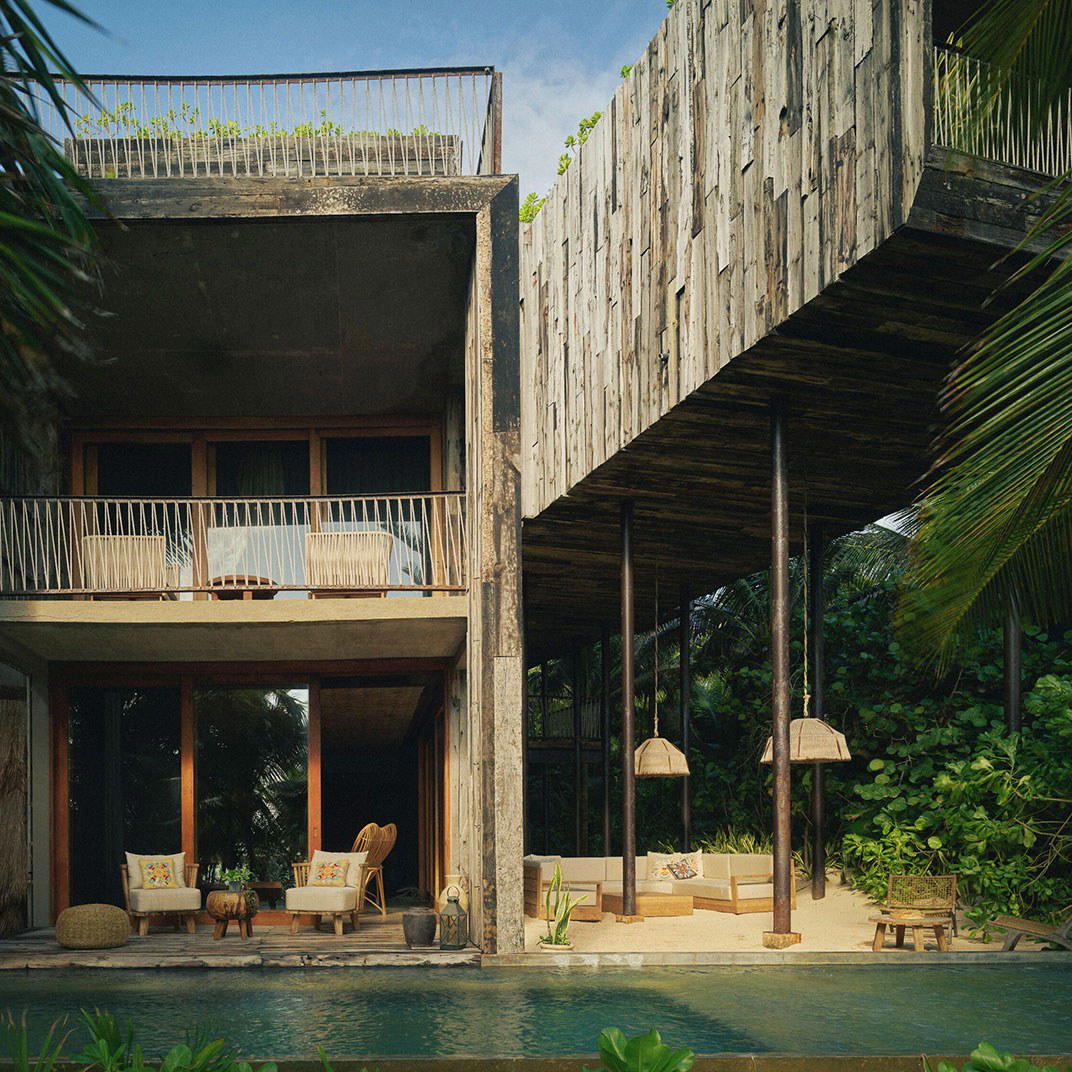
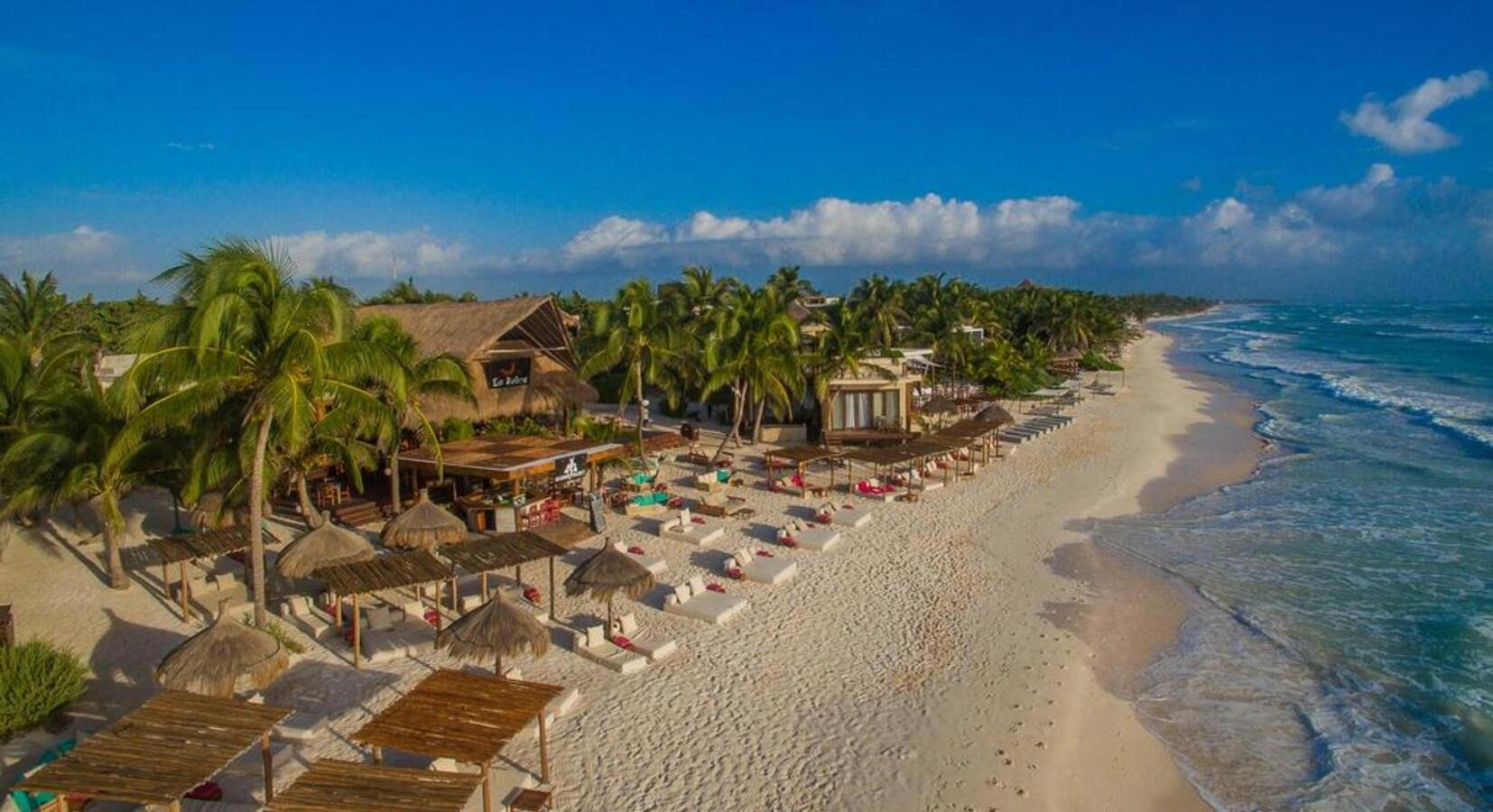
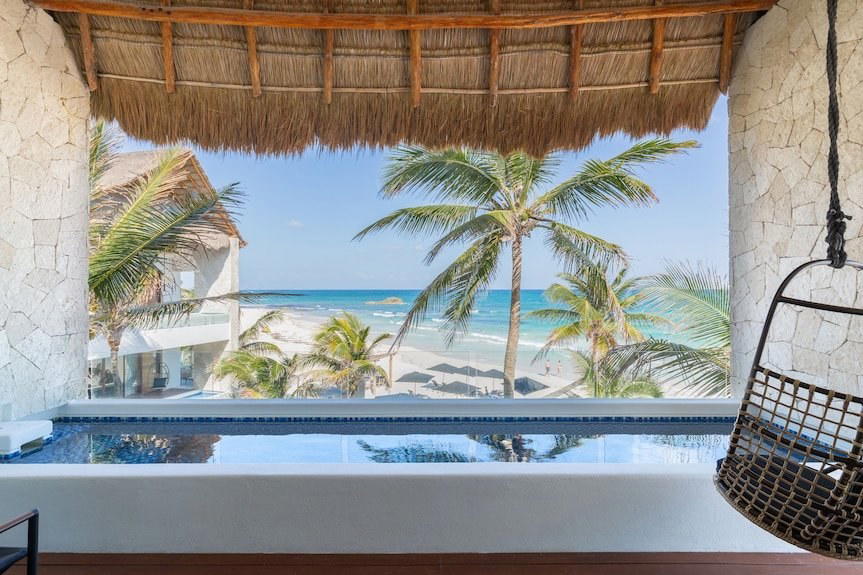
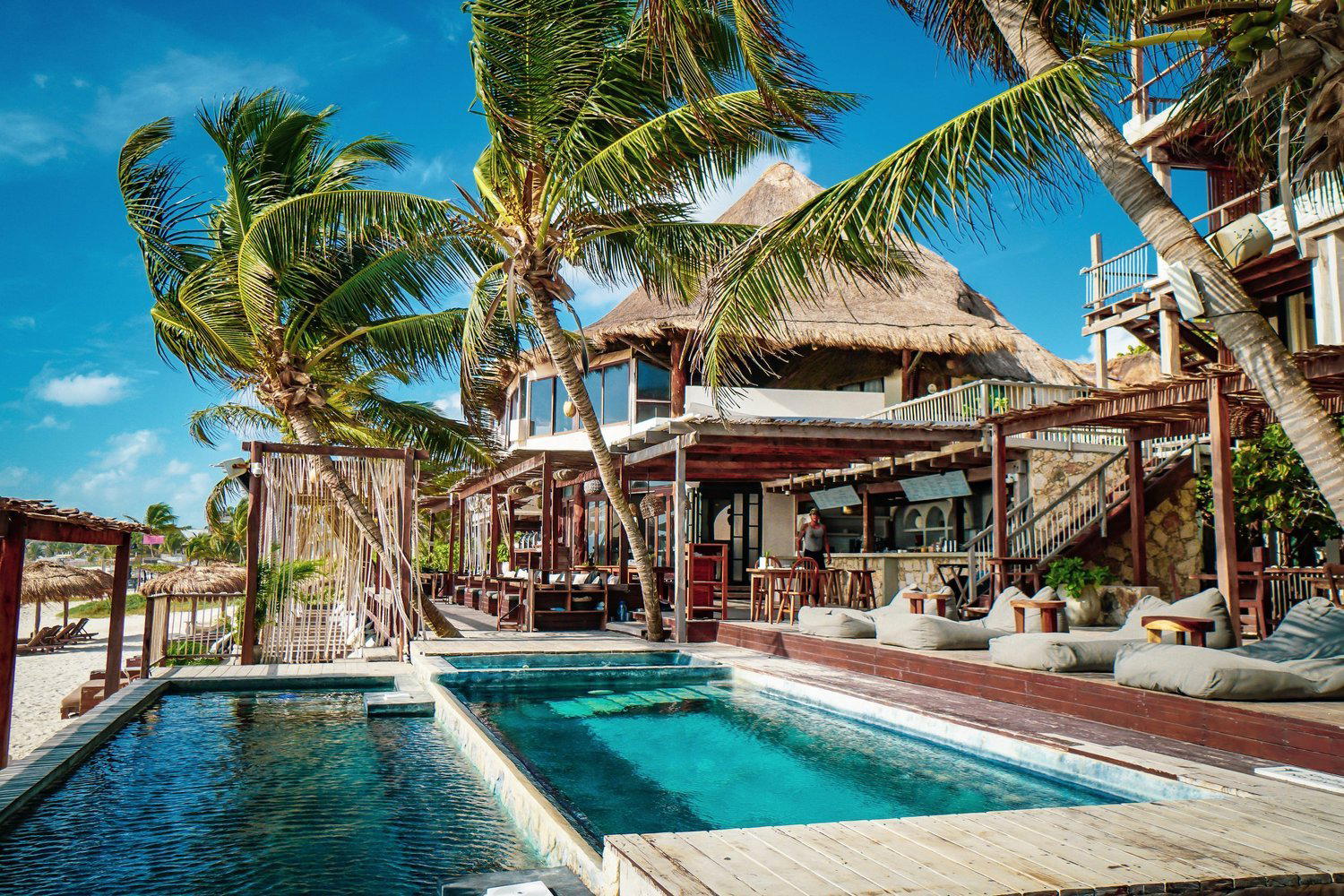
The architectural vernacular of Tulum's boutique properties in this area tends toward natural materials: local stone, wood reclaimed or sourced regionally, and palapa-style roof structures. This is partly aesthetic and partly functional, traditional thatch insulates against heat more effectively than modern roofing in the same climate, and it connects these properties to a building tradition that predates the tourism boom. NEST Tulum follows that regional vocabulary with a compact, beachside setup.
Planning Your Stay
Tulum's peak season runs November through April, when temperatures sit in the high 20s Celsius and the northeast trade winds make beachside conditions consistently comfortable. This is also when room rates across the strip reach their ceiling, and properties in the Zona Hotelera fill weeks or months in advance for the Christmas and Easter windows. The shoulder months of October and May carry lower tariffs and thinner crowds, with the trade-off being higher humidity and the possibility of Caribbean weather systems. For travellers prioritising value and reduced beach congestion over ideal conditions, late October is generally one efficient entry point to Tulum's season.
Access to the Zona Hotelera from Cancún International Airport, the primary entry point for most international arrivals, takes approximately two hours by road, depending on traffic through Playa del Carmen. Private transfers are one practical option for properties in the southern section of the strip, as the public colectivo service from Tulum town covers the hotel road but less predictably at the southern end. Km 9.5 is a meaningful distance from Tulum town centre, so most guests orient around the hotel itself and day-trip logistics rather than spontaneous town access.
Maroma in Riviera Maya and Etéreo, Auberge Resorts Collection at Punta Maroma sit north along the same coastline. Further afield, Chablé Yucatán offers a hacienda-based alternative inland, while Pacific coast options like One&Only; Mandarina in Riviera Nayarit, Four Seasons Resort Punta Mita, and Las Ventanas al Paraíso in San José del Cabo represent a different register entirely. For historic town alternatives, Casa de Sierra Nevada in San Miguel de Allende and Casa Polanco in Mexico City anchor the interior options. Los Cabos options include Montage Los Cabos, Zadun, A Ritz-Carlton Reserve, and Xinalani in Quimixto. Las Alamandas on the Costalegre and Casa Silencio in Oaxaca round out the wider national picture for travellers considering multi-stop itineraries.
Comparable Options
Comparable venues nearby, for context on price, style, and recognition.
| Venue | Cuisine | Price | Notes |
|---|---|---|---|
| NEST TulumThis venue — the venue you are viewing | Nature-first luxury boutique with minimalist rustic-chic design emphasizing local artisan craftsmanship and Mayan cultural heritage. | $$$ | Not listed |
| Aloft Tulum | Contemporary boutique hotel with boho-chic inspiration, positioned as an affordable luxury option for digital nomads and travelers seeking modern comfort with local character. | $$$ | Tulum |
| Delek Tulum | Contemporary classic boutique hotel with eco-conscious design philosophy emphasizing cultural sensitivity and sustainable tourism practices. | $$$ | Tulum |
| Una Vida Tulum | Tropical jungle oasis with indoor-outdoor living. | $$$$ | Tulum City Center |
| La Zebra Tulum, a Small Luxury Hotel | Beach chic luxury resort | $$$$ | Tulum |
| Hotel Nerea Tulum | Boutique beachfront wellness retreat with indoor-outdoor flow. | $$$ | Tankah |
Recognition history
Dated appearances from independent guides and award organizations, with the underlying list record or original source where available.
Mr & Mrs Smith Smith Seal of Approval
Mr & Mrs Smith
Michelin Selected
Michelin
At a Glance
- Bohemian
- Intimate
- Rustic
- Minimalist
- Scenic
- Cozy
- Romantic Getaway
- Honeymoon
- Anniversary
- Weekend Escape
- Beachfront
- Private Villa
- Destination Spa
- Garden
- Terrace
- Design Destination
- Panoramic View
- Wi Fi
- Spa
- Beach Access
- Restaurant
- Room Service
- Concierge
- Garden
- Air Conditioning
- Waterfront
- Garden
- Wi Fi
- Spa
- Beach Access
- Restaurant
- Room Service
- Concierge
- Garden
- Air Conditioning
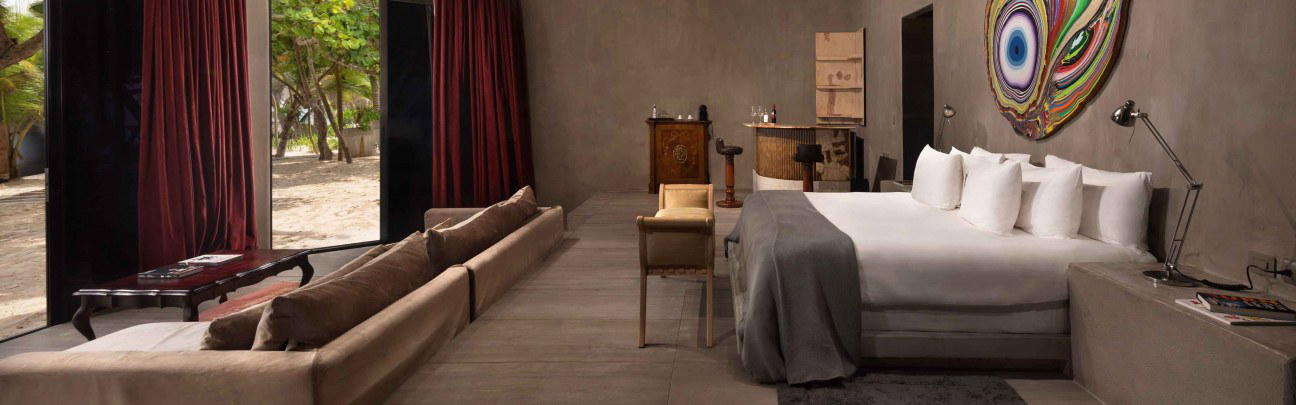
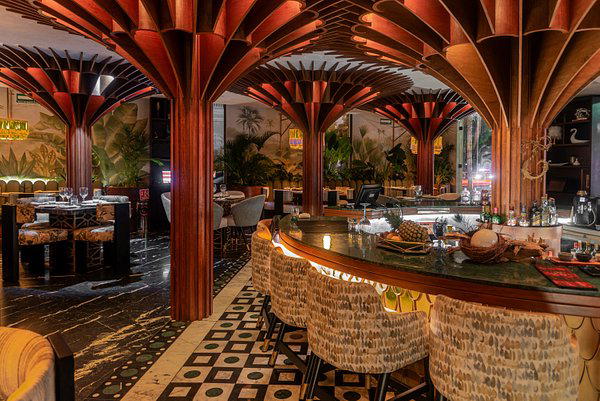
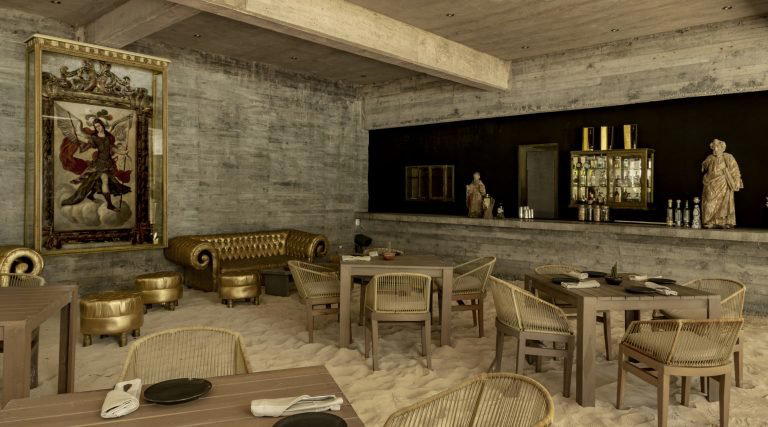
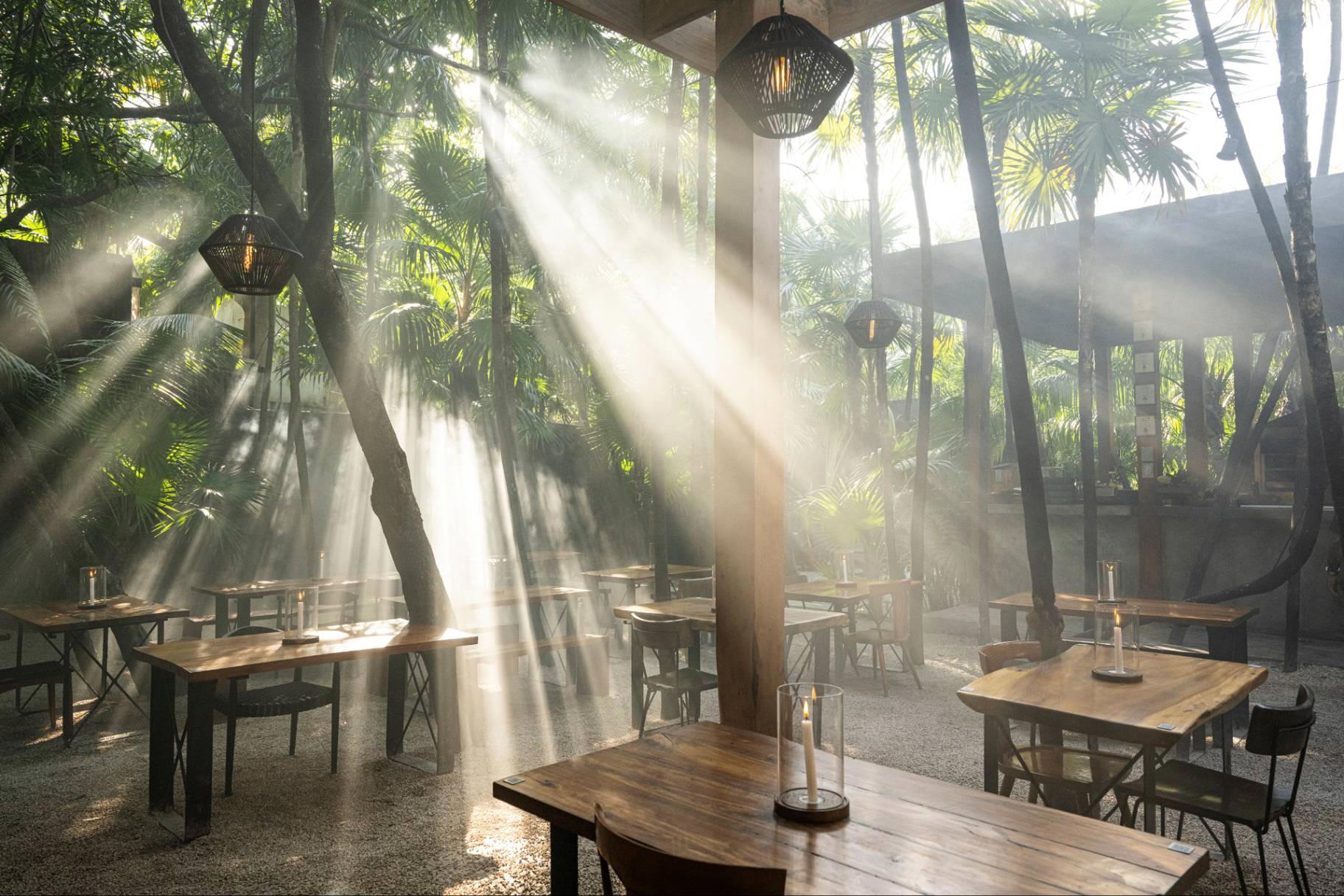
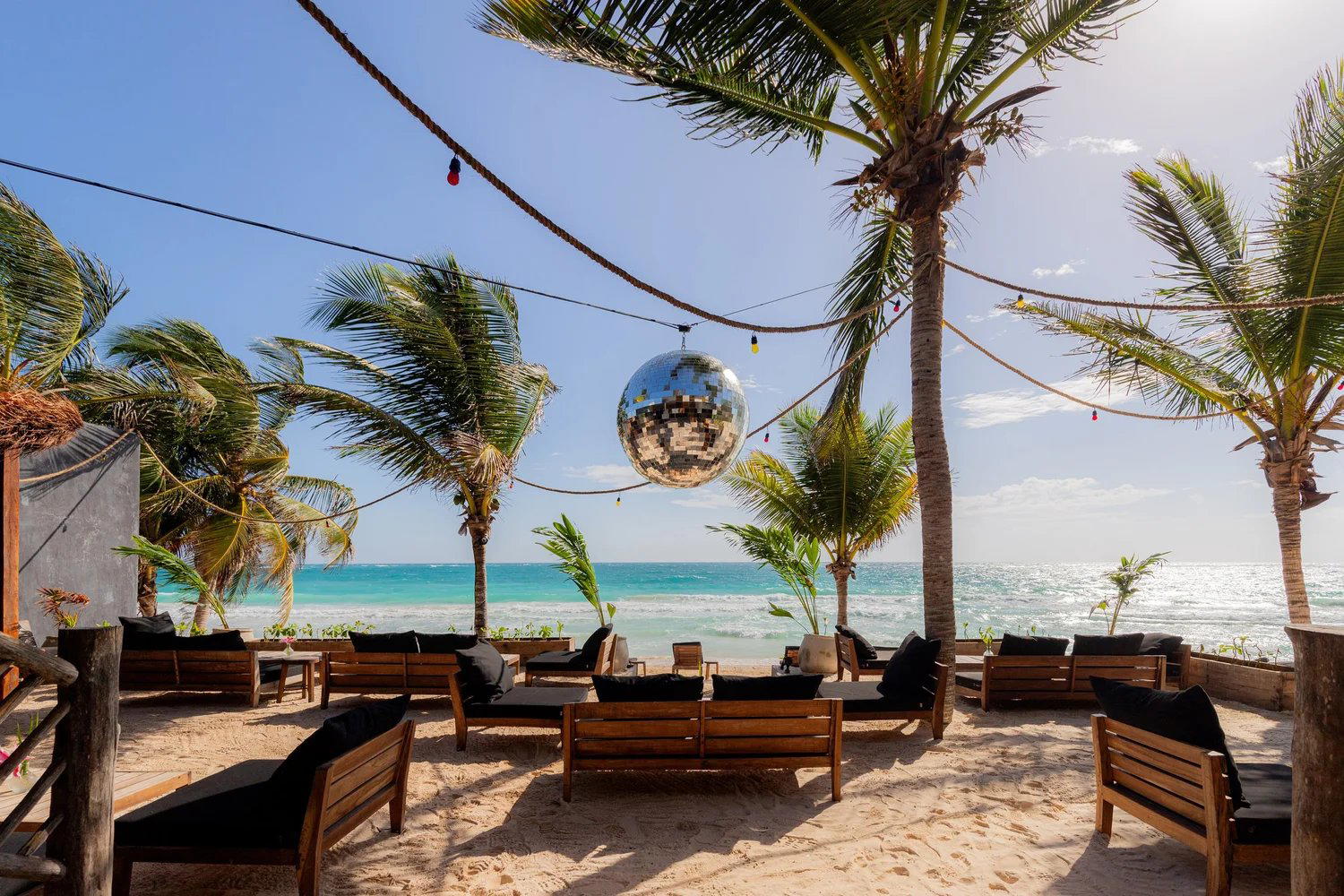
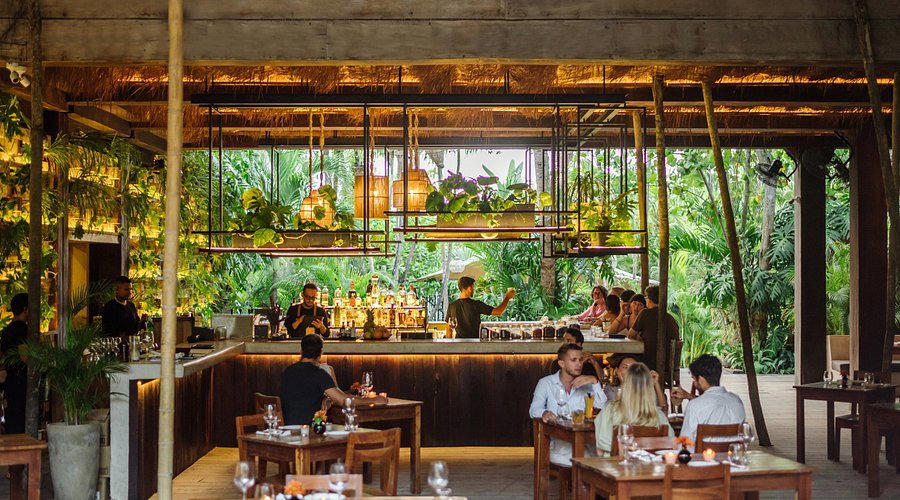
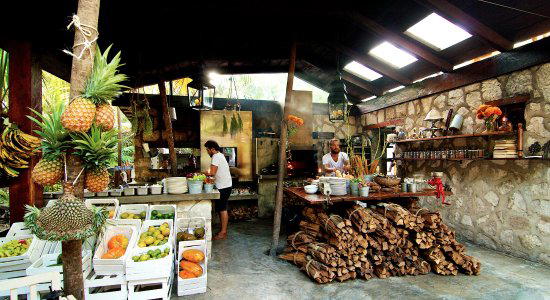
Tranquil and sophisticated with warm, natural lighting from root-woven fixtures; tropical garden pathways lit by torches lead to a serene beachfront with hammocks and day beds; minimalist interiors create a calming, bohemian sanctuary.