Aurum
Where the Caribbean Sets the Terms Along the Riviera Maya's Chetumal-Puerto Juárez highway, the character of resort drinking has shifted. The corridor between Cancún and Tulum that runs through Akumal now supports a tier of lobby and beachside bars that compete less on frozen-drink volume and more on the craft of what's in the glass. Aurum occupies that position: a lobby bar at the Km. 259-100 mark near Akumal, where the physical setting does preliminary work before a drink is poured. Approaching through a resort lobby on this stretch of coast, the Caribbean horizon sits in the peripheral sightline of almost every seat, and that geography shapes what any bar here can reasonably aspire to. This is not the Cancún strip model, where scale and spectacle set the baseline, places like Coco Bongo in Cancún operate in an entirely different register, built around entertainment throughput. Aurum's address places it in a quieter, more considered part of the coast, where the expectation is that the programme can carry the evening rather than the production around it. The Cocktail Programme in Context Mexican bar culture in 2024 has sorted itself into distinct tiers. At the top end of the national conversation sit programmes in Mexico City Bar Mauro in Mexico City represents the capital's technically rigorous approach, and increasingly in smaller cities with deep craft roots, like Bekeb in San Miguel de Allende, where the programme is built around local botanicals and fermentation knowledge. Further south, Sabina Sabe in Oaxaca anchors its identity firmly in mezcal and Oaxacan produce. The Riviera Maya sits in a different position in this hierarchy. The coast's hospitality economy is resort-driven, which historically meant cocktail programmes designed for accessibility over depth. That calculation is changing. Zapote Bar in Playa del Carmen is among the examples that have pushed the regional benchmark in the direction of technique and ingredient sourcing. Arca in Tulum operates with a kitchen-and-bar integration that treats the drinks programme as a natural extension of its ingredient philosophy. These references matter because they define what a serious bar on this coast looks like, and they raise the standard against which any programme in the area is implicitly judged. Aurum sits in this regional pattern as a lobby operation rather than a standalone destination bar. That format carries particular pressures: the clientele arrives through accommodation rather than through deliberate bar-seeking behaviour, and the programme must simultaneously serve the guest who wants a simple rum-and-lime and the guest who wants something that reflects Mexico's actual spirits culture. The agave category is unavoidable in this geography. Mexico's tequila and mezcal traditions are the structural foundation of any credible bar programme here, and a lobby bar on the Riviera Maya that ignores or underplays those traditions is making an active choice to disconnect from its own context. For a broader frame on what heritage-rooted agave service looks like at its most elemental, La Capilla in Tequila, the birthplace of the Batanga, remains the reference point that any Mexico bar conversation eventually returns to. What the Setting Produces The Akumal section of the Riviera Maya attracts a visitor profile that differs from the all-inclusive concentration closer to Cancún or the boutique-hotel density of Tulum. The area's relative quiet and its cenote and reef access draw a traveller with more interest in the natural environment than in nightlife throughput. A lobby bar in this context functions as a decompression point, a place where the transition from the reef or the road into the evening happens without urgency. That rhythm suits a certain kind of cocktail programme, one that rewards lingering rather than table-turning. The most effective resort bar programmes on this coast have learned to use local and regional ingredients not as novelty garnish but as structural components: hibiscus in a sour, tamarind in a highball, habanero as a heat register rather than a gimmick. Whether Aurum's programme reflects this approach is something the drink list itself would confirm; what the geography and format suggest is that the conditions are favourable for it. For comparison, the border-town irreverence of Aruba Day Drink in Tijuana or the Guadalajara cantina tradition represented by El Gallo Altanero in Guadalajara show how differently Mexico's drinking culture expresses itself by region. Murciégalo in Mérida provides the closest Yucatán Peninsula reference, operating with an awareness of local produce and the peninsula's own spirit traditions. The Cuban-American continuity of Café La Trova in Miami is a reminder that the Caribbean bar tradition extends well beyond Mexico's coastline, with its own technical rigour and historical depth. Planning a Visit Aurum operates from the lobby of the Akumal property at Carretera Chetumal Puerto Juárez Km. 259-100, a location that places it roughly midway along the Riviera Maya corridor, accessible by car or taxi from both Playa del Carmen to the north and Tulum to the south. The lobby position means access is tied to the hotel's general operating patterns. Guests of the property will find it the natural point of congregation before dinner; visitors from outside the resort should confirm current access policies directly with the property, as lobby bar access policies along this coast vary. For a fuller picture of where Aurum sits within the region's broader hospitality offer, see our full Riviera Maya restaurants guide. Frequently Asked Questions What's the vibe at Aurum?Aurum operates as a lobby bar on the quieter Akumal stretch of the Riviera Maya, which sets a different tone from the high-energy Cancún strip or the boutique-dense Tulum corridor. The pace is unhurried, the setting draws on the coastal environment rather than working against it, and the clientele skews toward guests with an interest in the natural surrounds rather than nightlife throughput. It occupies a position in the regional bar scene where the physical setting and the drink in hand are expected to do equal work. at Aurum?On the Riviera Maya, any bar programme that takes its geography seriously will anchor heavily in Mexico's agave spirits, tequila and mezcal are the structural baseline here, not an optional category. The coastal setting also provides natural framing for highball and sour formats that use regional ingredients: hibiscus, tamarind, and habanero appear across the most considered programmes on this coast. Without a confirmed current menu on record, the editorial guidance is to ask what the bar does with agave and whether the answer involves anything grown or produced in the Yucatán Peninsula region.Is Aurum worth visiting if you're not staying at the Akumal property?Lobby bars on the Riviera Maya corridor typically prioritise in-house guests, and access policies for outside visitors vary by property. Aurum's position at Km. 259-100 near Akumal places it in a part of the coast where independent bar destinations are less concentrated than in Playa del Carmen or Tulum, so the journey is a considered one. Visitors with a specific interest in the regional bar scene would find the broader Riviera Maya corridor, including the programmes at Zapote Bar in Playa del Carmen and Arca in Tulum, offering more confirmed standalone options. That said, the Akumal area's relative quiet and its natural draw make the property worth a stop if you are already in the area.

Pearl is the En Primeur Club membership app, where members save venues, book tables and use the concierge.
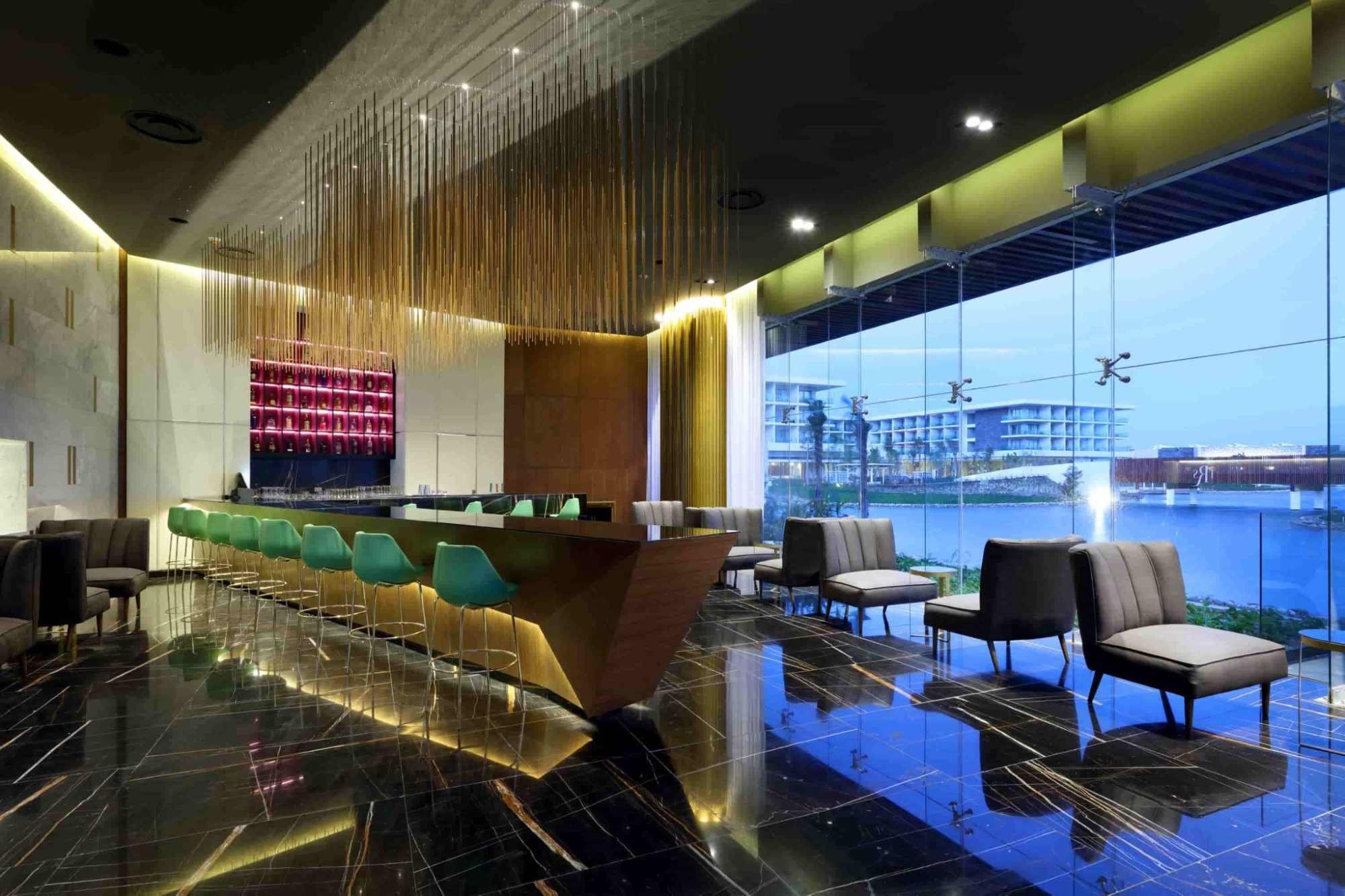
Where the Caribbean Sets the Terms
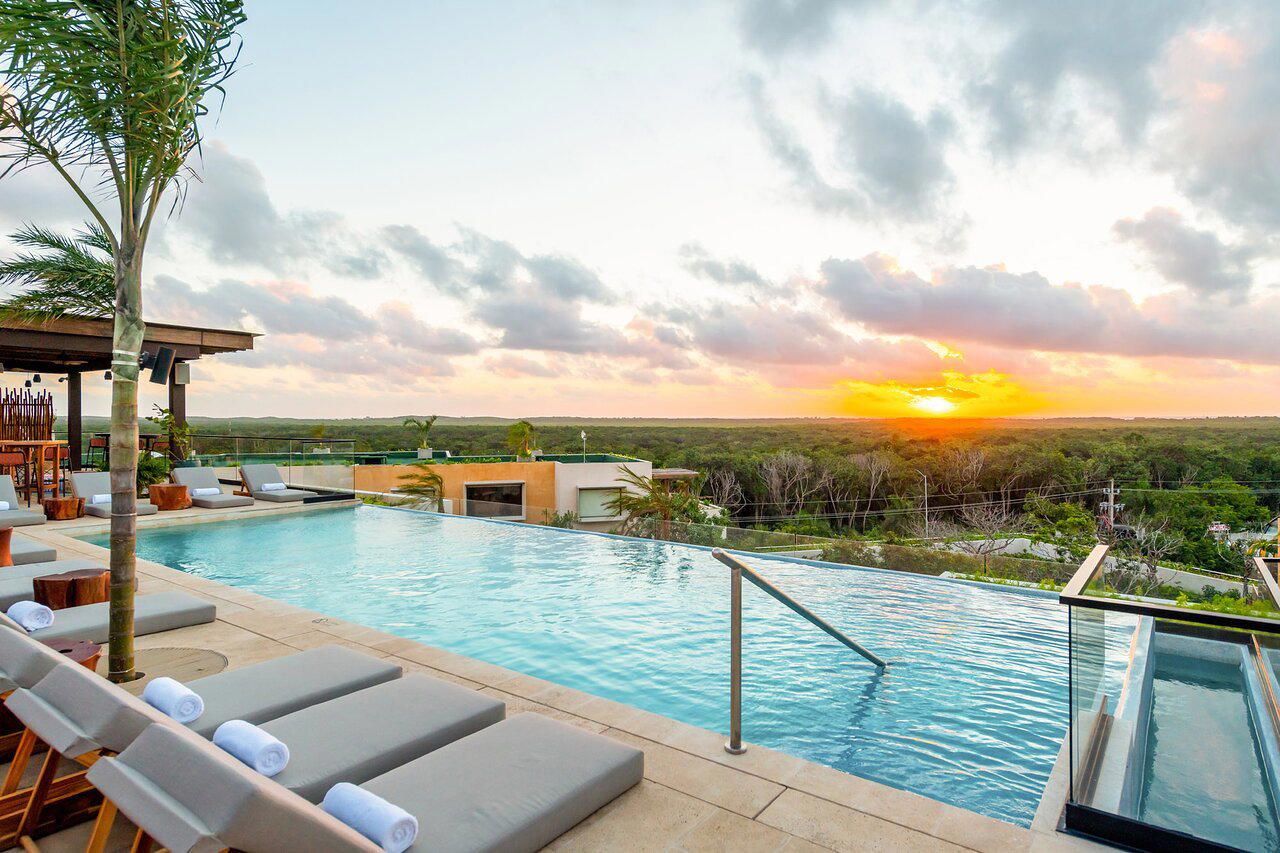
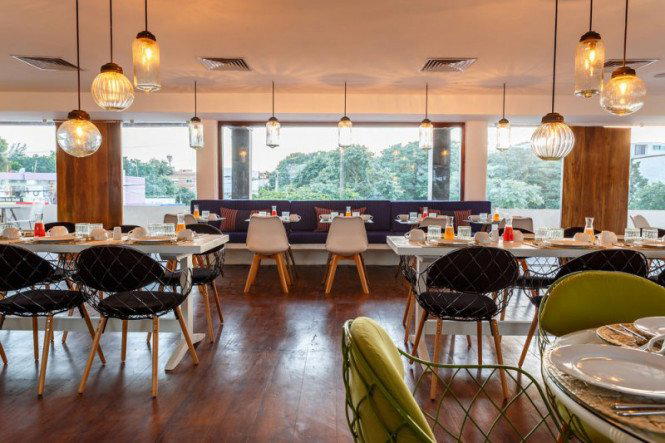
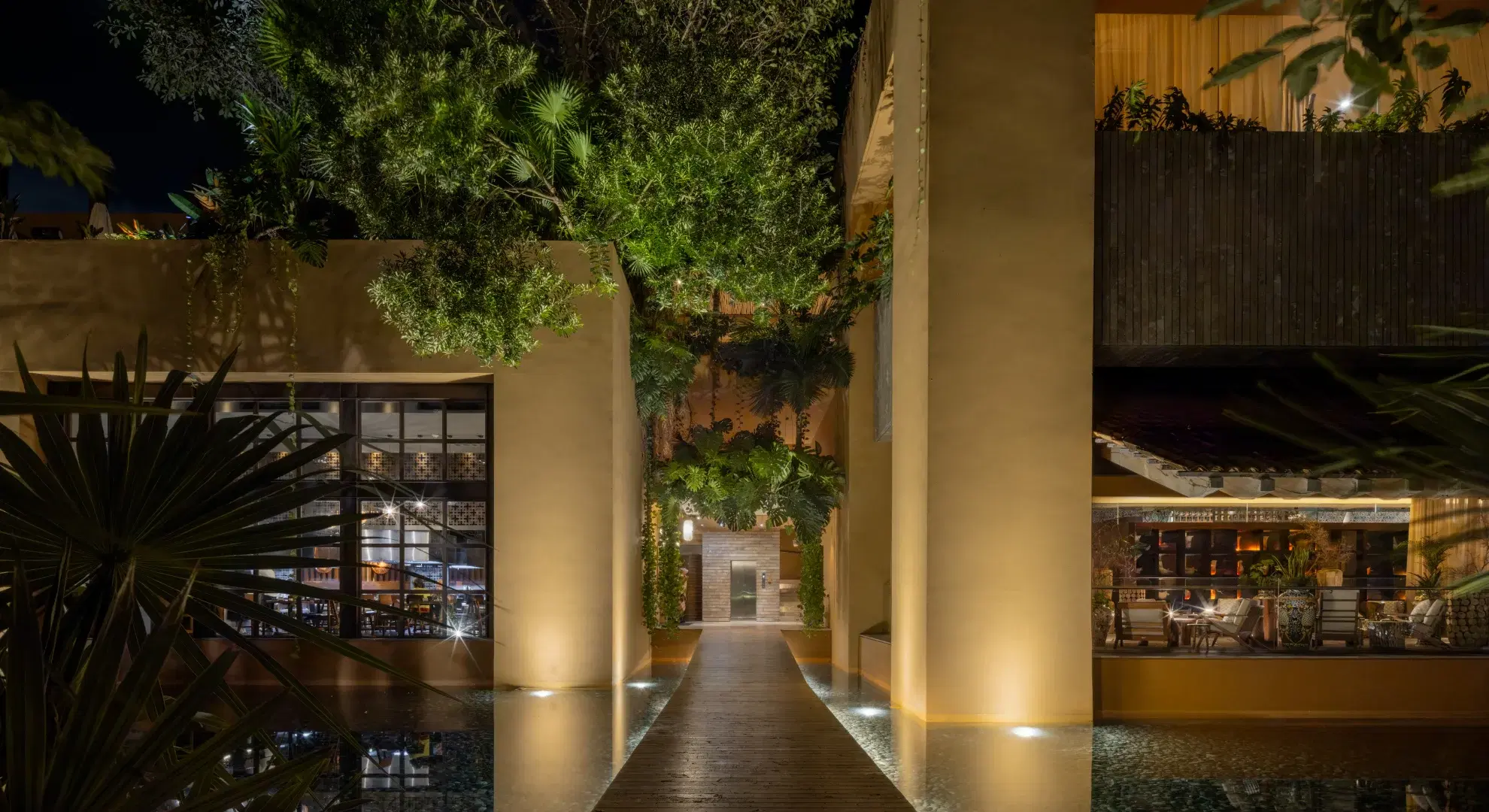
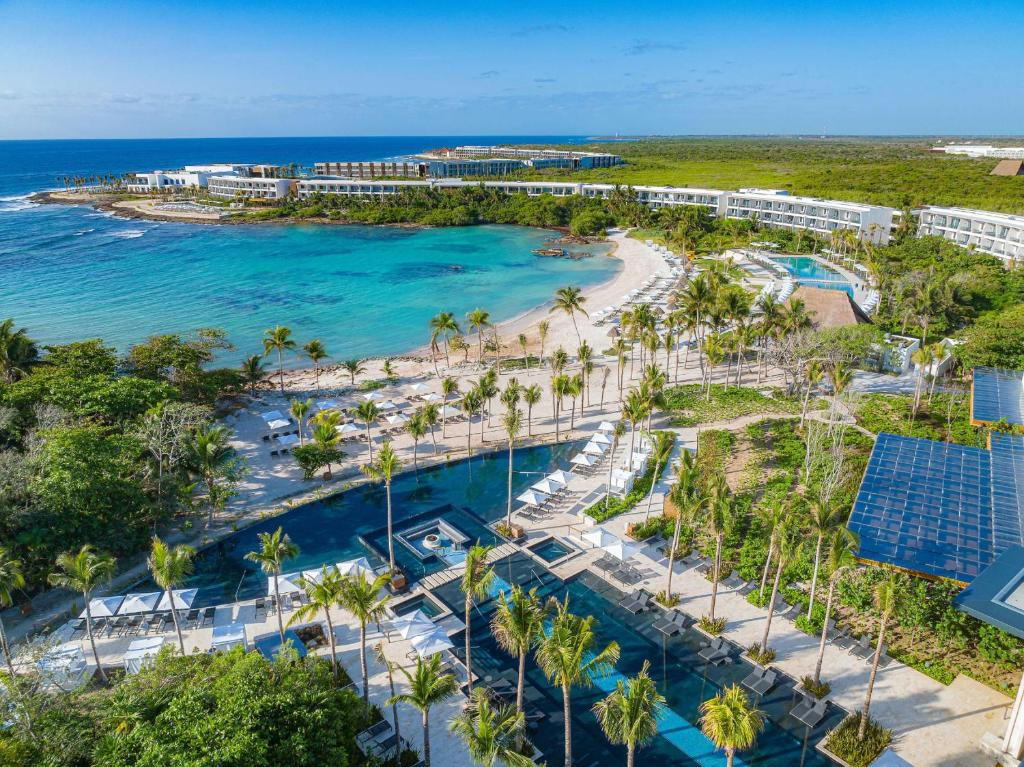
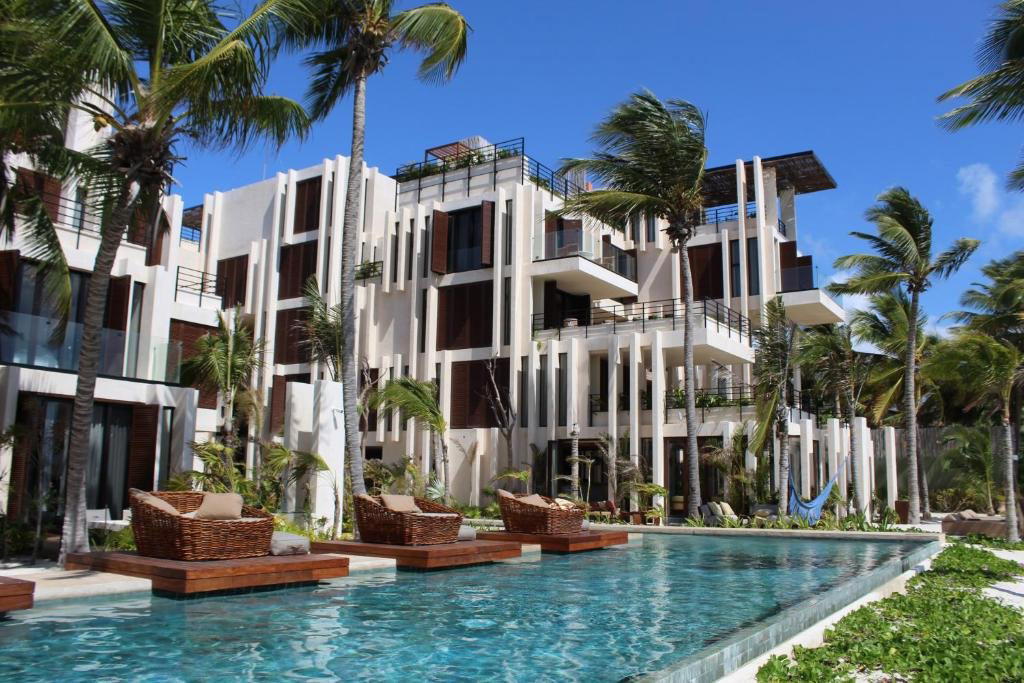
Along the Riviera Maya's Chetumal-Puerto Juárez highway, the character of resort drinking has shifted. The corridor between Cancún and Tulum that runs through Akumal now supports a tier of lobby and beachside bars that compete less on frozen-drink volume and more on the craft of what's in the glass. Aurum occupies that position: a lobby bar at the Km. 259-100 mark near Akumal, where the physical setting does preliminary work before a drink is poured. Approaching through a resort lobby on this stretch of coast, the Caribbean horizon sits in the peripheral sightline of almost every seat, and that geography shapes what any bar here can reasonably aspire to.
This is not the Cancún strip model, where scale and spectacle set the baseline, places like Coco Bongo in Cancún operate in an entirely different register, built around entertainment throughput. Aurum's address places it in a quieter, more considered part of the coast, where the expectation is that the programme can carry the evening rather than the production around it.
The Cocktail Programme in Context
Mexican bar culture in 2024 has sorted itself into distinct tiers. At the top end of the national conversation sit programmes in Mexico City Bar Mauro in Mexico City represents the capital's technically rigorous approach, and increasingly in smaller cities with deep craft roots, like Bekeb in San Miguel de Allende, where the programme is built around local botanicals and fermentation knowledge. Further south, Sabina Sabe in Oaxaca anchors its identity firmly in mezcal and Oaxacan produce.
The Riviera Maya sits in a different position in this hierarchy. The coast's hospitality economy is resort-driven, which historically meant cocktail programmes designed for accessibility over depth. That calculation is changing. Zapote Bar in Playa del Carmen is among the examples that have pushed the regional benchmark in the direction of technique and ingredient sourcing. Arca in Tulum operates with a kitchen-and-bar integration that treats the drinks programme as a natural extension of its ingredient philosophy. These references matter because they define what a serious bar on this coast looks like, and they raise the standard against which any programme in the area is implicitly judged.
Aurum sits in this regional pattern as a lobby operation rather than a standalone destination bar. That format carries particular pressures: the clientele arrives through accommodation rather than through deliberate bar-seeking behaviour, and the programme must simultaneously serve the guest who wants a simple rum-and-lime and the guest who wants something that reflects Mexico's actual spirits culture. The agave category is unavoidable in this geography. Mexico's tequila and mezcal traditions are the structural foundation of any credible bar programme here, and a lobby bar on the Riviera Maya that ignores or underplays those traditions is making an active choice to disconnect from its own context. For a broader frame on what heritage-rooted agave service looks like at its most elemental, La Capilla in Tequila, the birthplace of the Batanga, remains the reference point that any Mexico bar conversation eventually returns to.
What the Setting Produces
The Akumal section of the Riviera Maya attracts a visitor profile that differs from the all-inclusive concentration closer to Cancún or the boutique-hotel density of Tulum. The area's relative quiet and its cenote and reef access draw a traveller with more interest in the natural environment than in nightlife throughput. A lobby bar in this context functions as a decompression point, a place where the transition from the reef or the road into the evening happens without urgency.
That rhythm suits a certain kind of cocktail programme, one that rewards lingering rather than table-turning. The most effective resort bar programmes on this coast have learned to use local and regional ingredients not as novelty garnish but as structural components: hibiscus in a sour, tamarind in a highball, habanero as a heat register rather than a gimmick. Whether Aurum's programme reflects this approach is something the drink list itself would confirm; what the geography and format suggest is that the conditions are favourable for it.
For comparison, the border-town irreverence of Aruba Day Drink in Tijuana or the Guadalajara cantina tradition represented by El Gallo Altanero in Guadalajara show how differently Mexico's drinking culture expresses itself by region. Murciégalo in Mérida provides the closest Yucatán Peninsula reference, operating with an awareness of local produce and the peninsula's own spirit traditions. The Cuban-American continuity of Café La Trova in Miami is a reminder that the Caribbean bar tradition extends well beyond Mexico's coastline, with its own technical rigour and historical depth.
Planning a Visit
Aurum operates from the lobby of the Akumal property at Carretera Chetumal Puerto Juárez Km. 259-100, a location that places it roughly midway along the Riviera Maya corridor, accessible by car or taxi from both Playa del Carmen to the north and Tulum to the south. The lobby position means access is tied to the hotel's general operating patterns. Guests of the property will find it the natural point of congregation before dinner; visitors from outside the resort should confirm current access policies directly with the property, as lobby bar access policies along this coast vary. For a fuller picture of where Aurum sits within the region's broader hospitality offer, see our full Riviera Maya restaurants guide.
Continue exploring
More in Riviera Maya
Bars in Riviera Maya
All bars in Riviera Maya →
Restaurants in Riviera Maya
All restaurants in Riviera Maya →
Aurum
The drinks
- Craft cocktails
- Classic cocktails
- Mezcal
- Tequila
Signature drinks: Old Fashioned.
Details
- Lively
- Modern
- Sophisticated
- After Work
- Late Night
- Group Outing
- Casual Hangout
- Hotel Bar
- Standalone
- Seated Bar
- Lounge Seating
- Outdoor Terrace
- Classic Cocktails
- Craft Cocktails
- Mezcal
- Tequila
- Whiskey
Spacious outdoor lobby-bar atmosphere with a lively, upscale resort feel; described as having traditional and signature cocktails and premium cigars.