At kilometre 10.6 of Tulum's Boca Paila road, Nativus Glamping sits at the outer edge of the hotel zone where the jungle thickens and the coast quiets. The property centres on a private cenote, positioning it within a small cohort of Tulum properties that treat natural geological features as the main wellness infrastructure. For travellers who find the hotel zone's denser northern stretch too loud, this address offers a different register.
Pearl is the En Primeur Club membership app — saves, bookings, and concierge access live there. Same editors, same standards.
- Address
- Tulum Beach Road Carretera Boca Paila km 10.6, 77780 Q.R., Mexico
- Phone
- +52 984 203 9255
- Website
- nativustulum.com
- Directions
- Get directions
 Saves & bookings on Pearl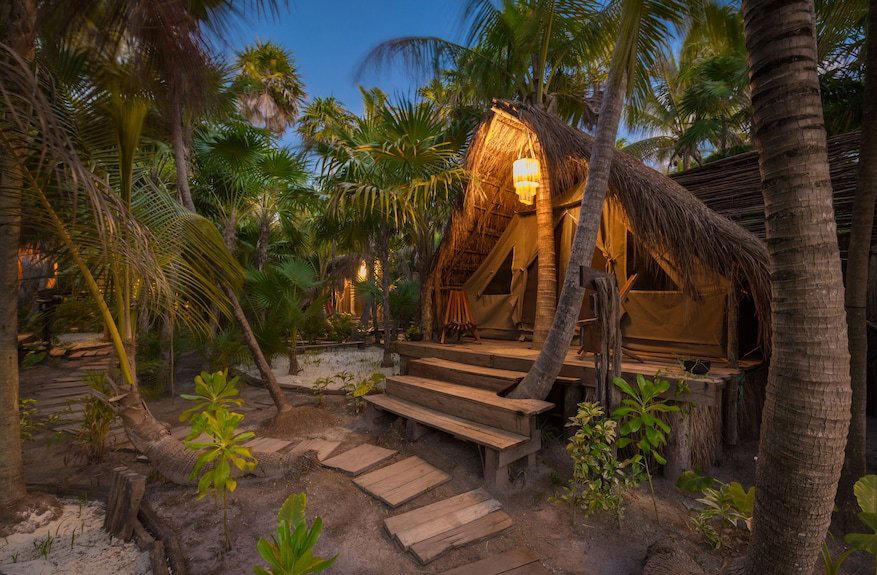
Where the Hotel Zone Thins Out
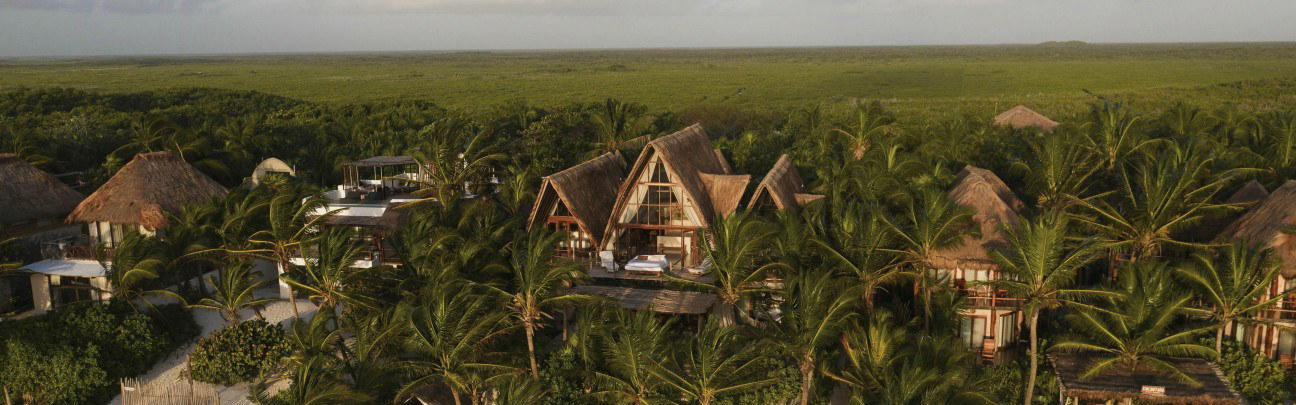
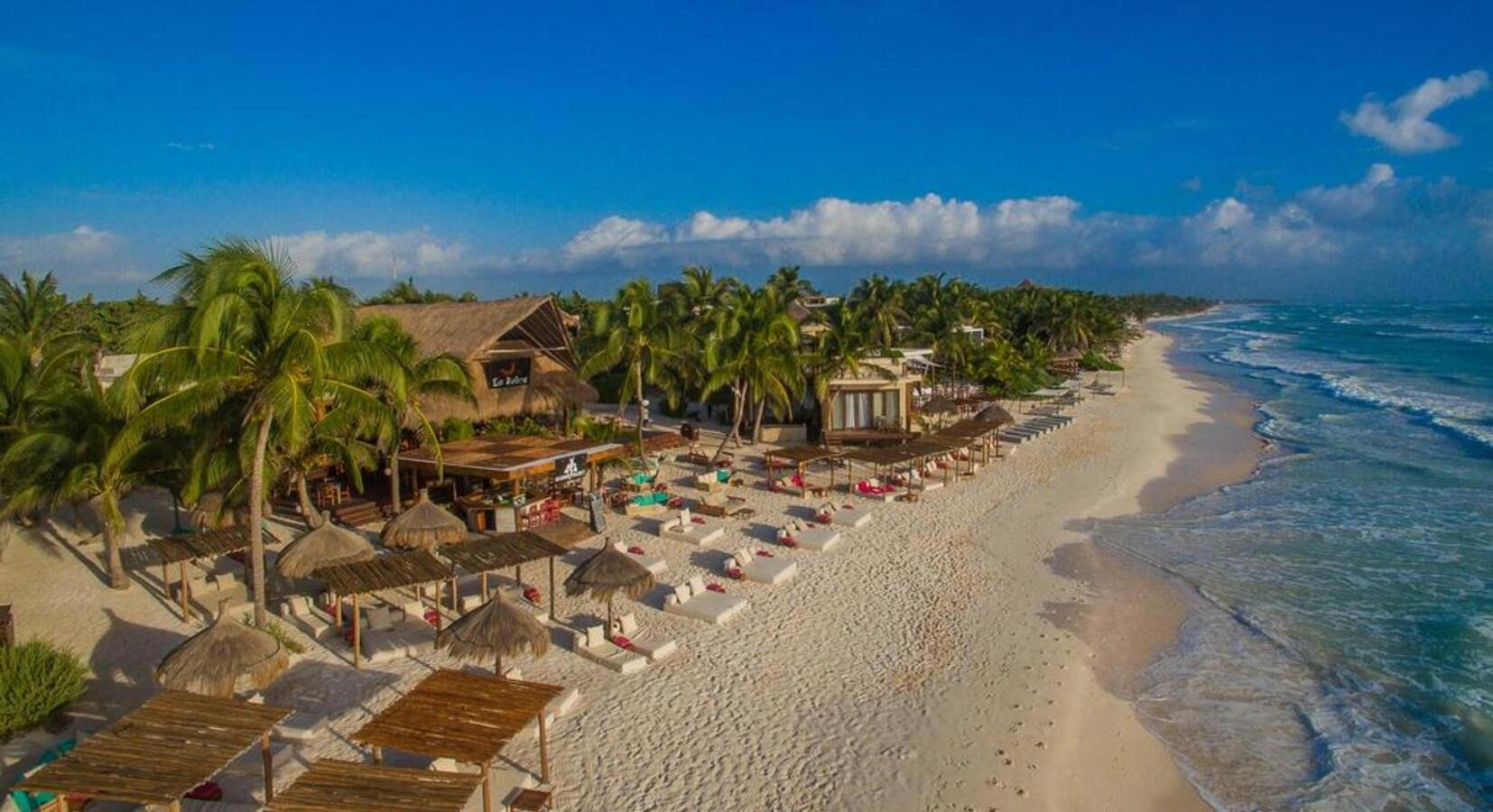
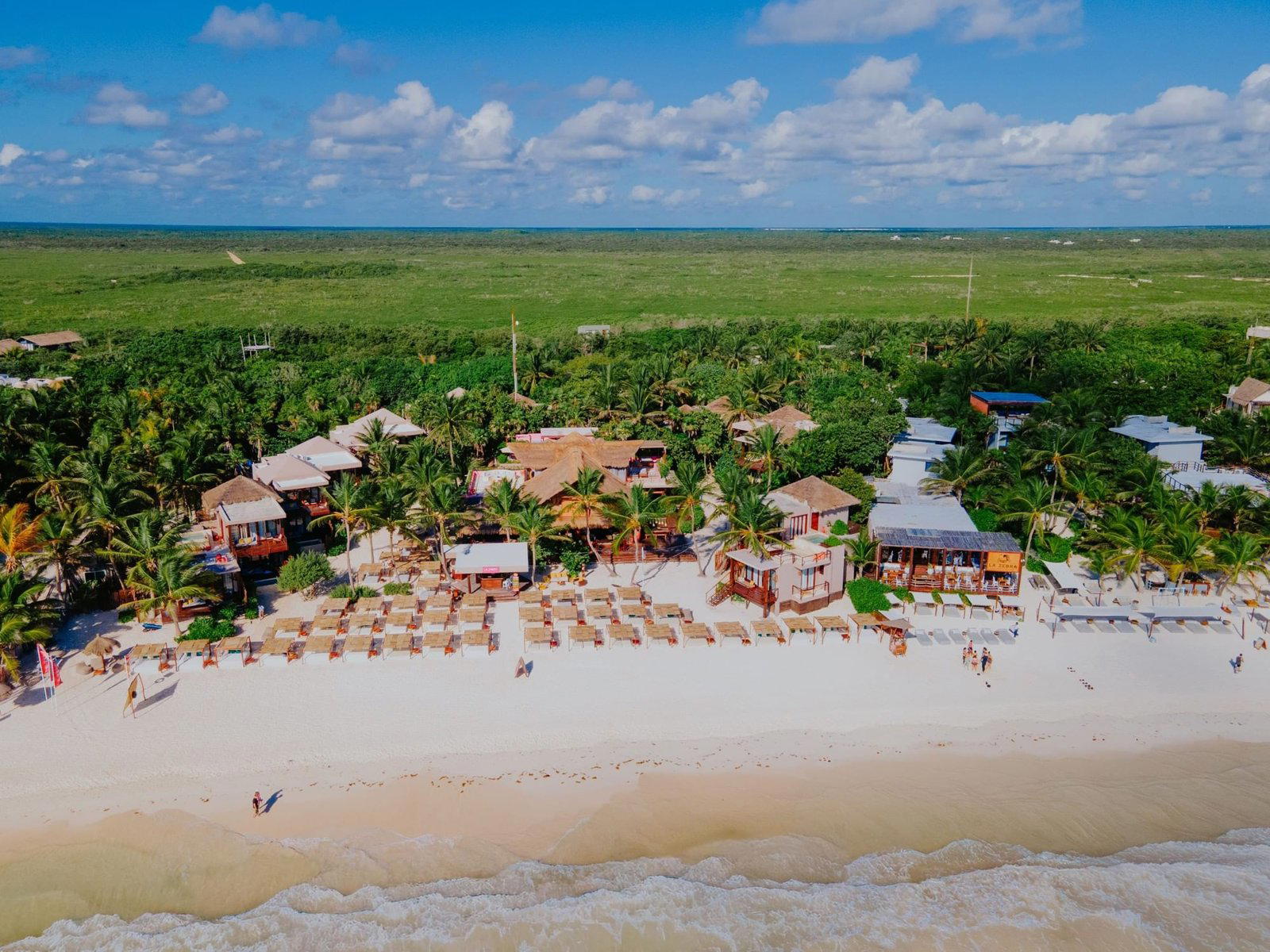
Drive south along Tulum's Boca Paila road past the cluster of design hotels and beach clubs that define the zone's northern kilometre markers, and the atmosphere changes around km 8. By km 10.6, the properties are spaced further apart, the jungle canopy is closer to the road, and the Caribbean is audible rather than merely visible through gaps in the vegetation. This is where Nativus Glamping & Cenote Tulum sits, at km 10.6 on Tulum Beach Road Carretera Boca Paila in Tulum.
Tulum's appeal to wellness travellers has always rested on a proximity to natural systems that the Riviera Maya's more resort-heavy coast to the north does not offer at the same density. The Yucatán Peninsula's cenote network is the geological fact that makes this stretch of coastline different from Cancún or Playa del Carmen, and properties that sit directly above or adjacent to a cenote offer a different kind of wellness setting than those that simply reference Mayan culture in their branding. Nativus positions its private cenote as the centrepiece of the guest experience, which places it in a small cohort of Tulum properties where the natural feature is the primary wellness infrastructure rather than an amenity listed alongside a pool and a spa menu.
The Cenote as Wellness Anchor
Across the Yucatán, cenotes range from heavily trafficked tourist attractions to pools that remain largely unknown outside local communities. The cenotes accessible from Tulum's hotel zone occupy a middle ground: known enough to draw intentional visitors, but far less crowded than the inland sites near Valladolid or the organised circuits around Akumal. A private cenote attached to an accommodation property narrows the access further, which changes the quality of the experience in concrete ways. There is no queue, no scheduled entry window, and no ambient noise from other visitors. The water temperature in Yucatán cenotes averages around 24 to 25°C year-round, cold enough to function as a genuine recovery tool for guests who have spent hours in the Caribbean sun, and the mineral composition differs from both seawater and treated pool water.
This type of access sits at the intersection of two broader trends in premium travel. First, the shift from spa-as-building to spa-as-landscape, where the therapeutic element is the natural environment itself rather than a treatment room. Second, the growing demand for low-intervention wellness, where guests are not being programmed through back-to-back classes and treatments but are instead given access to conditions that support rest and physiological recovery. A private cenote at the southern end of the hotel zone addresses both without requiring the property to build the kind of wellness infrastructure that drives costs and complexity at larger resort operations.
For context on how Tulum's hotel zone handles this divide, consider the difference between properties like Azulik, which constructs an elaborate design environment to amplify the sense of immersion, and the glamping format, which keeps the built environment minimal so that the natural setting carries more weight. Neither approach is wrong, but they serve different travel motivations. Hotel Esencia, further north along the corridor, sits in a different category again, with a more polished infrastructure and a corresponding price positioning. Nativus, by operating as a glamping property, accepts a different set of trade-offs: less architectural drama, less service density, and in exchange, a closer material relationship with the landscape.
Glamping as a Format at This Address
The glamping format in Mexico has expanded considerably over the past decade, and the quality range is now wide. At one end are canvas tent operations with minimal infrastructure and no particular site advantage. At the other are properties that use the glamping designation to signal intentional simplicity while offering substantive natural assets and considered design. The presence of a private cenote on the Boca Paila road puts Nativus in a position where the site itself does the justification work that other glamping operations have to accomplish through fitout and programming.
The southern stretch of the hotel zone, where km 10.6 falls, is also subject to fewer of the noise and traffic patterns that affect the northern cluster around km 1 to 5. The Sian Ka'an Biosphere Reserve begins south of the hotel zone, and proximity to that protected area shapes the ambient environment in practical terms: less artificial light, less engine noise after dark, and a different quality of night sky. For guests whose wellness goals include sleep quality and circadian reset, that ambient difference matters more than any single spa treatment.
Travellers considering the broader Riviera Maya wellness circuit can cross-reference against properties like Amansala Resort, which has a longer track record in yoga-led retreat programming, or Encantada Tulum and Copal Tulum Hotel for more conventional hotel formats at comparable positions on the corridor. Casa Malca and Bespoke Tulum offer design-led alternatives for travellers who weight architectural experience more heavily. For a wider view of where Nativus fits within the Tulum accommodation scene, the full Tulum guide provides category-level context.
Planning the Stay
Advance booking is recommended. For wider regional comparison, properties like Maroma in Riviera Maya and Etéreo, Auberge Resorts Collection in Punta Maroma offer a different calibre of resort infrastructure further north along the coast, useful reference points if Nativus's format turns out not to match what a given trip requires. Further afield within Mexico, Chablé Yucatán near Merida is the benchmark for cenote-integrated luxury at full resort scale, while Xinalani in Quimixto and One&Only; Mandarina in Riviera Nayarit represent the Pacific coast's version of the nature-immersive premium format.
Accolades, Compared
Comparable venues nearby, for context on price, style, and recognition.
| Venue | Cuisine | Price | Awards | Notes |
|---|---|---|---|---|
| Nativus Glamping & Cenote TulumThis venue — the venue you are viewing | Eco-friendly glamping retreat with luxury tents in jungle setting | $$ | 3-Star | Not listed |
| Nômade Temple Tulum | Jungle-integrated eco-boutique with treehouses and private pool suites | $$$$ | 4-Star | Tulum |
| Chiringuito Tulum | Beachfront boutique with villa rental options | $$$$ | 4-Star | Tulum |
| Delek Tulum | Contemporary classic boutique hotel with eco-conscious design philosophy emphasizing cultural sensitivity and sustainable tourism practices. | $$$ | 4-Star | Tulum |
| Amansala Resort |Beachclub | Spa | Eco-chic beachfront resort with palapa roofs and organic materials blending rustic elegance and modern comfort. | $$$$ | 4-Star | Tulum |
| Sueños Tulum | Eco-friendly beachfront boutique resort with Mayan sanctuary vibe | $$$$ | 4-Star | Tulum |
At a Glance
- Rustic
- Scenic
- Quiet
- Bohemian
- Romantic Getaway
- Wellness Retreat
- Weekend Escape
- Private Villa
- Waterfront
- Panoramic View
- Wi Fi
- Pool
- Fitness Center
- Beach Access
- Waterfront
- Garden
- Wi Fi
- Pool
- Fitness Center
- Beach Access
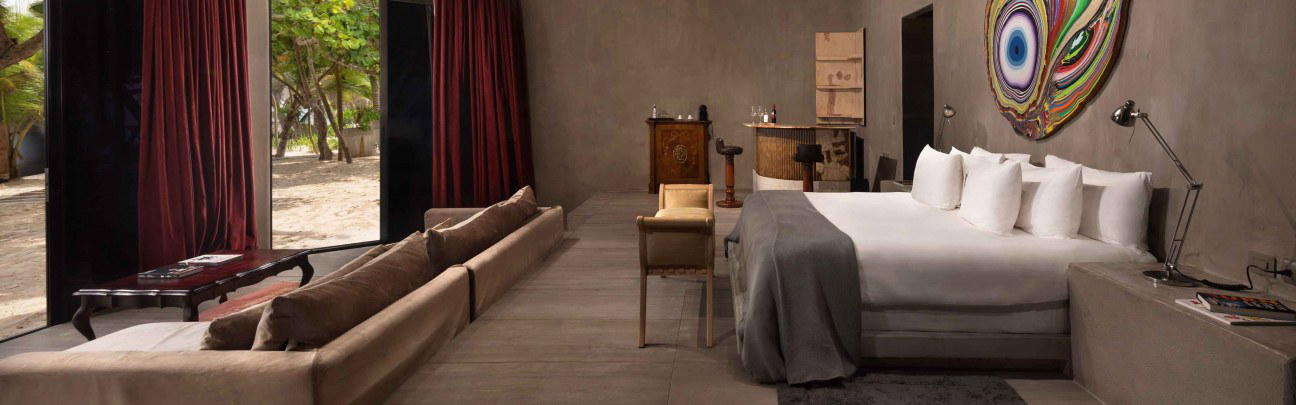
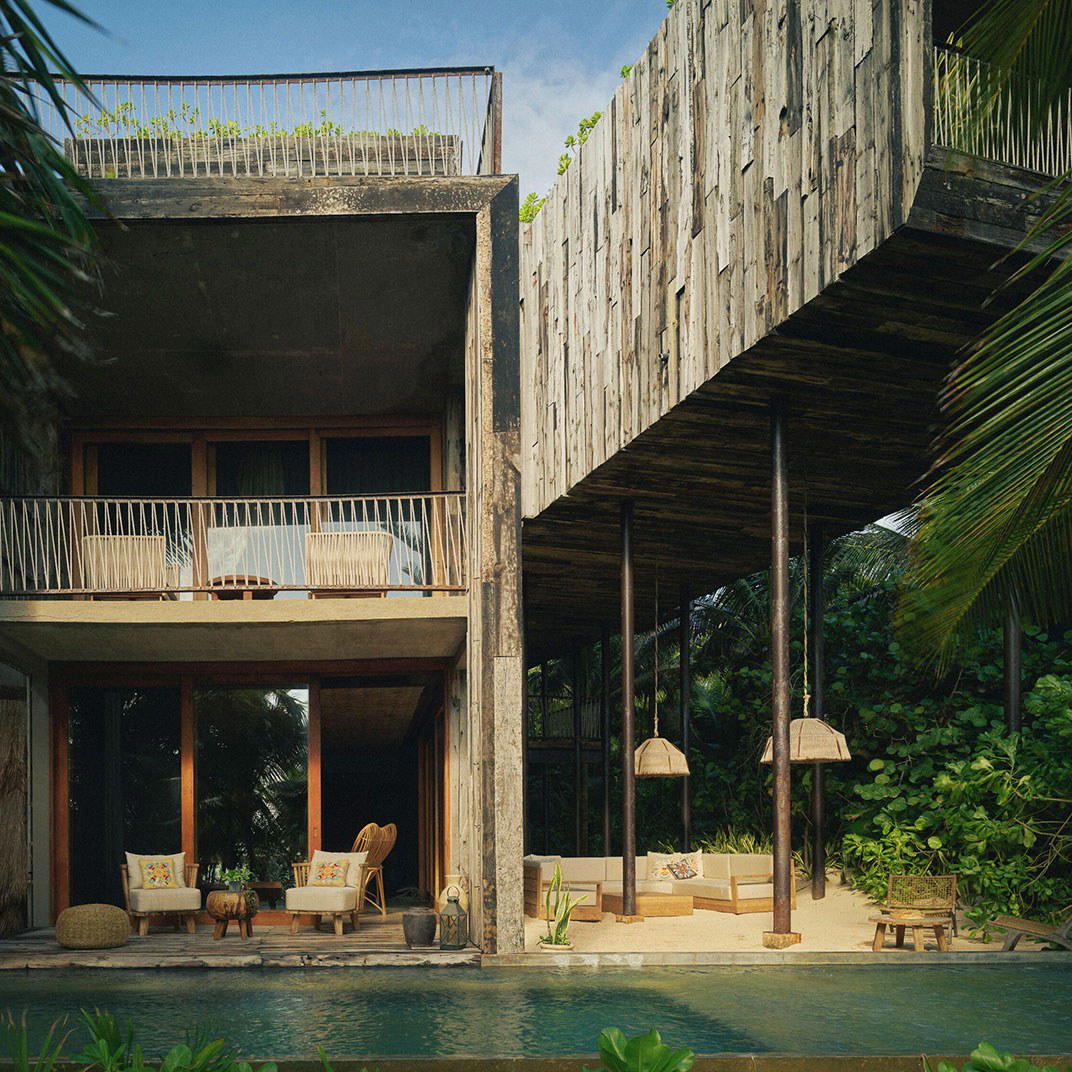
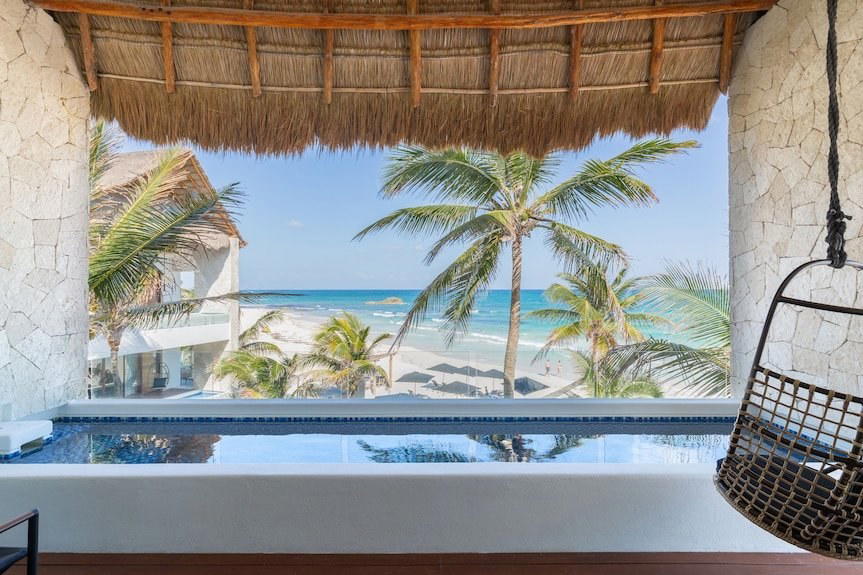
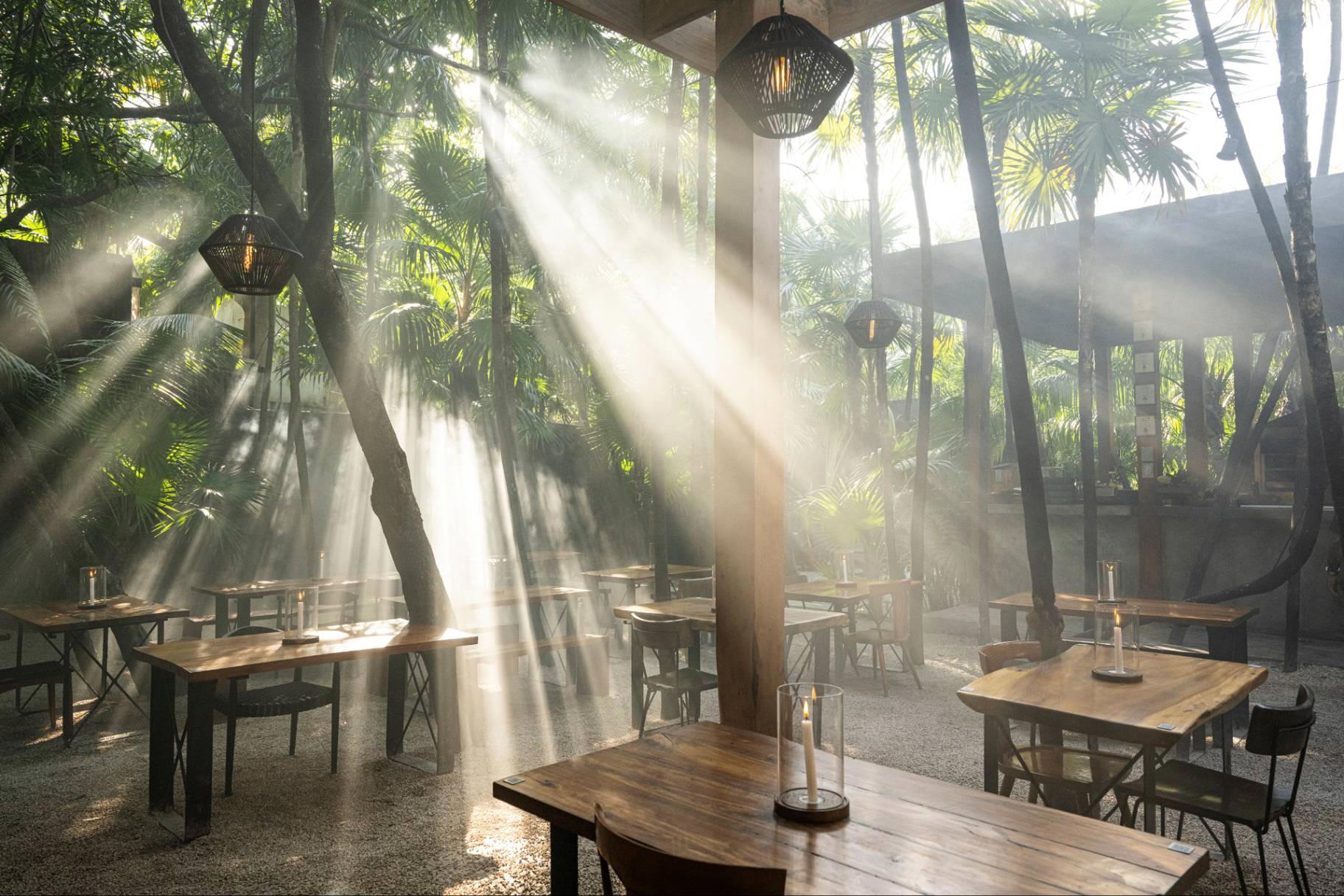
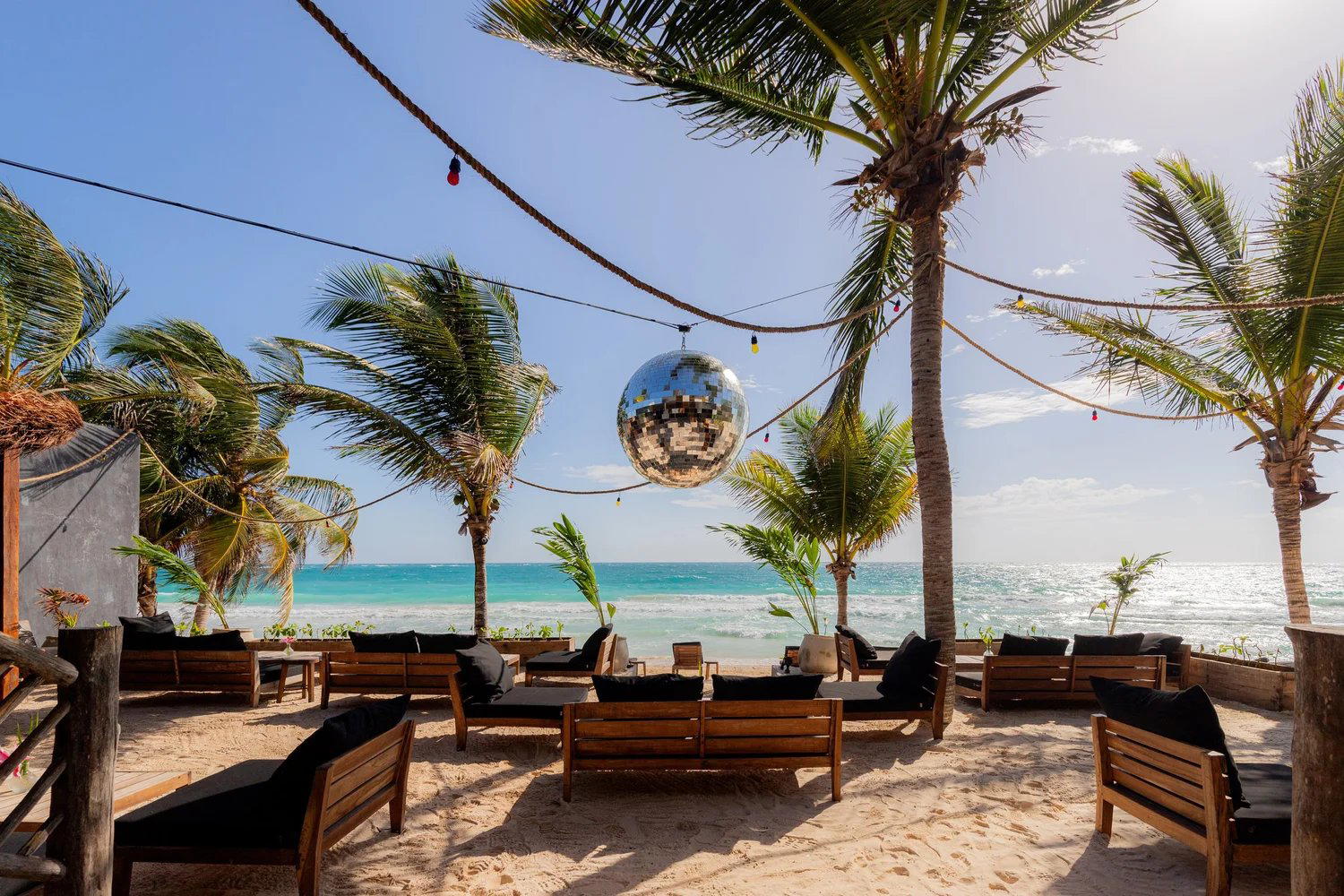
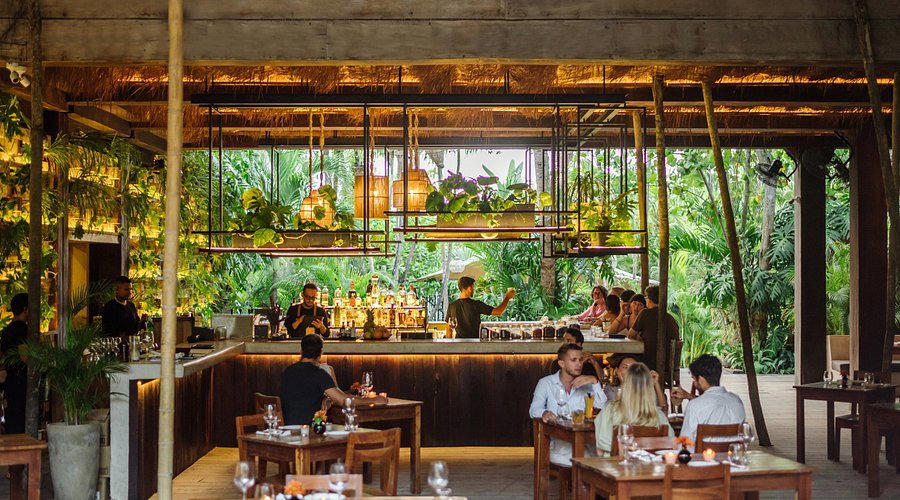
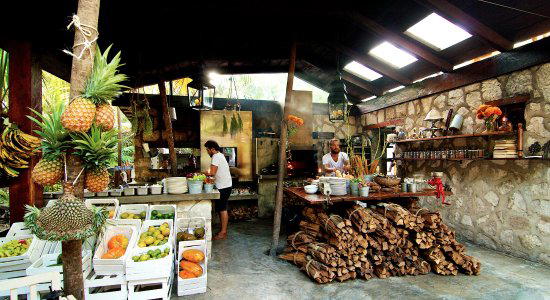
Tranquil jungle atmosphere with chill lounges, hammocks, and natural materials fostering a peaceful, nature-immersed retreat.