Mövenpick Manila Bay Westside
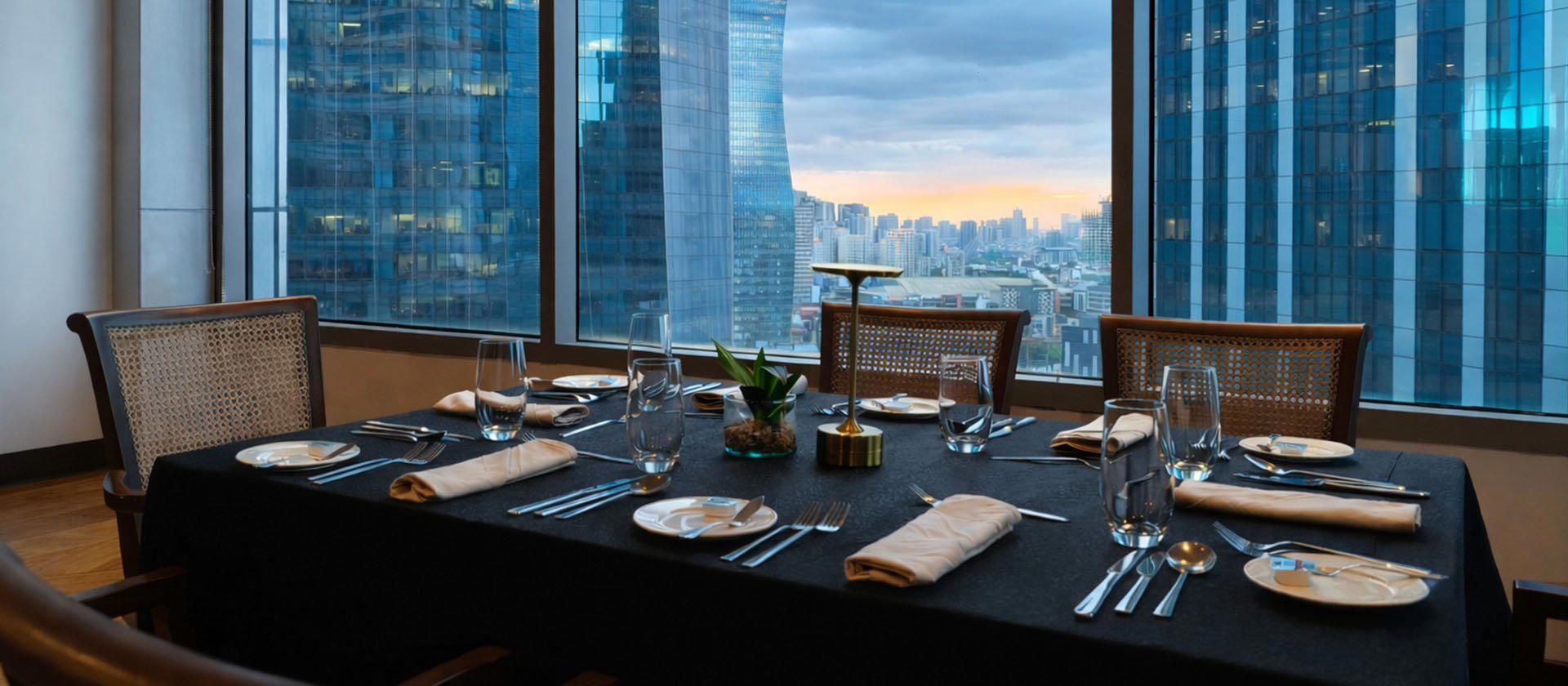
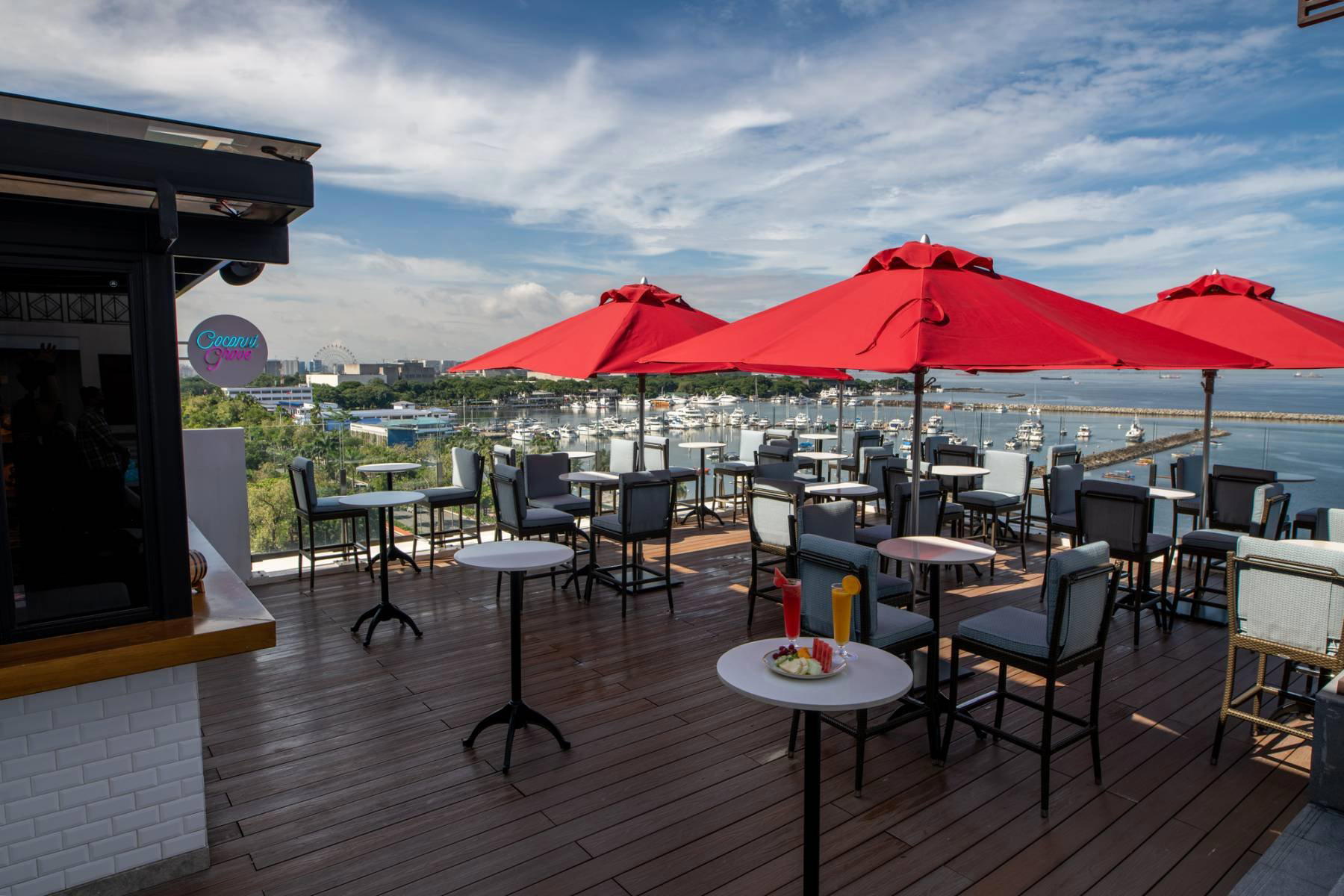
Mövenpick Manila Bay Westside pairs 1,530 rooms with waterfront and skyline views in Manila, plus Wi‑Fi, concierge, business center, room service, and valet parking.

Pearl is the En Primeur Club membership app — saves, bookings, and concierge access live there. Same editors, same standards.

First impression: Manila Bay scale, not Makati restraint
Approaching a hotel in the Manila Bay orbit is different from arriving at a tower in Makati or Bonifacio Global City. The city loosens out toward the water: roads widen, resort complexes take up larger parcels, and the hotel experience often begins with scale before service. Mövenpick Manila Bay Westside sits inside that conversation. Mövenpick Manila Bay Westside is a 5-star hotel in Manila, with 1,530 rooms and a price tier of 4, making it a large-format base for guests who want bay-side convenience and resort infrastructure more than the compact walkability of the central business districts.
That distinction matters. Manila’s premium hotel market is not one scene but several. Makati properties compete on corporate proximity and club-lounge regularity; BGC hotels lean into newer urban planning, malls, and vertical city life; Newport and Parañaque properties speak to airport logistics and integrated resort traffic; Manila Bay addresses a broader mix of entertainment, meetings, waterfront symbolism, and high-volume leisure. Mövenpick Manila Bay Westside belongs to the last group, and its usefulness depends on whether that geography matches the trip.
For a design-led reading, the name also carries expectations. Mövenpick, as an international hospitality brand, usually sits in the full-service category rather than the intimate boutique tier. That does not confirm any specific amenity here, but it sets the likely peer frame: guests should compare it with large Manila hotels where arrival sequence, lobby scale, meeting flow, and food-and-beverage access shape the stay as much as the bedroom. In that sense, the property is better evaluated beside waterfront and resort-district addresses than against smaller city hotels built around heritage restoration or residential calm.
Why Manila Bay hotels feel different
Manila Bay has long carried more symbolic weight than many hotel districts in the capital. The sunset view, the reclaimed land, the proximity to entertainment developments, and the road access toward the airport all create a hospitality zone with a different rhythm from Makati’s office grids. The trade-off is clear: bay-side stays can feel more spacious and infrastructure-heavy, while central districts usually make restaurant-hopping and business appointments easier on foot.
This is where comparisons become useful. Conrad Manila anchors the Mall of Asia side of the bay with a large contemporary format. Solaire Resort in Parañaque belongs to the integrated-resort comparable set, where gaming, performance venues, and destination dining matter. Admiral Hotel Manila – MGallery offers a more heritage-inflected counterpoint closer to old Manila’s cultural axis. Mövenpick Manila Bay Westside should be placed among these bay-facing and resort-district references rather than judged as if it were a Makati business hotel.
The city’s hotel geography also rewards precision. A traveller attending meetings in Ayala Center may find Fairmont Makati or Dusit Thani Manila more efficient. A guest working in BGC may compare the bay-side format with Grand Hyatt Manila. The bay makes sense when the trip is oriented toward water-side districts, entertainment complexes, airport routing, or meetings held nearby.
Architecture and design: what can be said responsibly
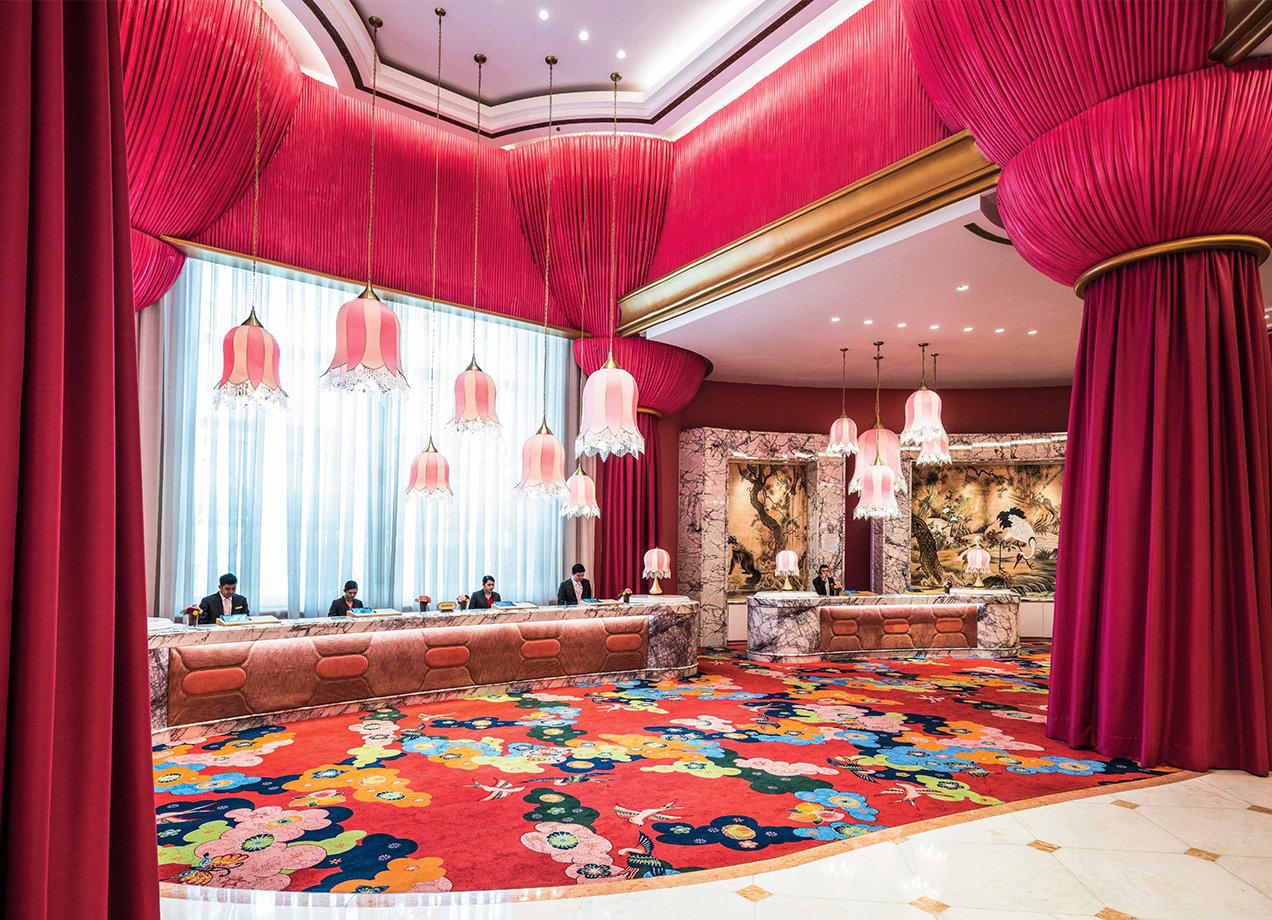
That absence should not be dressed up as certainty. Instead, the design question has to be framed at district scale. Manila Bay’s newer hospitality projects typically work with large floor plates, high-traffic public zones, porte-cochère arrivals, and interiors designed to process mixed demand: leisure guests, meetings, dining traffic, and event movement.
That is a different design problem from the one faced by a heritage hotel or a compact urban tower. A Makati hotel can rely on the street grid and surrounding offices to provide context. A bay-side property often has to create its own internal sequence: arrival, lobby, lifts, restaurants, lounges, and event spaces must make sense to guests who may spend more time within the complex. What can be said is that the property’s likely design relevance comes from its position in Manila’s large-format hospitality corridor, where architecture is judged by circulation, legibility, and the ability to absorb peak traffic without making the guest feel processed.
For travellers who care about design, the question is not whether a hotel photographs well from one angle. It is whether the building supports the trip. Does the arrival sequence work after a late flight? Are public areas comfortable enough for waiting between appointments? Is dining reachable without crossing half the city in traffic? Those are the architectural tests that matter in Manila, a city where distance on a map rarely tells the whole story.
The competitive set: bay, airport, business district
Manila hotel choice is unusually sensitive to itinerary. Traffic patterns, appointment locations, and evening plans shape the stay more than brand preference alone. Mövenpick Manila Bay Westside belongs in a practical comparison that includes three hotel clusters: bay-side properties, airport-adjacent resorts, and central business district towers.
Bay-side and resort-district stays
Bay-side hotels suit guests whose Manila plans lean toward entertainment, events, large malls, waterfront drives, or resort-style infrastructure. The broader district has become one of the capital’s clearest expressions of large-scale hospitality: broader roads, larger podiums, and properties designed for guests who expect much of the trip to happen on site or nearby. In that setting, Mövenpick Manila Bay Westside should be assessed by access to the guest’s actual Manila commitments rather than by brand familiarity alone.
Airport and Newport logic
Newport has its own rhythm, built around airport access and resort infrastructure. Hotel Okura Manila at Newport World Resorts is a useful comparator for travellers deciding between airport-side convenience and bay-side scale. The choice is not abstract. Early departures, late arrivals, and short overnight stays often make Newport more compelling. Longer leisure stays or meetings around the bay can justify the Manila Bay address.
Makati and BGC alternatives
Makati and BGC remain stronger for travellers who want business appointments, dining, and shopping packed into a denser urban routine. That does not make them superior for every trip; it makes them different instruments. The central districts reduce friction for office-heavy days. The bay-side corridor shifts the centre of gravity toward leisure infrastructure, events, and larger hospitality footprints. The hotel is easier to understand when that contrast is made explicit.
Food, bars, and the city around the stay
For travellers, the broader Manila dining context supplies the safer guide. The capital’s serious eating now runs across hotels, malls, independent tasting menus, Japanese counters, Filipino kitchens, and cocktail bars that often require traffic-aware planning. A bay-side hotel can be convenient for resort-district dining, but it may not be the natural base for every restaurant in Makati, BGC, or Quezon City.
That is why hotel dining should be treated as part of the planning equation rather than an assumed answer. If the stay is built around meetings and late returns, on-property dining may matter more. If the trip is built around Manila’s independent restaurant scene, location relative to the reservation list becomes the real luxury.
In a city where a short distance can become a long transfer, a strong Manila itinerary usually starts with a map of obligations: airport, meetings, restaurants, family visits, shopping, and late-night plans. The hotel should then be chosen as the least wasteful anchor. The hotel makes its case when the bay-side anchor solves more problems than it creates.
Who should consider this address
The strongest case for the hotel is for travellers who want a Manila stay aligned with the bay and its large-format hospitality infrastructure. That includes guests attending events nearby, travellers who prefer a hotel-led experience over a street-led one, and visitors who value a base away from the tightest business-district grids. It may also suit leisure itineraries that combine Manila with resort travel elsewhere in the Philippines, where the city stay functions as a polished gateway rather than the entire trip.
The weaker case is for travellers whose days are concentrated in Makati, BGC, Ortigas, or old Manila cultural sites. In those cases, a bay-side address can add transfer time. The better move is to match hotel geography to the schedule. Our full Manila hotels guide gives the broader city view, while island and resort comparisons can be useful for travellers combining the capital with elsewhere in the country: Amanpulo in Pamalican Island, Banwa Private Island in Palawan, Villa Caemilla Beach Boutique Hotel in Boracay, BE Grand Resort, Bohol in Bohol, and Dusit Thani Mactan Cebu Resort in Cebu all speak to different versions of Philippine leisure travel.
For wellness or quieter coastal extensions, Nawa Wellness, Calatagan in Batangas, Manami Resort in Sipalay City, and Phuket Village in Polillo show how quickly the country’s hotel conversation changes once it leaves the capital. Manila Bay is urban, logistical, and infrastructure-led; the islands shift the measure toward seclusion, sea access, and length of stay.
Planning notes before choosing
Because the record does not list a verified address, phone number, website, room categories, or opening hours, travellers should confirm those details through an official channel before making fixed plans. Dress code is smart casual and reservations are recommended. That is not a minor caveat in Manila. Transfer timing, arrival hour, event location, and airport terminal can alter the value of a hotel choice. A property that suits a two-night leisure stop may be less efficient for a day of meetings across Makati and BGC.
Price should also be read in context. Without a verified rate band, it is safer to compare live dates against direct competitors in the same district and then against business-district alternatives. If bay-side prices are close to Makati or BGC on the same dates, the decision should come down to itinerary geography. If the bay-side rate carries a premium, that premium needs to buy convenience for the actual trip: event access, resort infrastructure, or easier routing to the next stop.
For travellers who use global hotel references, Manila’s large-format properties can be compared with international grand hotels only at the level of function, not assumption. A stay at The Fifth Avenue Hotel in New York City, Hôtel de Paris Monte-Carlo in Monte Carlo, or Badrutt's Palace Hotel in St. Moritz belongs to a different historic and urban context. Manila Bay’s appeal is more contemporary and practical: scale, access, and the ability to support a city stay that may mix business, leisure, and onward travel.
Comparable Venues Nearby
Comparable venues nearby, for context on price, style, and recognition.
| Venue | Cuisine | Price | Notes |
|---|---|---|---|
| Mövenpick Manila Bay WestsideThis venue — the venue you are viewing | Large-scale luxury hotel in an entertainment district development. | $$$$ | Not listed |
| Nobu Hotel Manila | Trendsetting sustainable boutique hotel with modern Japanese-inspired aesthetic, verdant landscape, and calming water features. | $$$$ | Parañaque |
| Makati Shangri-La, Manila | Classic luxury urban hotel with contemporary suites and exclusive Horizon Club privileges | $$$$ | Makati |
| Hotel Okura Manila at Newport World Resorts | Luxury Japanese hospitality in an urban integrated resort setting | $$$$ | Newport City |
| Manila Marriott Hotel at Newport World Resorts | luxury urban resort hotel | $$$$ | Newport World Resorts |
| Dusit Thani Manila | Luxury heritage hotel blending Filipino hospitality with gracious Thai design elements in a prime financial district location. | $$$$ | Makati |
At a Glance
- Modern
- Elegant
- Sophisticated
- Ornate
- Business Trip
- Group Retreat
- Celebration
- Weekend Escape
- Panoramic View
- Waterfront
- Wi Fi
- Concierge
- Business Center
- Room Service
- Valet Parking
- Waterfront
- Skyline
- Wi Fi
- Concierge
- Business Center
- Room Service
- Valet Parking
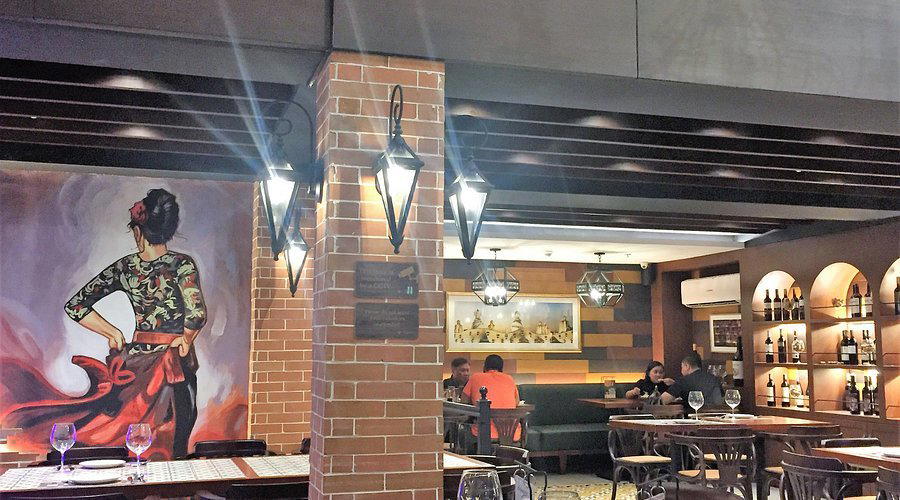
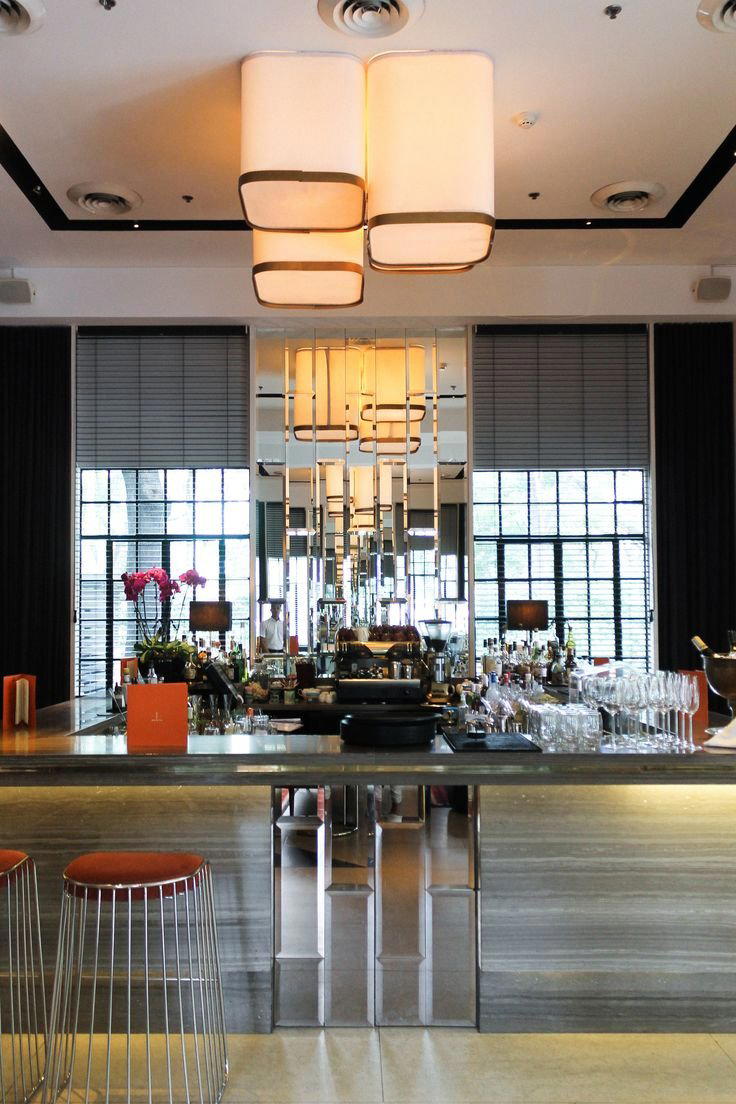
Large-scale, upscale urban hotel atmosphere with a resort-style, entertainment-district setting along Manila Bay.